After looking around the Yobuko Morning Market, I had a glass of jibiru. The next plan was to take a sightseeing boat to Nanatsugama (七ツ釜), which I had found on Google Maps. From the photos, the scenery looked very impressive.
The sightseeing boats depart from Marine Pal Yobuko. It is right in front of the bus terminal and not far from the morning market. Yobuko itself is not a large town, so everything is gathered around the center of the village.
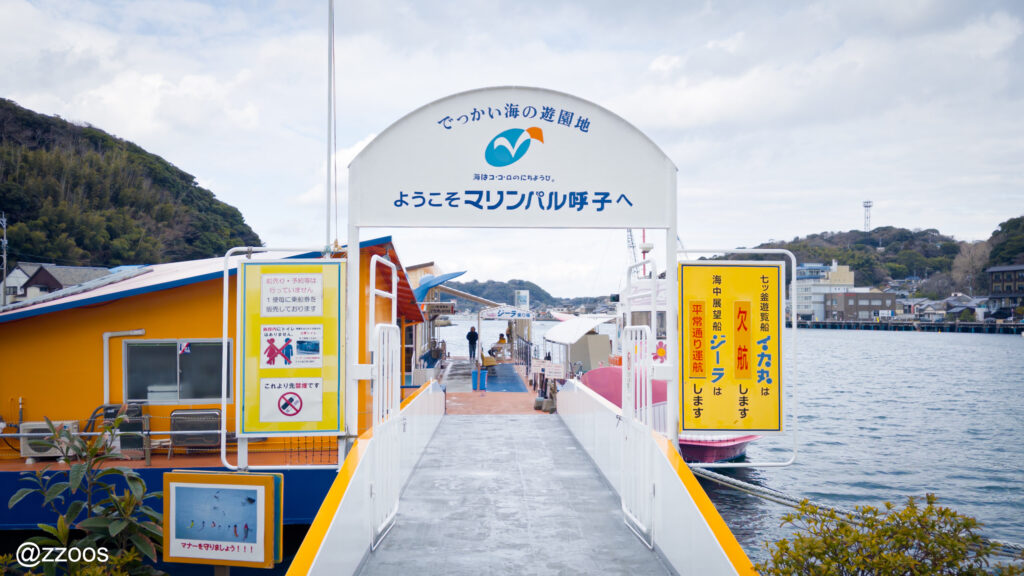
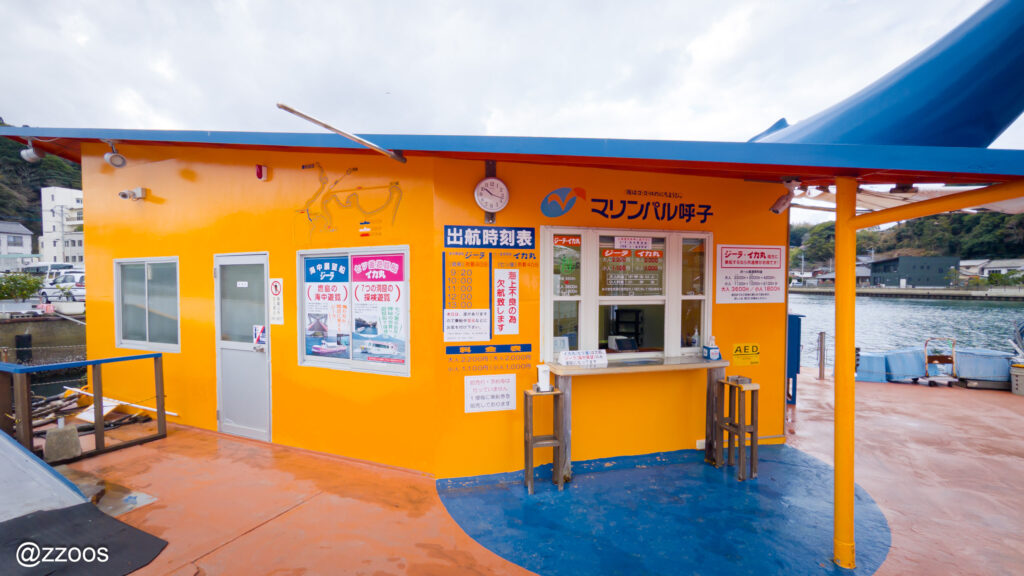
There are two types of sightseeing boats you can take here.
One is the JIRA (ジーラ), where you can look at the sea through glass panels from the boat, and the other is the Ikamaru (イカ丸), which goes around Nanatsugama.
More detailed information and the timetable can be found on the official website.
Personally, I was not very interested in looking under the sea. I wanted to go around Nanatsugama. But… can you see the photo? The Ikamaru was “canceled.”
It had rained all night yesterday. The wind was still blowing. The sea must still have been rough. The JIRA, which only goes out to the nearby waters, was operating, but the Ikamaru was canceled.
Well, there was nothing I could do. Waiting would not suddenly make a canceled boat start operating. So I had to move to an alternative plan.
And that alternative was walking around Yobuko. Instead of only looking around the market, I decided to explore a wider area. On Google Maps, I noticed there were shrines as well.
So I walked past the Yobuko market and headed deeper into the town.
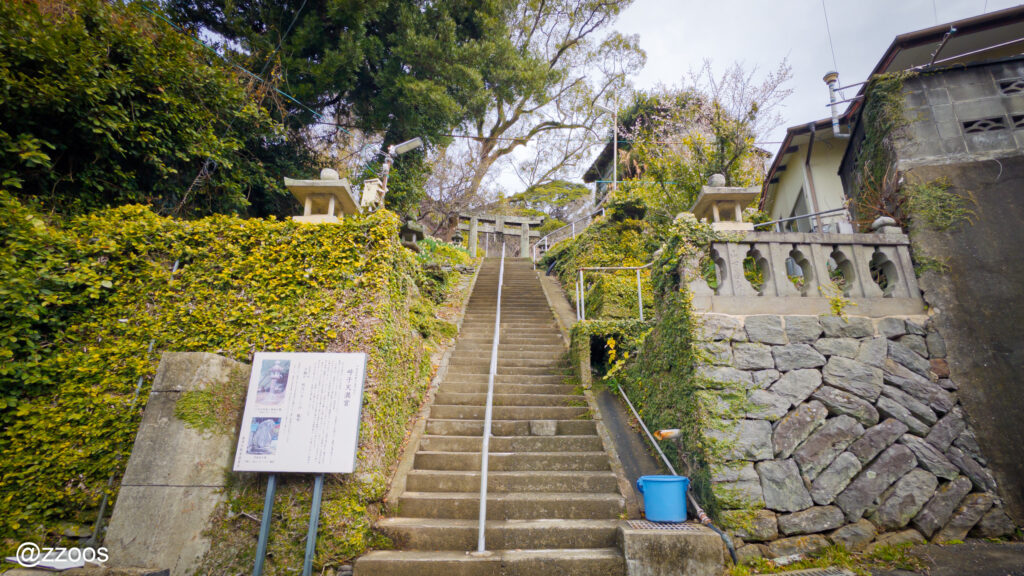


While walking, I found a shrine. It required climbing quite a few steps. According to Google Maps, the name of this shrine is Yobuko Tenmangu (呼子 天満宮).
If a shrine is called “Tenmangu,” it enshrines Tenjin (天神). Tenjin is the deified form of Sugawara no Michizane (菅原道真), a scholar from the Heian period. Because of that, shrines named Tenmangu are associated with studies and exams.
Dazaifu Tenmangu (太宰府天満宮) in Dazaifu City has his tomb and is regarded as the main Tenmangu shrine. It is a place many people visit when traveling to Fukuoka.
There are several types of shrines whose names are determined by the deity they enshrine.
Hachimangu (八幡宮) enshrines Hachiman, the god of war and protector of the nation. Shrines that enshrine Inari, the deity of agriculture, commerce, and wealth, are called Inari Jinja (稲荷神社). Jingu (神宮) refers to shrines that enshrine the ancestral deities of the imperial family.
All of these are collectively called jinja (神社), or shrines.


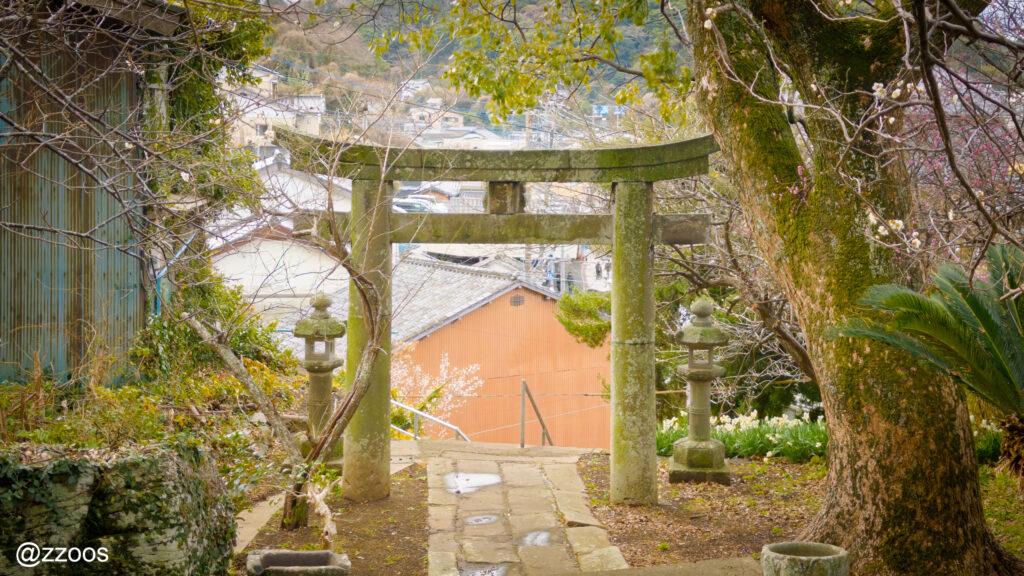
Yobuko Tenmangu was a very small shrine, consisting only of a small main hall and one office building beside it. Between the torii and the main hall, there was a small courtyard. In it stood a large plum tree. Since Tenjin is said to have loved plum blossoms, many Tenmangu shrines plant plum trees.
Even though it was only mid-February, plum blossoms that signal the coming of spring were already in full bloom here in Kyushu, which is south of Seoul.
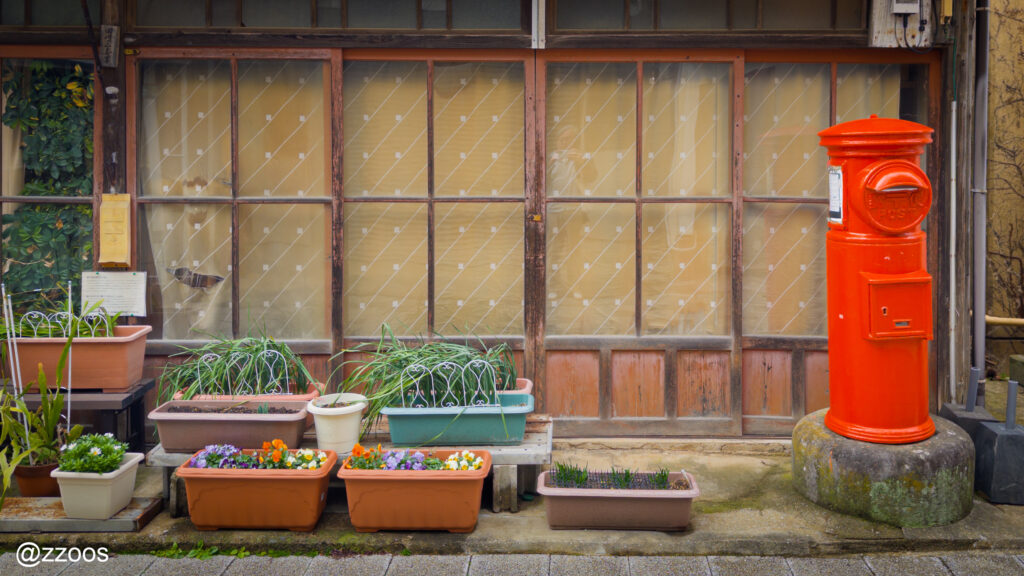
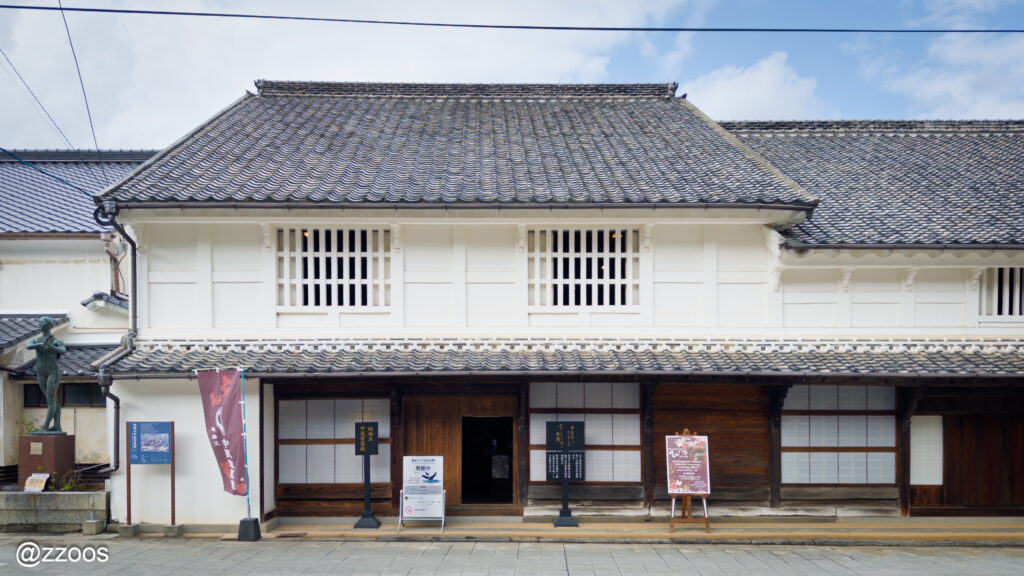
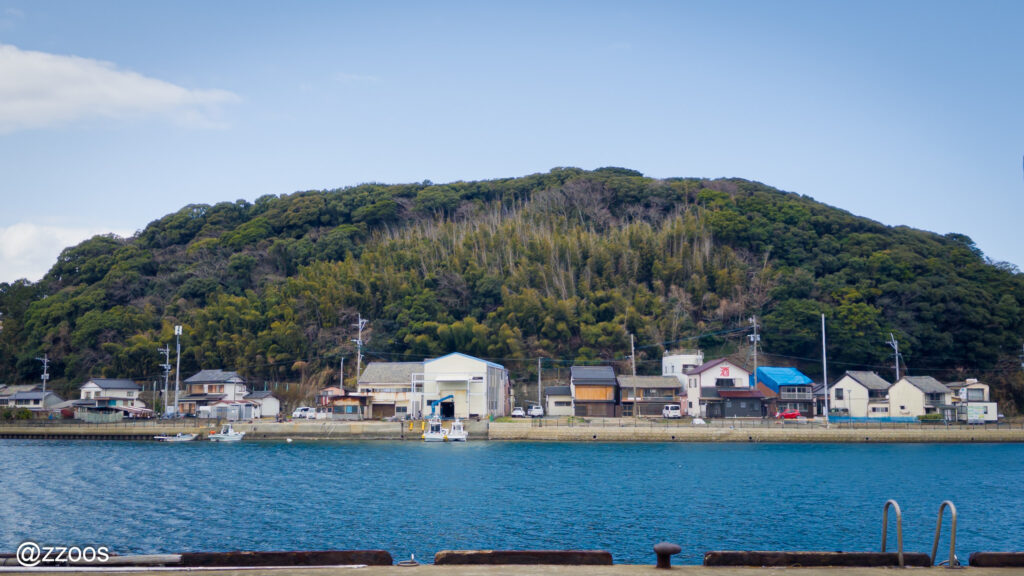
Perhaps because it was an alley a little away from the Yobuko market, there was no one on the street. Thanks to that, I was able to take a slow and calm walk, feeling the atmosphere of a rural port town.
The alleys of Yobuko were a mix of old buildings and clean, modern ones.
I was surprised at how clean the streets were. There was none of the typical fishy smell or trash one might expect in a port town. It may be famous for fishing, but it is also well known as a tourist destination.
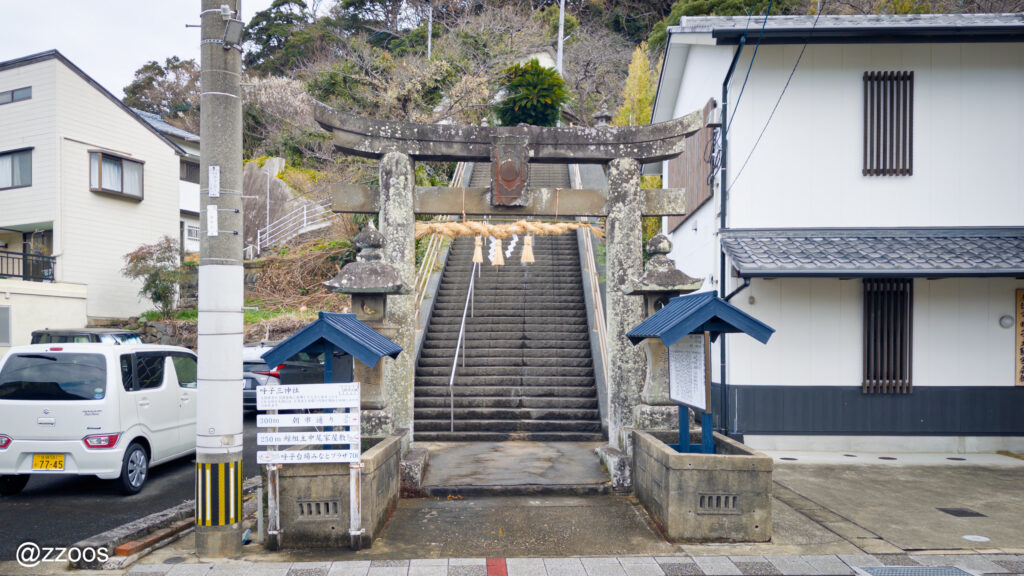
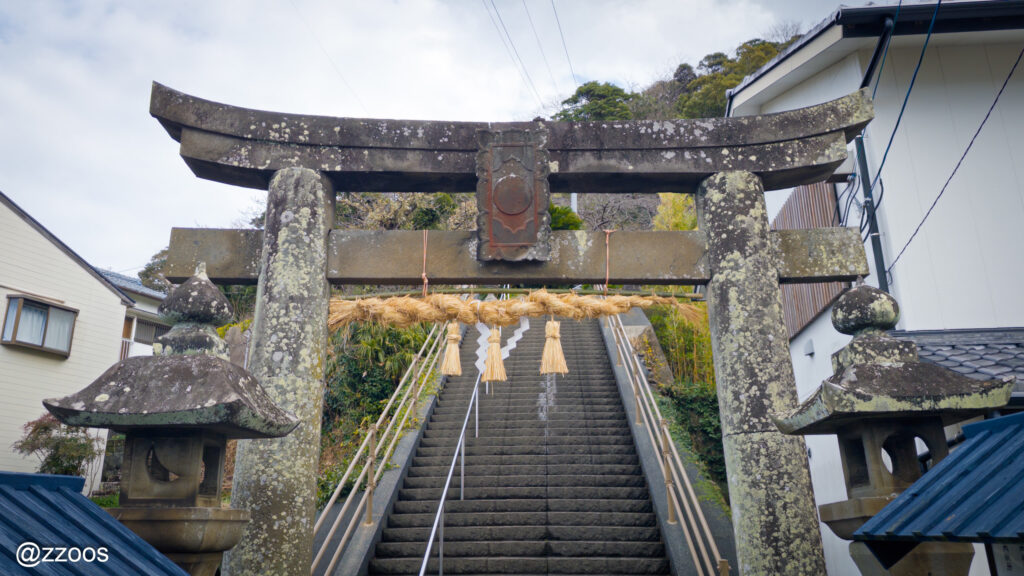
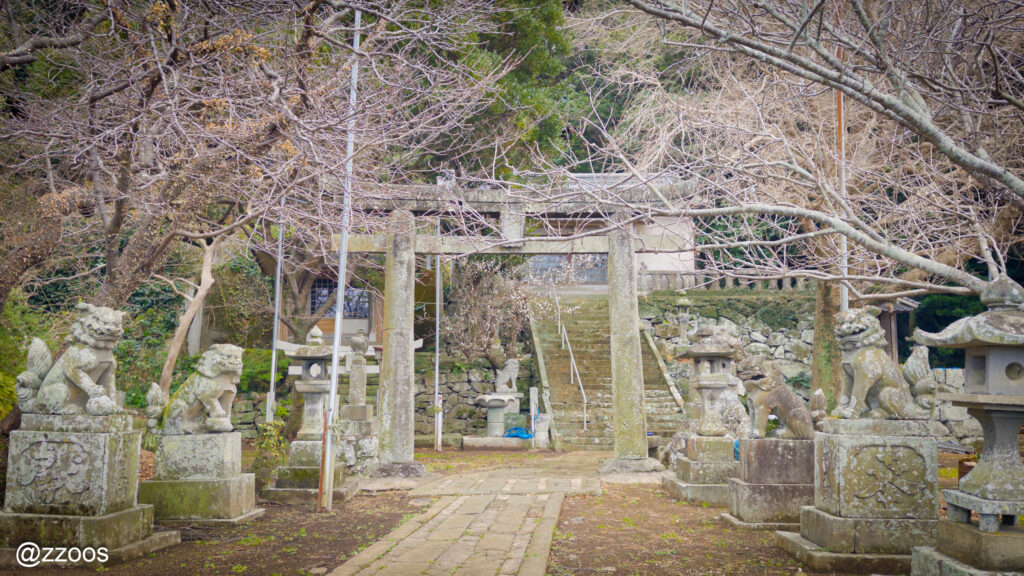
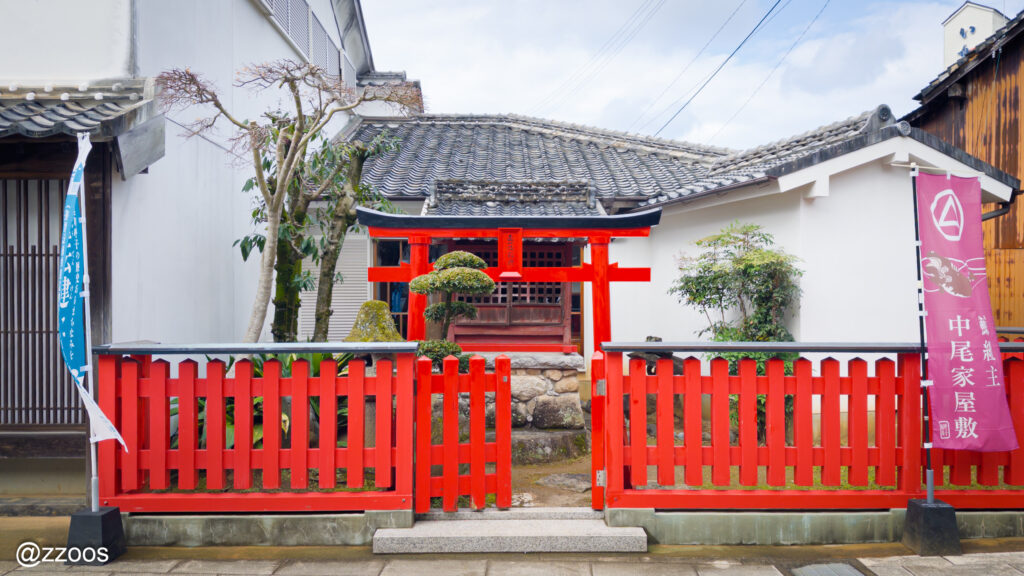
After walking a little more, I came across another shrine. Again, it required climbing some steps. This place is called Gojinja (五神社).
Judging by the name, it probably enshrines five deities. Since this is a port town, perhaps they are deities related to the sea, fishing, agriculture, or protection from disasters. But that is only a guess.
In front of the torii, stone lanterns and stone lion statues were lined up, and there were about two buildings enshrining the deities. Overall, it was a small shrine of a similar scale to Yobuko Tenmangu. The office building even looked larger. Could that actually be the main hall?
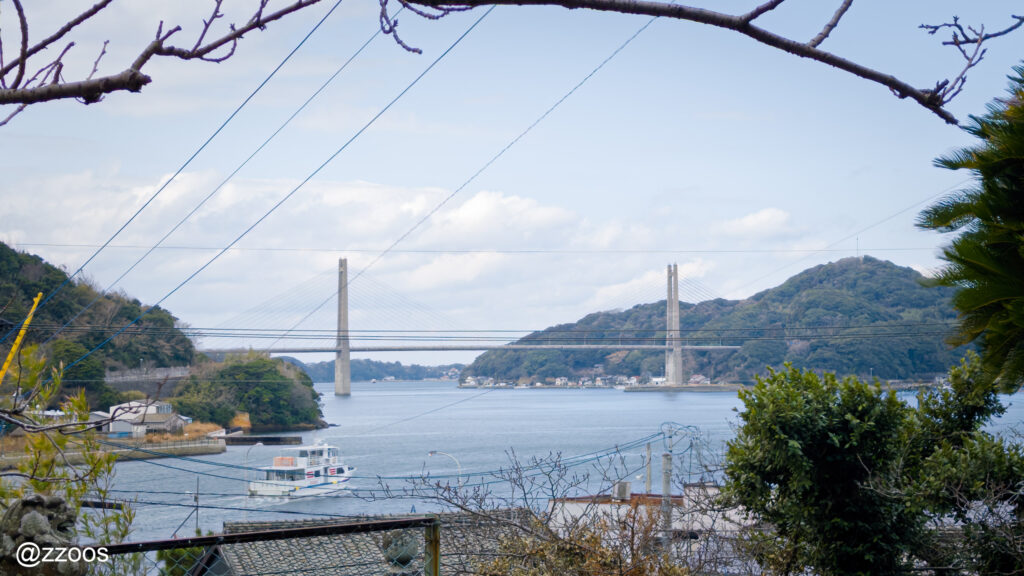
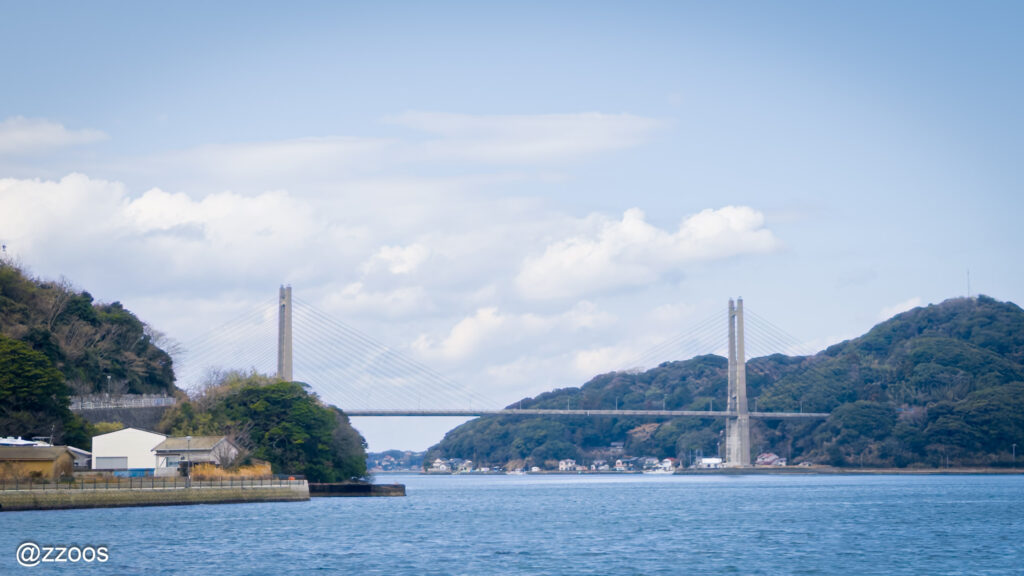
It was time to head back to the bus terminal. I needed to move to the next place. I had already checked the bus timetable in advance. There is about one bus per hour, so missing it would waste quite a lot of time.
The next destination is Hadomisaki (波戸岬), which could be considered the starting point of this trip. It is about 20 minutes by bus from Yobuko. I will continue this story in the next post.

Leave a Reply