Every Korean knows the saying,
“Mokpo is a port.”
But most people don’t really know
how many ports Mokpo actually has.
There is Namhang(south port), mainly used by passenger ferries,
Bukhang(north port), focused on cargo and fishing,
Sinhang(new port), dedicated to containers and large cargo ships,
and Daebul Port, used for the Daebul industrial complex.
Daebul Port belongs administratively to Yeongam,
so if we count only the ports in Mokpo,
there are three.
I’ve heard that Samhakdo also used to have a port,
but now the area is being developed into a park.
Today’s destination is Bukhang.
Namhang, where the passenger terminal is,
is located in the old downtown area.
There’s a market nearby,
so it’s an easy place to visit.
Sinhang isn’t really a place
that the general public can access.
That’s why I chose Bukhang.
I’ve visited Mokpo several times before,
but Bukhang was a place
I didn’t even know existed.
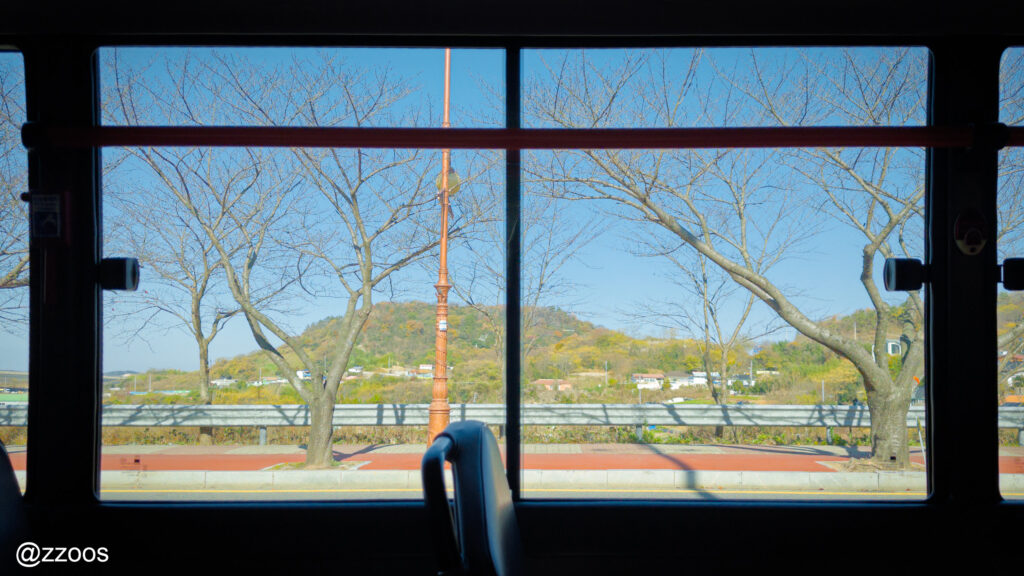
I decided to take a bus to Bukhang.
There happened to be a bus
that went straight from my hotel.
It was a small, cute bus,
almost like a village bus,
smaller than a regular city bus.
Until we arrived at Bukhang,
the only passengers were me
and one elderly woman.
It was a route with very few people on board.
Which made sense.
The bus slowly looped along the coastline,
so it took longer than other routes.
But that was exactly
what made it appealing to me as a traveler.
With so few passengers,
and the sea running alongside the road,
I could freely film the scenery
outside the bus window.
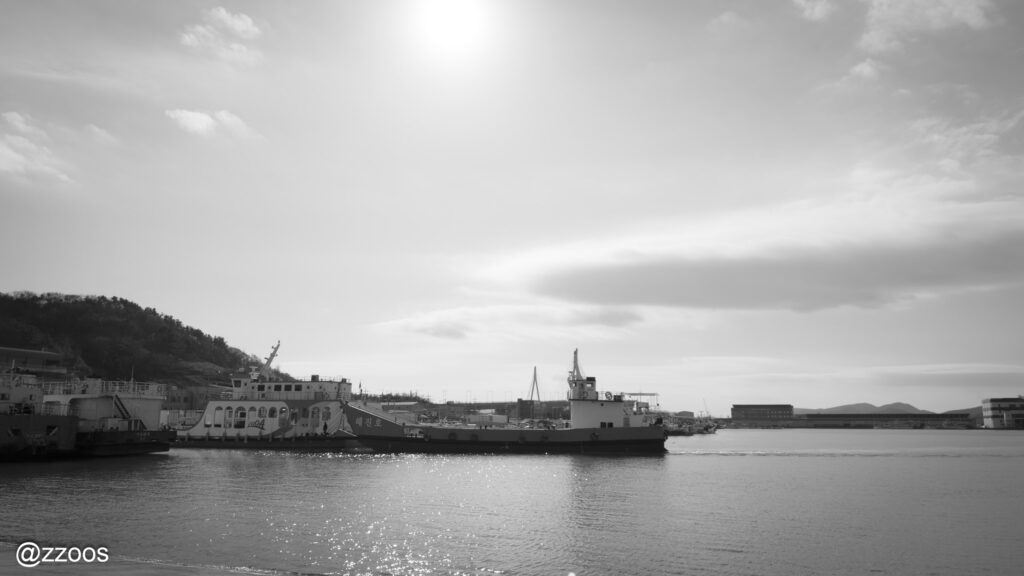
Near the entrance of Bukhang,
there is a fish market.
Become a member
The fish market near Namhang
does sell live fish,
but it feels like there are
more dried seafood shops.
The fish market in front of Bukhang,
on the other hand,
felt more like Garak Market or Noryangjin,
mainly dealing with live fish and seafood.
That’s probably because
Bukhang is the port
mainly used by fishing boats.
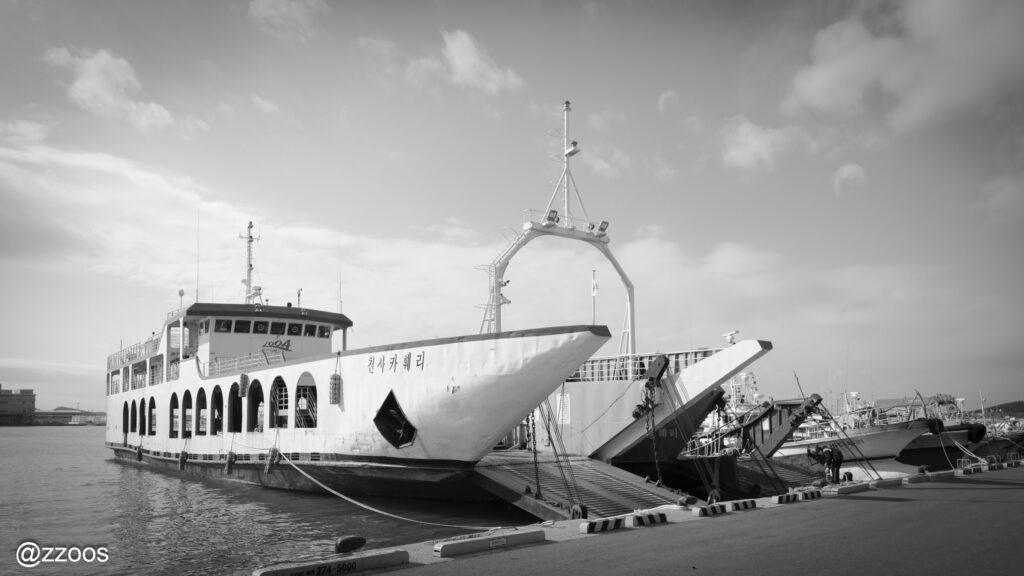
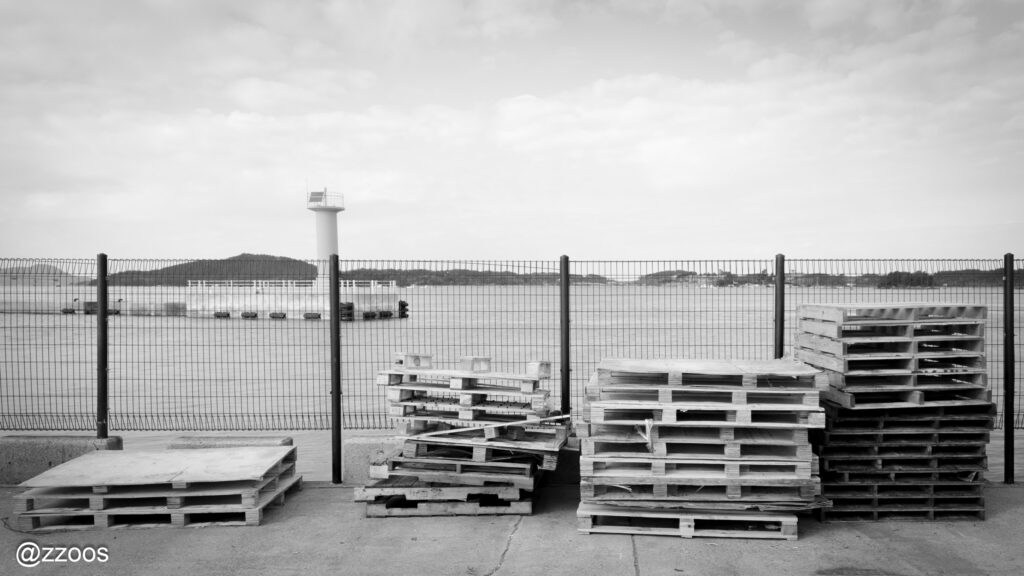
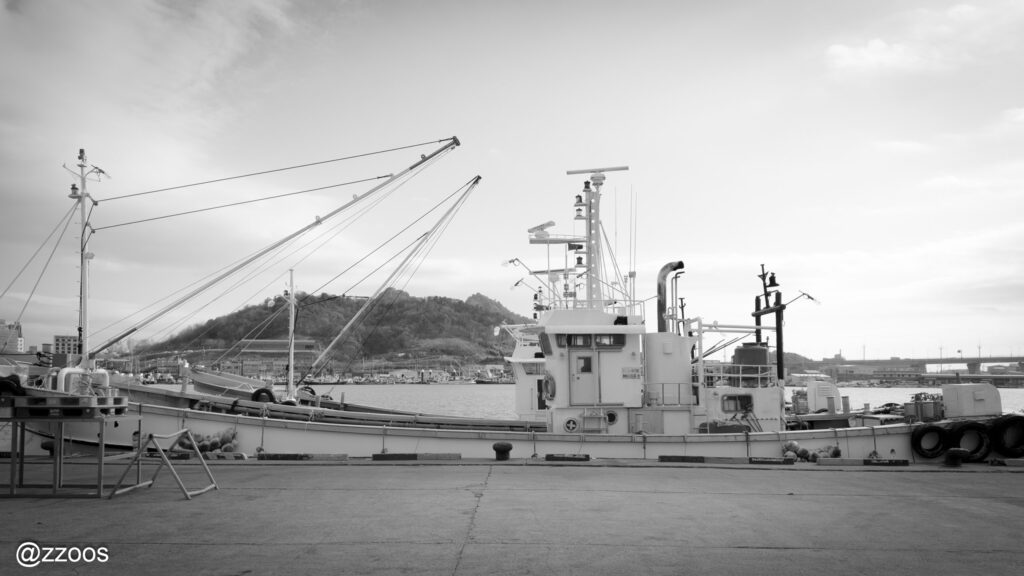
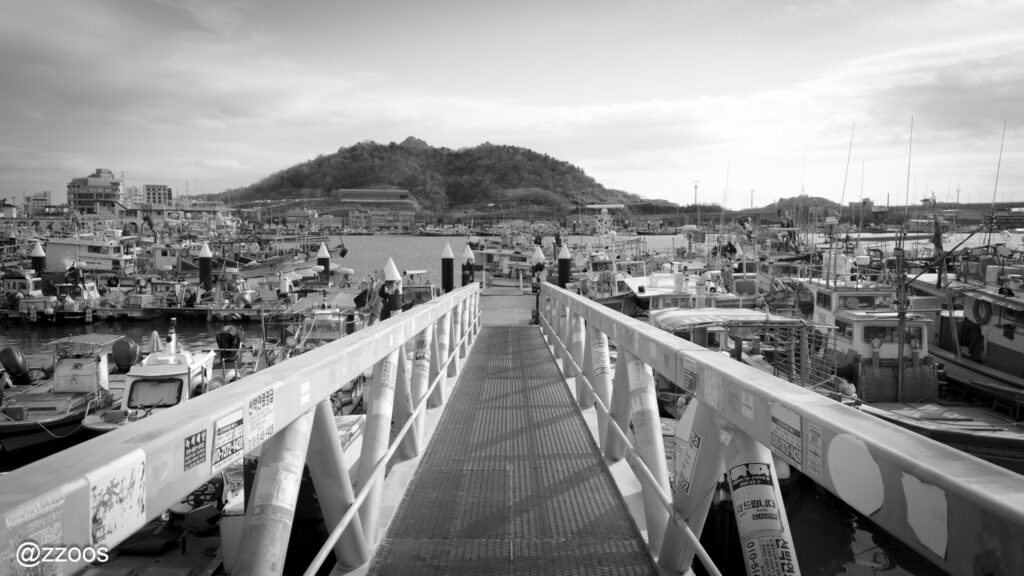
Rather than explaining Bukhang in words,
I’ll show its atmosphere through photos.
I felt that black-and-white photographs
suited the mood of Bukhang,
so I edited all the photos in black and white.
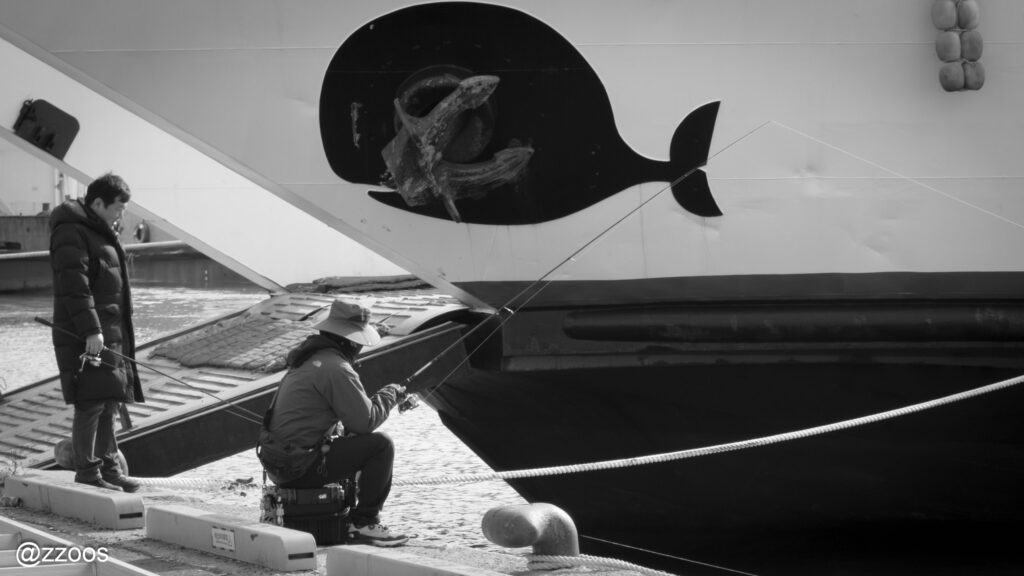
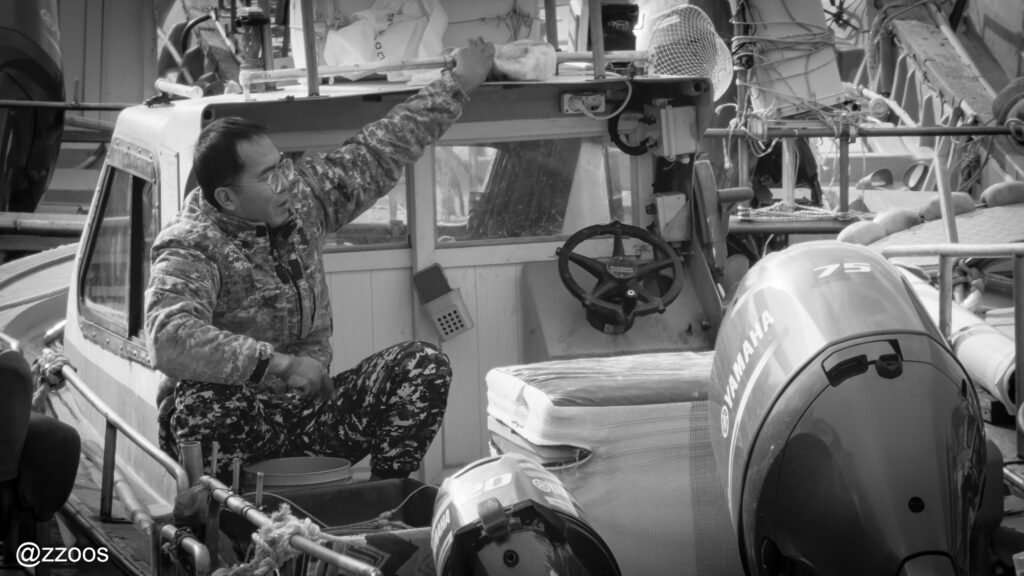
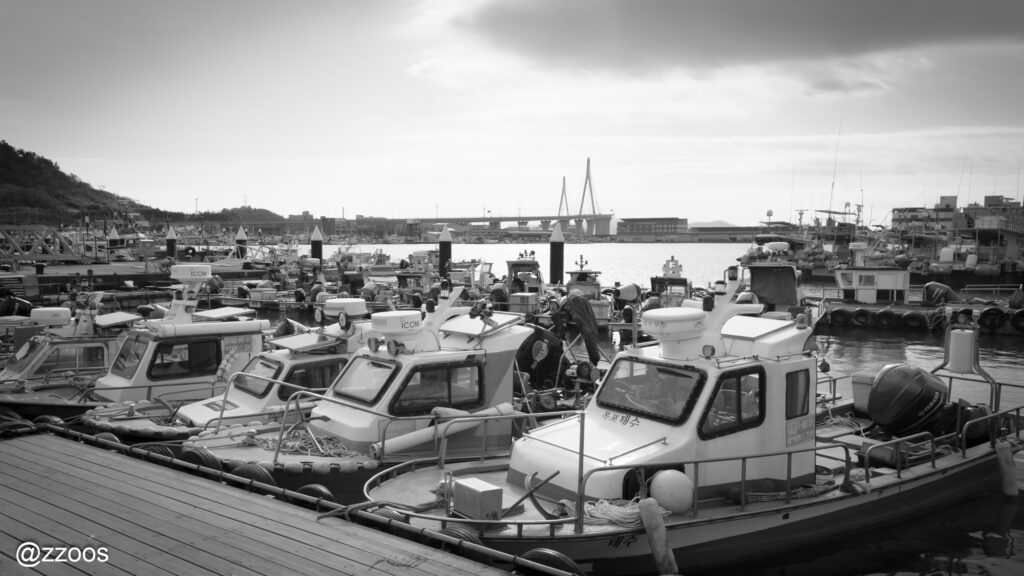
It was fairly quiet since it was the weekend,
but it still felt like a working port.
Instead of passenger ferries or yachts,
what stood out were boats
clearly used for fishing.
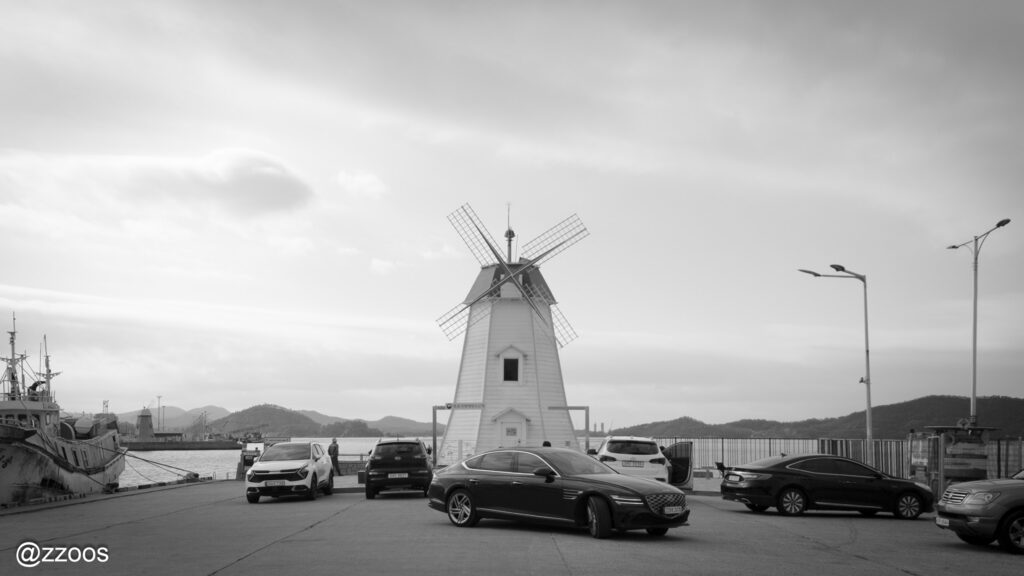
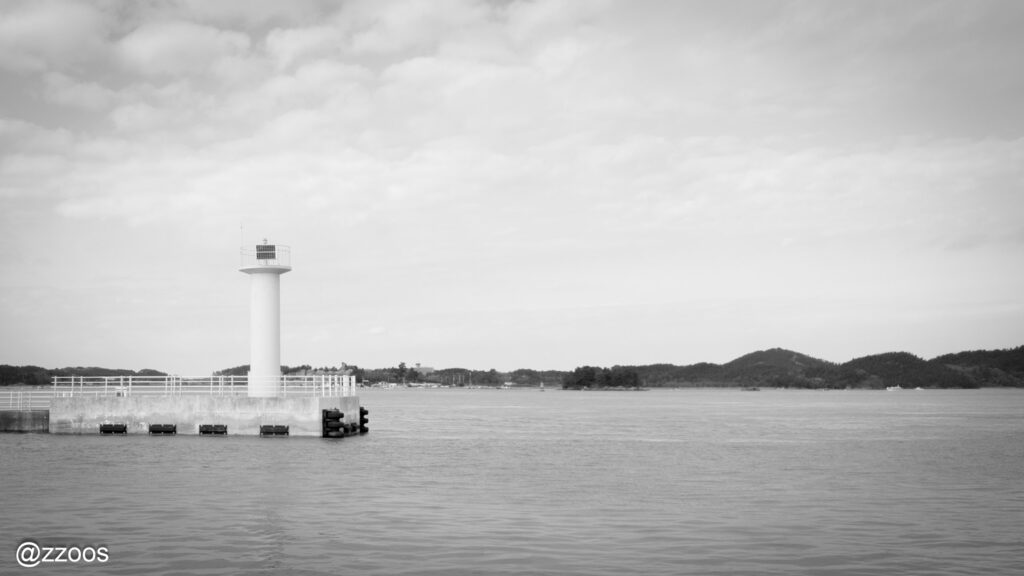
The salty, briny smell unique to a port,
and traces of daily life and labor,
could be felt everywhere.
It was a quiet harbor on a weekend,
but it was a place where
time and lives could be felt.
Different from the lively energy of a market,
it carried a sense of simply living.
That’s why I occasionally find myself
drawn to docks and ports.
Maybe it’s because
some part of me, too,
has the sea in its blood.

Leave a Reply