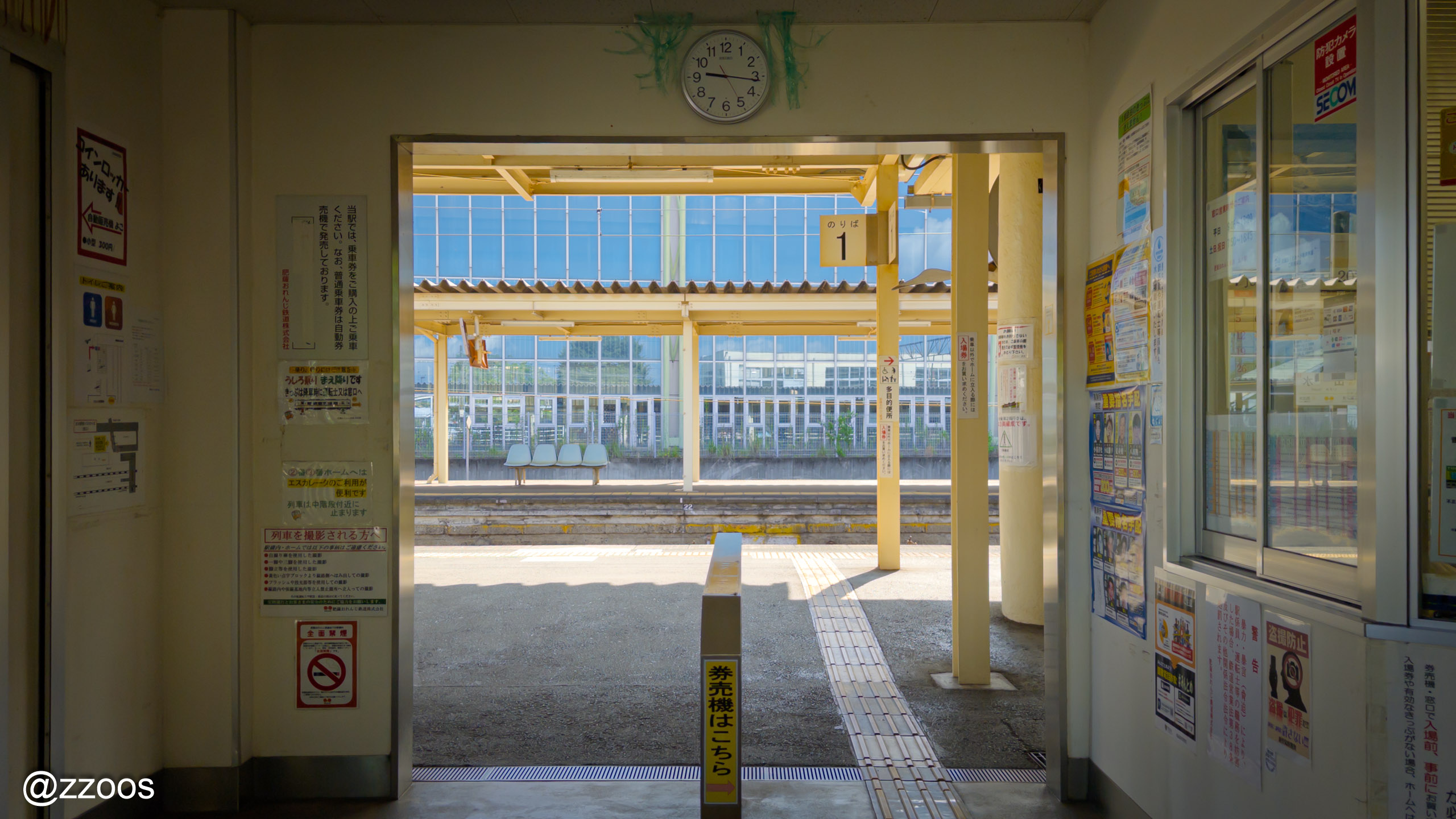
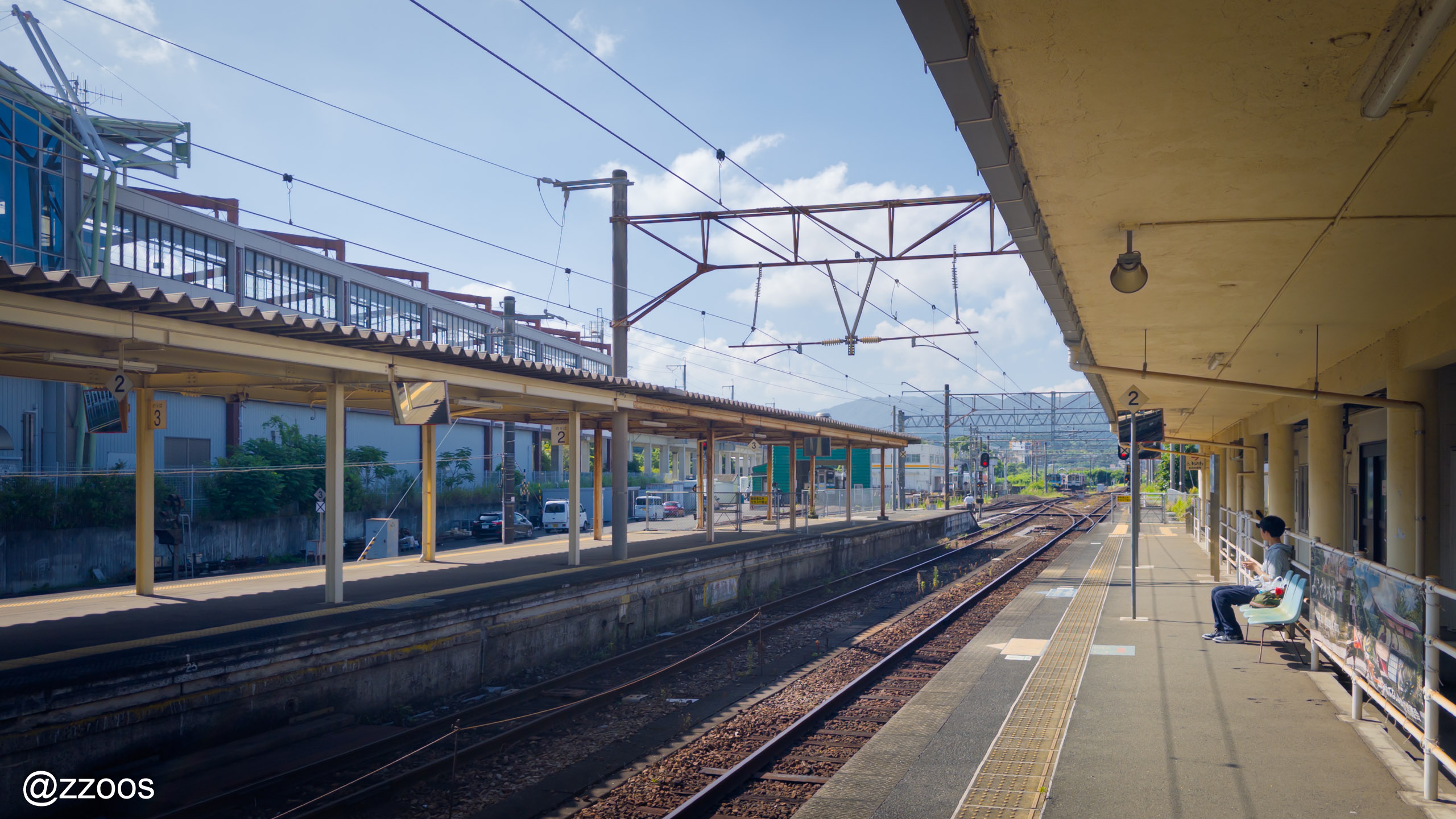
Today is day three of the trip.
It’s also the day I leave Izumi(出水) for the next town.
The kind of travel I like is staying in one place for several days instead of moving from lodging to lodging. That’s how you get to see what a place is really like, I think.
This time I planned it differently — a series of small towns, moving every day. The downside is that you have to pack every morning and check out, so you can’t sleep in. But the upside is that you get to see more places.
A different tempo, maybe?
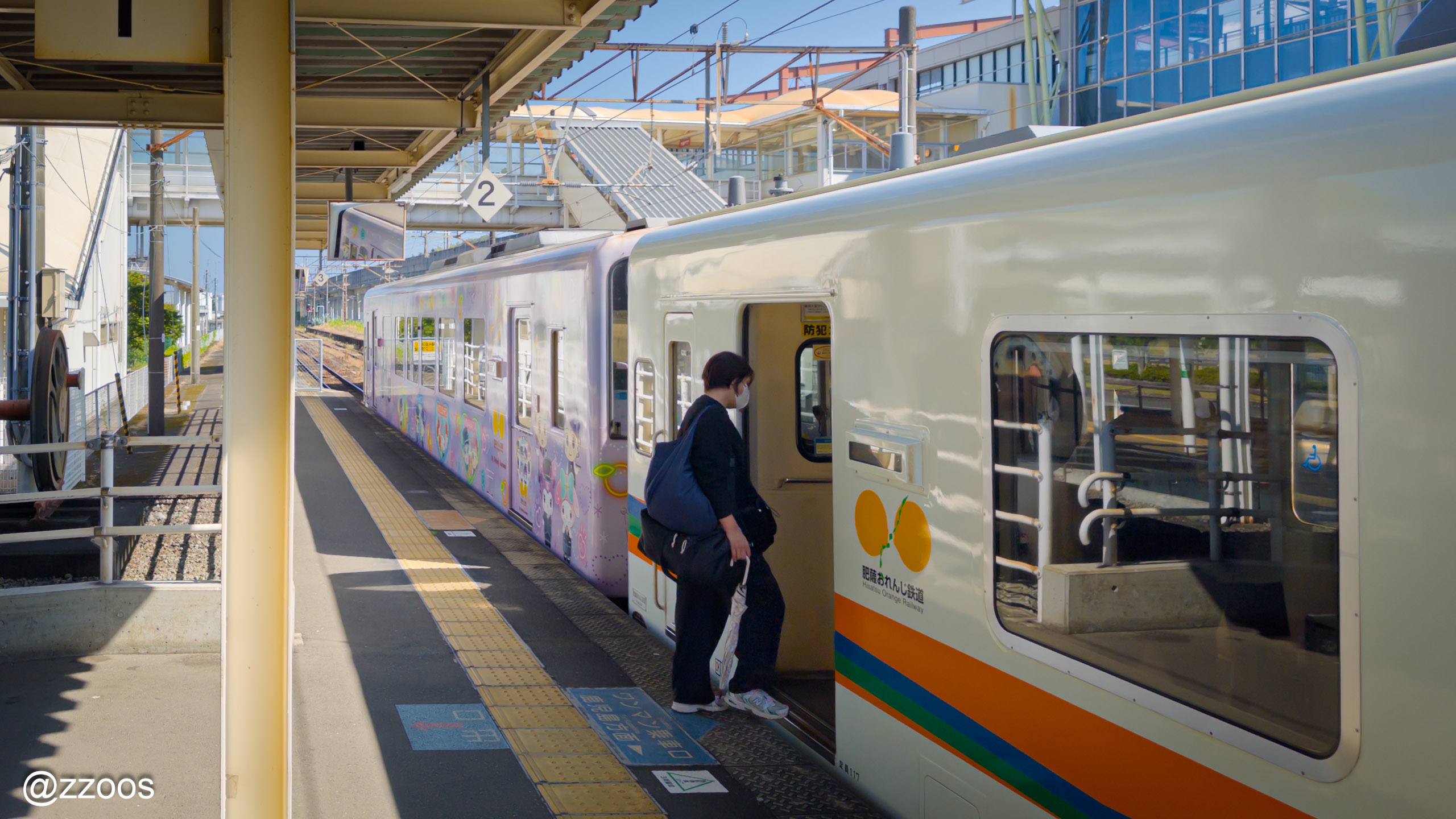
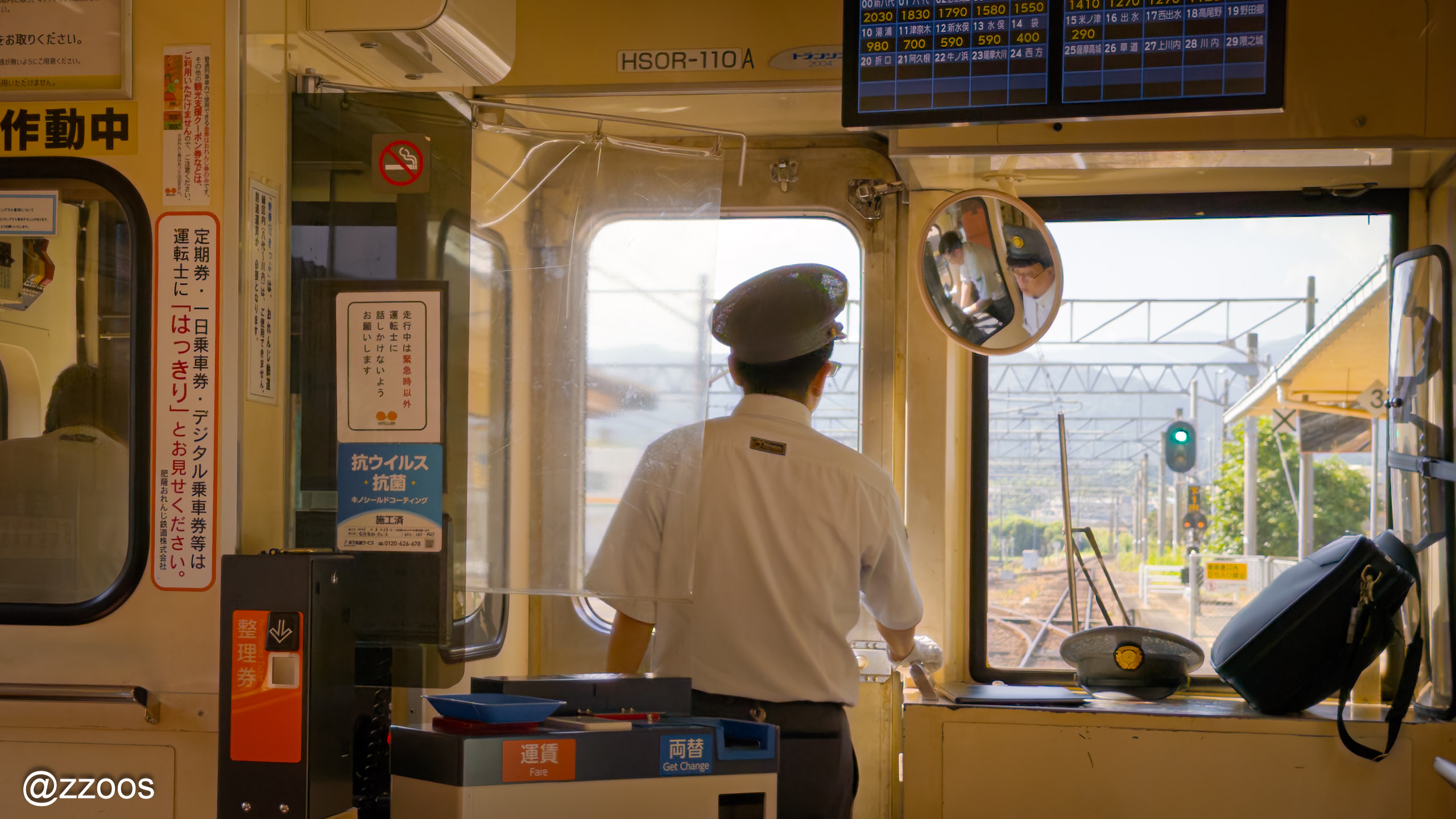
:: The Hisatsu Orange Railway, a country line since the Shinkansen came
Izumi Station is on the Kyushu Shinkansen. So the station building is fairly large. But the train I’m taking today isn’t the Shinkansen. Which means I shouldn’t head for the platforms on the east exit side.
There’s another, smaller station building outside the west exit. That’s where I catch my train today.
JR limited express trains used to run on this line, but once the Kyushu Shinkansen opened, JR stopped running it. It’s now the Hisatsu Orange Railway(肥薩おれんじ鉄道), operated jointly by Kumamoto Prefecture and Kagoshima Prefecture.
It’s a local line running from Yatsushiro Station(八代駅) in Kumamoto Prefecture to Sendai Station(川内駅) in Kagoshima Prefecture. A lot of it runs along the sea, which is why I’d been curious about it.
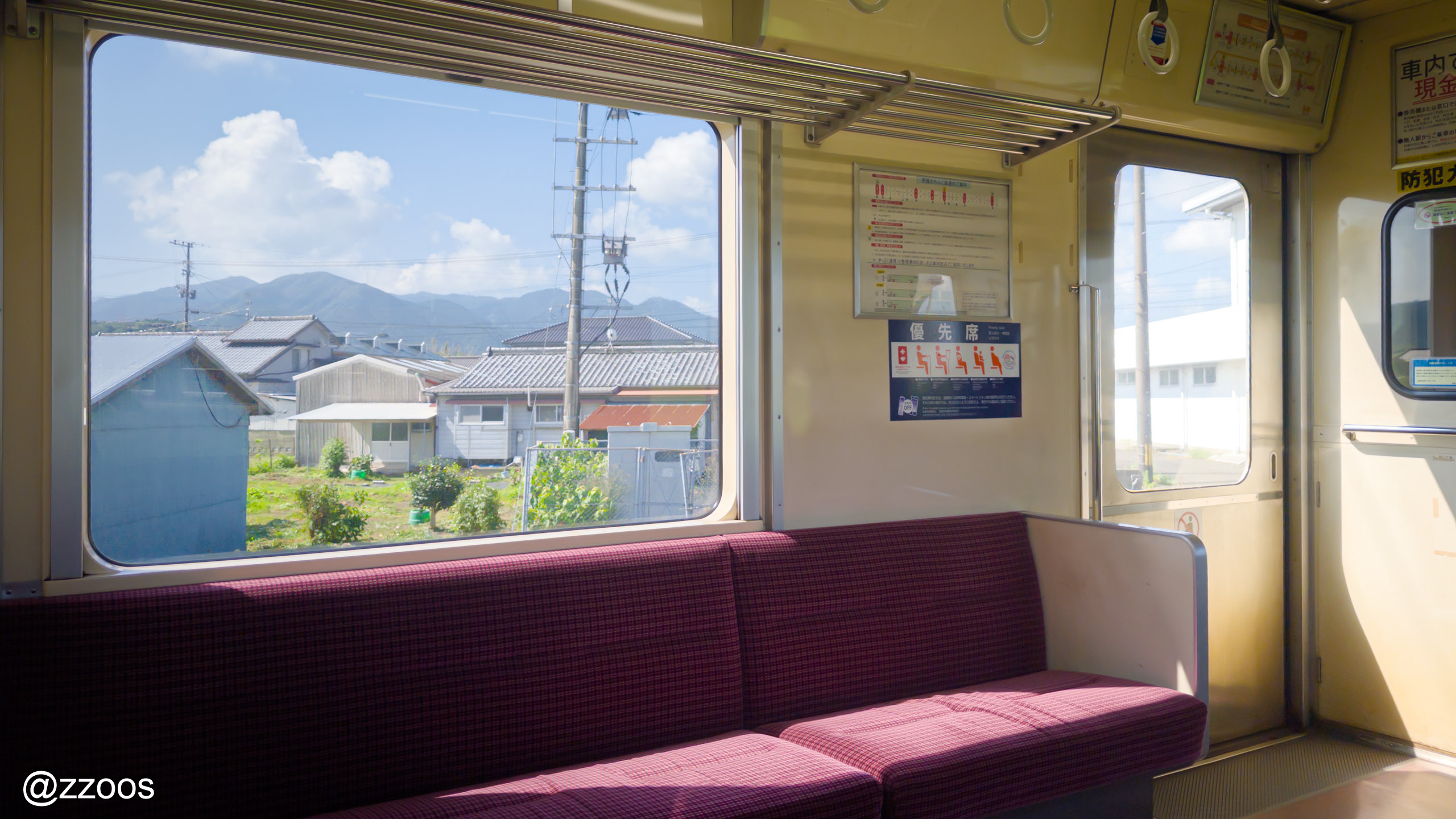
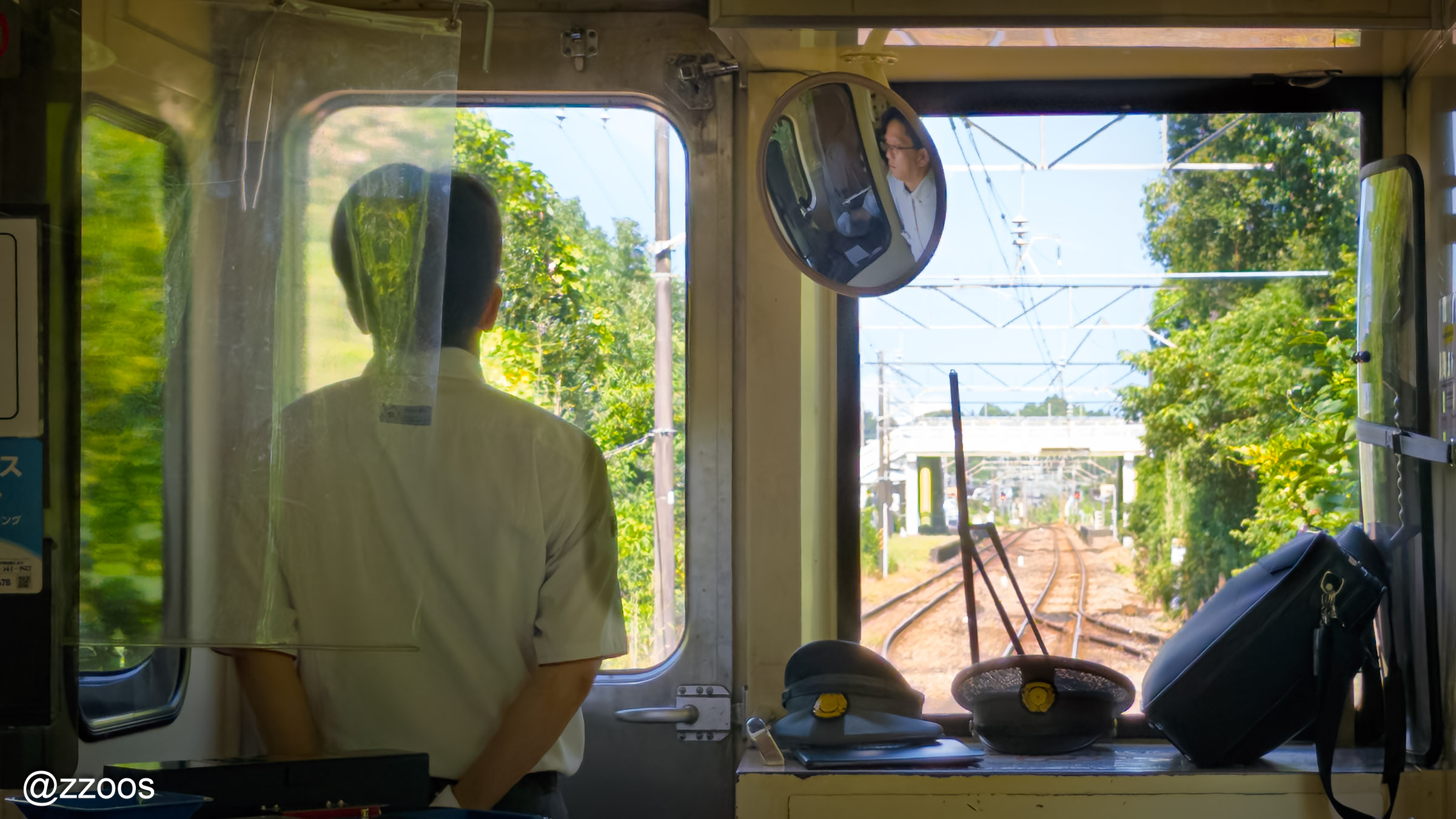
Trains on the Hisatsu Orange Railway run fairly far apart — one to two hours. Miss the 9:21 and you’re waiting for the 11:23.
I hurried out in the morning, got to the station around nine, and bought my ticket. It was a very small station building, but the waiting room had cool air conditioning, thankfully.
Maybe because it was Saturday, I saw a few students dressed like they were headed somewhere. Off to the beach, or to Satsumasendai or Kagoshima? No way to know. But meeting young people on their day off instead of commuters on their way to work made it feel like a trip.
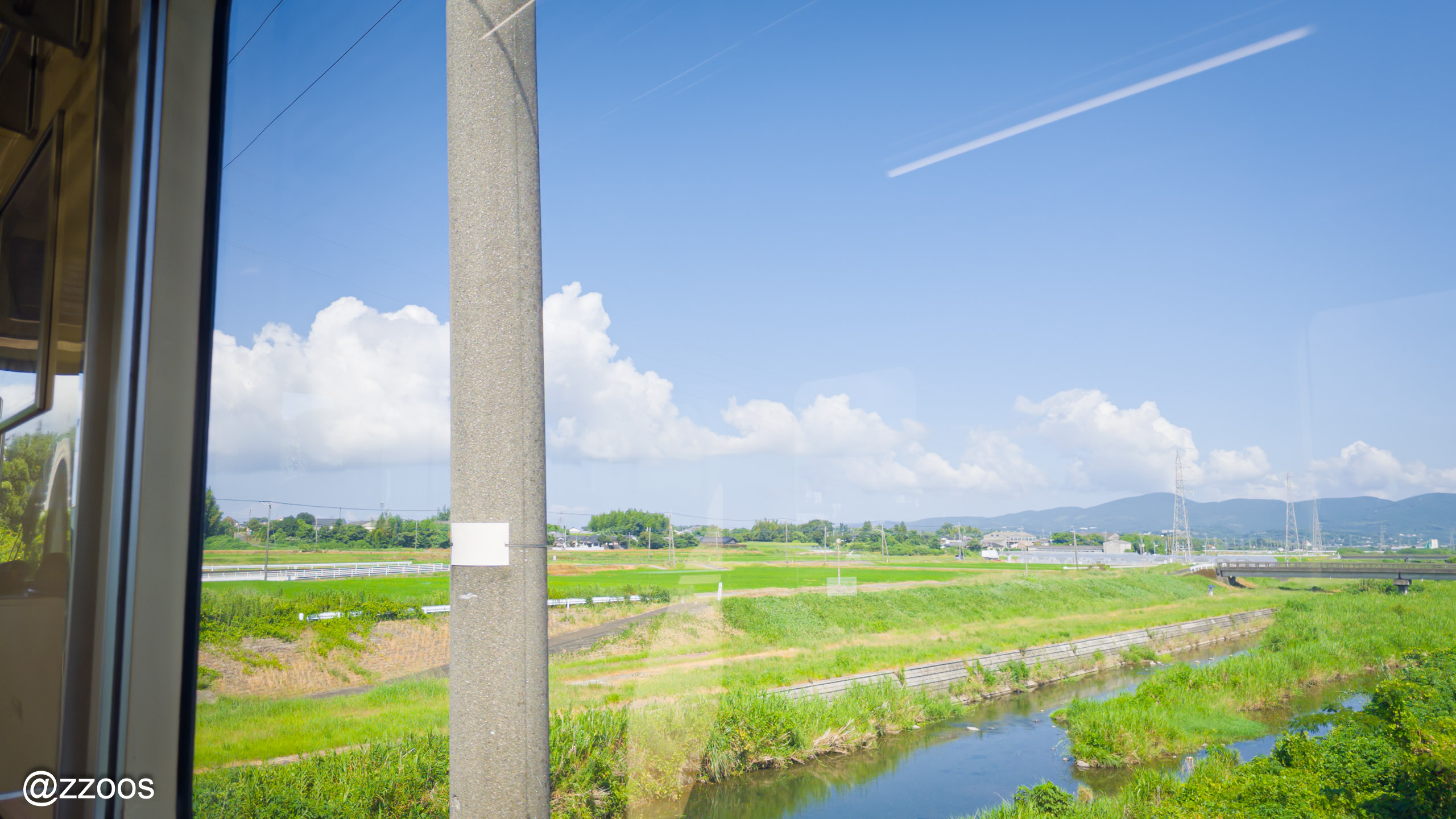
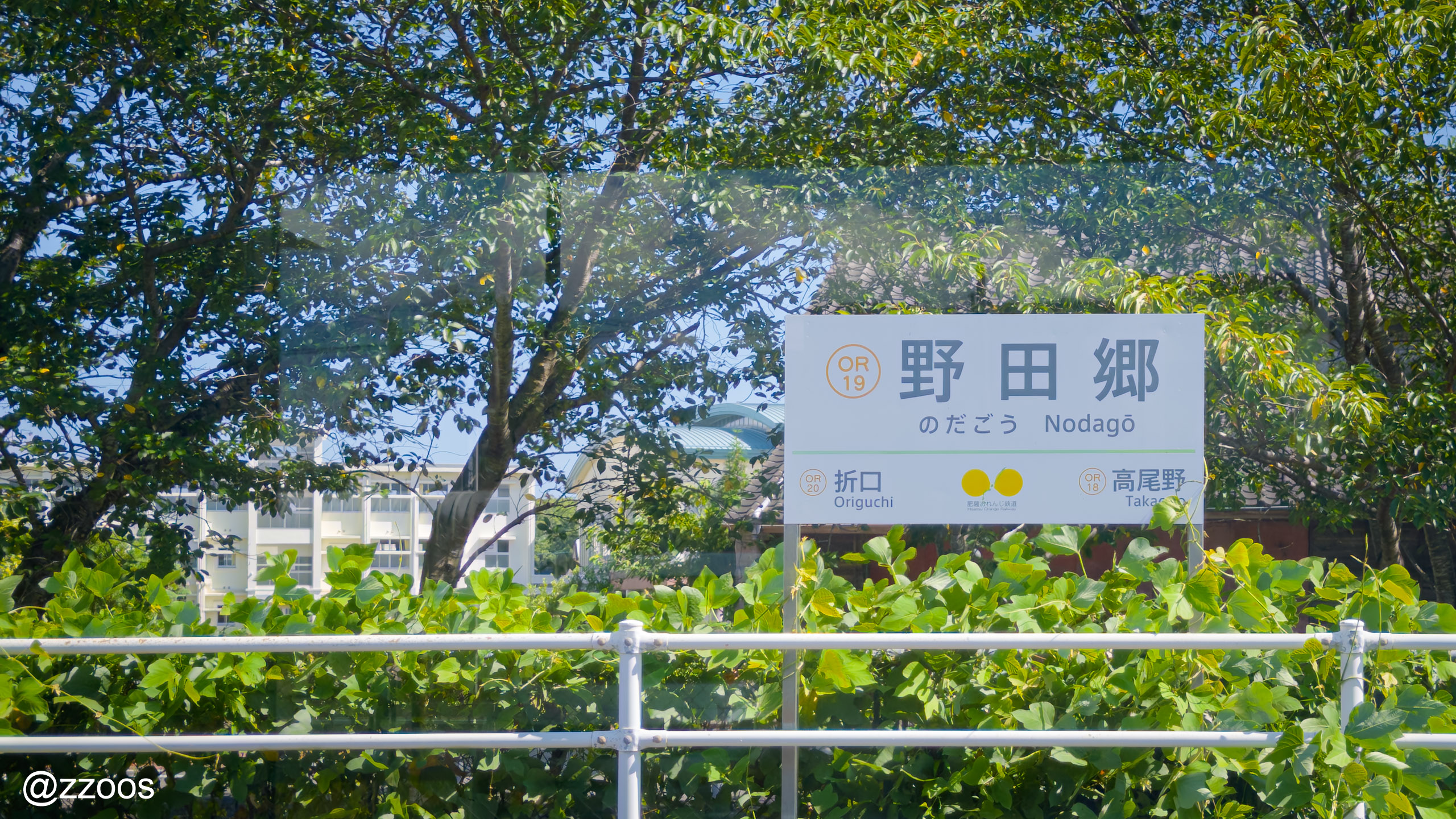
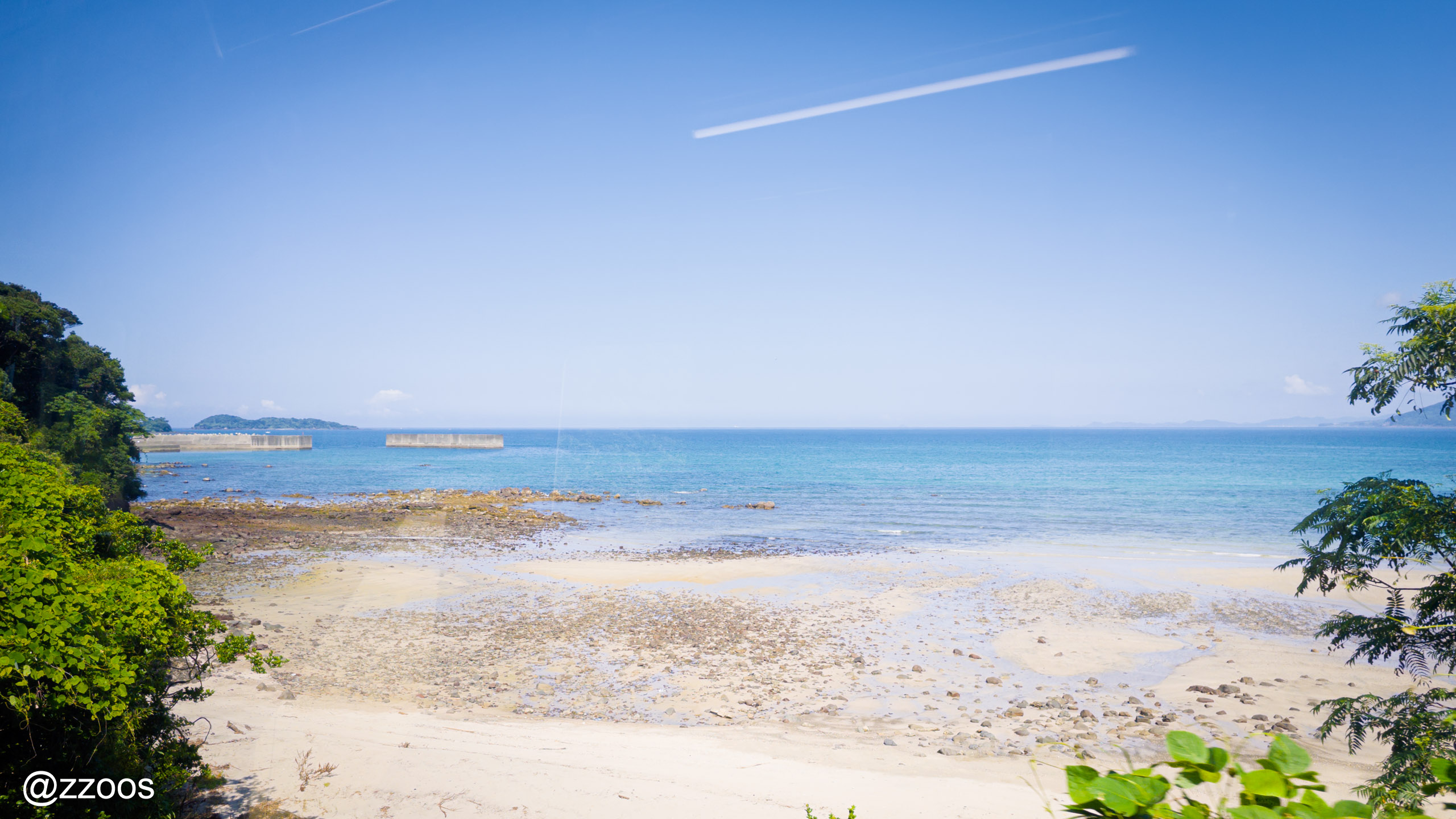
The weather was really good.
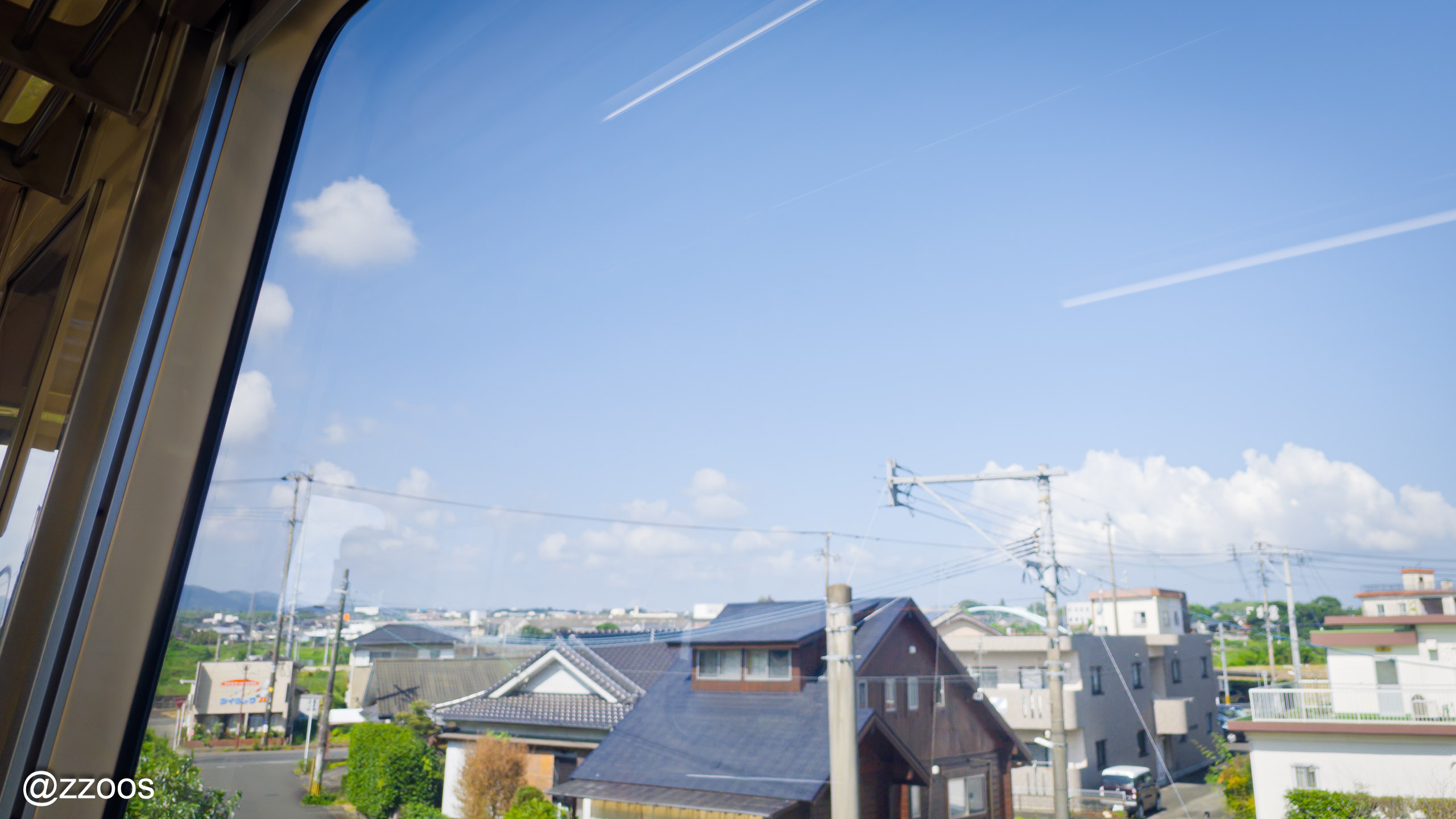
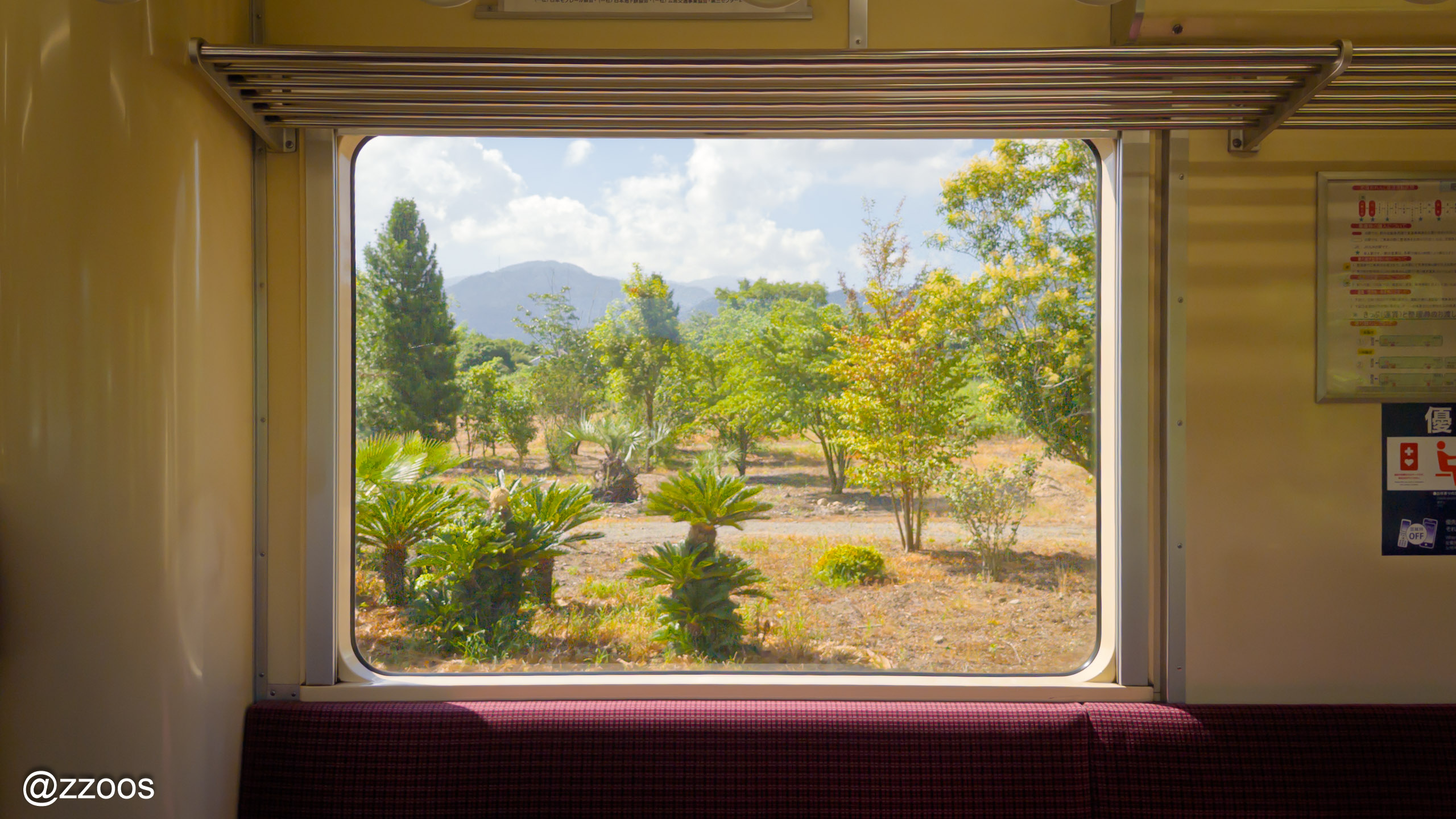
The train ran through some genuinely beautiful scenery.
Riding along and watching out the window — that was exactly the feeling of travel. Choosing towns along the Hisatsu Orange Railway line for this trip turned out to be a very good decision, I thought.
Or rather, maybe the main character of this trip isn’t the towns at all, but this railway itself.
A train that’s usually one car, bumped up to two for the weekend. Traveling through the forests and along the sea of Kagoshima on a small country train like this. This isn’t something you can feel on the Shinkansen.
The wind I rode into yesterday, cycling out to Izumi Fumoto(出水麓). The view out the window from this train today. These were worth putting up with a Japanese summer for, I think.
Summer is hot and humid and uncomfortable and unpleasant, but it gives you scenery at a saturation you can’t see in any other season.
This summer in Kagoshima is going to stay with me for a long while, I thought.
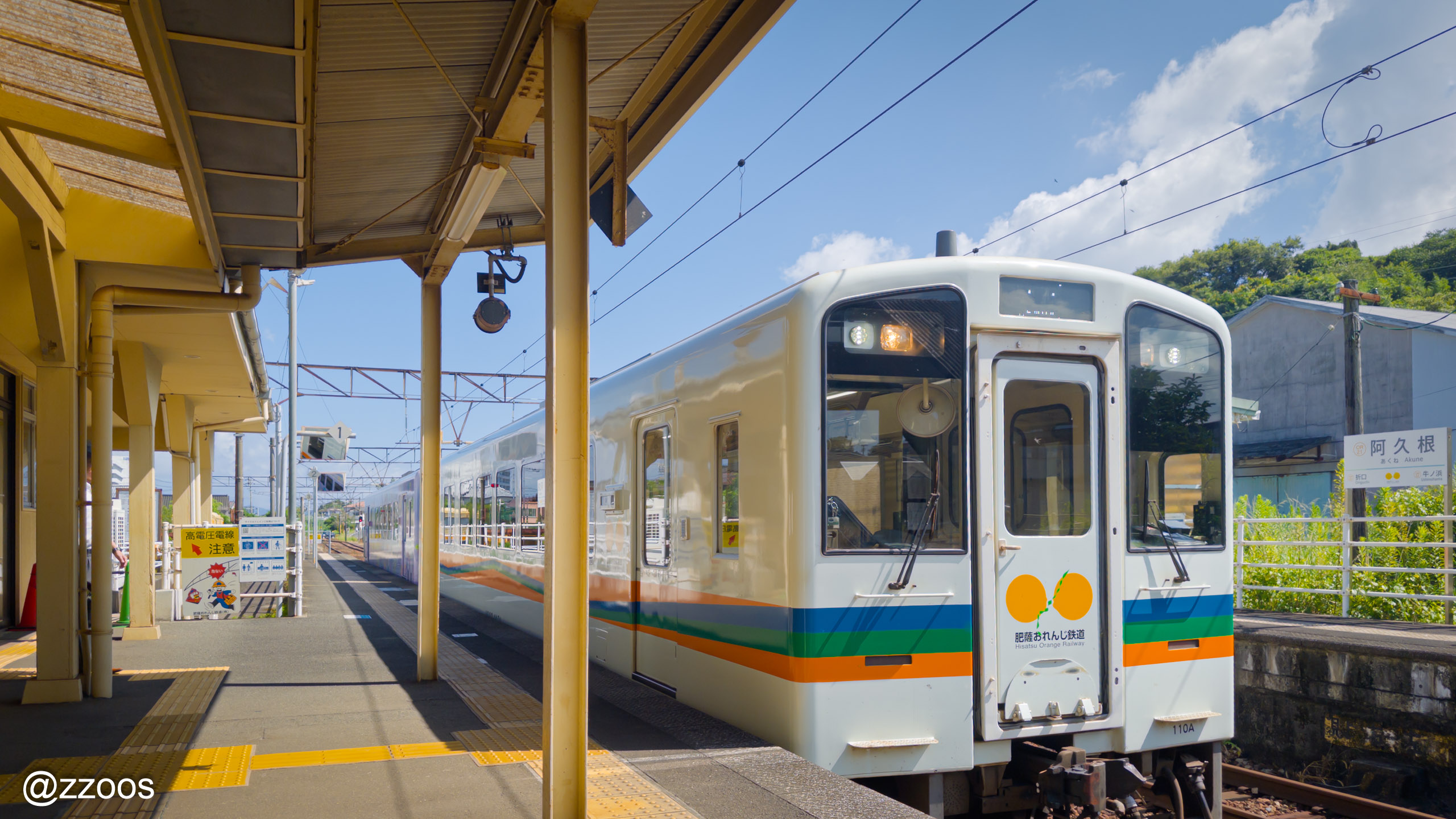
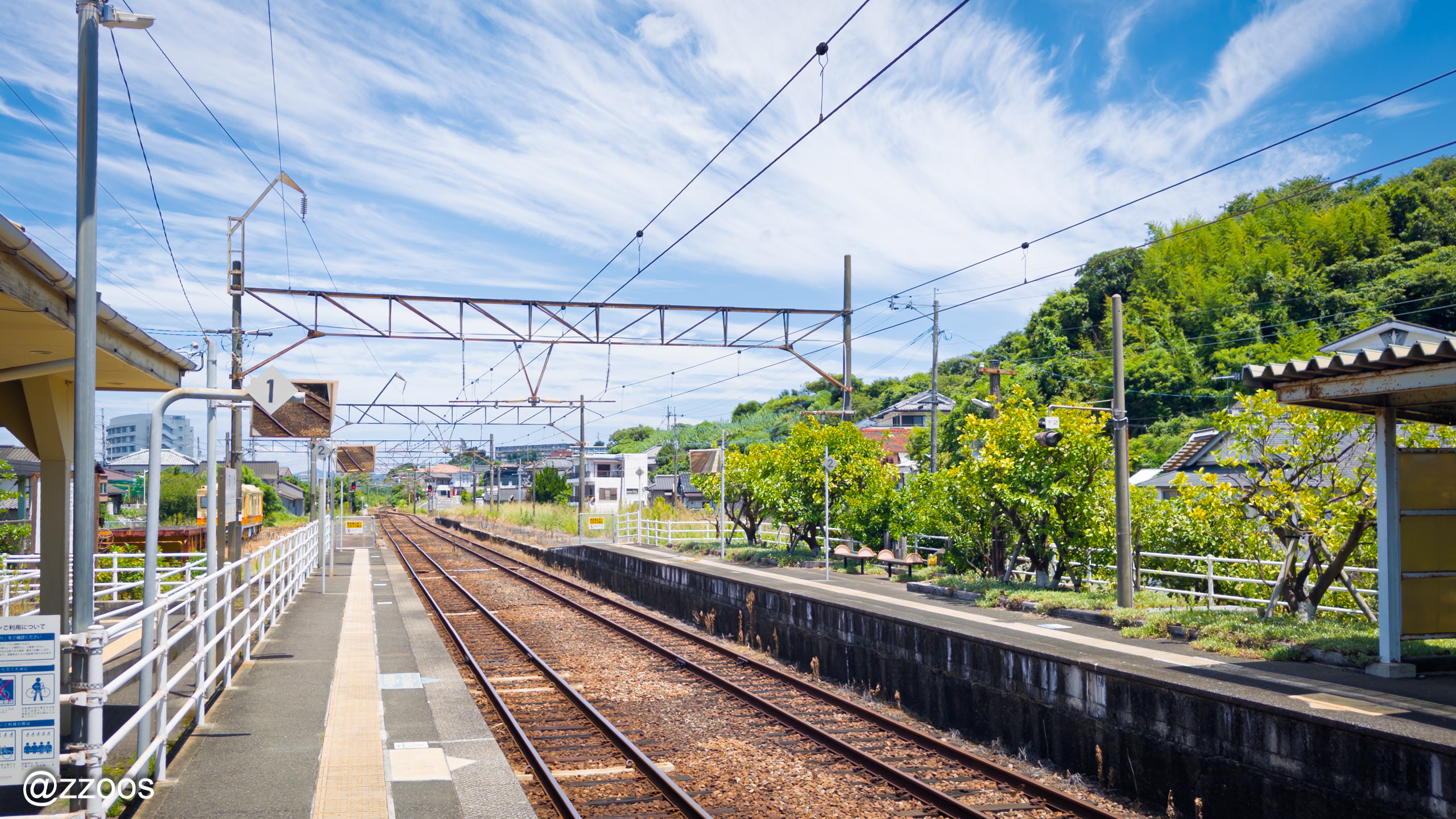
:: Akune, the small port town I’d wanted to visit
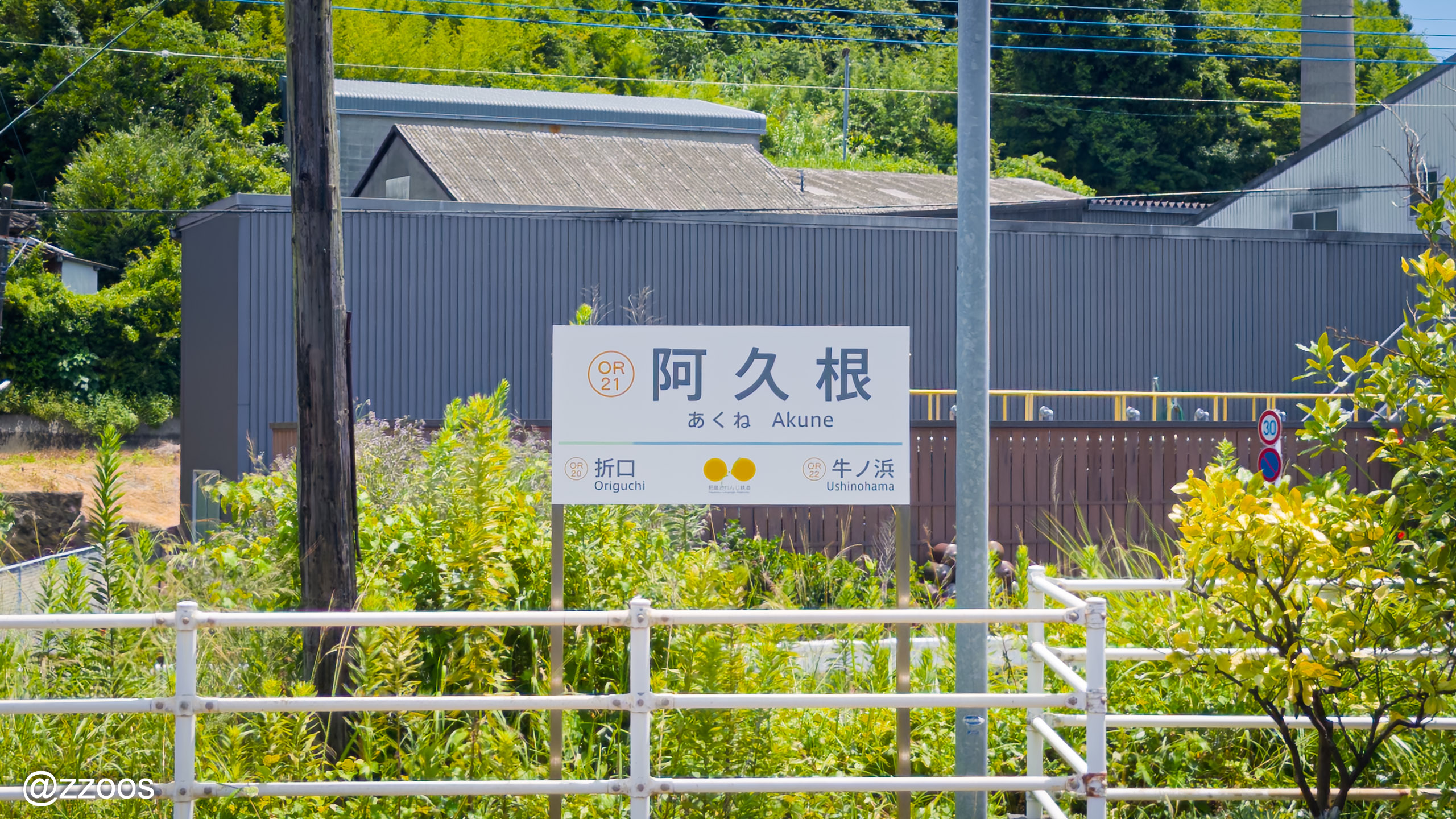
So we ran for about twenty-five minutes. Past four stations, and I arrived at today’s destination, Akune(阿久根).
Akune is a very small port town. Fewer than twenty thousand people — genuinely tiny. Small and remote enough that it’s a little strange I even know about it.
A few months ago, I happened to watch a video on YouTube. A famous chef traveling around Kagoshima, and Akune showed up in it.
Buying sashimi-grade fish at a neighborhood fish shop, going back to the lodging, drinking shochu and eating sashimi with the crew. Ordinary scenes like that.
For some reason those quiet scenes stayed with me. So I dropped a pin on that fish shop in Google Maps.
Then, while planning this trip, there it was.
Looking around Akune, I found out about the Hisatsu Orange Railway, and that let me put together a plan that included Izumi and Satsumasendai(薩摩川内). Akune was the starting point of this whole trip.
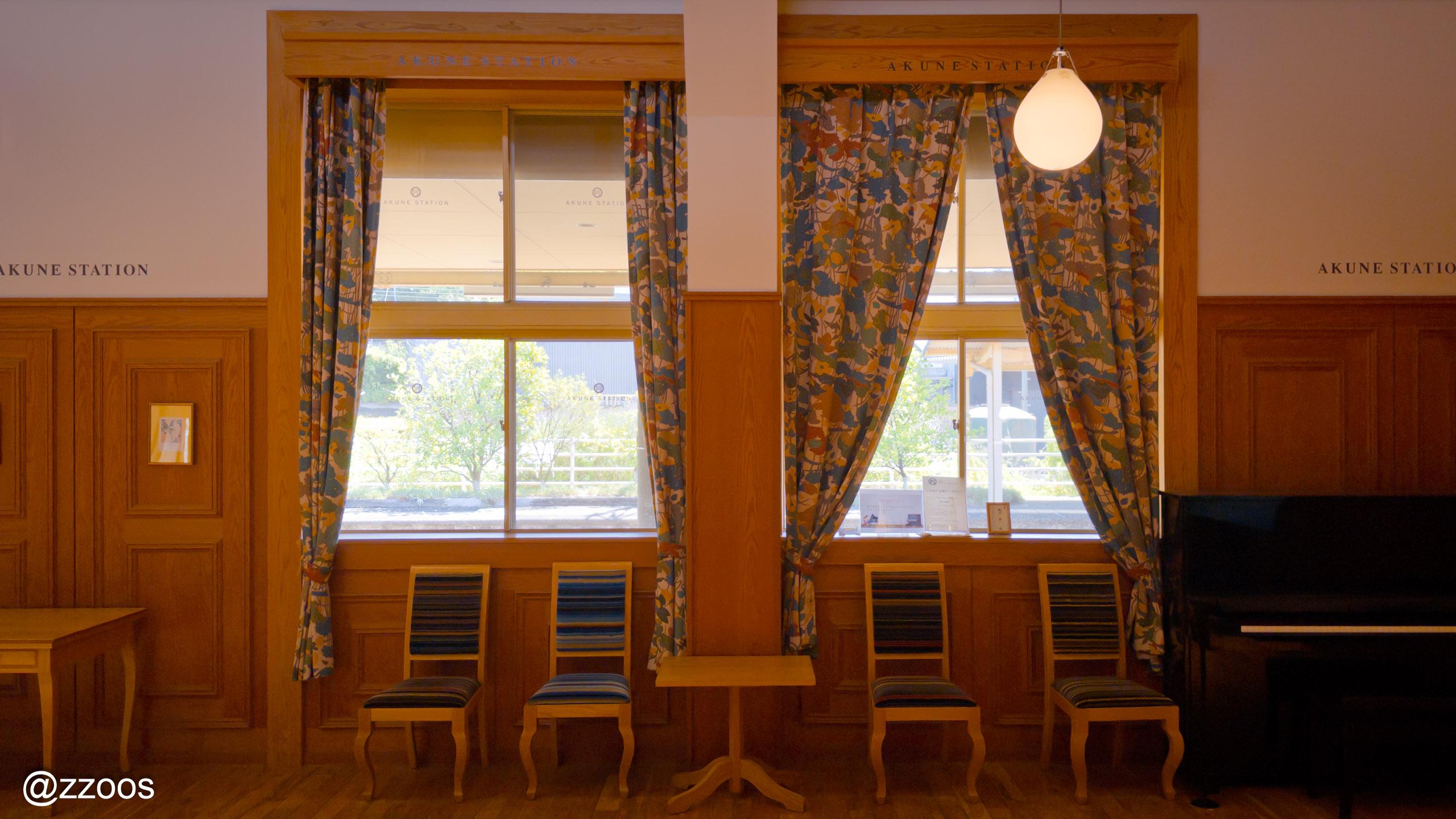
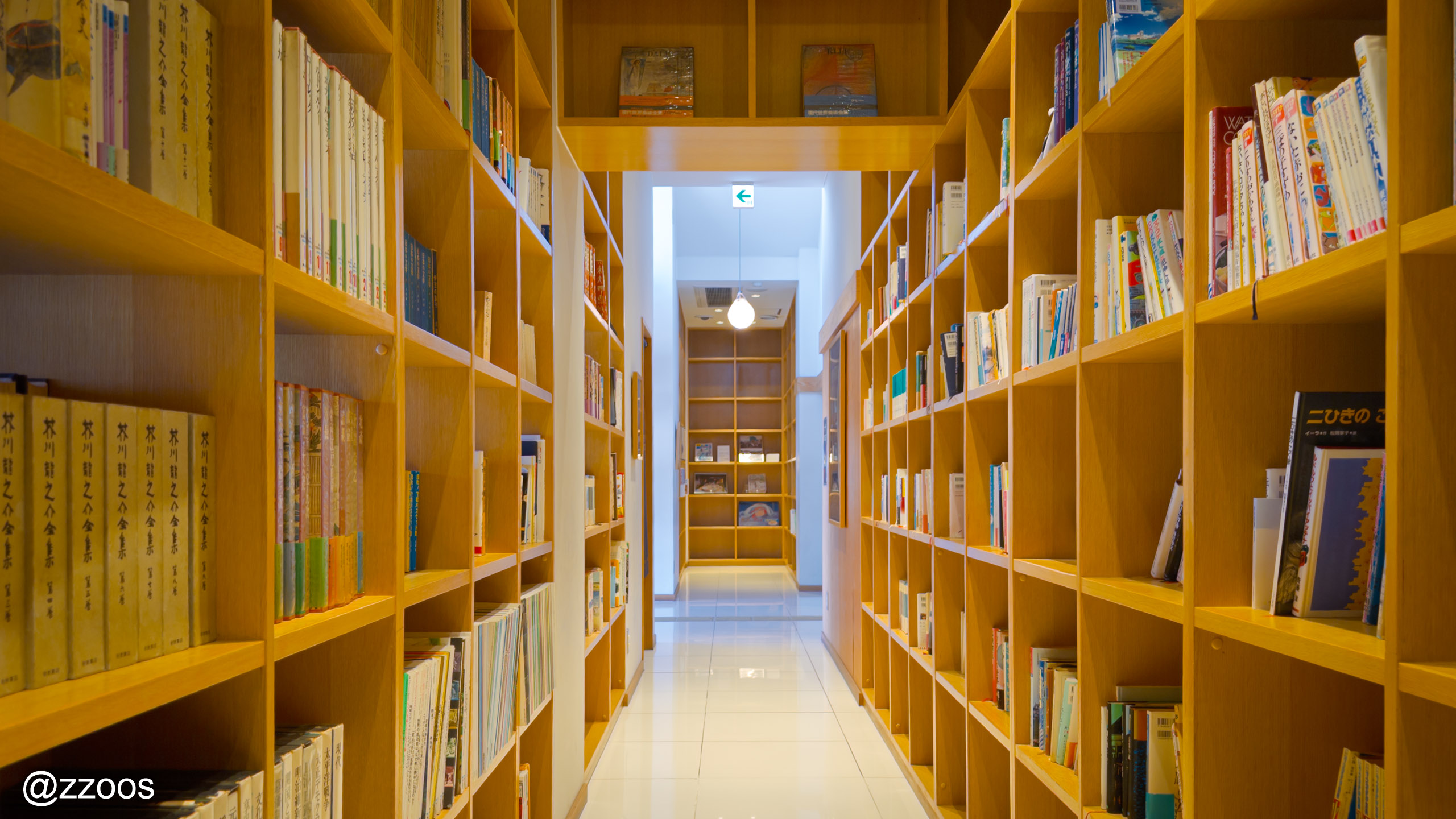
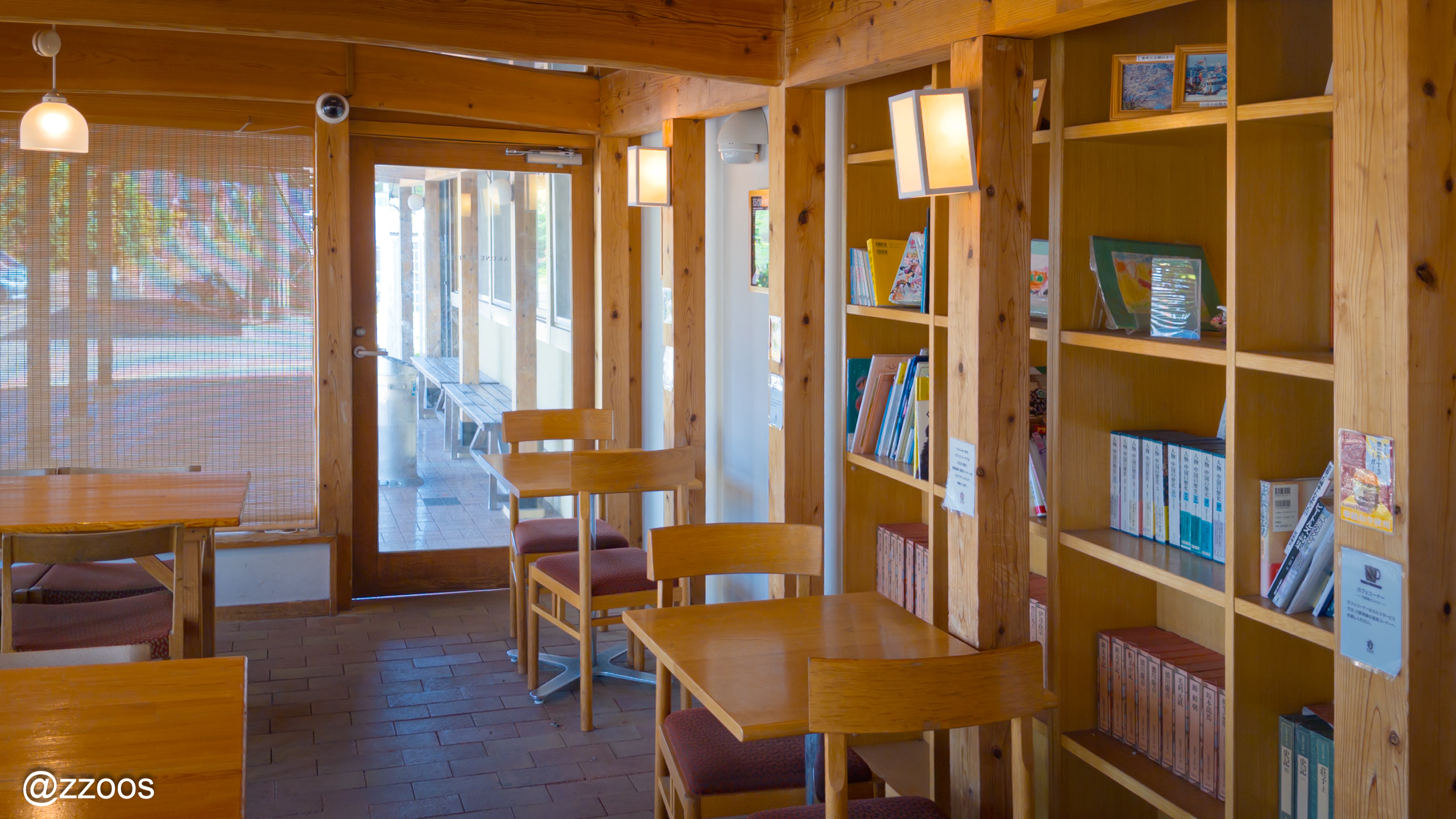
:: A beautiful station in that small town, Akune Station
I got off the train and found an improbably beautiful station. Every corner of it is beautiful enough to make you think — this small a town has a station this nice?
Looking into Akune Station after the trip, it turns out it was designed by Eiji Mitooka(水戸岡 鋭治), design advisor to JR Kyushu. And looking further into who he is — ah, so all those trains I’d seen around Kyushu and thought were beautiful were designed by this one person! He designed famous trains like the Yufuin no Mori(ゆふいんの森) and the Nanatsuboshi in Kyushu(ななつ星 in 九州), and Kagoshima-Chuo Station and Kumamoto Station too.
The inside of the building, which uses Akune timber generously, feels warm and clean. It’s not just for train passengers — it’s also a space for the people of Akune, where any resident can come and rest anytime.
There’s a restaurant-café inside the station, and a small souvenir shop. And in the waiting room there’s a piano anyone can play. I saw people actually playing it.
How to put it — it’s a station that warms you, not just in its design.
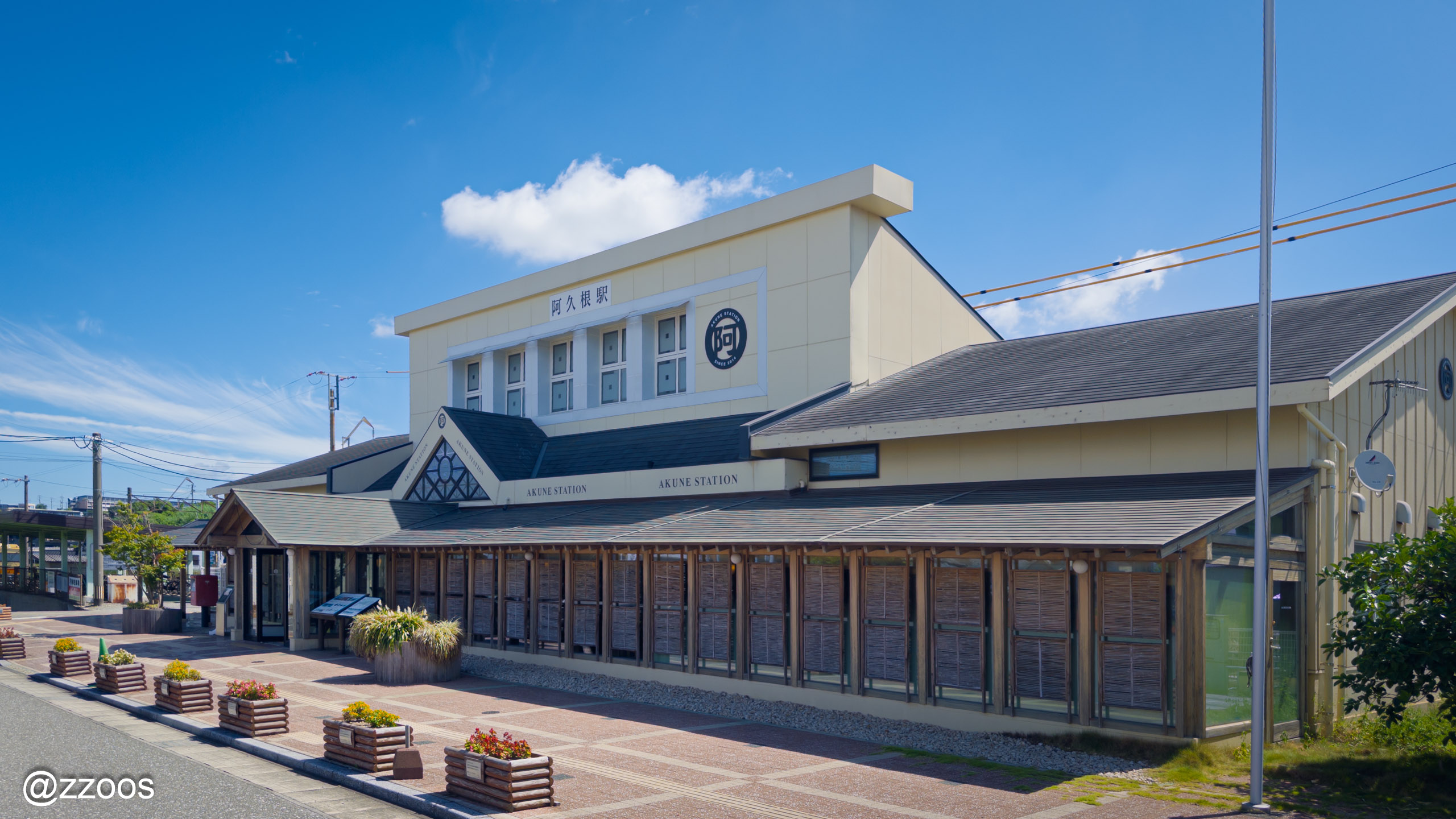
Stepping out of the station — ah, it really is hot.
The humidity isn’t that high, so it’s not unpleasant, but the sun beating down isn’t simply hot. It’s intense enough to feel like pain.
Walking toward my lodging, dragging a big suitcase, a man suddenly speaks to me.
“Hot today, isn’t it?”
“Yes, really hot.”
“Where are you from?”
“I’m from Korea.”
He stops in his tracks, surprised.
“From Korea?”
“Yes, from Korea.”
“What brings you to this town?”
“Just traveling. Sightseeing.”
“Well then, have a good trip, and take care. The sun’s too strong.”
“Yes, you take care too.”
That kind of ordinary but warm exchange.
An intense sun and a warm conversation. That was my first impression of Akune.