Whenever I arrive in Kagoshima, I tend to have tonkatsu for lunch. Tonkatsu is something you can find anywhere in Japan, and there are plenty of good places.
Still, I think Kagoshima’s tonkatsu has a charm that’s its own. Tonkatsu made with Kagoshima’s kurobuta(黒豚) has a richness in the fat and a firmness in the meat that sets it apart.
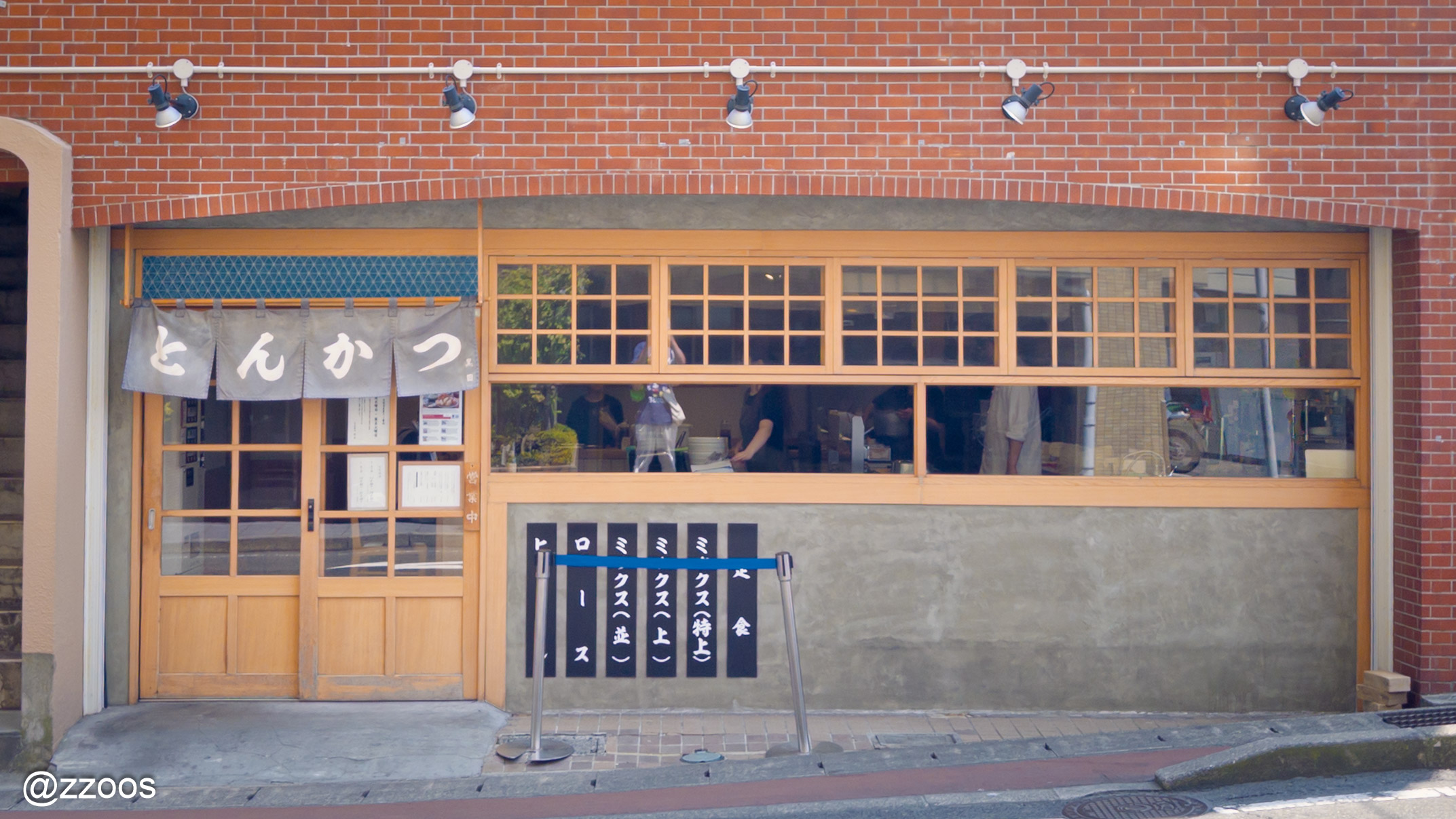
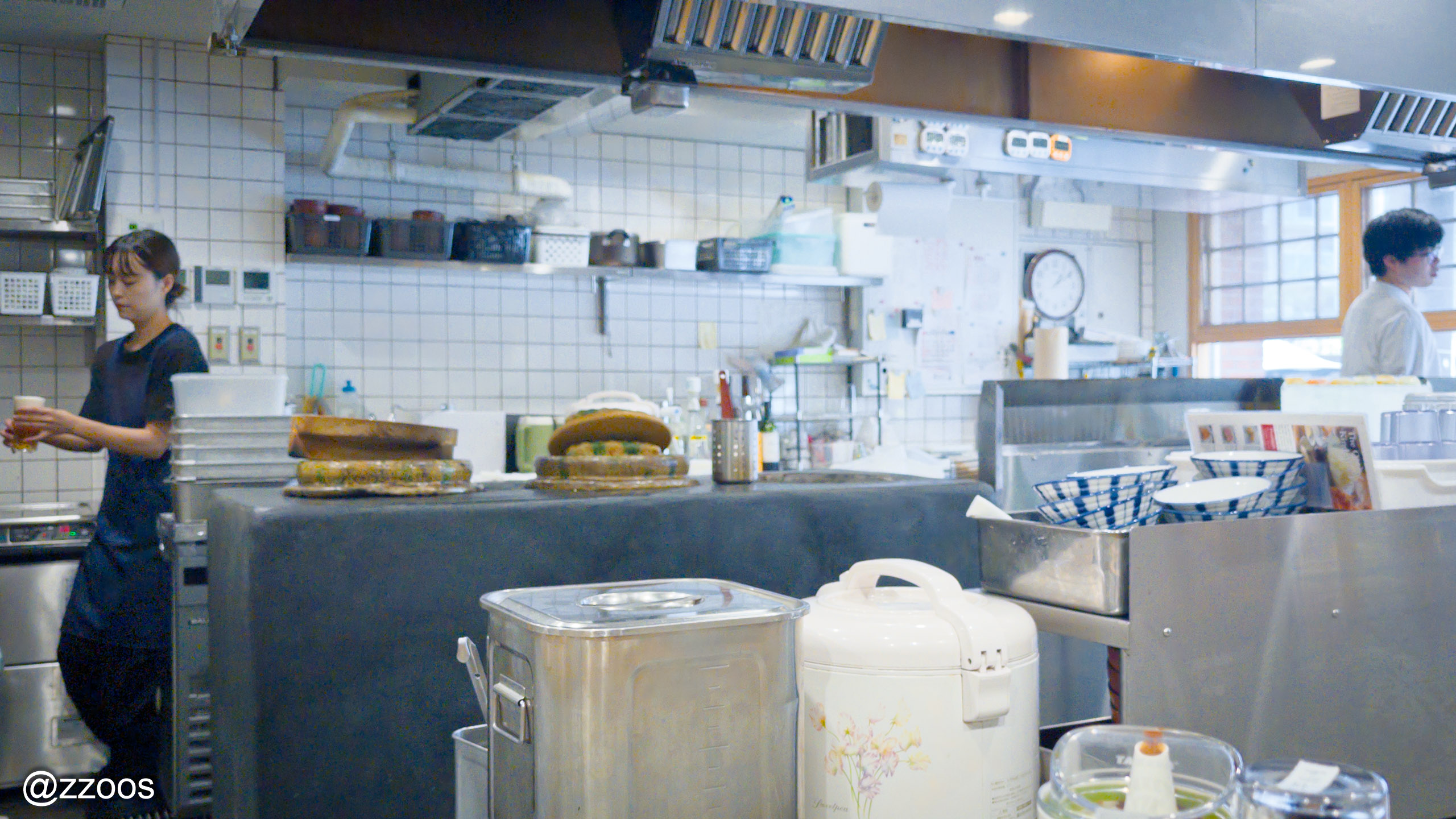
:: Tonkatsu Kuroda, where the wide, clean kitchen leaves an impression
There’s a popular tonkatsu place north of Kagoshima-Chuo Station. I tried to visit once before, but it was their regular closing day, so I never made it in. It’s a place called Tonkatsu Kuroda(とんかつ 黒田). With a Tabelog rating of 3.64, it holds a very high spot among the tonkatsu places in Kagoshima city.
You buy a ticket from the vending machine at the entrance, and a staff member shows you to your seat. The place has a very wide, clean kitchen that’s completely open, and most of the seats are counter seats facing the kitchen. There are about three tables for four.
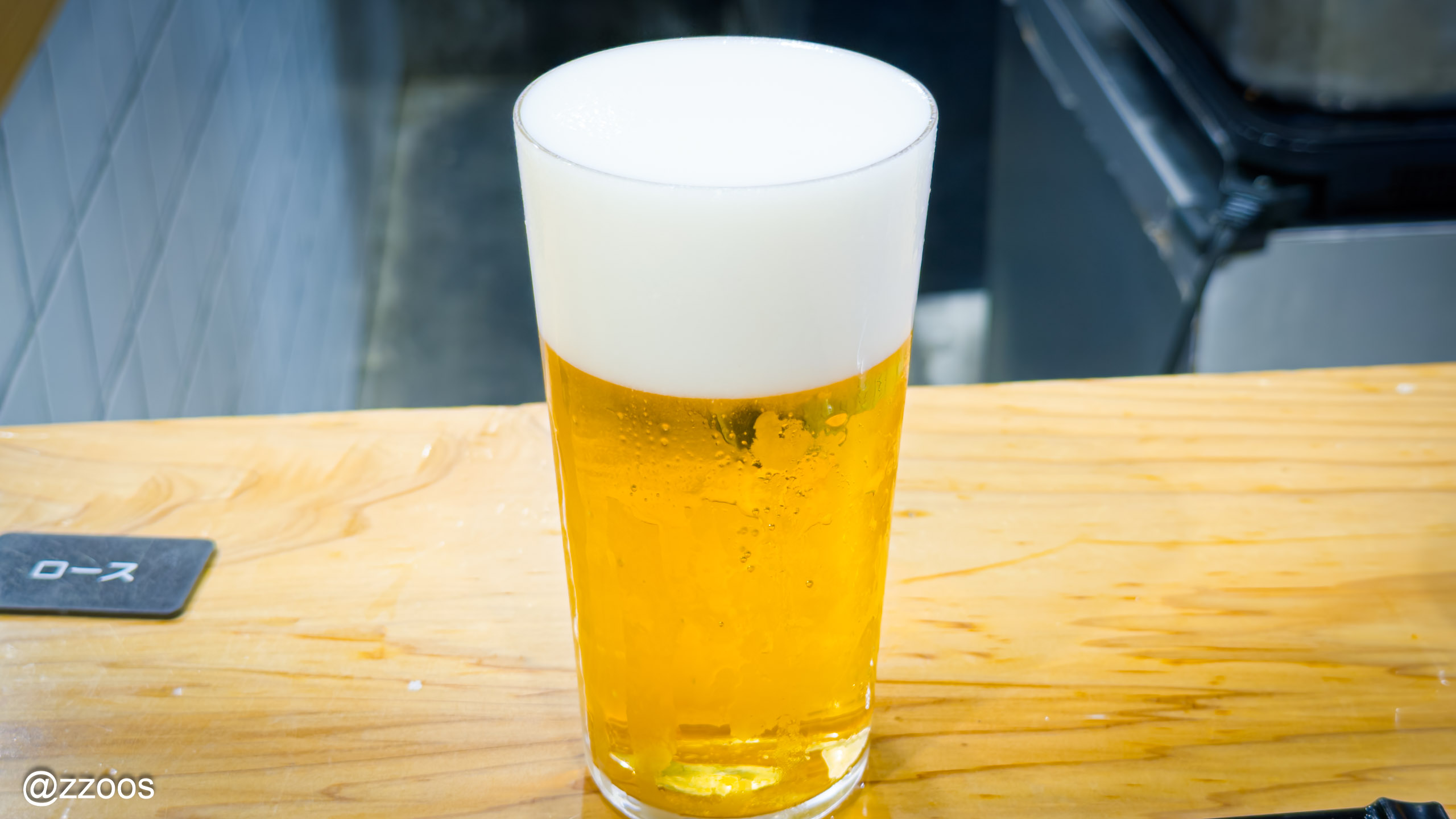
First, a small draft beer.
At lunchtime, no less. I imagine the people next to me in dress shirts glancing over with envy. I don’t actually know if they are. But being able to have a beer while everyone else is working — that feeling itself is good. A traveler’s privilege.
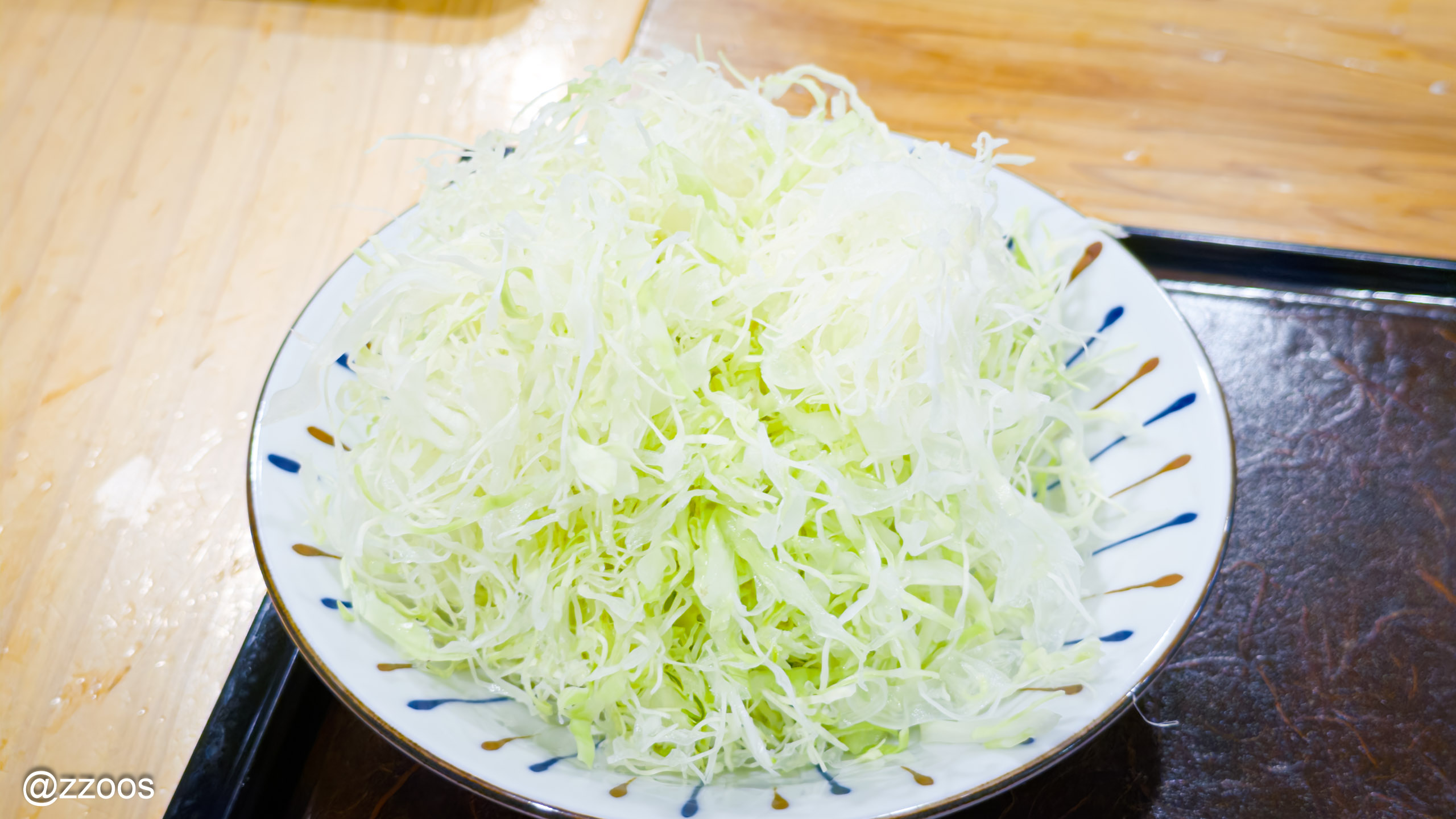
The cabbage salad that always comes with tonkatsu.
It’s strange. When I eat it in Korea, the cabbage has a much firmer texture. The cabbage at tonkatsu places in Japan is much softer, with a sweetness to it.
Maybe it’s a difference in the cabbage itself. There are vegetables that go by the same name but taste clearly different. Even between countries this close. Cabbage might be one of them.
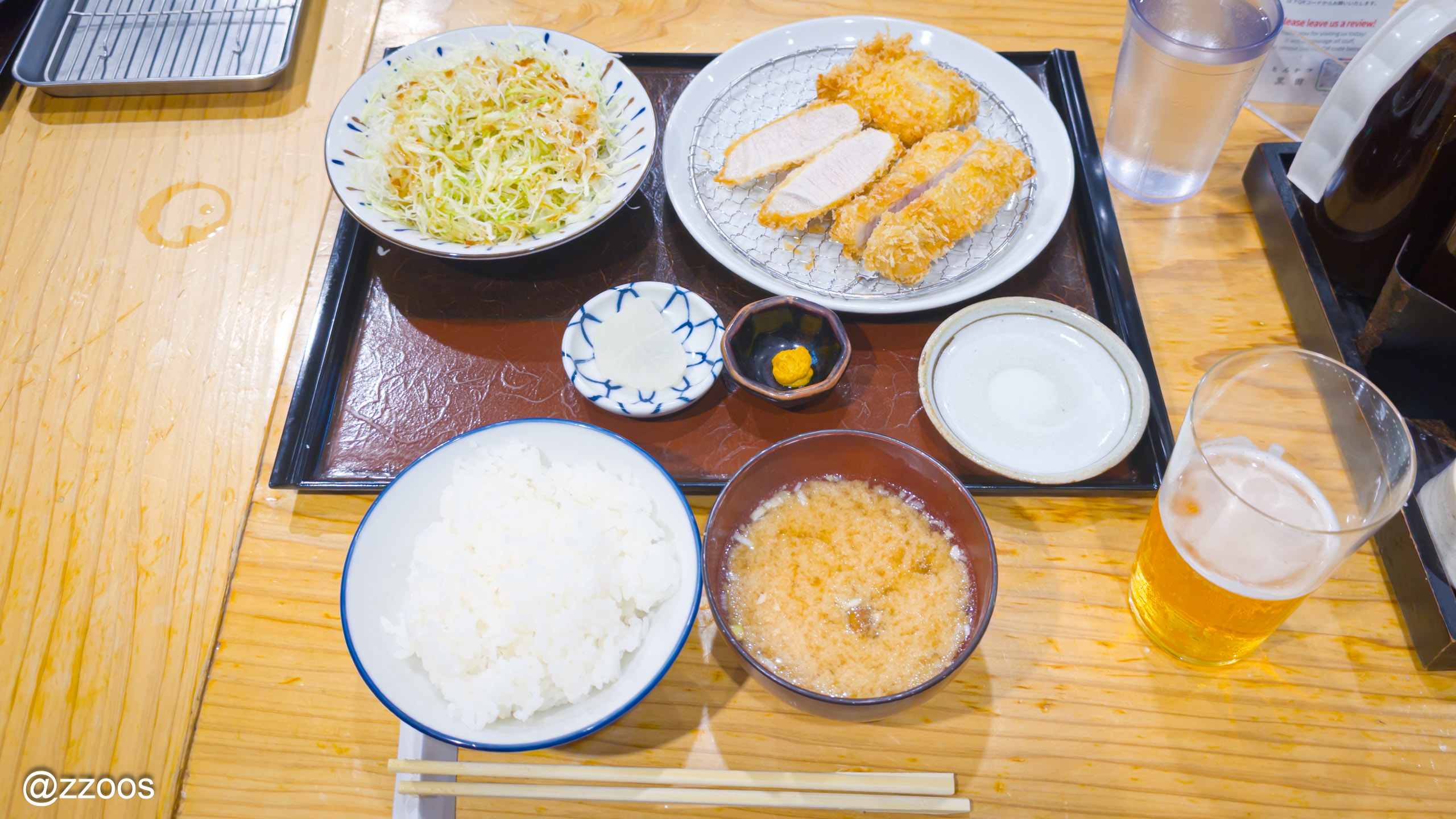
Tonkatsu Kuroda’s signature menu is the mixed fry set(ミックスフライ定食). Along with fillet and loin, they serve various styles of fried items one after another, almost like a course meal.
But today I wanted something simple and clear. So I ordered the rosukatsu set.
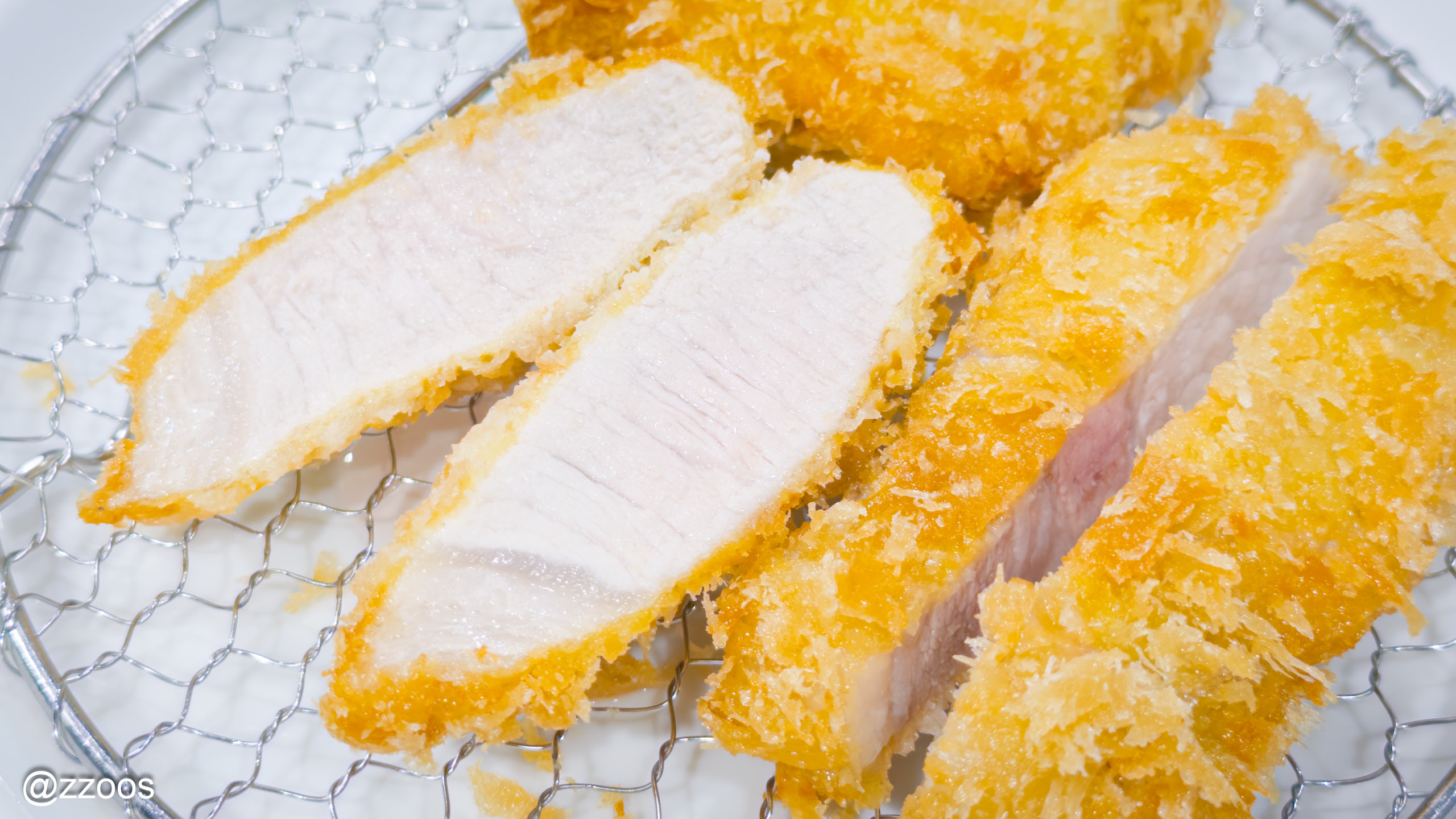
Three small pieces of loin came out. The ratio of lean meat to fat was different in each one, which made it fun to eat. Kagoshima’s kurobuta is the Berkshire breed, so the richness of the fat is something else. The parts with a higher fat ratio are richer and softer.
The batter is a very bright color, clean. The miso soup and the pickled radish, which tasted like it was made in-house, were both clean in flavor. Overall a taste that isn’t heavy, one I think younger people would like.
Someday when I stop by again, I’d like to try the premium mixed katsu set.
Among the many tonkatsu places in Kagoshima, this is one worth recommending.
:: Maruichi, famous for its distinctive batter
Around the west end of Tenmonkan(天文館), Kagoshima’s main downtown street, there’s a large brown brick building with the Kagoshima Bank(鹿児島銀行) in it. It’s the Kagoshima Chuo Building.
In the basement of this building there’s a place called Nakachika Gourmet Town(なかちかグルメタウン), where several restaurants are gathered. Torimu(鳥夢), which I’ll introduce later, and Tanaka Curry(田中カレー), which is packed no matter when you go — they’re all here.
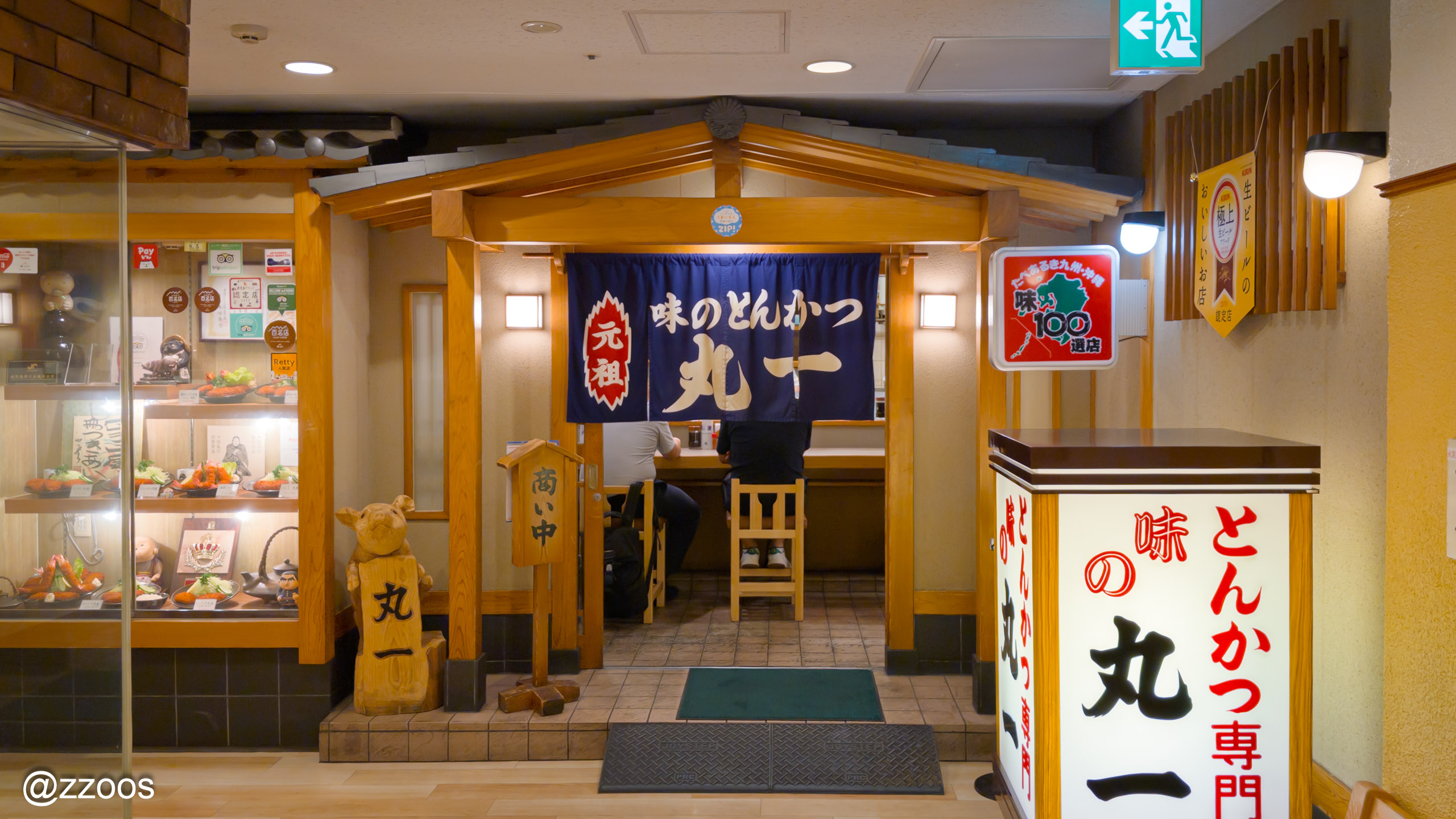
One of them is Ajino Tonkatsu Maruichi(味のとんかつ 丸一). Its defining feature is batter so unusually dark you could call it black. It’s a place no one would argue with as one of the most famous tonkatsu shops in Kagoshima.
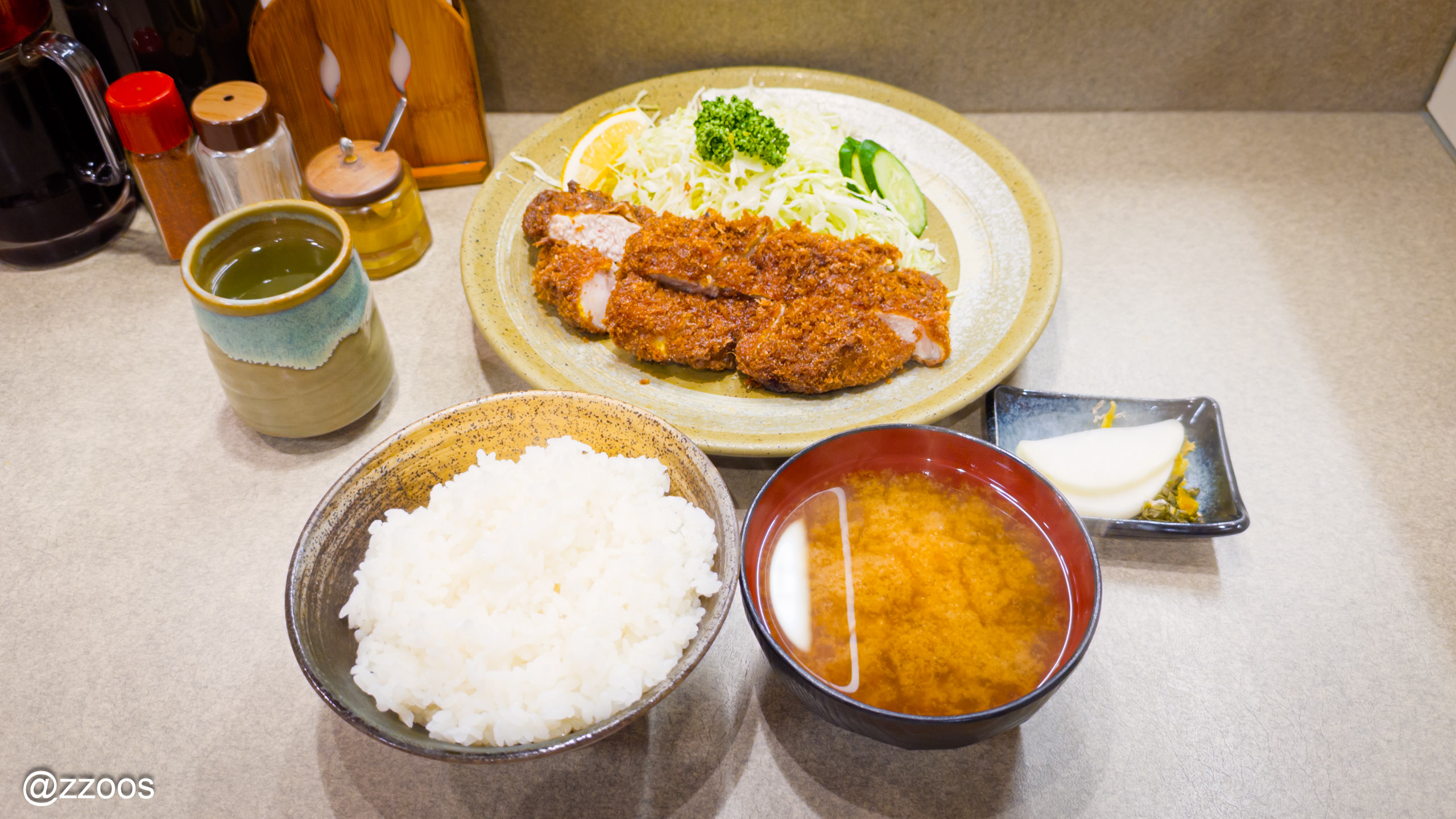
I visited at lunchtime, and as it happened there was a lunch set. And the price was suspiciously cheap. So I ordered it right away.
From the counter seat I was in, I could watch them cooking the tonkatsu in full detail. The owner, with a blunt expression, was frying tonkatsu while sweating buckets. One unusual thing: before cutting the tonkatsu, he dipped the knife into the frying oil to raise its temperature, then cut. There must be a reason for it.
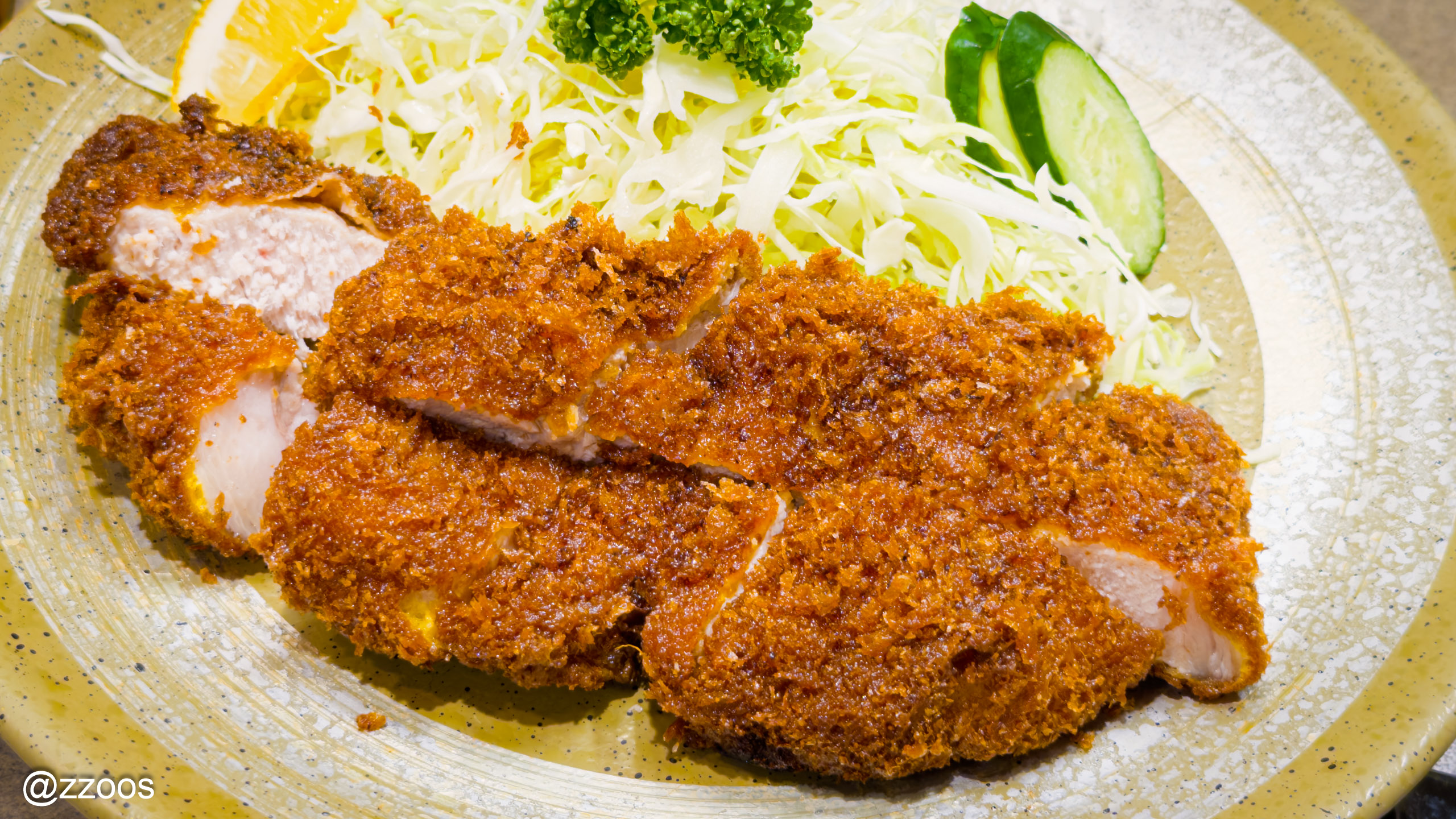
The rosu lunch set finally arrived. The batter really is a dark color. The meat is thick and the portion is very large.
I took a bite with expectations, and unfortunately I thought this might not be kurobuta. That’s probably why it could be cheap. Why I felt that way is, I couldn’t taste that richness in the fat that’s particular to kurobuta.
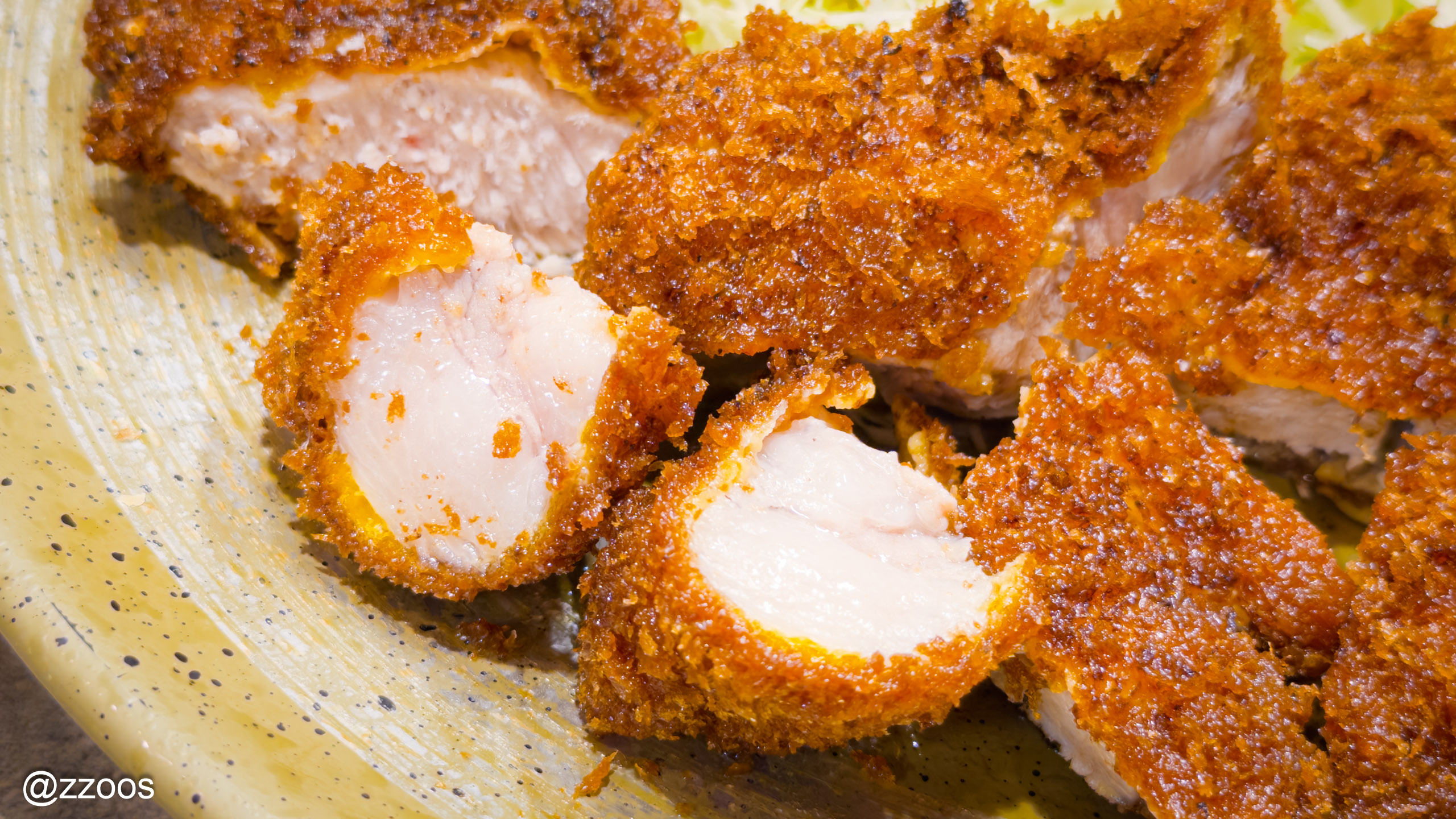
But that absolutely doesn’t mean this tonkatsu wasn’t good. Only that it might not be kurobuta.
What defines this tonkatsu, that dark batter, was very distinctive. It’s a taste I’ve never had in tonkatsu. After a few pieces, I found it oddly familiar.
Ah, this tastes like the batter on the old-style fried chicken I used to eat in Korea. Probably the batter is heavily seasoned, so it darkens as it fries, and that’s where the taste you don’t find in other tonkatsu comes from.
It’s very thick and the portion is on the large side. The miso soup was nice and savory, but more than anything the tsukemono were high quality. Good tonkatsu places really do have good tsukemono and rice too.
If I stop by this place again, I should try something like the premium rosukatsu set(上ロースカツ定食) instead of the lunch set. That seems like the way to properly taste the kurobuta.