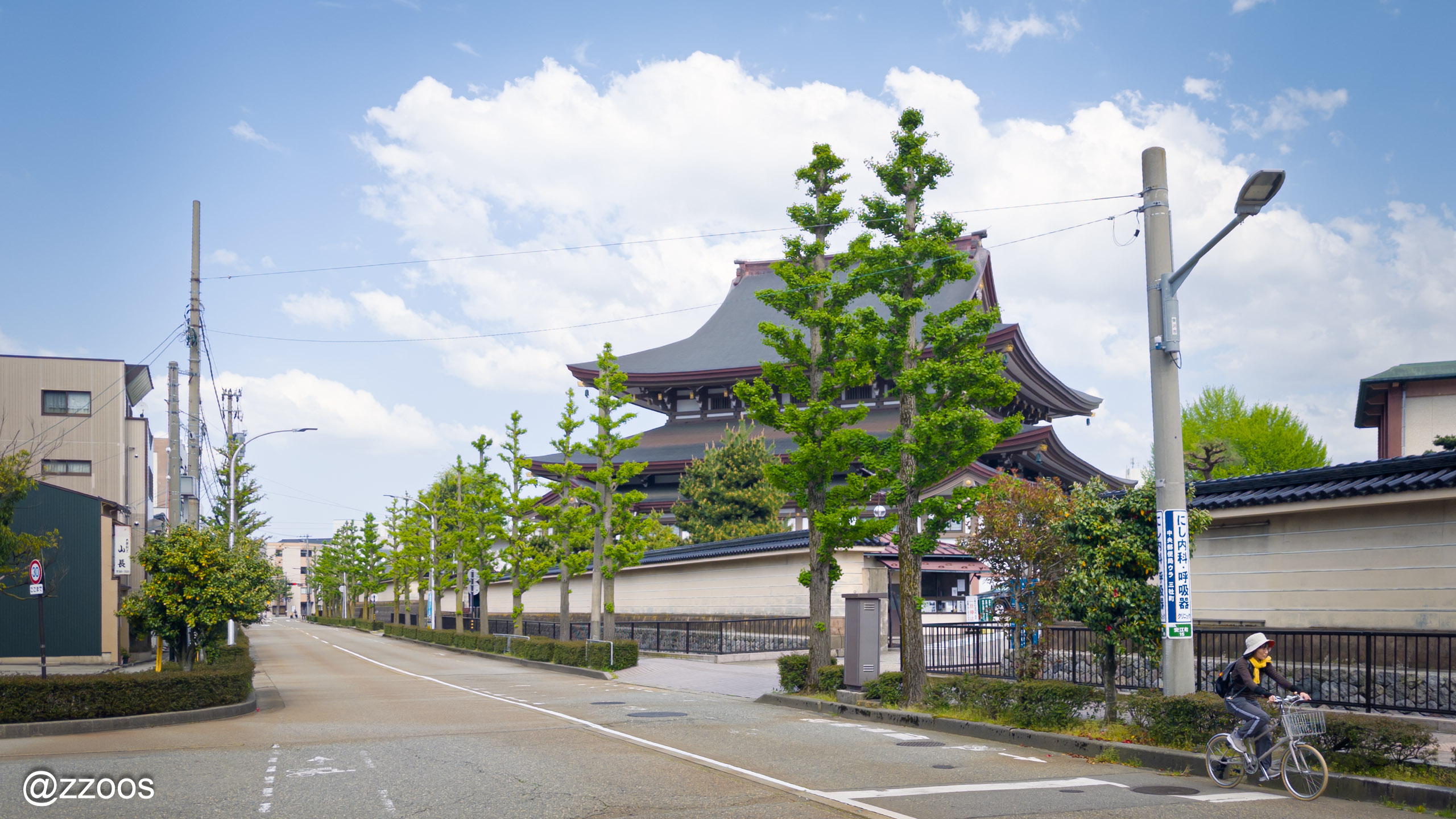
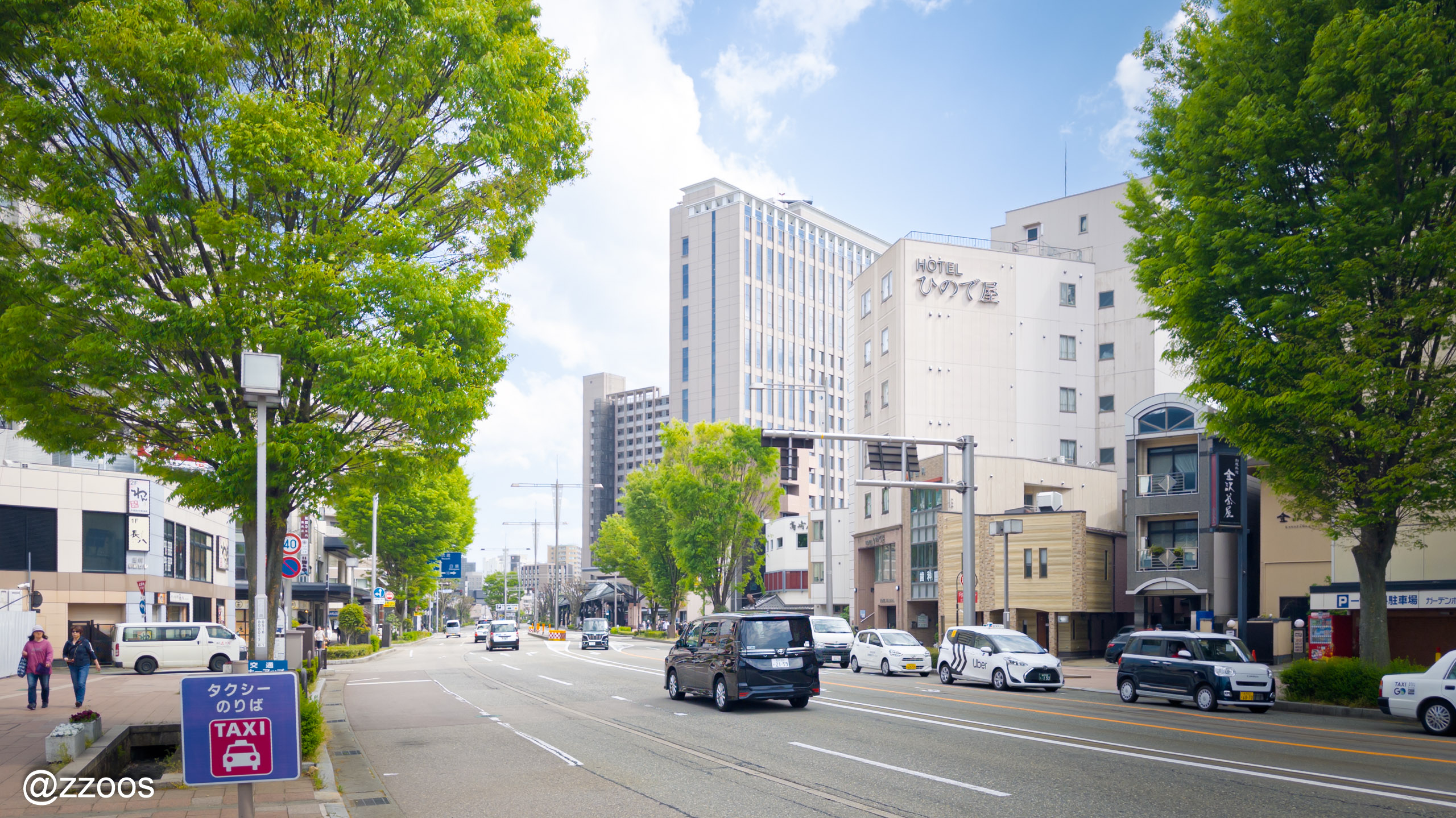
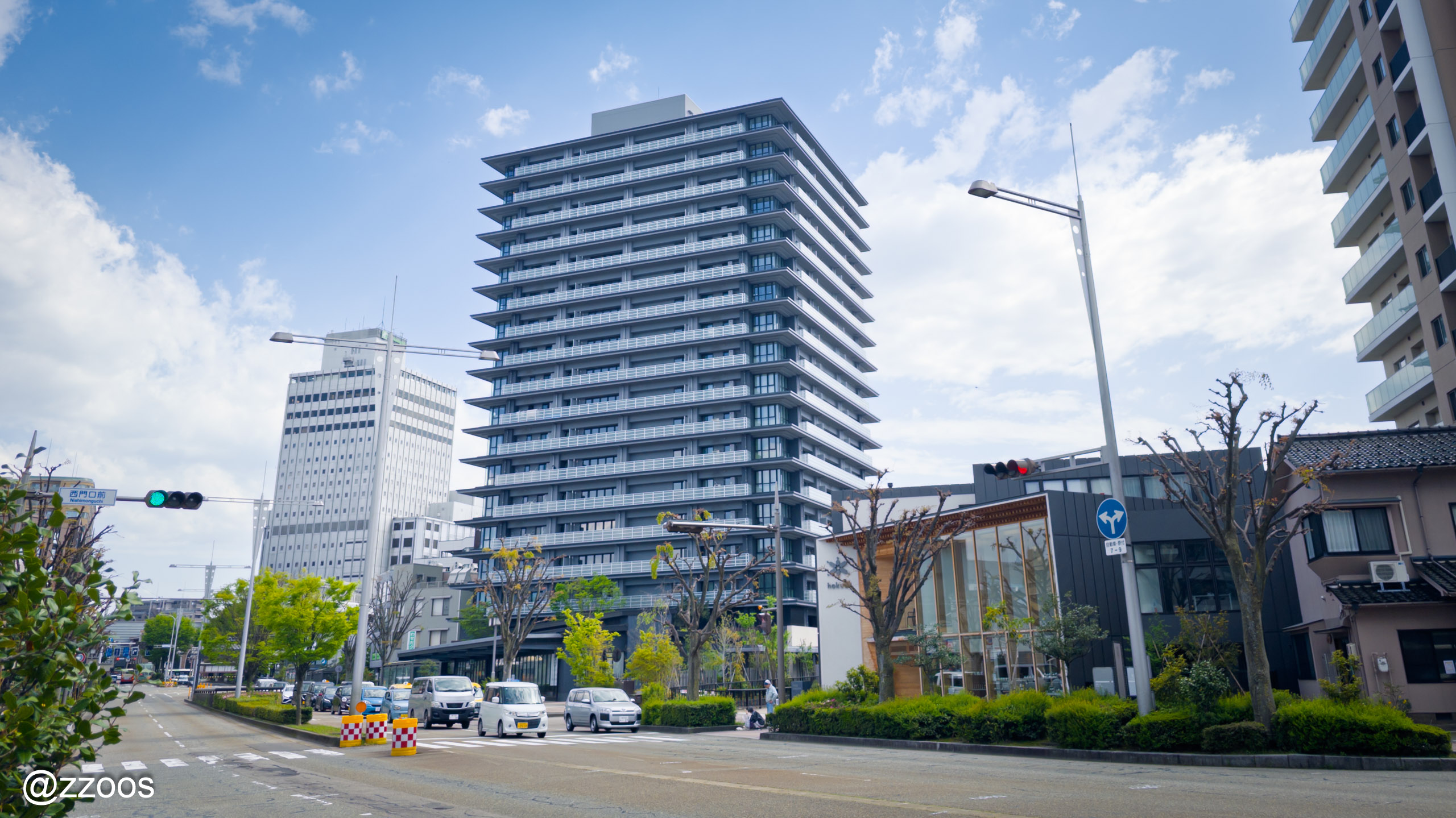
Kanazawa (金沢) sits on the western side of Honshu, in Ishikawa Prefecture — home to the Noto Peninsula. With a population of around 450,000, it’s a mid-sized regional city by Japanese standards.
For comparison: Osaka has 2.7 million people, Fukuoka 1.6 million. Even Kumamoto with 700,000 and Kagoshima with 600,000 are bigger.
But when you actually visit Kanazawa, you get a very different feeling. It feels busier and more crowded than either of those. My guess? Tourists. A lot of them.
Of all the Japanese cities I’ve traveled to, Kanazawa has one of the highest ratios of tourists to locals — and a surprisingly large number of non-Asian visitors in particular.
Standing outside Kanazawa Station, watching the flow of people, you’d easily mistake this for a city of a million or more. When I arrived at the east exit for the first time, I had the same thought I had arriving at Kyoto Station: wow, there are a lot of people here.
That was my first impression of Kanazawa. A lot of people.
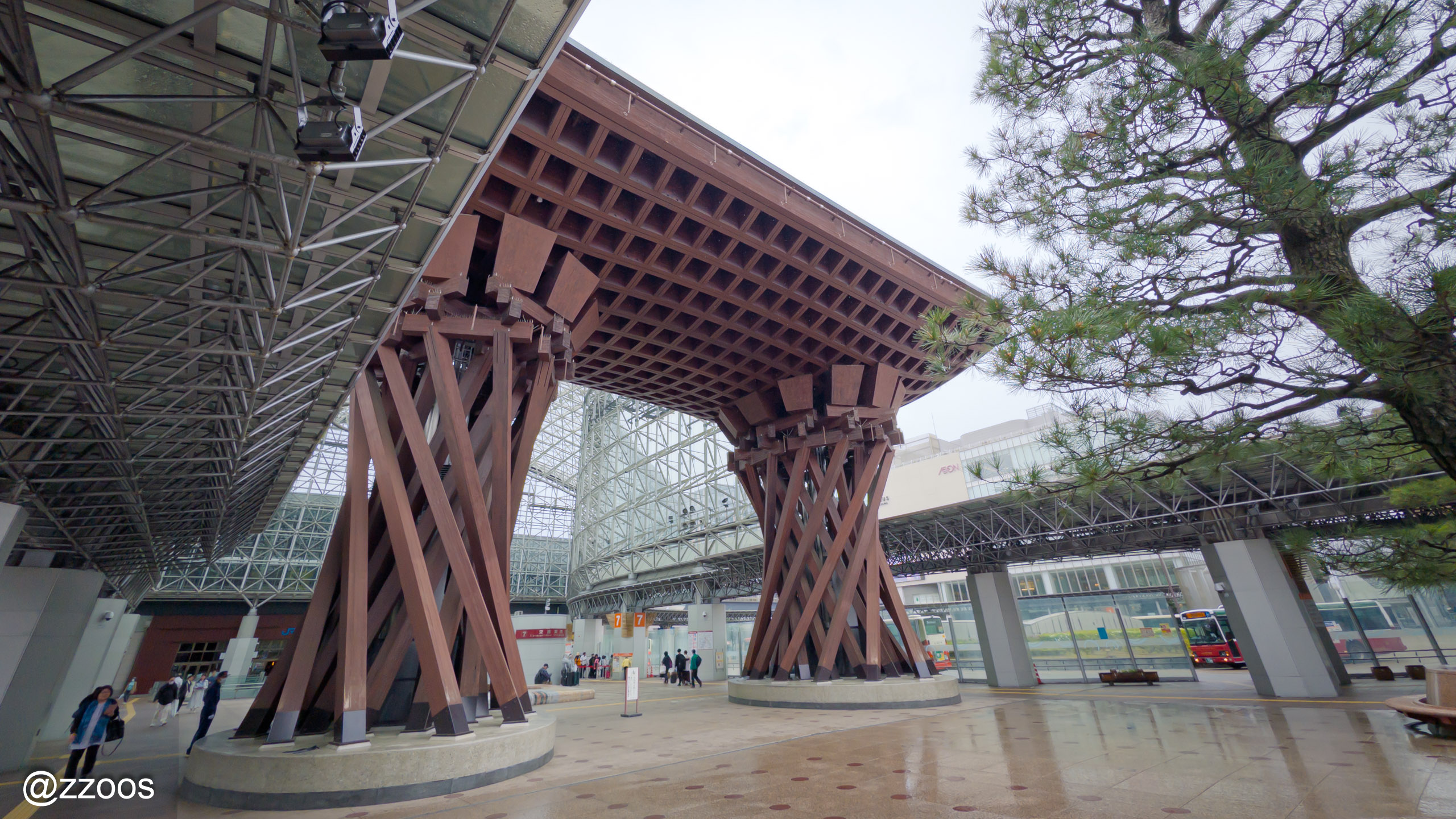
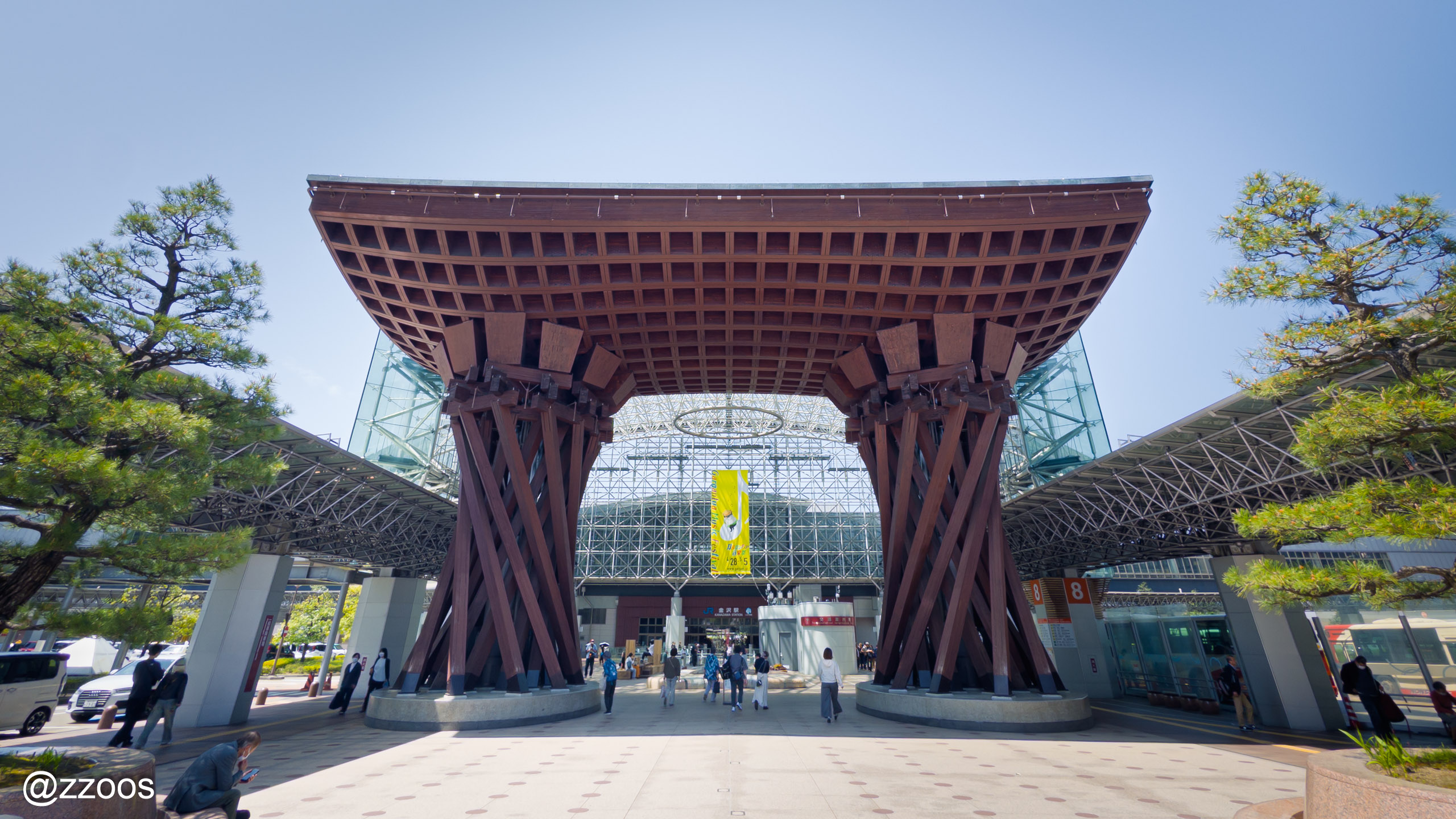
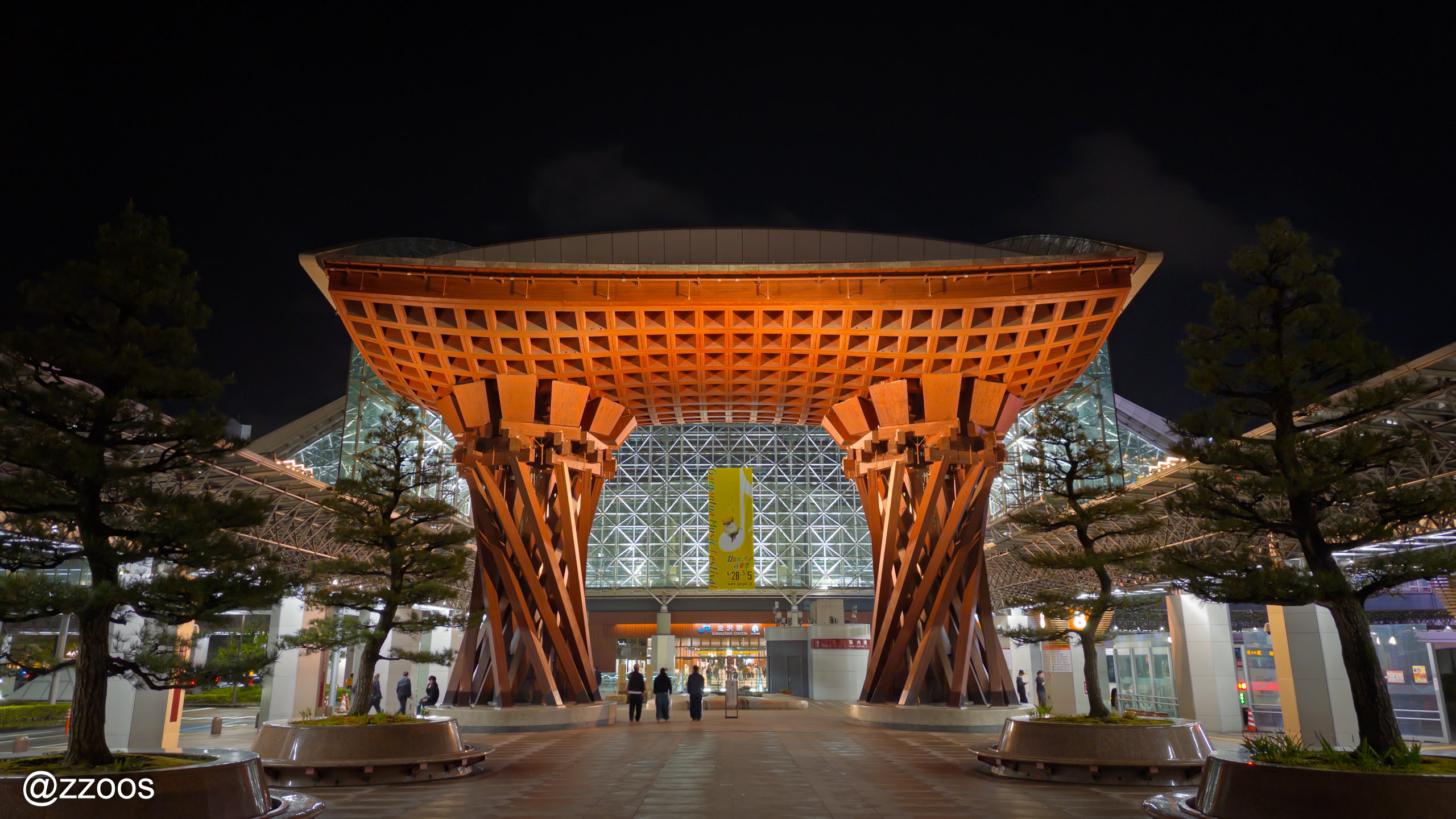
The next thing that caught my eye was Tsuzumi-mon Gate and the Motenashi Dome.
Tsuzumi-mon is the kind of structure you’ve probably seen in a photo at some point. It’s a famous landmark. Standing 13 meters tall, the gate was designed after the tsuzumi — a traditional drum used in Kanazawa’s performing arts.
The Motenashi Dome connects directly to it. The name comes from omotenashi, the Japanese concept of wholehearted hospitality. A welcome for every visitor.
Tsuzumi-mon Gate, the Motenashi Dome — and the crowd of non-Asian tourists milling around them.
That was Kanazawa Station.
That’s where my Kanazawa trip started.
One defining feature of sightseeing in Kanazawa is how concentrated everything is.
The city isn’t large to begin with — but its main attractions are all packed into essentially one district. Omicho Market is right next to Oyama Shrine, and just behind that is Kanazawa Castle. Cross the road from the castle and you’re at Kenrokuen, and stepping out of Kenrokuen you’ll see the 21st Century Museum of Contemporary Art right there.
Cross the bridge north of the castle and you reach Higashi Chaya-gai. To the south is Katamachi, the entertainment district. Walk a little north from Katamachi and you hit the samurai district Nagamachi, and cross the bridge south and you reach Nishi Chaya-gai.
It might sound like a long day. But with some careful planning and pacing, the whole area is walkable. That’s the real appeal of Kanazawa tourism.
Kanazawa Station sits a bit apart from all this. You could walk to Omicho Market, but the station itself is too far to reach on foot from the sightseeing area.
So you might wonder: isn’t the station kind of irrelevant to tourism?
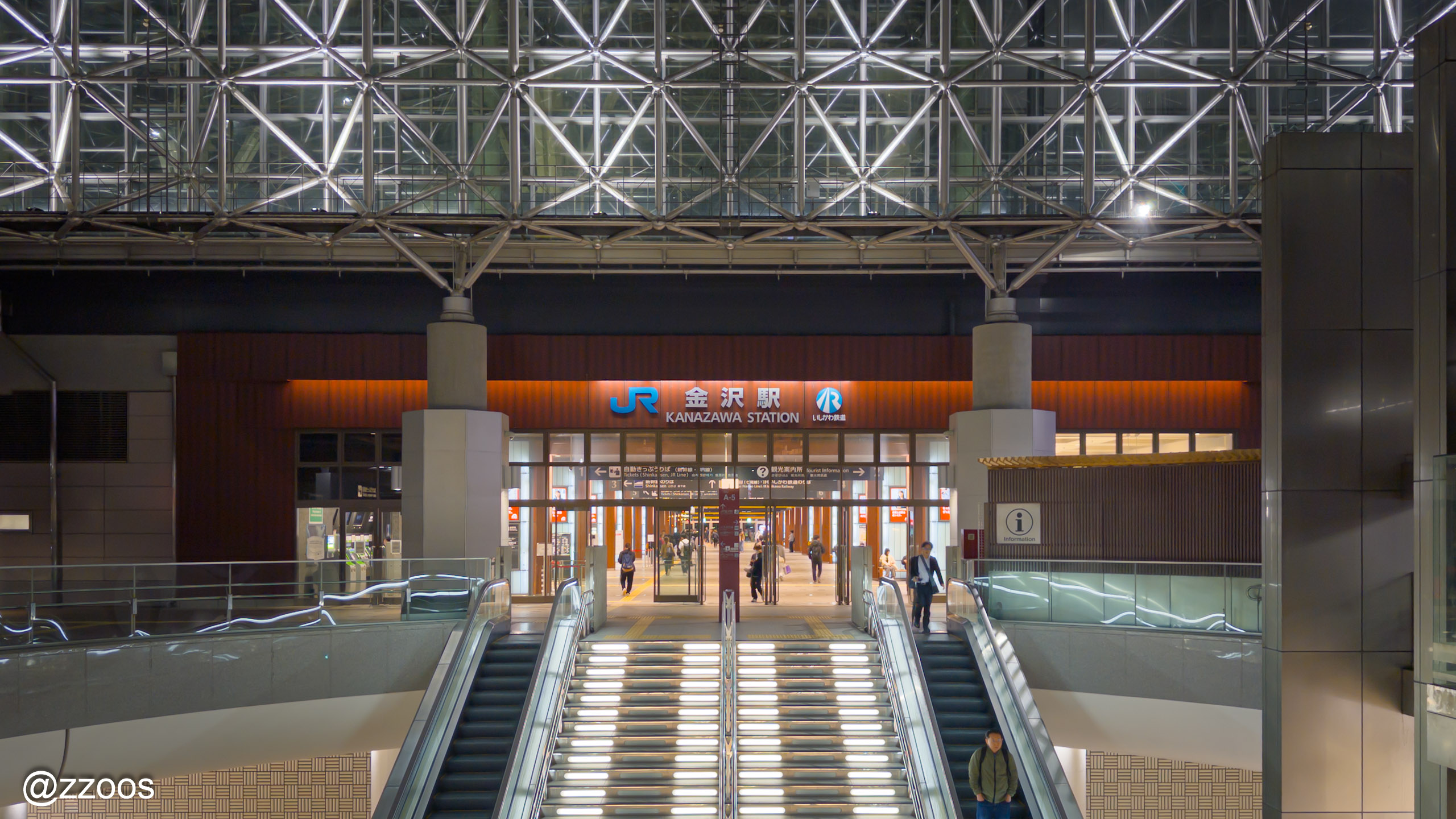
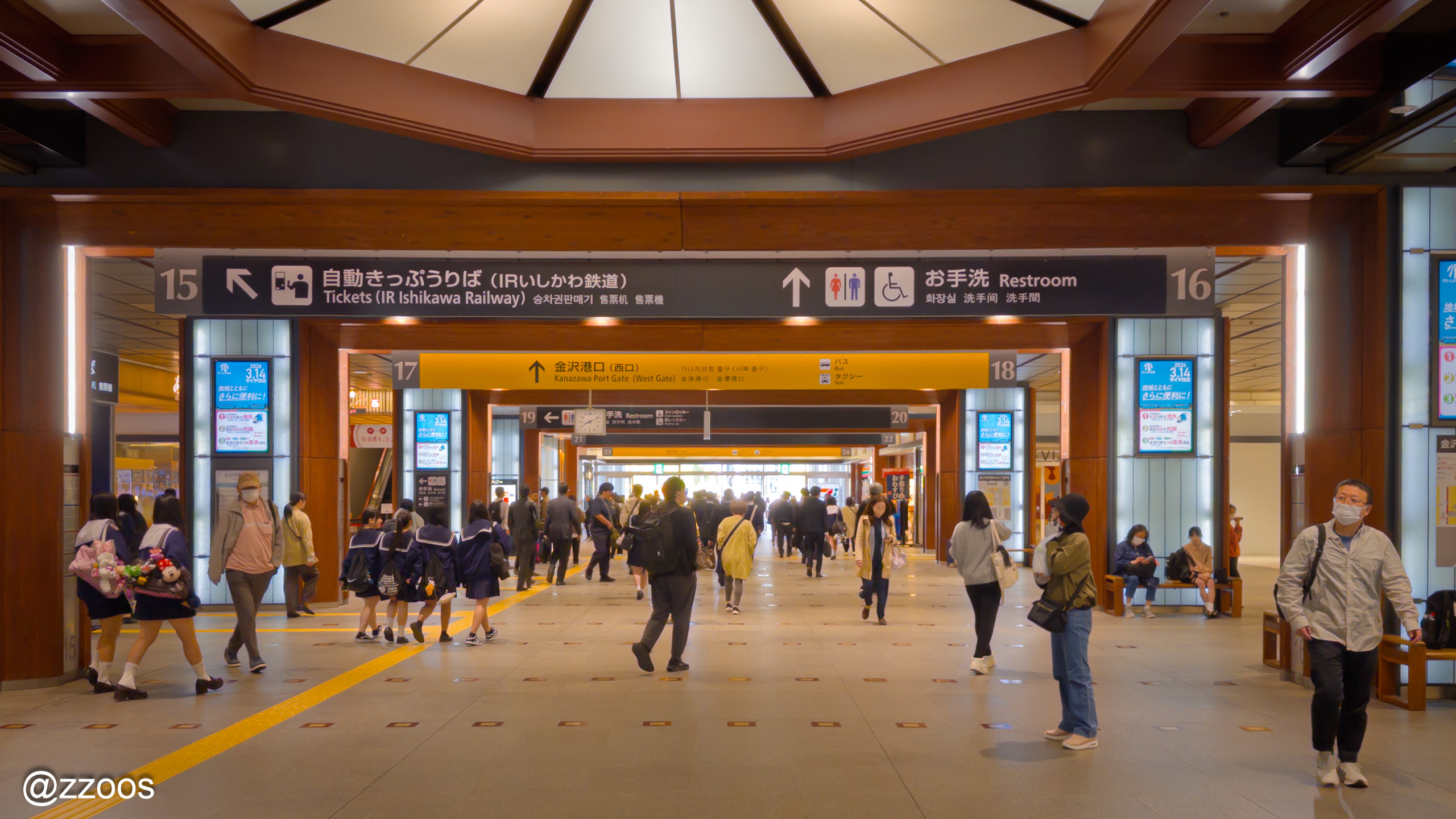
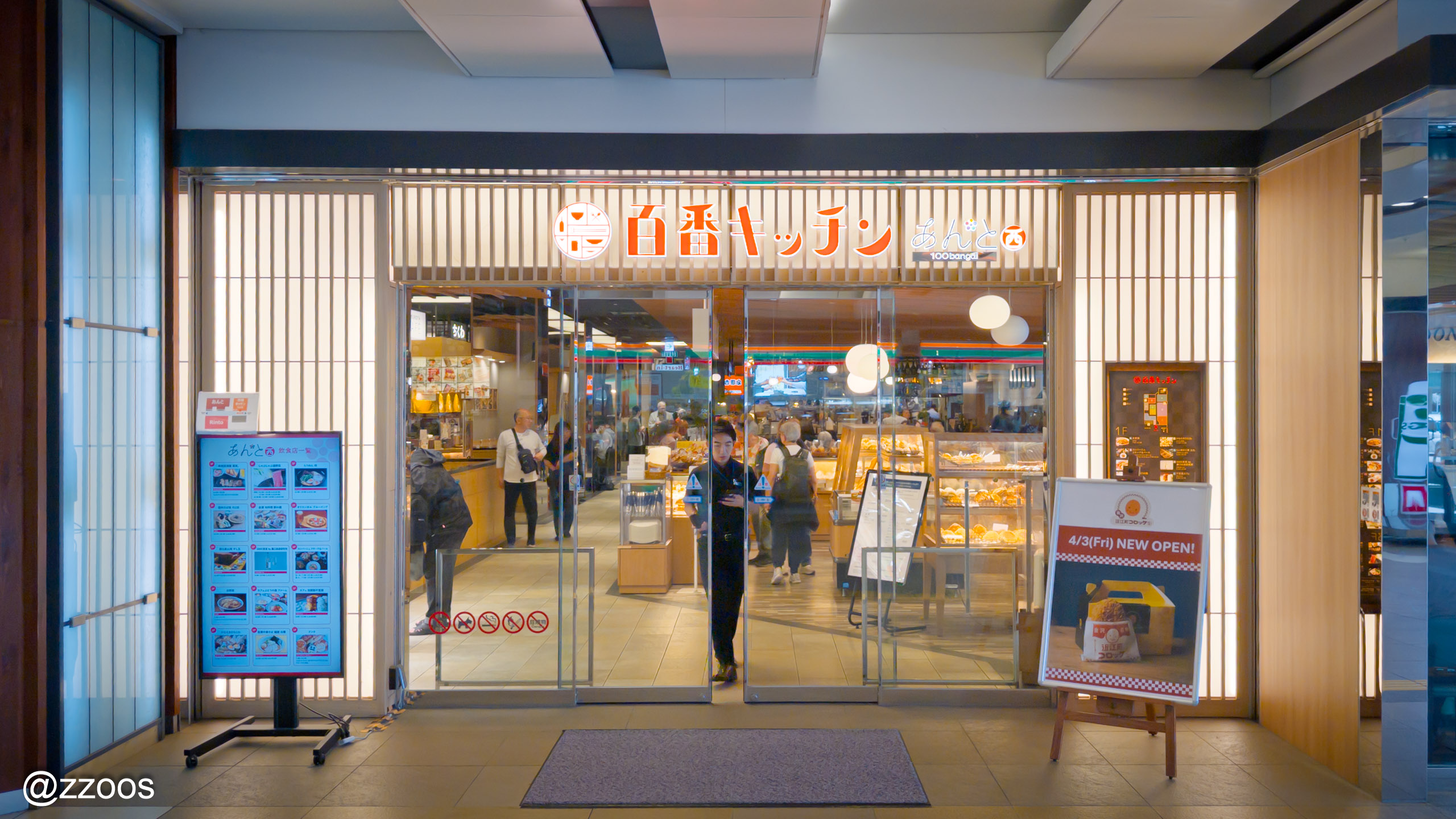
Well — once you factor in shopping, the picture changes entirely.
There’s a department store in the Korinbo/Katamachi area, sure. But the malls in and around Kanazawa Station are no joke. For everyday souvenir shopping, the station side is frankly more convenient.
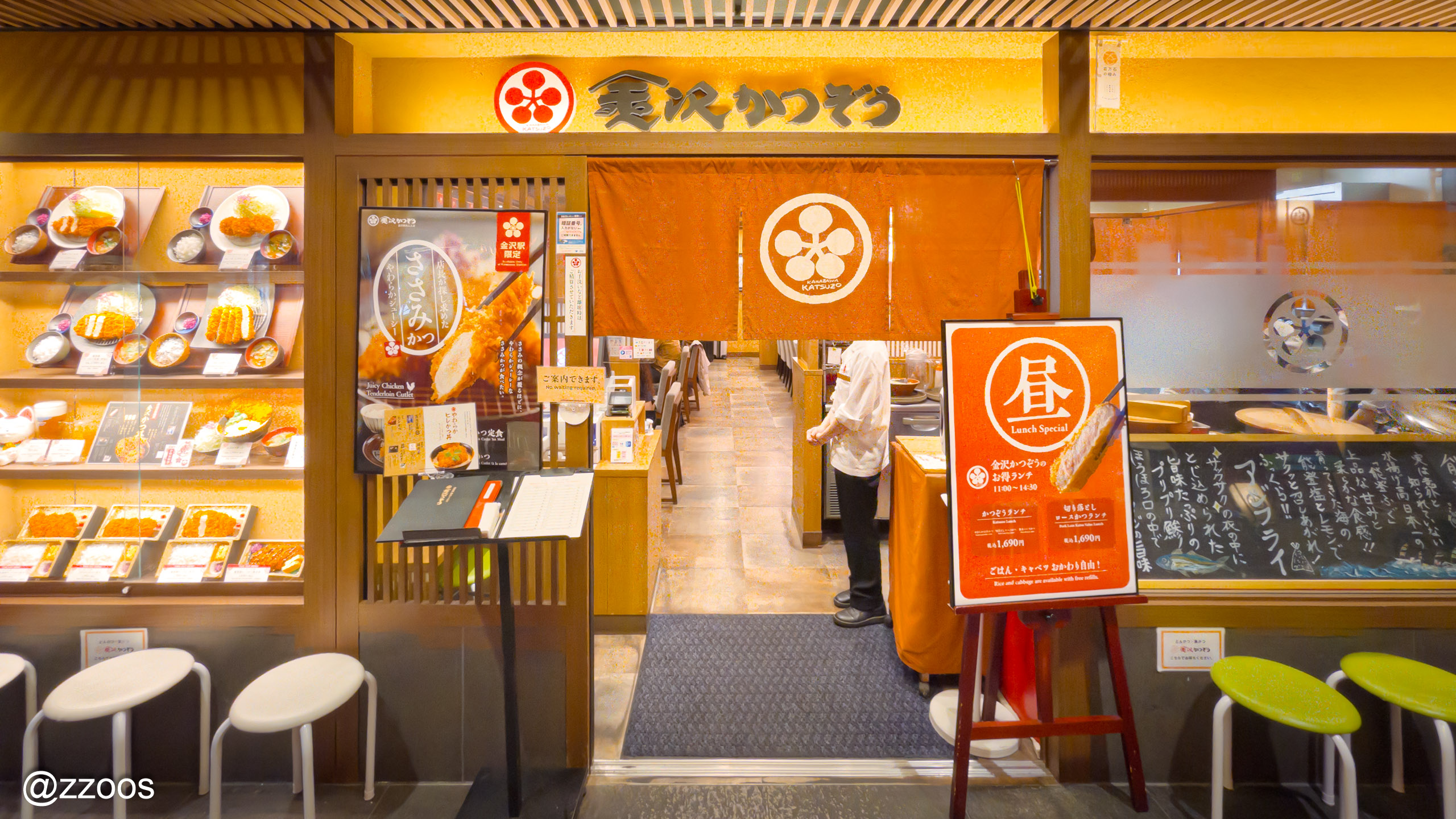
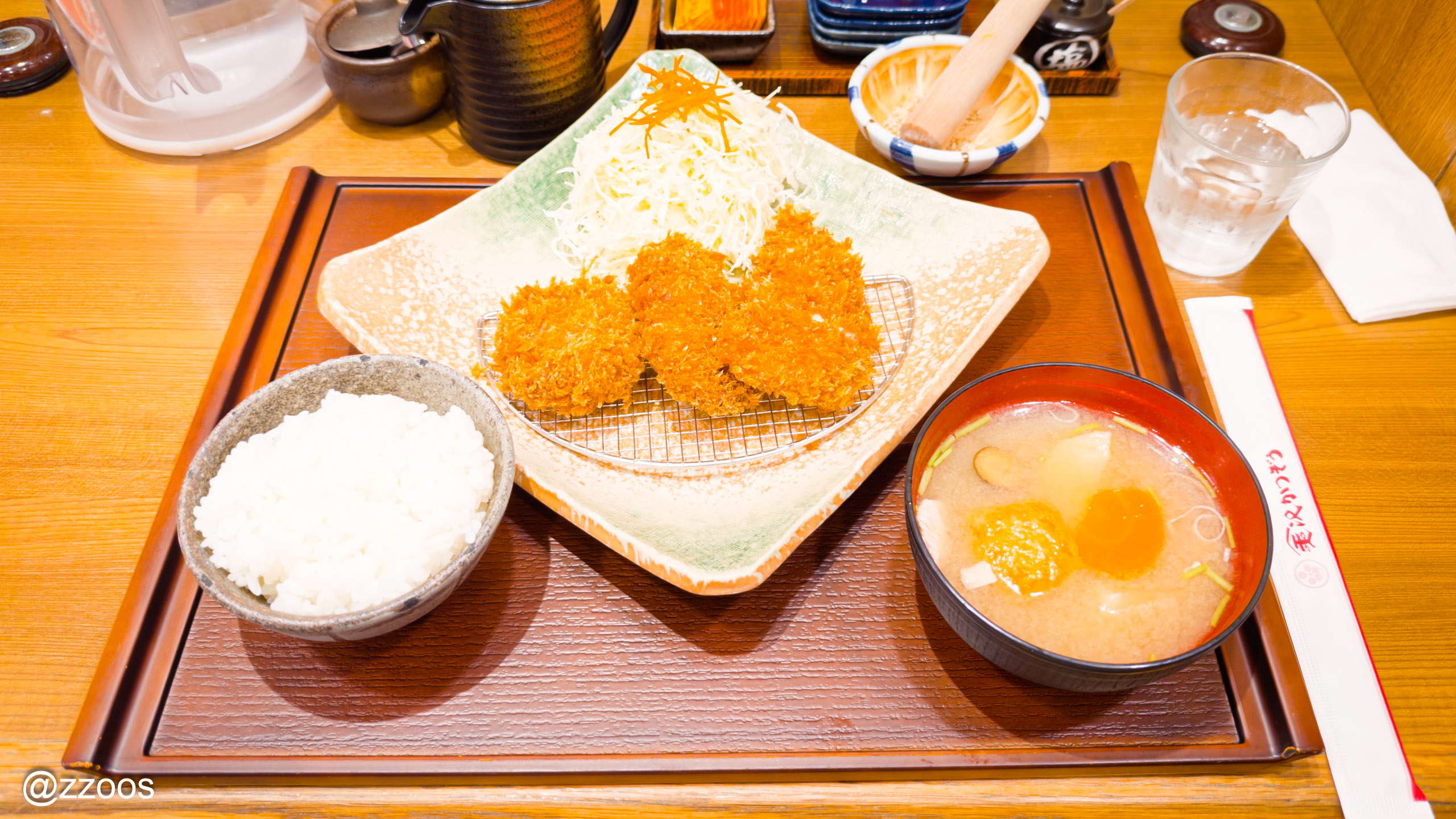
There’s a large supermarket on the second floor, and a full restaurant floor with plenty of variety. But the real standout is Kanazawa Hyakubangai — the station’s sprawling retail complex. The souvenir shops alone take up what feels like the entire first floor of the station. You can browse, compare, and taste samples at your own pace.
By the end of my trip, I did all my souvenir shopping for family and my nephew right here at the station mall. I’d guess most tourists do the same.
That’s what makes this place the end of the journey, too.
The appeal of a Kanazawa trip doesn’t stop at the city limits.
A lot of visitors come specifically to make a side trip to Shirakawa-go. And just 20 minutes by shinkansen is the Starbucks said to be the most beautiful in the world, in Toyama.
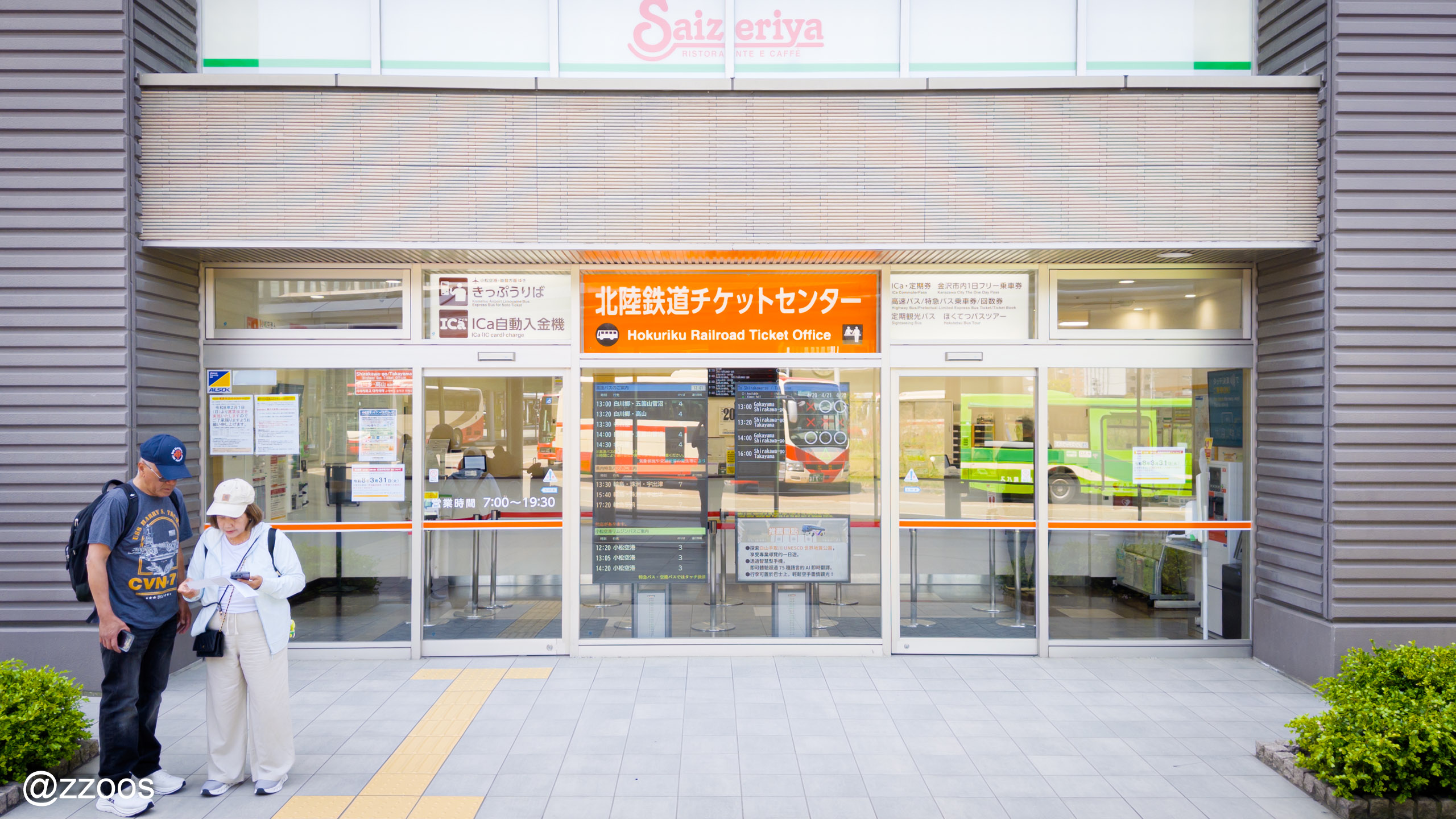
I was no exception. To get to Shirakawa-go, I had to stop by the Hokuriku Railroad ticket office at the west exit of Kanazawa Station. Booking online is an option, but if you’re not sure about the local schedules, talking to someone in person is just more reliable.
I also made a quick day trip to nearby Toyama — and even on my way back to the hotel one night, barely caught the last bus from the station.
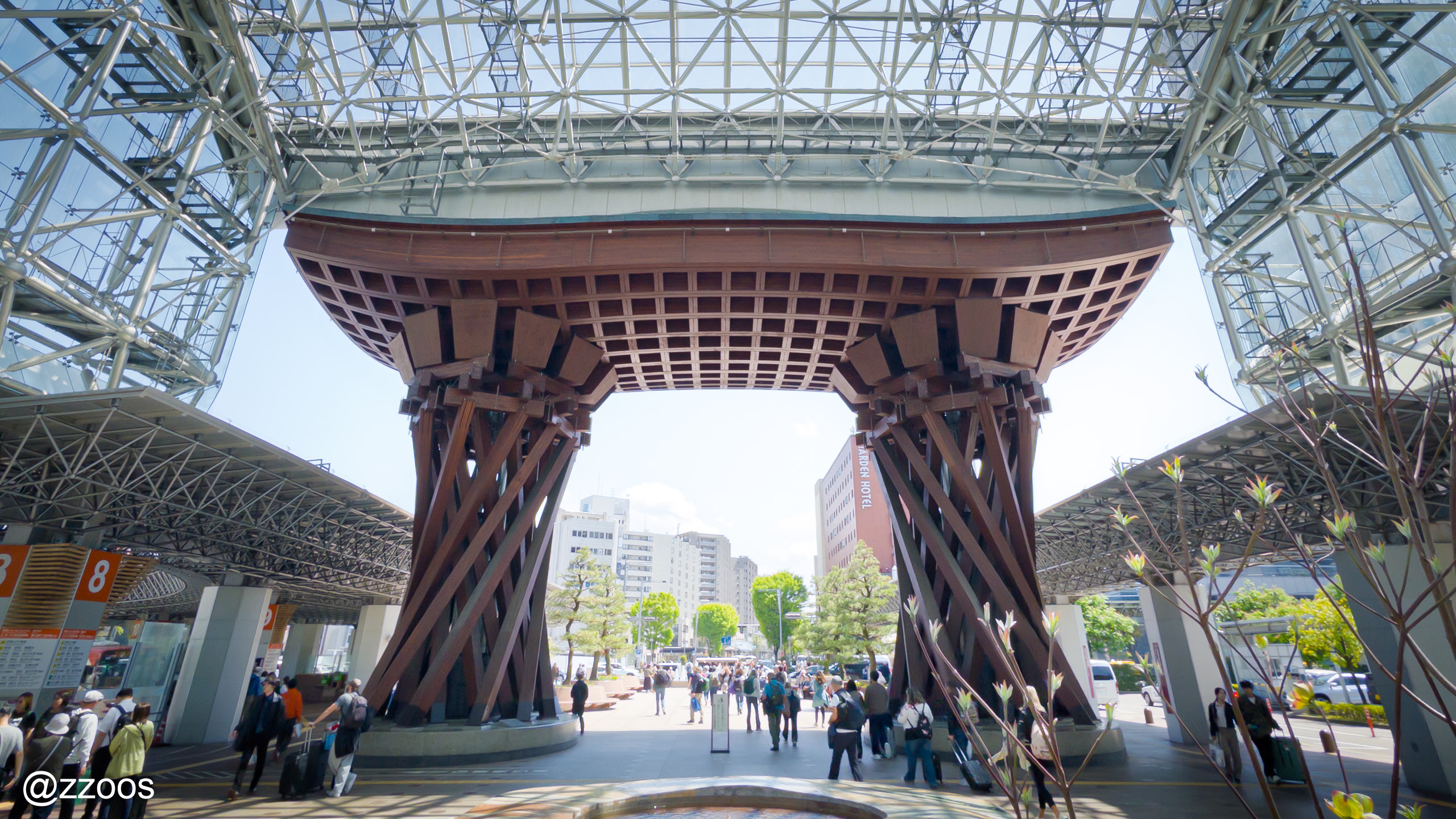
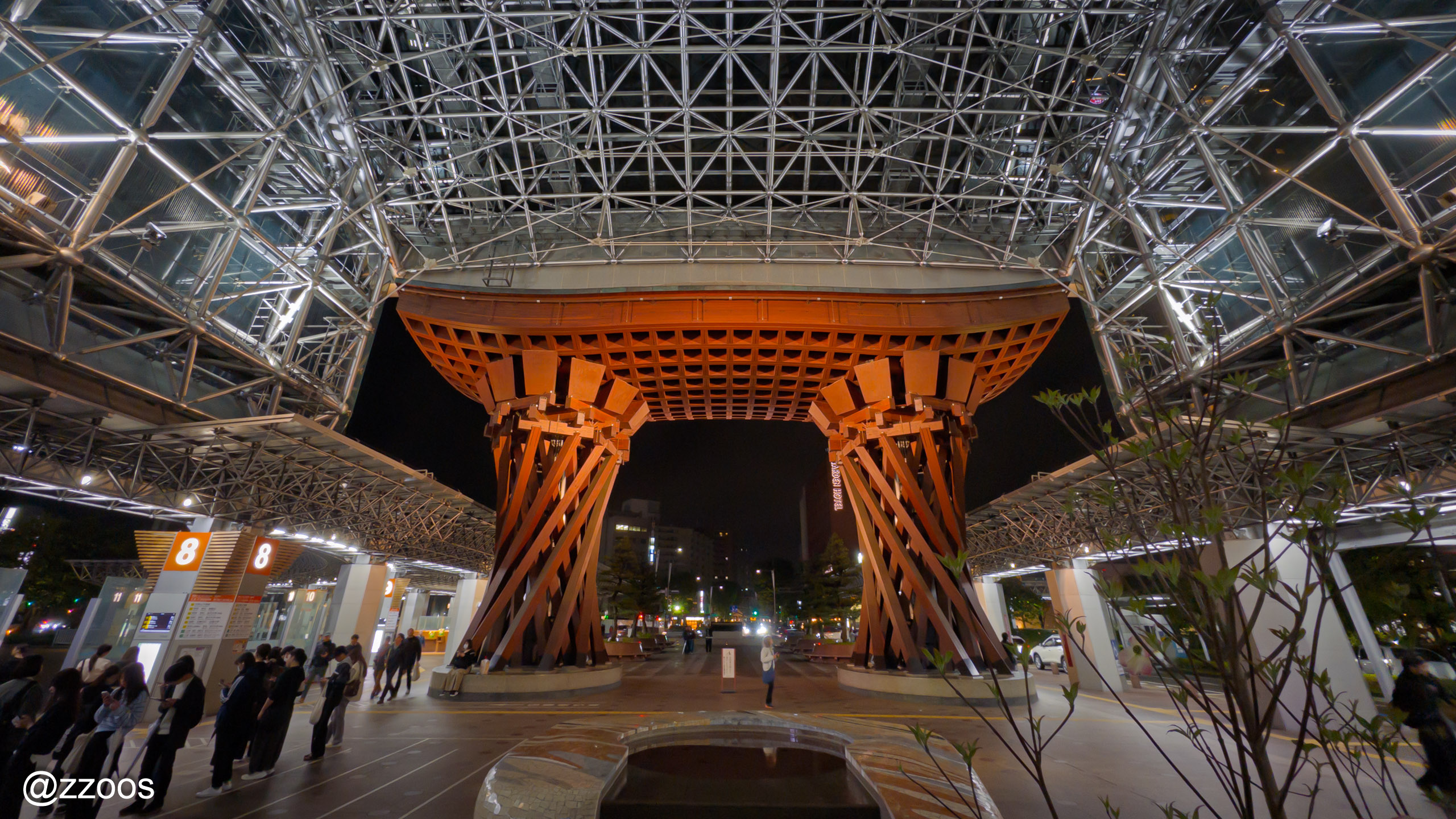
Kanazawa Station is the beating heart of transportation here. City buses, highway buses, airport shuttles, taxis, the shinkansen, local trains — it’s all here.
So yes: Kanazawa Station is where your trip starts. Where it ends. And the launchpad for everything beyond the city.
In any Japanese city, the main train station tends to serve this kind of central role. That’s just how it works in smaller cities.
But Kanazawa feels like it takes this a step further.
The sheer volume of tourists pushes an overwhelming amount of foot traffic through the station. I visited Kanazawa Station more times in a 7-day trip than I ever visited Kumamoto Station in a whole month living there.
Kanazawa Station is at the center of a Kanazawa trip. And honestly, it’s photogenic enough to be worth stopping for.