These are photos and clips I took during my Kagoshima trip, mostly around Kagoshima-Chuo Station (鹿児島中央駅).
It’s the biggest station in the city.
There is also another one called Kagoshima Station (鹿児島駅), but that one doesn’t serve the shinkansen and sits in a quiet area.
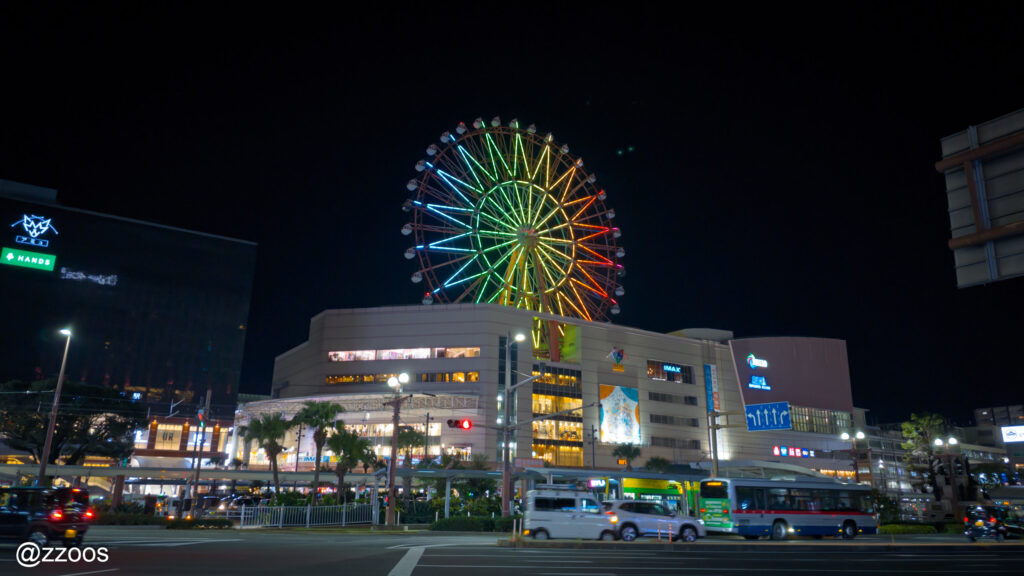
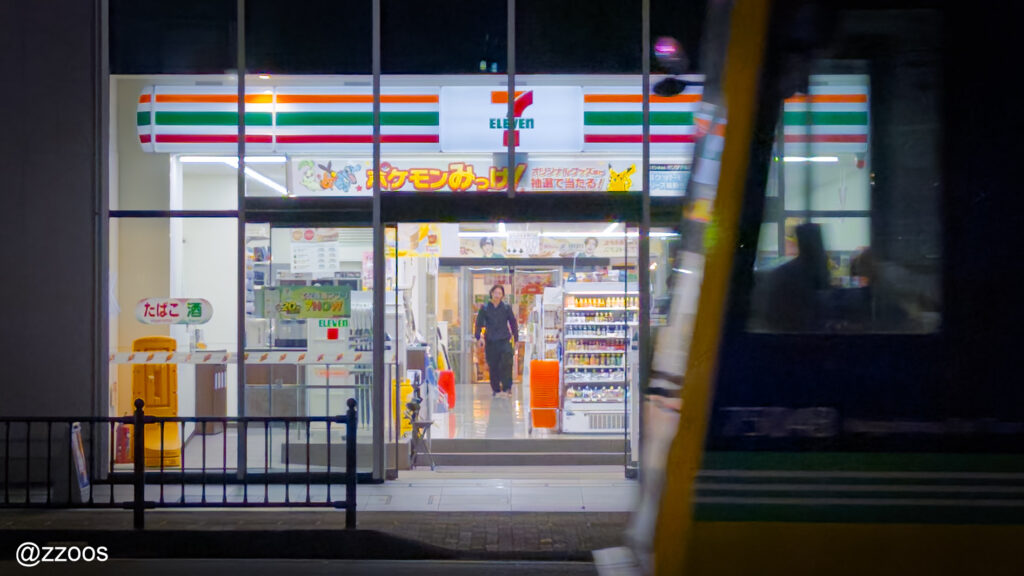
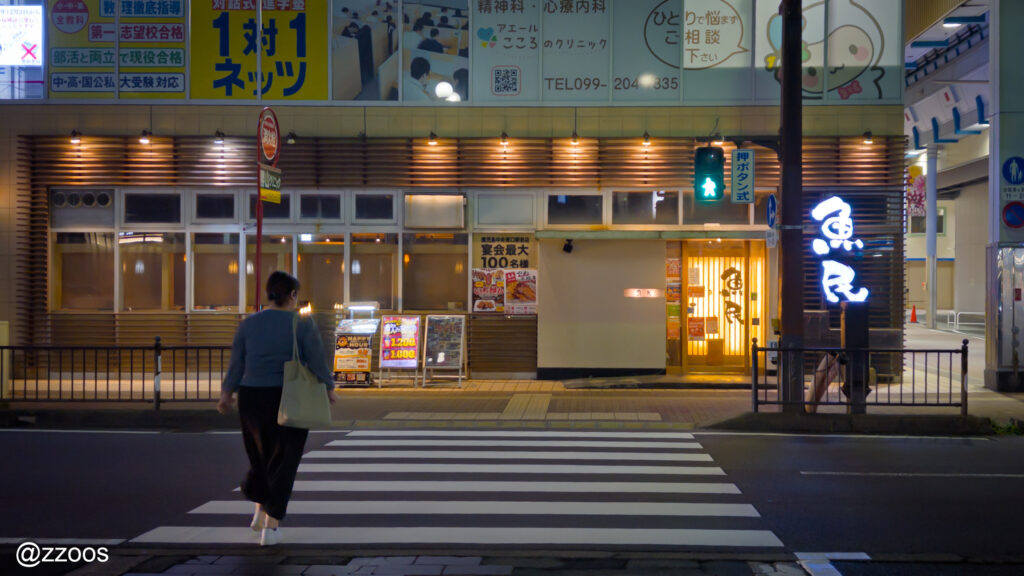
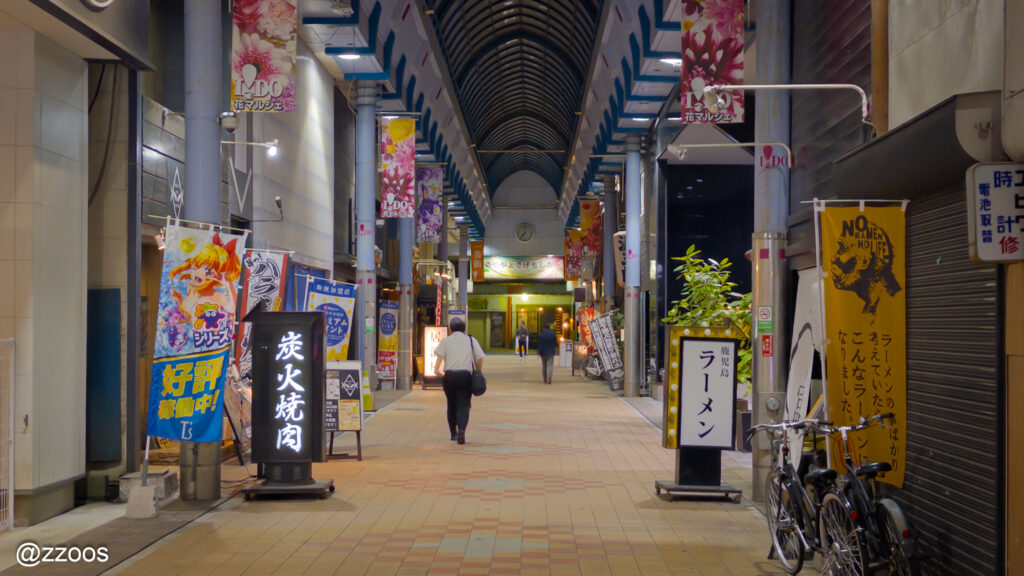
The busiest district in Kagoshima is Tenmonkan (天文館),
but around Kagoshima-Chuo Station there’s also a big bus terminal – where airport buses depart – and several large shopping malls.
It’s not as lively as Tenmonkan, but there are many izakaya and restaurants here,
so while traveling in Kagoshima, I found myself coming back to this area quite often.
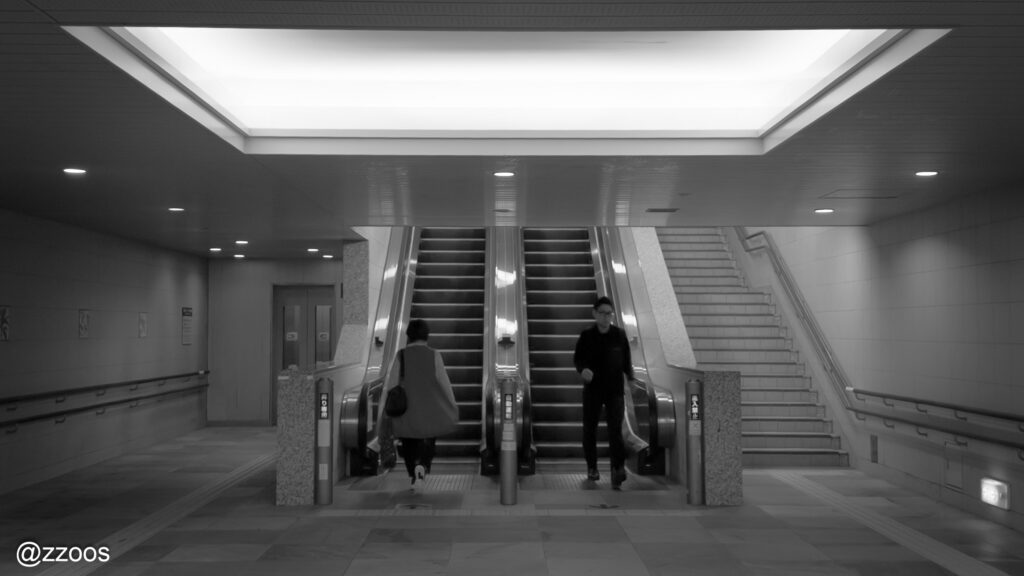
As with any big station, the roads around here are busy and complicated.
You can cross to different sides through underground passages.
Google Maps doesn’t show the exit numbers, so it’s better to check the map inside the underpass carefully before you go.
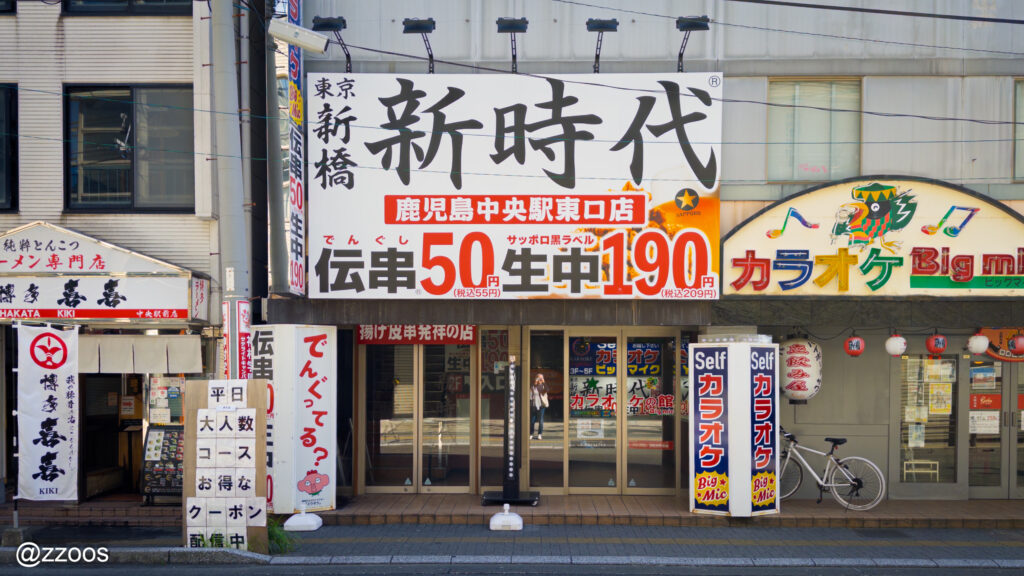
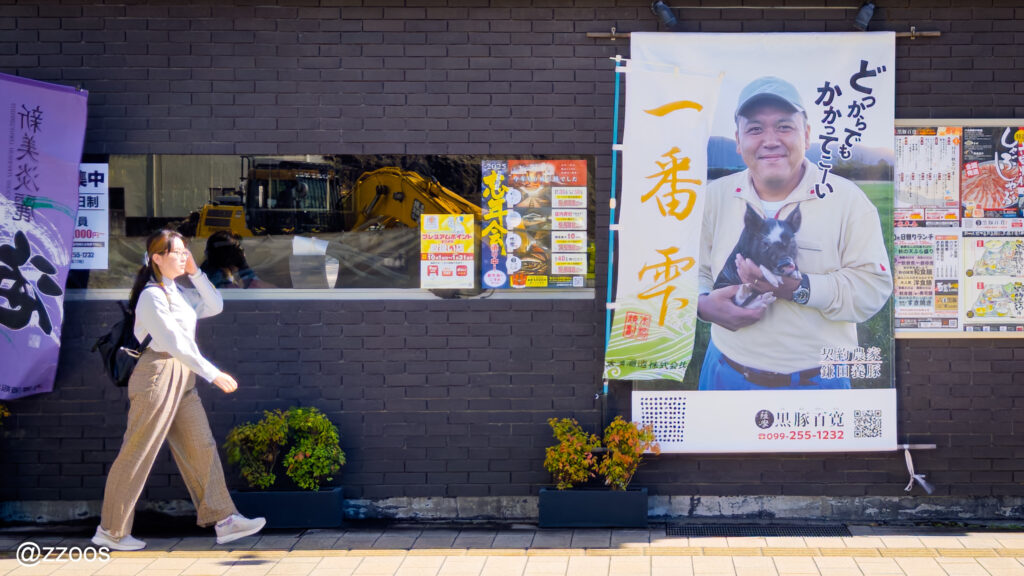
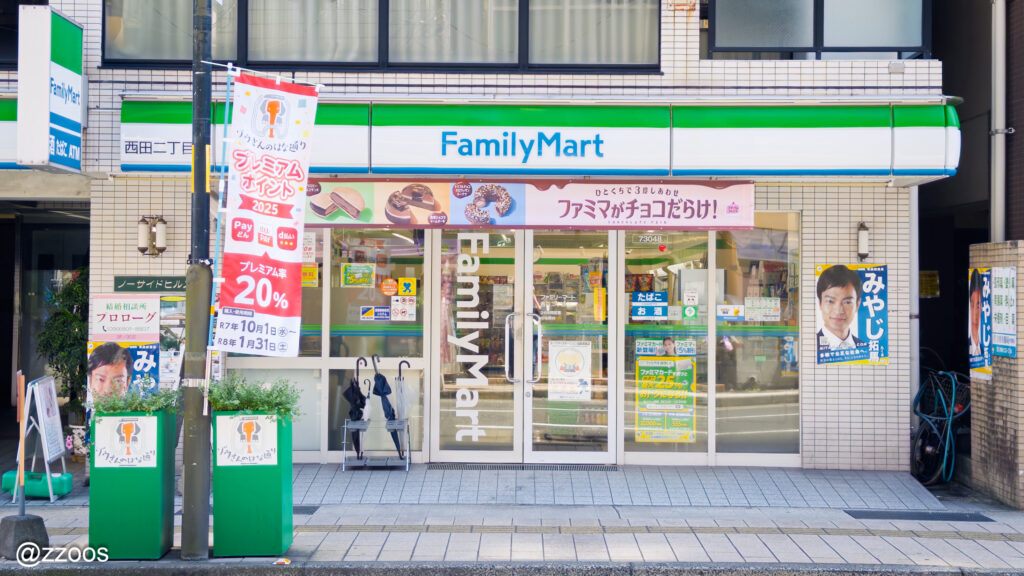
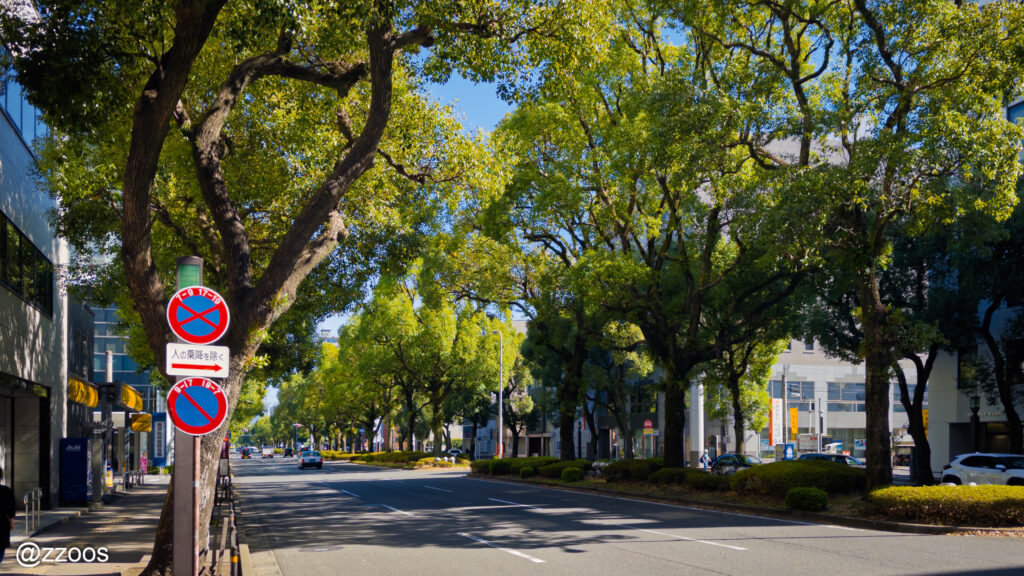
Kagoshima is located south of Jeju Island, almost at the same latitude as Shanghai.
Compared to Seoul, the weather is much warmer.
Even though autumn had started in Seoul with its cool wind,
Kagoshima still felt like the end of a long summer.
I wondered if I could see autumn leaves here,
but according to the forecast, the peak foliage comes between late November and early December.
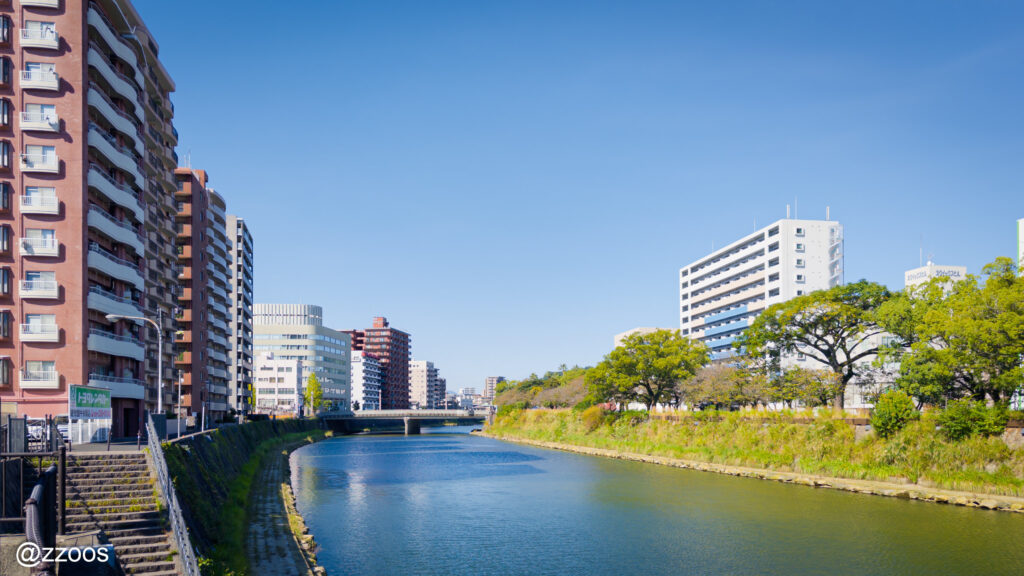
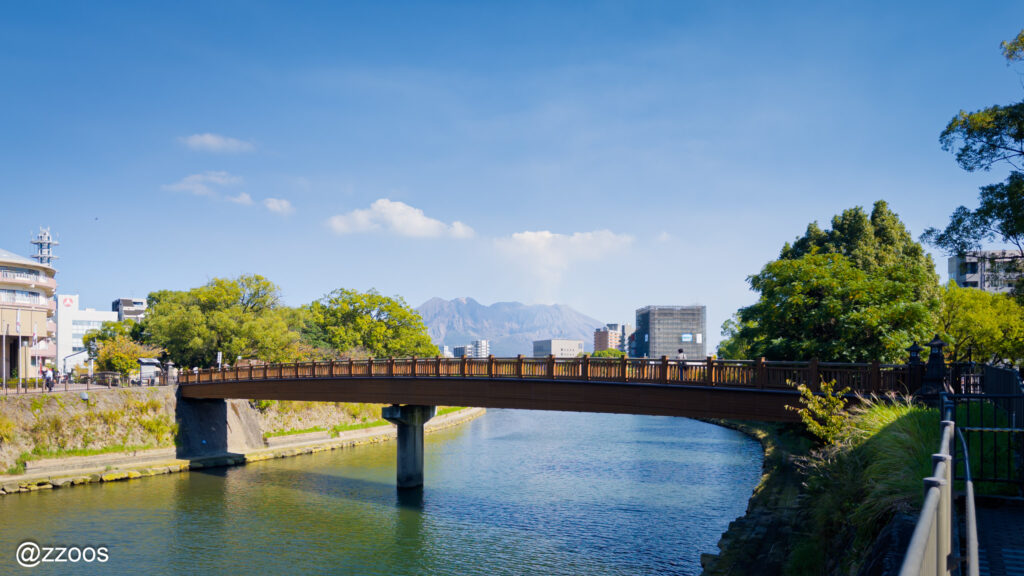
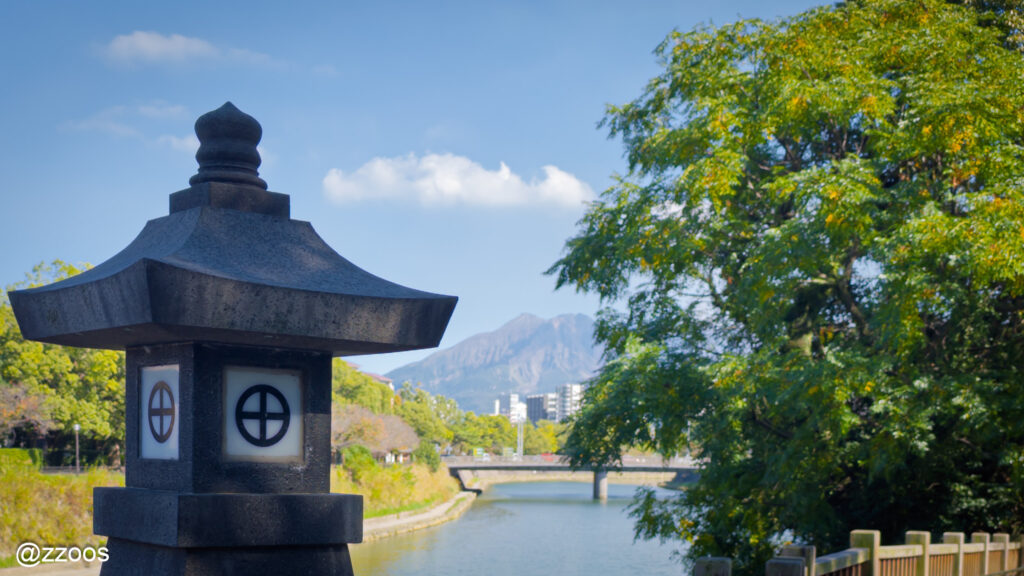
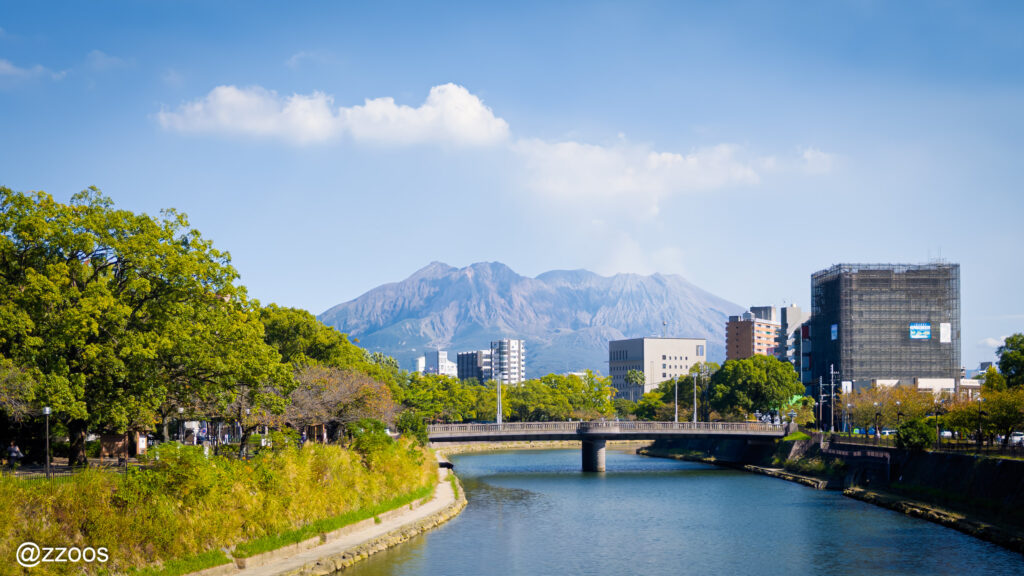
A short walk from Kagoshima-Chuo Station leads to Nanshu Bridge,
which crosses the Kotsuki River.
It’s named after Saigo Takamori (西郷隆盛), Kagoshima’s most famous historical figure.
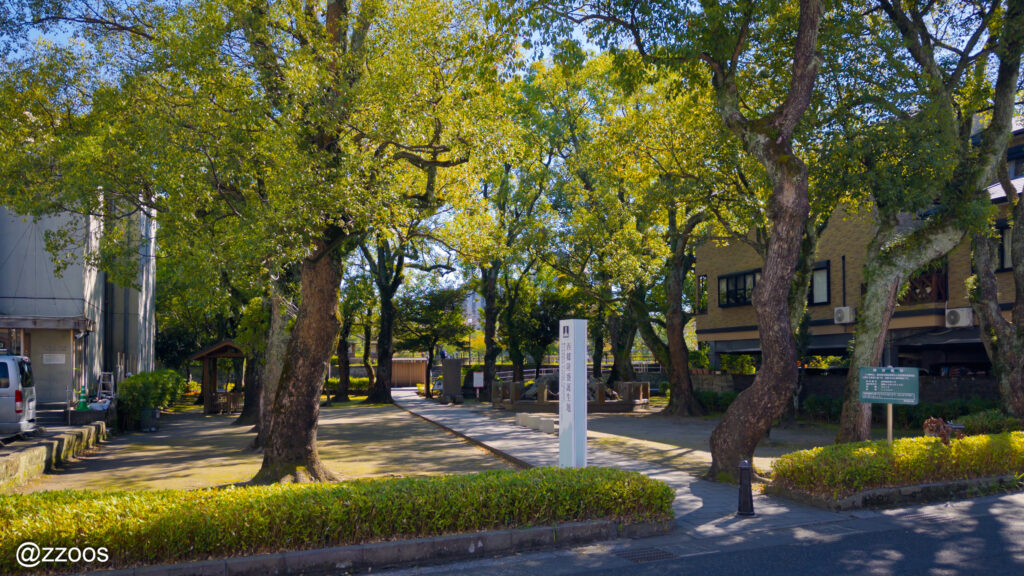
Across the bridge are the Kagoshima City Museum of the Meiji Restoration
and the birthplace of Saigo Takamori and his brother.
Kagoshima’s old name was “Satsuma” (さつま).
That’s why you often see names like Satsuma-age or Satsuma-imo –
they all come from the old province name.
Satsuma also reminds people of Japan’s modernization,
as one of the two powerful domains that led the Meiji Restoration –
Satsuma (薩摩藩) and Choshu (長州藩).
Yes, this is that very place.
That’s why Kagoshima has many sites and museums related not only to Saigo Takamori
but also to the legendary Sakamoto Ryoma (坂本龍馬).
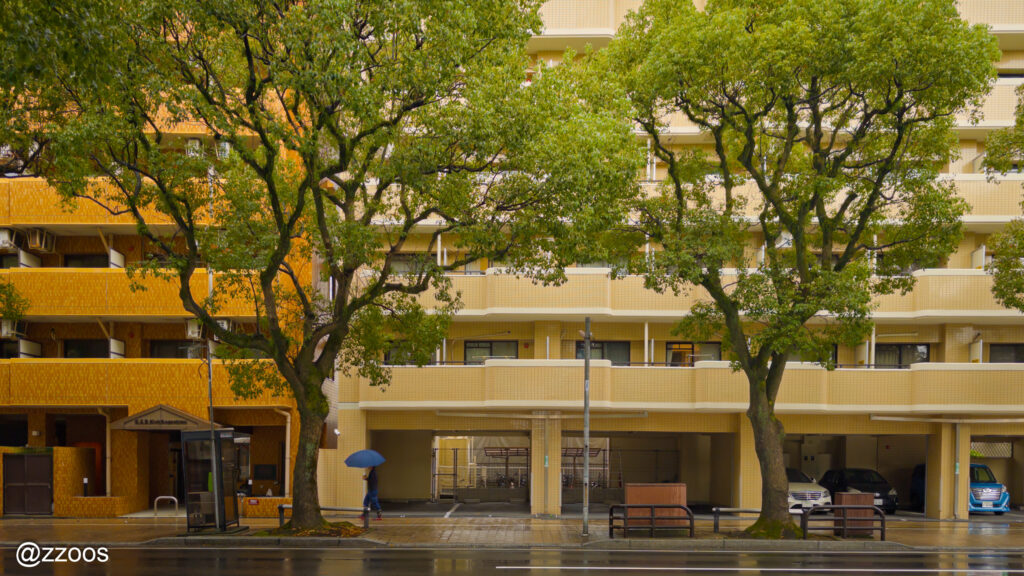
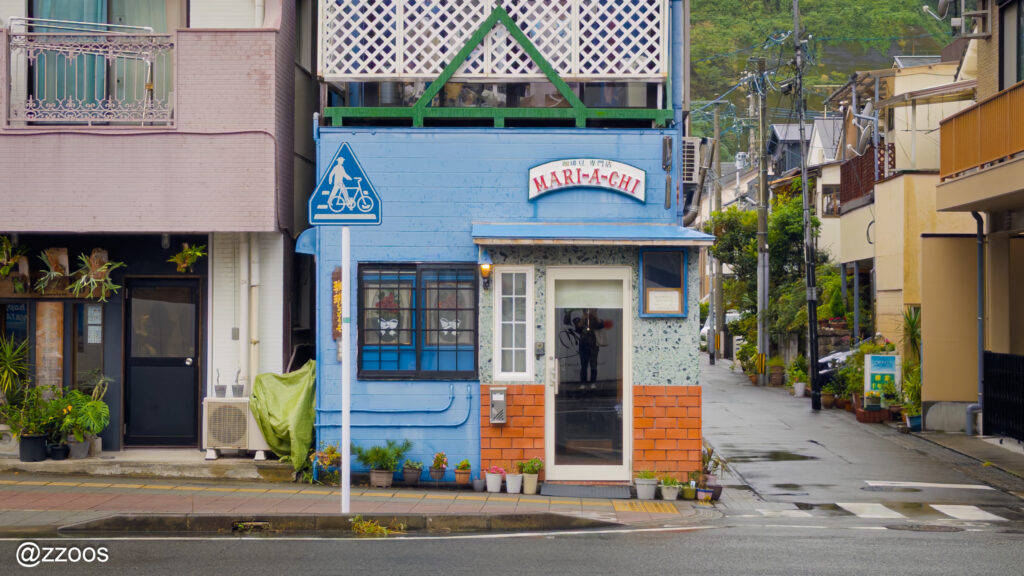
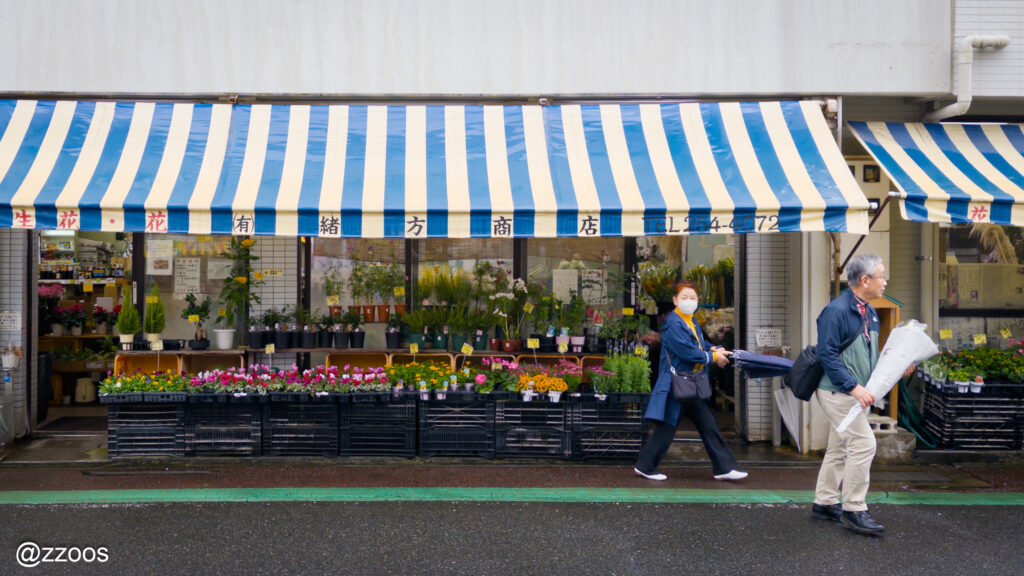
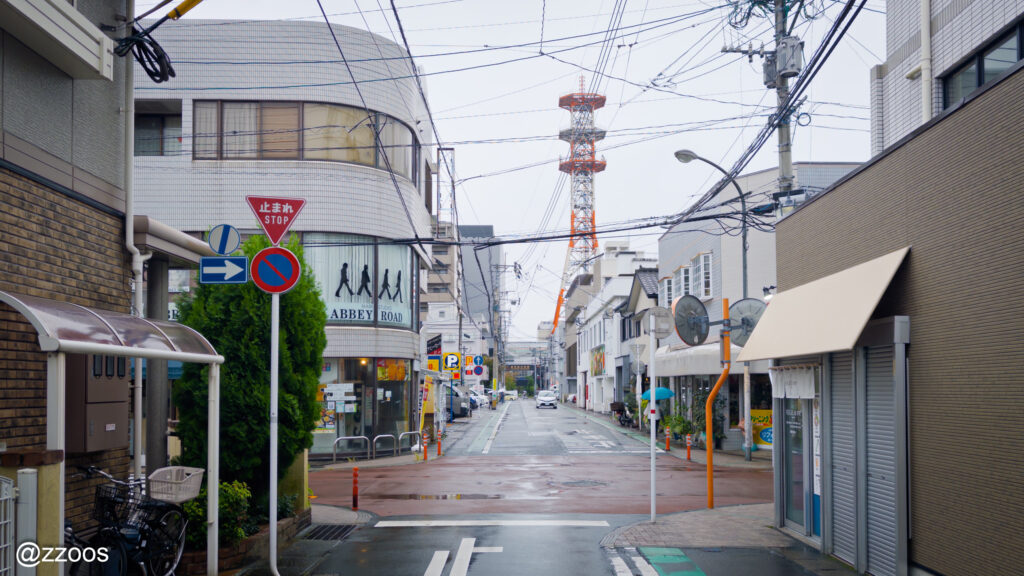
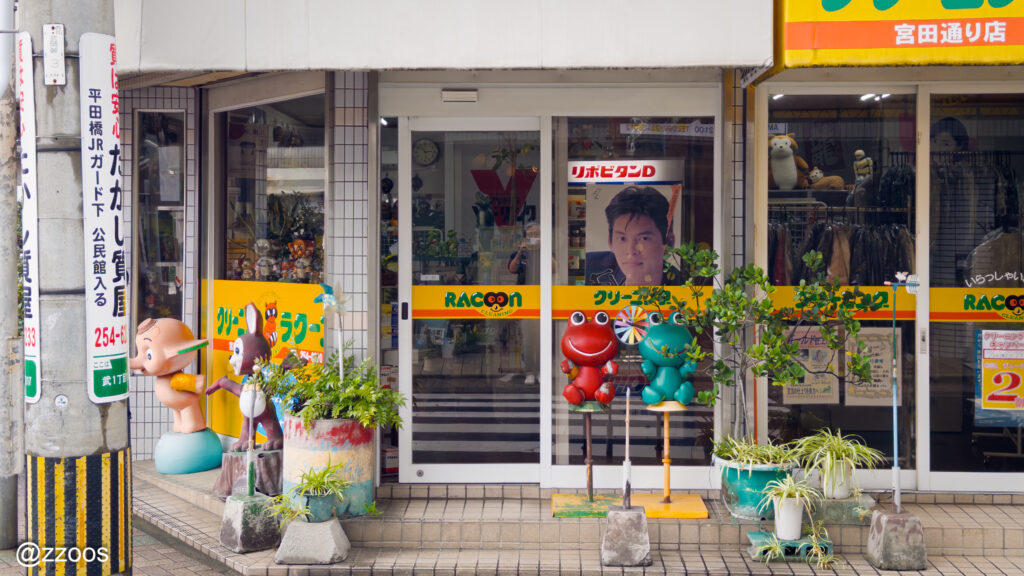
Even near Kagoshima-Chuo Station, once you leave the main streets,
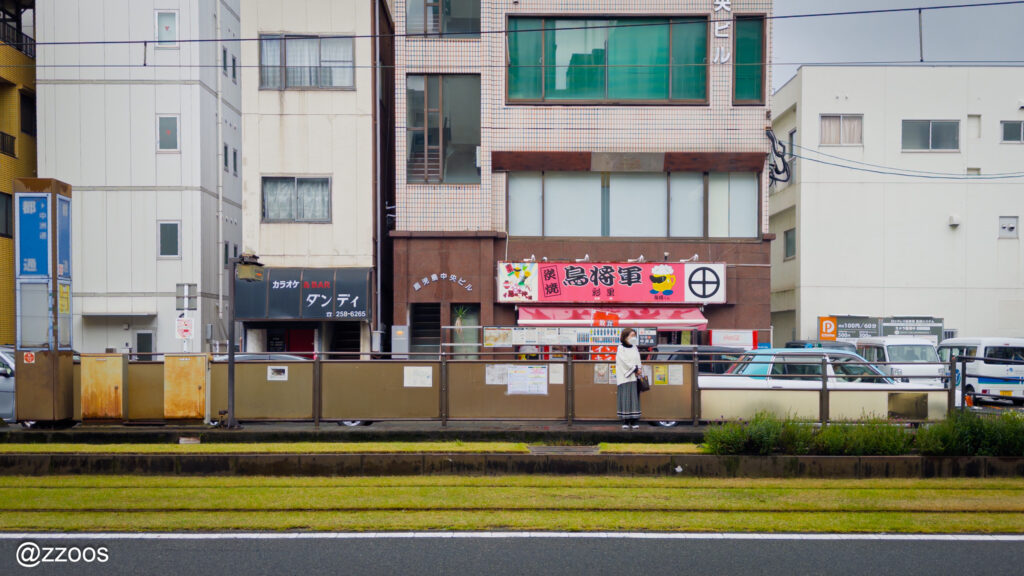
you find peaceful Japanese residential scenery.
To the locals, it’s just everyday life –
but to a traveler, it feels special.
I couldn’t stop raising my camera.

Leave a Reply