There were two main reasons why I chose Mokpo as the destination for this trip.
One was the restaurants of Mokpo.
There are places I’ve saved over the years because they were delicious, and others I’ve received recommendations for but haven’t had the chance to visit yet.
I wanted to take this opportunity to visit those places.
The second reason was that I wanted to explore the old downtown of Mokpo slowly.
Strangely, every time I visited Mokpo, I brought a car.
Because of that, I never had the chance to walk through the alleys of the old downtown.
When you have a “car,” you tend to travel by “jumping” from one destination to the next.
Since I am traveling alone and without a car this time, it was a great opportunity to walk slowly through the places I was curious about.
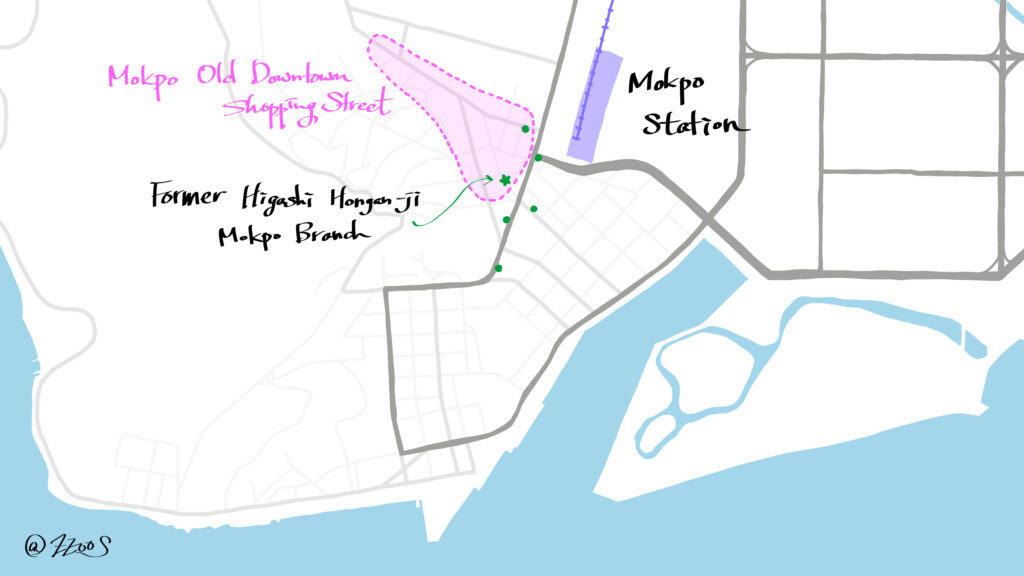
As mentioned in previous posts, Mokpo is largely divided into the Old Downtown and the Hadang New Town.
Recently, most of the locals’ living areas have moved to the New Town.
Both residential and commercial spaces are centered there.
However, for travelers, the attractive area is the Old Downtown.
The entire vast area - starting from the shopping district on the east side of Mokpo Station, extending to the fish market south of the station, and reaching the Mokpo Ferry Terminal - is called the Old Downtown.
Before the development of Hadang New Town, this area was the center of Mokpo.
An area with a “port” and a “railway station.”
It’s a place that naturally becomes the center of any city.
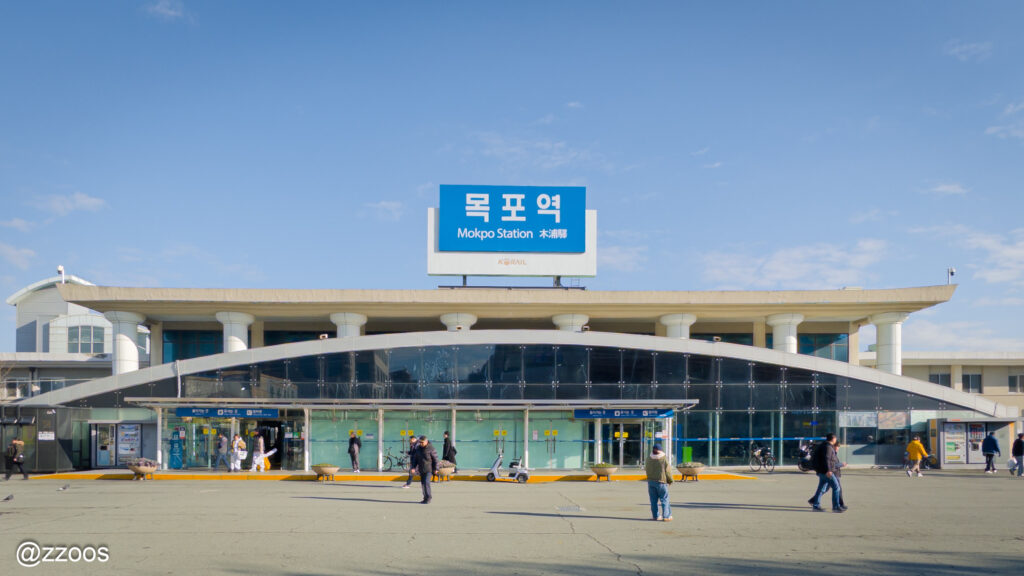
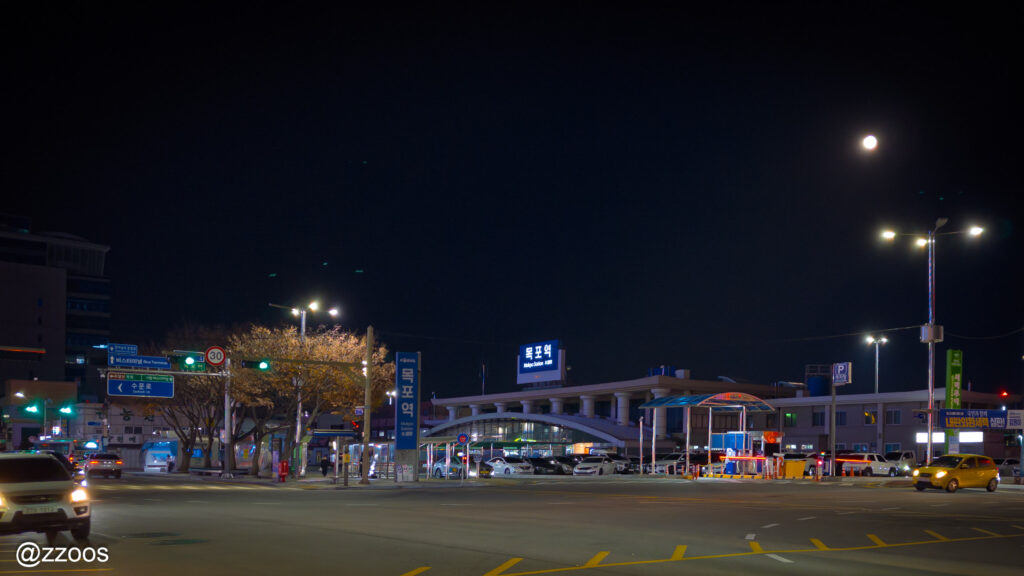
The reason this area is attractive to travelers is the atmosphere of the alleys in the old downtown.
The vibe of Mokpo’s alleys is very different from those in other cities.
Mokpo underwent rapid expansion as a port city during the Japanese Colonial Rule, serving not only as a port but also as an administrative hub.
Gunsan also grew around its port (especially as a rice export port), but Mokpo is a place where “modernity” remains, with districts formed by government offices, banks, and companies.
Larger port cities like Busan or Incheon grew rapidly after liberation and the war, and in that process, many old buildings and landscapes changed.
In addition, rather than completely overturning the old downtown on a large scale, Mokpo saw a strong trend of urban functions dispersing outward with the development of new towns like Hadang in the 1990s.
Therefore, layers of time from the Japanese Colonial Rule, through the post-war era, to the industrialization period remain in the old downtown.
I believe that created the unique atmosphere of Mokpo’s alleys.
On this trip, I wanted to walk through those alleys and capture the traces and atmosphere of old buildings in photos.
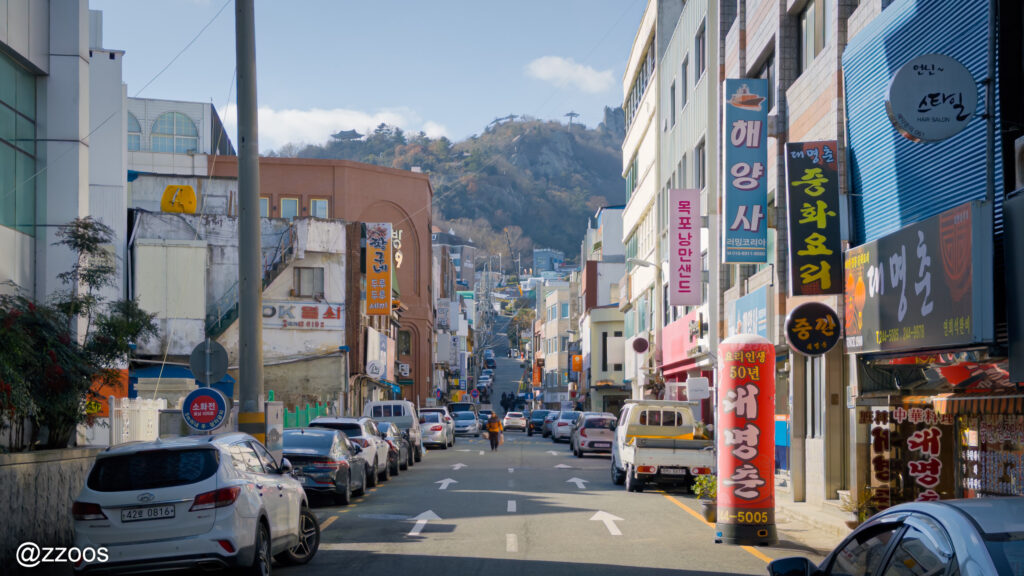
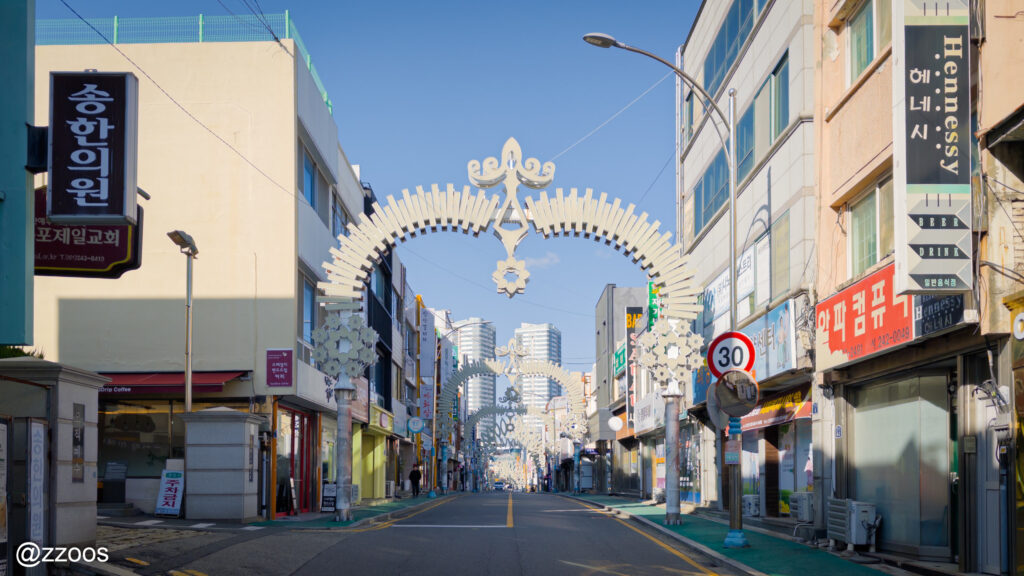
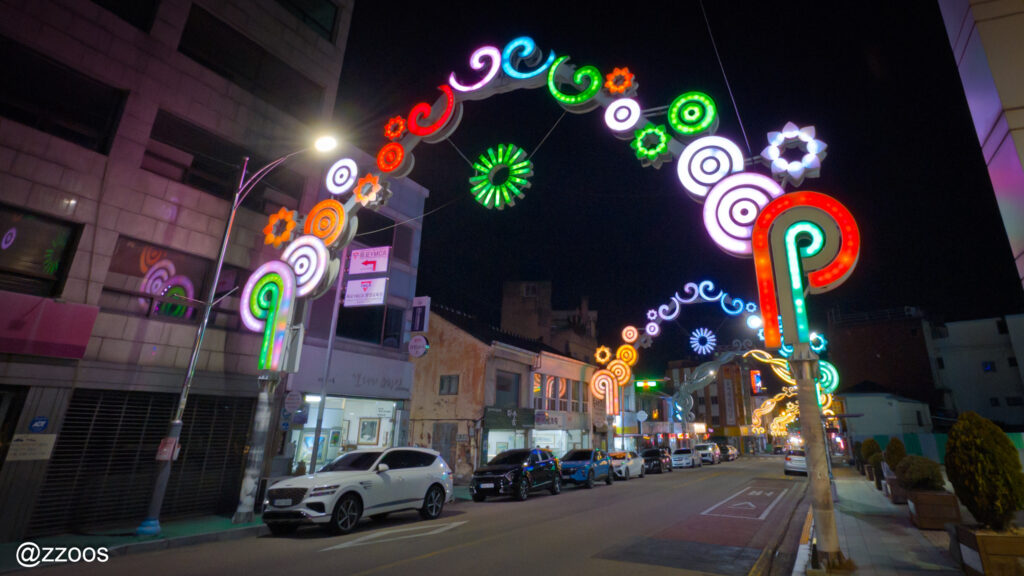
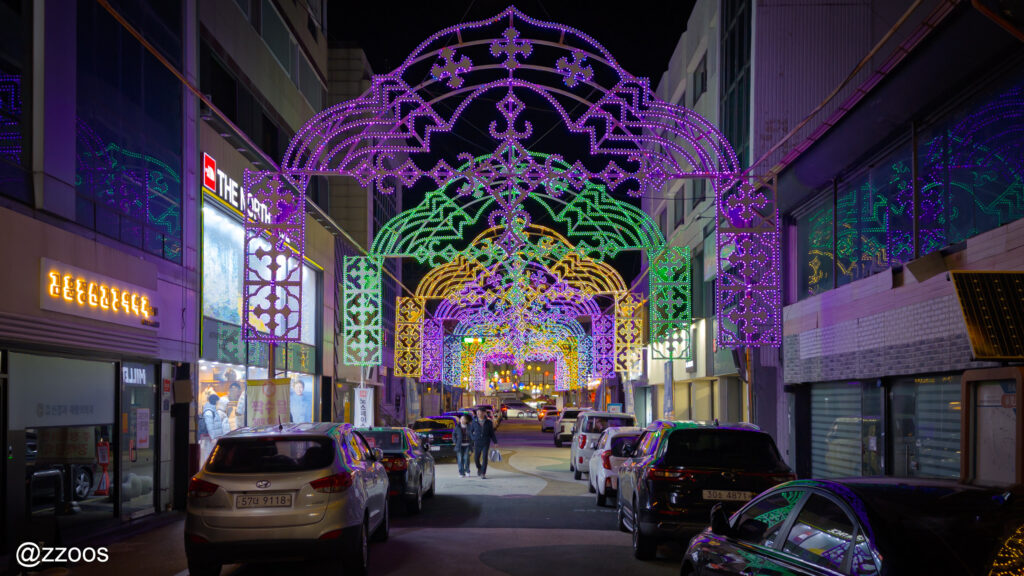
Small provincial cities always have a place they call “Myeong-dong.”
For those older than me, the name “Sinae” (meaning “downtown”) is more familiar.
The “Old Downtown Shopping District” of Mokpo is exactly that kind of place.
Elders called it “Sinae,” and people of my generation called it “Myeong-dong.”
Although its former reputation has faded, long-standing shops, including Colombang Bakery - a representative old bakery of the old downtown - are still in operation here.
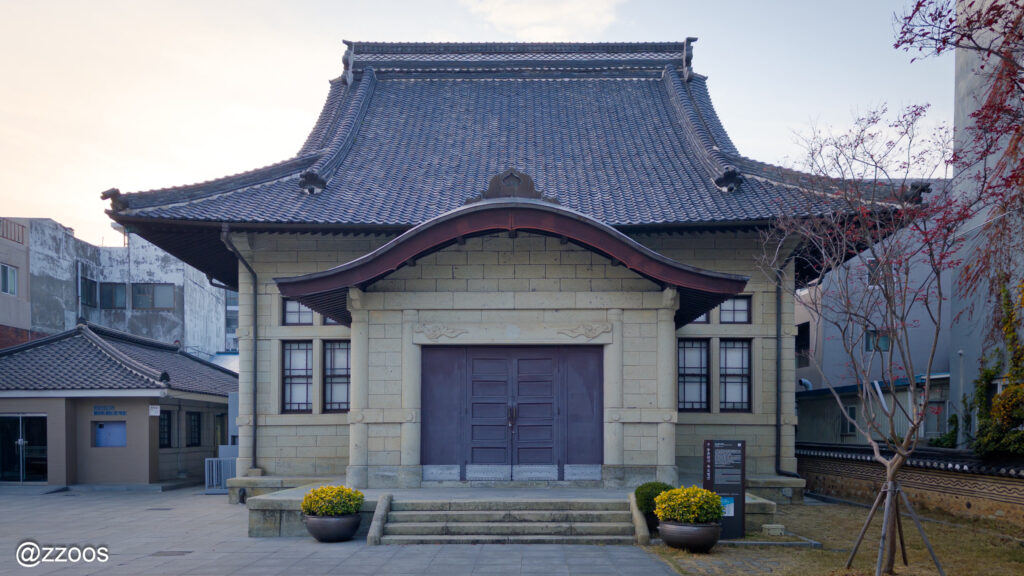
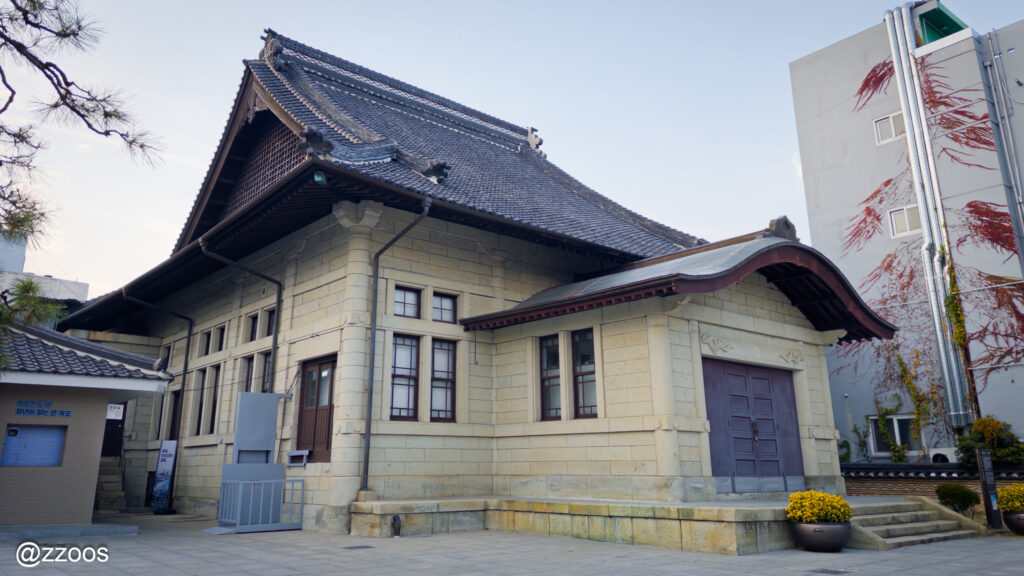
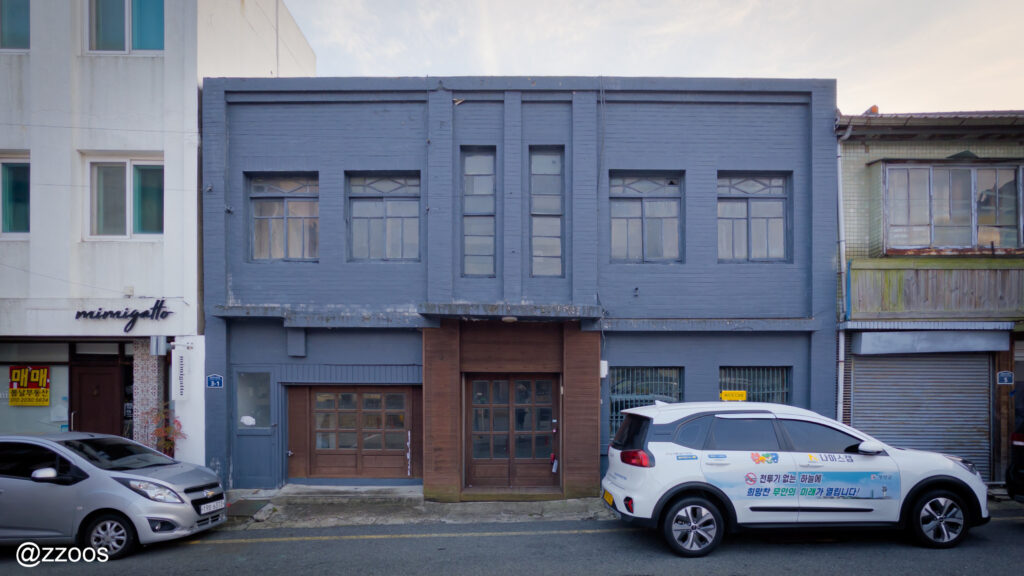
Right in front of Colombang Bakery, there is a unique building.
The Japanese-style roofline immediately catches the eye.
What’s even more unusual is that it is a stone building.
It’s unique in many ways.
As I approached and read the explanatory sign, it said Former Mokpo Branch of Dongbonwonsa.
Dongbonwonsa(동본원사)? It felt familiar, so I searched for how it is read in Japanese…
It’s Higashi Hongan-ji(東本願寺) in Japanese. That quiet temple in Kyoto.
They had built a branch of Higashi Hongan-ji here during the Japanese Colonial Rule.
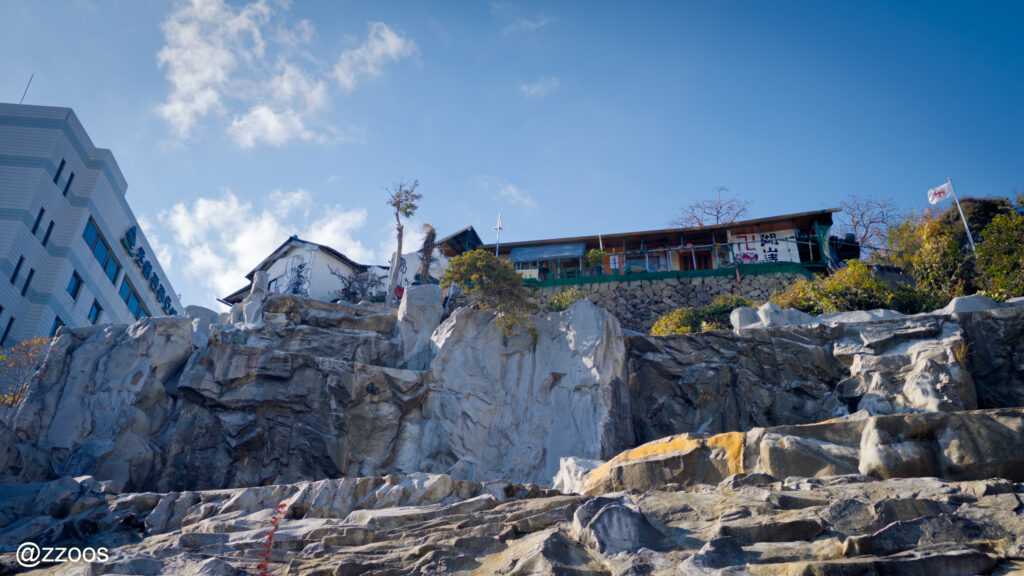
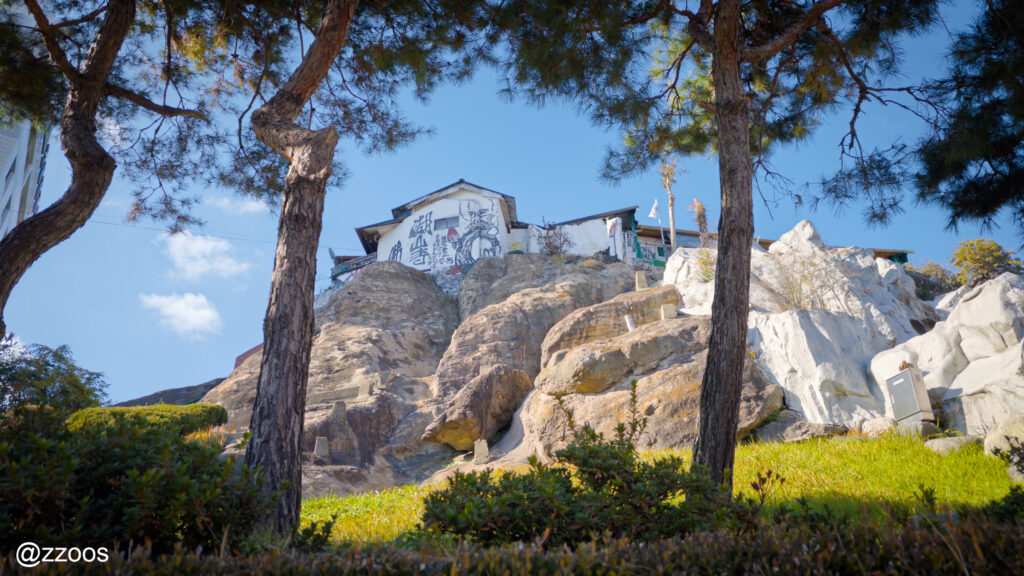
Now, I slowly walk south toward the Mokpo Modern History Museum, the ferry terminal, Mokpo-jin Site, and the fish market.
In a way, there might be more interesting buildings in this area.
In fact, Mokpo City calls this district the “Mokpo Modern History and Culture Space,” referring to it as a “museum without a roof.”
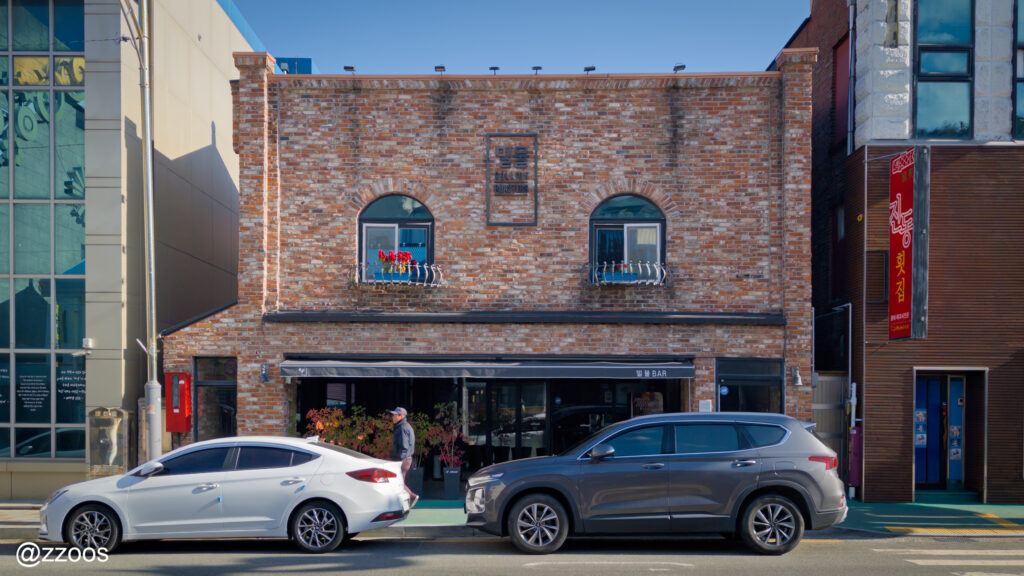
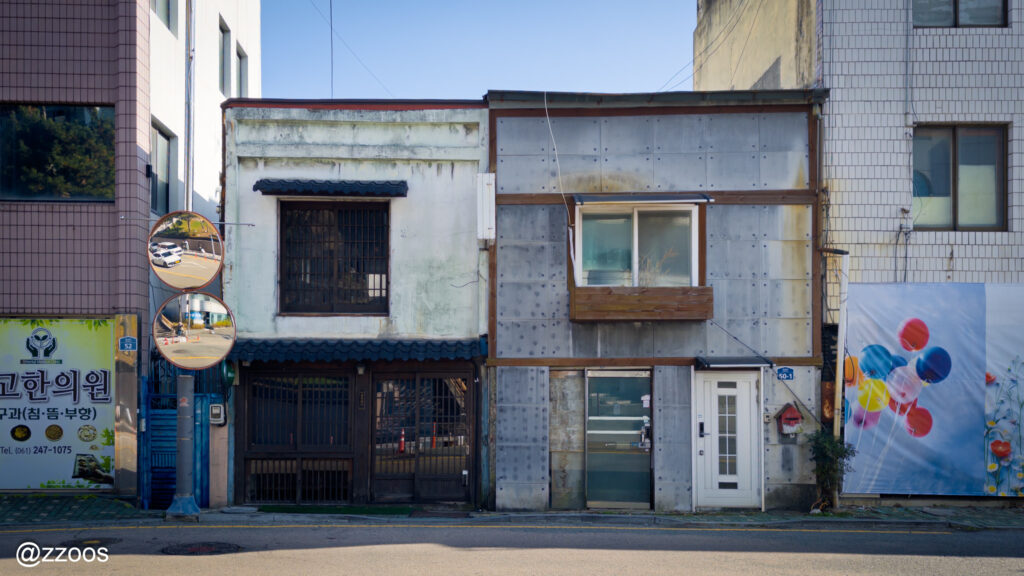
There were so many photos taken in this area that it will be hard to show them all in a single post.
I plan to show more photos of Mokpo’s old downtown over the next few posts.
The real destination of this trip.
A place where layers of the modern and contemporary history of Mokpo - and more broadly, Korea - are stacked.
These are the alleys of Mokpo’s Old Downtown.

Leave a Reply