After eating grilled turban shells at Hadomisaki, I took a walk around the area.
There were quite a lot of photos, so I couldn’t include them in the previous post and prepared a separate one.
To tell you in advance, this walk was truly wonderful.
I never expected it to be this good. I had gone there simply because I wanted to eat grilled turban shells, but I ended up encountering scenery far better than I had imagined. Thanks to that, I took a lot of photos and videos.
So this post will focus more on photos and videos than on stories. I hope you can enjoy the winter sea, even indirectly, through my photos and videos.
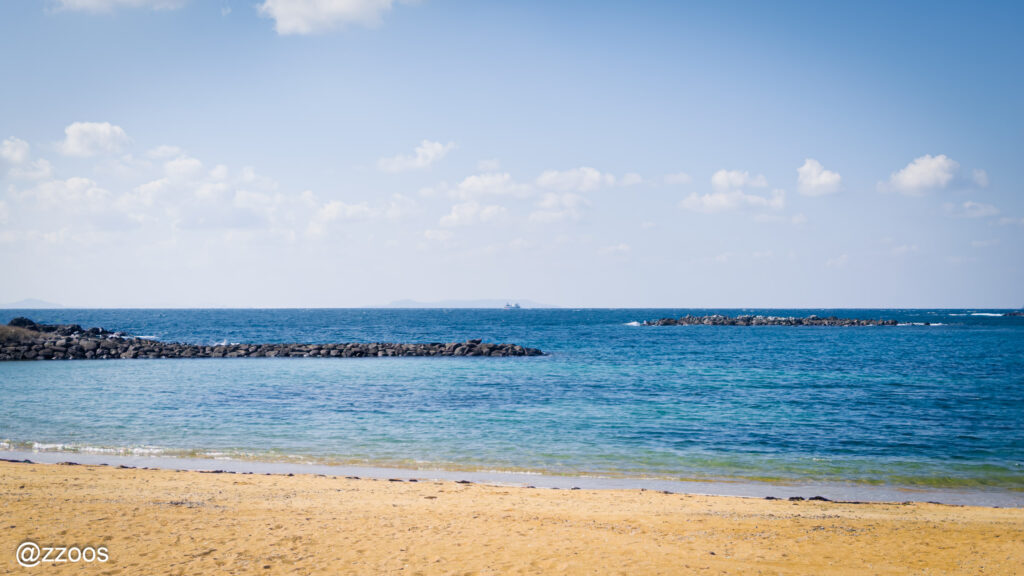
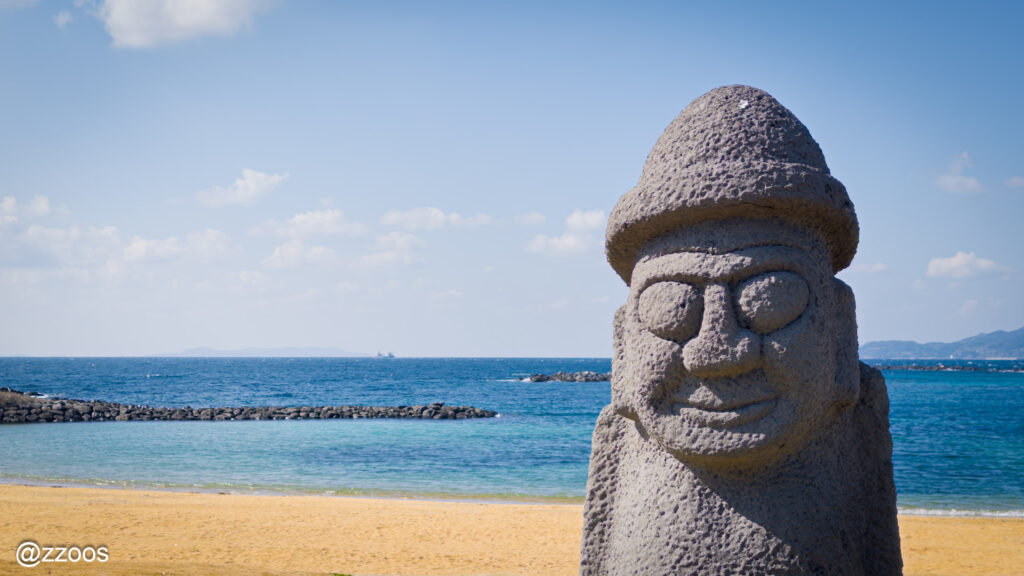
After leaving my luggage at the shop where the ladies grill the turban shells, you step outside the building and immediately see Hadomisaki Beach.
With gentle waves and a wide sandy shore, it seems like a place that would attract many family vacationers in summer.
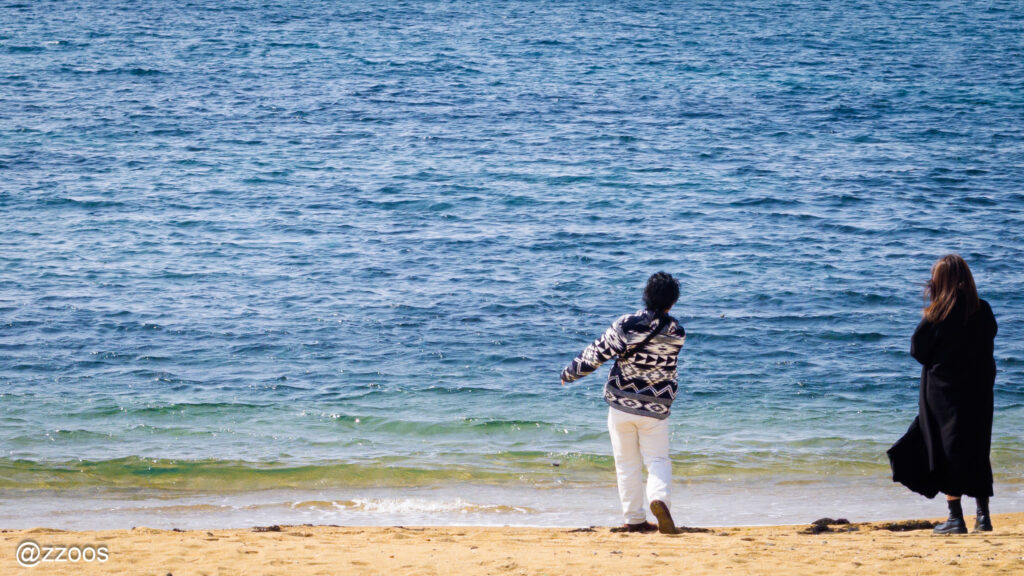
Even though it was winter, perhaps because it was a holiday, there were quite a few people. Many were families traveling together, but I also noticed an unusually large number of couples.
It must be because this place is recommended as a romantic destination for couples.
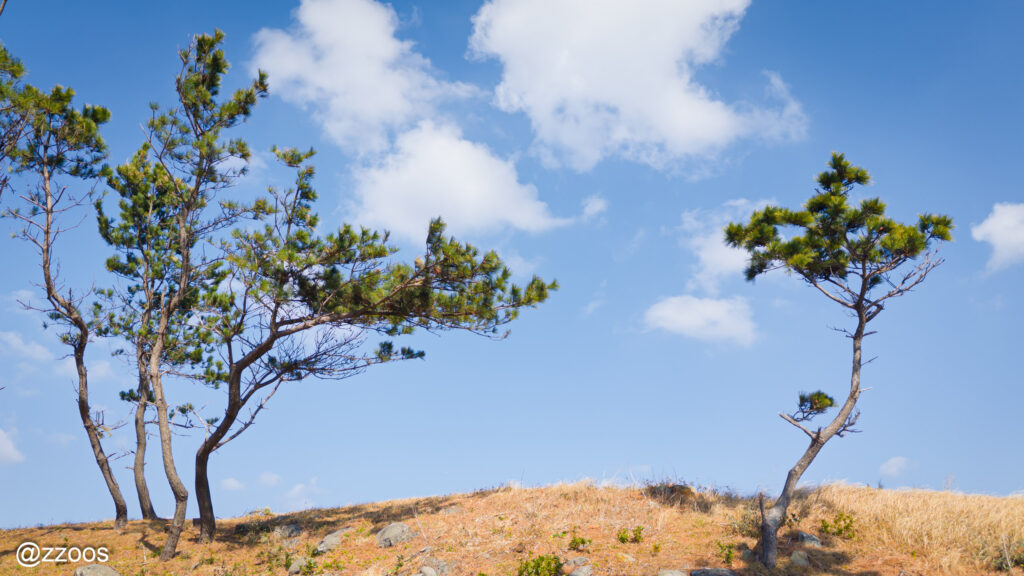
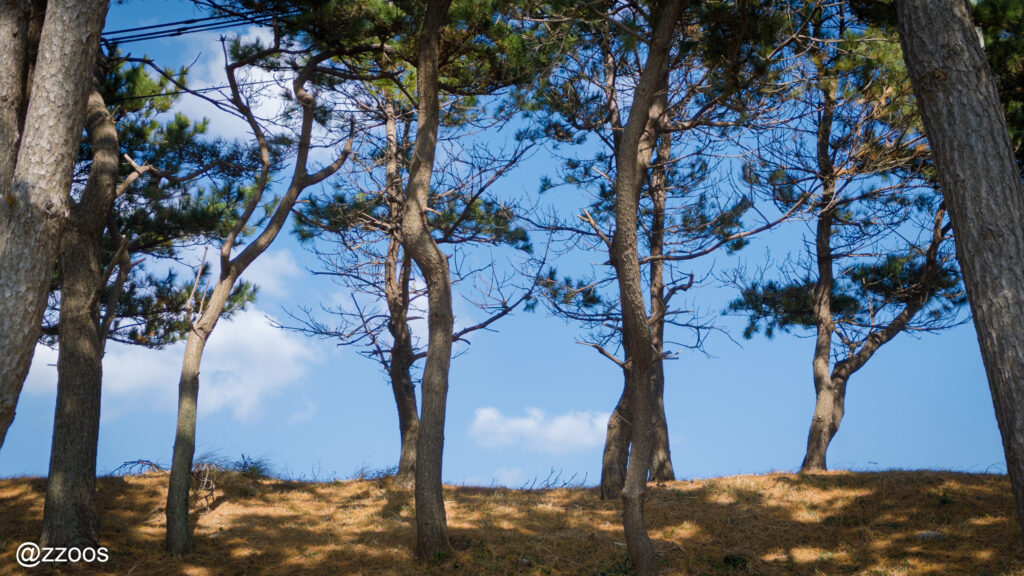
There is a small walking path next to the beach. Pine trees grow along the path. I began walking along this not-very-long trail.
The wind was a bit strong, but the sunlight was good and the sky was very clear. It was a pleasant walk.
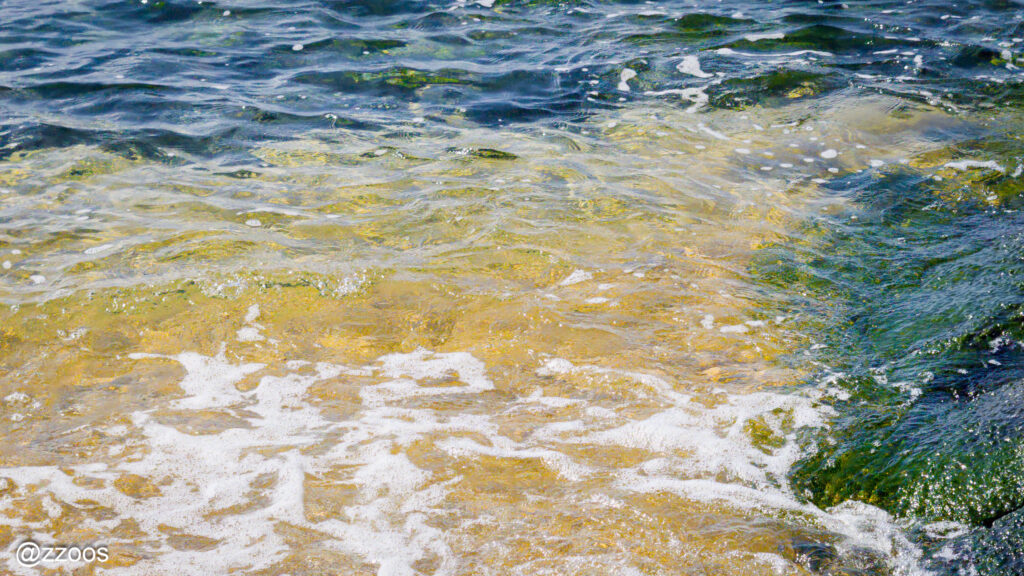
The sunlight falling onto the waves shattered and sparkled. It was a scene I had never expected while planning this trip.
I had planned this trip simply because I had never been to Saga Prefecture before, and I wanted to eat squid and turban shells.
I never imagined I would see such a beautiful sea.
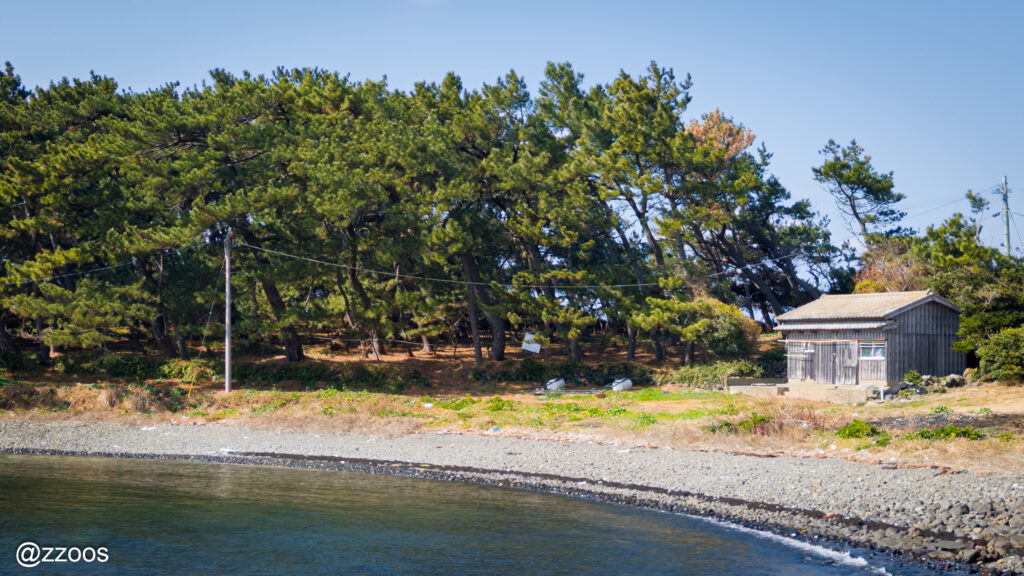
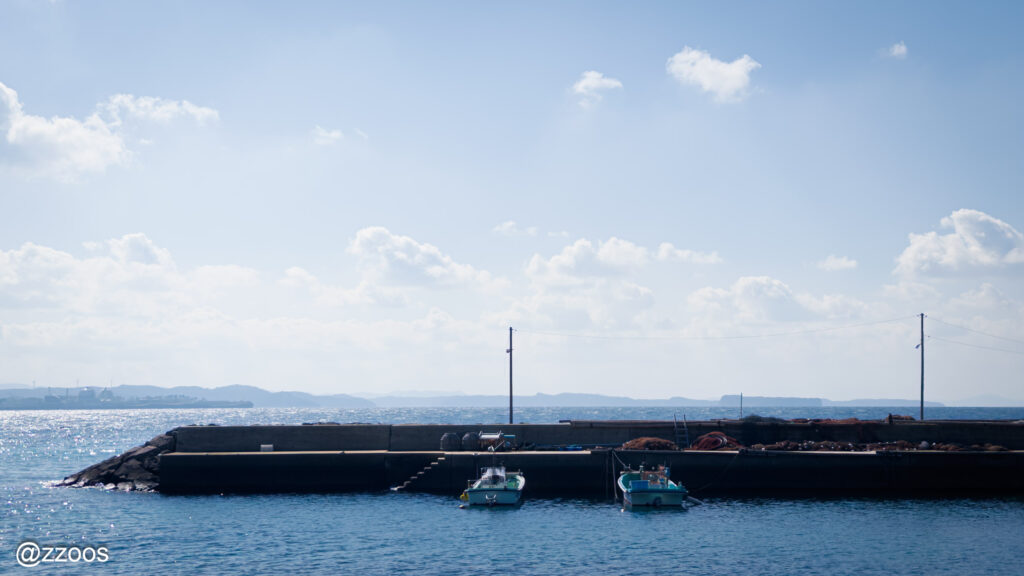
To be honest, the sea here did not feel “exotic” to me.
If I only showed the photos to my friends, they might think it was somewhere along the coast of Jeju Island or the southern coast of Korea.
It resembles Korean seaside landscapes as well.
But this Genkai-nada (玄界灘) is actually the sea that faces Korea, isn’t it?
In terms of latitude, it is similar to Jeju Island and looks toward Korea’s southern coast. So perhaps it is not strange that it feels similar to Jeju or the southern coast.
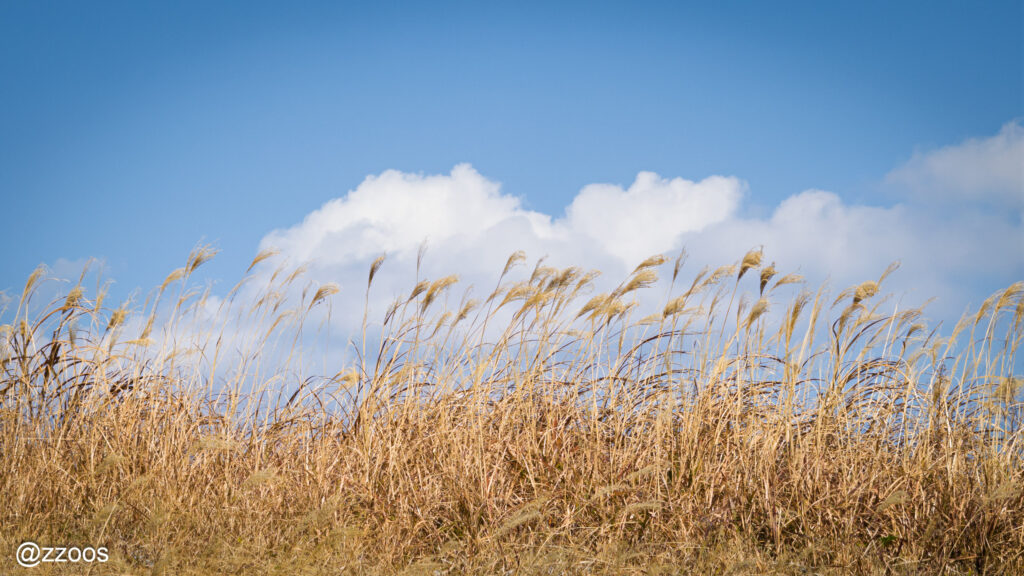
If you keep walking, you come across a small reed field. The walking course is not long, but the changes are very diverse.
New scenes keep appearing.
That made the walk even more enjoyable. I was able to take many photos.
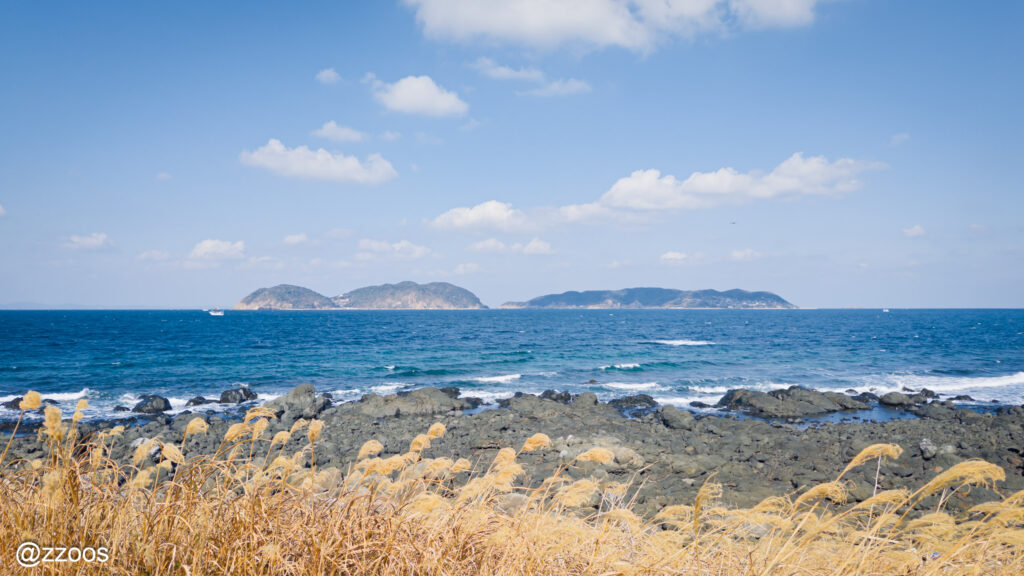
After crossing a small hill, a new landscape unfolds.
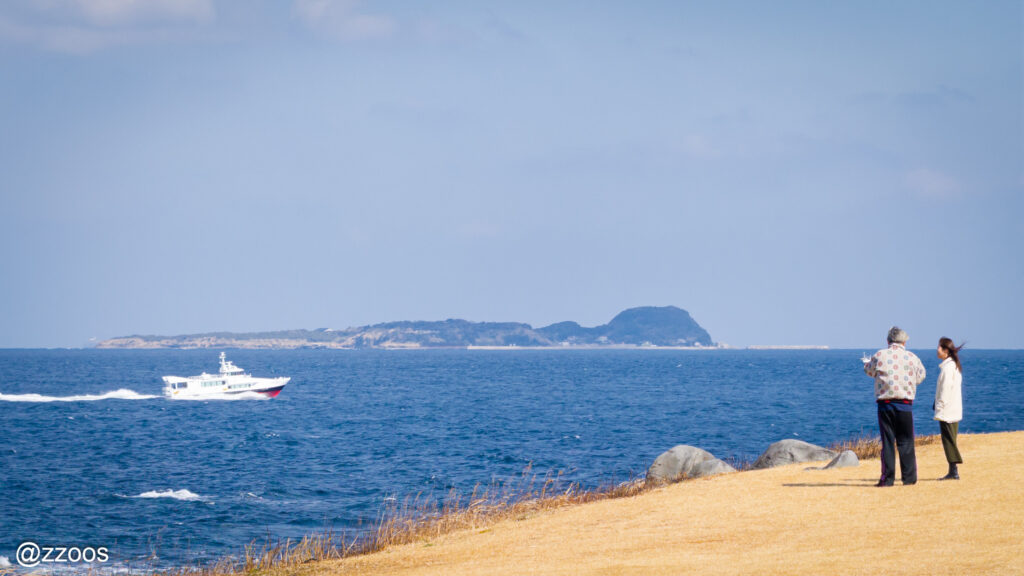
Unlike the calm beach, a rough and open sea spreads out before you. Somehow, it feels like the wind blows even more strongly here.
But this sea really resembles the sea of Jeju Island. The deep blue color and the black rocks remind me of the beach at Pyoseon, which I like.
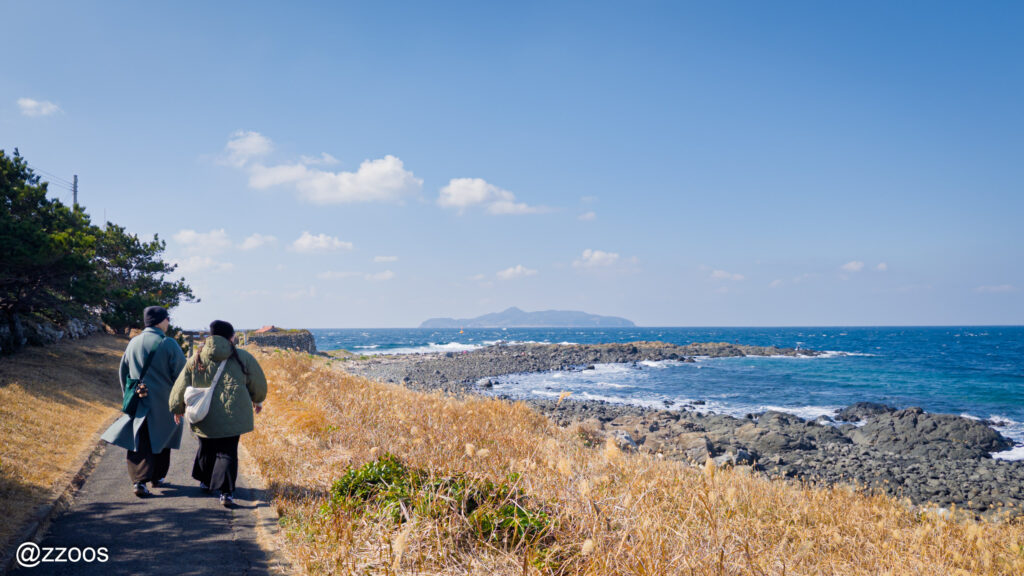
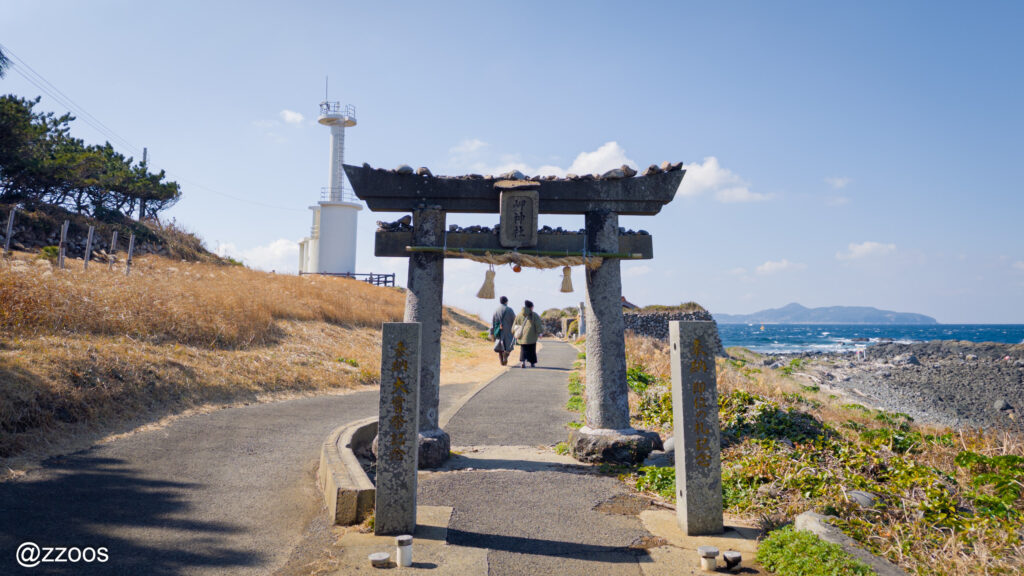
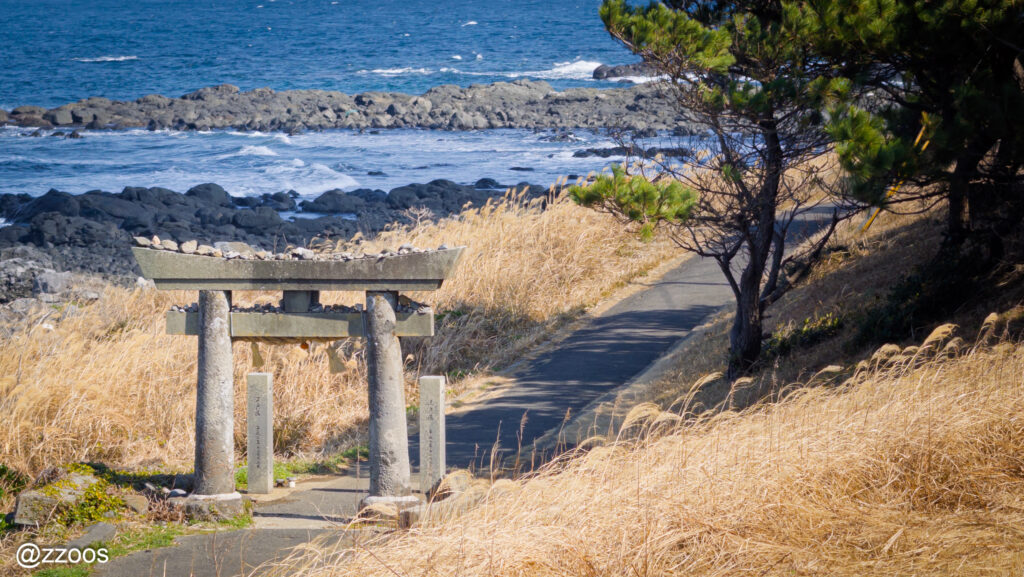
As you watch white foam forming on the deep blue sea and walk a little further, a stone torii (鳥居) appears.
It is written as Misaki Jinja (岬神社).
It seems there is a shrine by the sea.
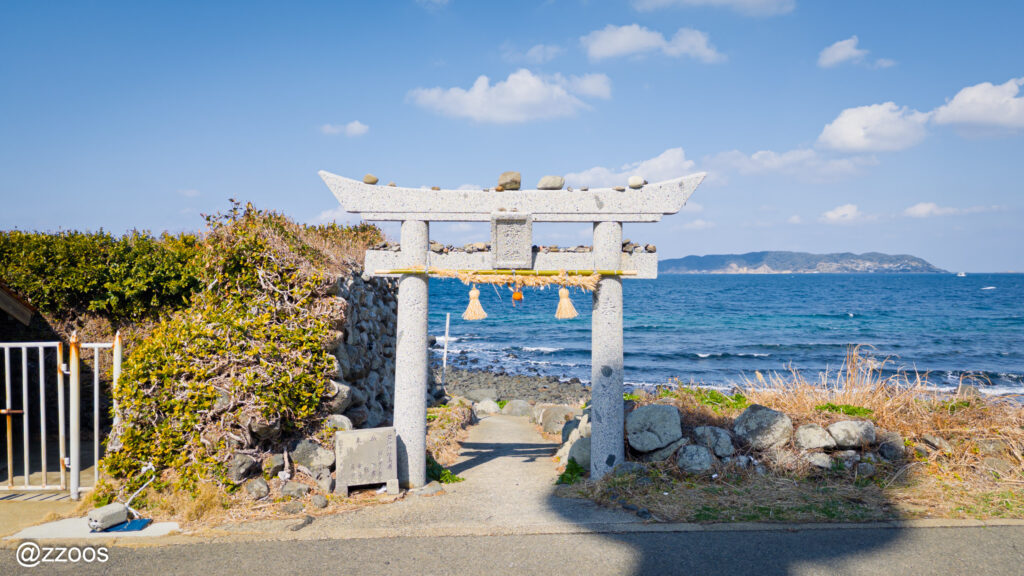
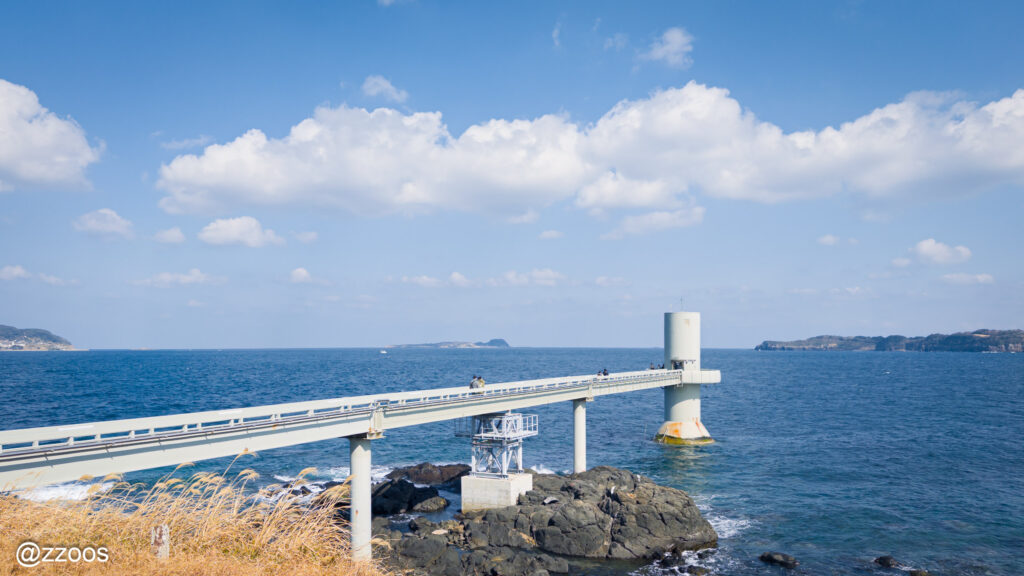
If you continue along the path, a lighthouse appears at the end.
In front of it is Misaki Jinja. It is a quiet place where you can hear only the sound of waves and wind.
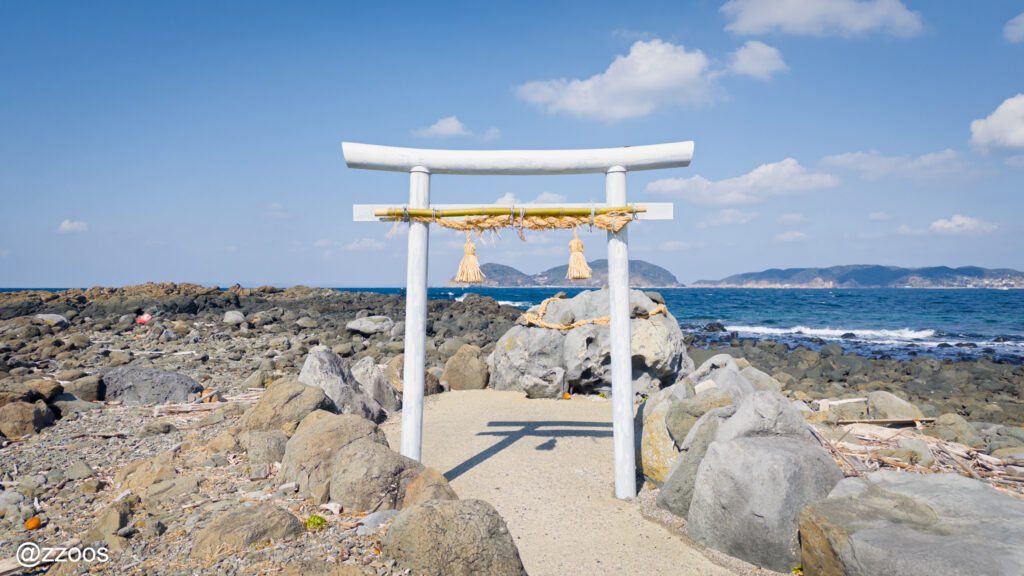
There was a narrow path beside the shrine leading down toward the sea. I carefully followed it and found a large rock standing before the deep blue sea.
On Google Maps, it is labeled Goshintai-no-Iwa (御神体の岩), so it seems to be the rock enshrined as a deity at Misaki Shrine. The term Goshintai-no-Iwa means “a rock in which a deity resides.”
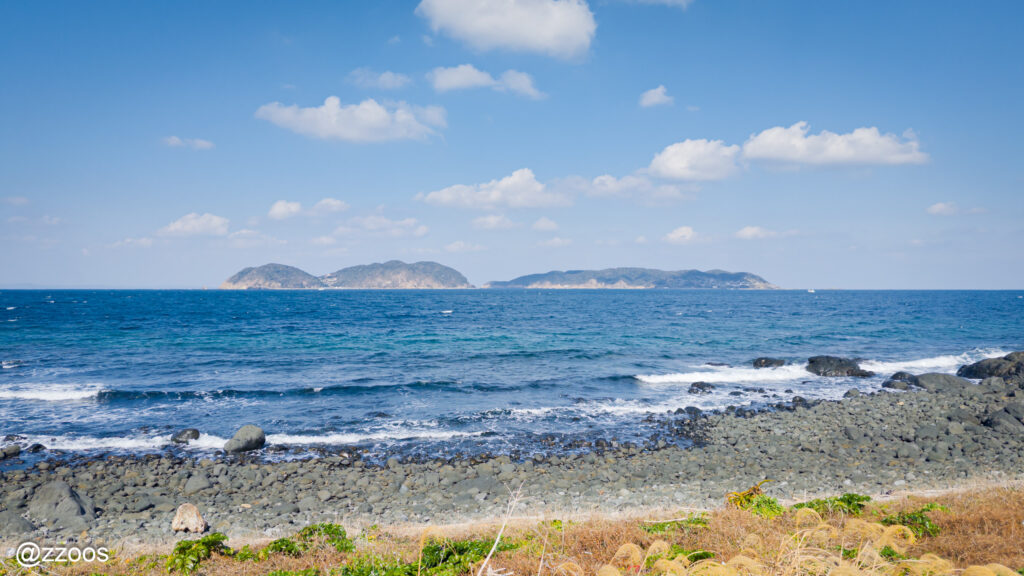
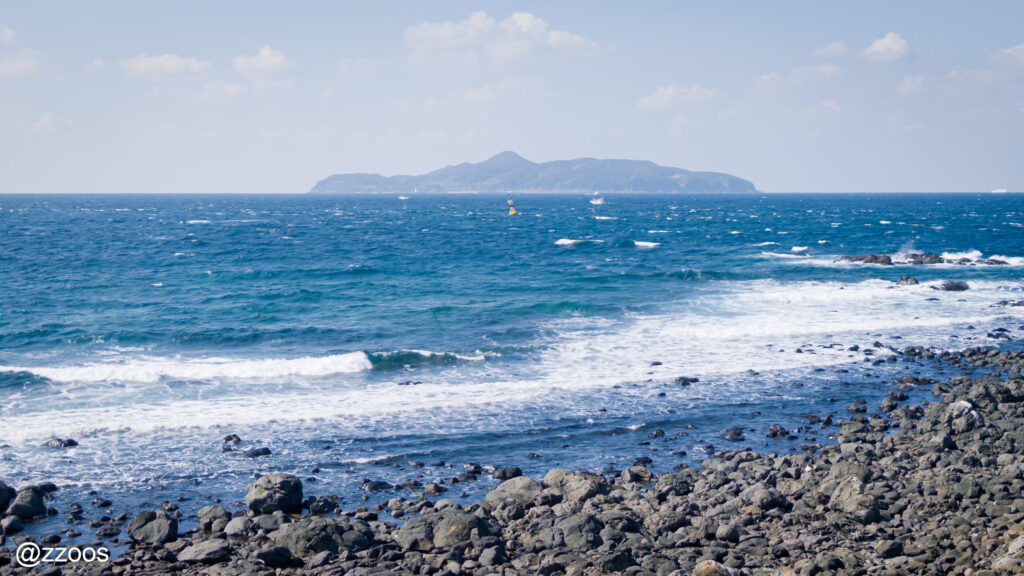
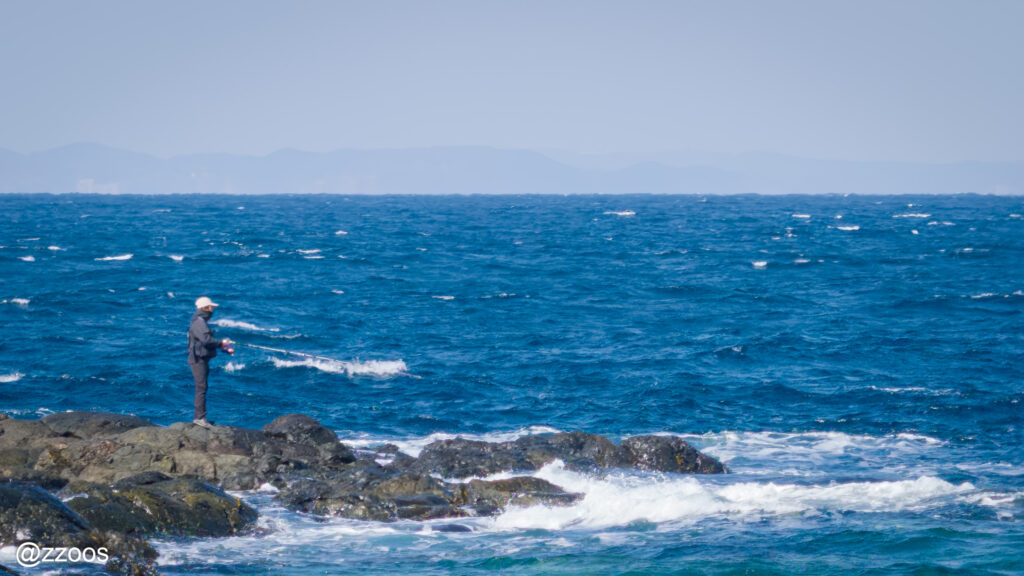
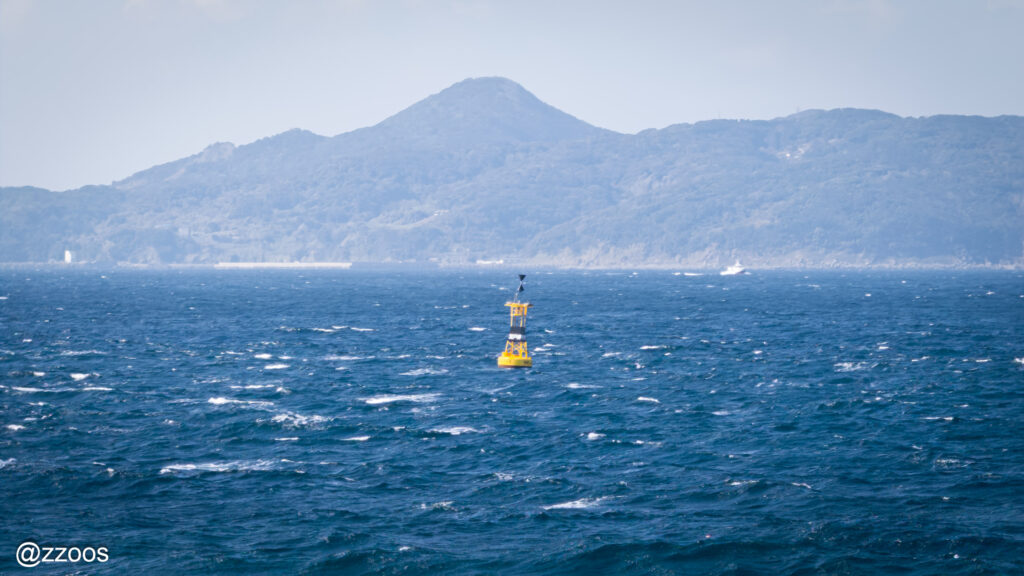
I walked to see the shrine and the lighthouse, but what I truly saw was the sea.
Saying it resembles Jeju does not mean it is any less beautiful. Rather, perhaps because of that familiarity, the sea felt even deeper to my eyes and skin.
I would stop walking, stand still, and stare blankly at the sea, then start walking again.
I never expected this trip to become such a journey of feeling the winter sea.
Ah, here again my unplanned nature reveals itself.
Usually, people decide what they want to see before leaving on a trip, don’t they? I tend to choose a destination first, arrive knowing almost nothing, and then be moved by what I unexpectedly see, hear, taste, and feel.
On this trip, I came to Hadomisaki “to eat turban shells,” and ended up falling in love with its “sea.”
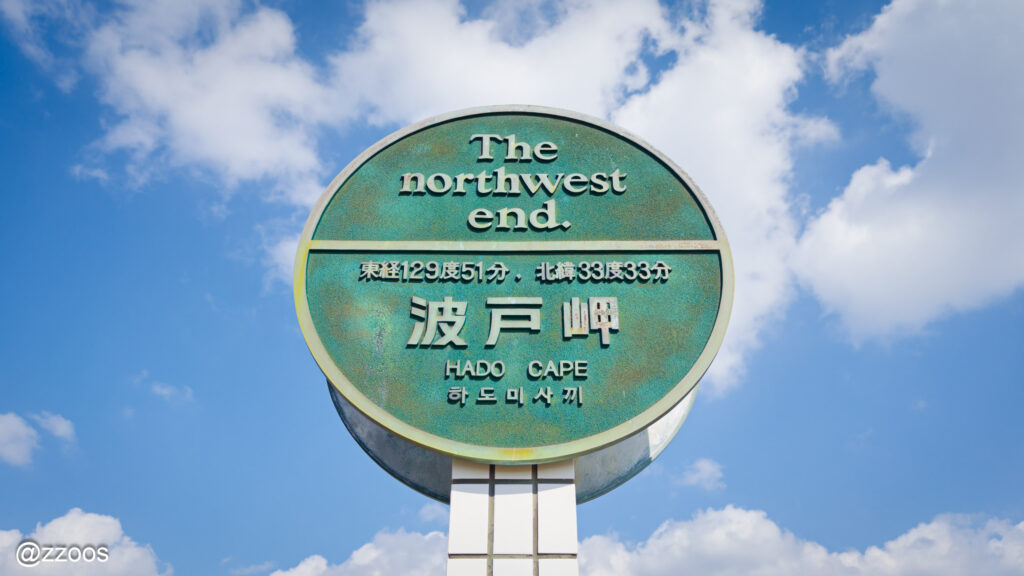

On the way back toward the parking lot from the lighthouse and shrine area, I chose a different path.
There was a wide open field and several sculptures standing there. People were taking commemorative photos here and there.
Perhaps because it was a public holiday, there were many tourists. And it probably means this place is also a popular destination among locals.
It may look like I walked for a very long time, but the walk was actually just about an hour. It is not a long course. From getting off the bus at Hadomisaki, eating grilled turban shells, and walking around the cape, it took less than an hour and a half in total.
Soon it was time for the bus to depart. I hesitated for a moment. The next bus would come an hour later.
Should I spend another hour looking at the sea? Or should I go to the hotel and check in now? After thinking it over and over, I decided to return to the hotel and check in.
It takes an hour by bus from here to Karatsu, and considering the time to get from the bus stop to the hotel… I thought it would be better not to arrive too late.
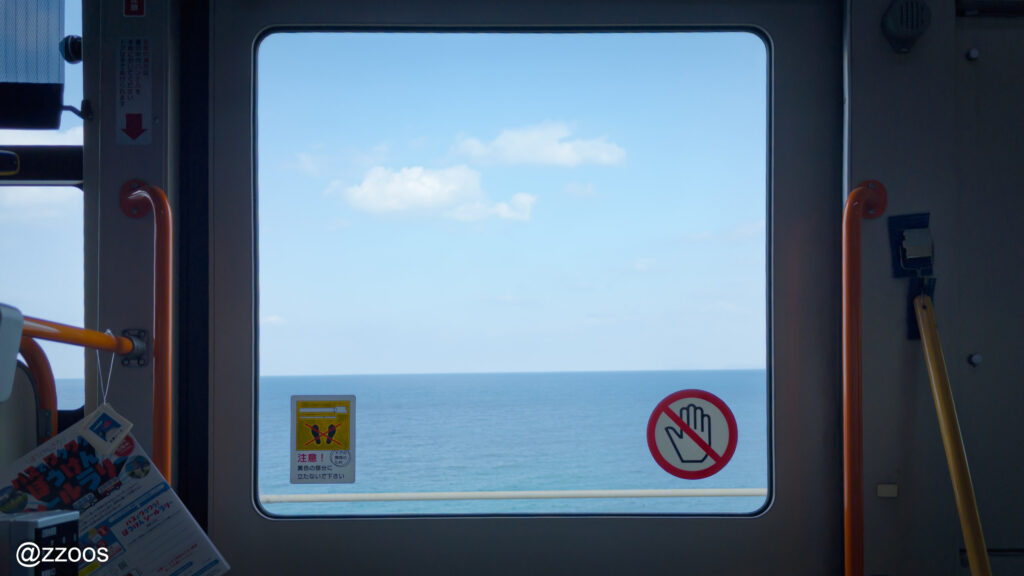
I picked up my trunk from the lady who had grilled the turban shells for me and boarded the bus. One hour to Karatsu. Watching Genkai-nada and Karatsu Bay through the bus window made that time far from boring.
And then, arrival in Karatsu. From here, the story of Karatsu begins.

Leave a Reply