As I mentioned in an earlier post, one of the main purposes of this trip was to slowly walk through Mokpo’s old downtown.
Unlike many other cities, Mokpo has layers of modern and contemporary history still deeply embedded in the city.
This trip was about walking through those remaining streets and alleys of modern history,
and that is how I arrived at Mokpo Modern History Museum, Building 1—the starting point of that walk.
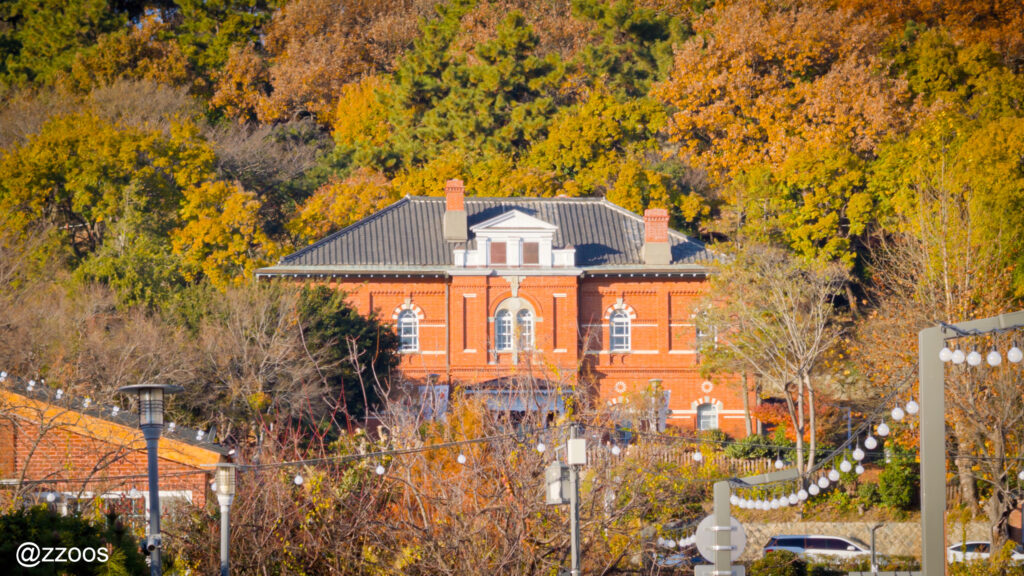
This building was constructed in 1900 as a Japanese consulate.
During Japan’s colonial rule, it functioned as the “Mokpo-bucheong,”
a governing body that effectively controlled local administration and judicial affairs.
In other words, it was a key stronghold in the southwestern part of the Korean Peninsula at the time.
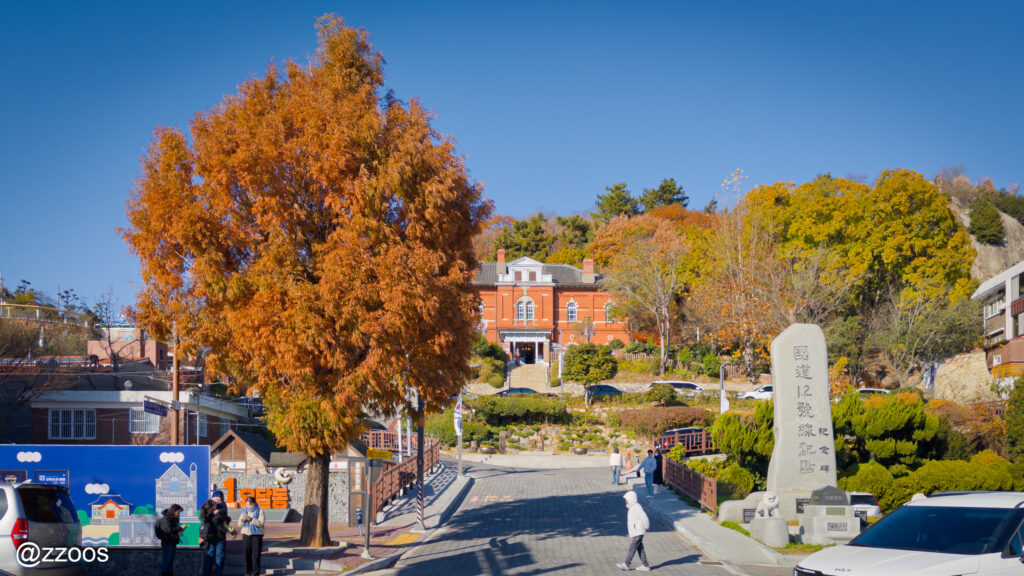
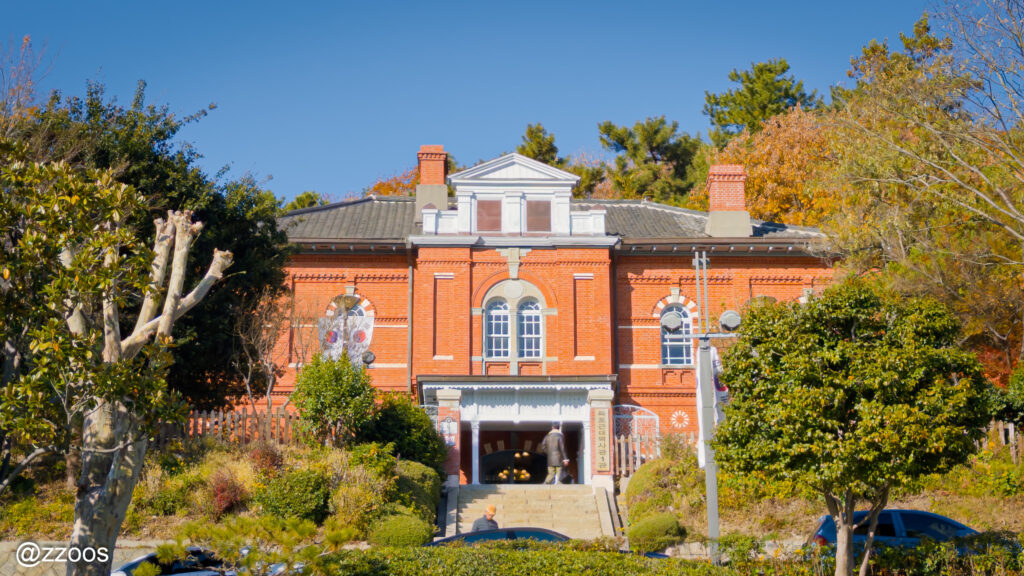
While ordinary houses of that era were usually wooden,
this building was constructed in a masonry style using red bricks.
Nearby, Mokpo Modern History Museum Building 2 is also a stone structure that emphasizes authority.
Public buildings likely used brick or stone to convey their power and presence.
Relatively speaking, Mokpo still retains quite a number of these modern-era buildings.
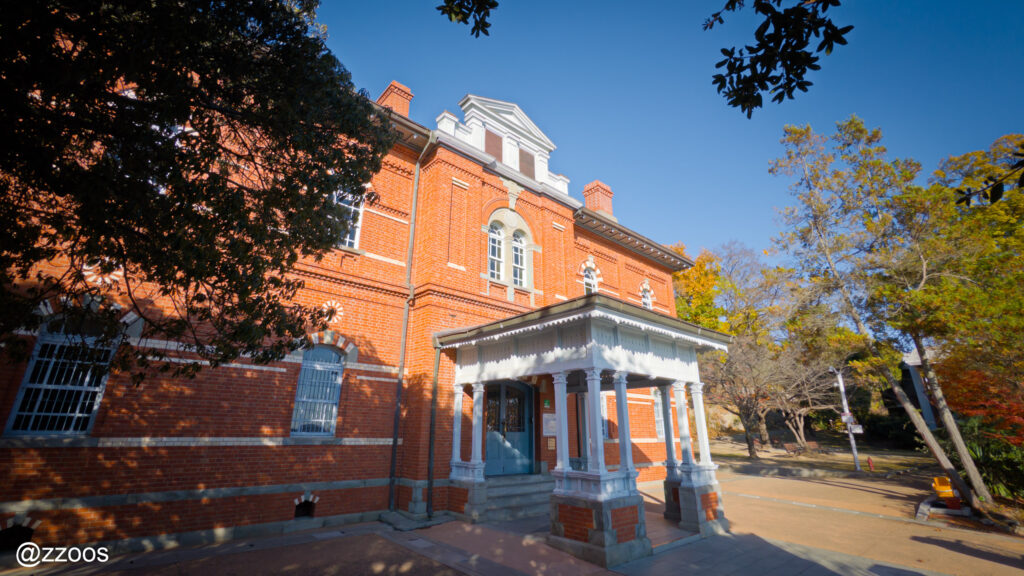
After a late lunch, I was wandering through the alleys without any specific destination.
Then, on a hill in the distance, I spotted a red brick building.
I opened a map app to check what it was, and it turned out to be the Modern History Museum.
Since I travel with almost no planning at all,
destinations like this often get decided purely by chance.
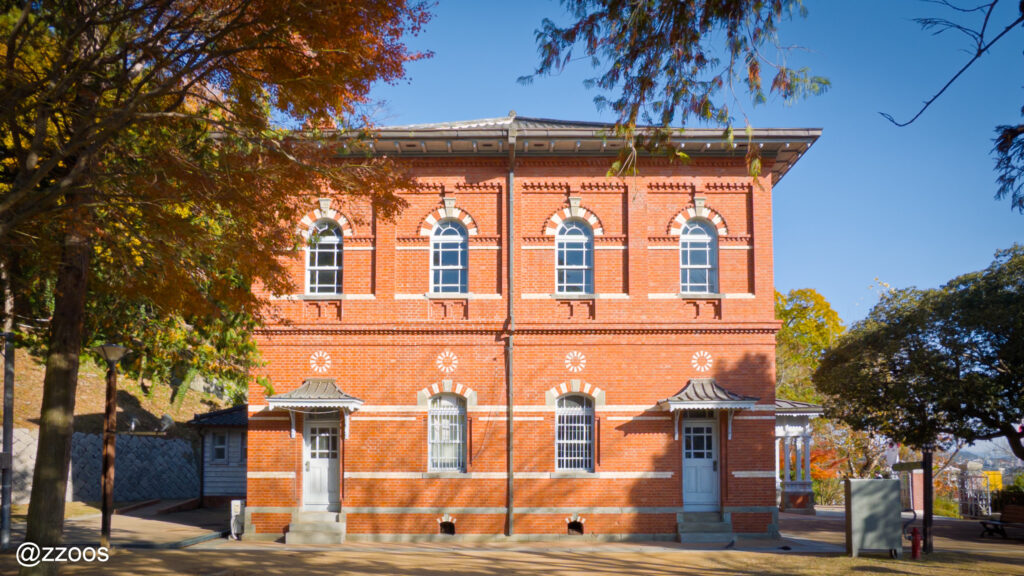
As I got closer, I started to see more people around.
The alleys of the old downtown had felt rather empty, perhaps because it was winter.
On a cold weekday afternoon, that didn’t seem unusual at first.
But then it made sense.
This building is a filming location for the popular drama Hotel Del Luna.
That explained why there were other visitors here.
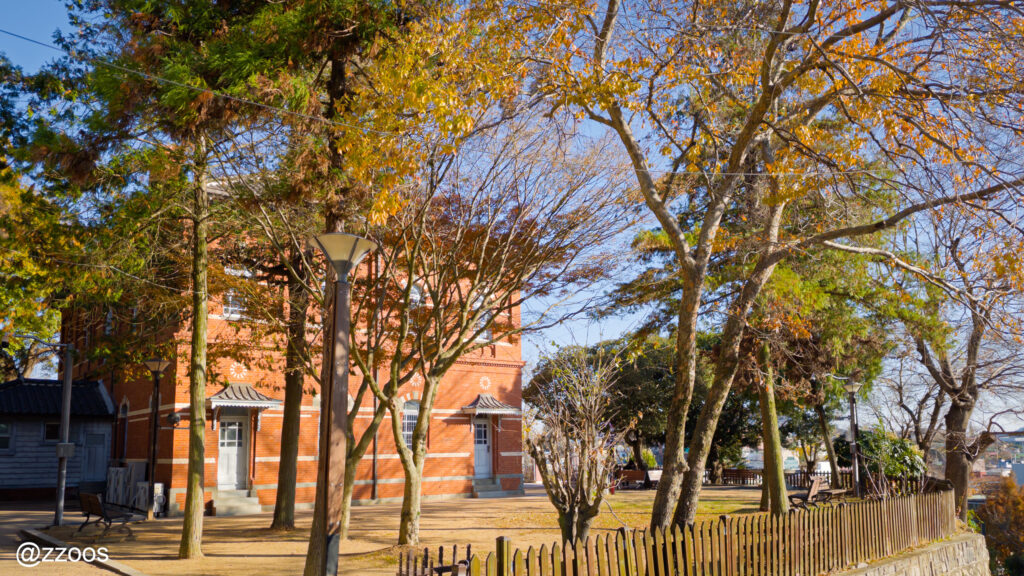
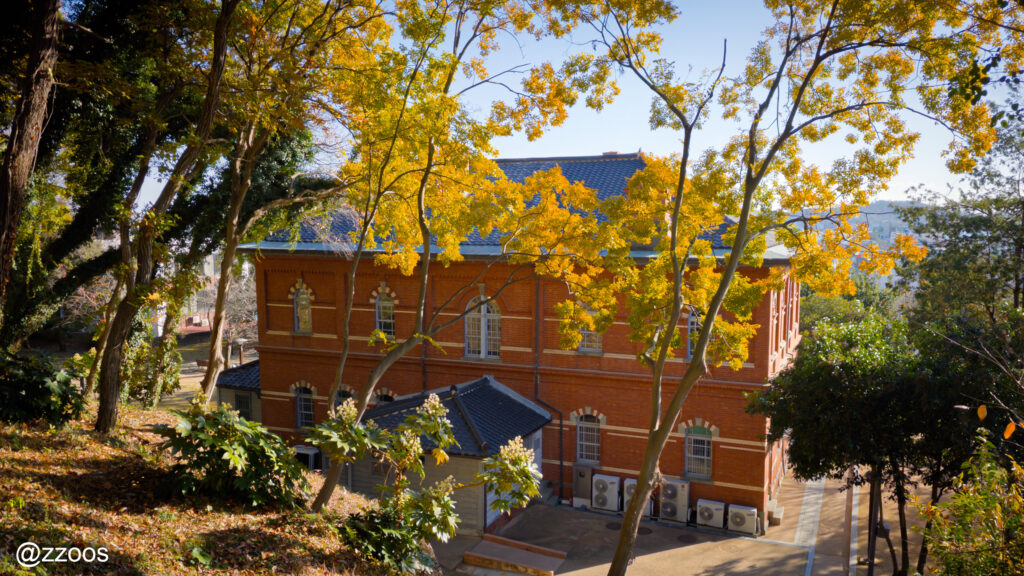
I walked all the way around the building, taking photos.
The wind on a midwinter afternoon was cold,
but the sunlight fell nicely on the red brick walls.
Pulling my coat tighter, I sat down on a bench and quenched my thirst.
I spent a brief moment there with the wind and the sunlight.
My knees and muscles—now unmistakably those of a middle-aged man—were asking for a rest.
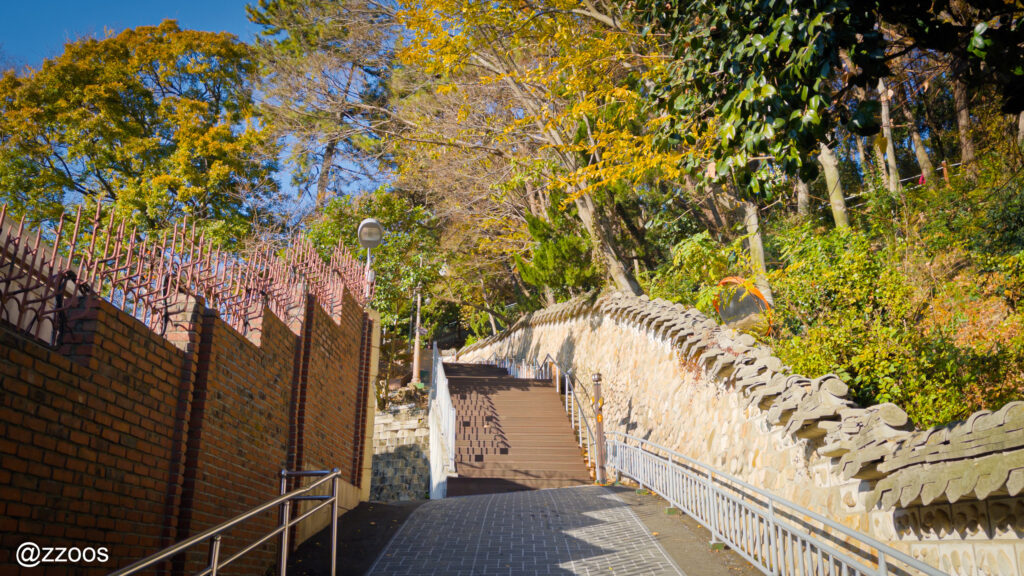
After a short rest, I started walking again.
I briefly considered heading back down to the old downtown,
but since I had already climbed this far, I decided to go a little higher.
Checking the map, I saw that the Nojeokbong Art Park Museum was right nearby.
I planned my route: walk up to the museum first,
then head back down and continue exploring the old downtown.
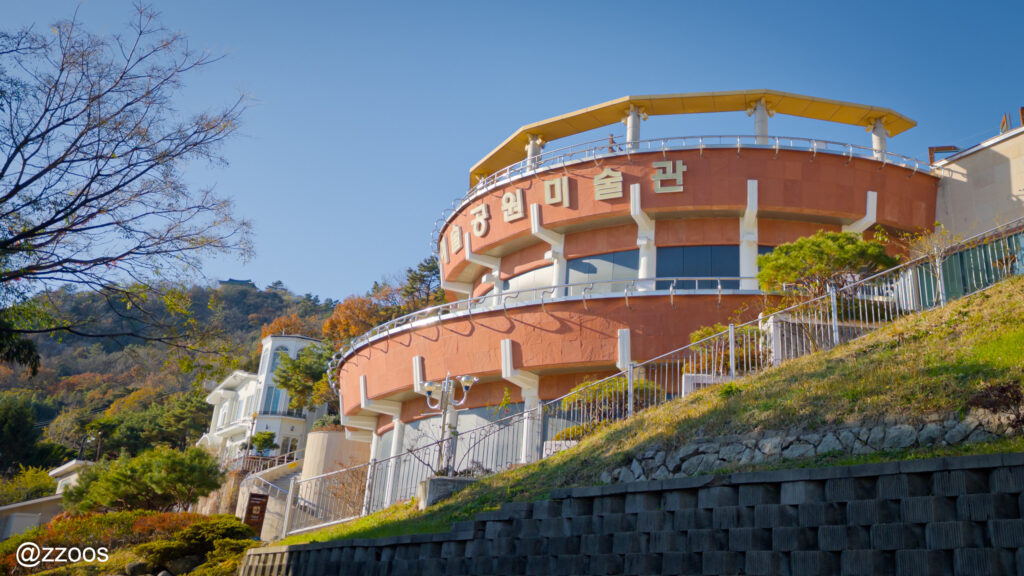
There was very little information available on maps or the museum’s website,
so I couldn’t really tell what kind of place it was beforehand.
But once I arrived, I found it to be quite spacious.
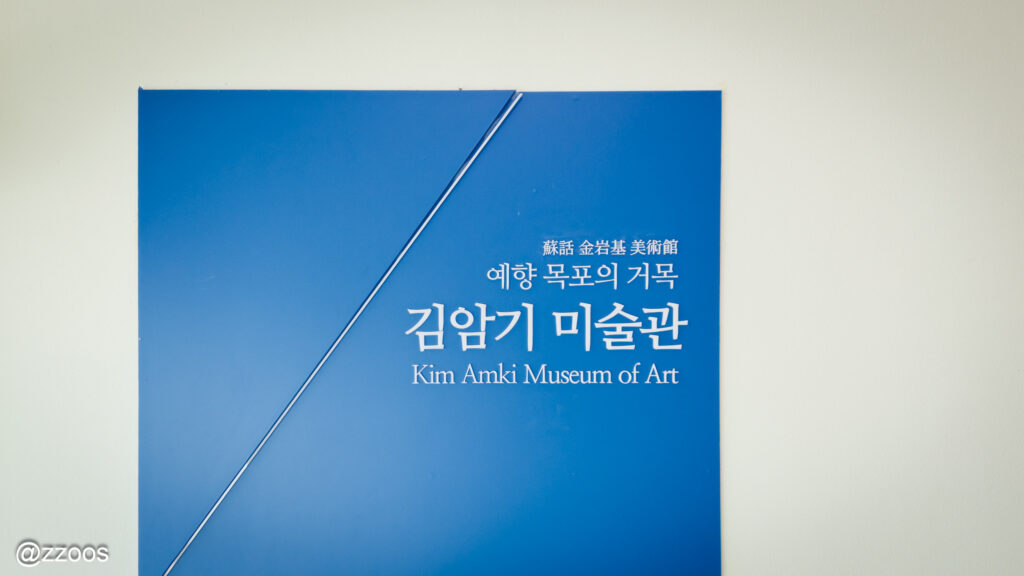
On the first floor, a special exhibition titled “Colors on the Waves, Sensations in the Wind” was being held,
while the second floor appeared to be dedicated to the Kim Amgi Museum.
I learned this for the first time as well:
Kim Amgi is a cousin of Kim Whanki.
Since my favorite museum is the Whanki Museum, which honors Kim Whanki’s artistic world,
this connection made the visit feel even more special.
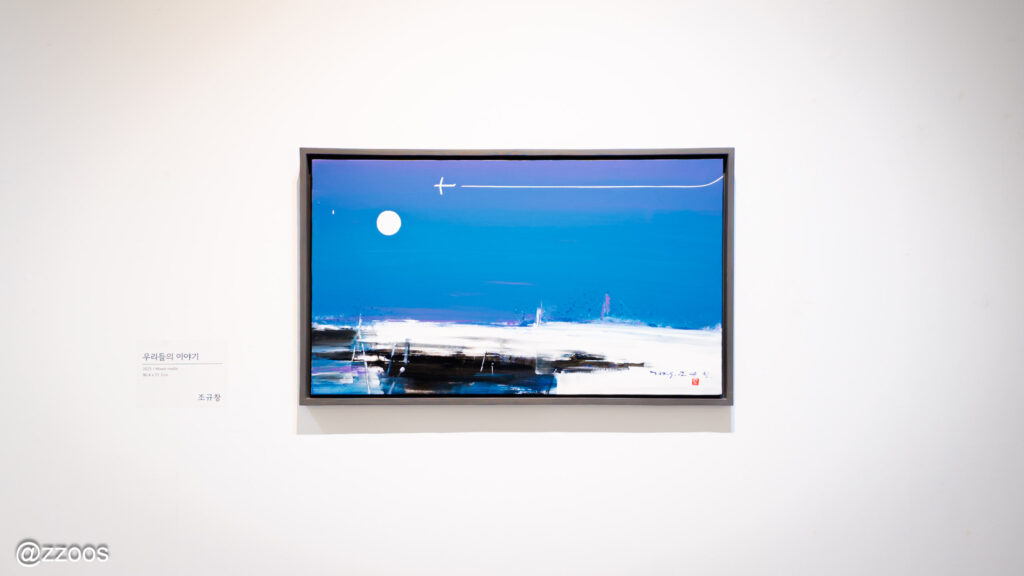
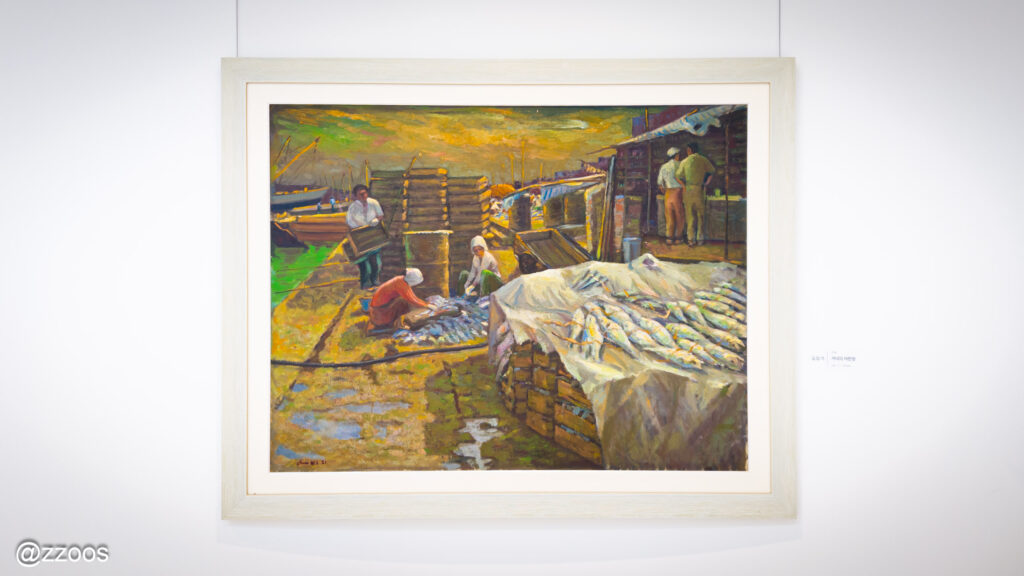
I ended up viewing the exhibition by pure chance, at an entirely unexpected moment.
It turned out to be better than I had anticipated, and it left me feeling pleasantly warmed.
There were several works that caught my eye.
In particular, Kim Amgi’s paintings stood out for the way his bold brushstrokes
warmly depicted familiar landscapes.
After finishing the exhibition, I set off once again to walk through the alleys of the old downtown.
That story will continue in the next post.

Leave a Reply