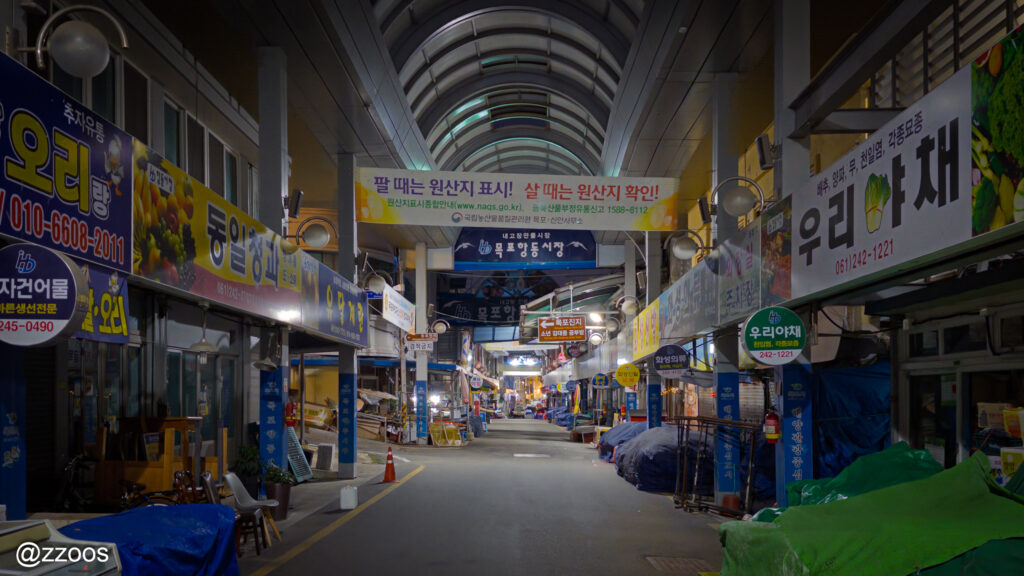
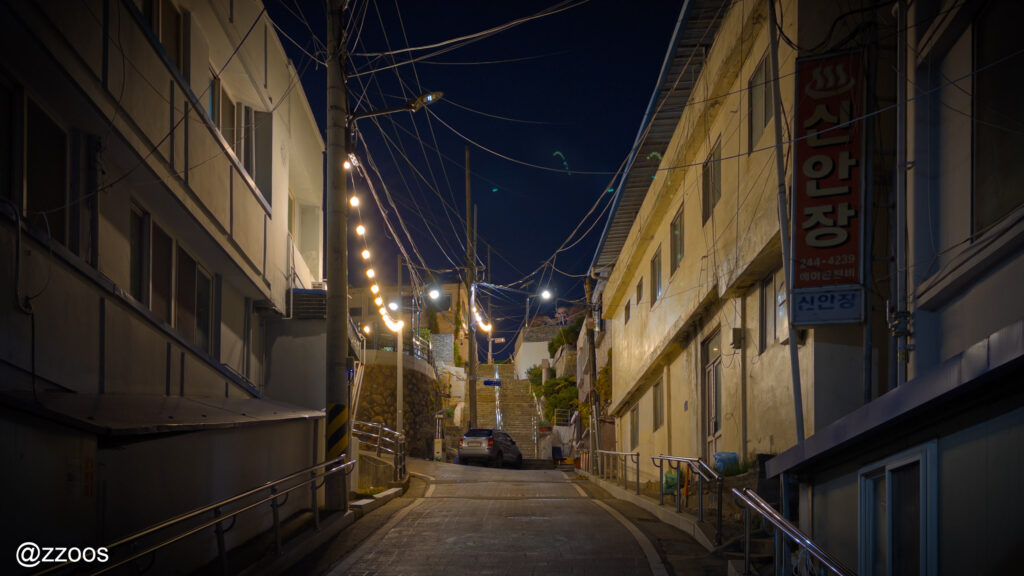
While walking through the old downtown, night had already fallen.
I think that, for ordinary travelers, spending about one day looking around the old downtown is usually enough.
But I am a somewhat lazy traveler who starts the day late and finishes early.
For someone like me, the old downtown must have been too large a space to cover in just one day.
I had no choice but to have dinner and bring the walk to an end.
Although the walk ended, in fact, it was also the beginning of a new journey.
I believe that the time after sunset, nighttime, is more precious in travel.
Rather than planning my daily routes or schedules around daytime walks,
I tend to focus more on nighttime meals and the drinking that follows.
That is also why I mainly travel in countries like Korea and Japan, where it is safe even at night.
In any case, stories about eating or drinking are covered in other posts,
so I will return to the story of the old downtown.
On another day, I started walking through the old downtown again.
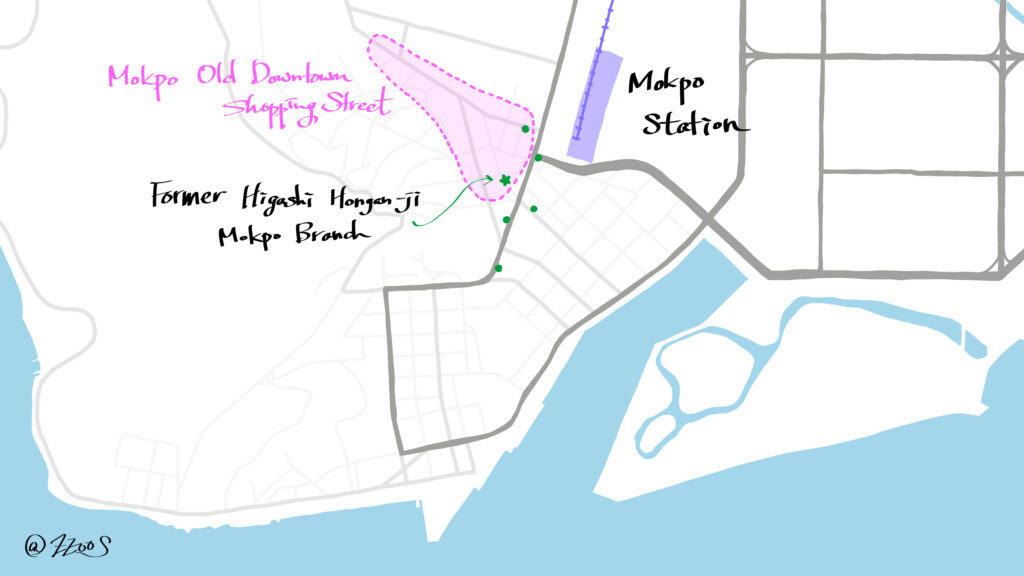
Today, I plan to begin at the former Mokpo Customs Office and walk wherever my feet take me.
Since this is an area with markets and docks, it feels like a street full of interesting buildings.
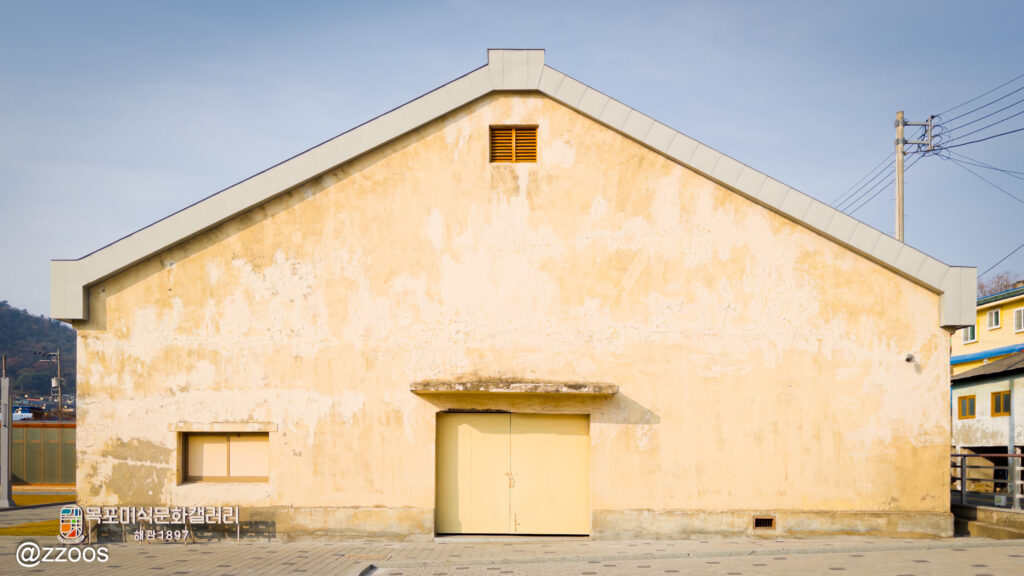
The former Mokpo Customs Office is, as its name suggests, the site where the Mokpo Customs Office once stood.
Now, a culinary culture gallery is being operated on the site of the old customs warehouse.
Right in front of it, the former customs site itself has been preserved.
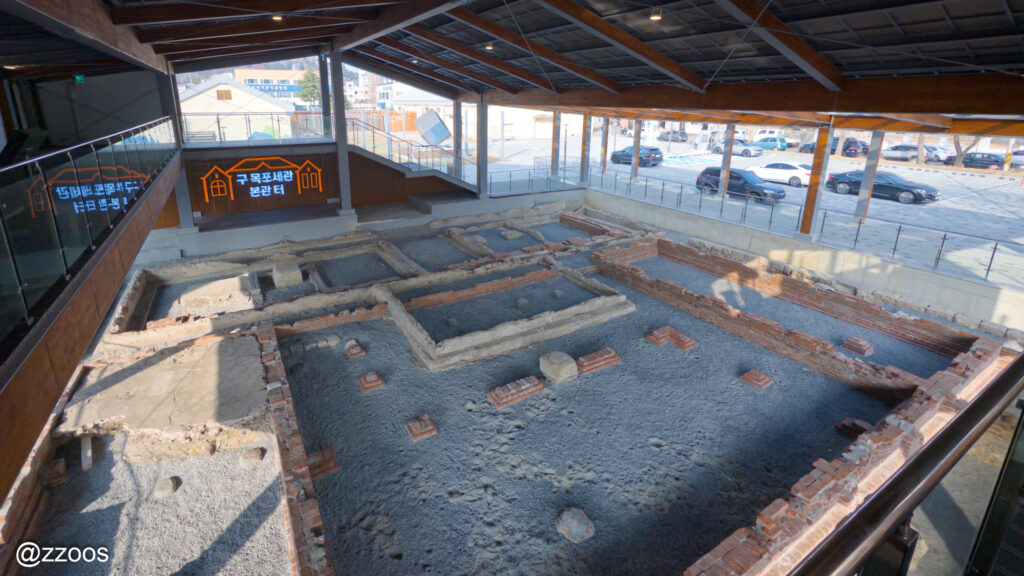
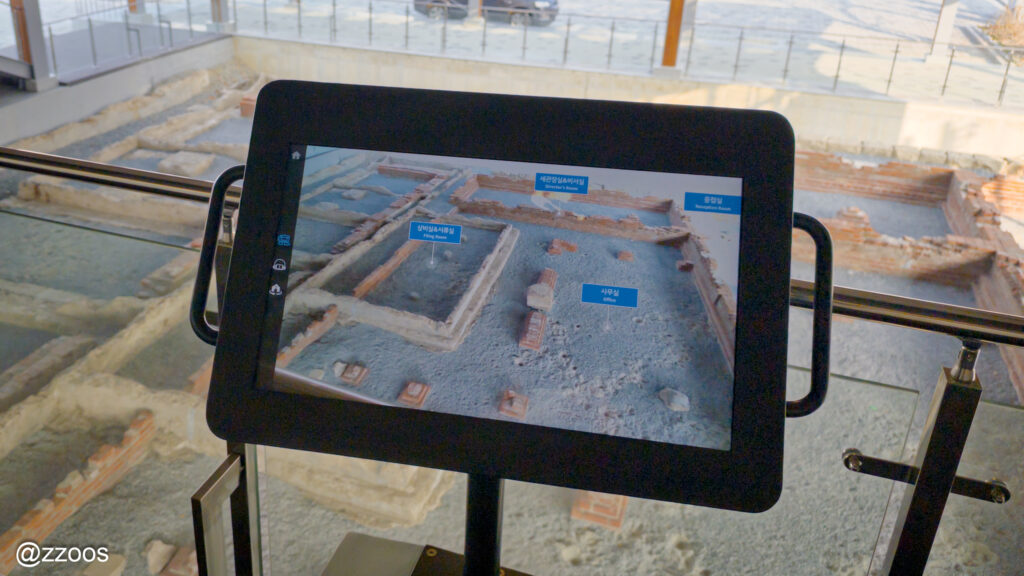
It would be easy to pass this place by thinking, “So this was just an old customs site.”
However, this place also contains pain from modern Korean history.
This customs office was once used as a Mokpo branch of the Korean Central Intelligence Agency.
According to the inscription on the marker for Mokpo Historic Site No. 4 related to the May 18 Democratization Movement (also known as the Gwangju Uprising),
a maritime blockade was imposed during the Movement,
and protesters, enraged by this, burned this place down.
It is also said to be a place where pro-democracy figures were tortured.
A customs office built when the port was forcibly opened during Japan’s colonial rule
later being used as a building for an institution that suppressed citizens during the period of military dictatorship
feels like a place that directly shows Korea’s modern and contemporary history.
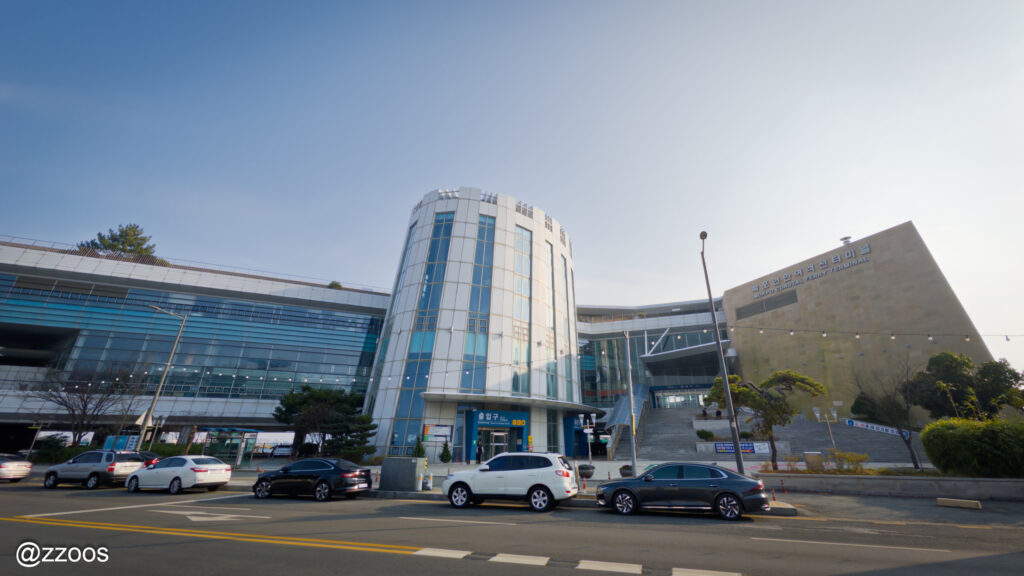
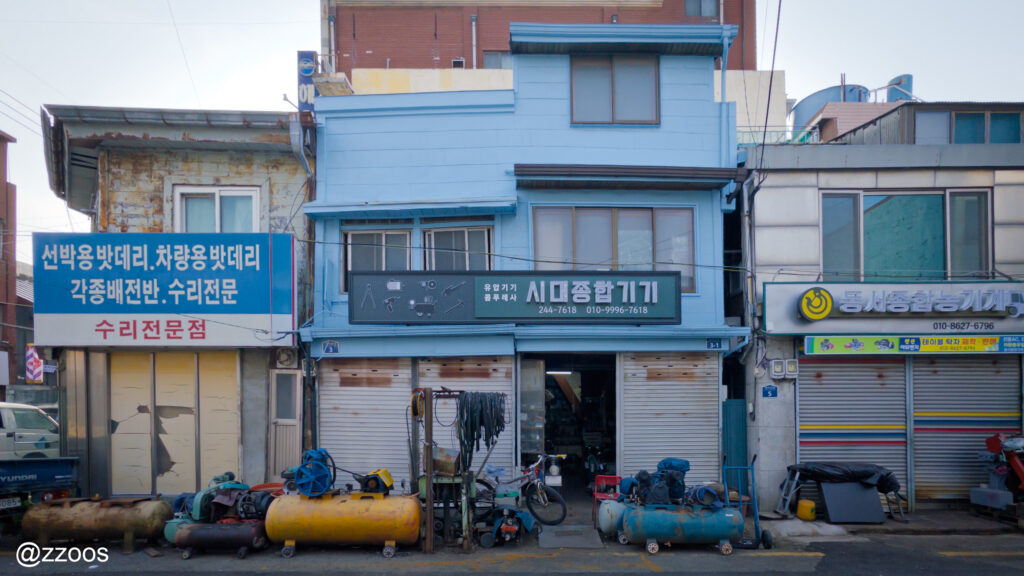
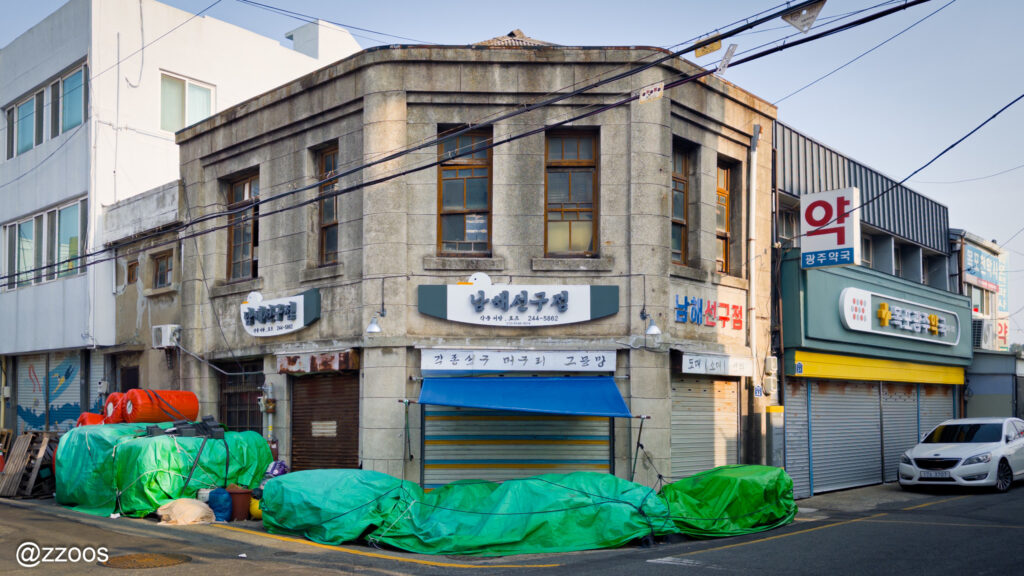
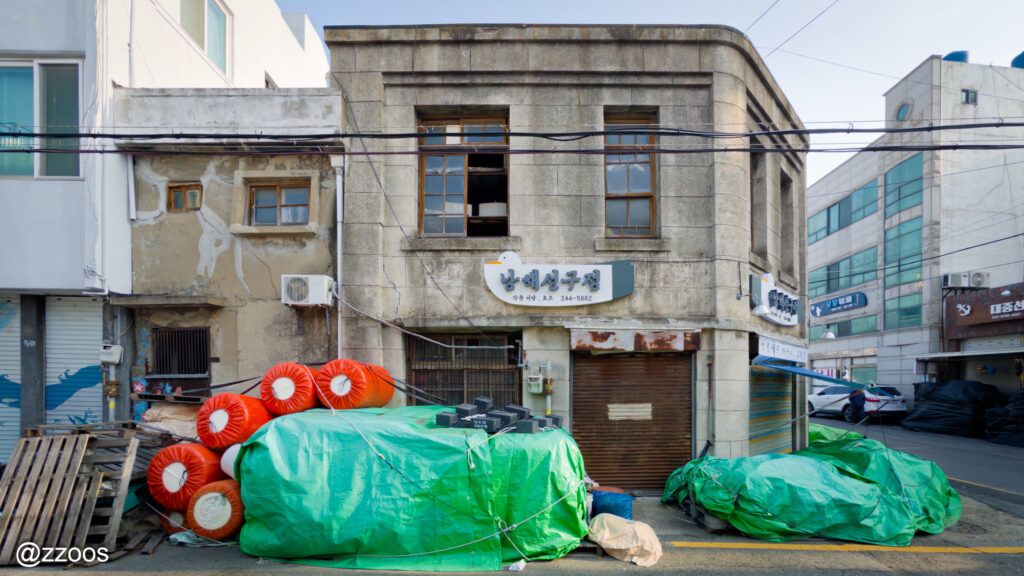
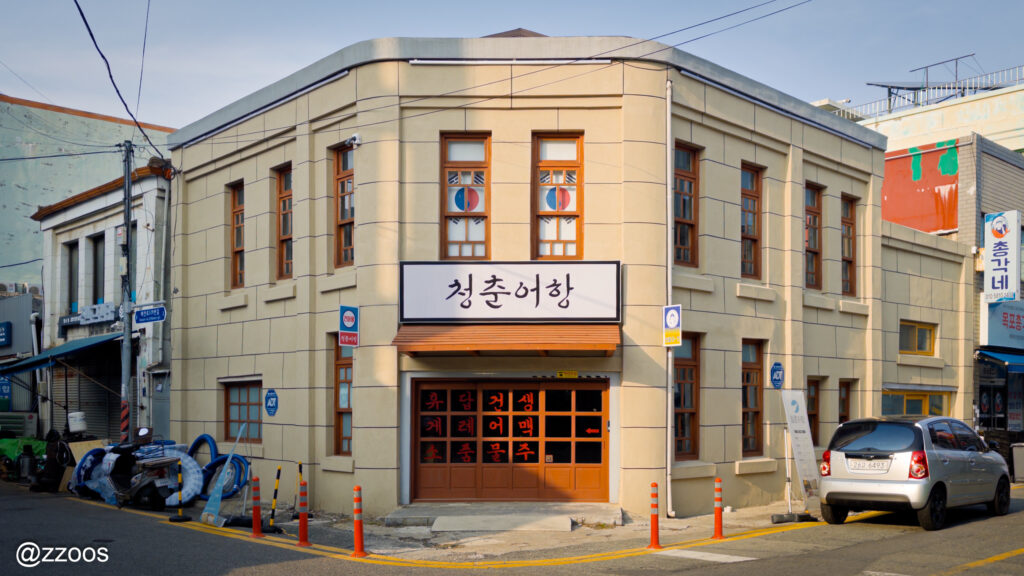
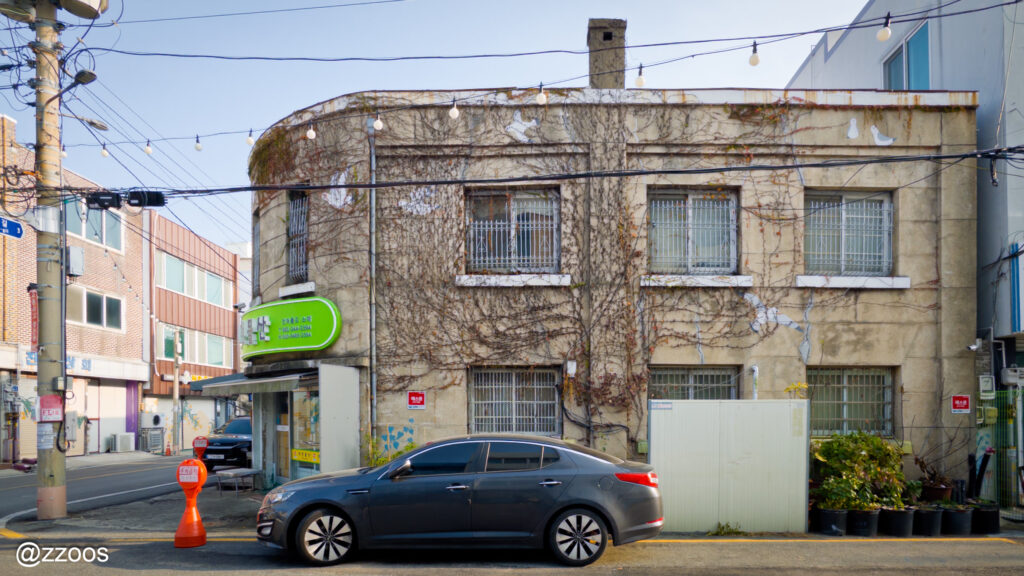
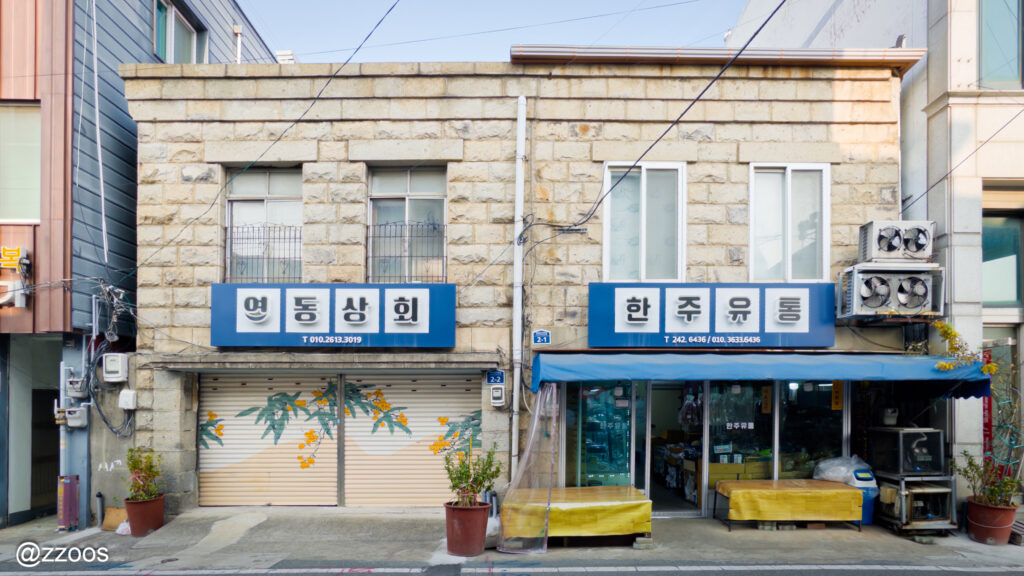
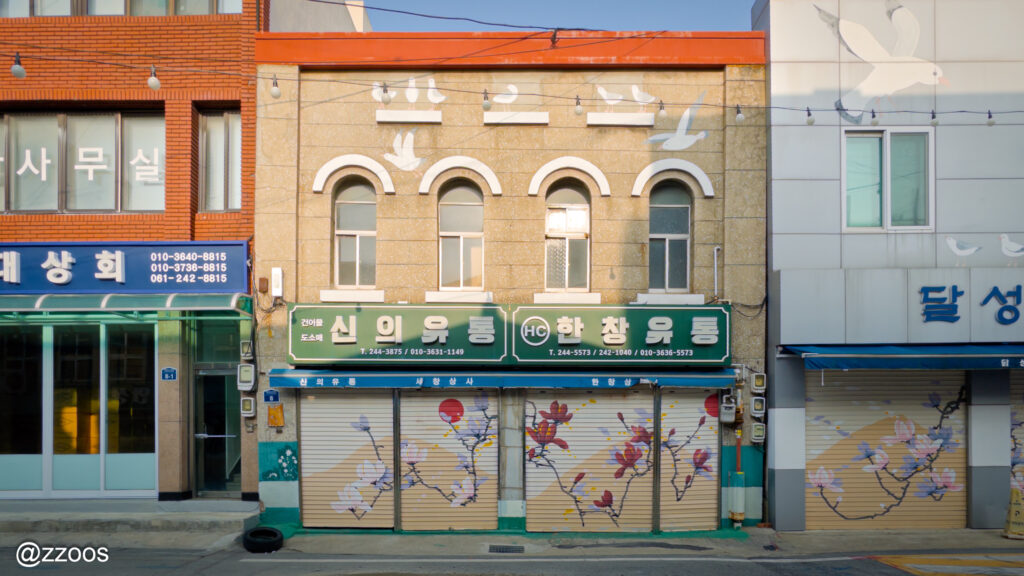
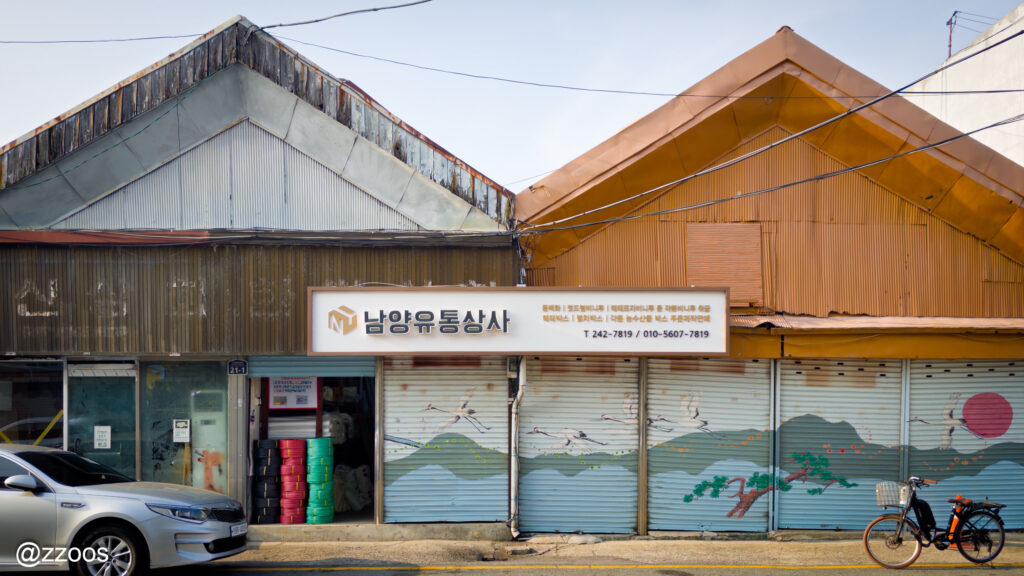
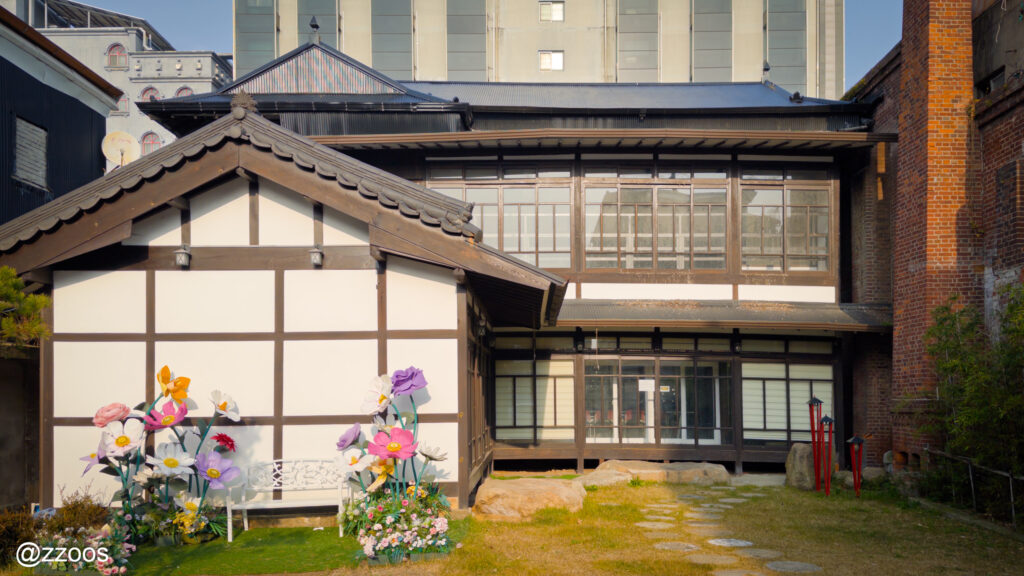
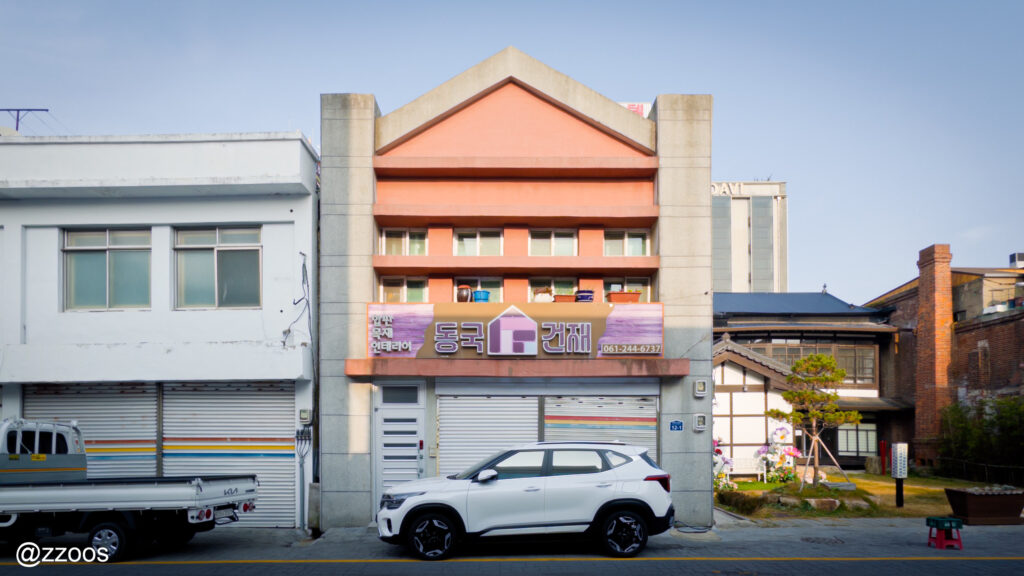
I walked wherever my feet took me.
Each time I passed through an alley, I would see an unusual building,
and after taking a photo of it, I would find another interesting building in the alley beyond.
In that way, guided by buildings and guided by streets,
I walked for a long time as if I had lost my sense of direction.
There is truly a wide variety of buildings mixed together here.
What is clear, however, is that there are no “recent” buildings.
Buildings constructed during Japan’s colonial rule,
those built after liberation,
and those that appear to have been built in the 1960s and 1970s—
these are, quite literally, buildings from Korea’s modern and contemporary periods.
The traces of time and the ways of life from each era remain as they are,
and they clearly create a different kind of atmosphere on these streets.
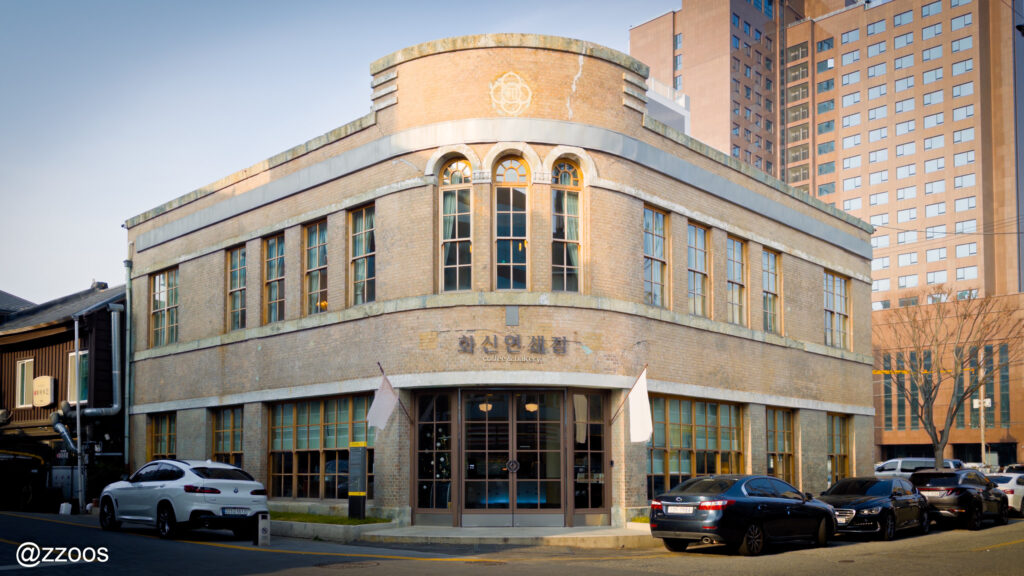
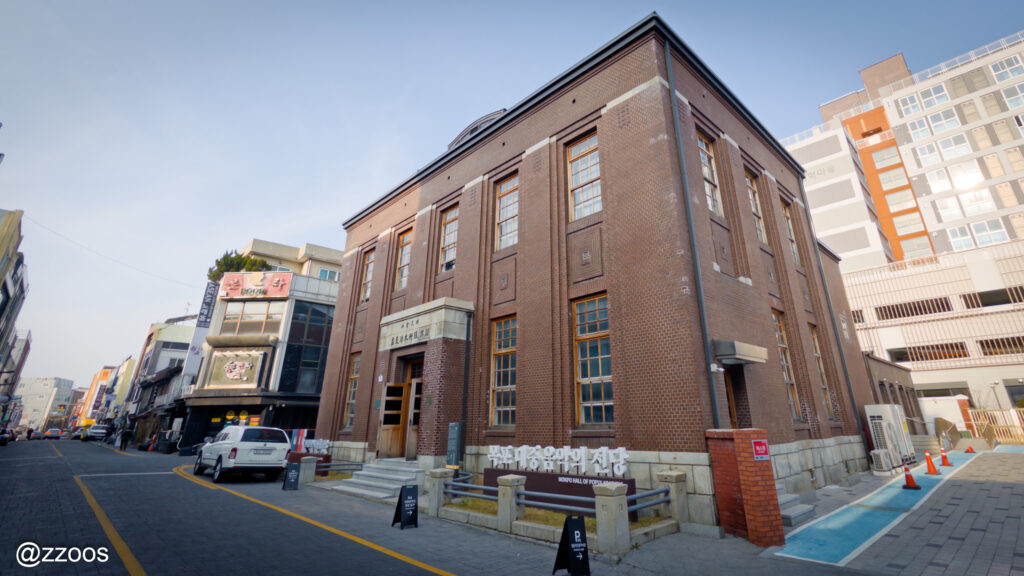
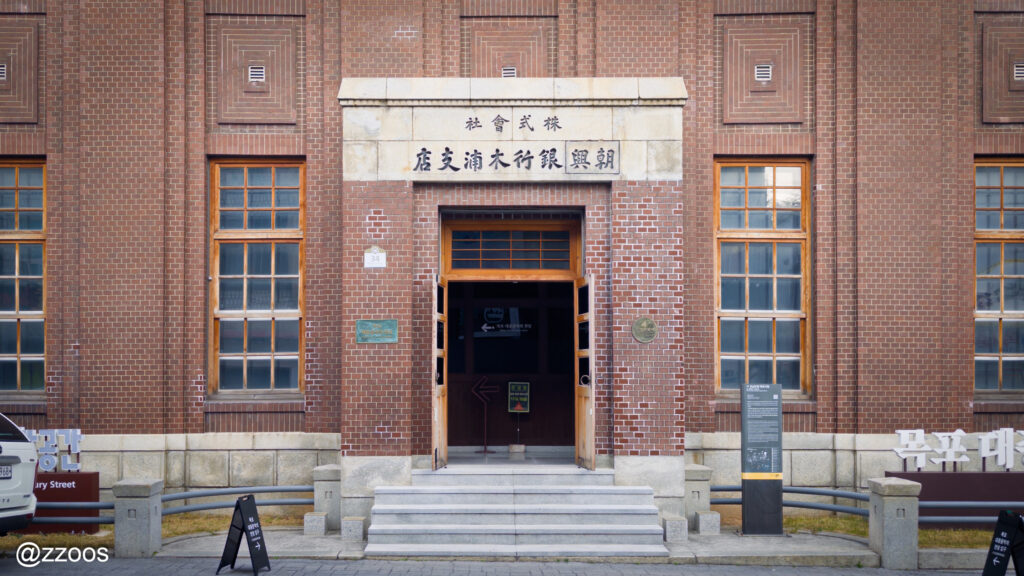
As I walked on, I encountered the former Honam Bank Mokpo Branch,
which is now used as the Mokpo Popular Music Hall.
Its architectural style is clearly that of the period of Japan’s colonial rule,
but Honam Bank was founded with Korean capital to stand against Japanese capital.
The scale and style of the building were also made grand,
so as not to be overshadowed by the Oriental Development Company, a key institution of Japan’s colonial rule.
If you look closely at the photos,
you can see that the Chinese characters for Mokpo (木浦) look unusual.
The dot at the upper right of the character “浦” is missing.
It is said that the founder vowed to add that dot after Korea’s independence.
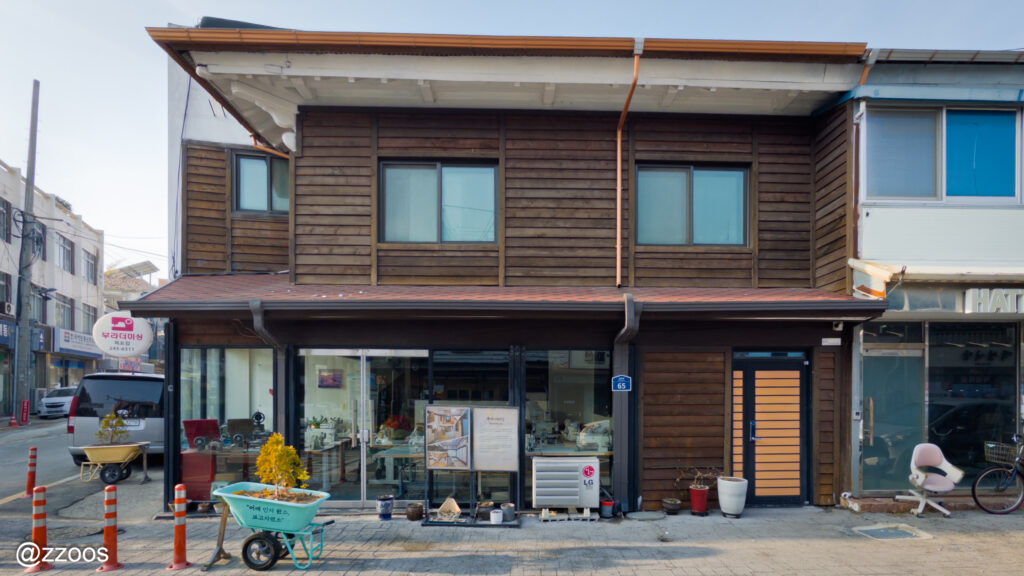
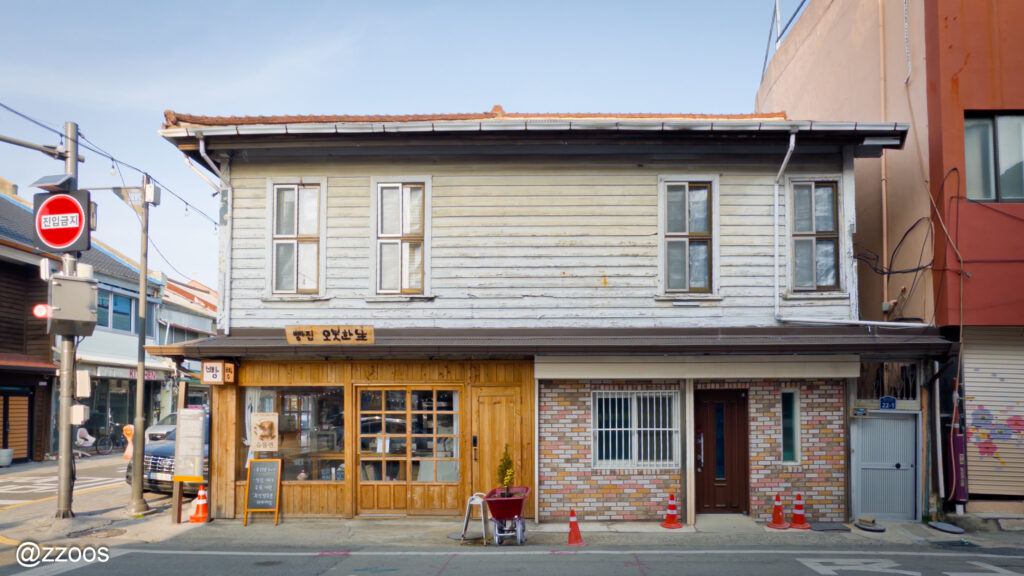
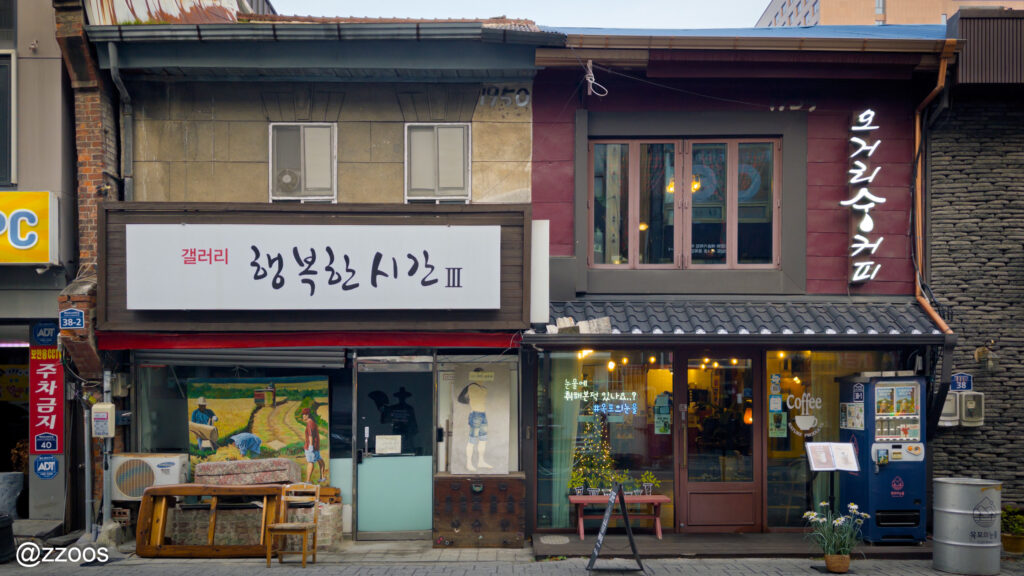
Mokpo’s old downtown is truly diverse.
At times, it feels like a predictable provincial commercial alley and becomes dull,
then, because of the unique buildings that appear here and there, I take out my phone and start taking photos,
and before I know it, I find myself wandering in circles,
forgetting my destination, wondering if there might be something more interesting inside an alley I passed without much thought.
Eventually, my legs start to hurt, and I think about taking a break.
As I collect scenes from the streets, corner by corner,
I come to think, ah, this is how streets hold time,
and this is how cities store the passage of years.
When people gather there, new time and new culture will begin to layer themselves on top of the old.
Mokpo is a city where new layers have not yet piled up,
and so it holds and reveals much of the past.
Mokpo’s old downtown is such a place for me.

Leave a Reply