The goal of this trip was simple.
I wanted to walk through Mokpo slowly.
That is why I did not take a taxi.
Instead, I took a bus from Mokpo Station to the hotel.
There was a reason for this.
When I travel in small cities in Japan,
I try to use buses or trams whenever I can.
I believe that using public transportation
helps me feel the city more directly.
Then a question came to mind.
Why is it that, when I travel within Korea,
I choose taxis so easily?
This time, I wanted to move around
as if I were traveling abroad.
Press enter or click to view image in full size
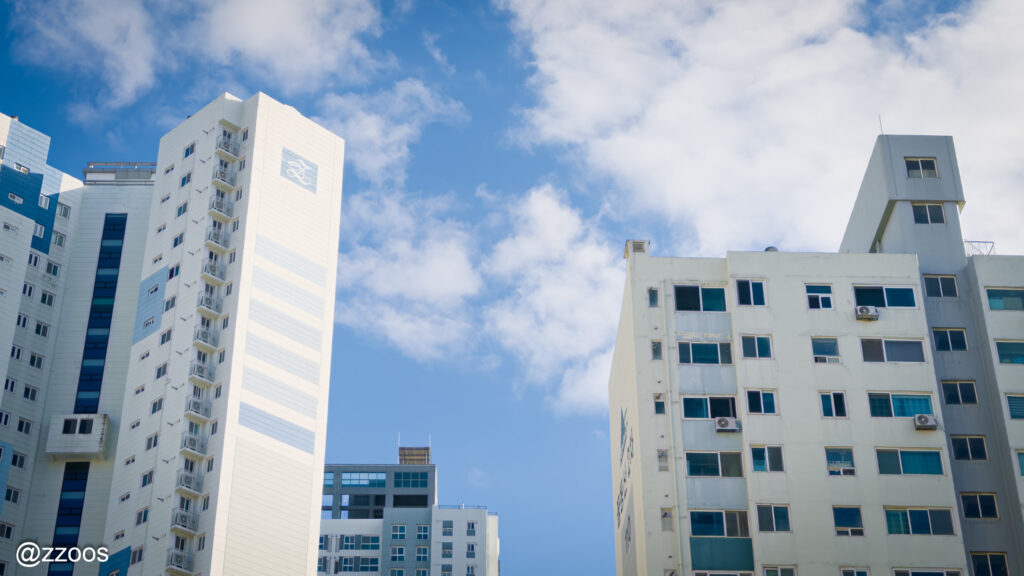
I got off the bus near the local Labor Office.
In Mokpo, this area is called Hadang New Town.
The original place name was Hadang,
and apartment development began in the 1990s.
More recently,
another new town called Namak was built further to the east.
However, that area is not technically part of Mokpo.
It belongs to Muan.
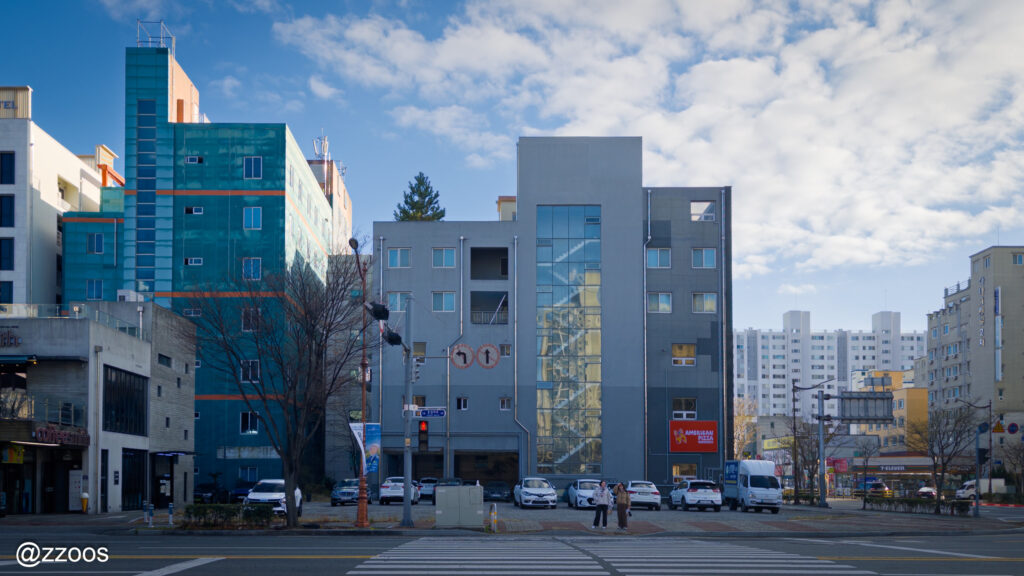
There are several bus routes
between Mokpo Station and Hadang New Town.
However,
it is not easy to find a bus
that passes directly through Pyeonghwa Square,
where many hotels are located.
Like many small regional cities,
the bus intervals are quite long.
So I took a bus that stopped a little farther away
and walked about 15 minutes to the hotel.
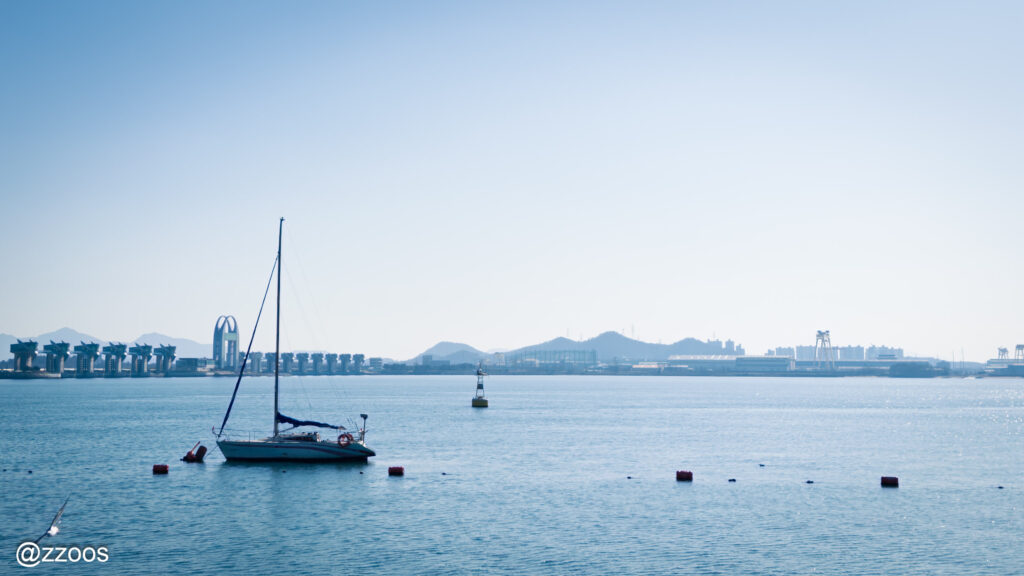
Hadang may be called a “new town,”
but quite some time has passed since it was developed.
Because of that, it does not feel perfectly clean or brand new.
Even so,
most comfortable hotels in Mokpo are concentrated here,
around Pyeonghwa Square.
(Pyeonghwa 평화 means ‘peace’ in Korean)
In the old town, accommodations tend to be older,
or they are guesthouses chosen for a specific atmosphere.
At first, I wanted to book a hotel in the old town.
Since my plan was to walk that area slowly,
it felt like the natural choice.
But no matter how much I searched, I could not find a place
that felt comfortable enough to rest in.
So I asked a friend from Mokpo for advice, and they recommended
sleeping near Pyeonghwa Square.
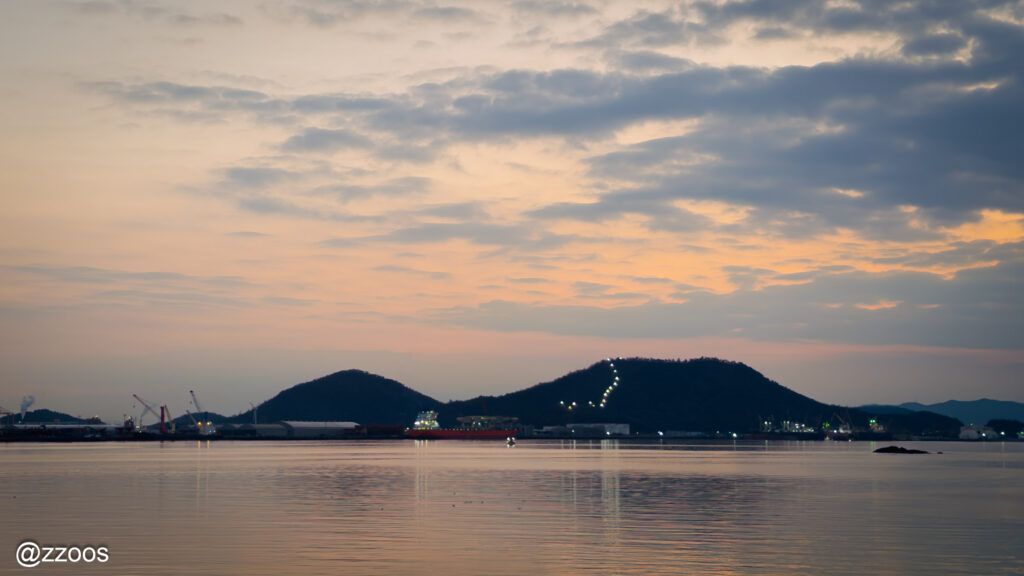
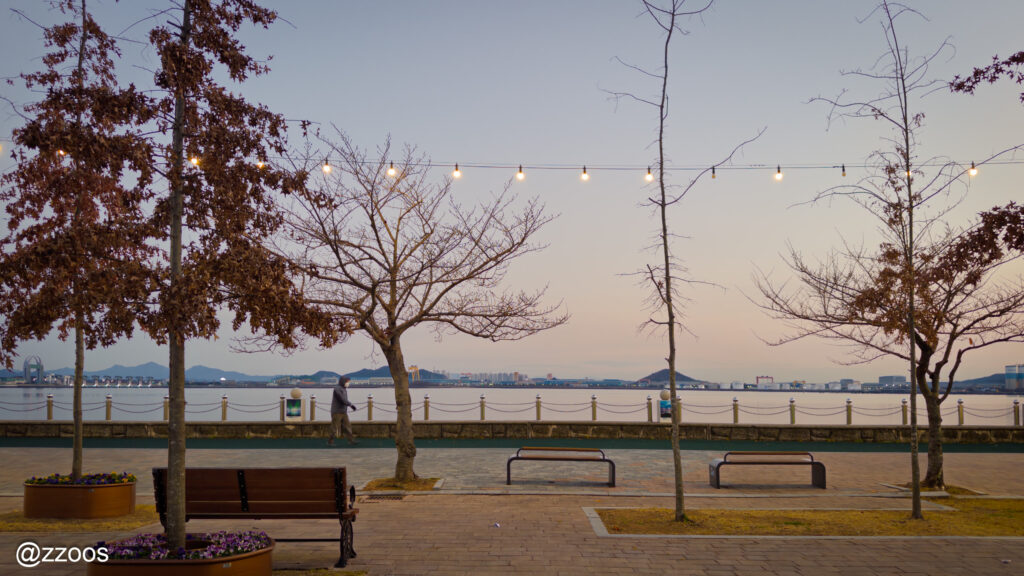
There is sea in the old town,
and there is sea in the new town as well.
Mokpo is a port city.
Wherever you go, you can feel the sea nearby.
(Strangely enough, there is no swimming beach.)
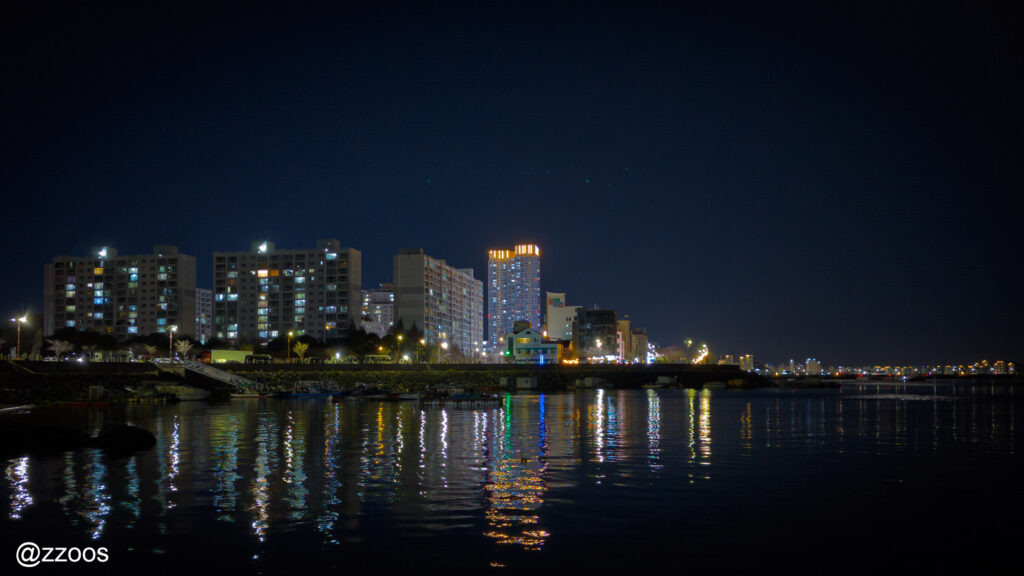
In front of Pyeonghwa Square, the water opens wide.
Beyond the sea, the Daebul National Industrial Complex comes into view.
Pyeonghwa Square is an important place in the new town.
It is a large tourism and commercial area.
Along the waterfront, restaurants, bars, and hotels line the square.
If you move a little farther inland, apartment complexes and residential neighborhoods appear.
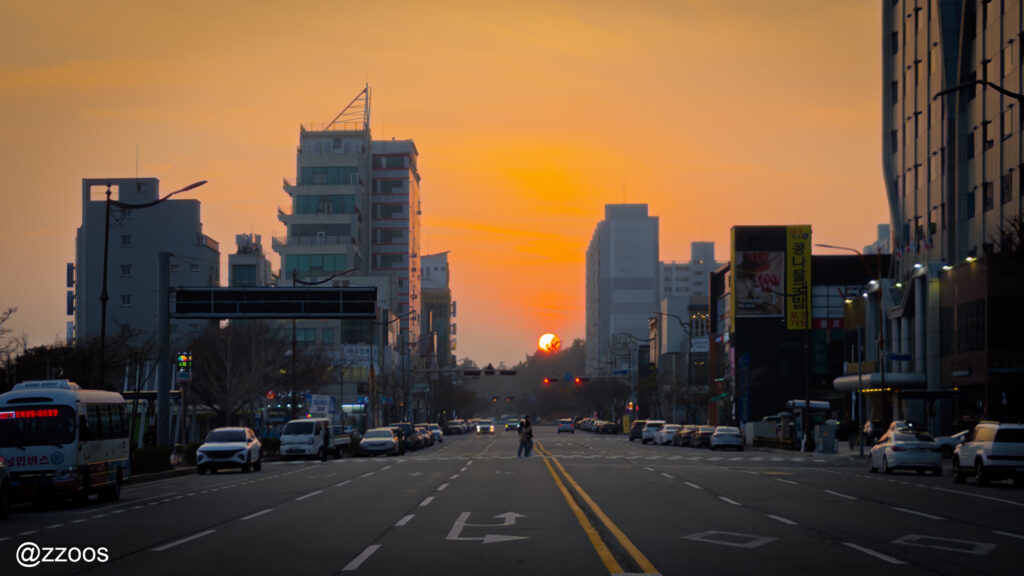
In the evening,
people who live nearby come out for walks.
Young couples visit for dates.
Become a member
Most famous restaurants from the old town
have branch locations in this area.
If you want to enjoy Mokpo’s food without moving around too much,
sleeping near Pyeonghwa Square and visiting these branches
is a practical option.
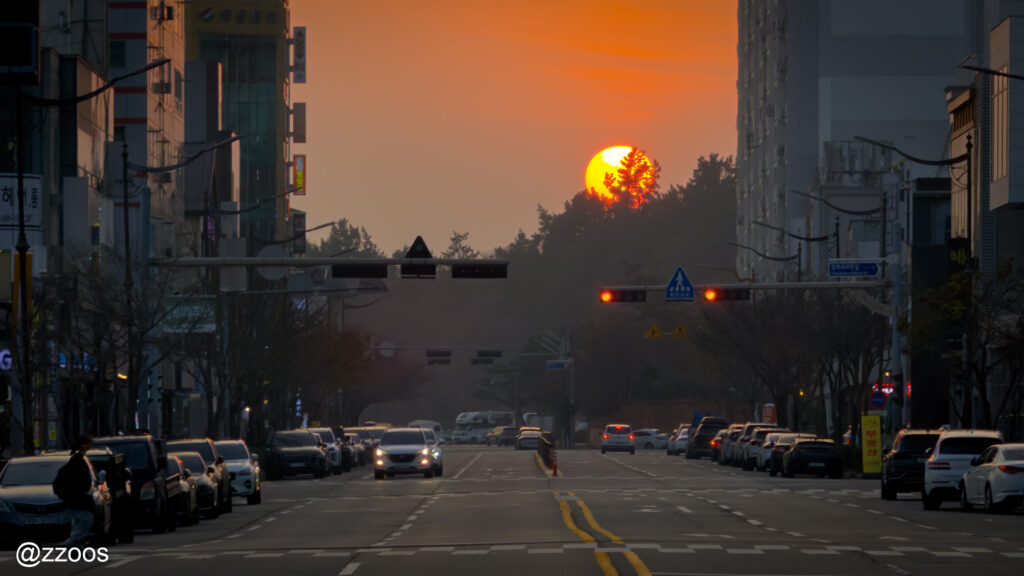
I slept here for all four nights.
When I stepped out of the hotel, the sea was right in front of me.
The atmosphere was better than I had expected.
The square is spacious, with open views.
It is well suited for jogging or quiet evening walks.
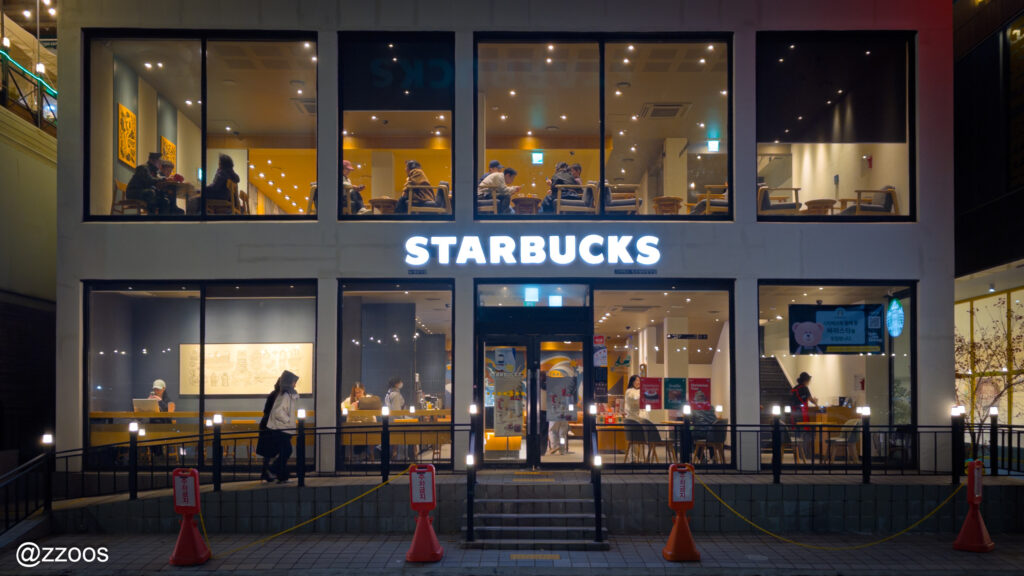
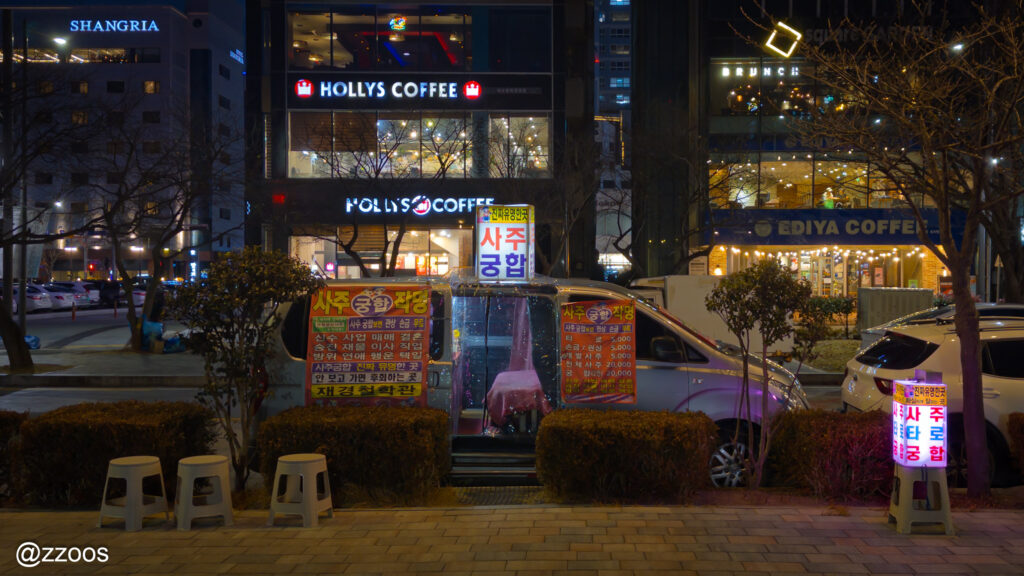
Convenience stores, restaurants, fast food places, cafes —
nothing is missing.
There is also a very large Daiso, which makes it easy to buy anything you suddenly realize you need.
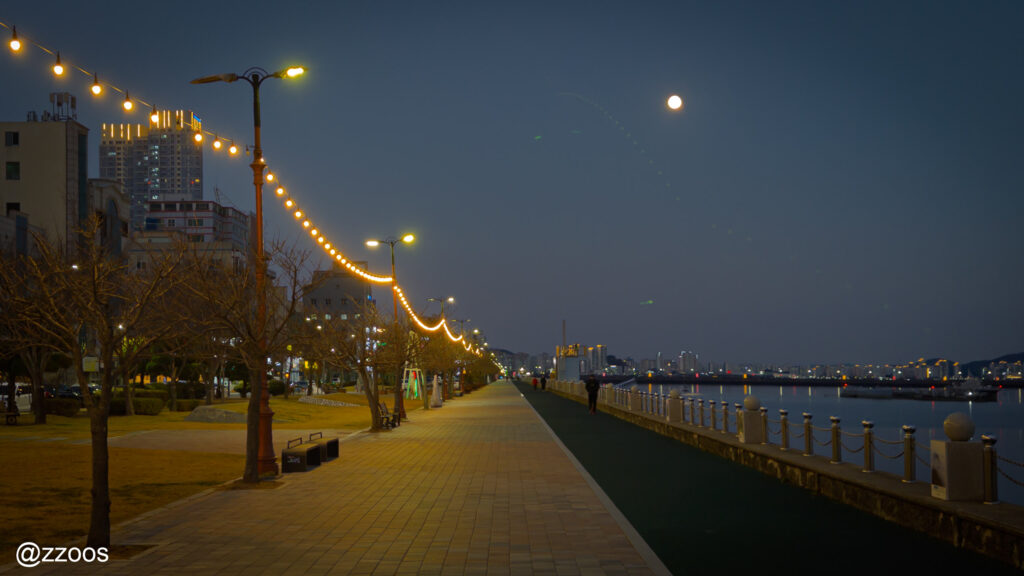
Choosing a hotel near Pyeonghwa Square felt like the right decision.
The condition of the hotel was very good.
There was one inconvenience, common in domestic trips.
No basic toiletries were provided.
If I had known this in advance,I would have packed properly.
I have grown used to overseas travel, thinking,
“Hotels always provide these things.”
Since this follows a national guideline,
there was nothing I could do.
Is Hadang New Town, and Pyeonghwa Square, only about a park and the sea?
Not quite.
Even if you sleep in the old town,
there is a reason to come here at least once.
If you look at tourist maps near Mokpo Station,
this place always appears.
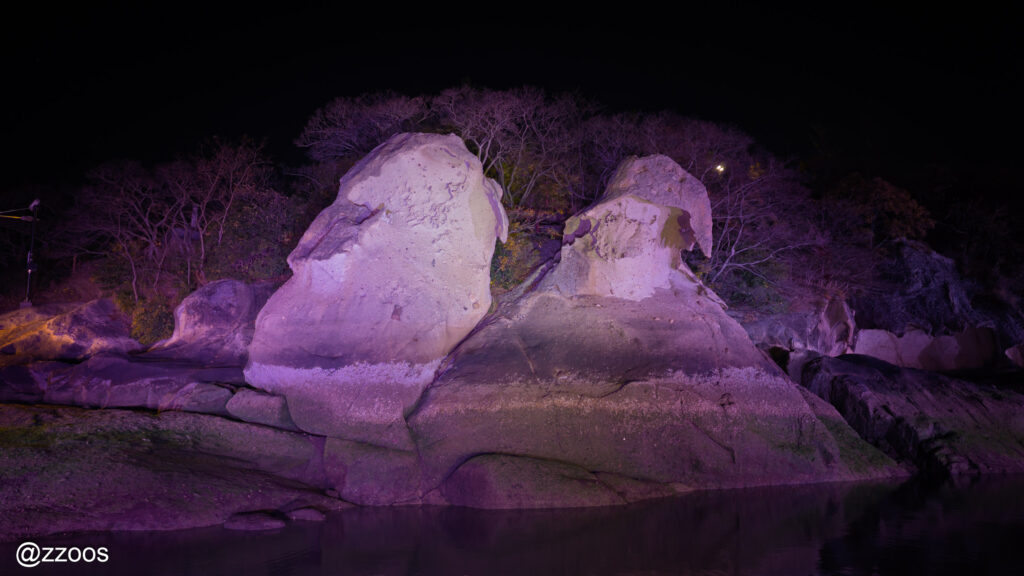
That place is Gatbawi.
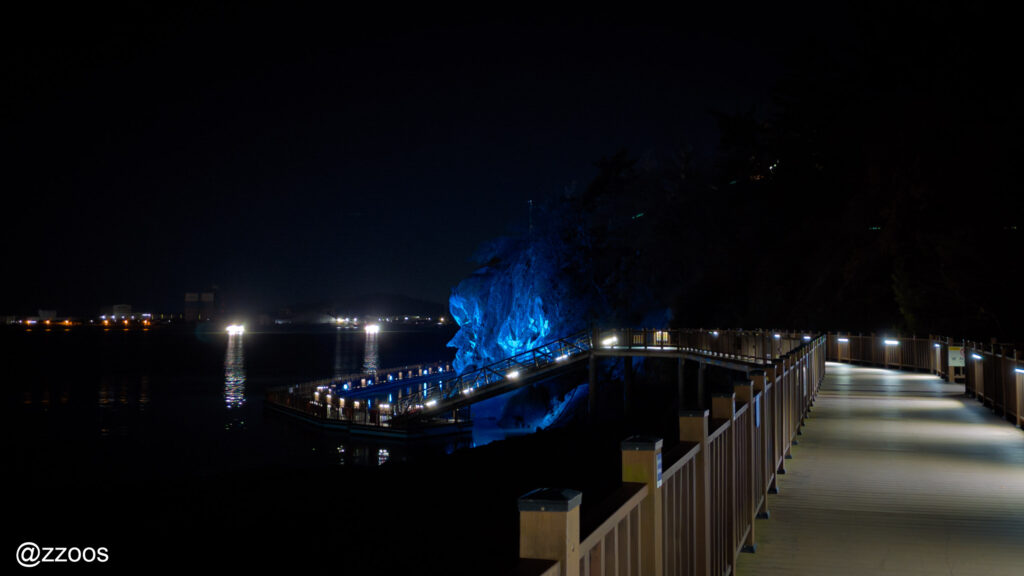
From one end of Pyeonghwa Park, a wooden deck path leads all the way to Gatbawi.
It is also a good place to visit at night.
After dark, the lights change constantly, illuminating the rocks by the sea.
In the end,
this is what I want to say.
The real charm of Mokpo clearly lies in the old town.
Long-established restaurants, houses built during Japan’s colonial rule, and former government buildings come together to create a unique atmosphere, all of them found there.
The train station and the port are also in the old town.
Walking in Mokpo means walking through the old town.
However,
Mokpo is not made up of the old town alone.
Sleeping in the new town is a very reasonable choice.
The hotels are more comfortable, and it allows you to experience both sides of the city.
It takes about 25 minutes by bus, or 10 minutes by taxi.
It is not so far.

Leave a Reply