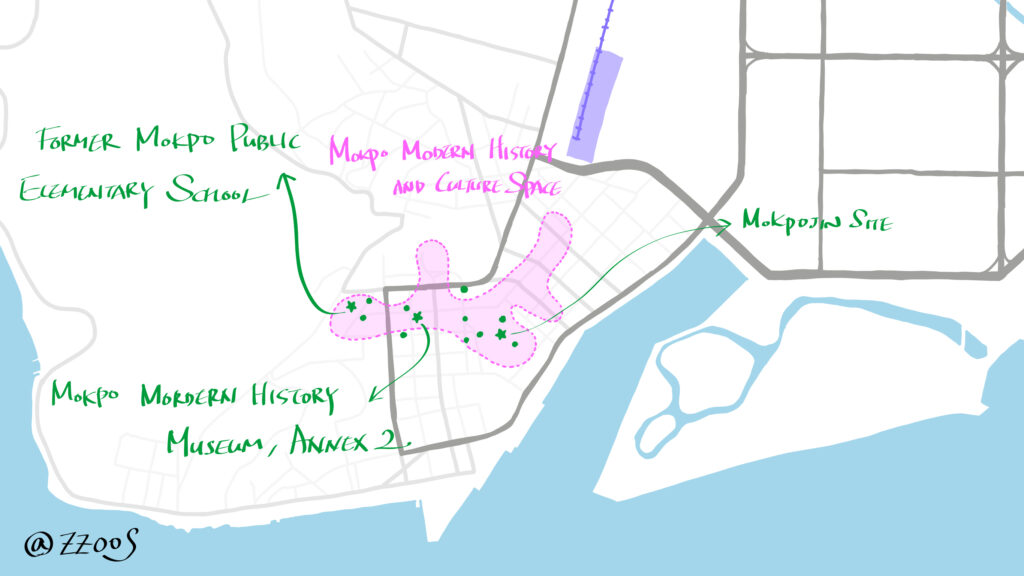
I walk through the old downtown. I walk slowly through Mokpo’s old downtown.
Winter is harsh, but the wind from the southern sea is more bearable than the one in Seoul.
With the afternoon sunlight added, the walk feels quite manageable.
No matter which alley of the old downtown you walk through, you can feel Mokpo’s unique atmosphere,
but it helps to set destinations along the way, at least to decide which direction to head toward.
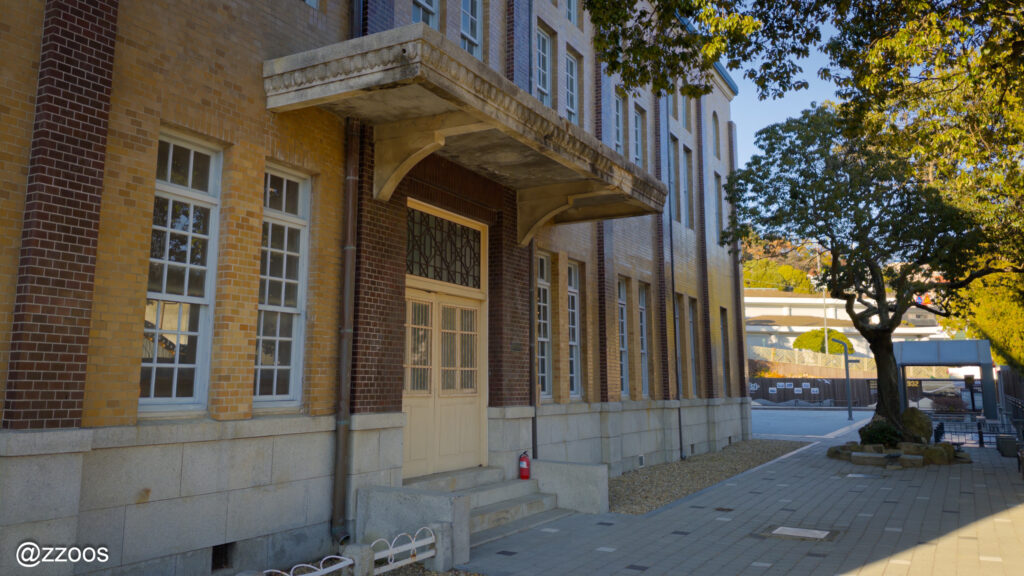
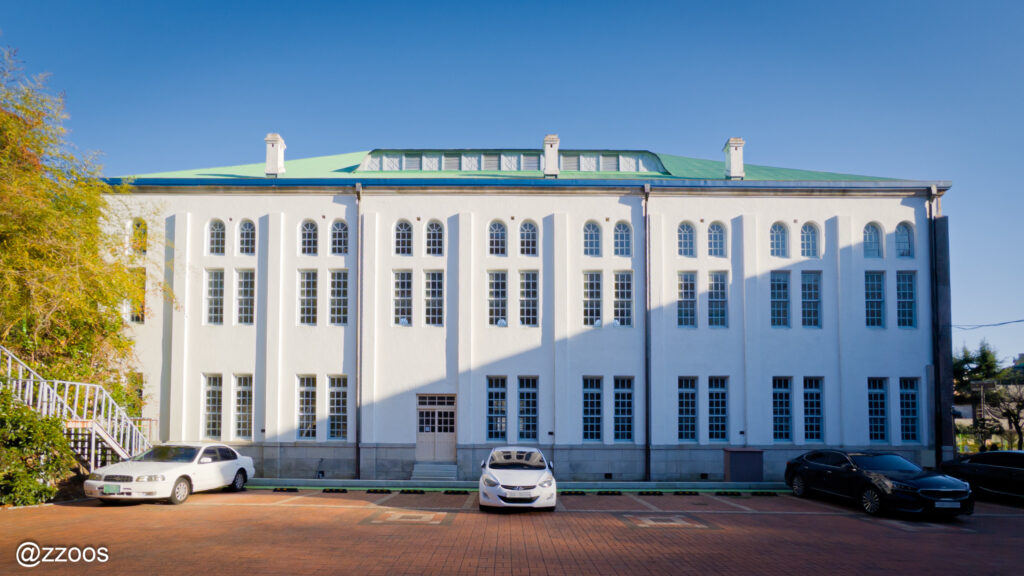
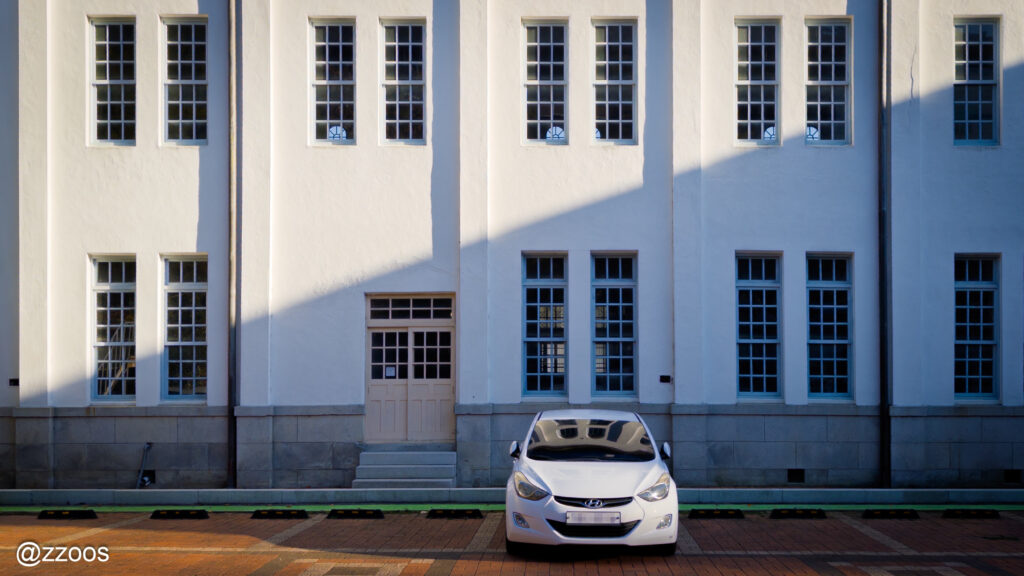
The first destination I chose was Mokpo Yudal Elementary School.
Part of Mokpo’s old downtown has been designated as a nationally registered cultural heritage site,
and this place is located at the western end of that area.
During Japan’s colonial rule, this was the site of Mokpo Public Ordinary Elementary School,
and one building still remains today.
It seems the first floor was used as classrooms and the second floor as an auditorium,
but after being repurposed for other uses,
it is no longer in use due to safety concerns.
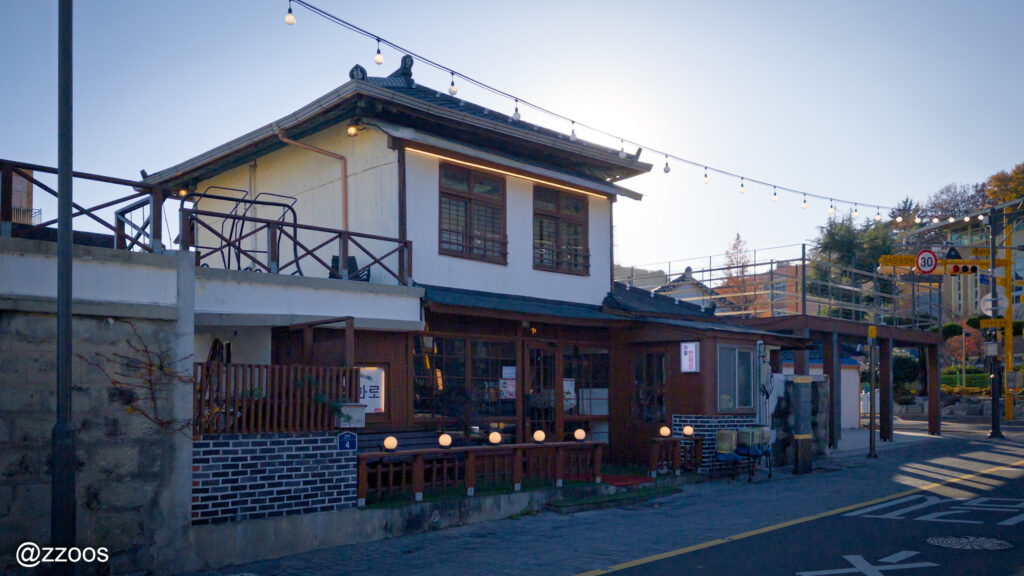
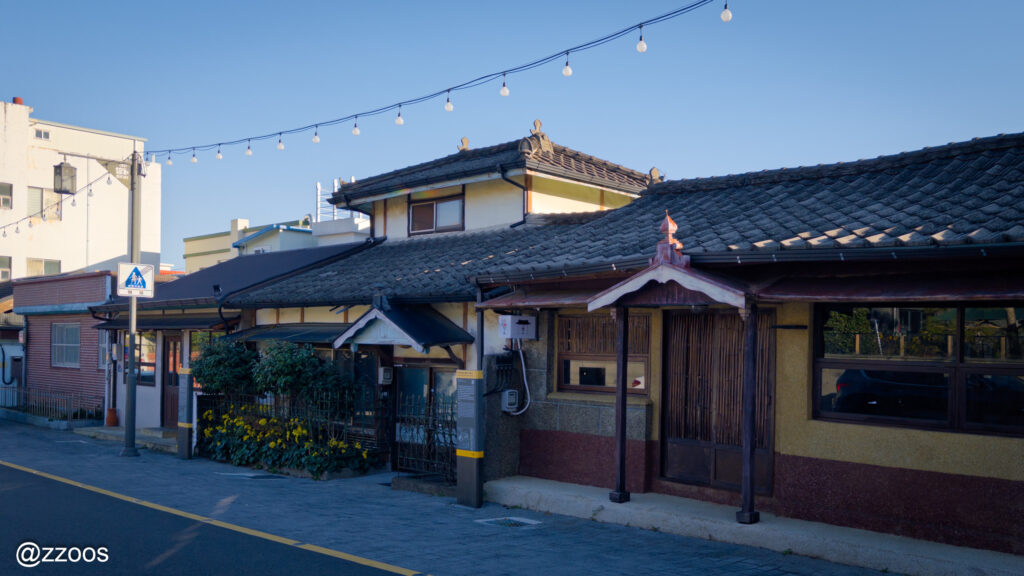
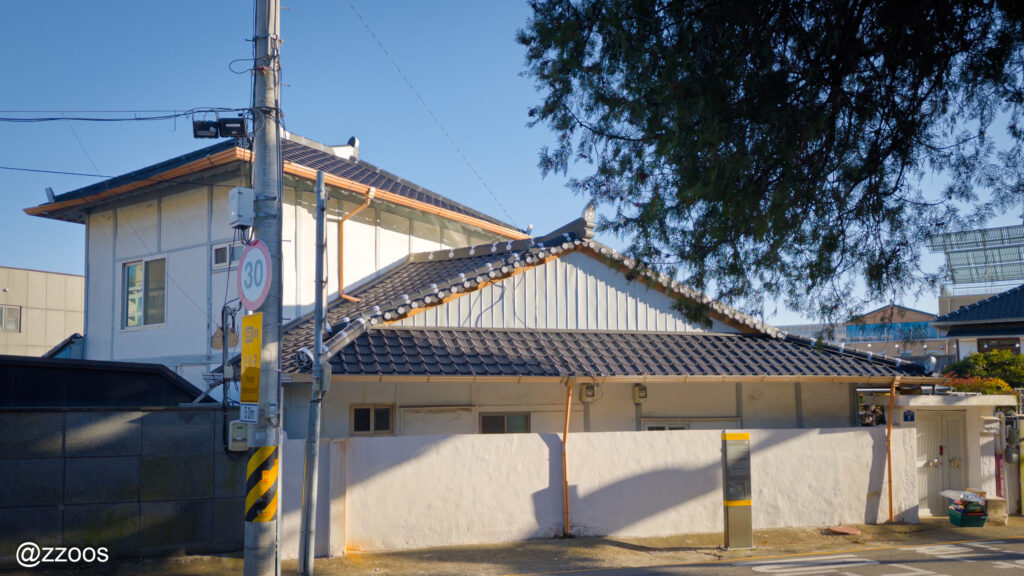
Near Yudal Elementary School, as if signaling the beginning of the historical and cultural area,
many Japanese-style wooden buildings can be seen,
apparently built during Japan’s colonial rule.
These buildings are actually registered as national cultural heritage sites.
Some are still used as residences,
while others have been converted into cafés or restaurants.
Perhaps because of this,
the atmosphere of these streets sometimes feels similar to that of Gunsan.
4 p.m.
The sun has already tilted far toward the horizon.
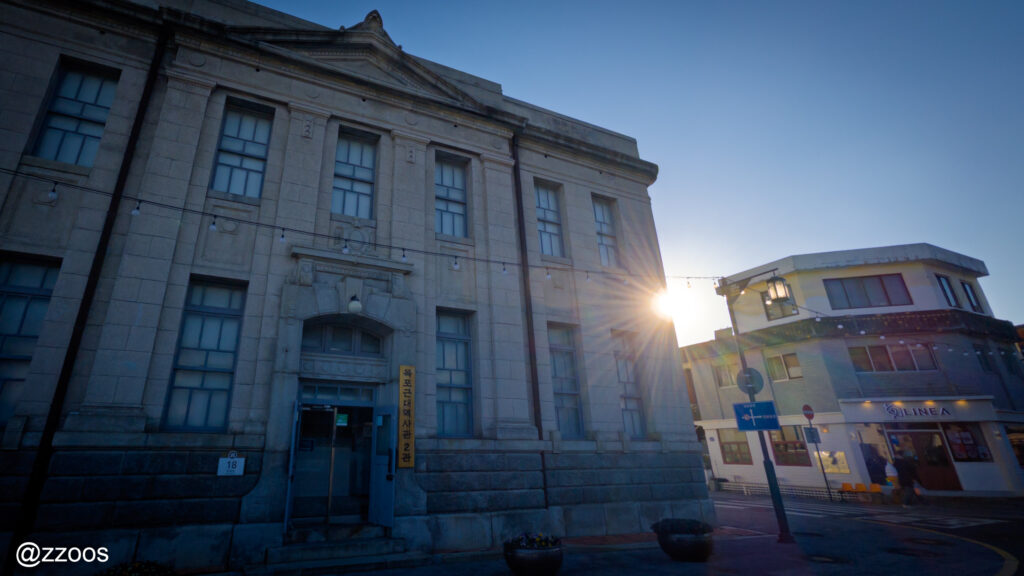
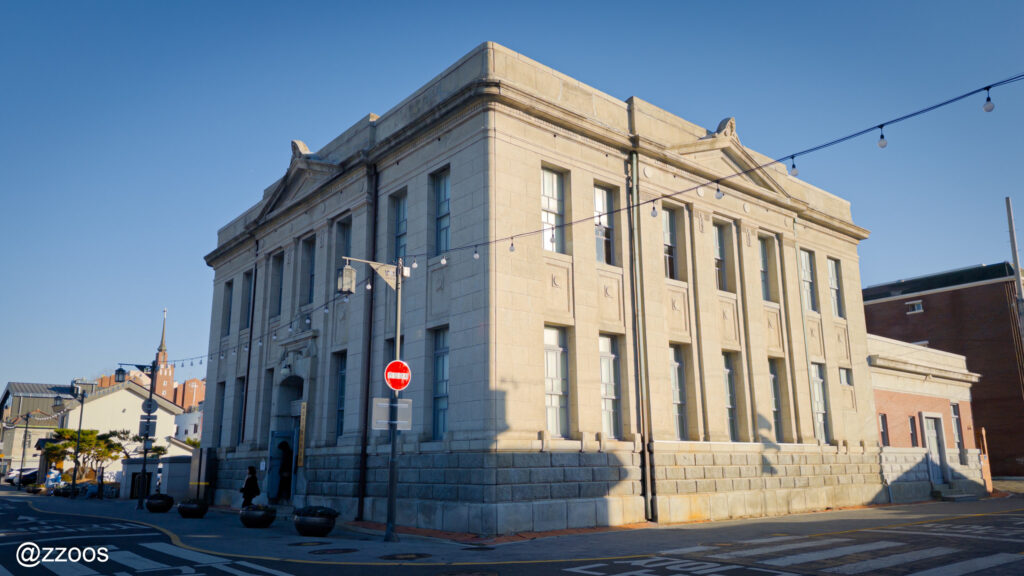
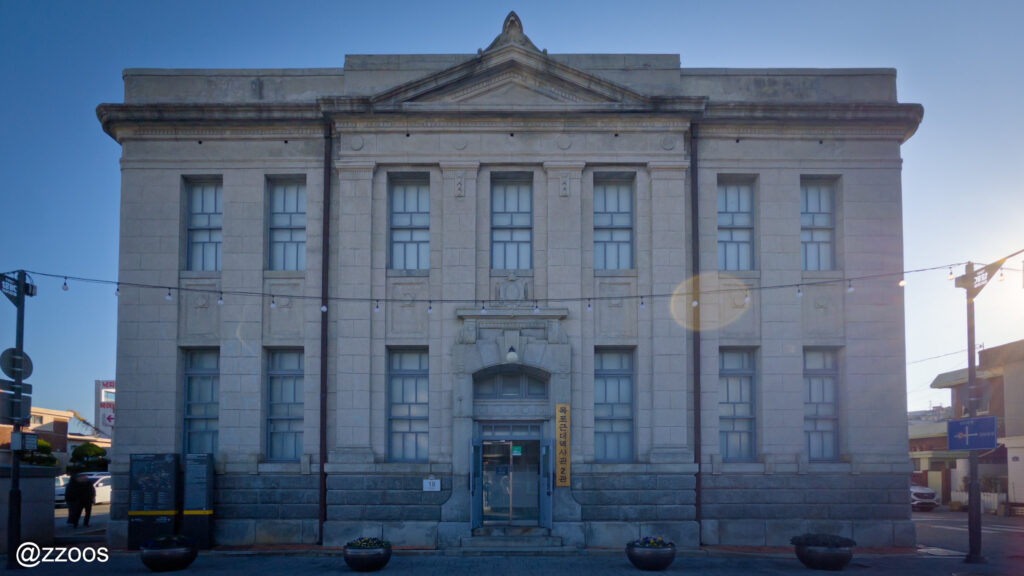
This time, I visited Mokpo Modern History Museum, Annex 2.
During Japan’s colonial rule, this building was used as the Mokpo branch of the Oriental Development Company.
Although it was called a joint-stock company,
in reality it functioned as an institution that adjusted the colony’s economic structure to favor the Japanese mainland
and carried out the exploitation of resources.
Along with Mokpo Modern History Museum, Annex 1,
which was used as the Japanese consulate,
these two buildings stand on sites that once housed the core institutions of the colonial governing system.
The fact that both buildings are now used as museums,
serving to ensure that this history is not forgotten,
also carries deep significance.
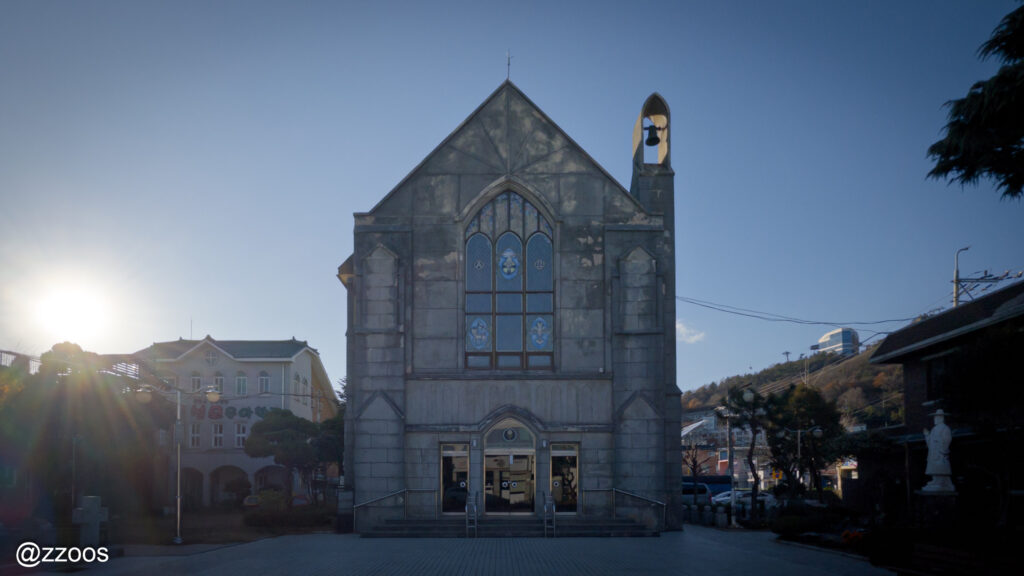
Nearby stands Gyeongdong Cathedral.
This cathedral is said to have been built in 1954, shortly after the Korean War.
If we imagine it as a place that may have offered comfort to people
during a time filled with sorrow in Korea’s modern history,
then calling Mokpo’s old downtown
“a place where Korea’s modern and contemporary history is layered upon itself”
does not feel like an exaggeration.
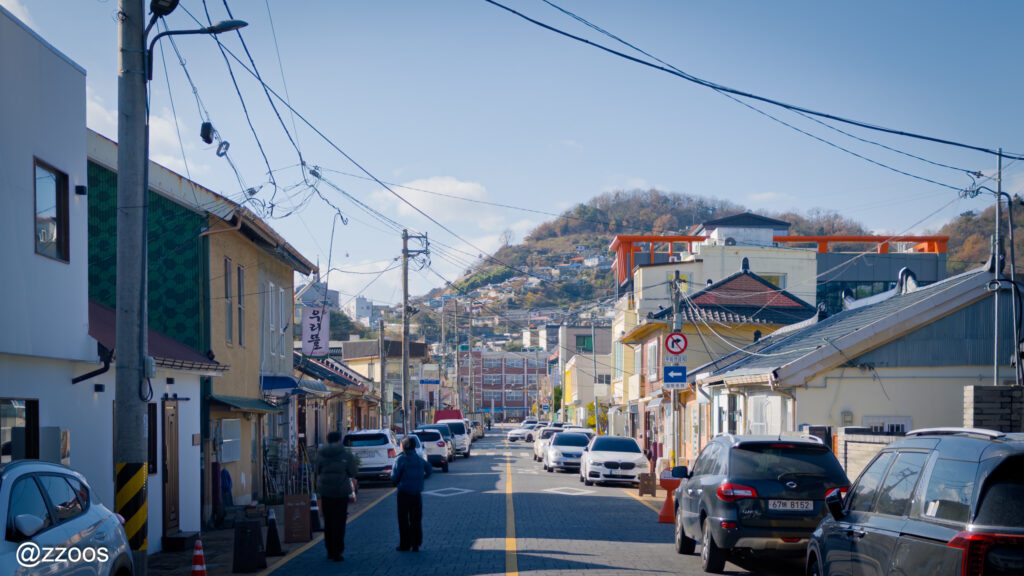
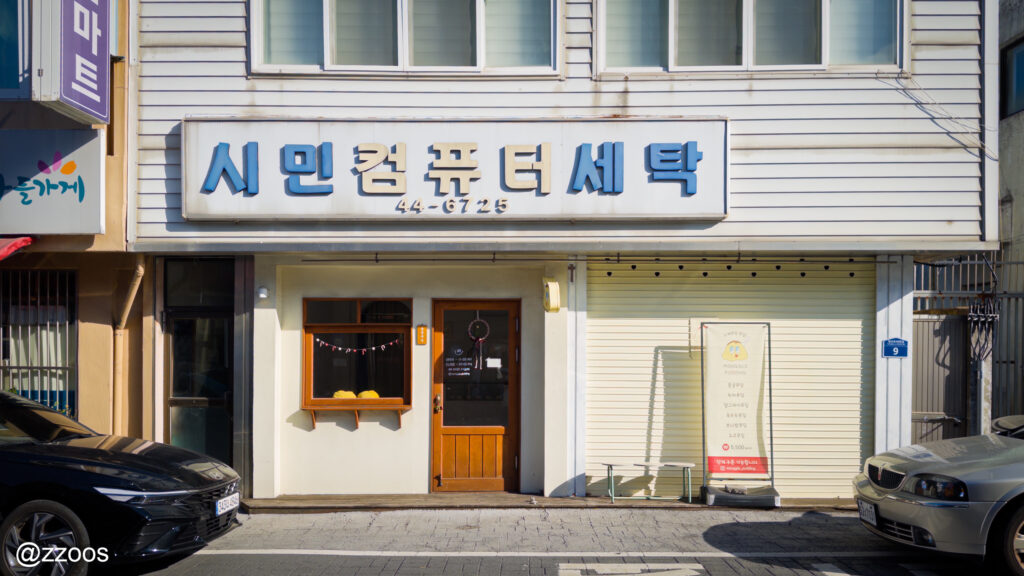
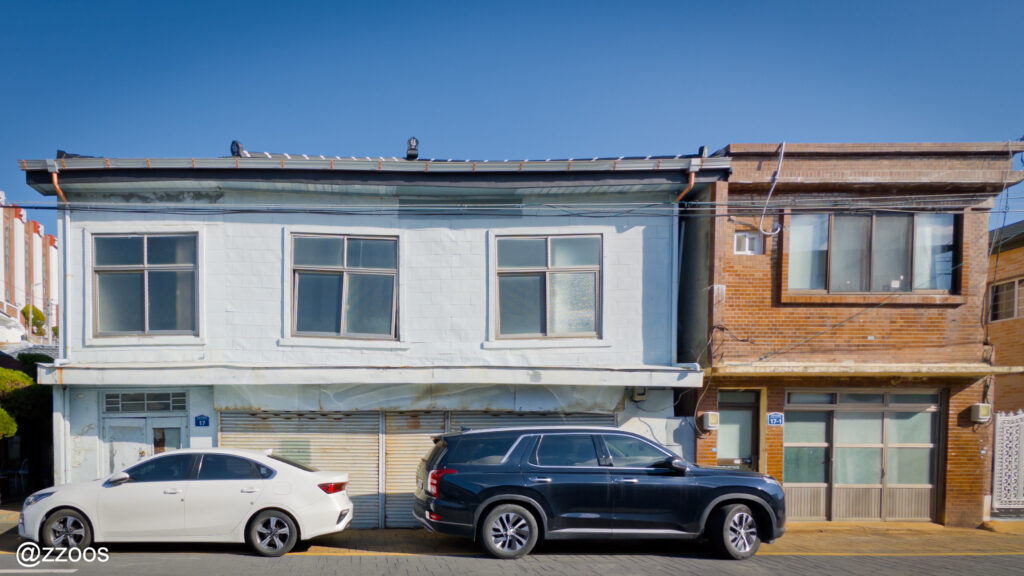
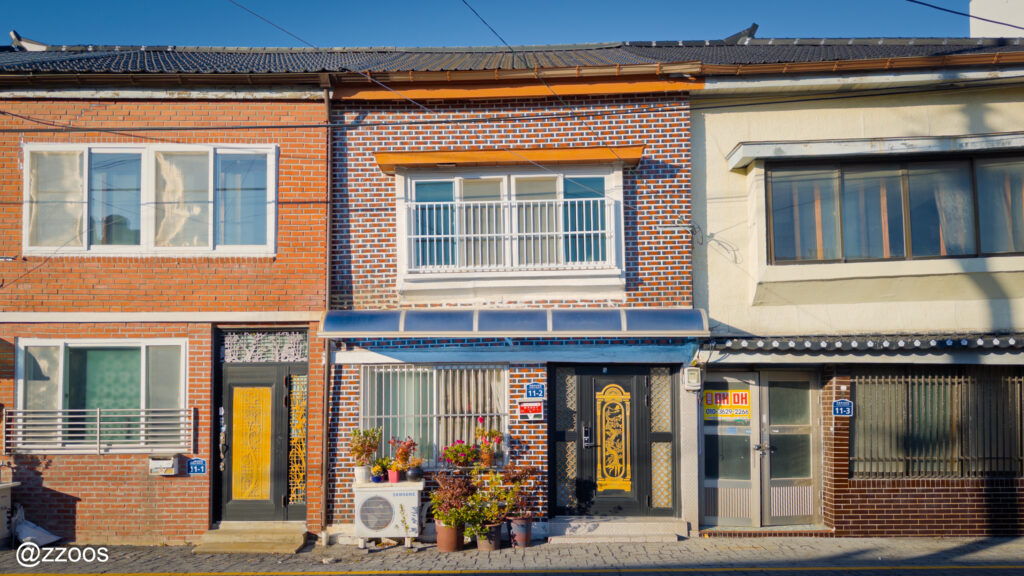
As you continue walking through the old downtown,
you will encounter many buildings whose construction dates and architectural styles are hard to determine.
Yet somehow, they feel familiar,
bringing back memories from childhood.
I recall seeing many similar buildings
in Yeongdo, Busan, where I spent my early years.
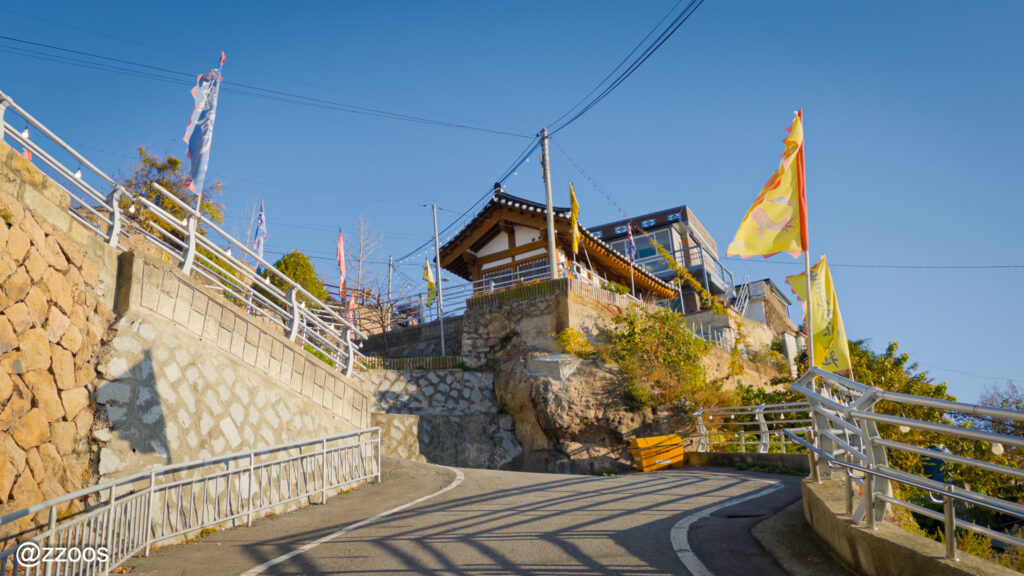
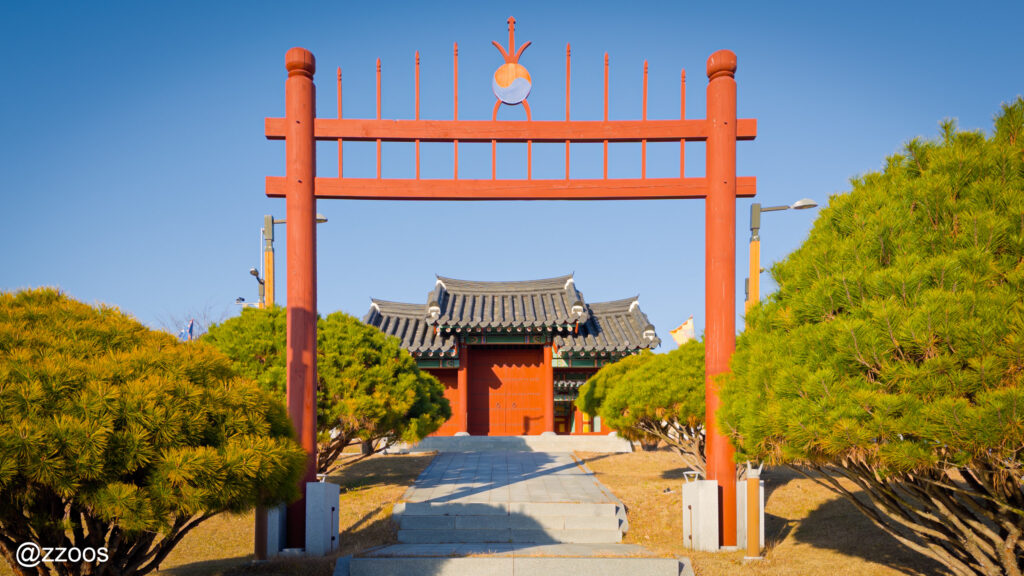
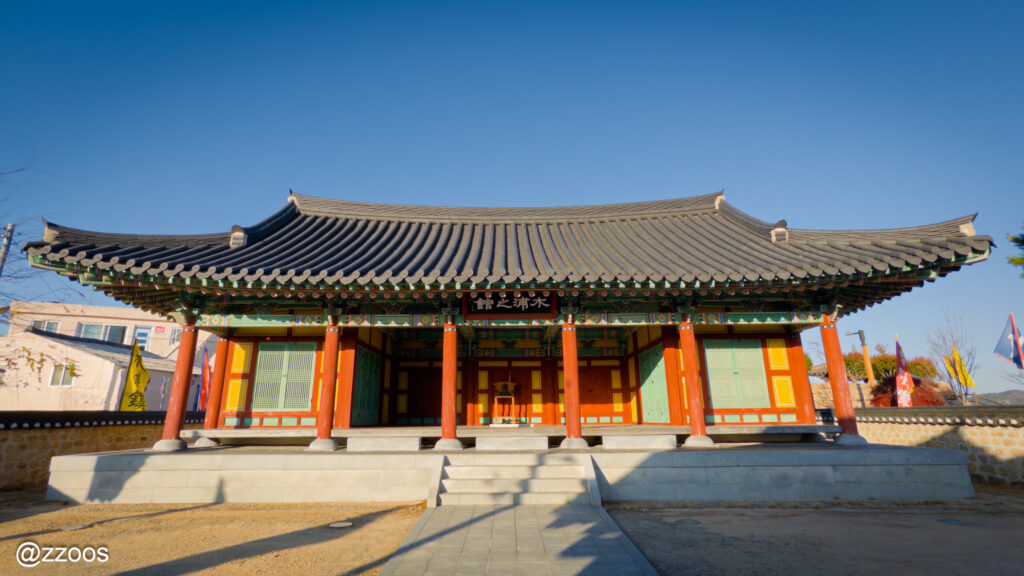
After climbing a fairly steep path,
I came to visit Mokpojin Site.
This is where Mokpojin once stood,
a naval garrison where Joseon-era naval forces were stationed in the late Joseon period.
At the time, Mokpo had not yet developed into a proper city.
It was merely a small settlement,
with naval forces stationed here,
a small port,
and nearby farmers and fishermen living around it.
That would mean that at Mokpojin,
it was not a civil magistrate appointed by the government,
but rather a naval commander who carried out official duties.
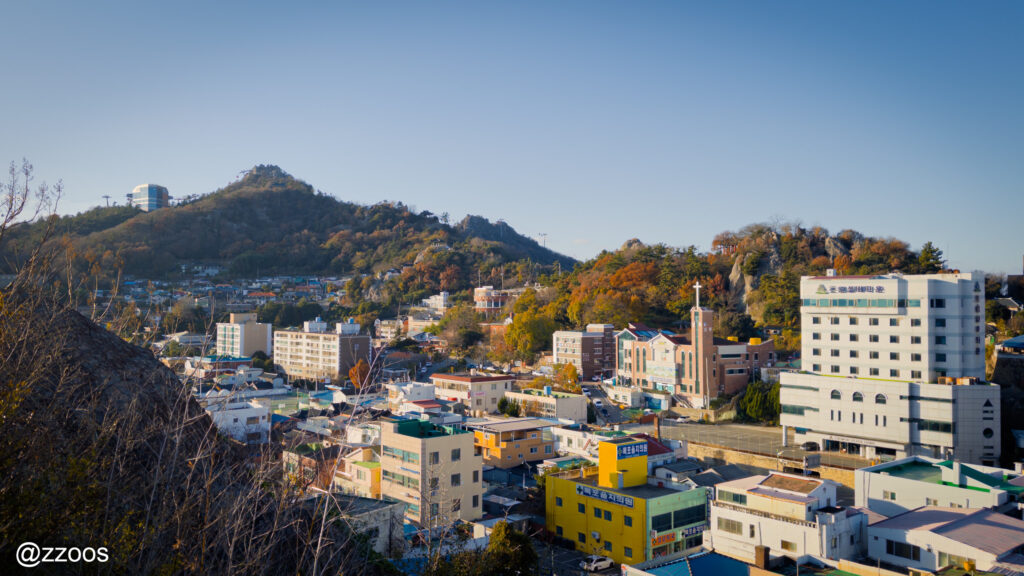
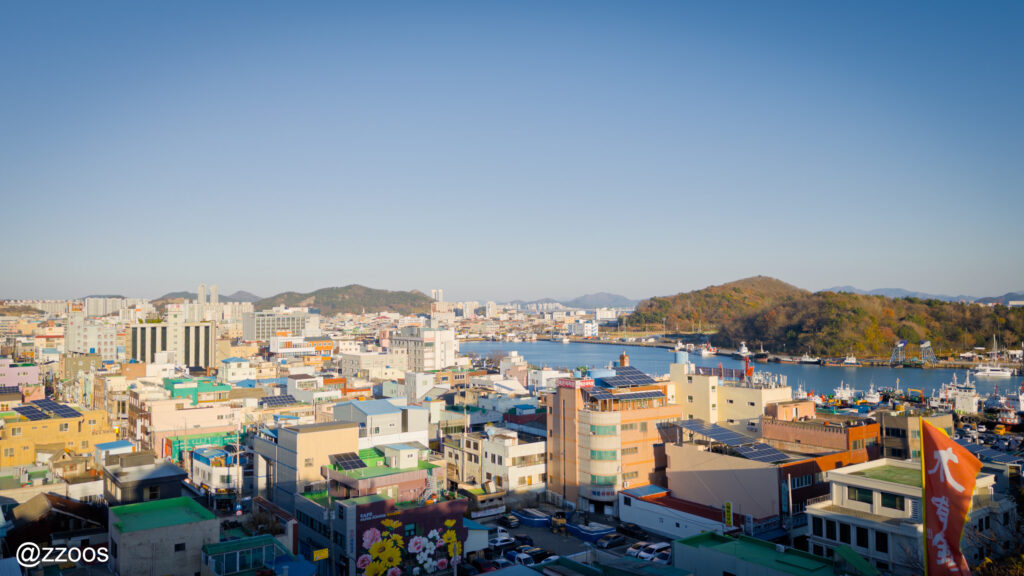
The reason Mokpojin was located on a hill
was likely because it allowed a clear view of the surrounding sea.
Even today, you can look out over both the city of Mokpo and the nearby waters.
The scenery may be less impressive than taking the cable car or climbing Yudalsan,
but for a view reached by a light walk while strolling through the old downtown,
it is a fairly rewarding sight.
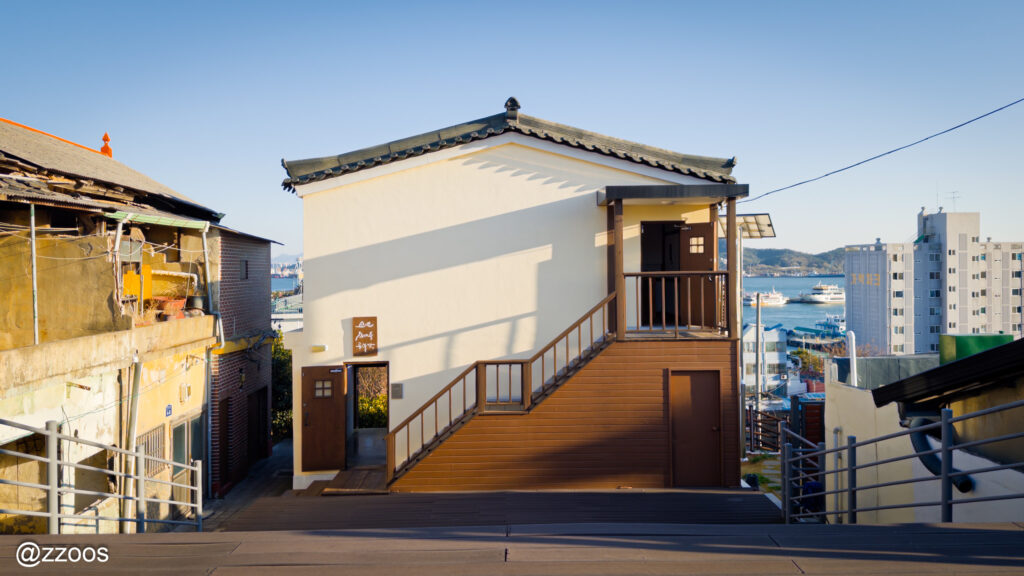
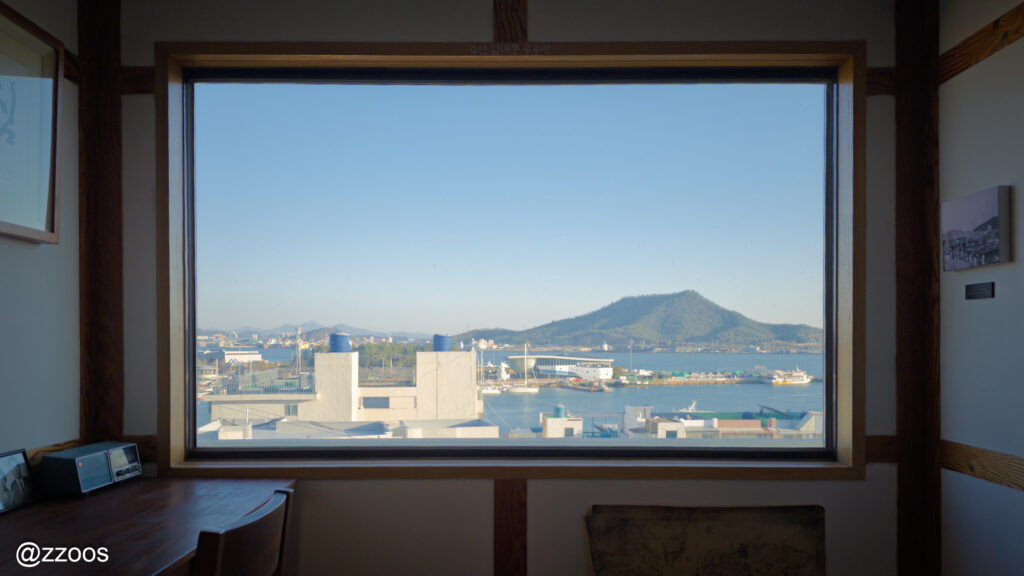
Lastly, this small museum is known as the Kim Dae-jung Childhood Study Room.
It is a commemorative space created in the building
where former President Kim Dae-jung, the 15th President of the Republic of Korea,
studied during his childhood in Mokpo.
It is a small and modest building,
but it has been carefully maintained.
From the second floor, where a desk is placed,
you can see Mokpo’s port and the sea through the window.
I do not know what thoughts the former president had while looking at this view,
but for me,
a different concern began to take shape—
…
what I should have for dinner.

Leave a Reply