The second day of the trip began. Unfortunately, I wasn’t in great shape. Probably because I drank until late last night. I couldn’t even manage lunch and just stayed in bed.
It was well past lunchtime before I finally got up. I still didn’t feel great, but I couldn’t write off the whole day.
On my last trip to Kagoshima, I drank too much shochu on the first day and ended up hungover then too. And here I am again. Next time I really need to be careful. Getting carried away by the excitement of the first day in Kagoshima and drinking too much shochu is a very dangerous thing.
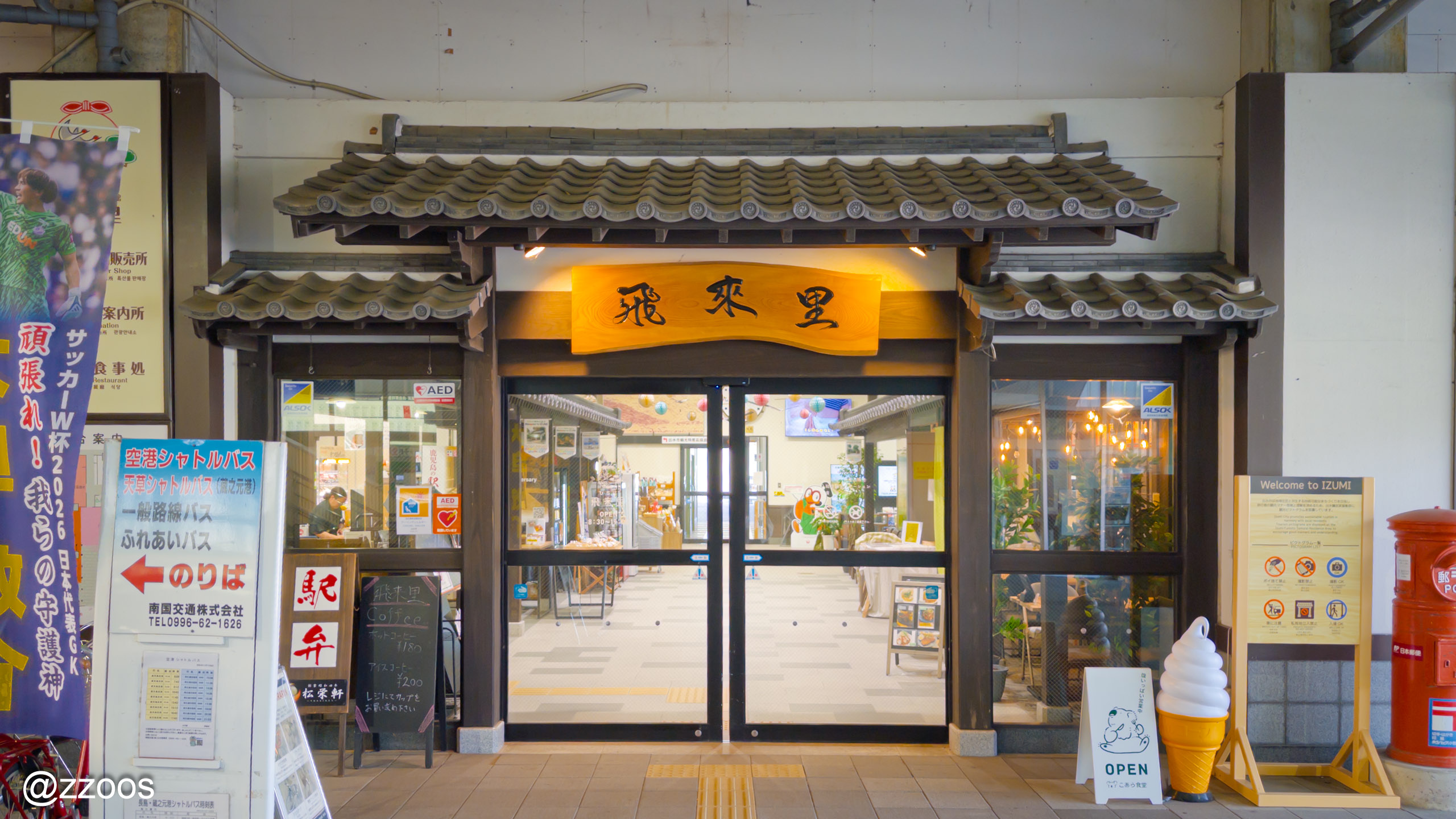
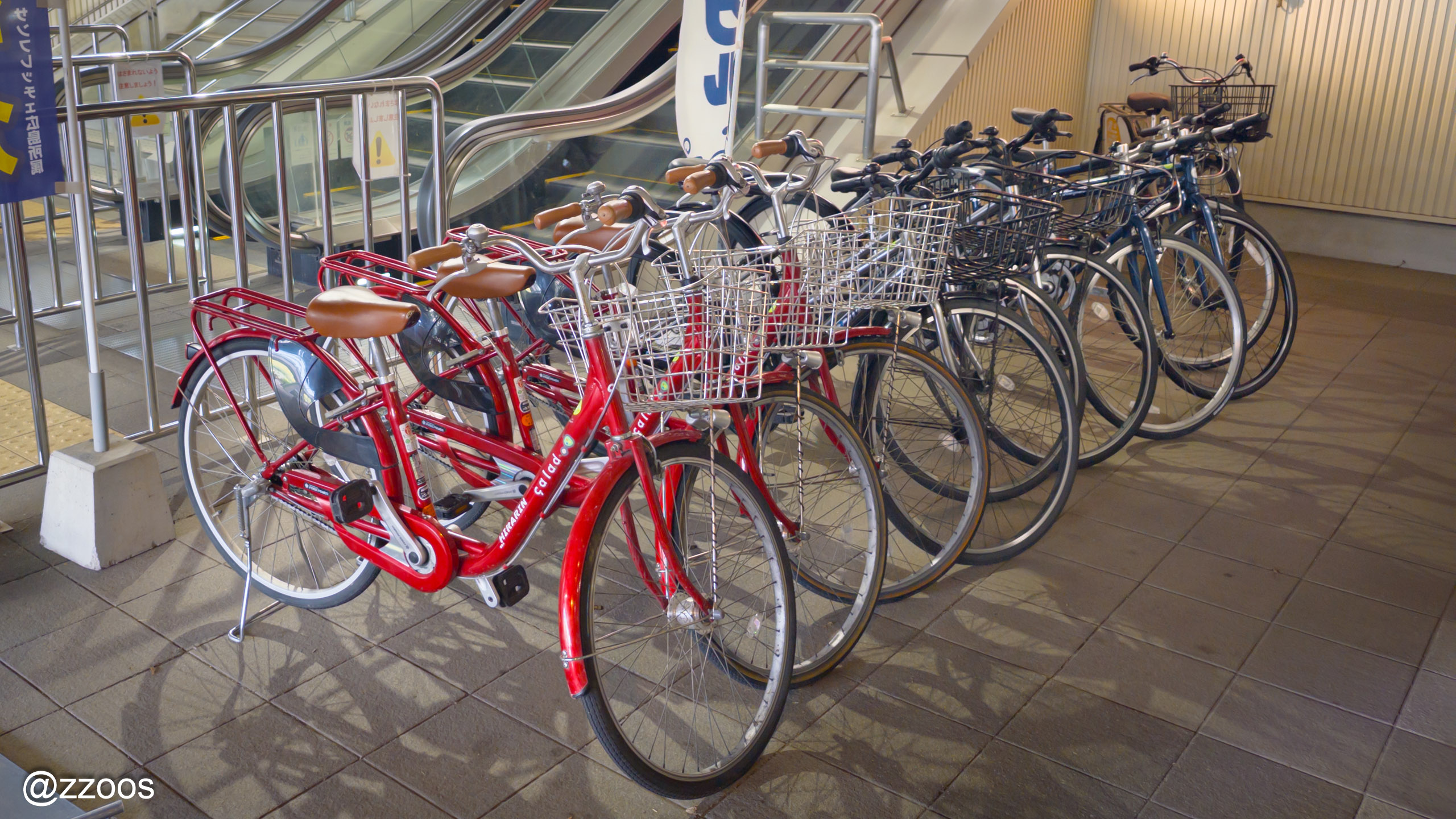
:: Renting an electric bike at Hirari, Izumi’s tourist information center
At Izumi Station you’ll find a tourist information center called Hirari(飛来里). It’s not just tourist information — there’s a restaurant too, and they sell local specialty products. More like a small shopping mall.
Izumi is a city that draws a lot of visitors who come to watch migratory birds. Cranes especially, so there are pictures and photos of cranes all over the place. Even the name of this place, Hirari, comes from hirarito(ひらりと) — the image of a crane landing lightly.
On Google Maps it looks like it’s outside the station, but it’s right inside the east exit of Izumi Station. So easy to find that missing it would be the hard part.
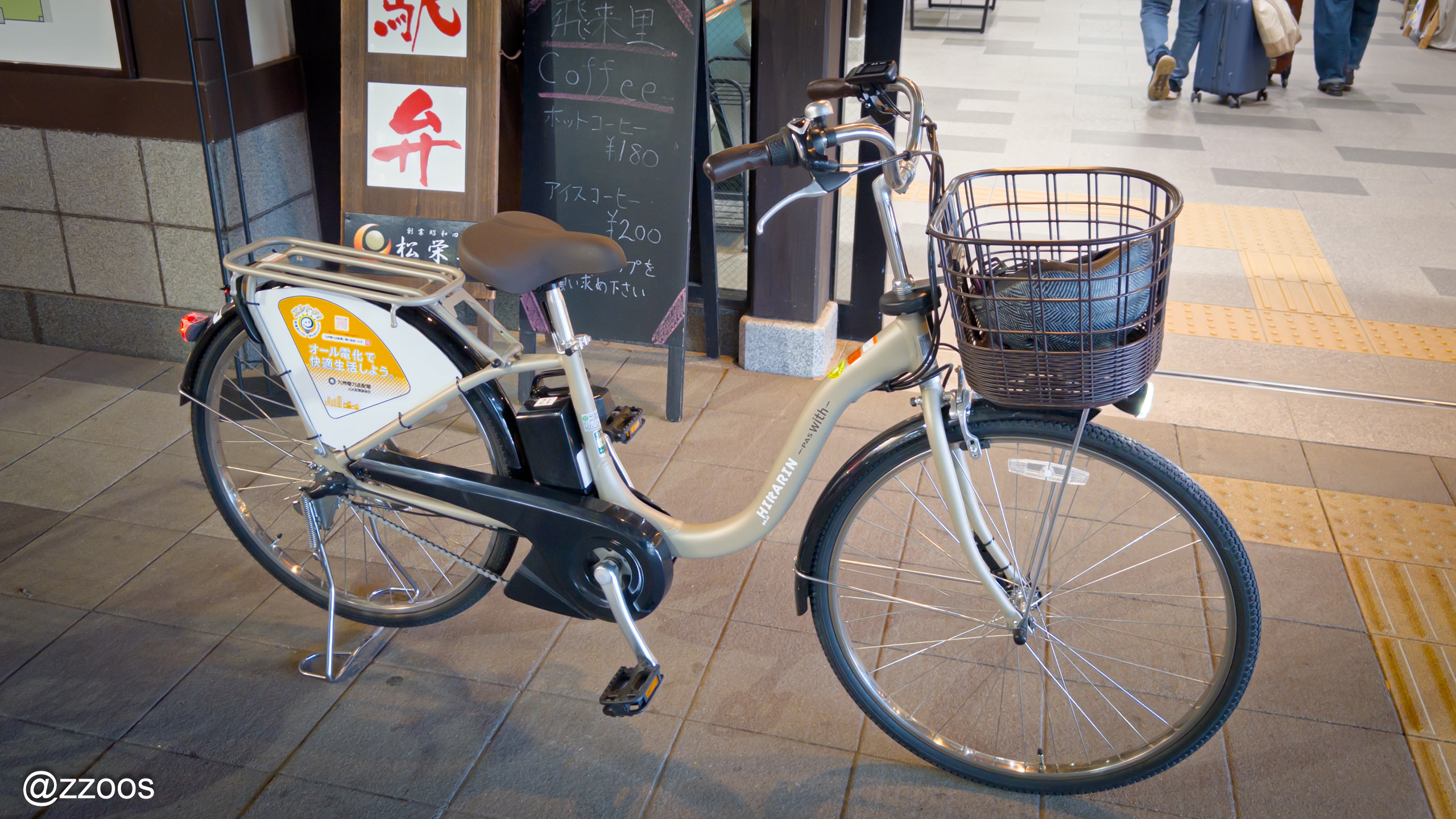
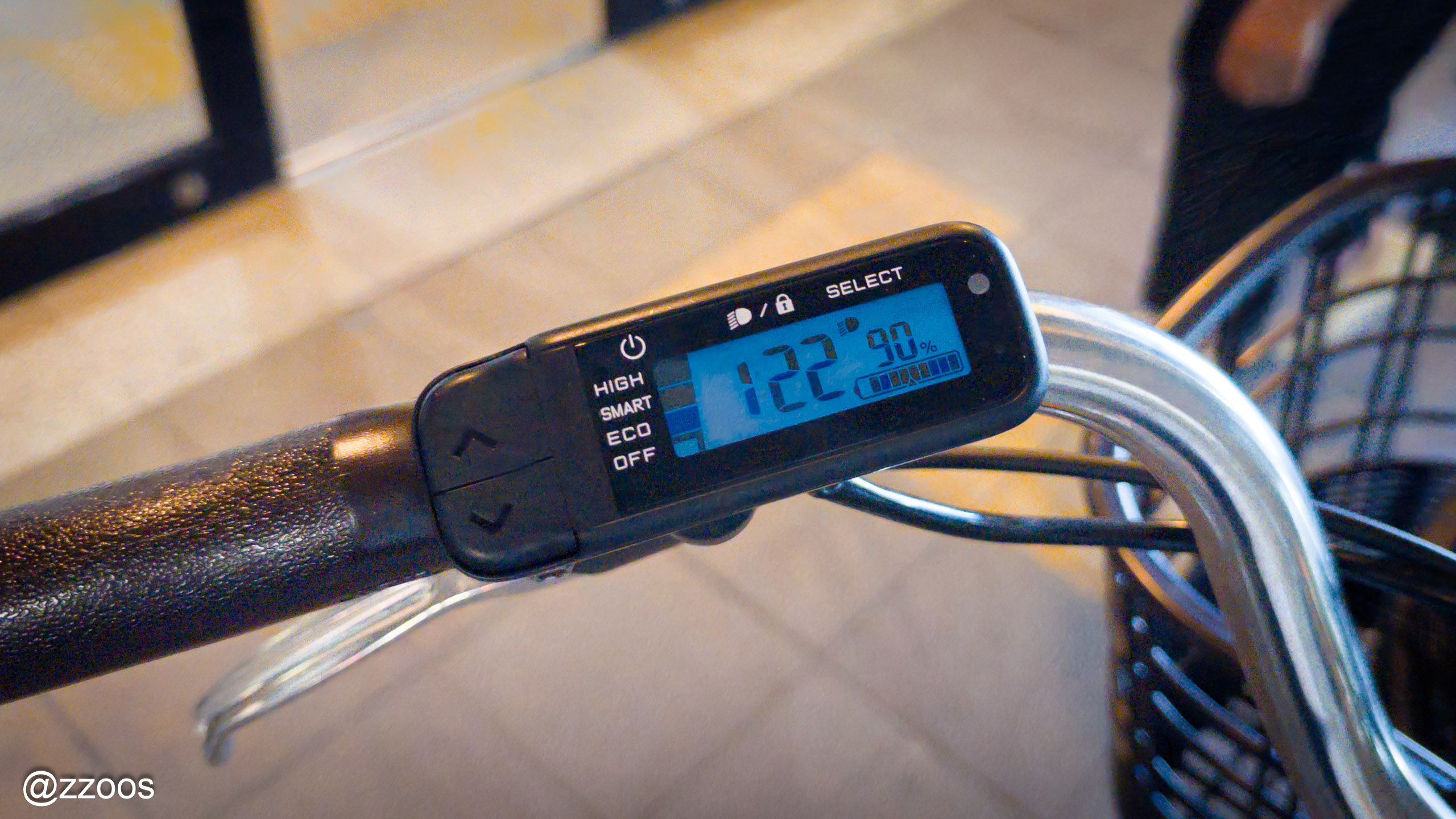
And here at Hirari they also run a bicycle rental service called HIRARIN. Riding a bike around in midsummer sounds like too much work, but look closer and you’ll see electric assist bikes are available too. 1,200 yen for four hours, which is pretty cheap.
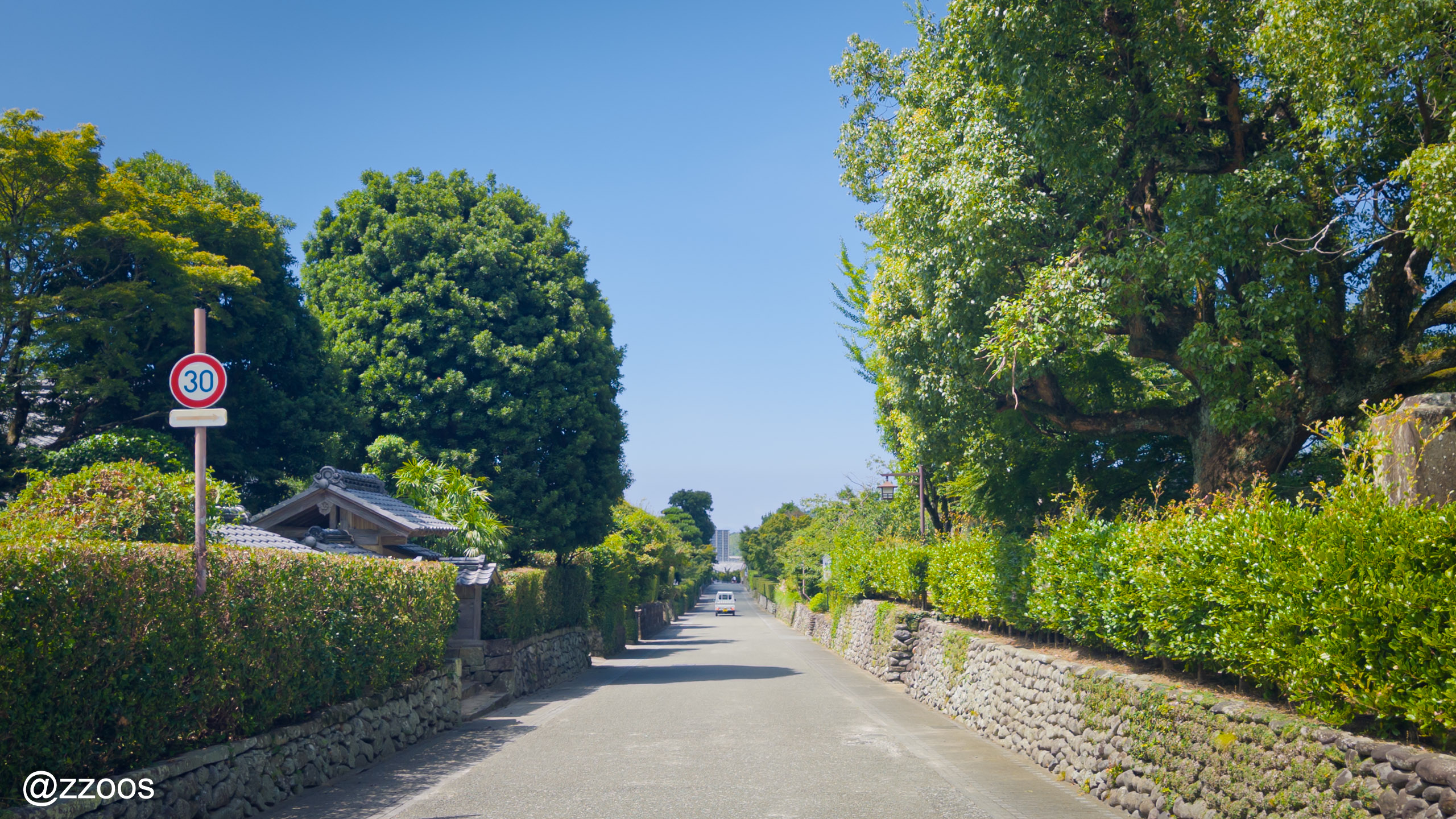
Today’s destination is a neighborhood called Fumoto(麓町). Apart from crane watching, it’s the most famous sight in Izumi. It’s a neighborhood where the houses of Satsuma Domain samurai are gathered together.
A neighborhood where samurai lived — sounds a lot like Nagamachi(長町) in Kanazawa, doesn’t it? I’m curious how the samurai of Satsuma Domain lived differently from the samurai of Kaga Domain, or whether it was much the same.
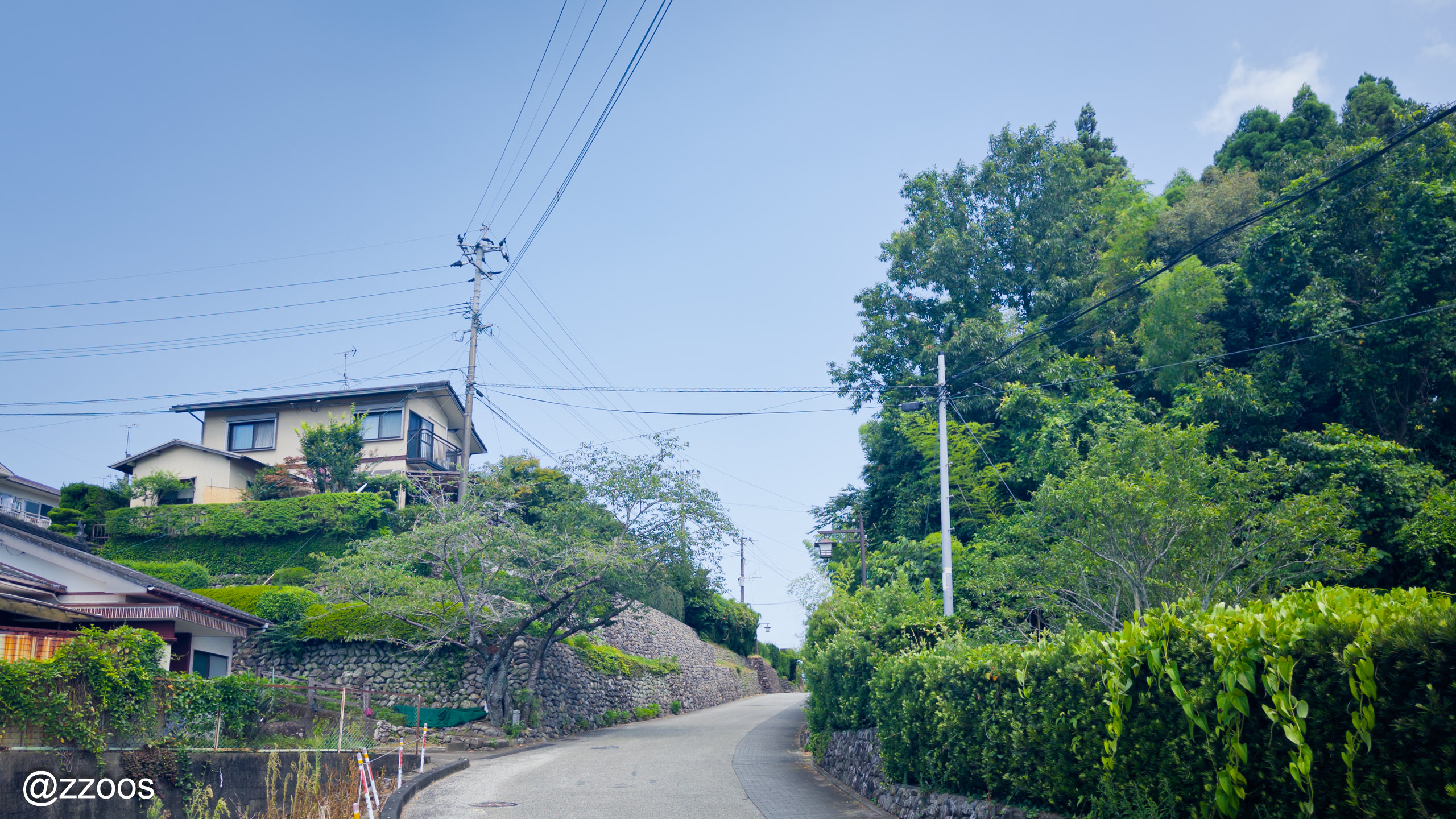
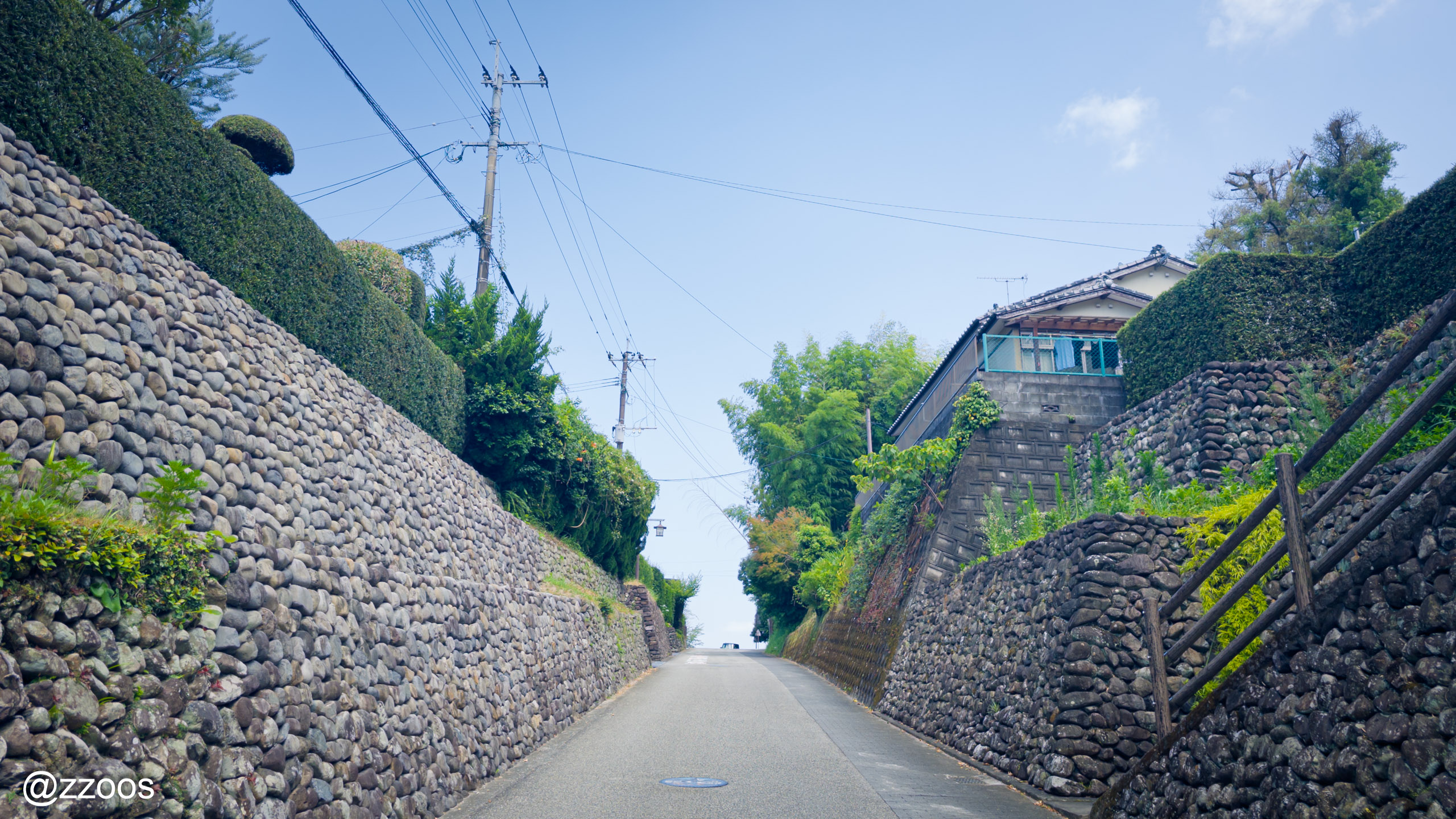
Summer in Kagoshima, and the weather in Izumi wasn’t as humid as I expected. The thing about summer in Korea and Japan is that it’s often the humidity, not the temperature, that’s the problem. But today there was clear sky and hot sun without much humidity, so when the wind blew it actually felt cool.
Which made getting around by bike really pleasant. I think choosing a bicycle to tour Izumi is a good call. That said, there are uphills and downhills, so rent an electric bike if you can. There are only two of them, so it might be better to reserve one.
I visited at the end of July, off-season for travel, and I could rent an electric bike without a reservation.
:: To look into Fumoto’s history, the Izumi-Fumoto History Museum
Did it take about ten minutes from Izumi Station? Ah, with all the stopping to take photos along the way, it was probably closer to fifteen.
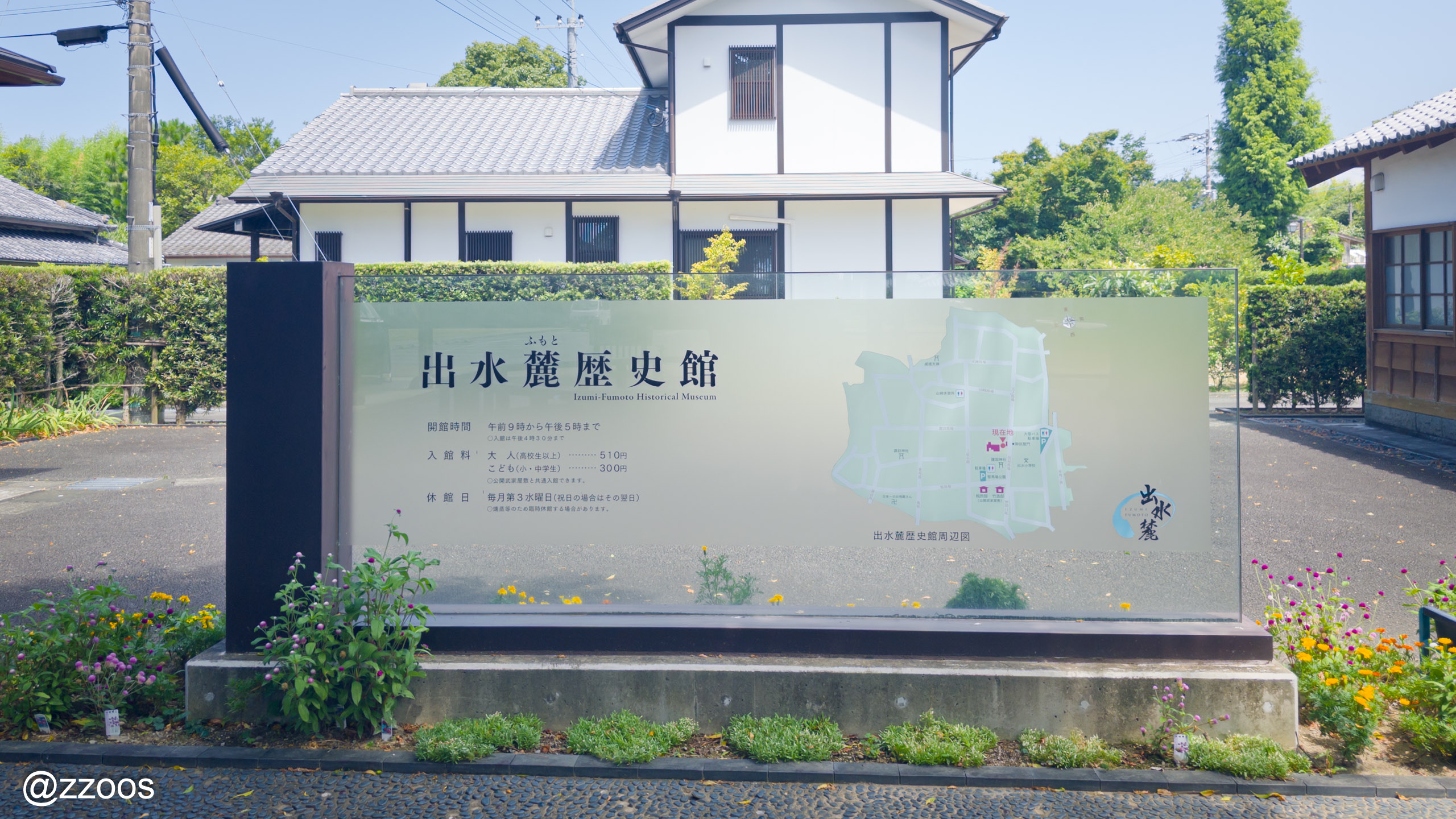
First up, today’s first destination, the Izumi-Fumoto History Museum(出水麓歴史館). When traveling somewhere you don’t know well, the first place to go is the museum. Once you have some background, you notice more than you would knowing nothing.
Admission is 510 yen. The museum is on the small side, but the ticket also covers Takezoe-tei(竹添邸) and Saisho-tei(税所邸), so it doesn’t feel like a waste.
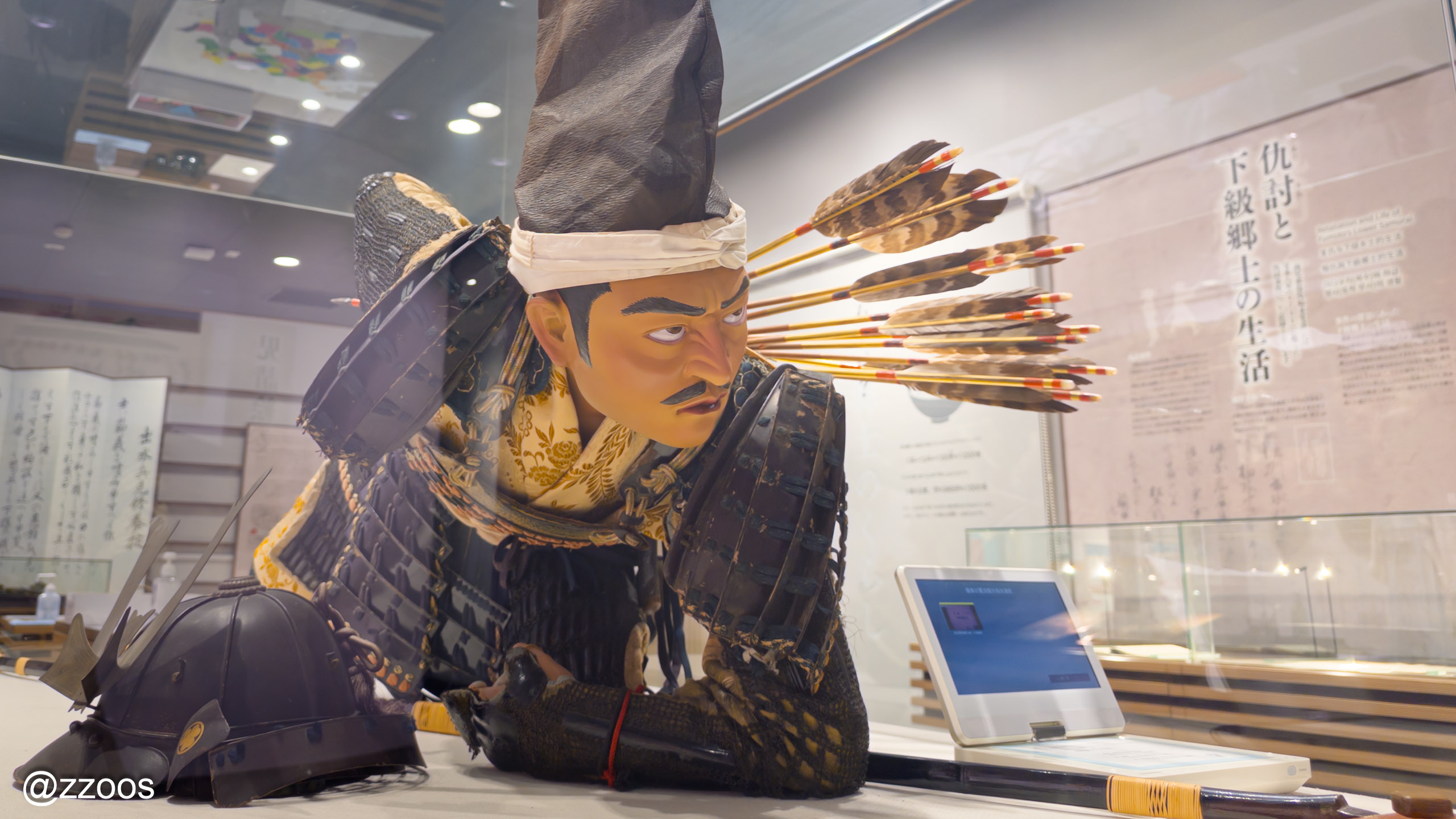
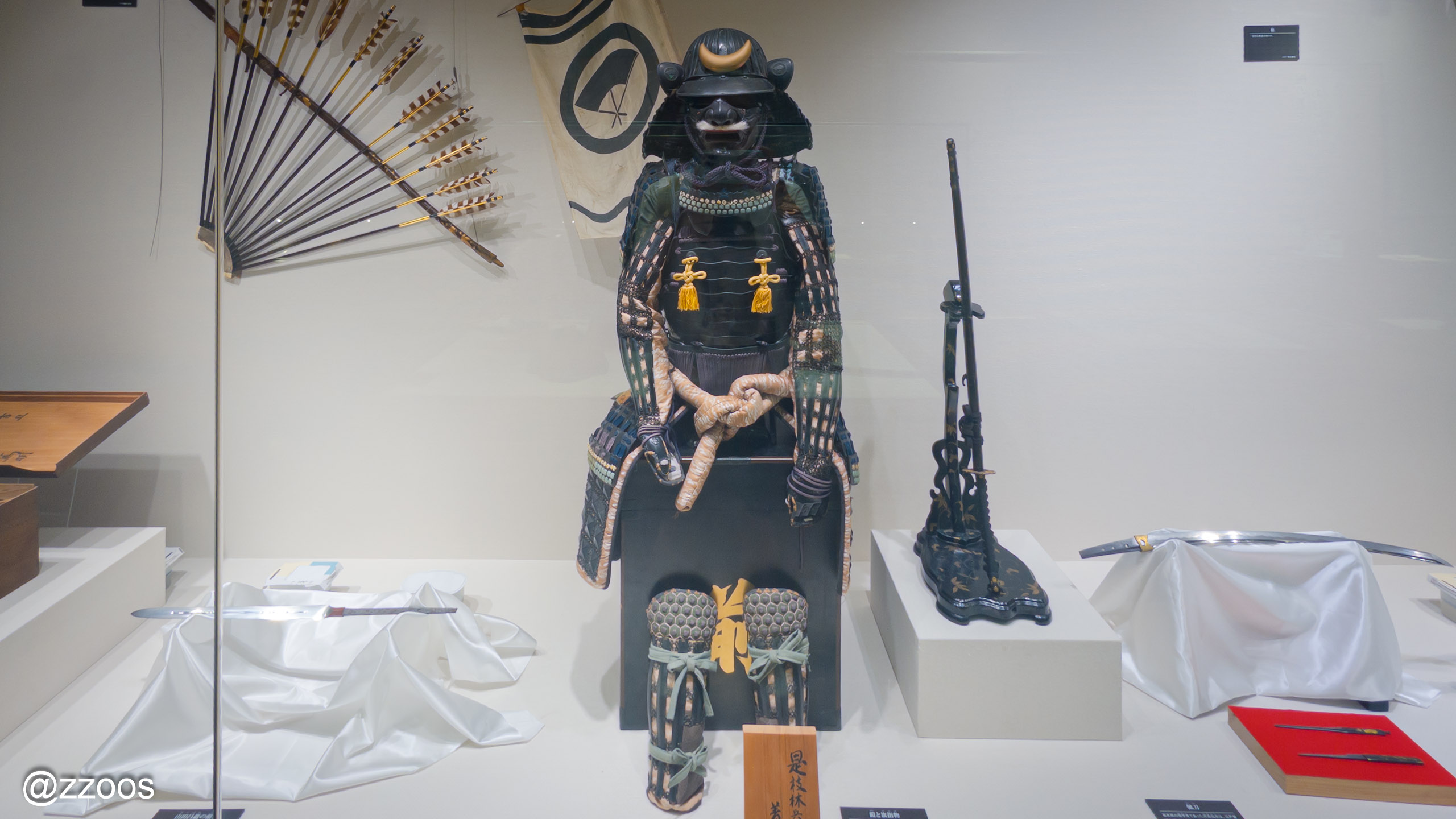
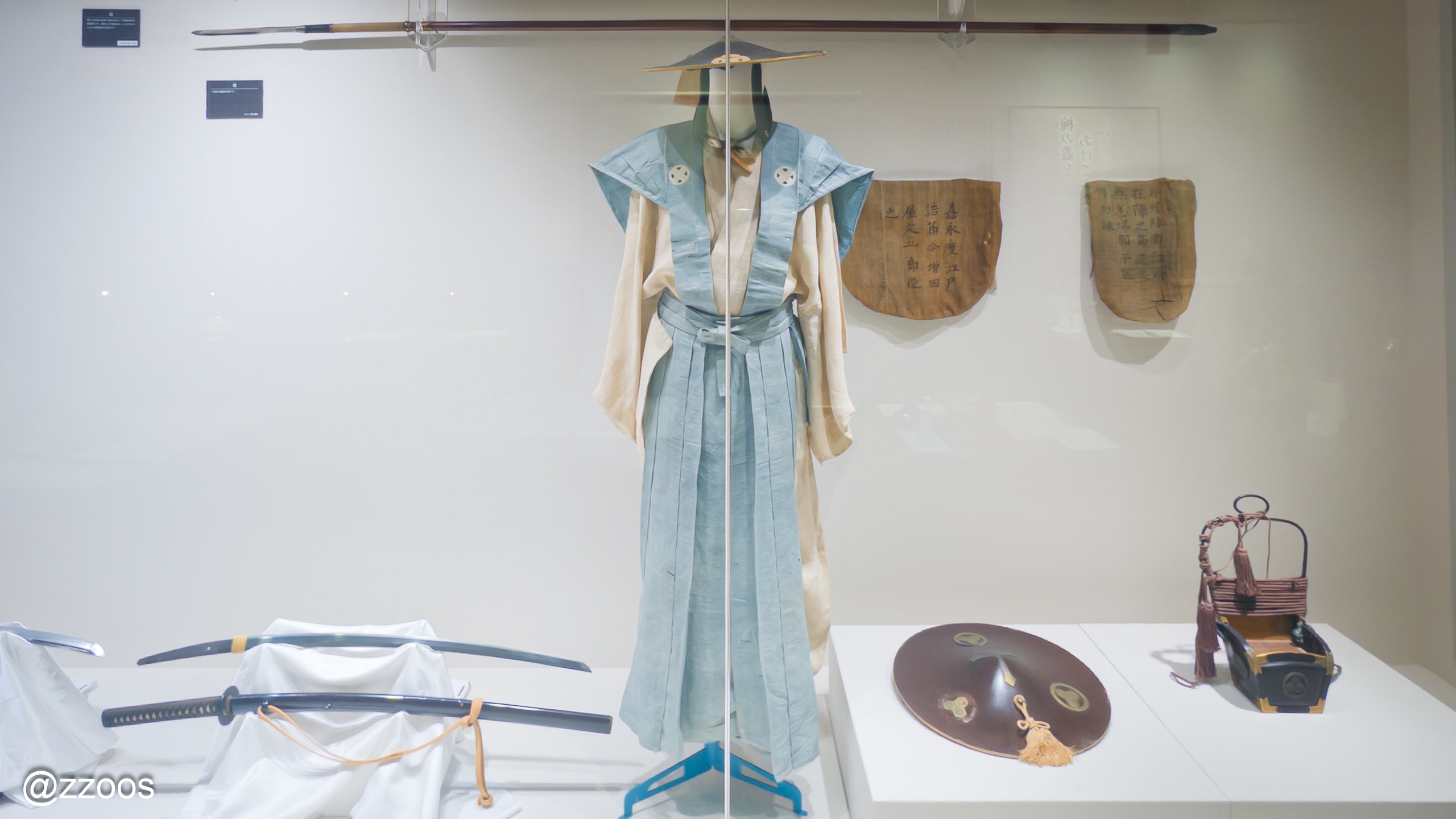
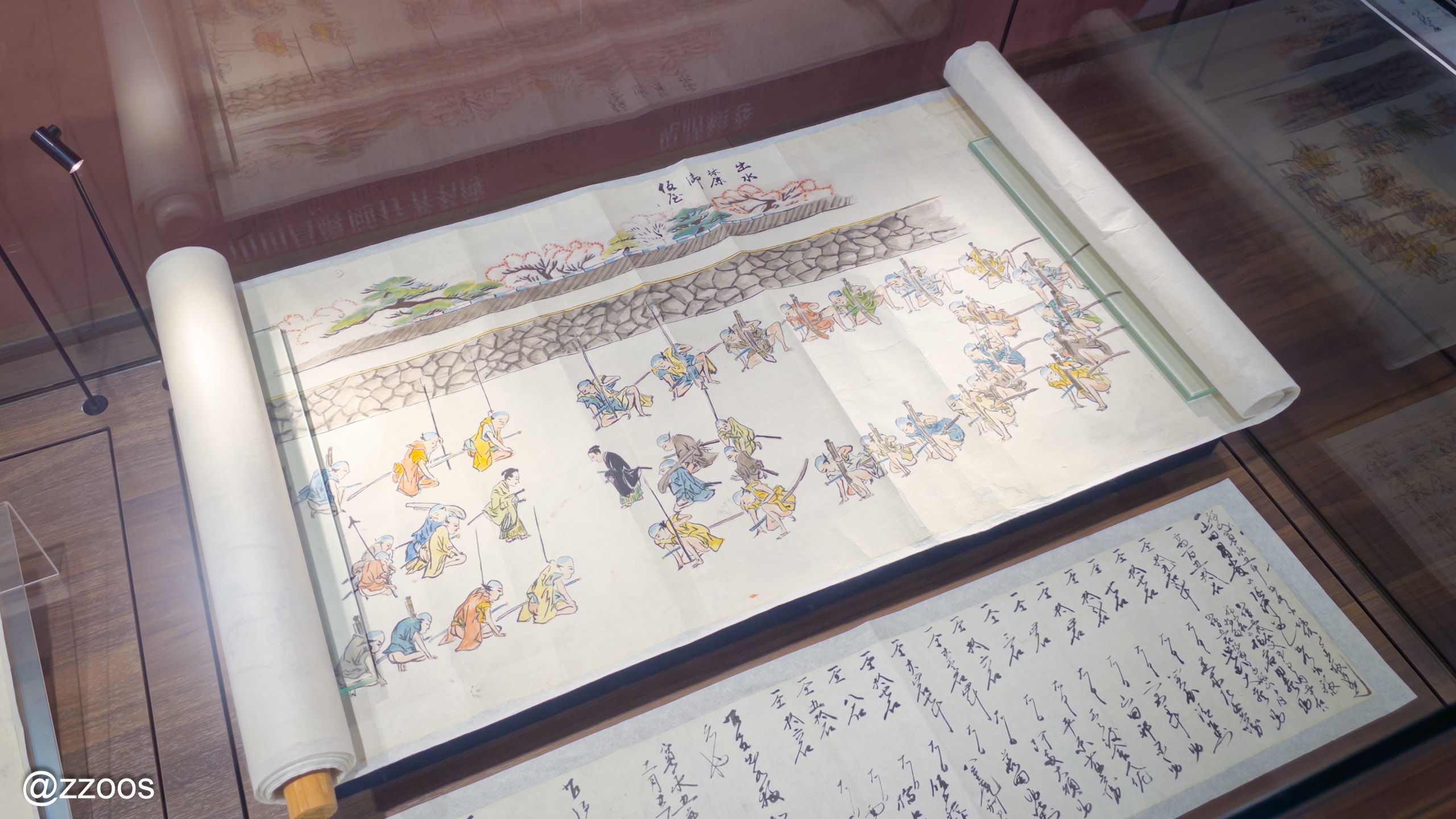
I went to the museum wanting to learn about the history of Izumi-Fumoto, but I didn’t actually learn much. The exhibition text was all in Japanese. Some of the larger headings were written in English here and there, but understanding the whole thing was difficult.
Even so, I did get a sense that samurai must have lived in this neighborhood. And I’d ridden a bike all the way here on a hot summer day, right? I could sit in the air conditioning and cool off for a bit, and isn’t that a good thing too?
:: Takezoe-tei, where I got a kind explanation
They say the museum ticket also gets you into Takezoe-tei(竹添邸) and Saisho-tei(税所邸) right nearby, so I should look around those too.
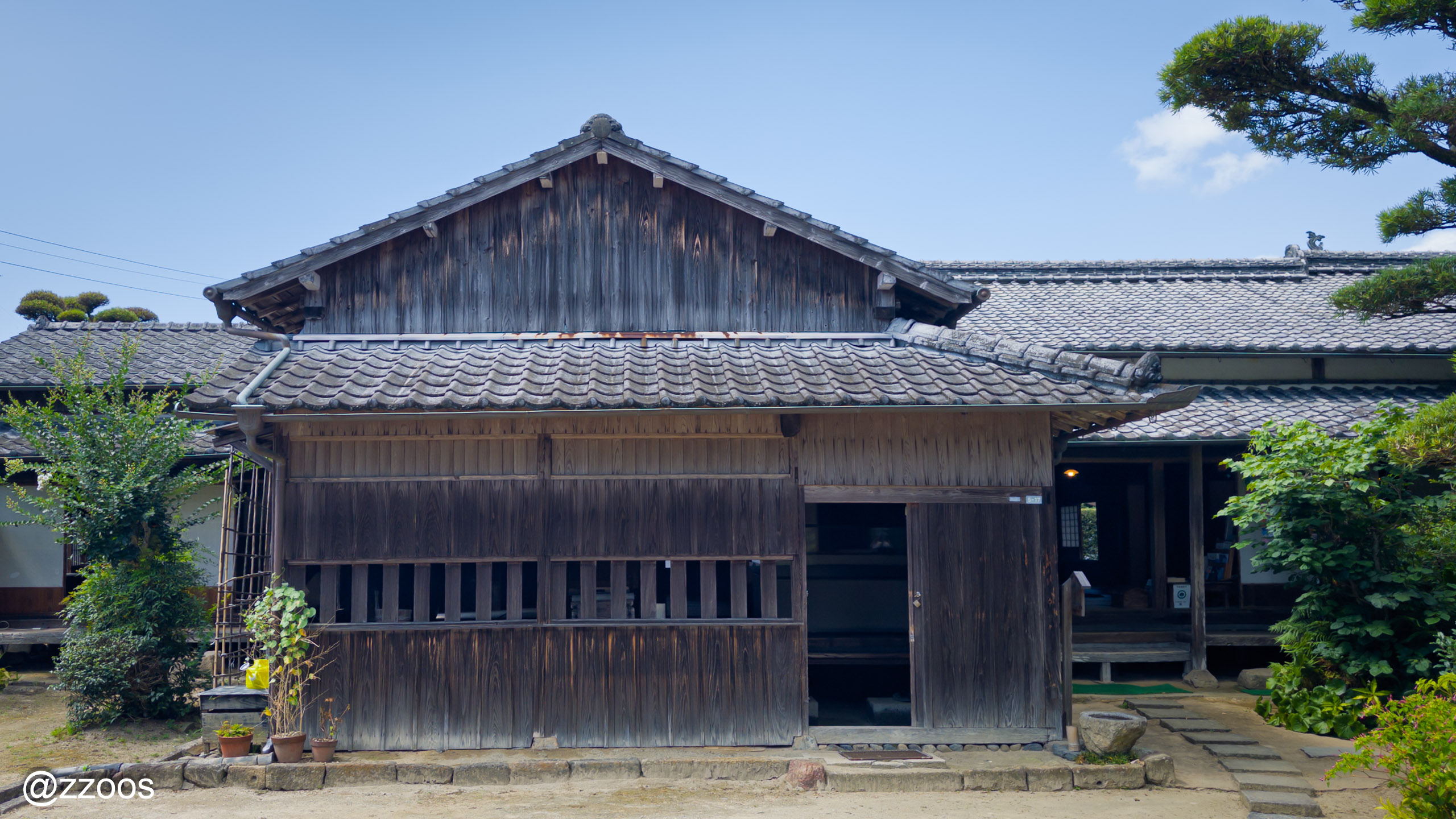
I didn’t visit Saisho-tei, only Takezoe-tei. This is the residence of the Takezoe family. That’s what the name itself means.
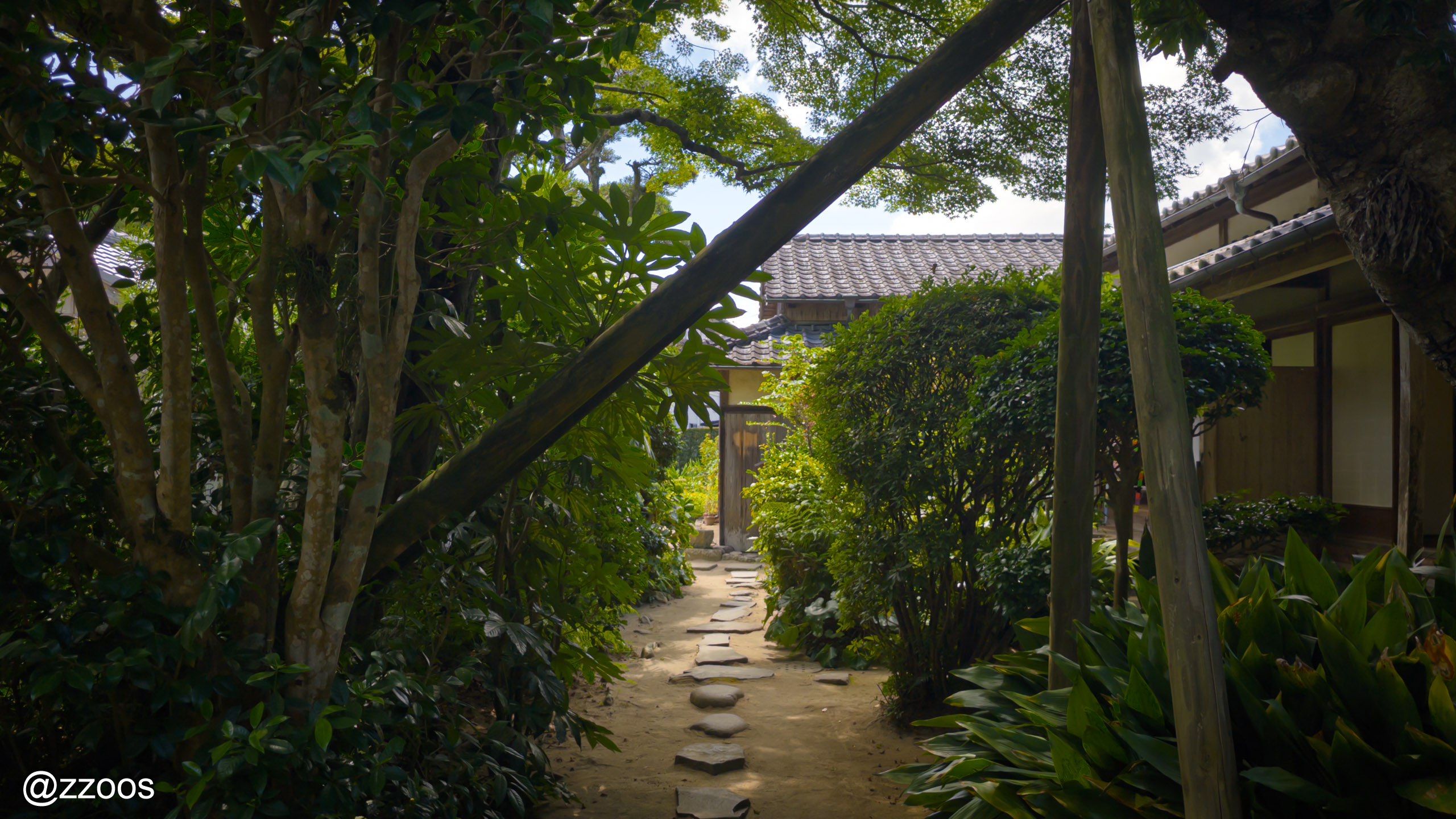
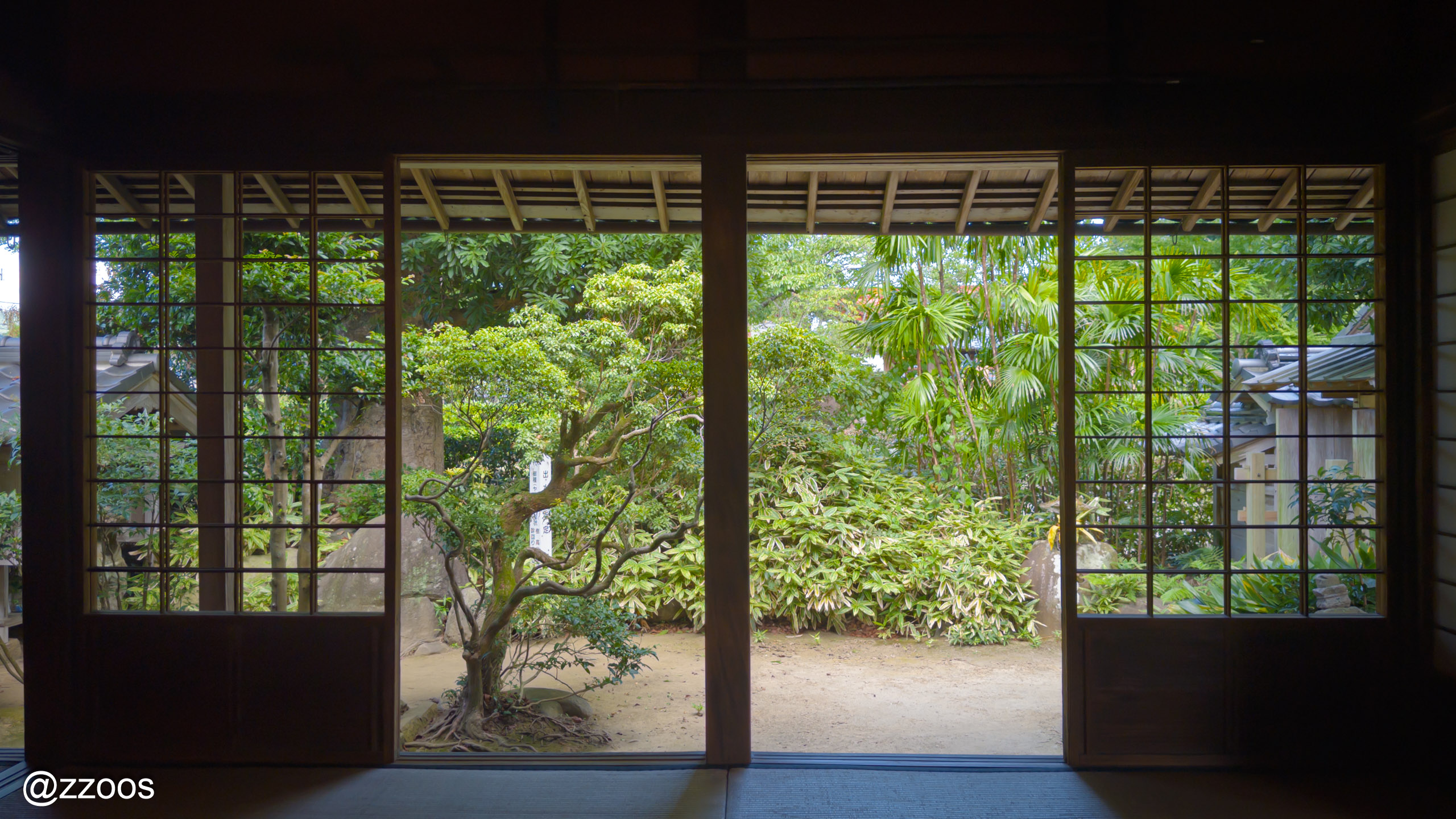
I passed through the garden with its faintly southern lushness, and as I was about to step into the house, there was a white-haired old gentleman inside. Probably the caretaker of this place. He greeted me with a welcome and a conversation started up naturally.
If I had enough time, he said, he’d explain about the Takezoe family, this residence, and Fumoto. I said I’m from Korea so I wouldn’t catch all of it, but if he’d explain, I’d listen.
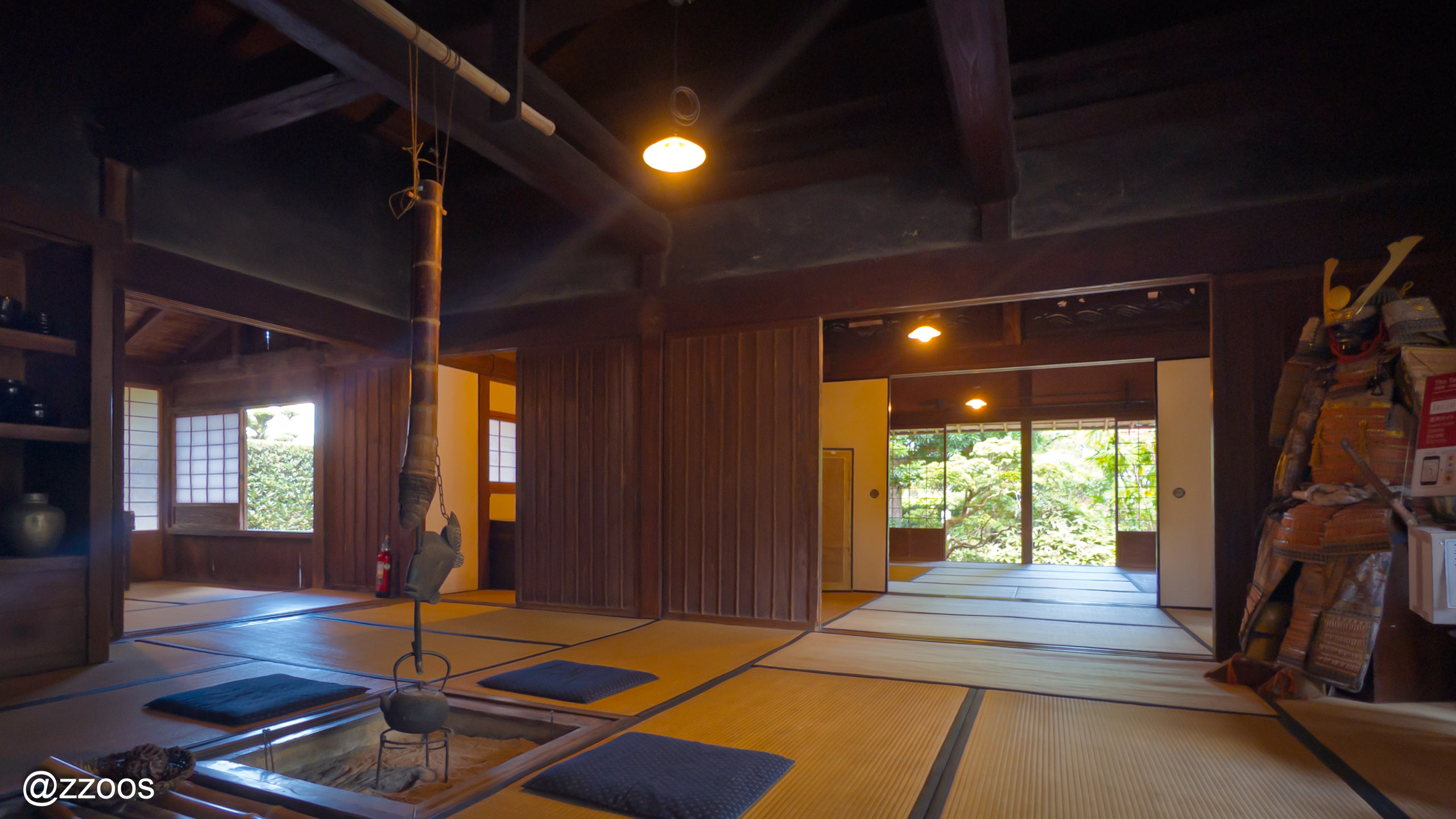
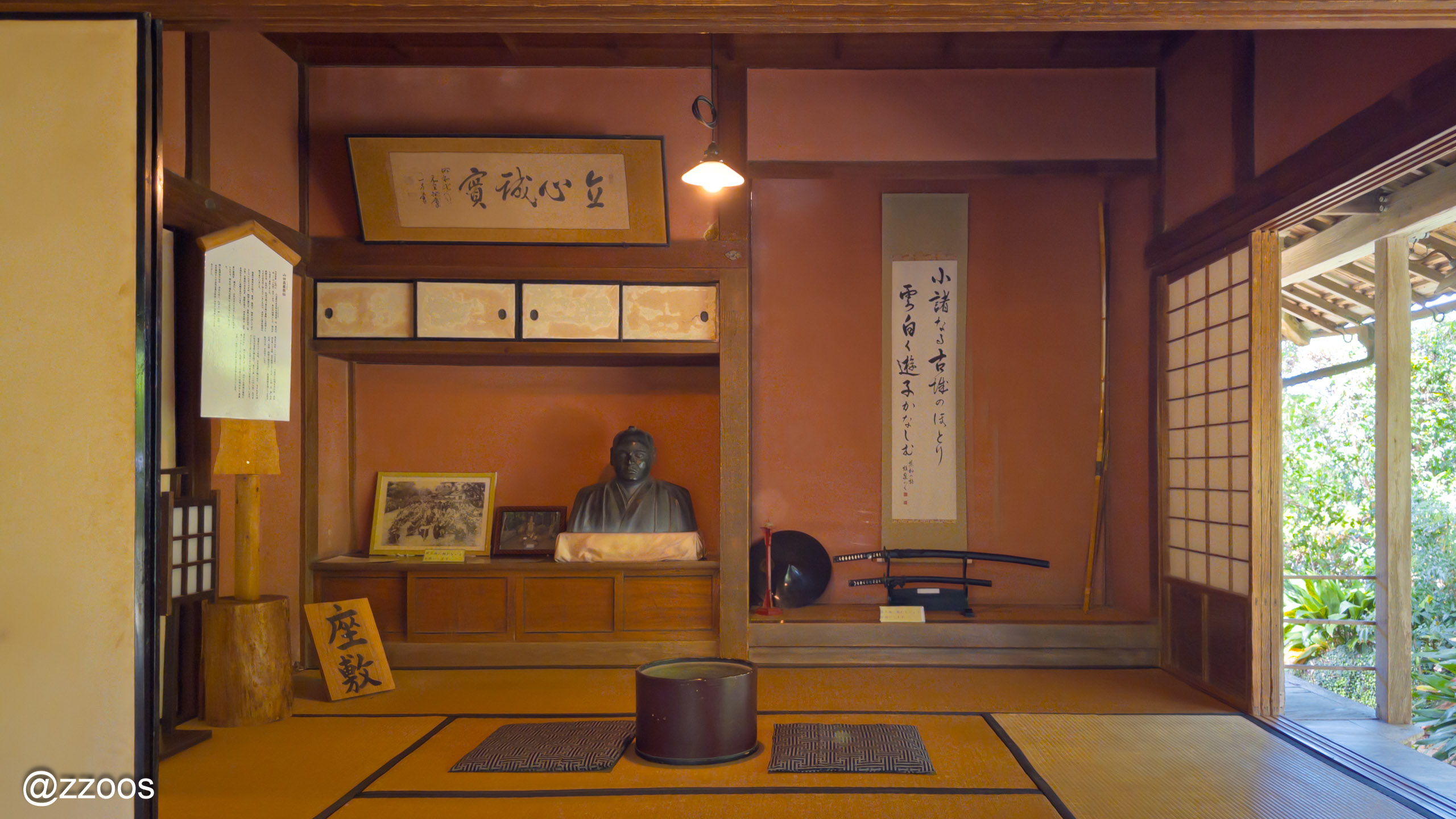
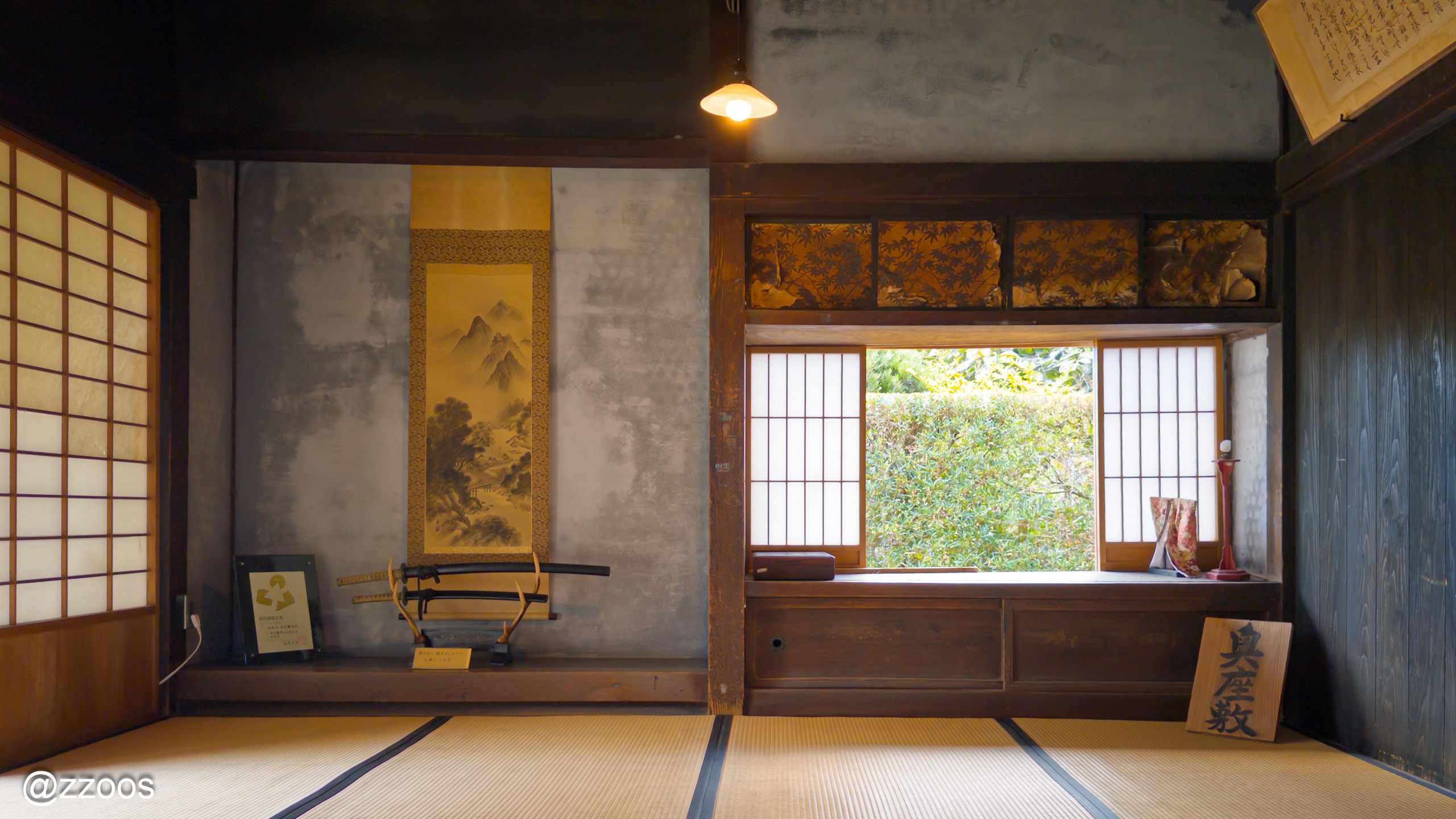
This Fumoto was the northern frontier of the old Satsuma Domain(薩摩藩). It’s still on the border with Kumamoto Prefecture today. Go just two stops up the Hisatsu Orange Railway and you’re at Fukuro Station(袋駅) in Kumamoto Prefecture.
In other words, this was the front line of the border. Which is why samurai lived here together.
And that explains why the atmosphere is different from the Nagamachi samurai district in Kanazawa. Kanazawa was a castle town. So the samurai who served the lord lived gathered around it. That wasn’t a place where fighting was everyday life. But the samurai raised their walls high to protect their own families.
This place wasn’t a town formed around the castle where the lord lived — it was a border zone, so the domain built a samurai town here by plan. Cutting into the hills to lay roads and putting up the stone walls took close to thirty years, they say. The stone walls were a device that turned the whole town into a single defensive line, and at the same time they were the fences marking the boundary of each house.
After hearing everything the old gentleman — caretaker and guide both — had to say, the scenery of this neighborhood started to look different to me. He was a very kind person, and one who explained things earnestly. I couldn’t understand all of it, which left me feeling both sorry and a little regretful.
Right, that’s enough studying up on this neighborhood.
In the next post I’ll ride around on the bike and show you the scenery all over the Fumoto samurai residence district. This neighborhood is bigger than you’d think. Which is also why I chose a bicycle over walking.