On the first day of the trip, by the time I checked into the hotel it was already close to 9 p.m. That’s too late to be wandering the streets looking for a restaurant.
As it happened, when I checked in I noticed there was an izakaya on the first floor of the hotel. I asked the staff and they said it was open until 10:30. So I decided not to spend any thought or effort looking for somewhere else.
I dropped my bags upstairs, came straight back down, and opened the door of the izakaya on the first floor.
:: A far better izakaya than I expected. Yumezen Izumi
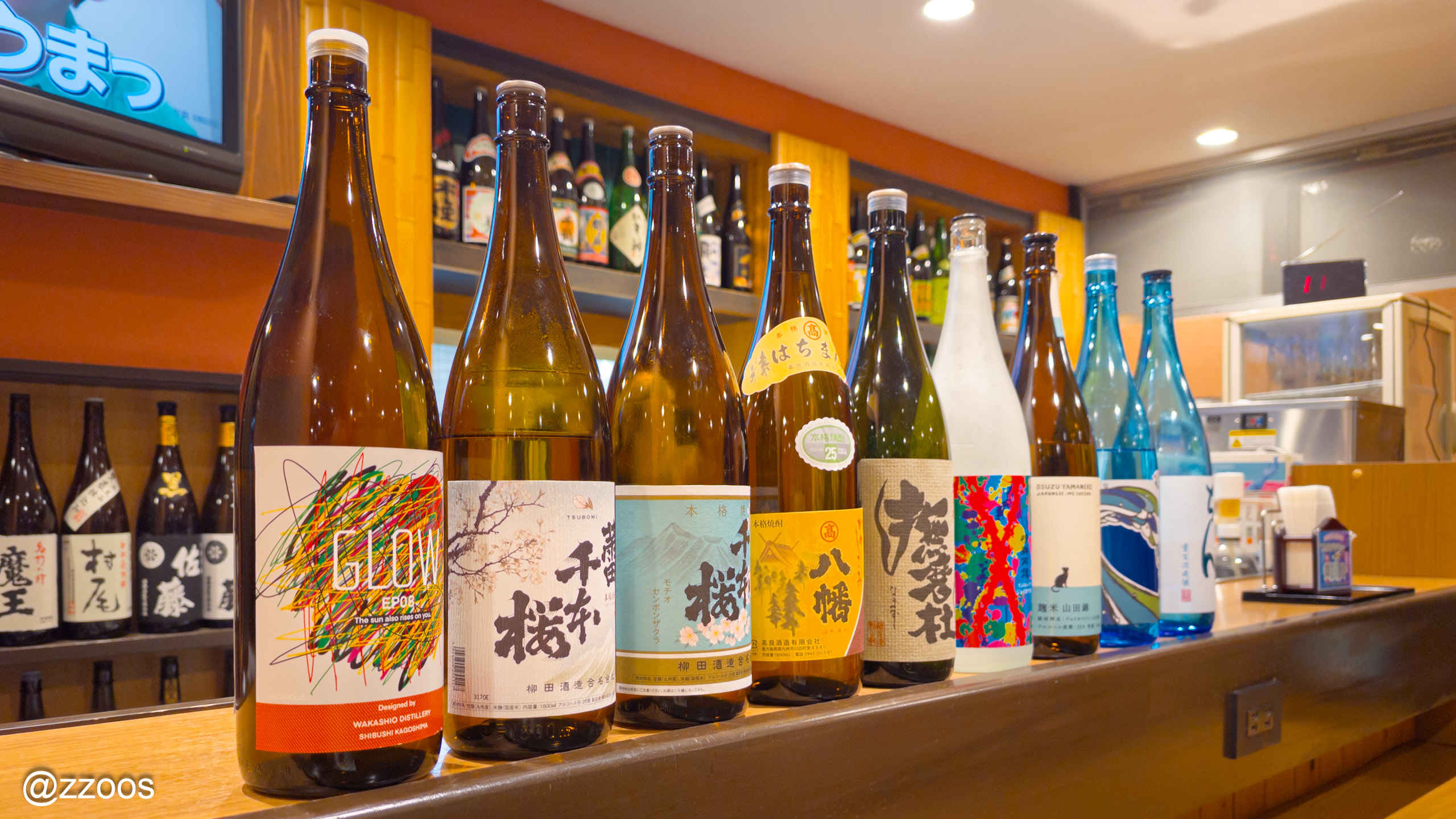
The izakaya on the first floor of KOKO STAY Izumi was called Yumezen Izumi(美食酒家 ゆめぜん 出水店). I sat down at the counter and there in front of me was a long row of Kagoshima shochu bottles.
Hard not to get your hopes up.
I like Kagoshima shochu.
At the very front of the menu there was an explanation of something called shochu viking(焼酎バイキング), a nomihodai(飲み放題, all-you-can-drink) menu. About 32 kinds of shochu, unlimited, for one hour. 2,500 yen. I looked through the list of shochu and — wow! Murao(村尾) was on it too.
Ah! Last order was 9 p.m. It was 8:55! I just barely made it in. Now I could drink shochu without limit. A glass of shochu runs about 500 to 800 yen, so anything past four or five glasses and you come out ahead.
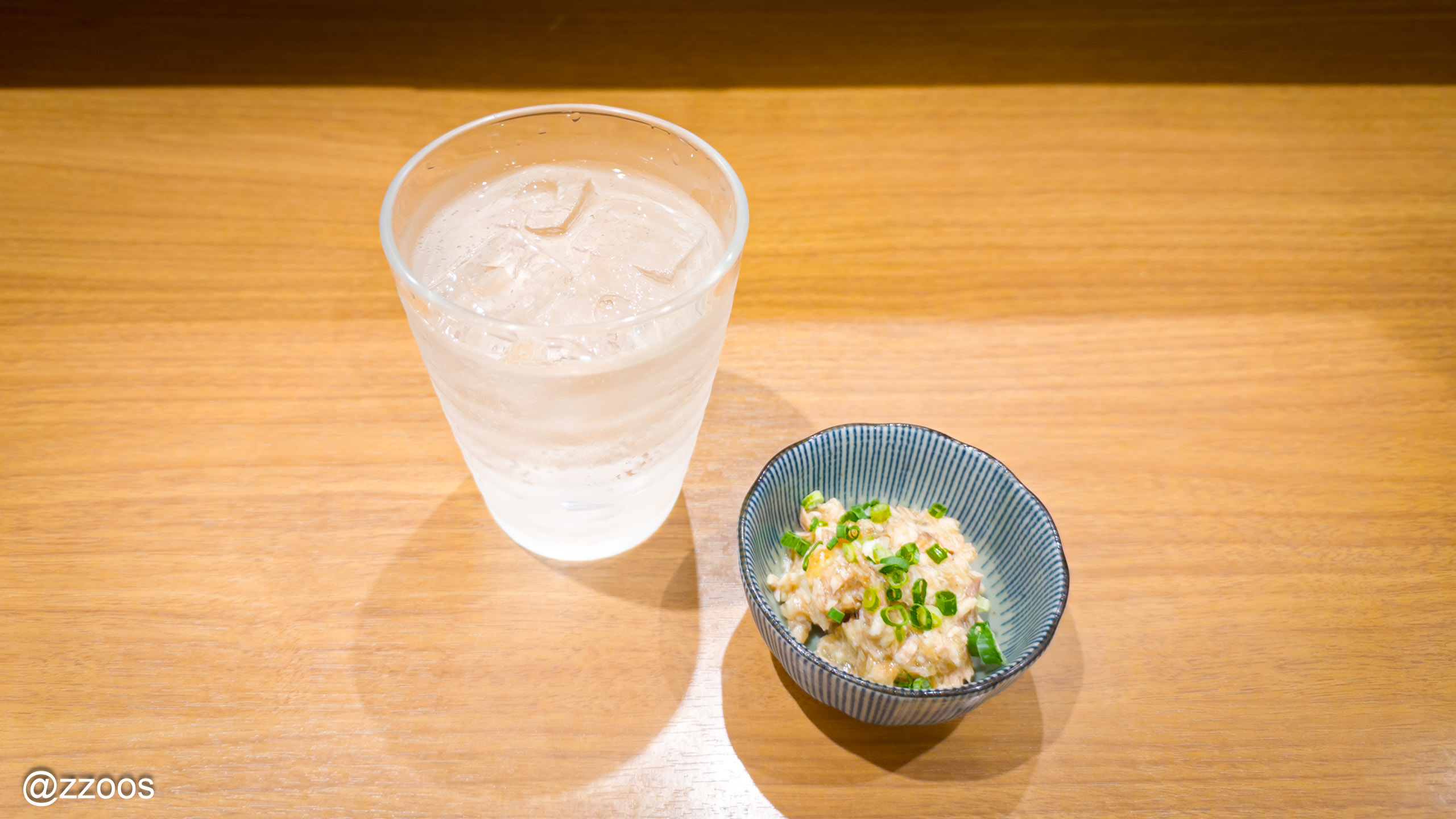
The first shochu I ordered was Izumi ni Maihime(出水に舞姫), with soda. I’d arrived in Izumi, so I wanted to drink Izumi’s shochu. It was clean and crisp.
They don’t show you the bottle each time you order, so there was no fun in photographing them.
After that I drank Isami(伊佐美), Sato Shiro(佐藤 白), and Shimamusume(島娘), all with soda. At the end I had Murao on the rocks.
Once the nomihodai was over, I wanted one more glass, so I had GLOW ep.8 with soda. That one wasn’t on the nomihodai list.
Ah, what a good time. Shochu, as much as I want!
Sato Shiro was especially good today. It’s a drink I’ve always liked, but I found myself wondering — was it always this good?
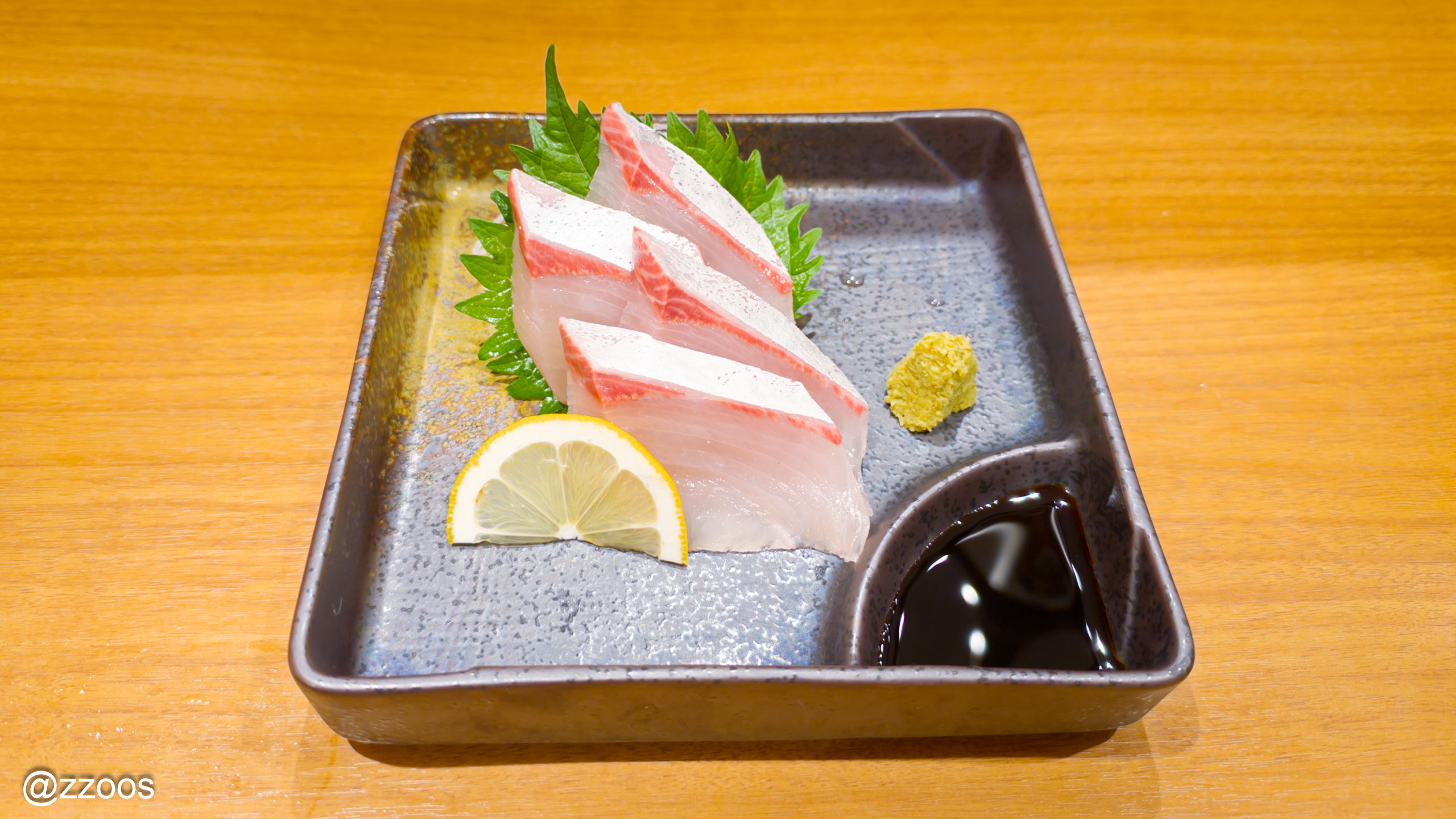
I didn’t only drink shochu. I was here for dinner, after all.
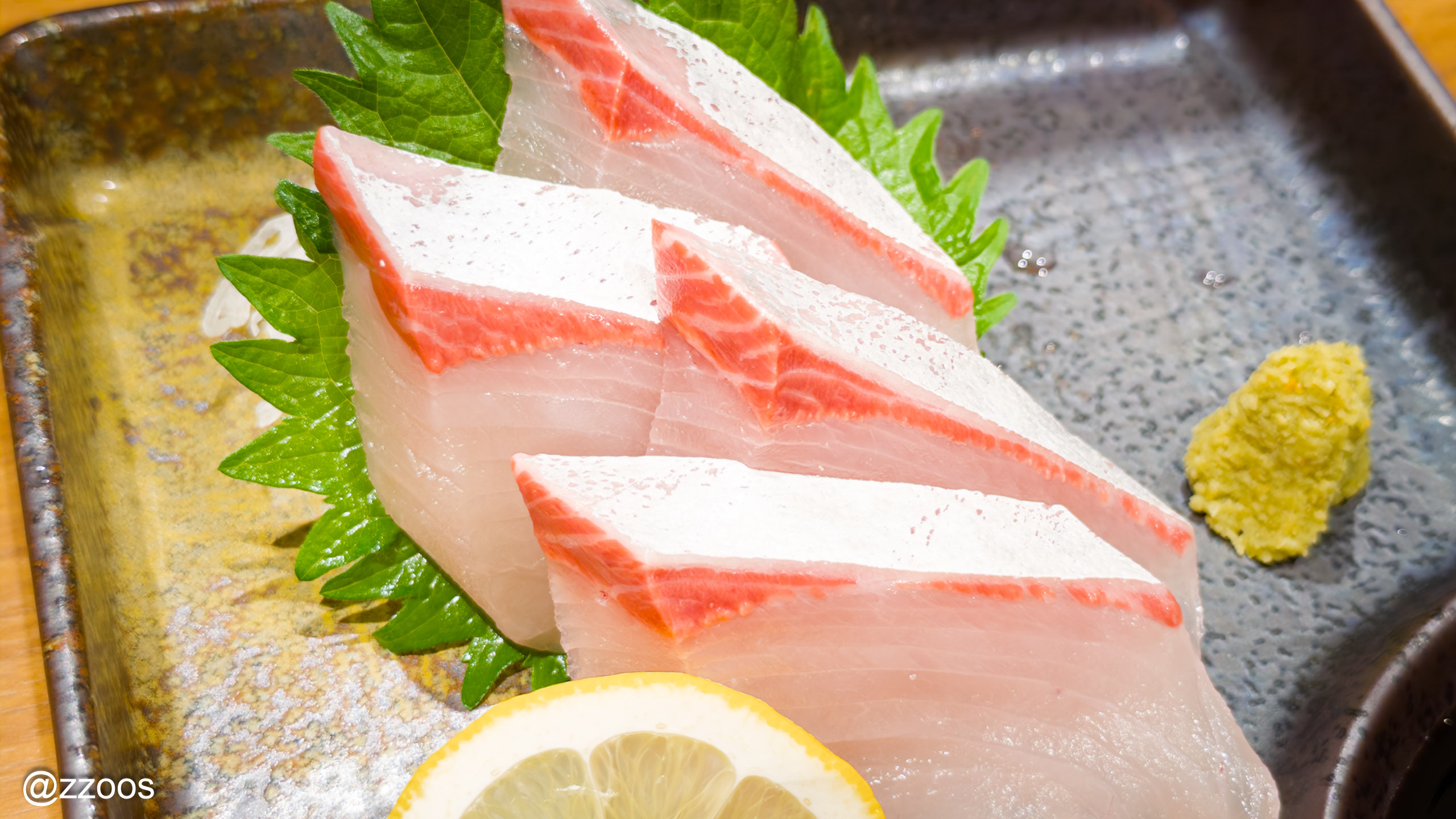
There was a “sashimi of the day” on the menu, so I asked what it was today, and they said kanpachi(カンパチ, greater amberjack). I ordered it right away.
It was probably farmed, but it’s a good fish in season in summer, and Kagoshima kanpachi is famous for being good. I was expecting that characteristic crisp texture, but it had been aged well and was very soft.
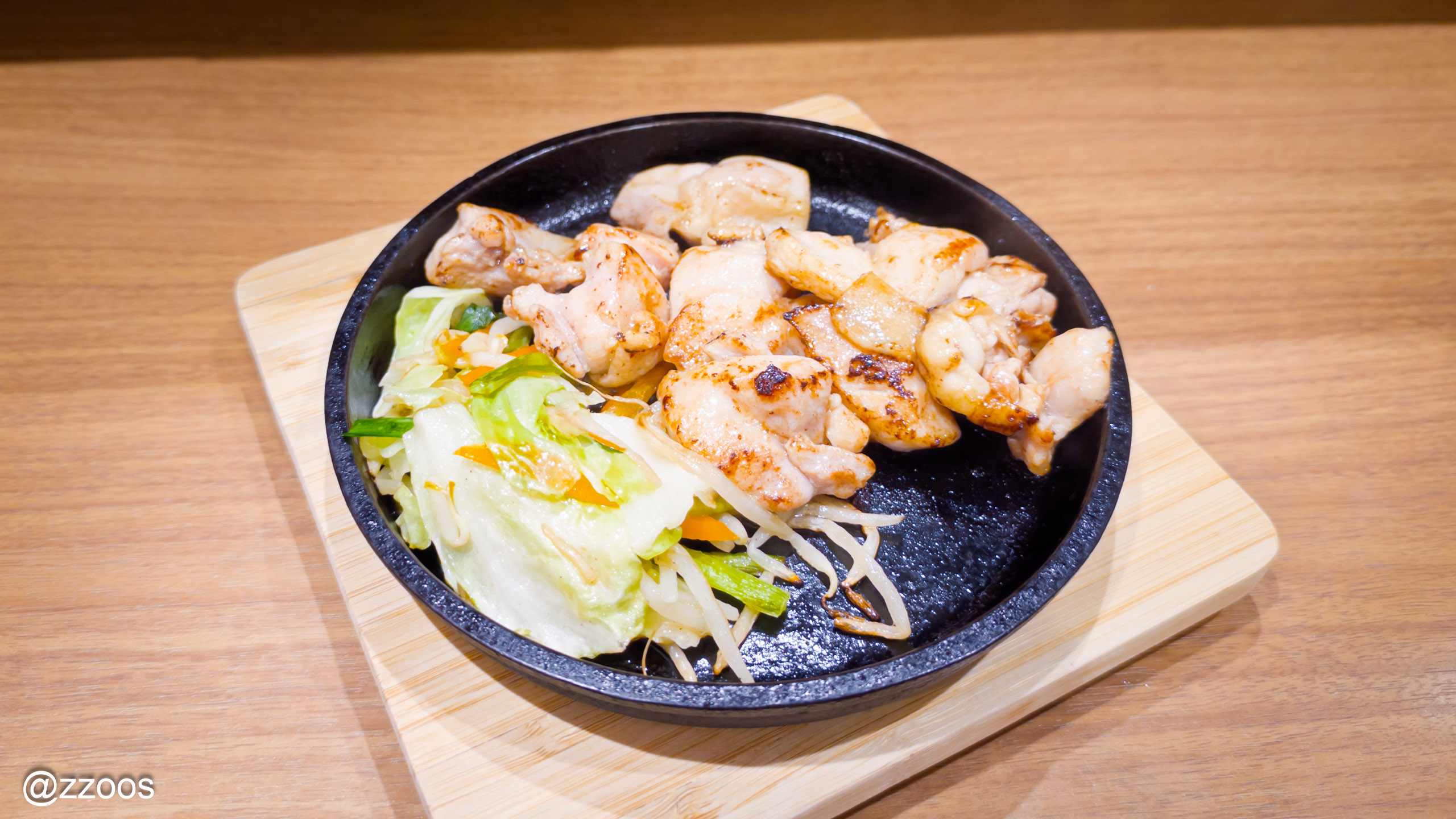
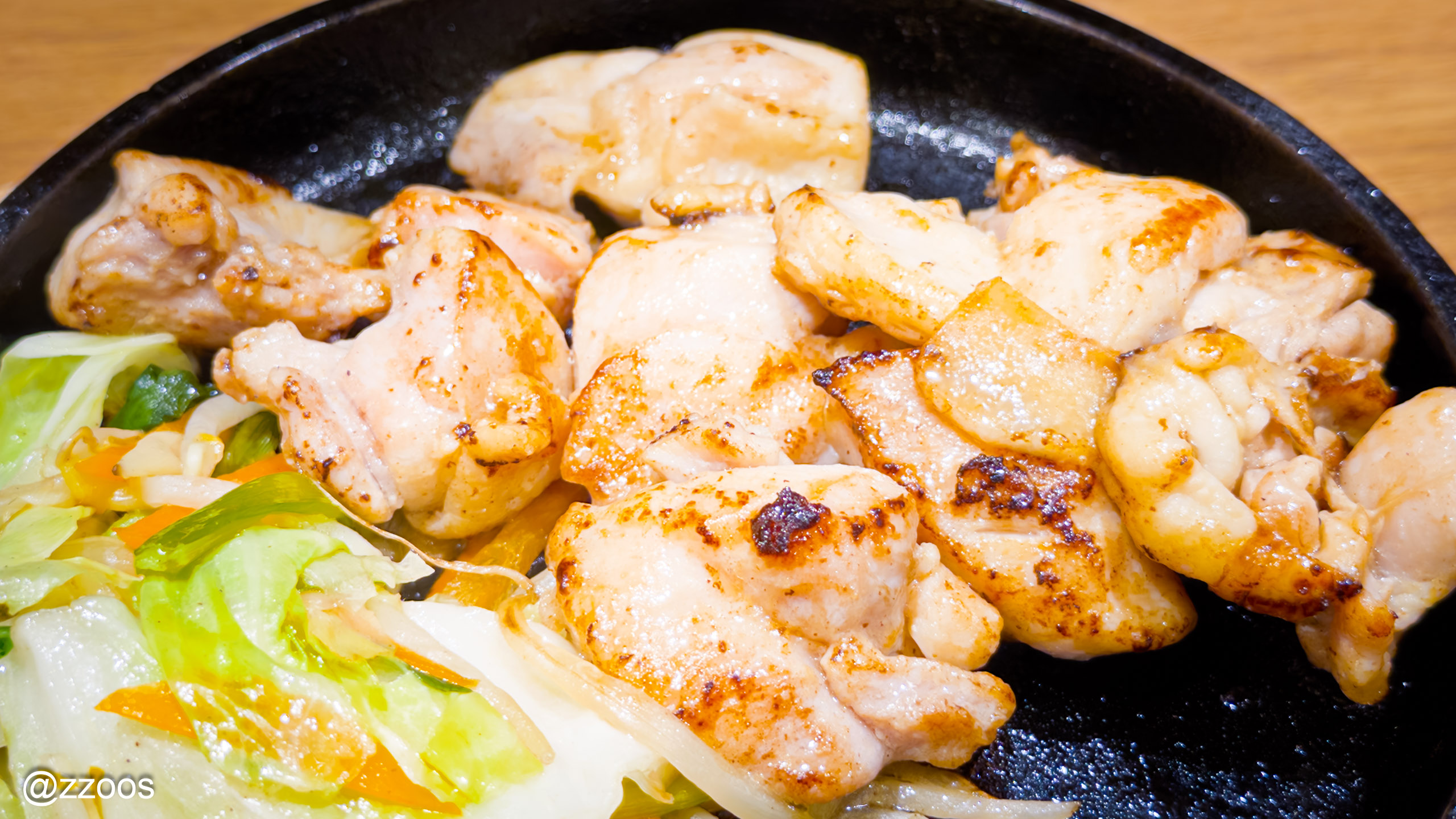
Izumi-dori no shio-koji yaki(出水どりの塩麹焼き). Which is to say, Izumi chicken cured in salted rice koji and then grilled.
Honestly, I’d put Izumi on the itinerary, but I thought Izumi was just a place you go to see migratory birds. I had no idea what Izumi was known for. Turns out Izumi-dori — Izumi’s chicken — is the most famous chicken in Kagoshima.
Maybe that’s why. One bite and it was really good. Chewy and tender at the same time.
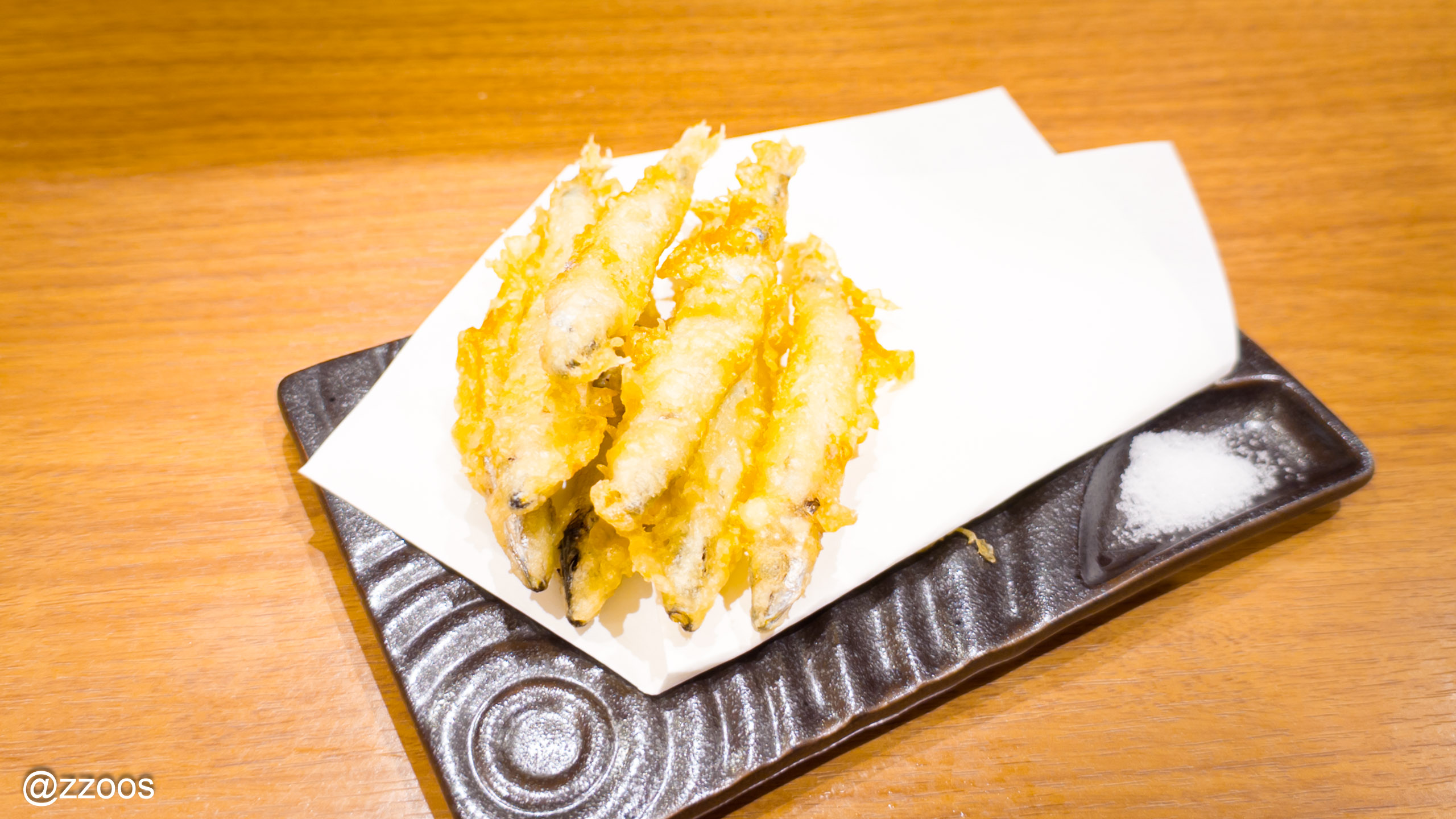
Since I was in Kagoshima, I had to have kibinago(キビナゴ, silver-stripe round herring) too. I started by ordering kibinago tempura.
Looking at the menu, there’s kibinago karaage, tempura, and furai. In Korean they’d all just be “fried,” but in Japan each one is a different method of frying.
Karaage(唐揚げ) means seasoning the ingredient first, then dusting it lightly with starch or flour — not a wet batter — and frying it.
Tempura(天ぷら) means barely seasoning the ingredient, dipping it in a wet batter, and frying it.
Furai(フライ) is apparently more or less the same word as katsu(カツ): a Western-style fry where you coat the ingredient thickly in flour, egg wash, then breadcrumbs, and fry it until crisp. Katsu tends to be used for meat, furai for seafood.
What I ordered was kibinago tempura. So the fish wasn’t pre-seasoned, and since it was coated in a wet batter, the crust is a bit thicker than with karaage.
Well, either way! Fry a small fish like this and there’s no way it isn’t good. Sprinkle a little salt on it so it’s slightly salty and it’s even better.
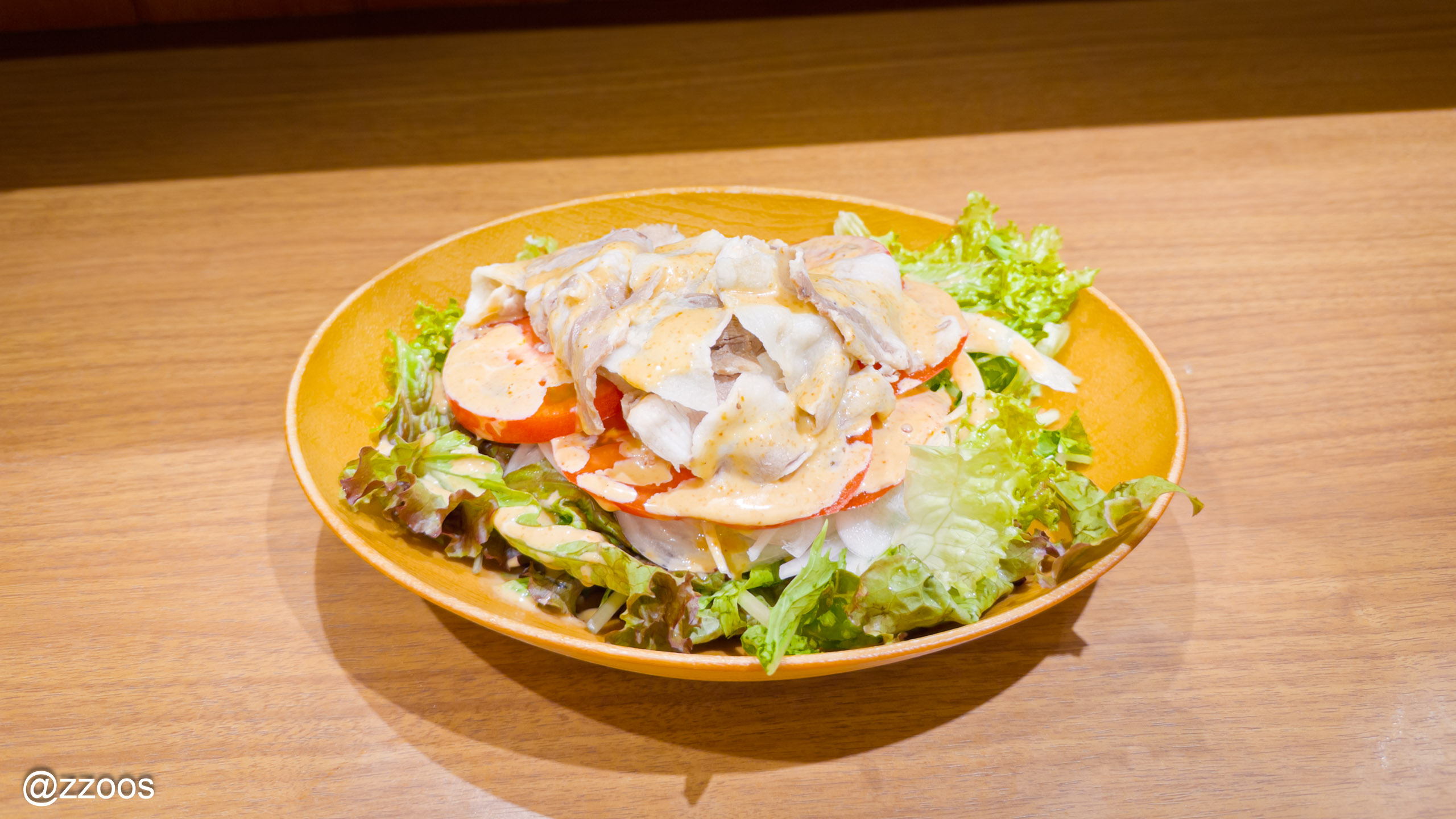
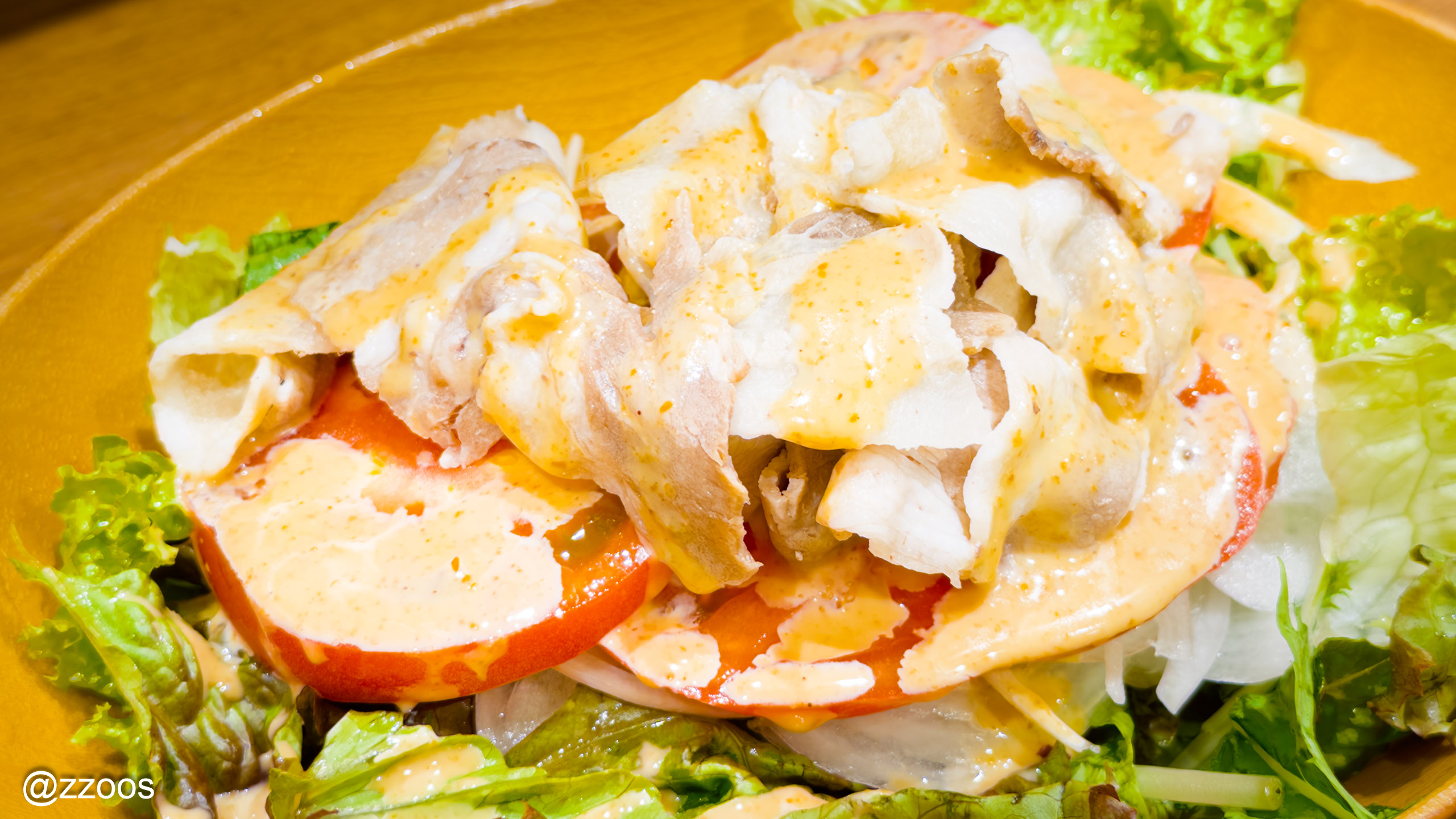
The last thing I ordered was kurobuta shabu-shabu salad(黒豚しゃぶしゃぶサラダ). Just as the name says, a salad of black pork lightly cooked shabu-shabu style and tossed with vegetables.
This one was a bit of a letdown. It probably couldn’t be helped, but because it’s a dish where the pork is cooked ahead of time and kept, the meat had a bit of a smell to it.
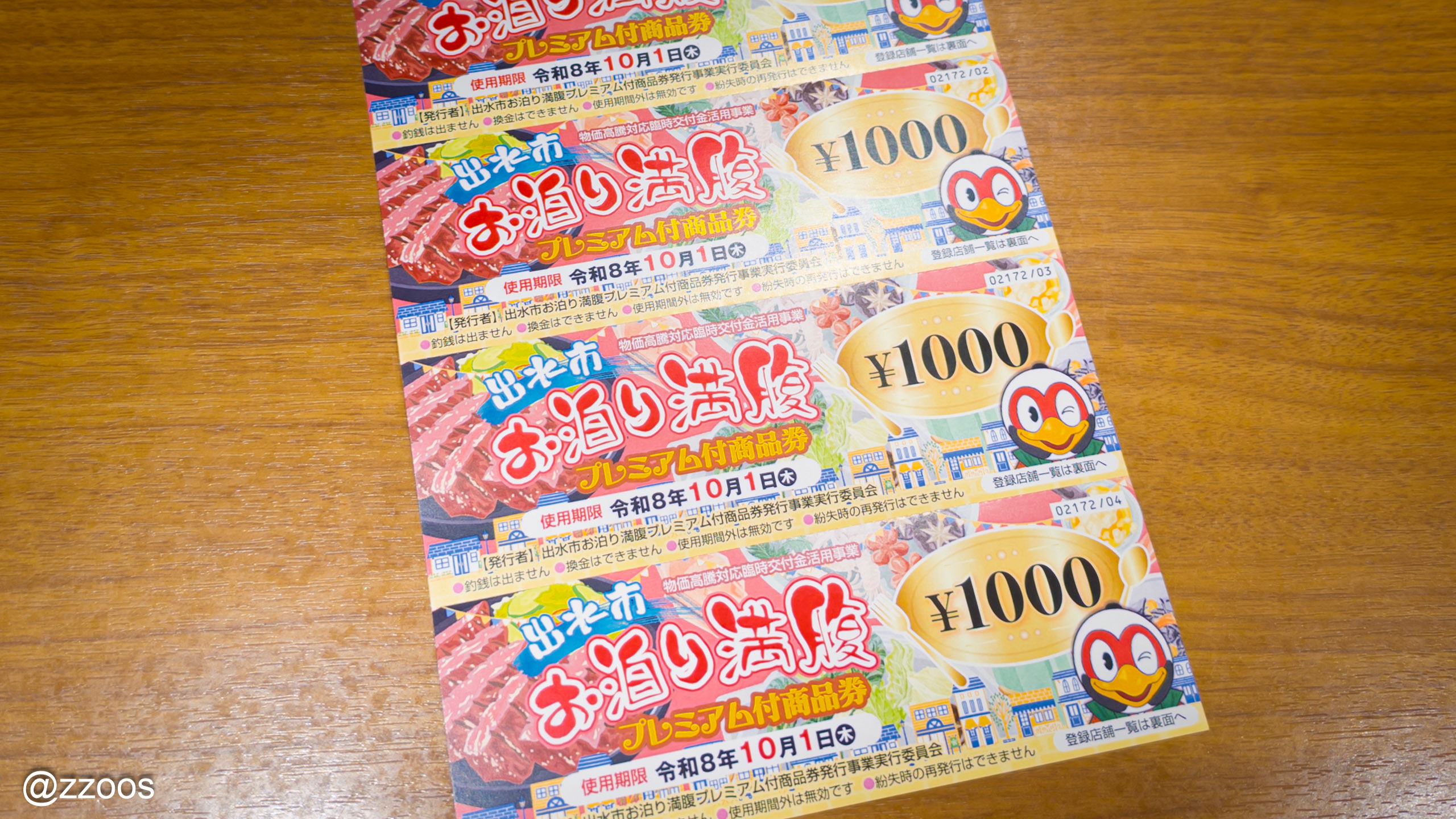
At the end, I used the manpuku voucher(出水市お泊り満腹プレミアム付商品券) when I paid.
It’s a deal where 2,000 yen buys you a 4,000 yen voucher. They said only people staying overnight in Izumi can buy them. I was staying two nights, so I bought it twice and used both. That’s 2,000 yen off each day.
I tend to look through a city’s tourism website once before I start a trip. That’s how I found out about this voucher, on Izumi’s tourism website. And when I asked at the hotel lobby at check-in, I could buy it right there.
For reference, they say the voucher can only be used until October 1, 2026.
The reviews of it have been good, so there may well be a similar event again in the future.
You’d need to check the Izumi tourism website.
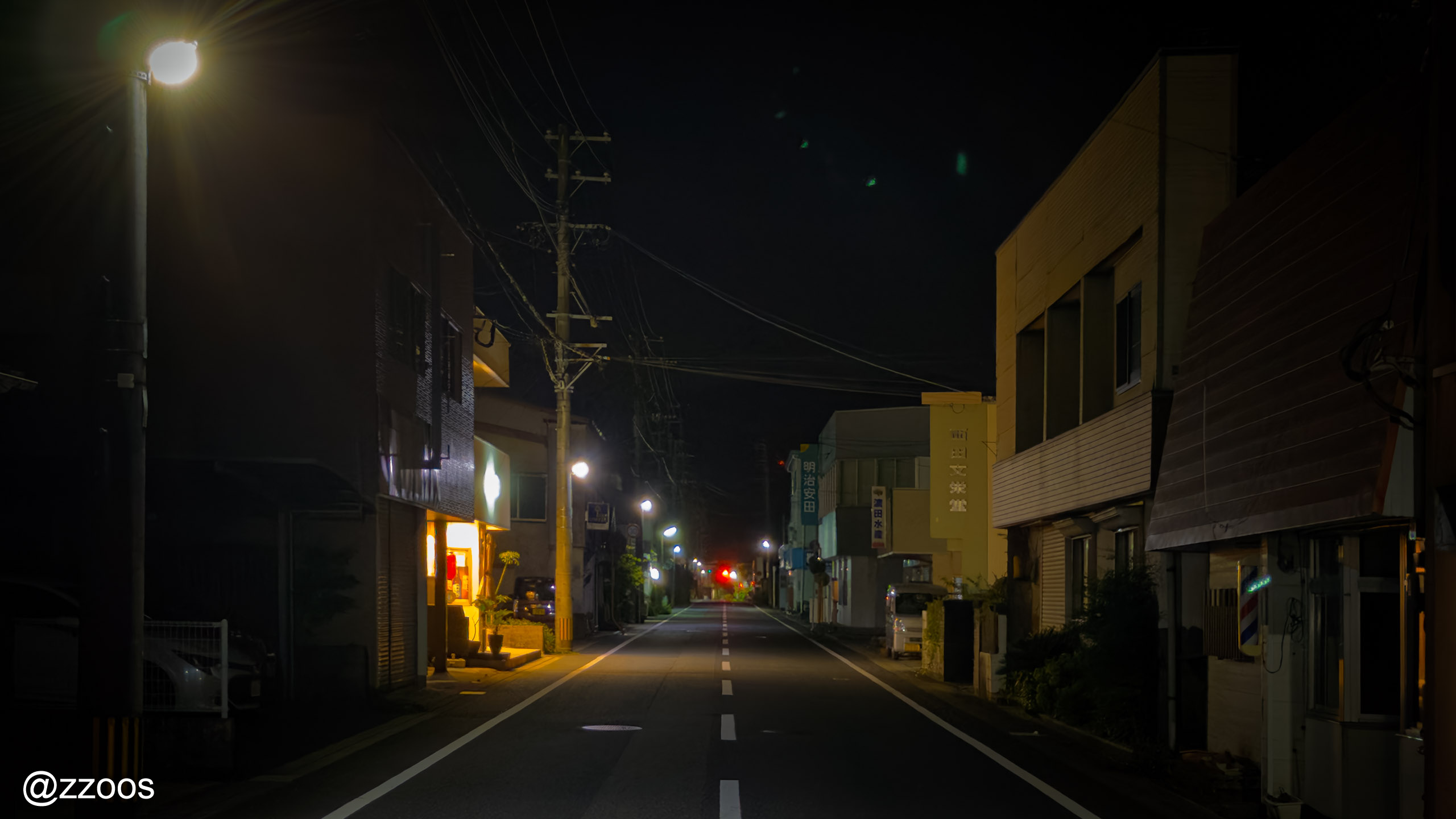
It must have been around 10:30 p.m. Yumezen was about to close, and finding a second place to drink in a small country town didn’t seem likely, so I stopped by a convenience store. I bought some drinks and snacks, thinking I’d go back to the room, have one more light glass, and go to sleep.
Walking back to the hotel through the dark streets, I happened to look down the alley right in front of the hotel, and,
Huh?
Every shop was closed, but there was exactly one place with its lights blazing.
So I got curious. What is that place? Could it be a shop that’s still open at this hour?
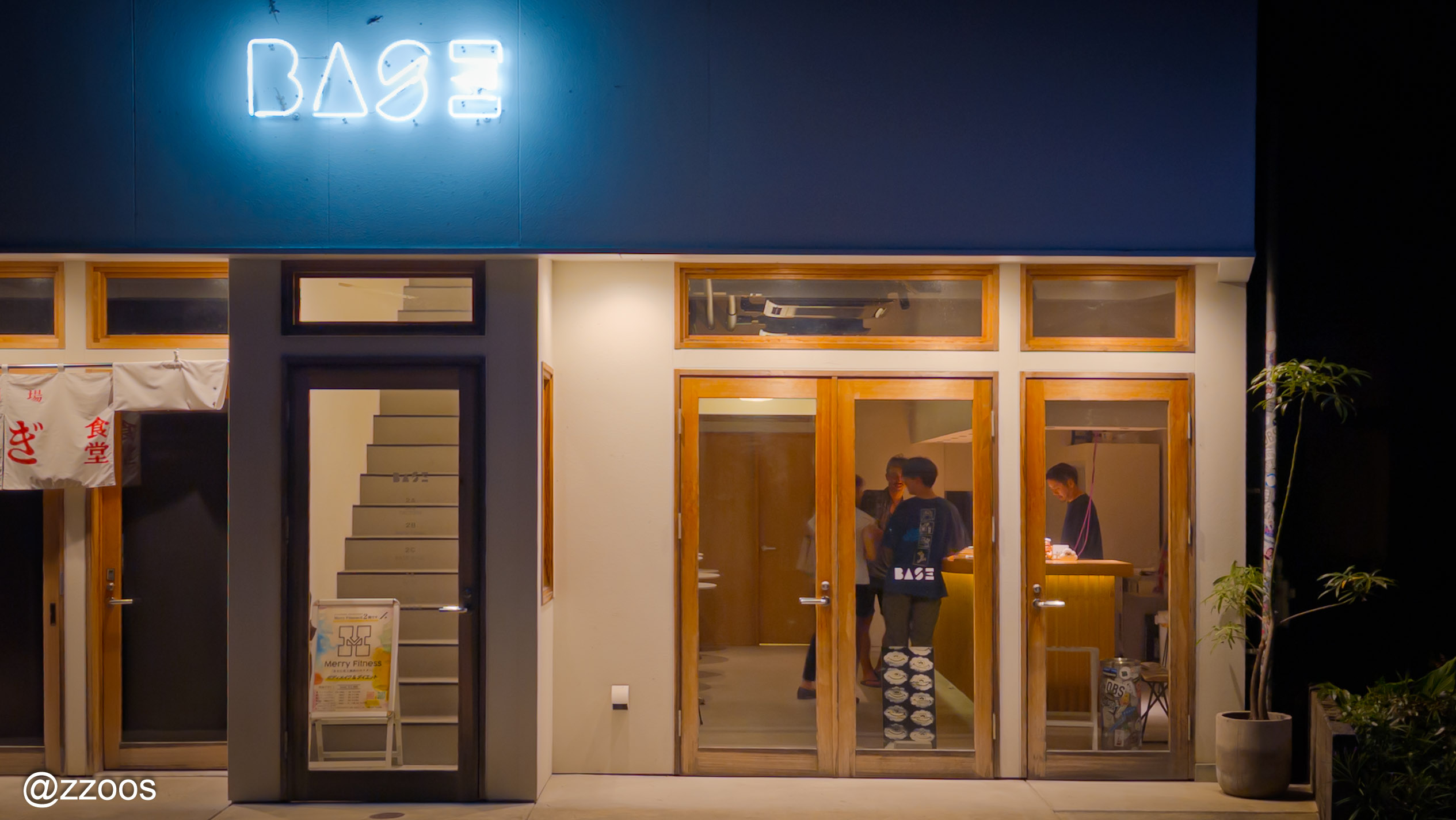
:: Late at night, a bit of happenstance. BASE&Co.
I walked over to the lit place, looked in where the bright light was spilling out, and — huh? People were drinking.
Before I knew it I’d opened the door. I asked if one person was all right, and they waved me in with delighted faces.
Everyone was drinking standing up, so it must be a tachinomi(立ち飲み).
The sign on the shop just said BASE. That’s probably the name of the place.
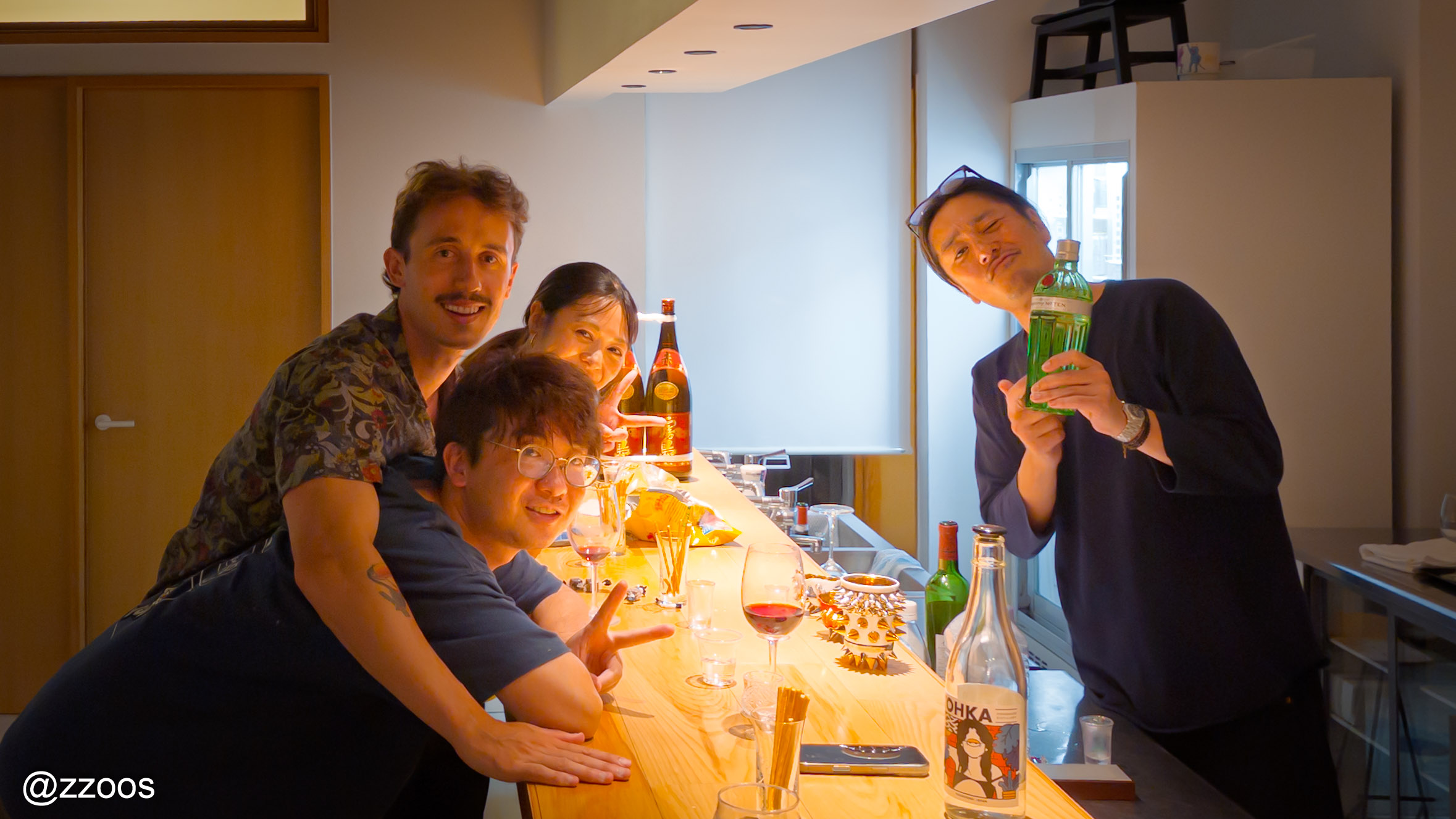
I told them how every shop in town was closed so I’d been about to go up to my hotel room and drink, but I’d seen the bright light down the alley and been drawn in — and they said that normally they might have been closed, but today was a special day, so they were drinking together.
Jake, from Orange County in the US, had spent three years here in Izumi as an elementary school English teacher, and was heading back to America. So they were holding a farewell party with his friends. Hiroki-san and Ayumi-san, teachers at the same elementary school, and Muraoka Masahiro-san, the master of the shop.
The four of them, having a great time drinking.
And then, all of a sudden, a white-haired guy from Korea joined in.
Strange how these things happen. What a fun encounter.
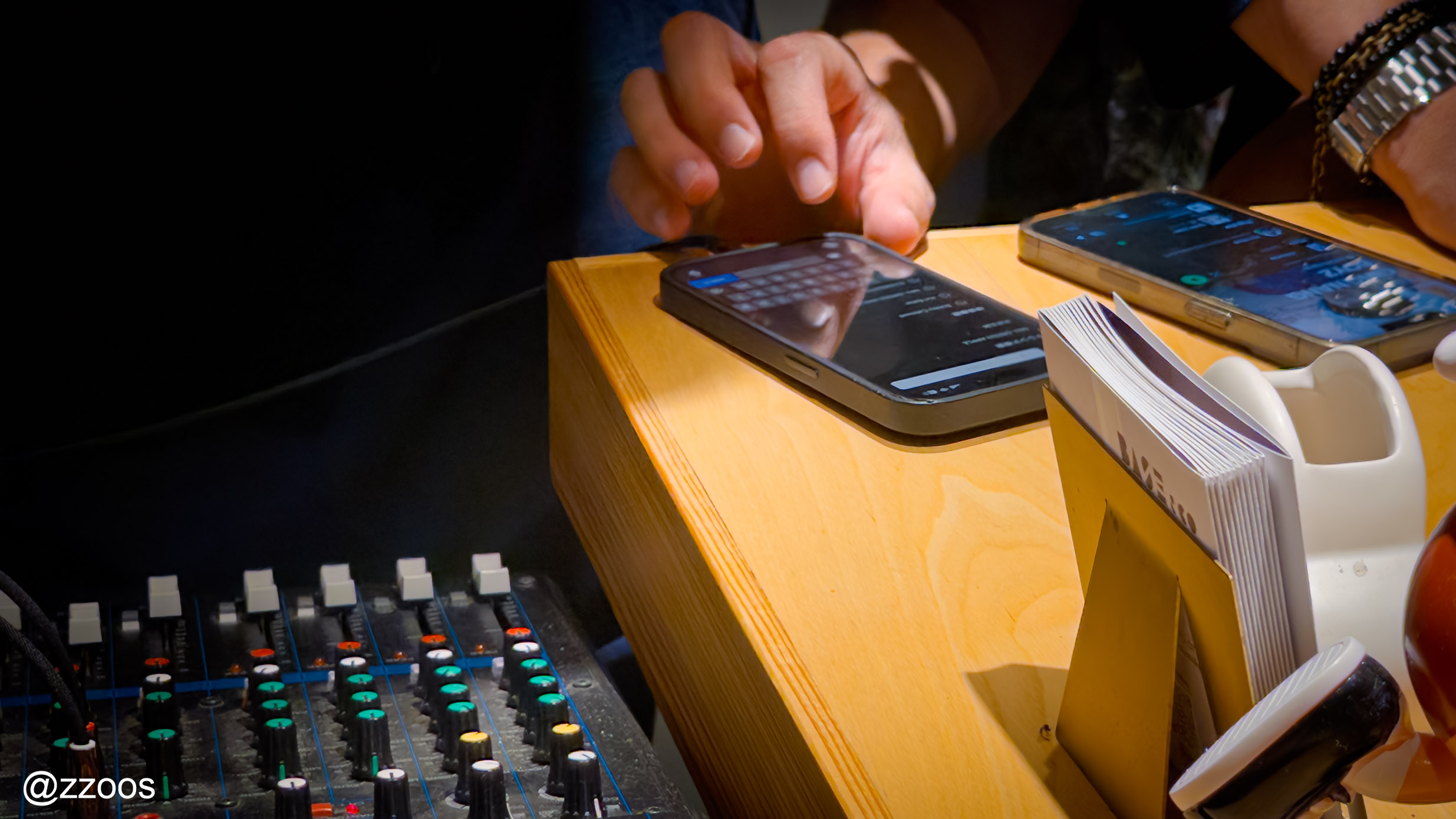
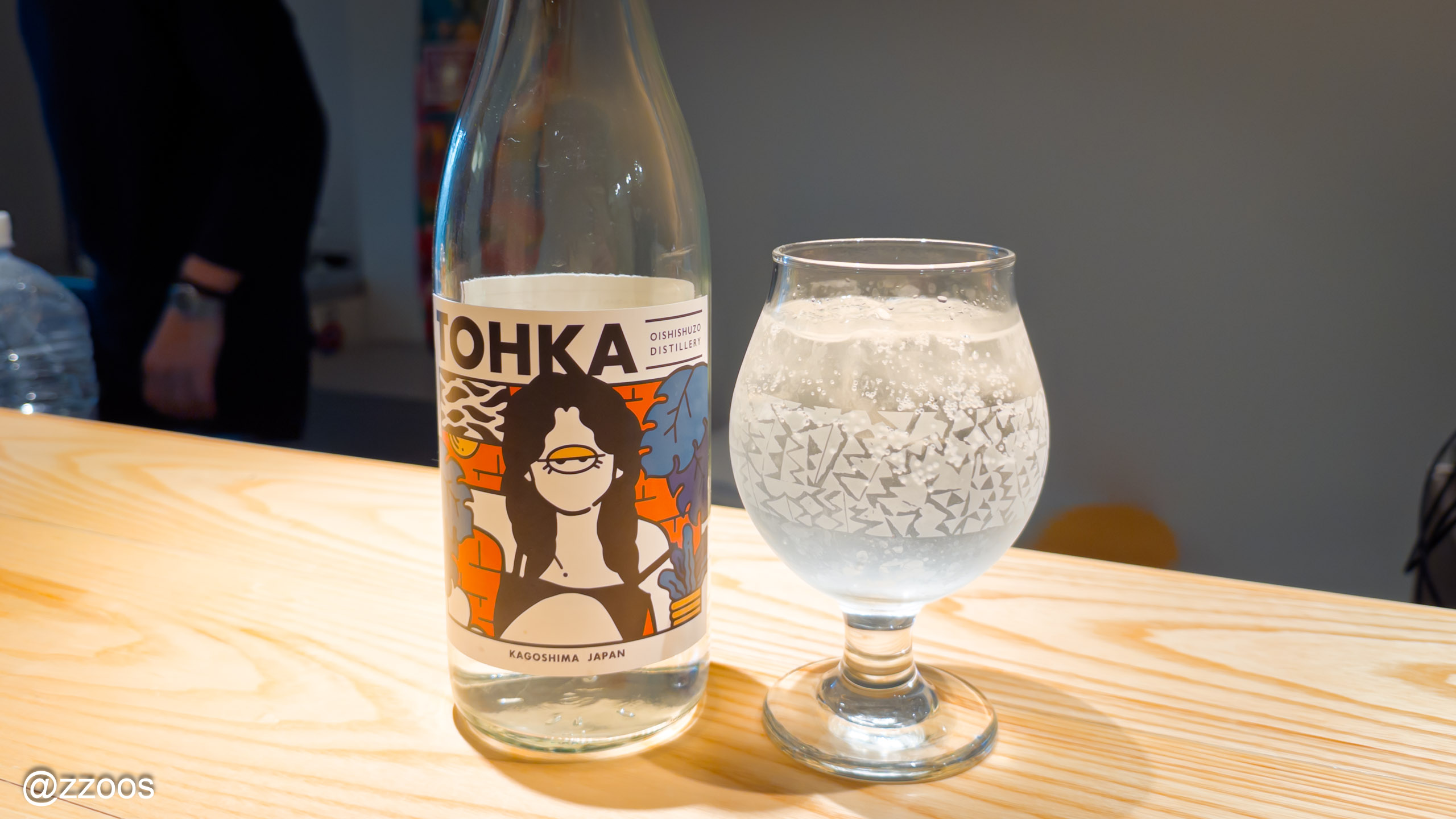
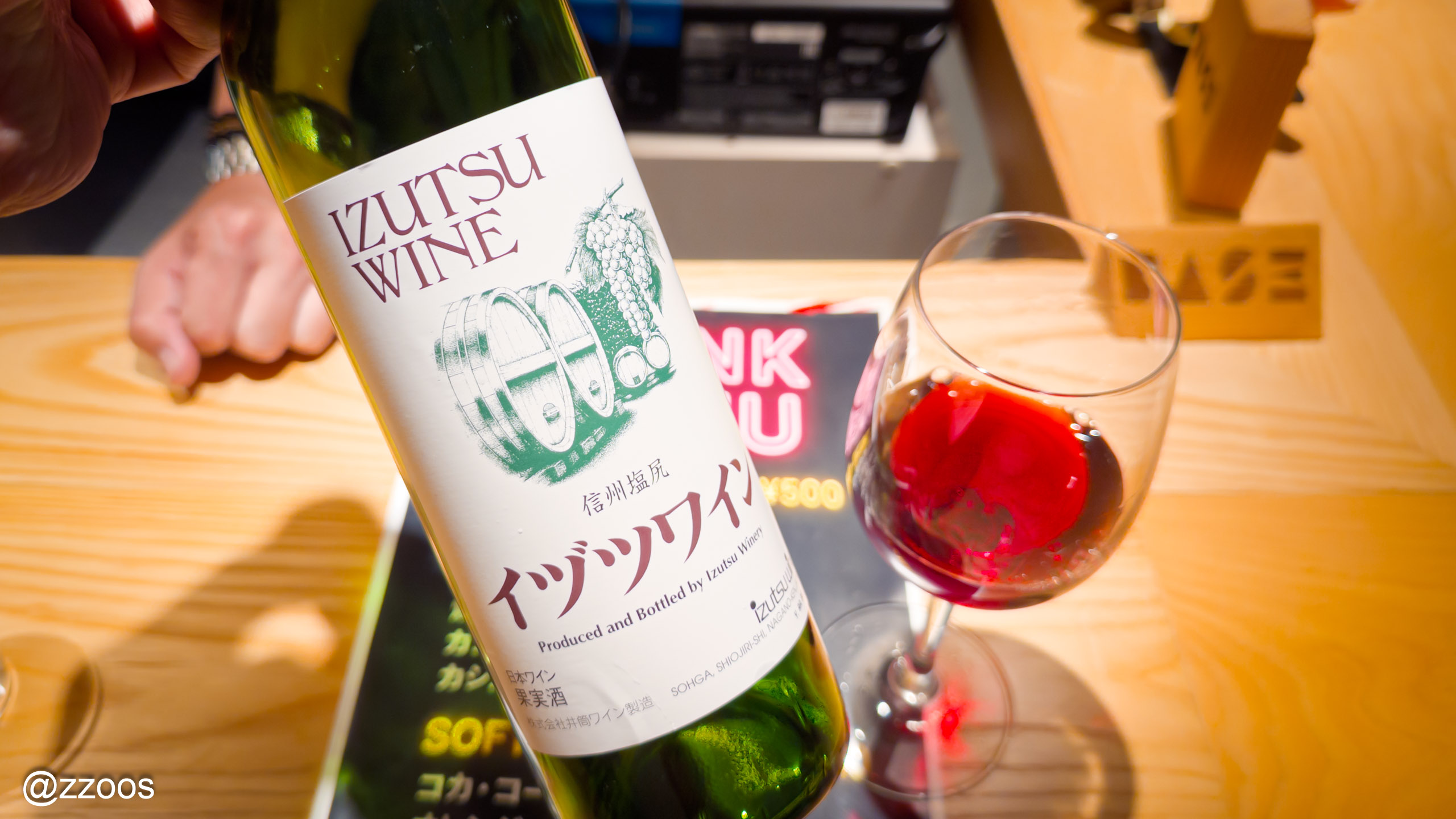
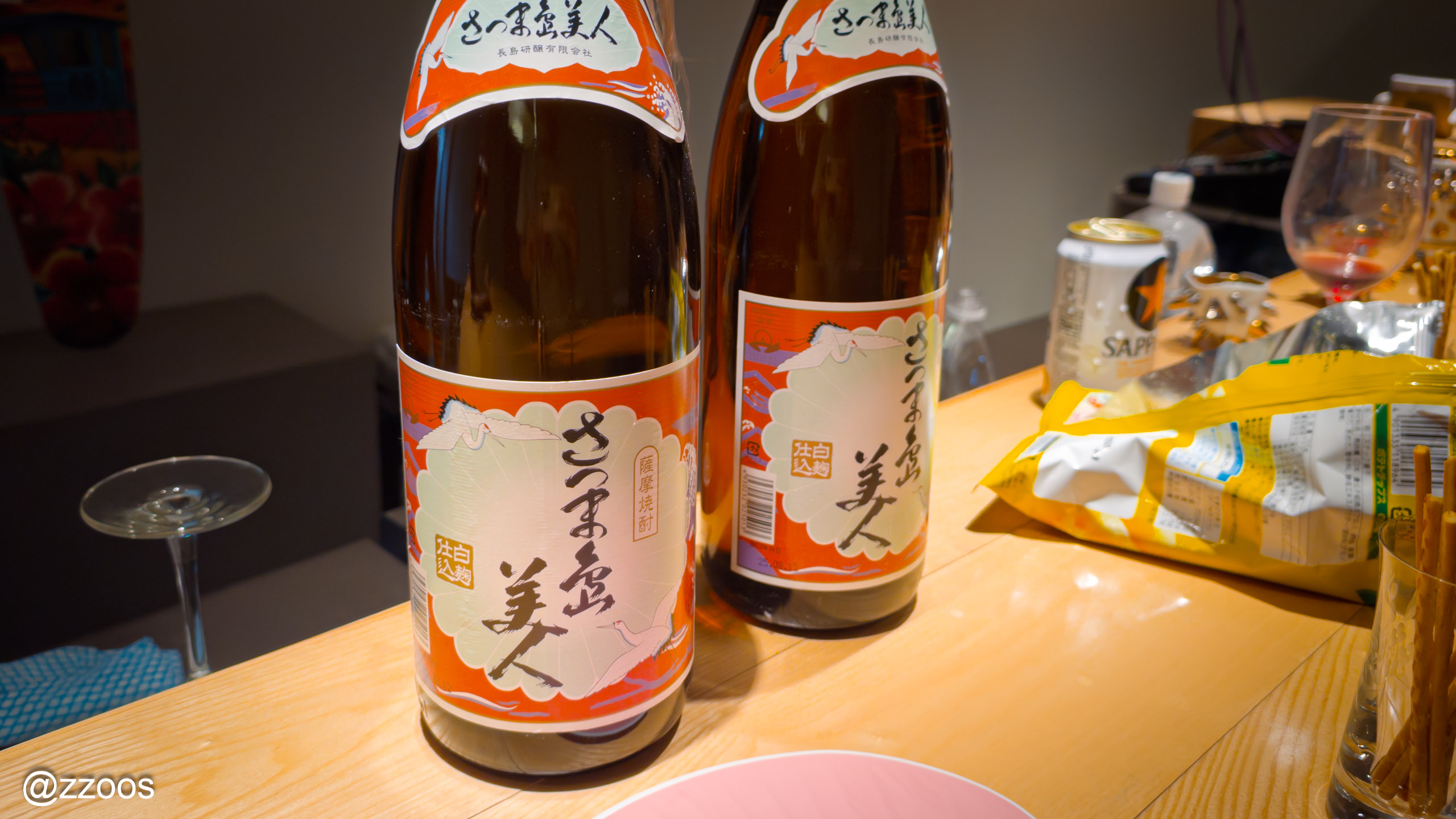
Conversations went back and forth in a mix of English and Japanese.
We talked about Jake, and then about my trip. I was curious about his three years in Kagoshima so I asked, and they asked me what I was planning to do in Izumi.
I asked how an elementary school teacher drinking this late was going to get to work tomorrow, and he said it’s the school holidays right now. Hahaha.
We drank shochu, we drank wine, we drank cocktails. At first I was ordering, but at some point it stopped feeling like a shop and became a place where a party was happening, and we just drank.
The first day of the trip — the very day I’d assumed I wouldn’t be able to do anything because of the late flight. That was the day I ran into these strange connections.
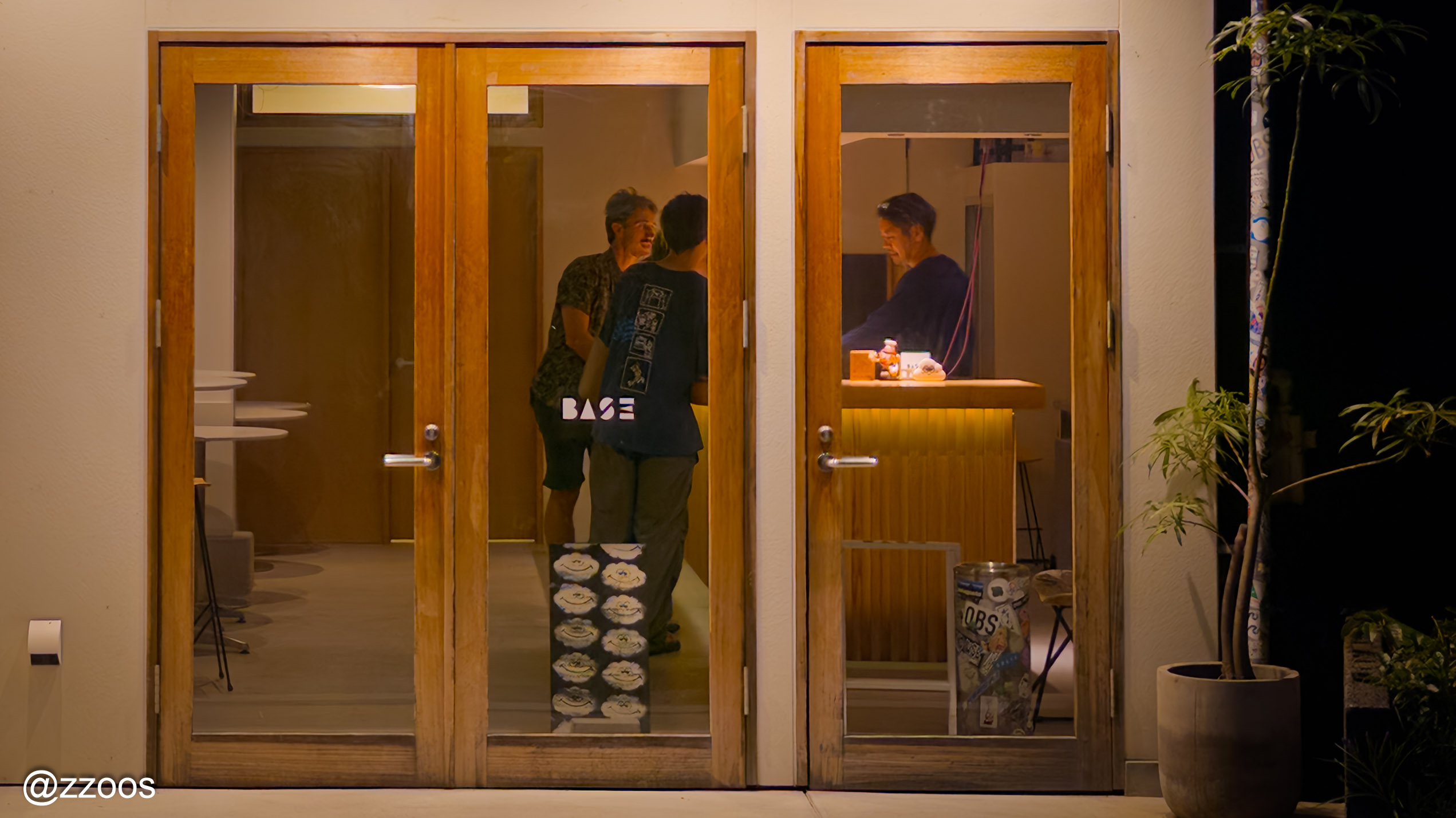
We must have drunk for about two hours. I’d had too much and had no choice but to get up first.
Jake’s farewell party probably went on until the small hours.
I was sorry to leave, but I had tomorrow’s schedule.
And then, the next day… I ended up with a hangover. Kagoshima trips always start like this. Day one, drinking shochu in high spirits, and ending up hungover.
Sigh…