Kagoshima’s only(?) nightlife district is Tenmonkan(天文館).
I once heard it used to be one of the best-known entertainment districts in all of Kyushu.
Nakasu(中洲) in Fukuoka for northern Kyushu, Tenmonkan in Kagoshima for southern Kyushu.
That kind of story.
They say it has lost that reputation now.
But if you want to eat, shop, or drink at night in Kagoshima, you still just go to Tenmonkan.
That’s why traveling in Kagoshima is easy.
You don’t have to think about where to go.
Everything is in Tenmonkan.
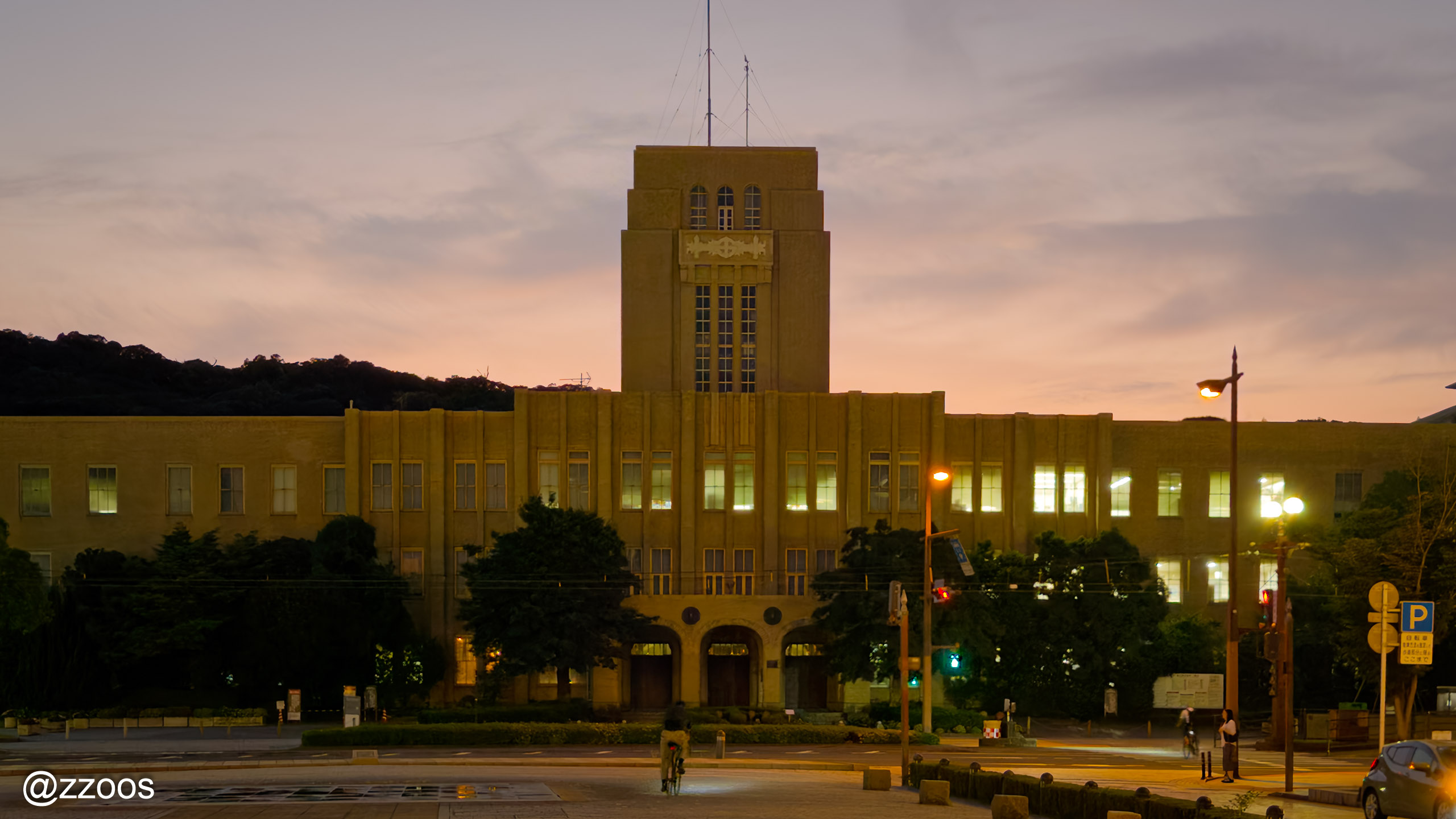
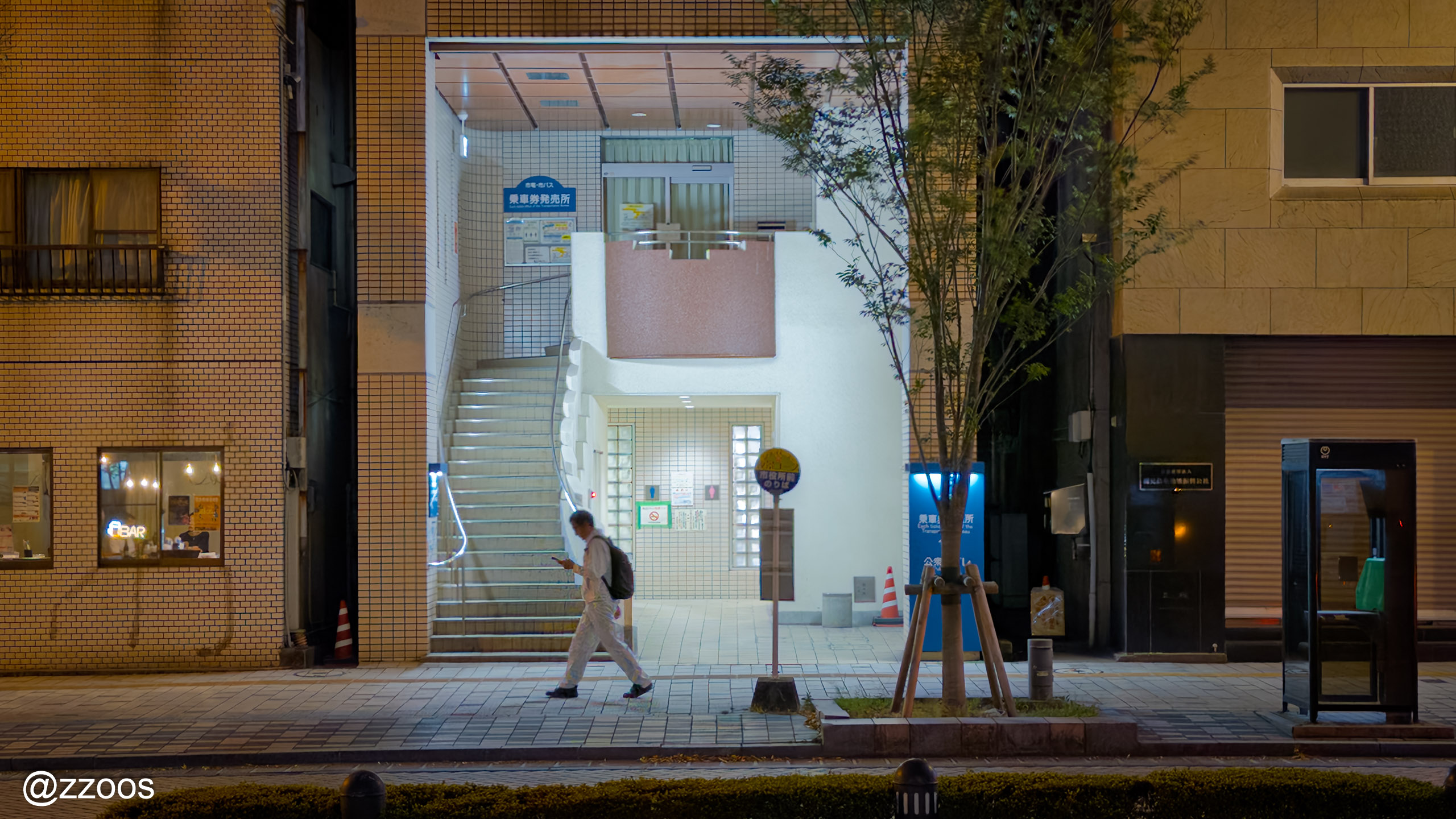
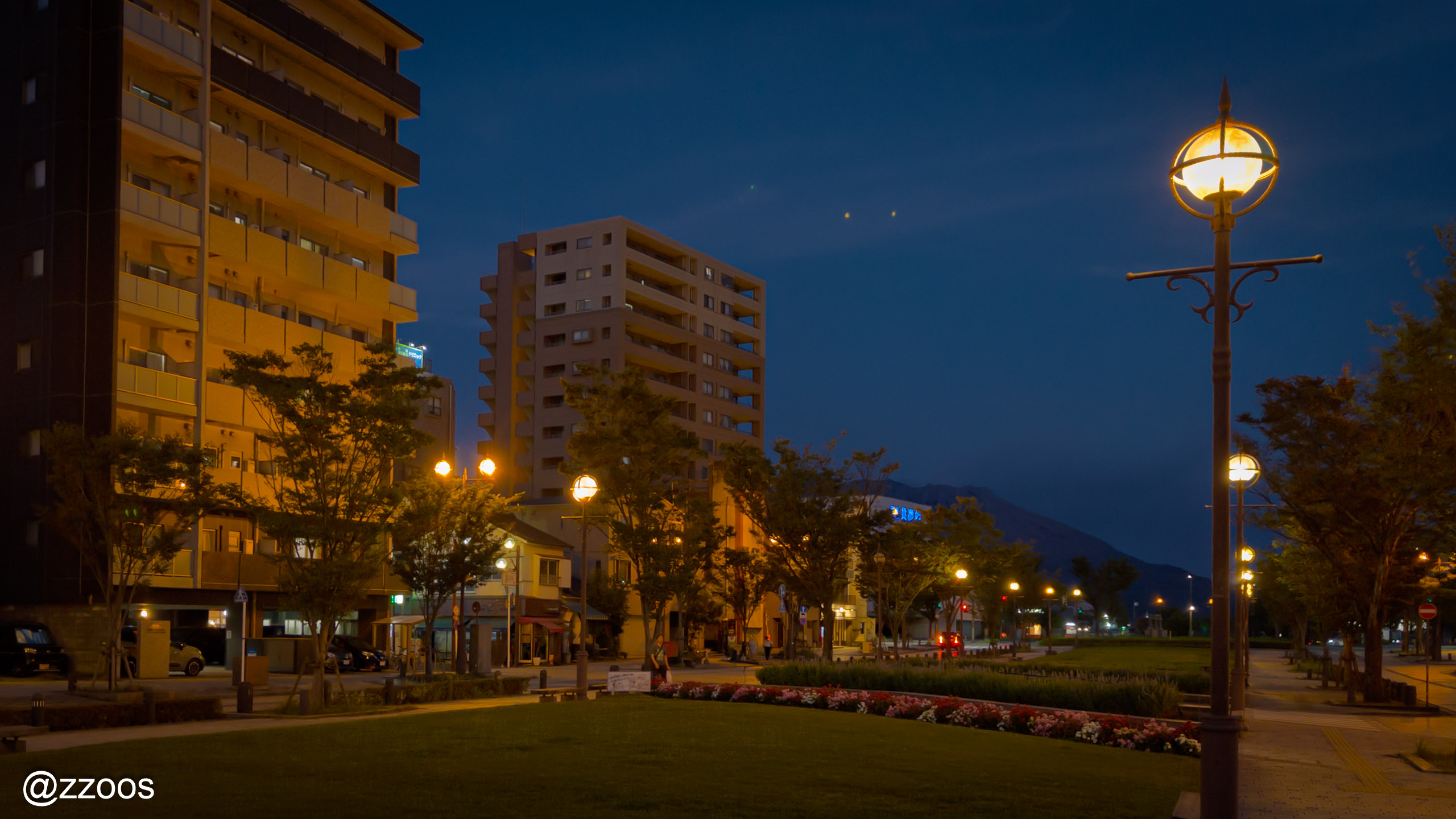
But if your trip is longer, or you’ve been to Kagoshima many times, or for whatever reason you want to eat or drink somewhere other than Tenmonkan, there are a few options.
First, there’s the area in front of and around Kagoshima-Chuo Station.
In any city, restaurants and bars tend to gather in front of the station.
Another option is near Kagoshima University, around the Kishaba(騎射場) tram stop.
Unlike Chuo Station or Tenmonkan, which get a lot of tourists, this is said to be a completely local neighborhood.
Looking at Google Maps, you can see plenty of izakayas and restaurants.
I haven’t properly explored it yet either.
I’m planning to check it out on my next trip to Kagoshima.
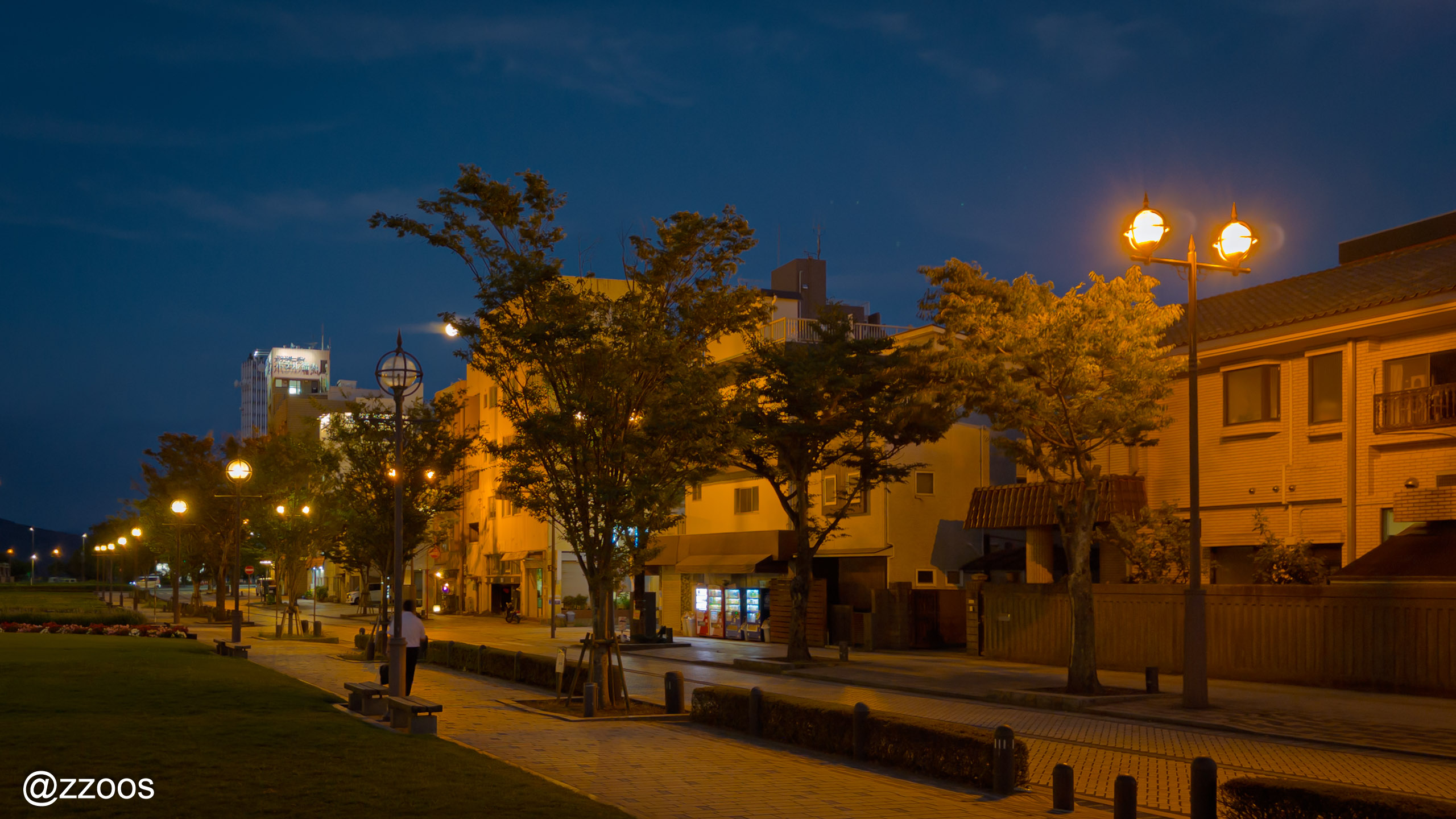
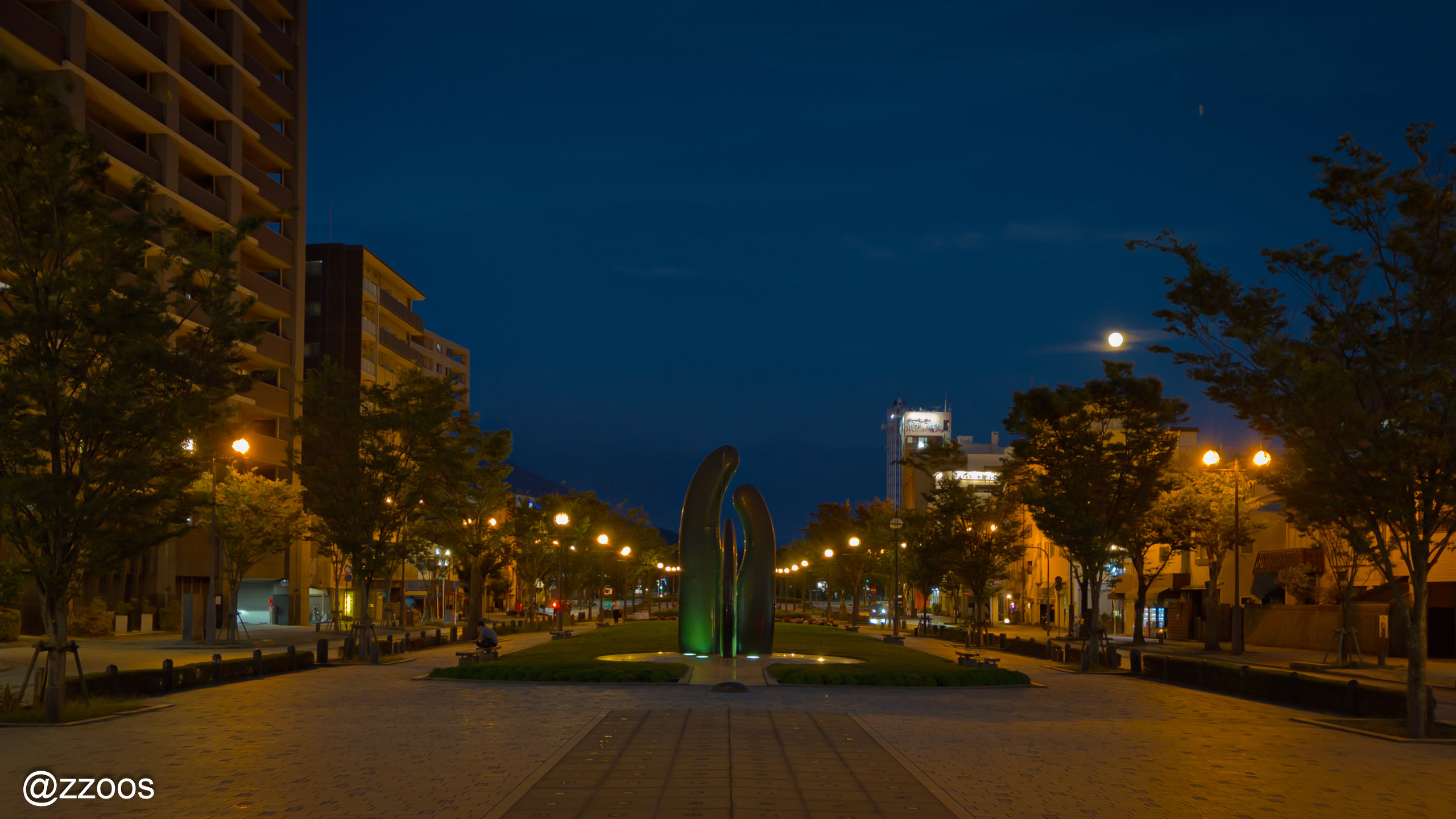
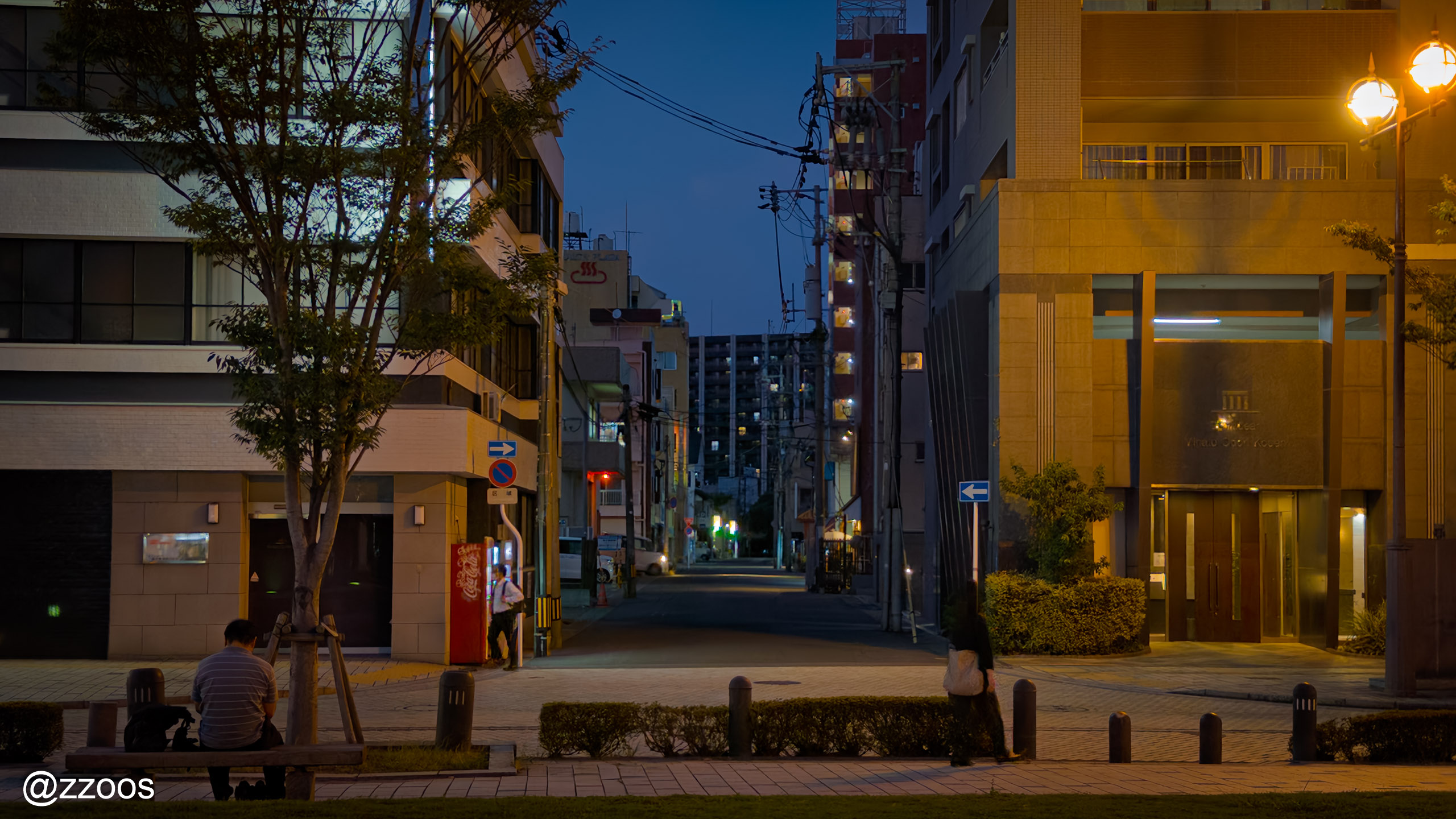
:: Meizan-cho, or Meizanbori
And finally, there’s the area I want to introduce today.
It’s a neighborhood with a unique atmosphere, in the backstreets behind Minato Odori Park, in front of Kagoshima City Hall.
The address is Meizan-cho(名山町).
People also call it Meizanbori(名山堀).
I heard the word bori(堀) refers to the moat or waterways of an old castle.
So water must have flowed around here too.
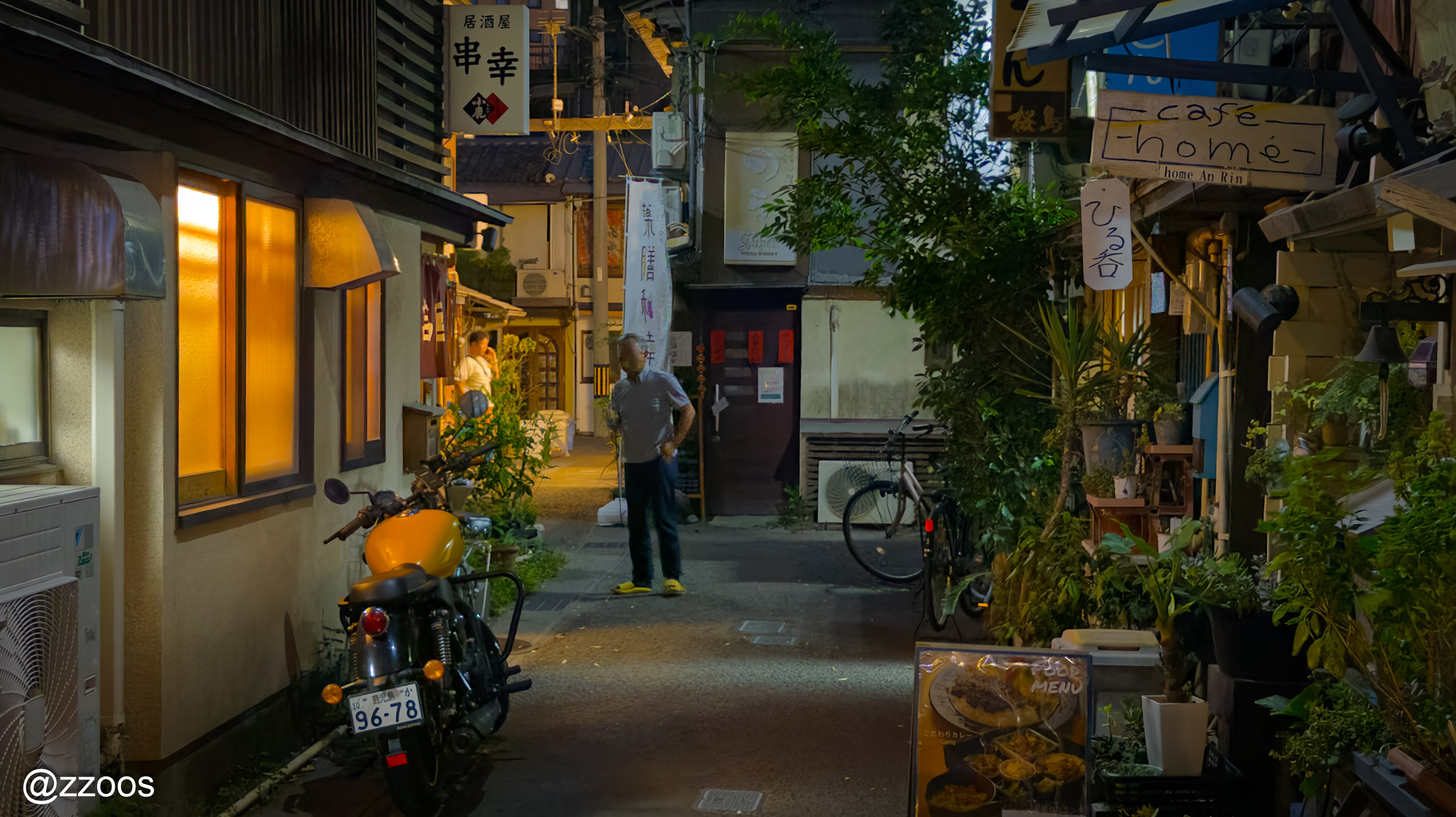
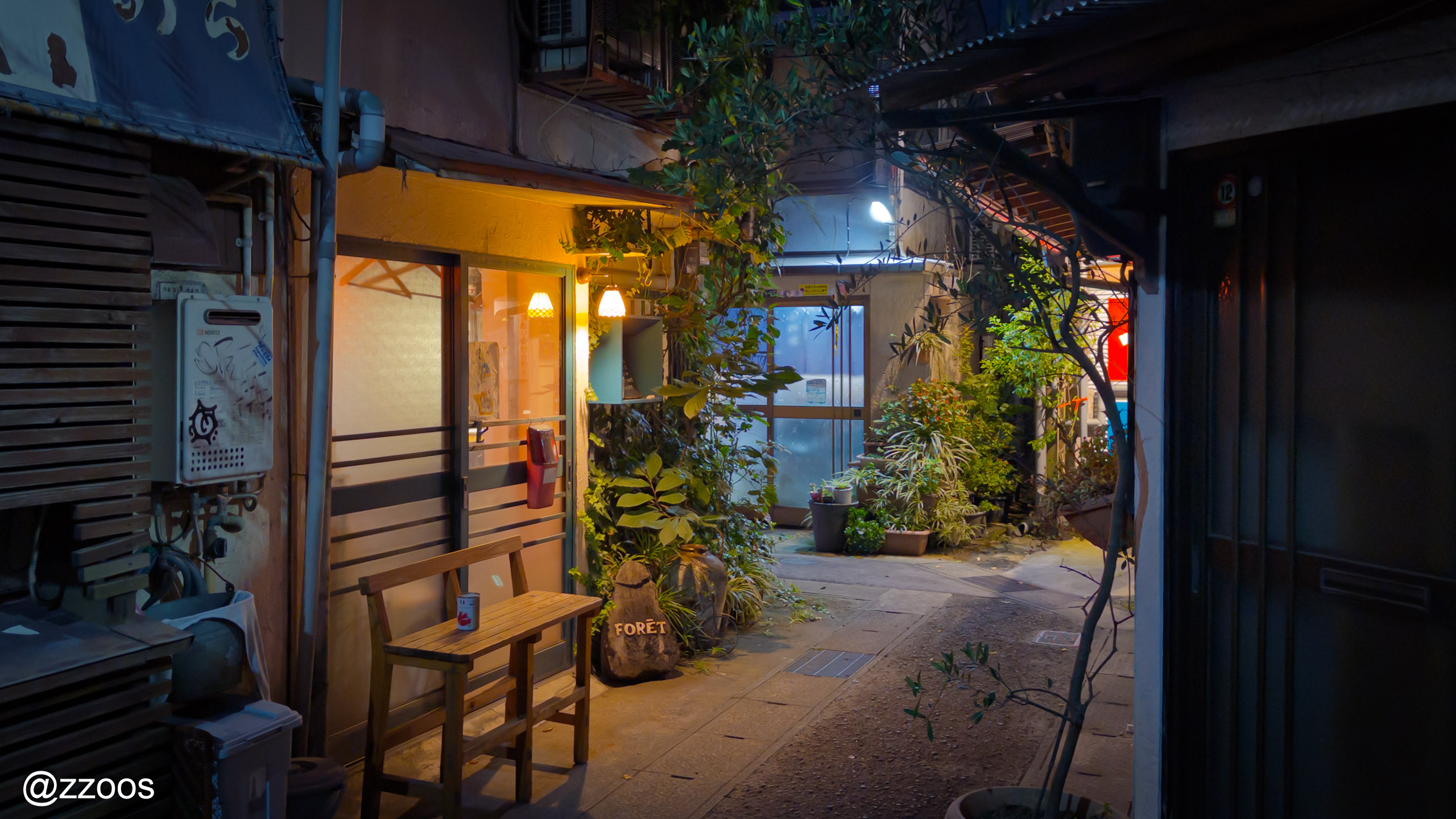
Walking through the narrow alleys between old buildings, the feeling and the scenery are unique.
Rather than big chain stores, small shops full of character are gathered here.
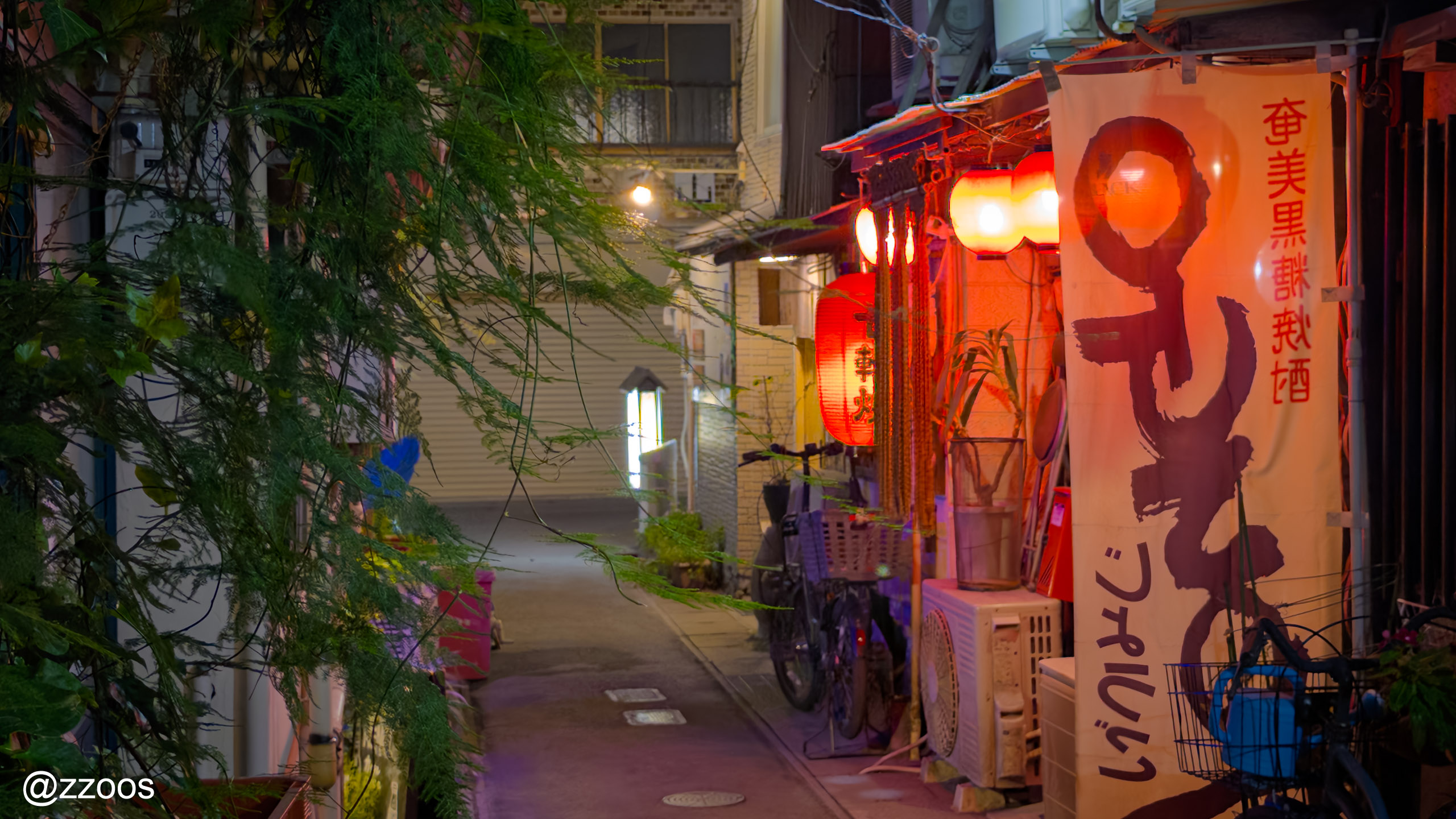
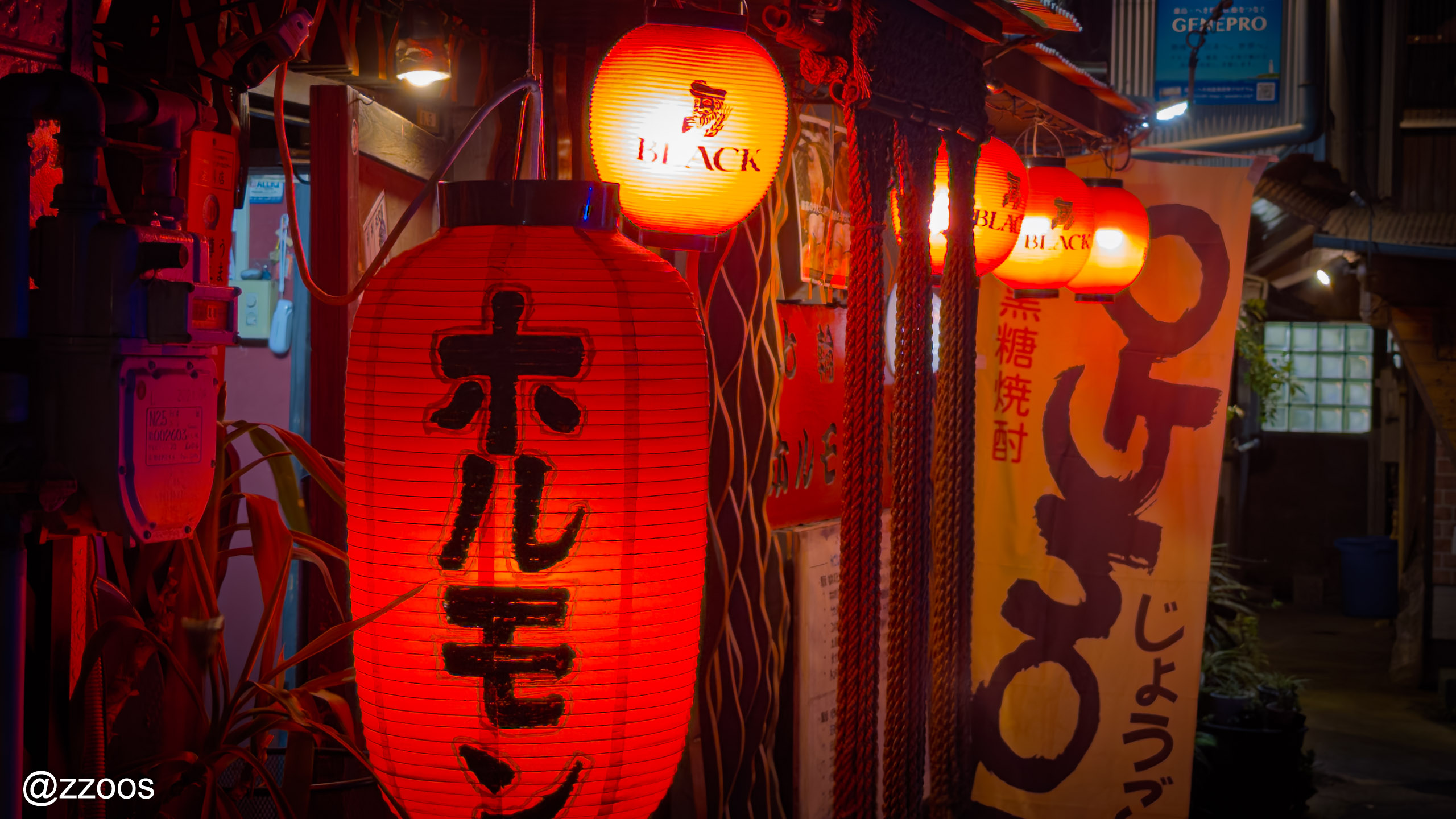
I first learned about this place on the Kagoshima tourism association’s website.
Before a trip, I tend to go through the city’s websites carefully.
In the photos, Meizanbori looked very attractive.
It had an atmosphere full of traces of the Showa era(昭和時代, 1926–89).
It’s the same when you actually visit.
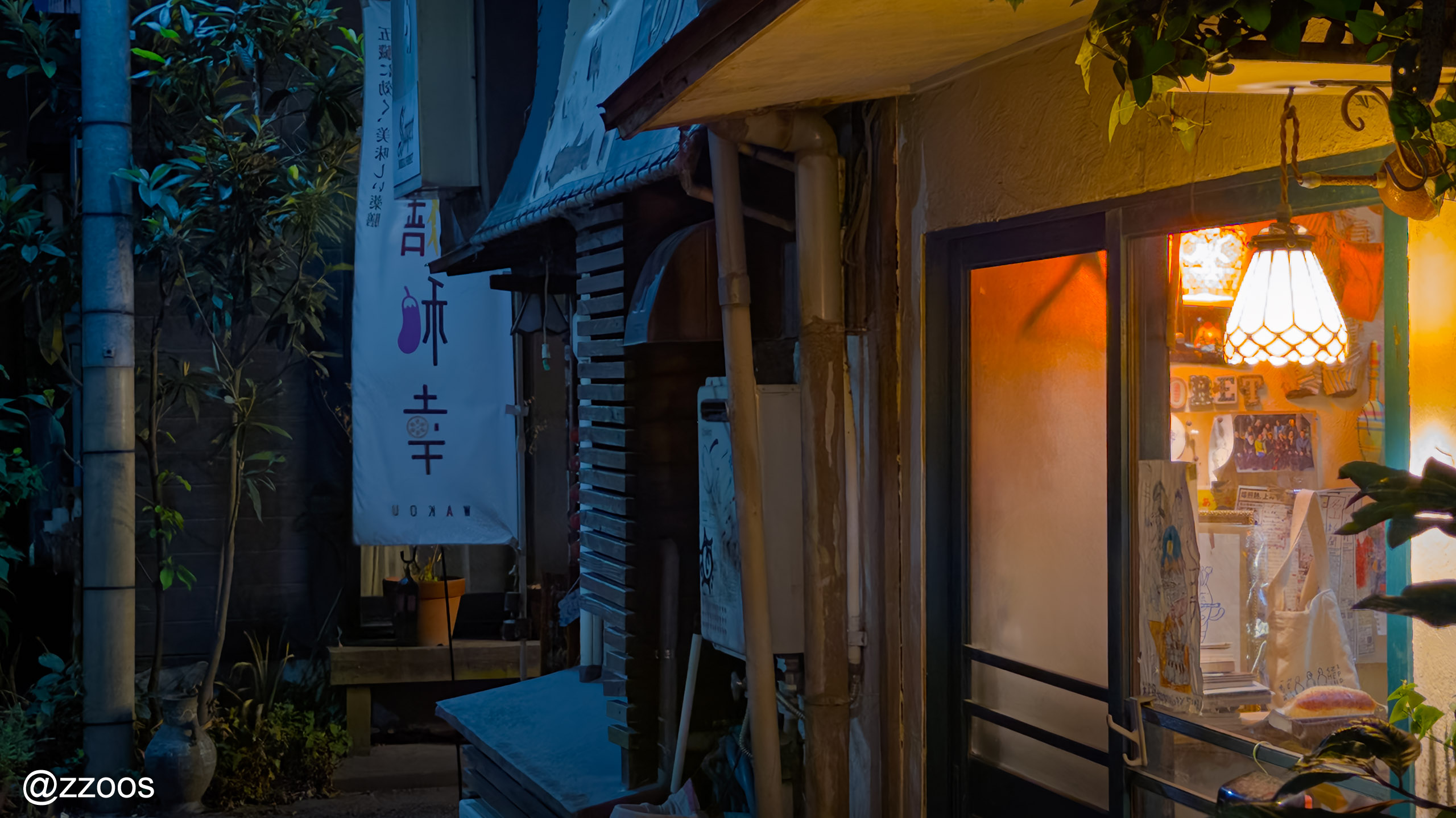
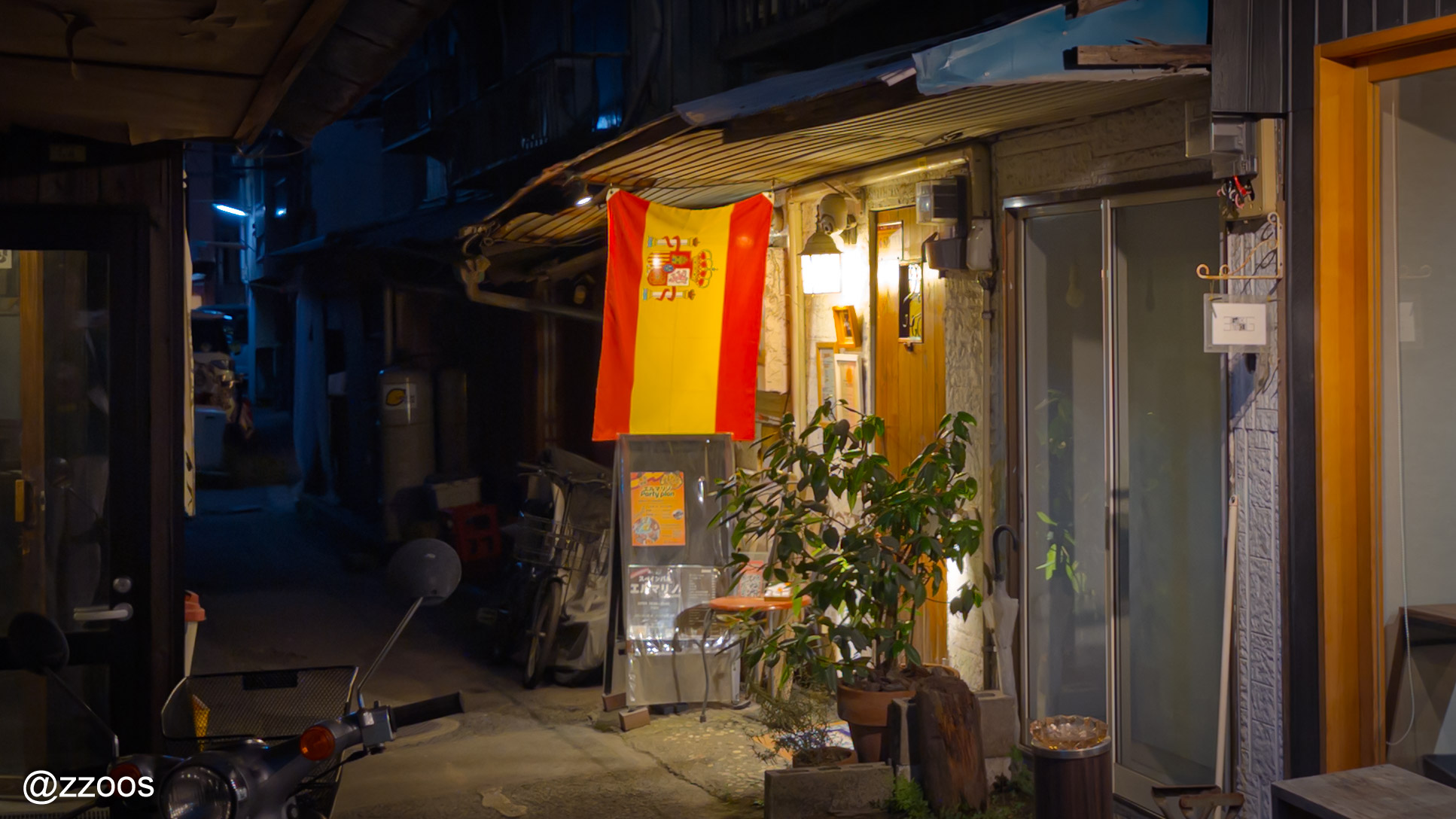
Every alley is full of Showa-era charm.
The shops are small and there aren’t many people around, so it’s not crowded either.
It’s a very attractive alley.
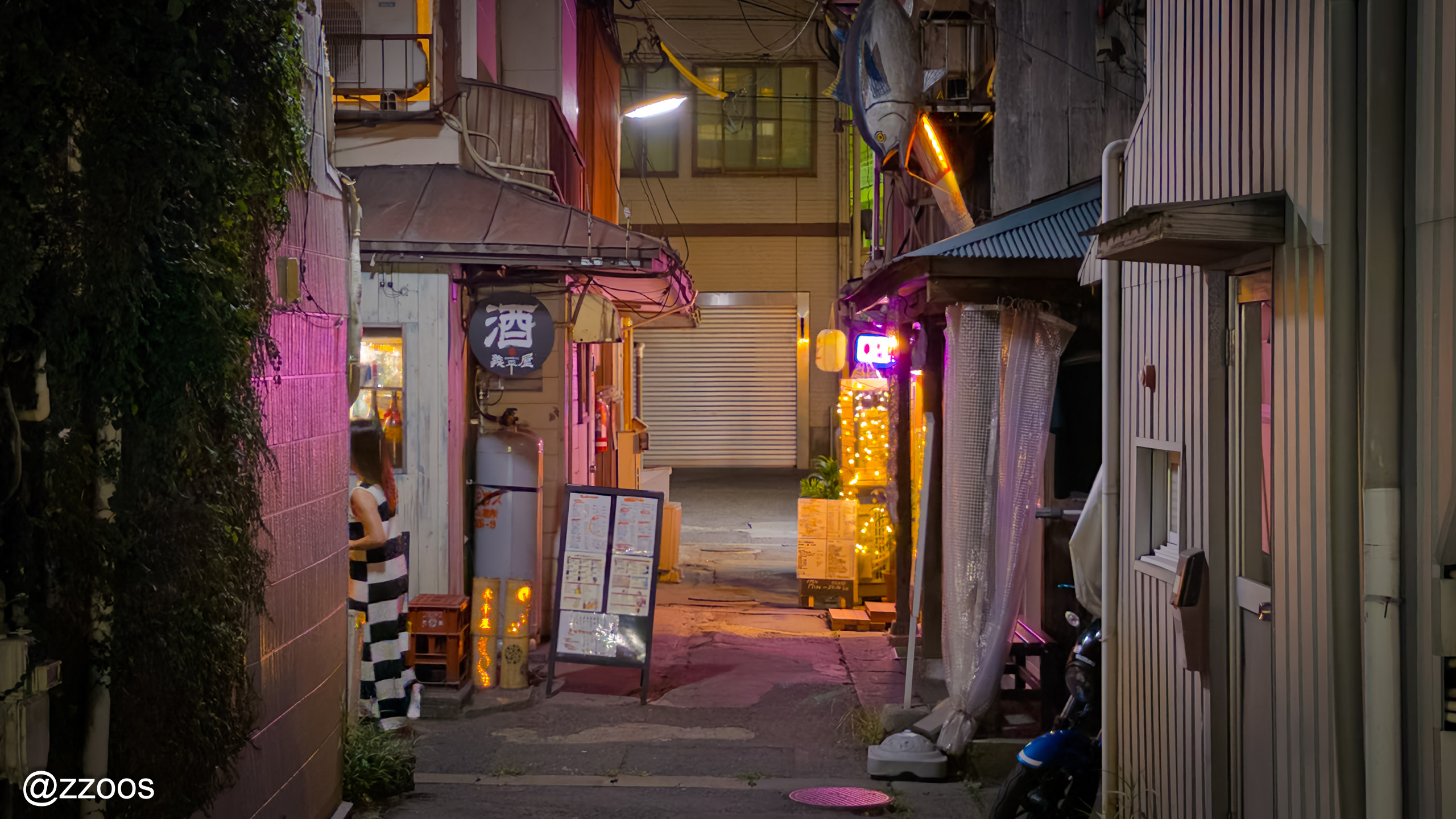
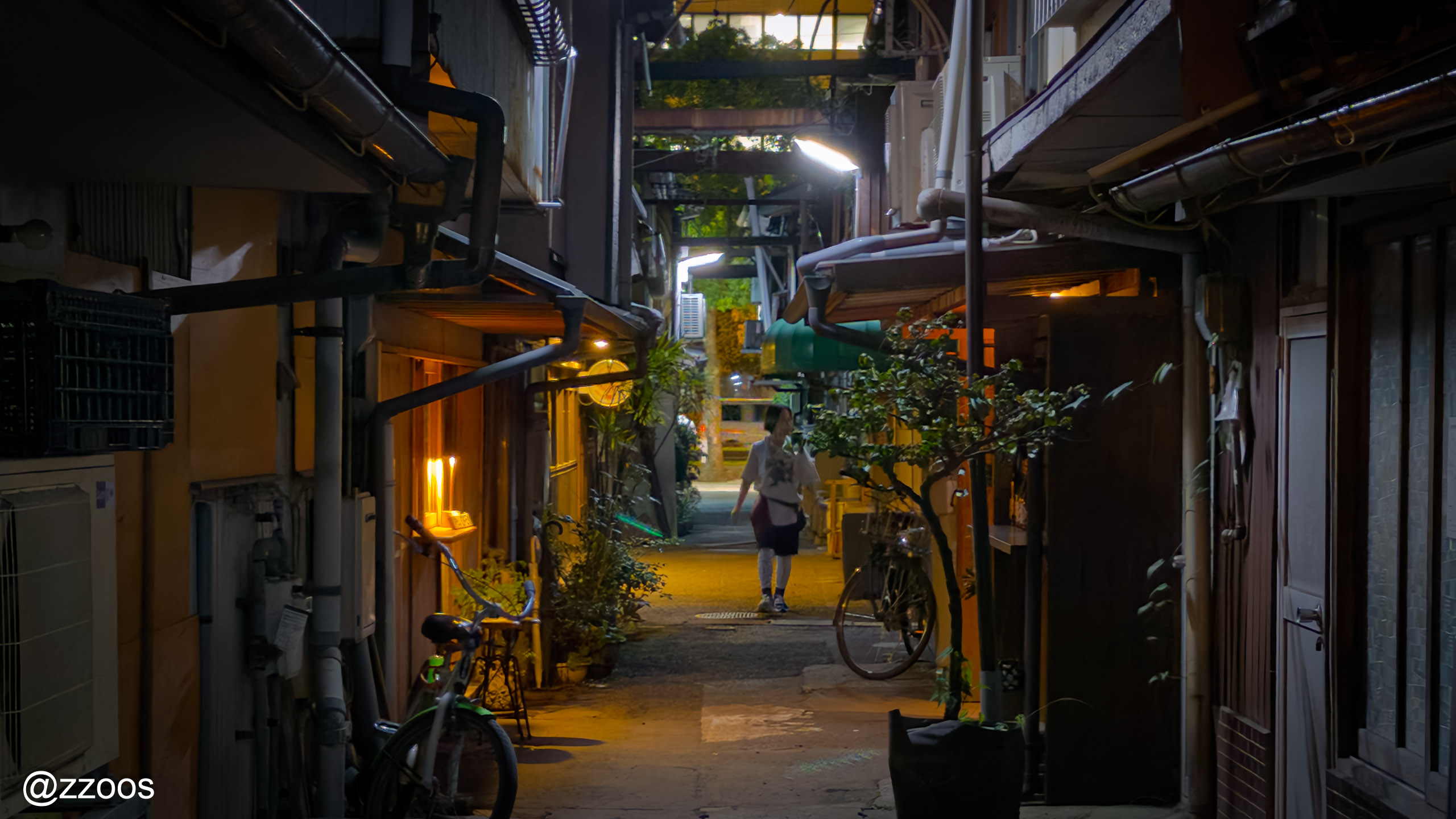
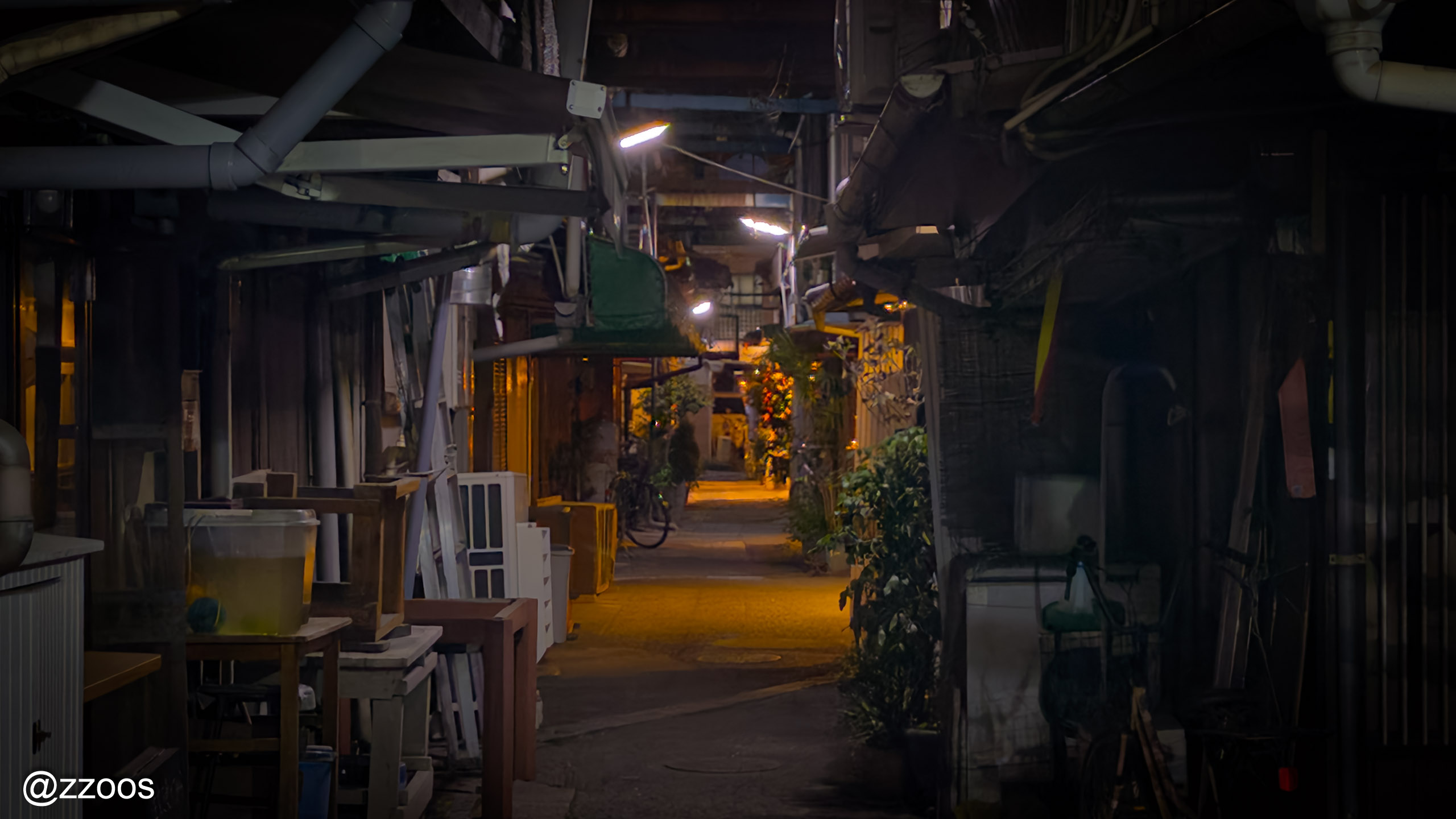
:: Don’t expect too much.
But there’s one thing.
Something I want to tell you in advance.
Don’t expect too much.
You shouldn’t expect something like Pontocho(先斗町) in Kyoto or the Higashi Chaya District(ひがし茶屋街) in Kanazawa.
It’s not that big an area, and it hasn’t kept that much of its past.
It’s a narrow alley like Golden Gai(ゴールデン街) in Shinjuku, but it doesn’t have that many shops, and it’s not that big an area.
It’s a very small area.
Even if you look around every corner, it will take less than 20 minutes.
Just a handful of shops open in a very small area.
Honestly, you could call it an alley that looks better in photos than in person.
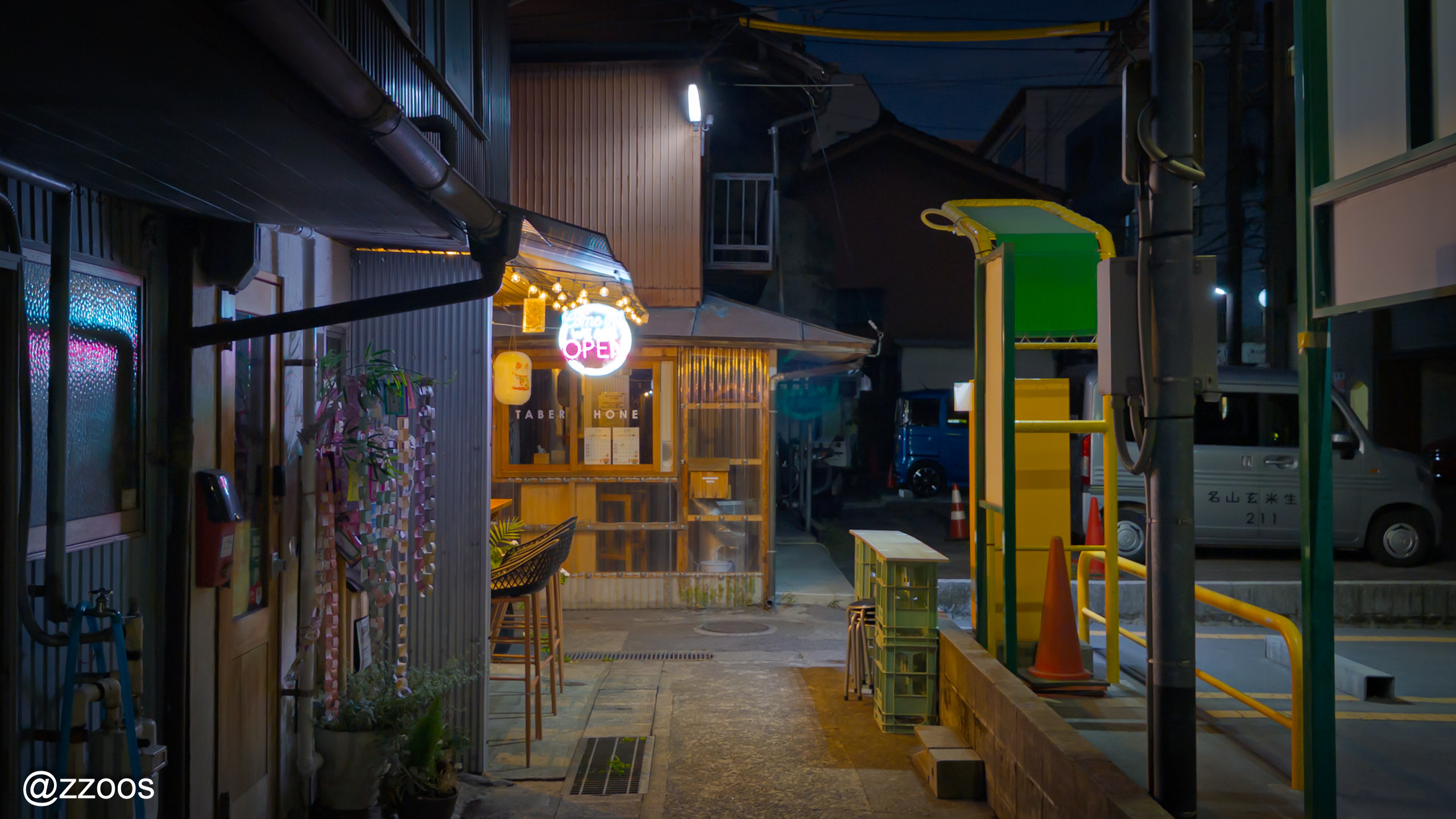
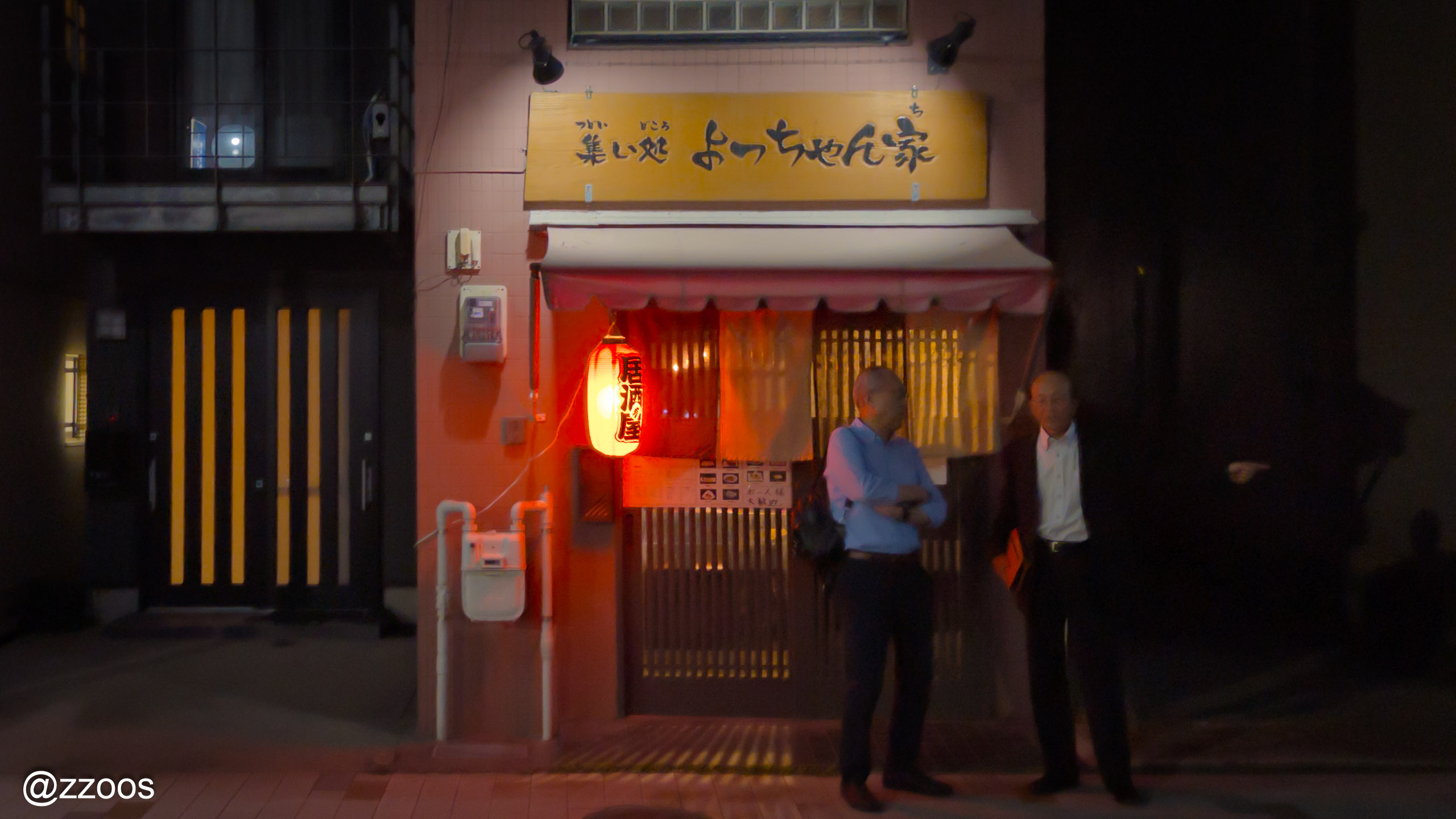
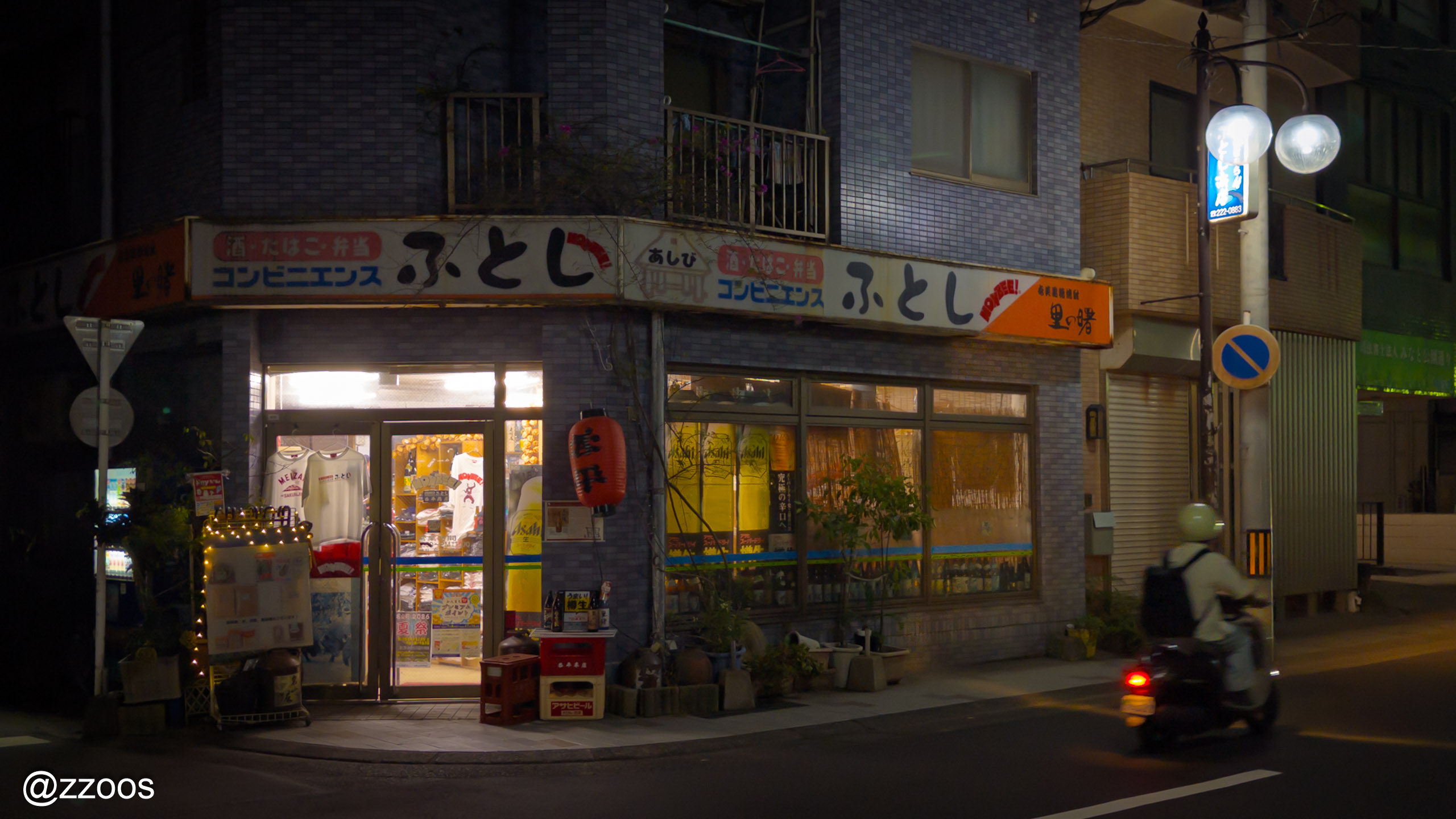
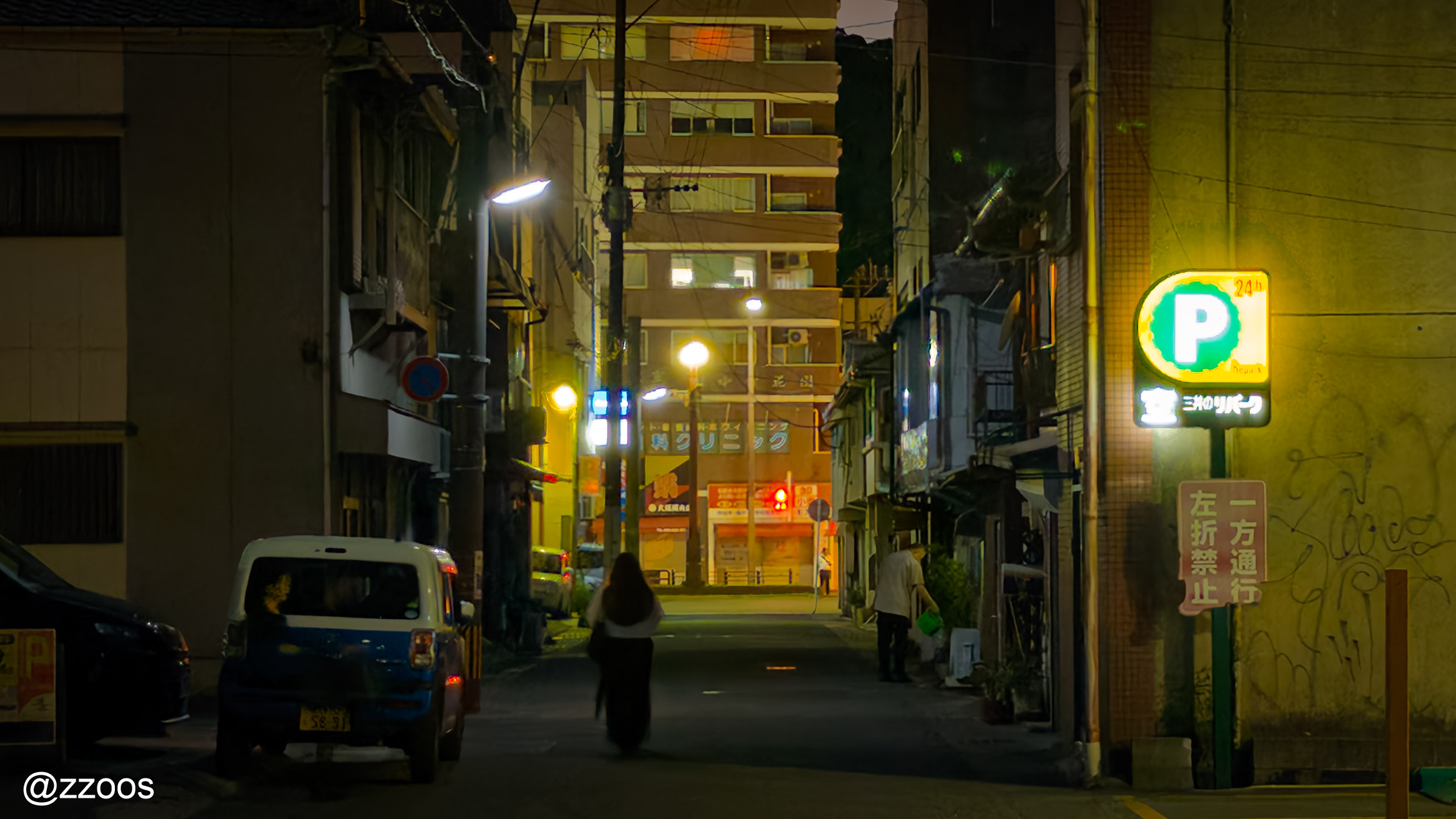
But when you walk slowly through that small area, you keep wanting to press the shutter.
Maybe it’s precisely because it isn’t too busy?
And if you widen your walk a little, you can feel the everyday life of the locals as well.
I start to get confused about whether what I wanted to see was the Showa scenery or the scenery of local life.
Finding a shop you like in a place like this, discovering a view you like.
Isn’t that one of the pleasures of travel?
So I go there sometimes.
Because I might be able to capture a great scene in a photo, somewhere between these small alleys.