:: I Recommend Taking a Taxi
I’ve been to Kagoshima many times, but there’s one place I’d never managed to visit. One time I even made it all the way to the nearest tram stop on purpose, but I just couldn’t get a taxi, so I ended up giving up.
That place is the Nagashima Museum(長島美術館).
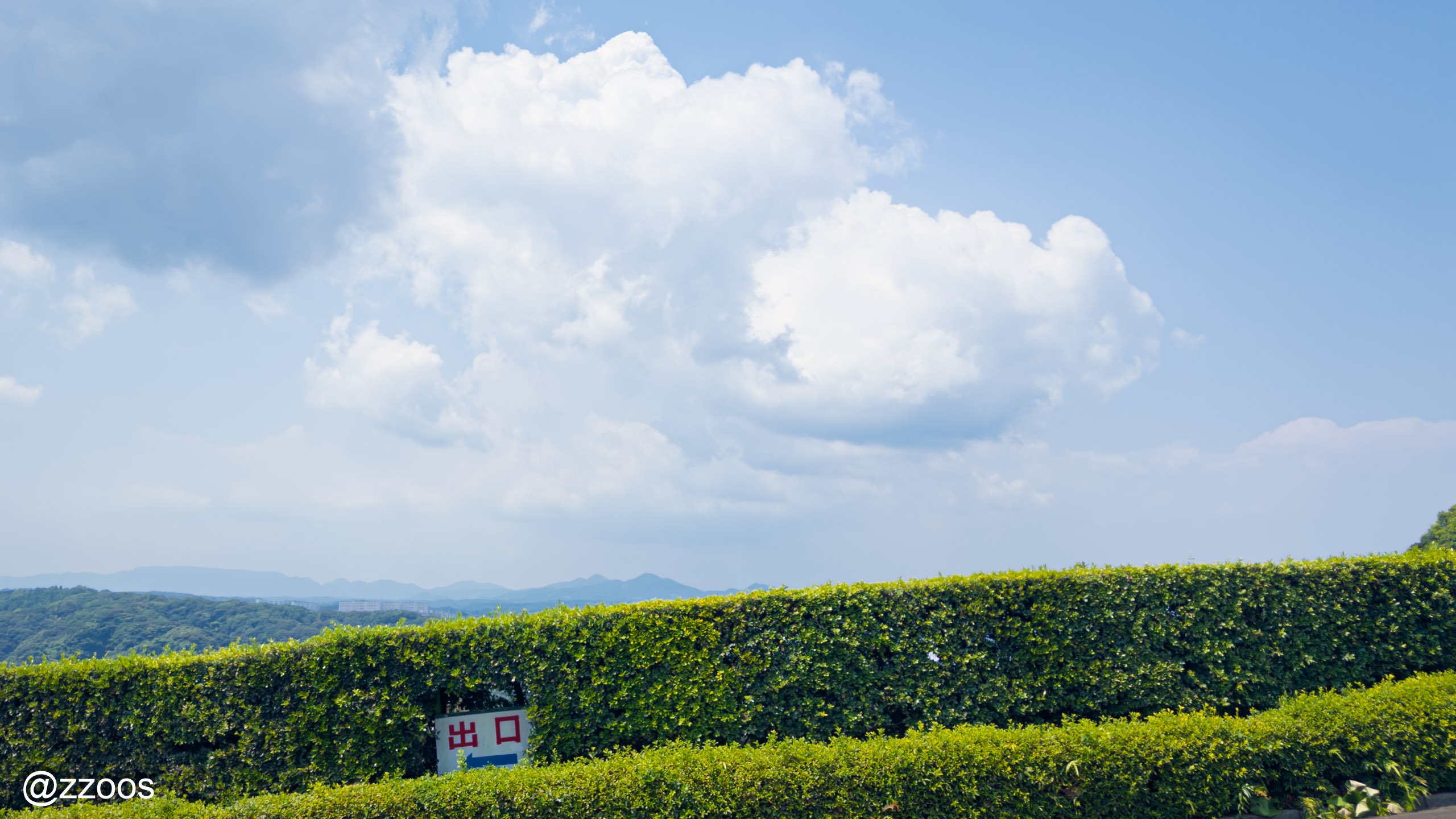
The museum sits on top of a hill, so it’s a bit hard to reach on foot. The closest tram stop is Nakasu-dori Station(中洲通駅), but from there it’s a 30-minute walk up a fairly steep road, so walking there isn’t really an option.
So, take a taxi up from Nakasu-dori Station? That’s not easy either. Because there are no taxis around there.
That means you have to call one, but Kagoshima isn’t yet covered by nationwide taxi-hailing apps like GO!. There is a taxi app just for Kagoshima, but it requires a local Japanese phone number, so travelers can’t sign up.
In the end, the way to visit this museum is to take a taxi straight from Kagoshima-Chuo Station. It’s very easy to catch a taxi in front of Kagoshima-Chuo Station.
The fare to the museum is about 1,300 yen.
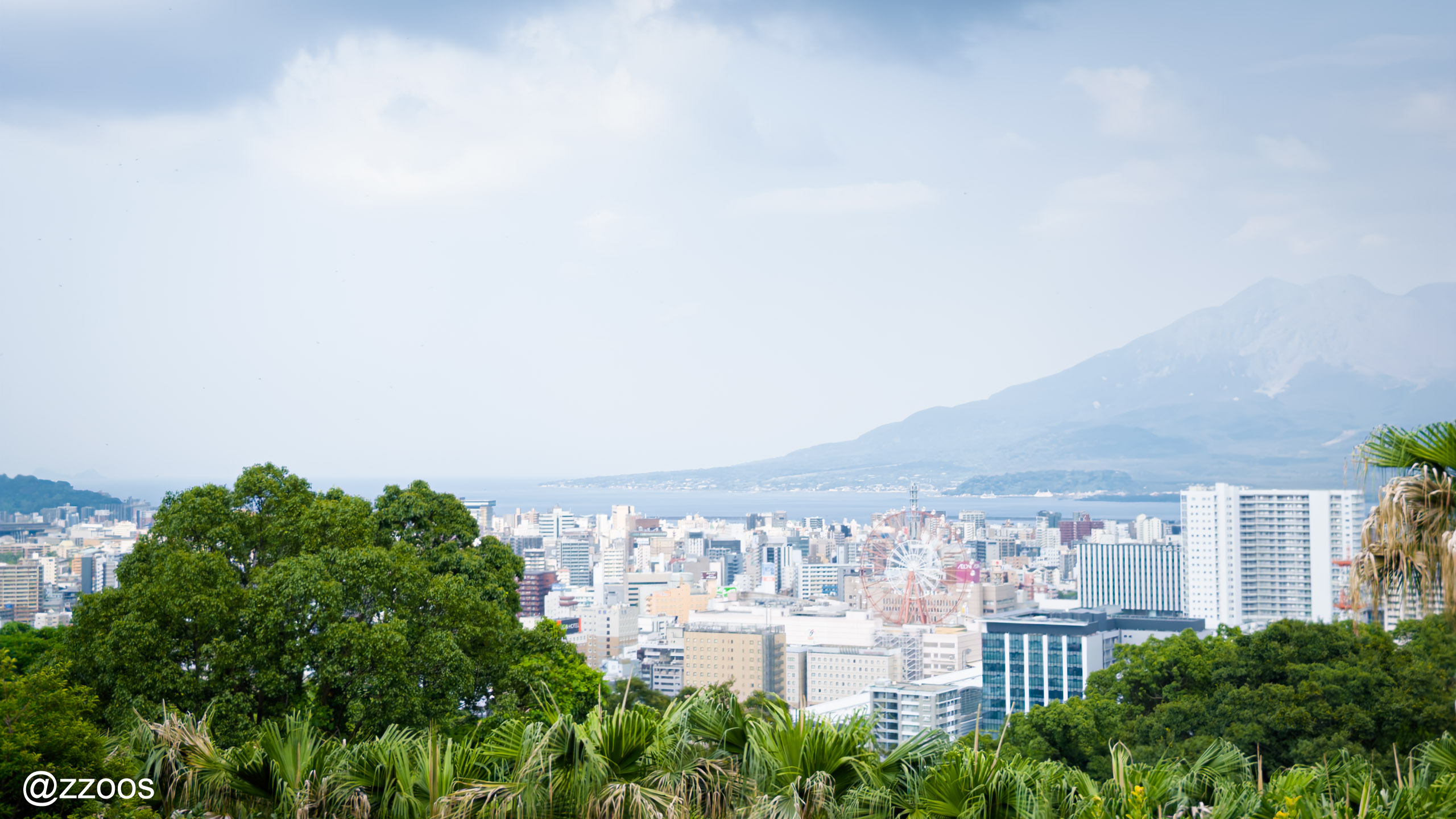
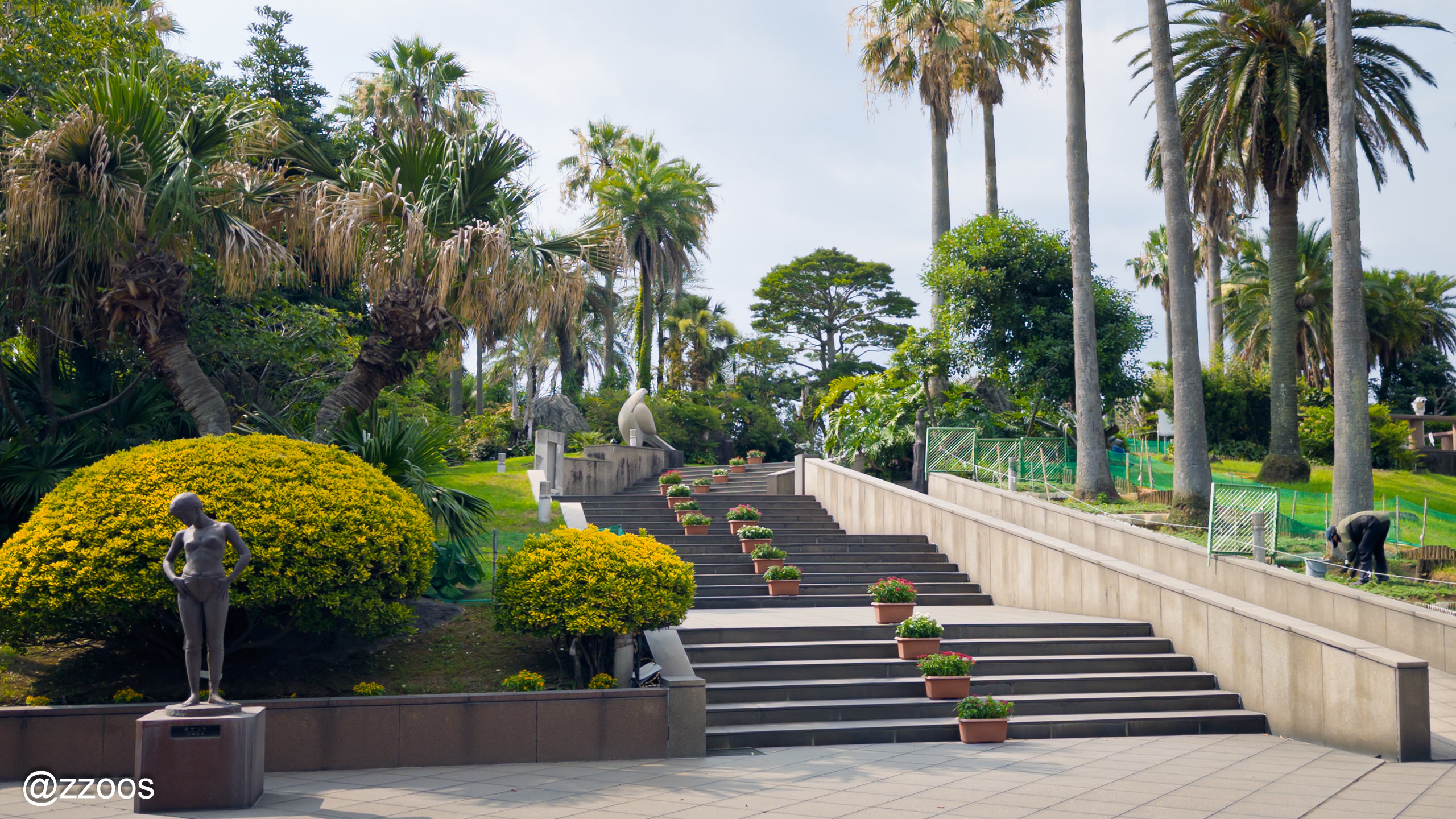
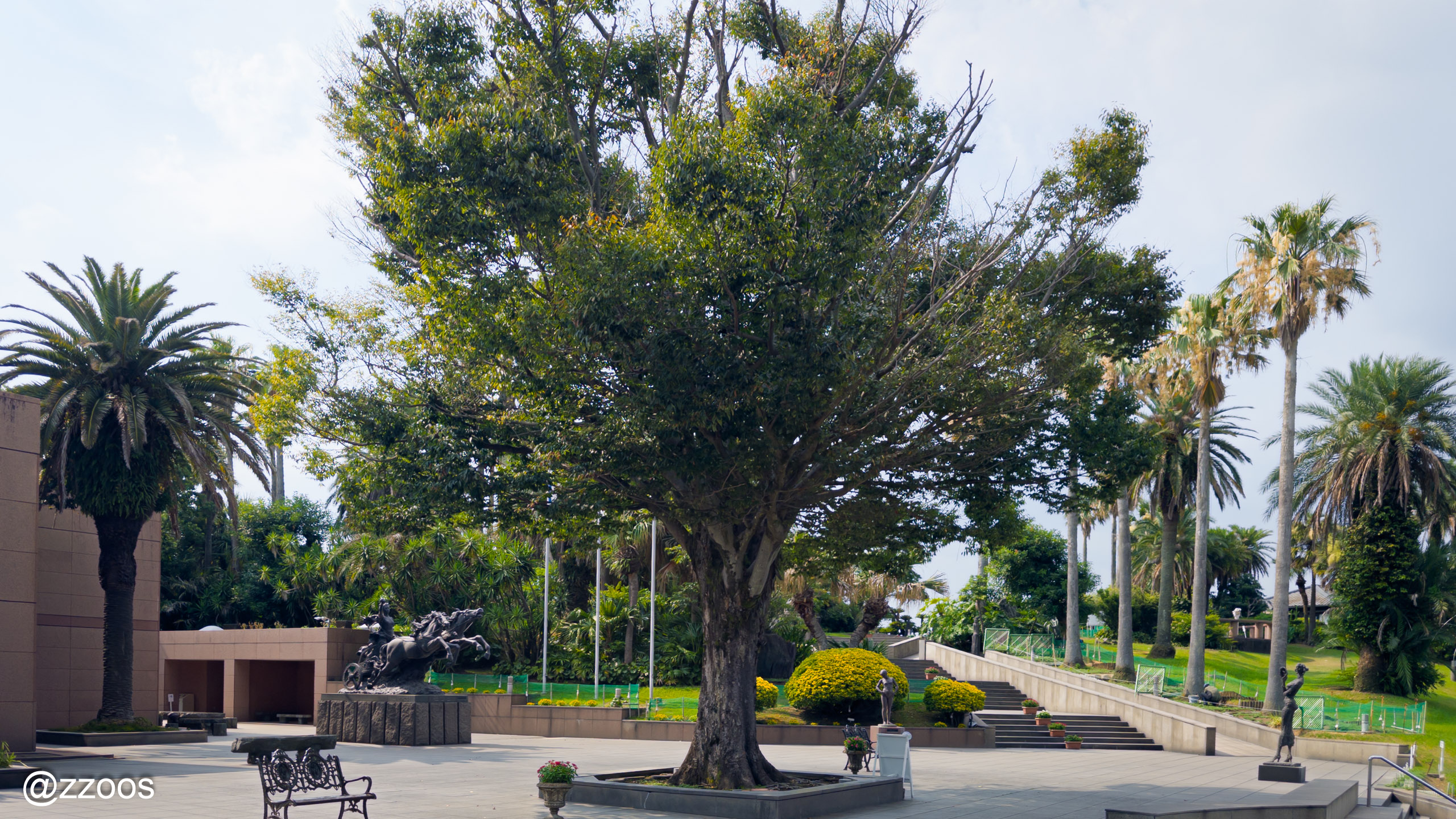
:: A Museum Overlooking Downtown Kagoshima and the Sea
If I had walked up for 30 minutes under the midsummer sun, it might have been a disaster.
By taxi, you can get dropped off right at the museum’s main gate.
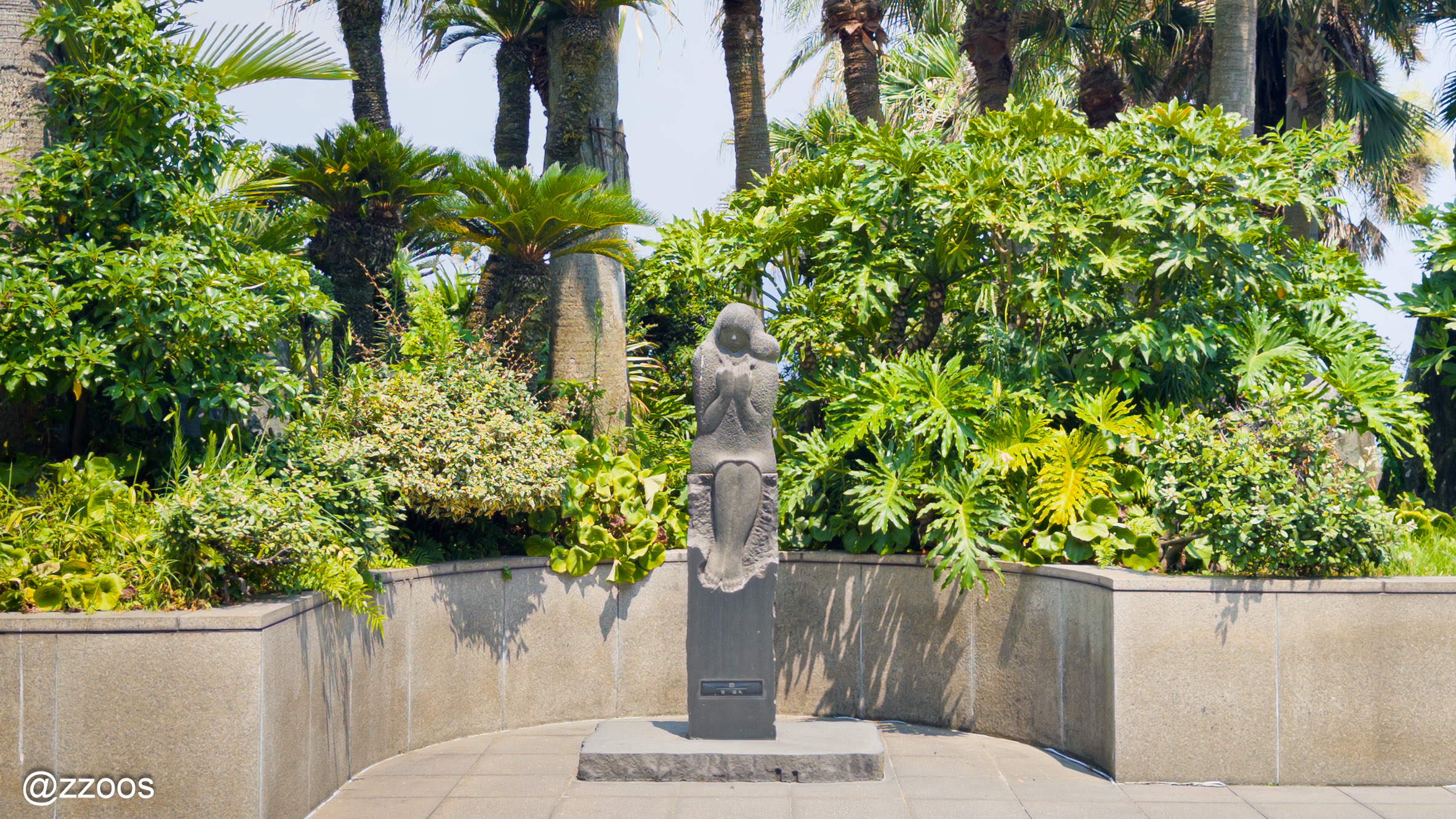
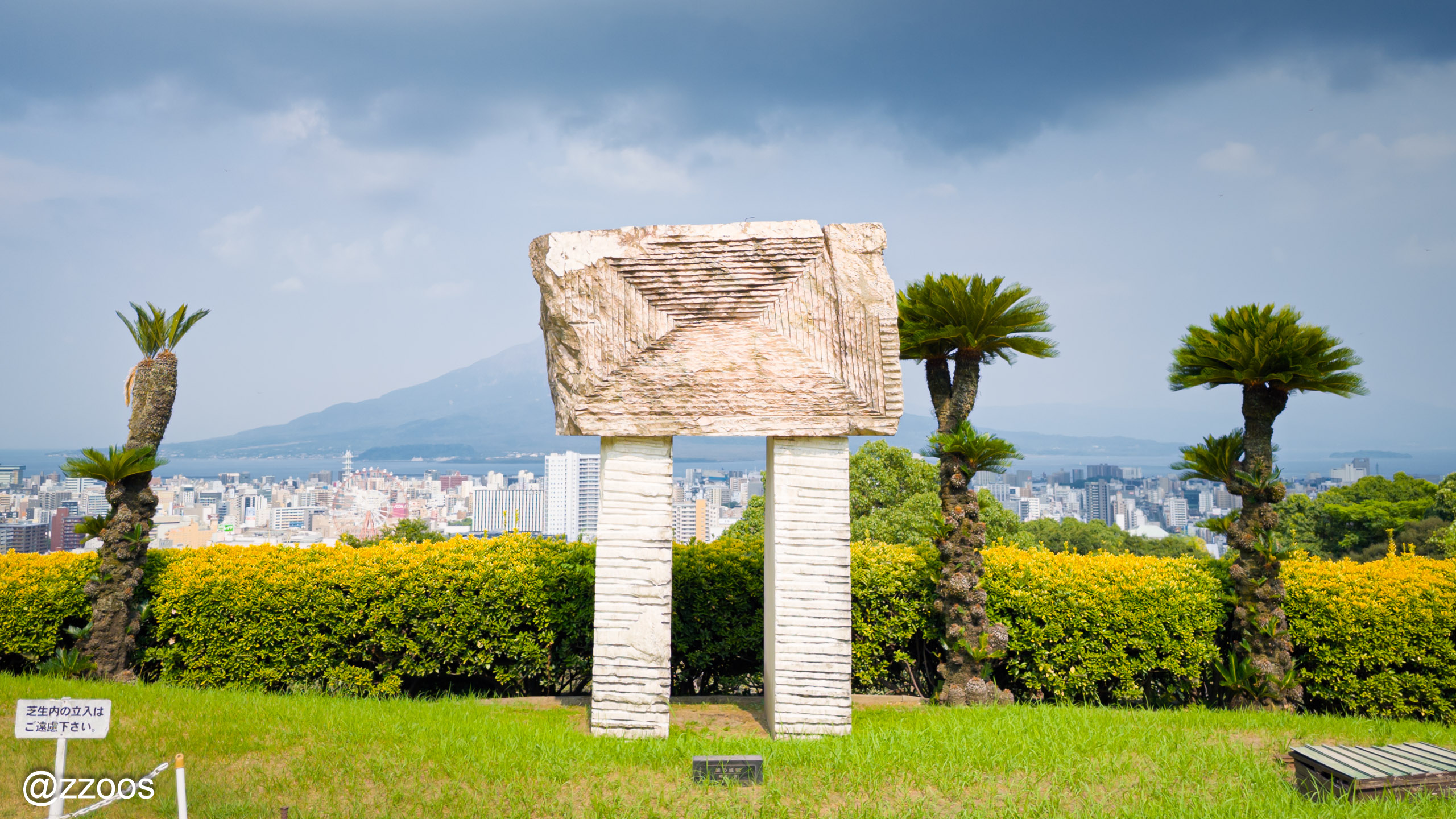
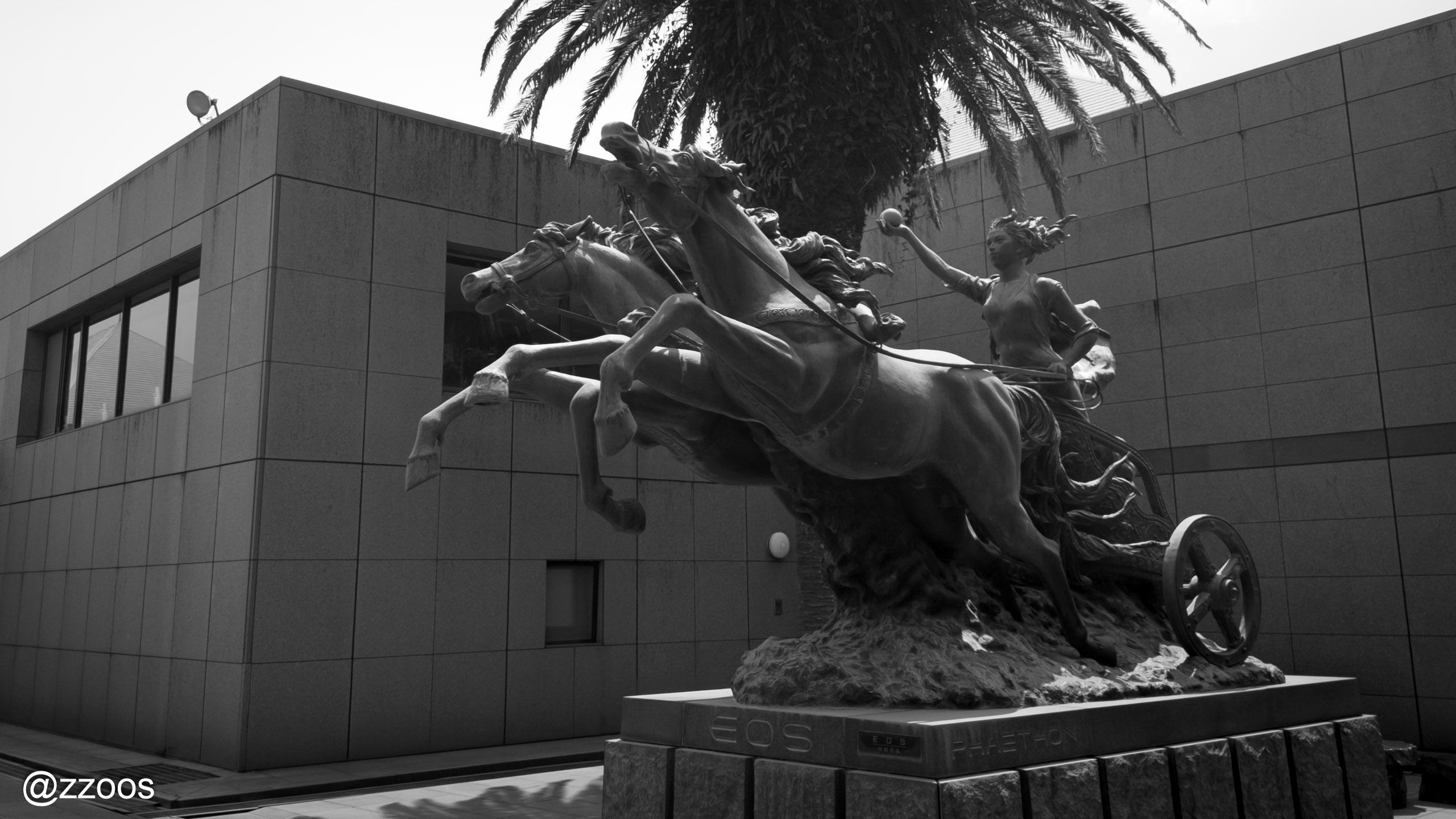
Walking from the main gate to the museum building, you can see a few outdoor sculptures.
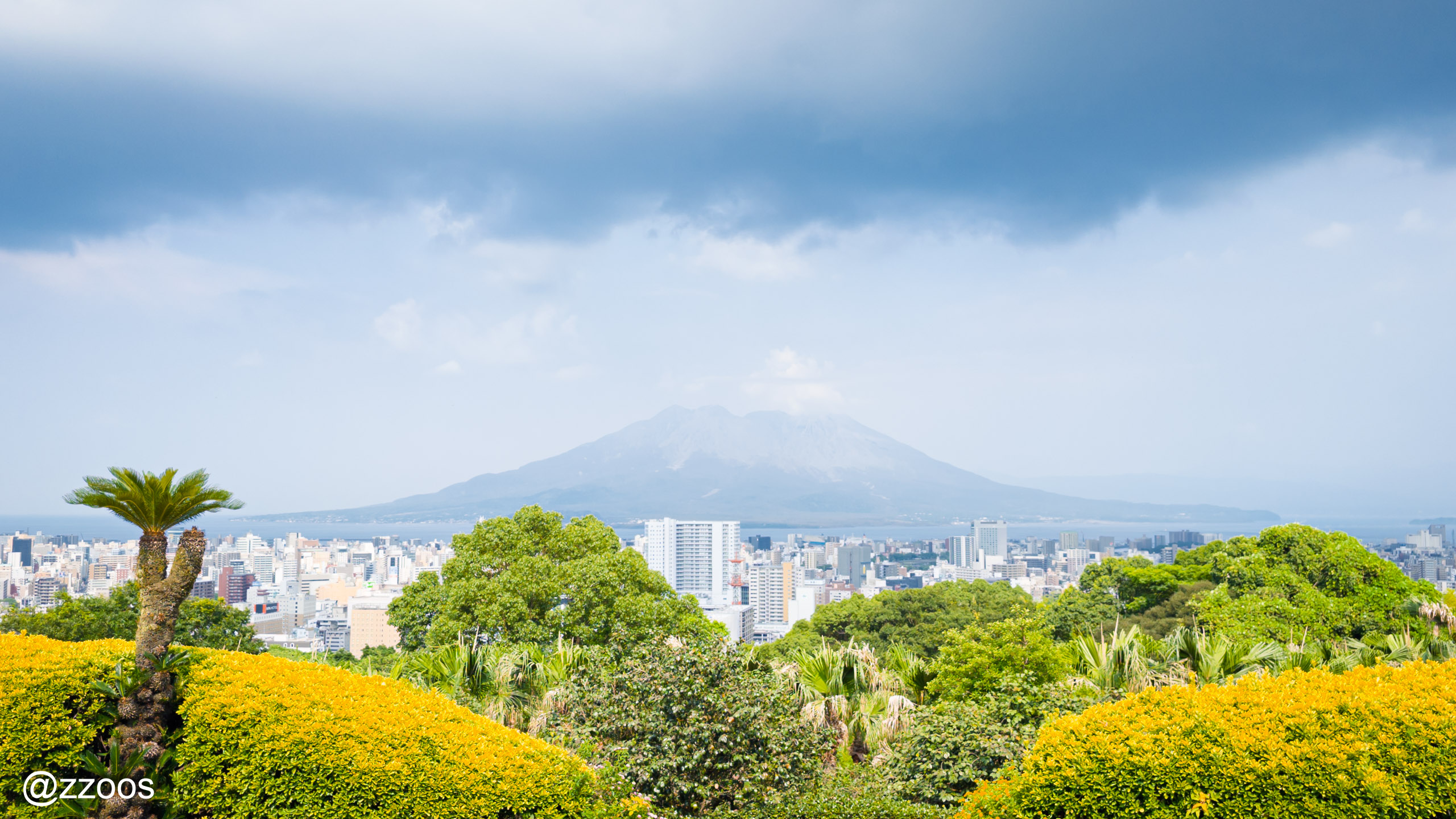
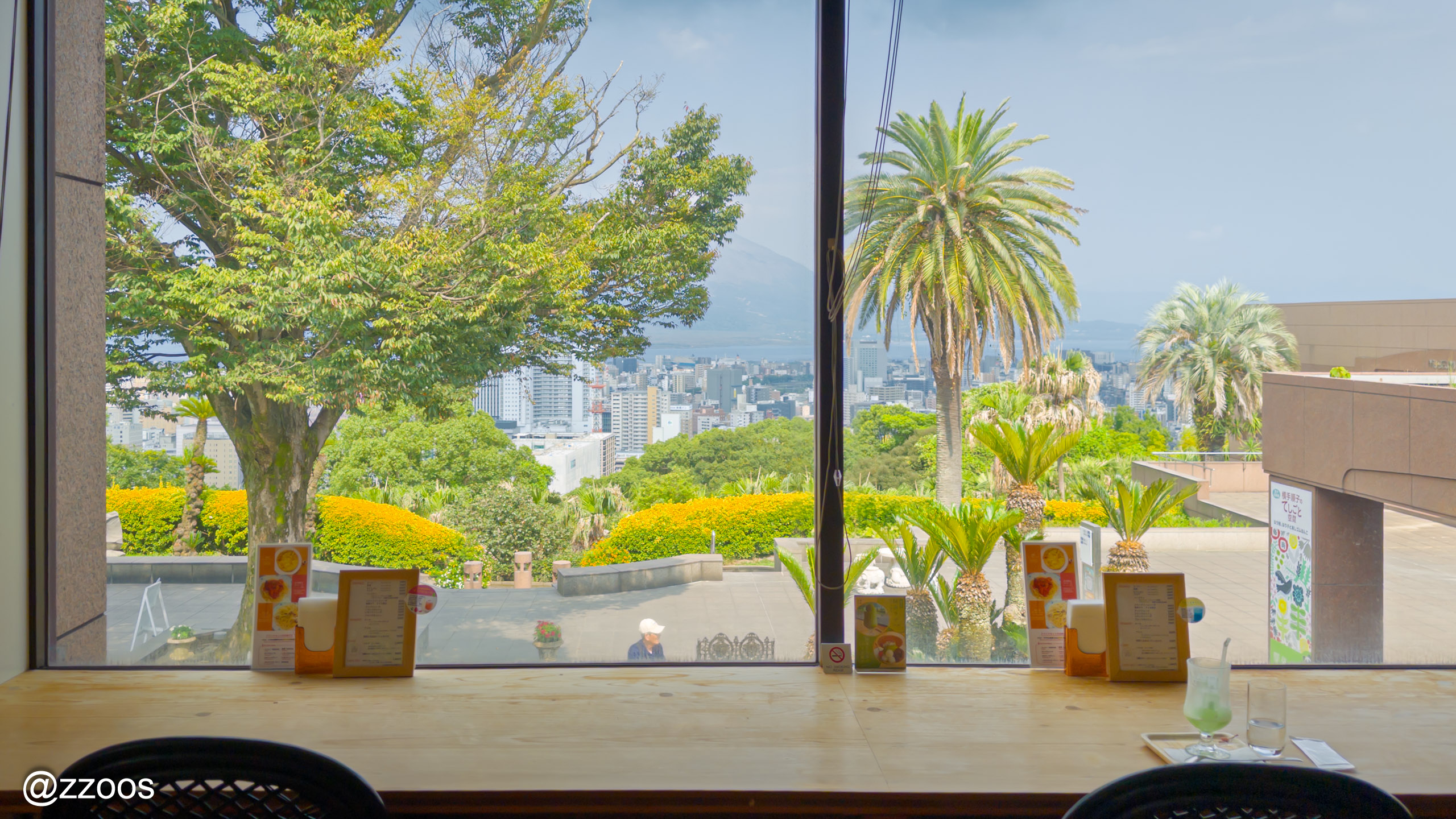
And from the plaza in front of the museum, you can see Kagoshima Bay in the distance, with Sakurajima(桜島) floating on it.
Sightseeing in Kagoshima is, in the end, also about looking at Sakurajima from different angles.
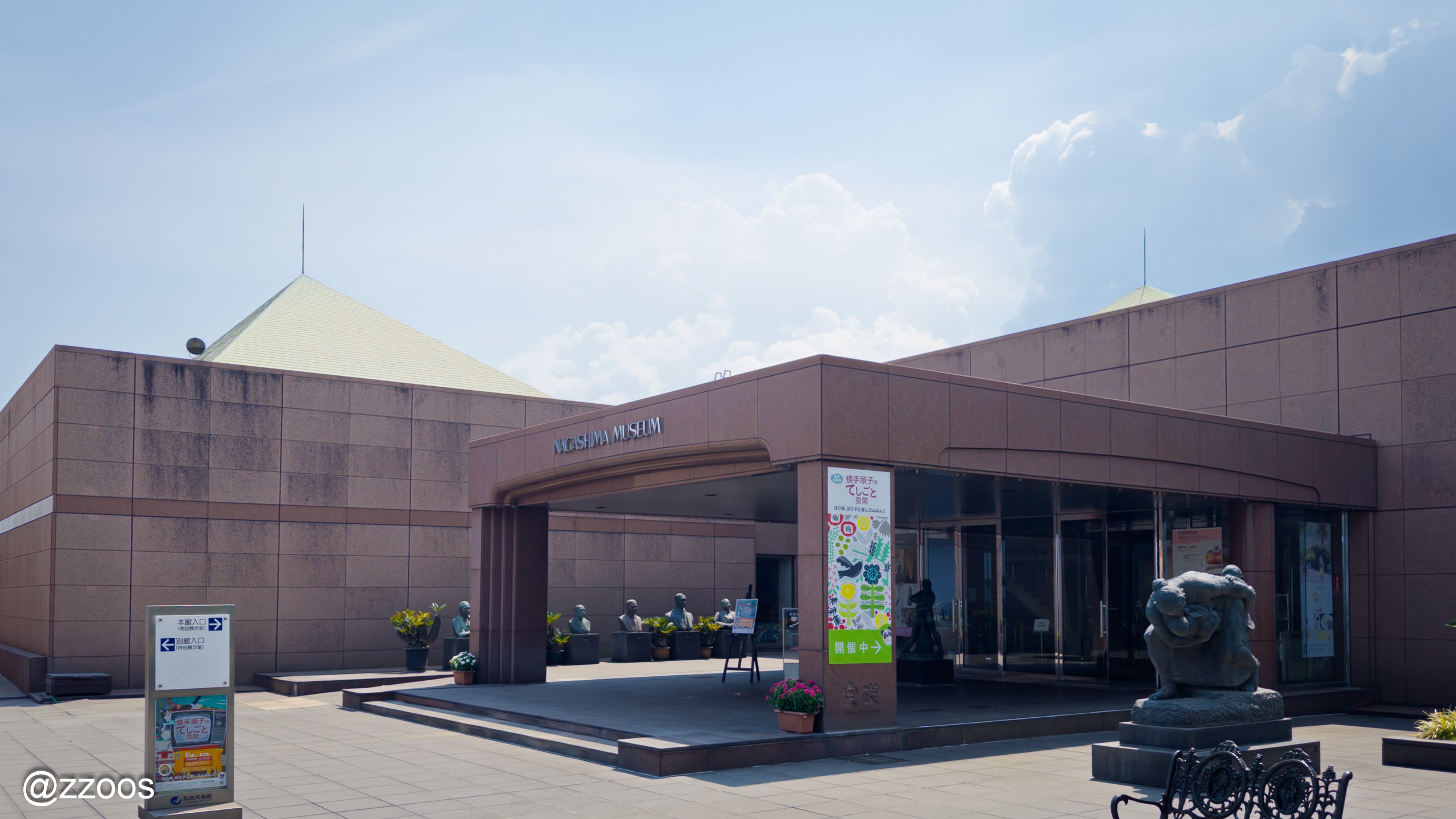
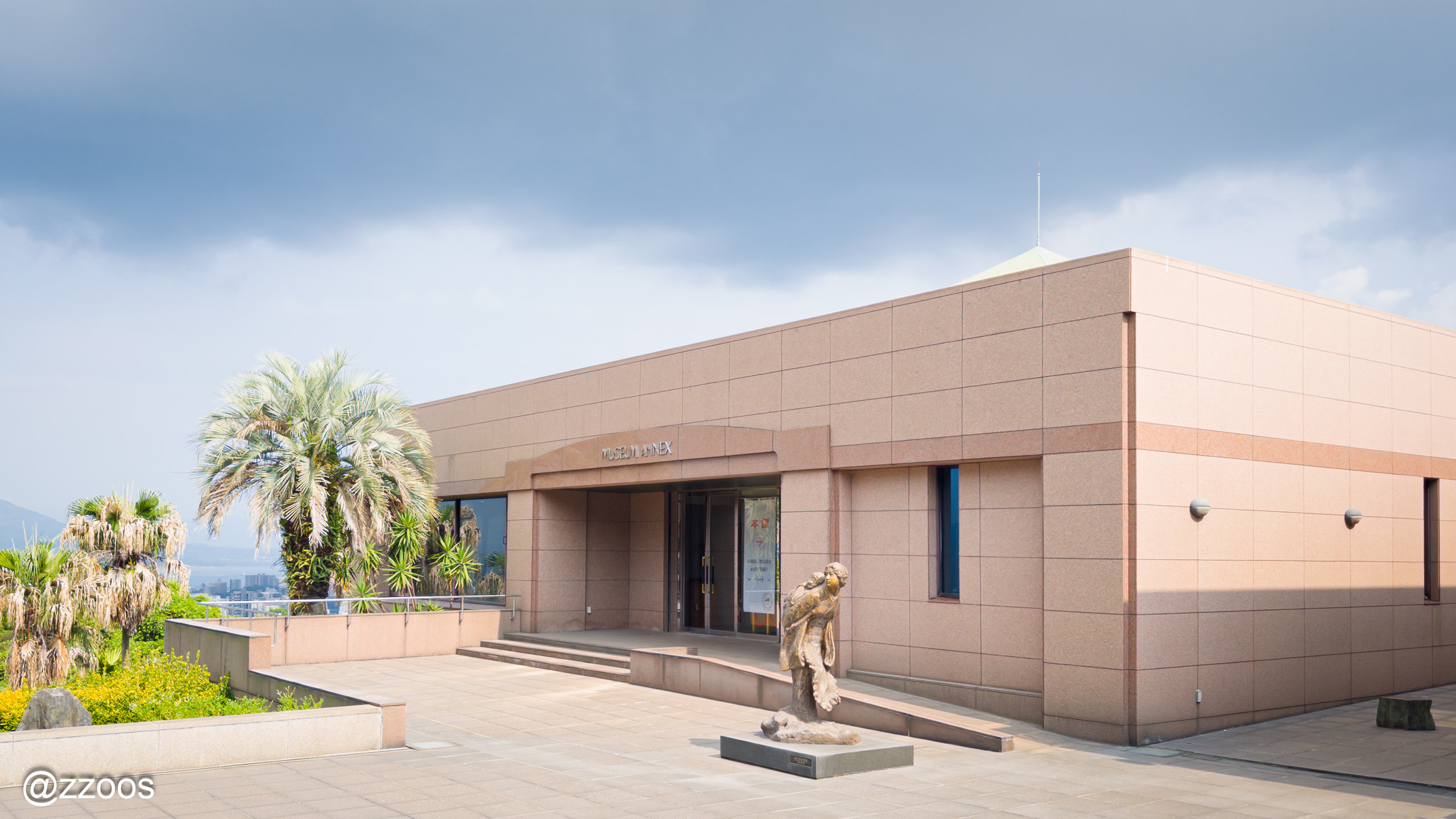
The Nagashima Museum was apparently built and is run by the Nagashima Group.
It exhibits the collection that the group’s founder, Nagashima Kosuke(長島公佑), gathered over many years.
For reference, the Nagashima Group is a leisure and real estate group, and its founder was born in the Amami Islands of Kagoshima Prefecture. So it’s practically a local Kagoshima group.
The museum has a very large collection, so even the permanent exhibition is well worth seeing.
It holds works by artists from Kagoshima, as well as many pieces by foreign artists like Chagall, Rodin, Renoir, Cézanne and Modigliani.
It’s unusual in that it also has many prehistoric works and artifacts from South America.
Above all, it’s a museum with a huge number of pieces of Satsuma ware(薩摩焼, pottery from the Kagoshima region).
But because there are so many works, the exhibition is very dense. The permanent galleries are, quite literally, packed.
Unfortunately, photography wasn’t allowed inside the galleries.
:: Don’t Miss the View from the 2nd-Floor Café
On the second floor of the museum, there’s a quiet cafe with a good view.
You can sit in front of a big window facing Sakurajima, have a drink and rest.
It’s a place worth stopping by after you’ve seen all the exhibitions.
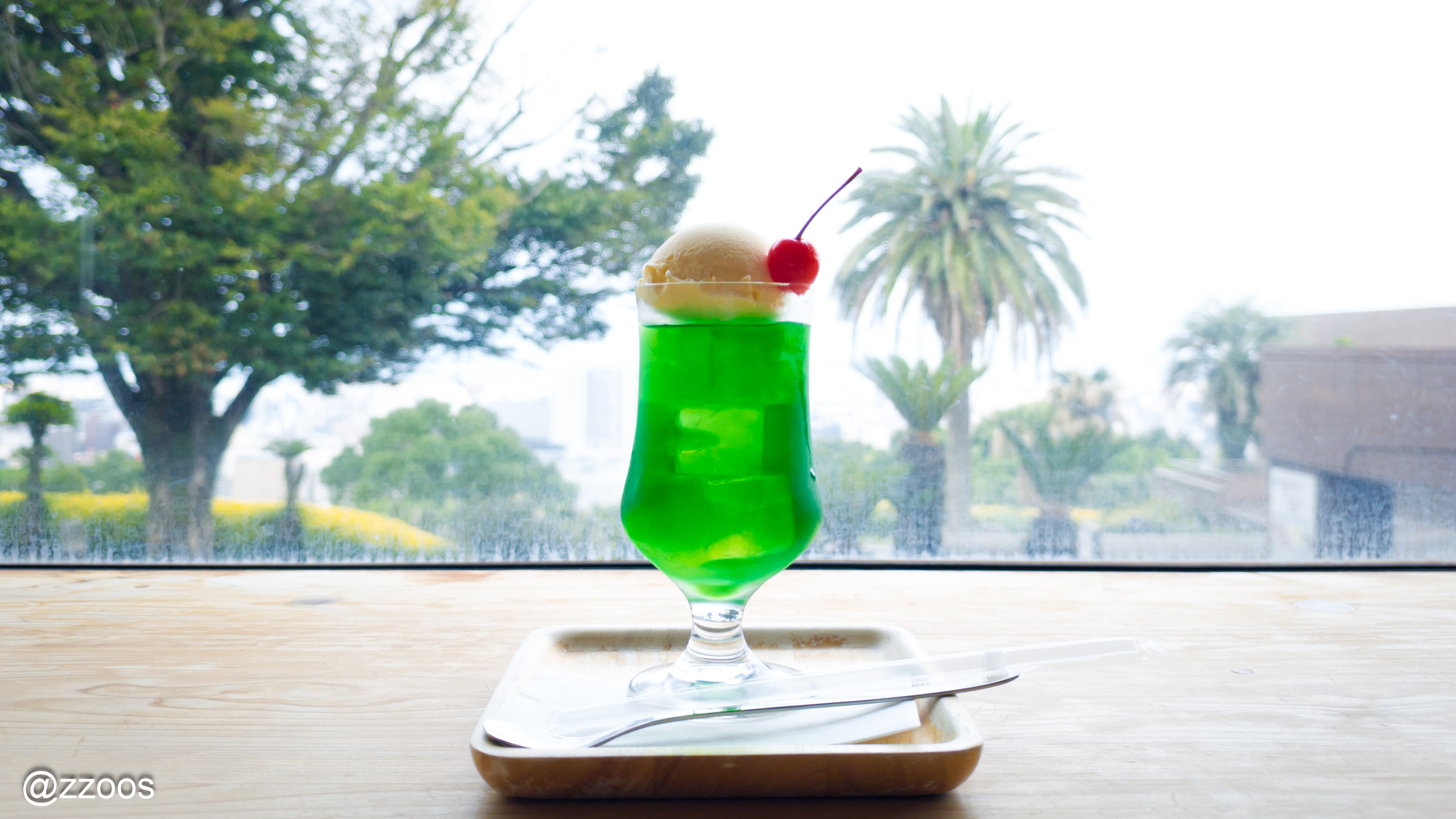
After a melon cream soda at the cafe, I walked around the garden in front of the museum for a while.
Ah, it was really, really hot.
It was the heat of a midsummer afternoon, the kind where I felt like I might get cooked under Kagoshima’s blazing sun.

Time to head back to the hotel.
To do that, I had to call a taxi. But for the reasons I mentioned earlier, it’s actually very hard for travelers to call a taxi in Kagoshima.
So what do you do? You ask the museum’s information desk.
They’ll kindly call a taxi for you. You can just sit in the museum lobby and wait, looking through the exhibition catalogs they have there.
In regional cities, it’s very hard to catch a taxi once you’re outside the busy areas, so I heard it’s not strange at all to ask someone to call a taxi for you.
So in cases like this, don’t just set off walking down. It’s fine to ask people around you to call a taxi.