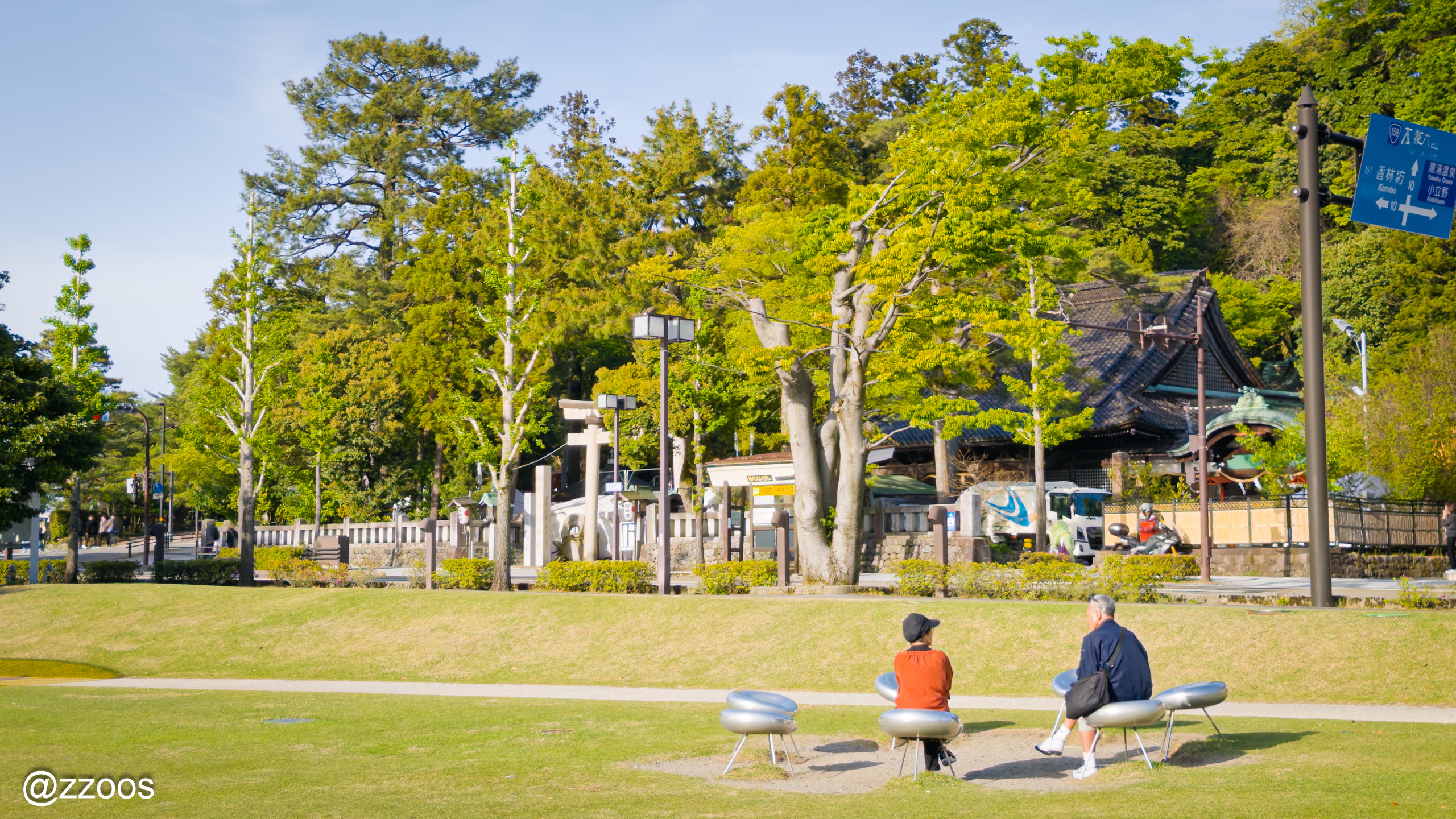
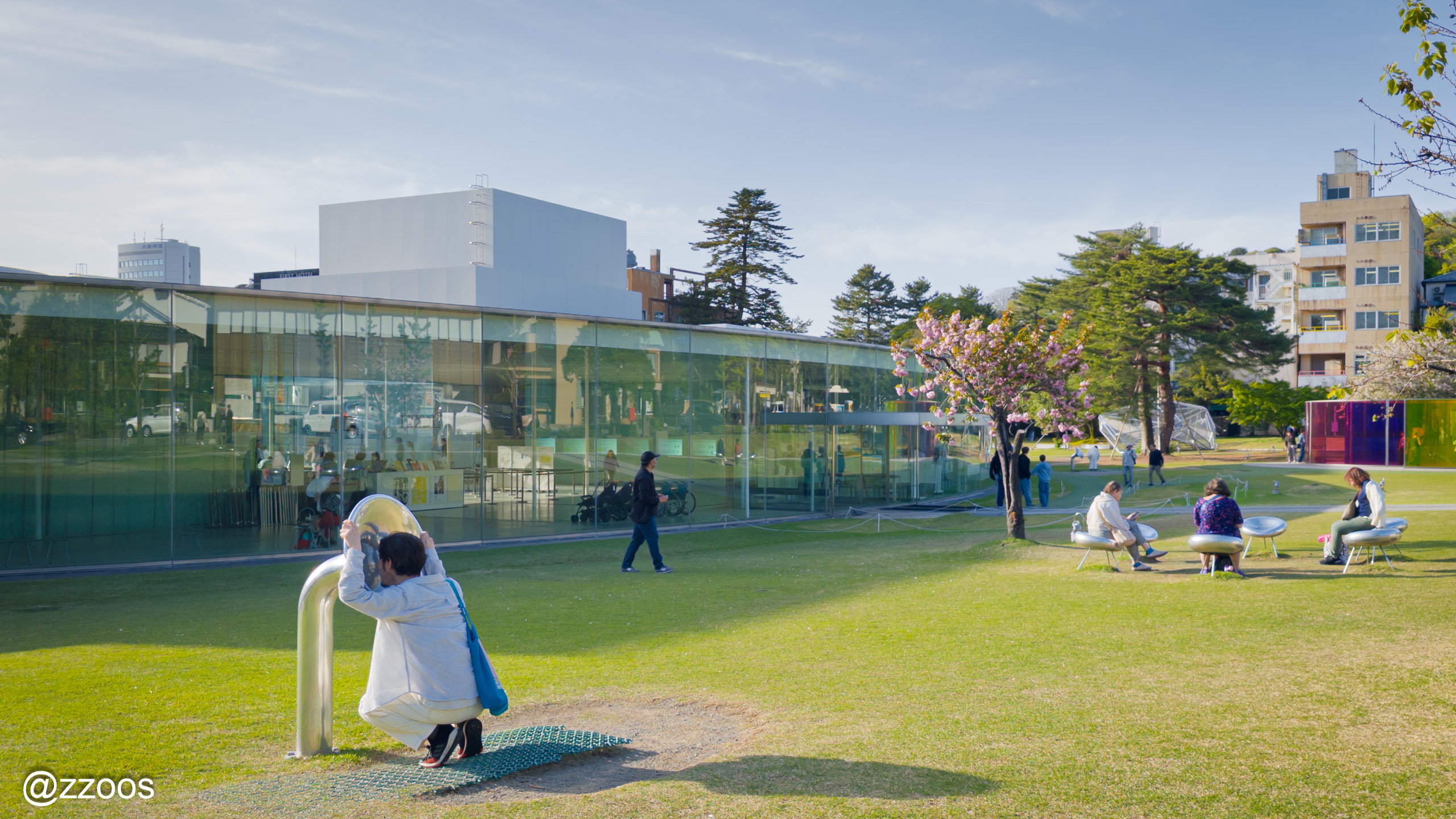
I finally made it to today’s destination: the 21st Century Museum of Contemporary Art, Kanazawa. I did get a little sidetracked on the way — got caught up in the atmosphere of Hirosaka and ended up wandering through the park.
The museum sits at the Hirosaka intersection, directly across from Kanazawa Castle and Kenrokuen.
If yesterday was about looking into Kanazawa’s past — the castle, the garden — then today felt like the day for its present.
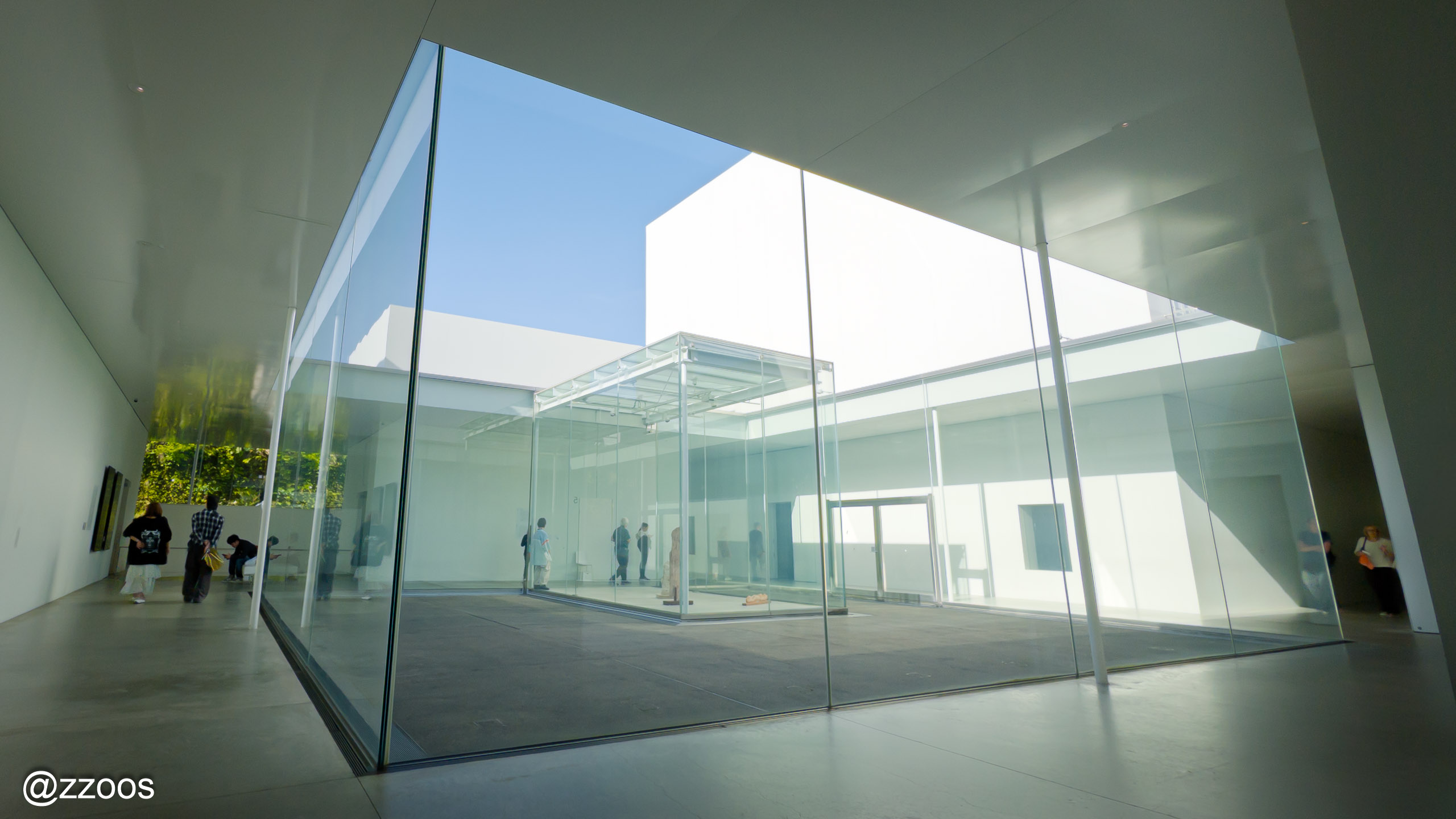
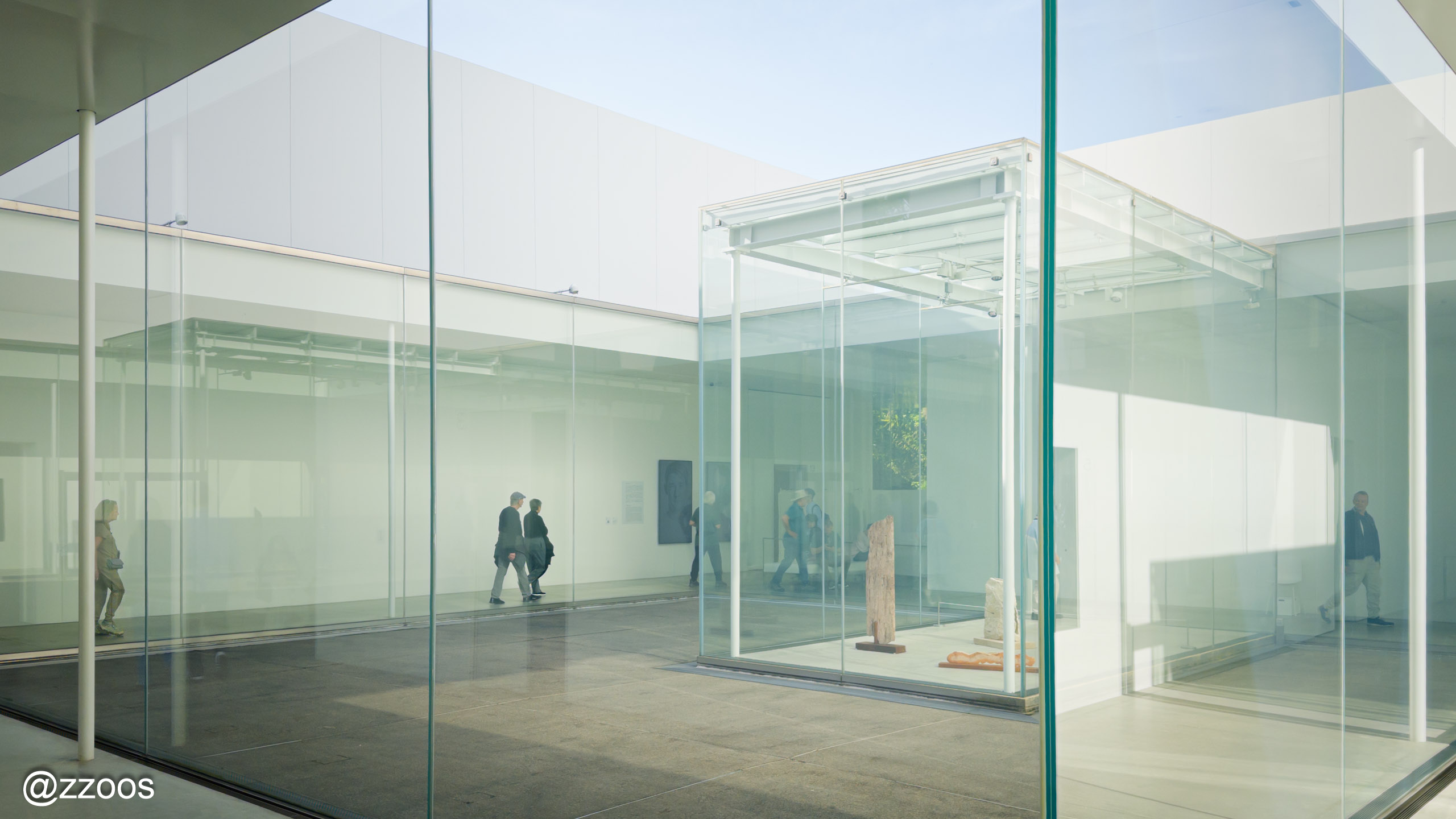
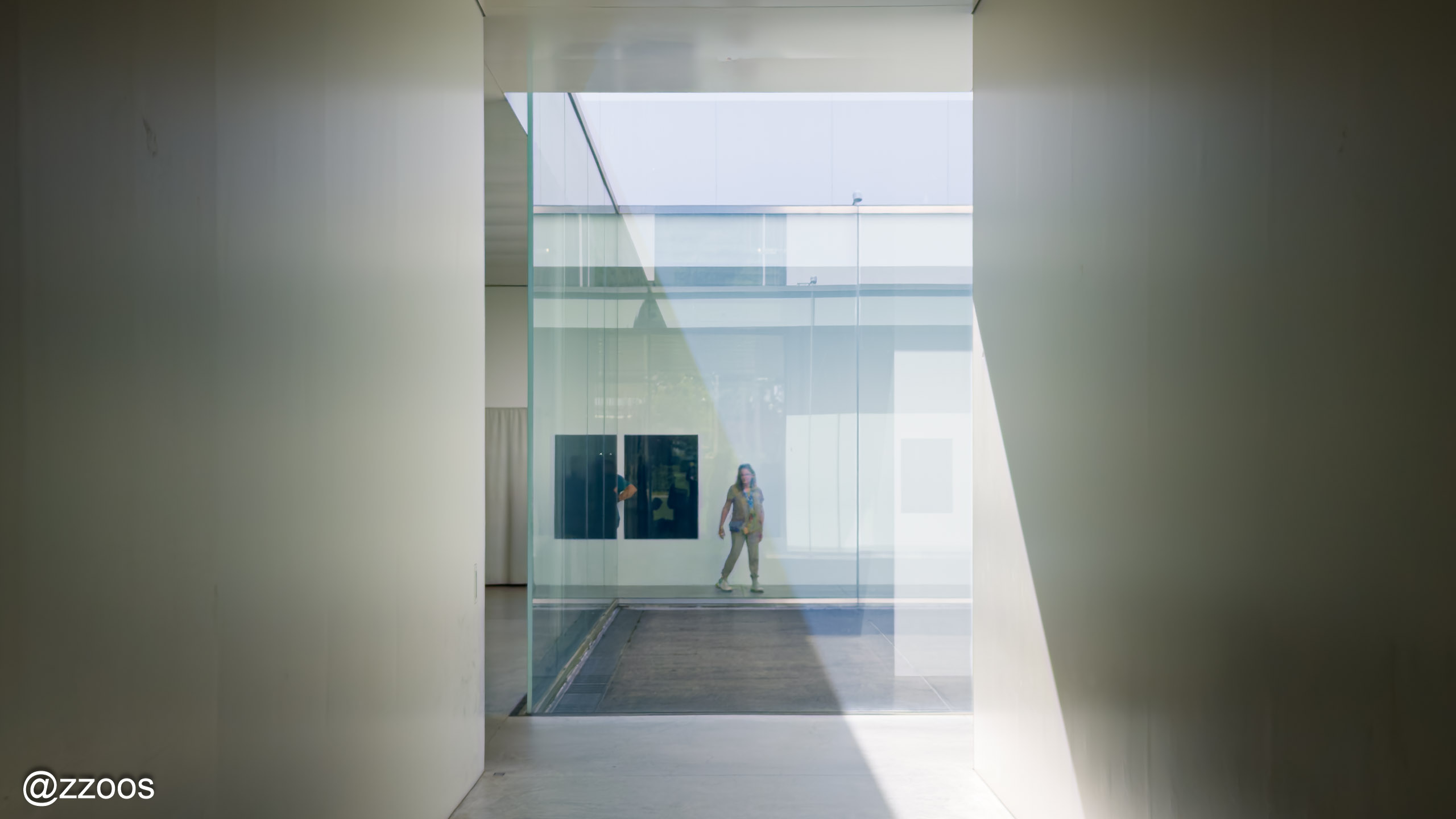
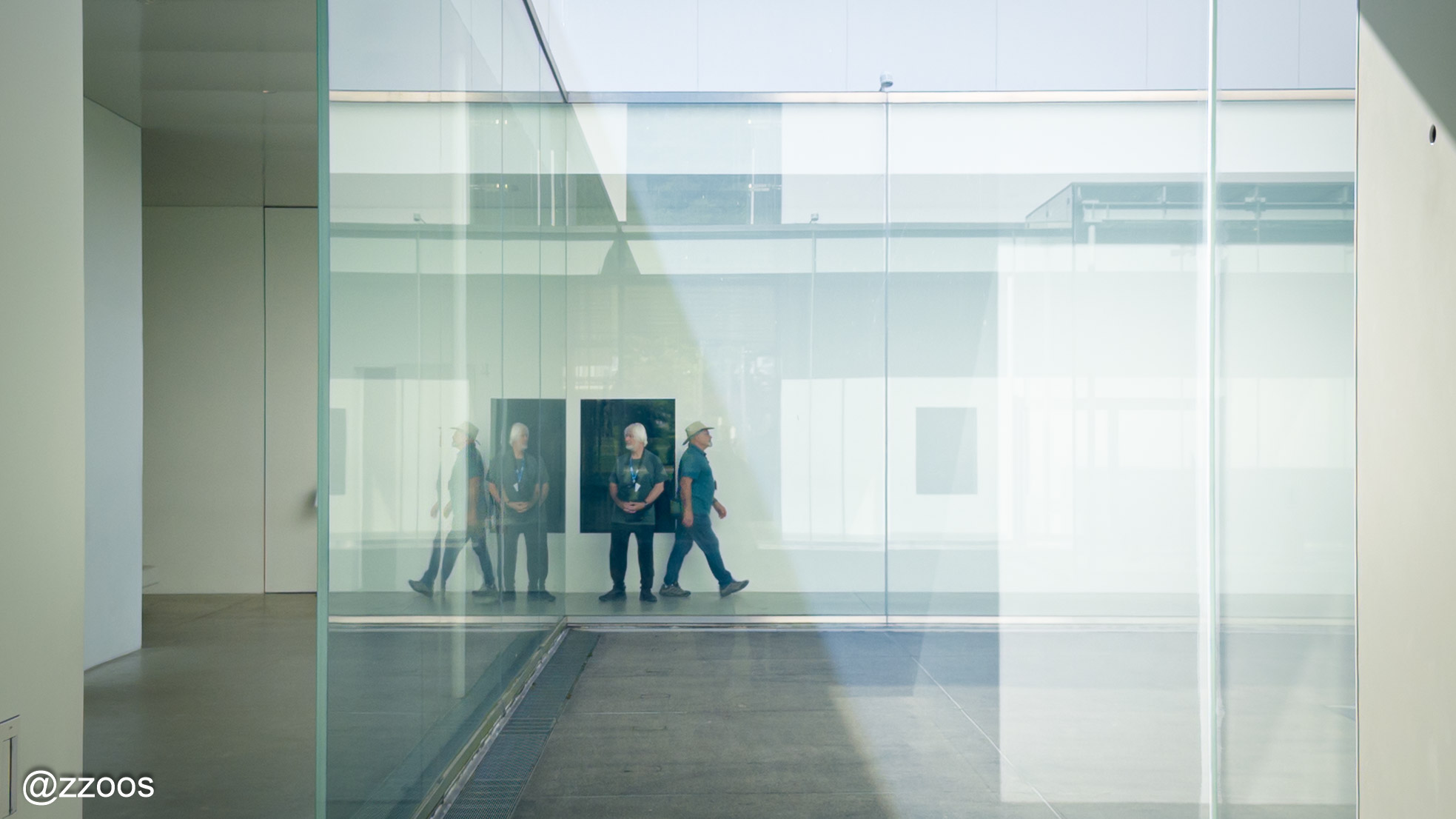
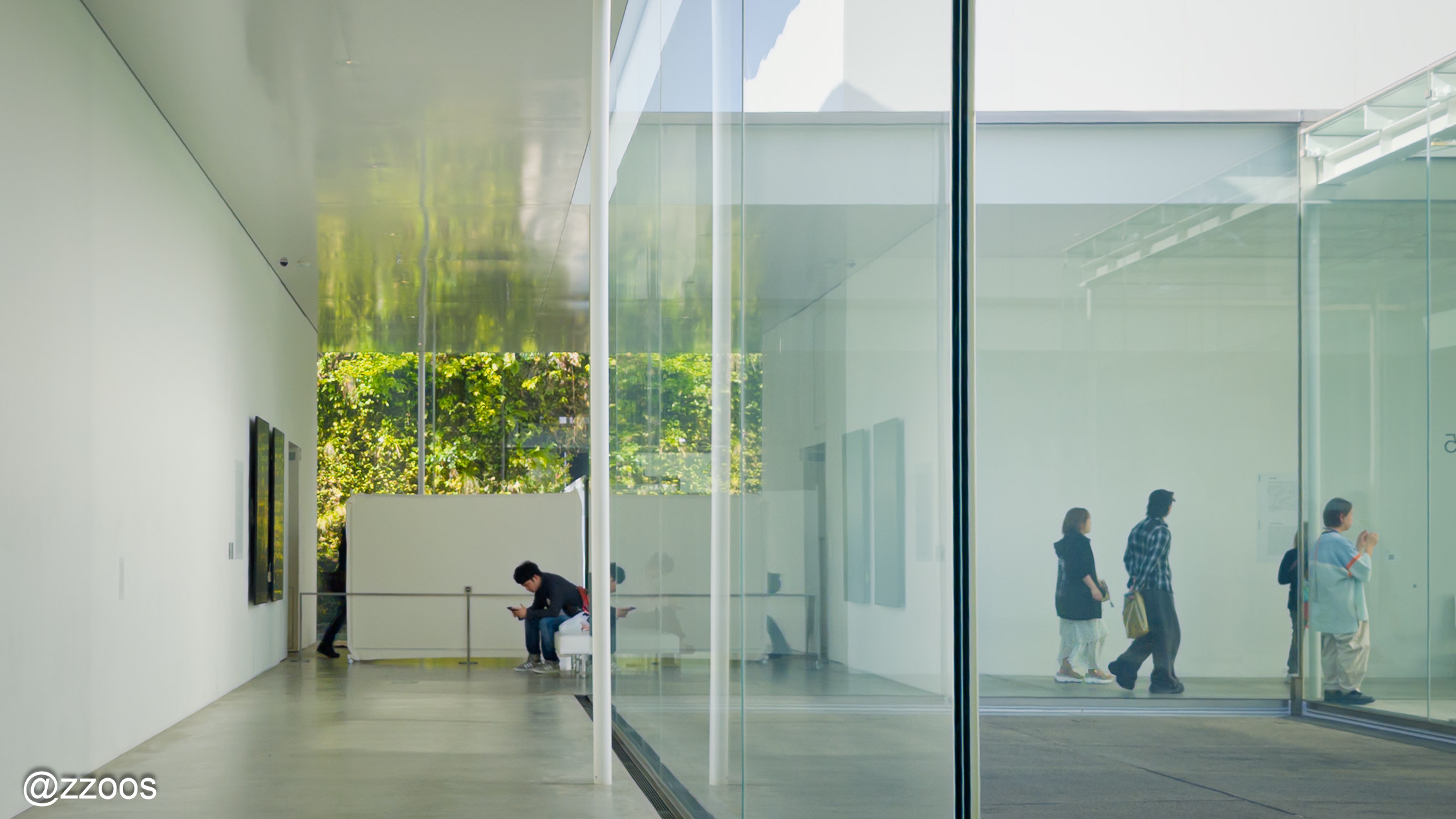
When I visited, not all the exhibition rooms were in operation. More than half were being prepared for the next show. Only two exhibitions were running: Collection Exhibition 3: Déjà vu and APERTO 21 NOMURA Yuka “Golden River”.
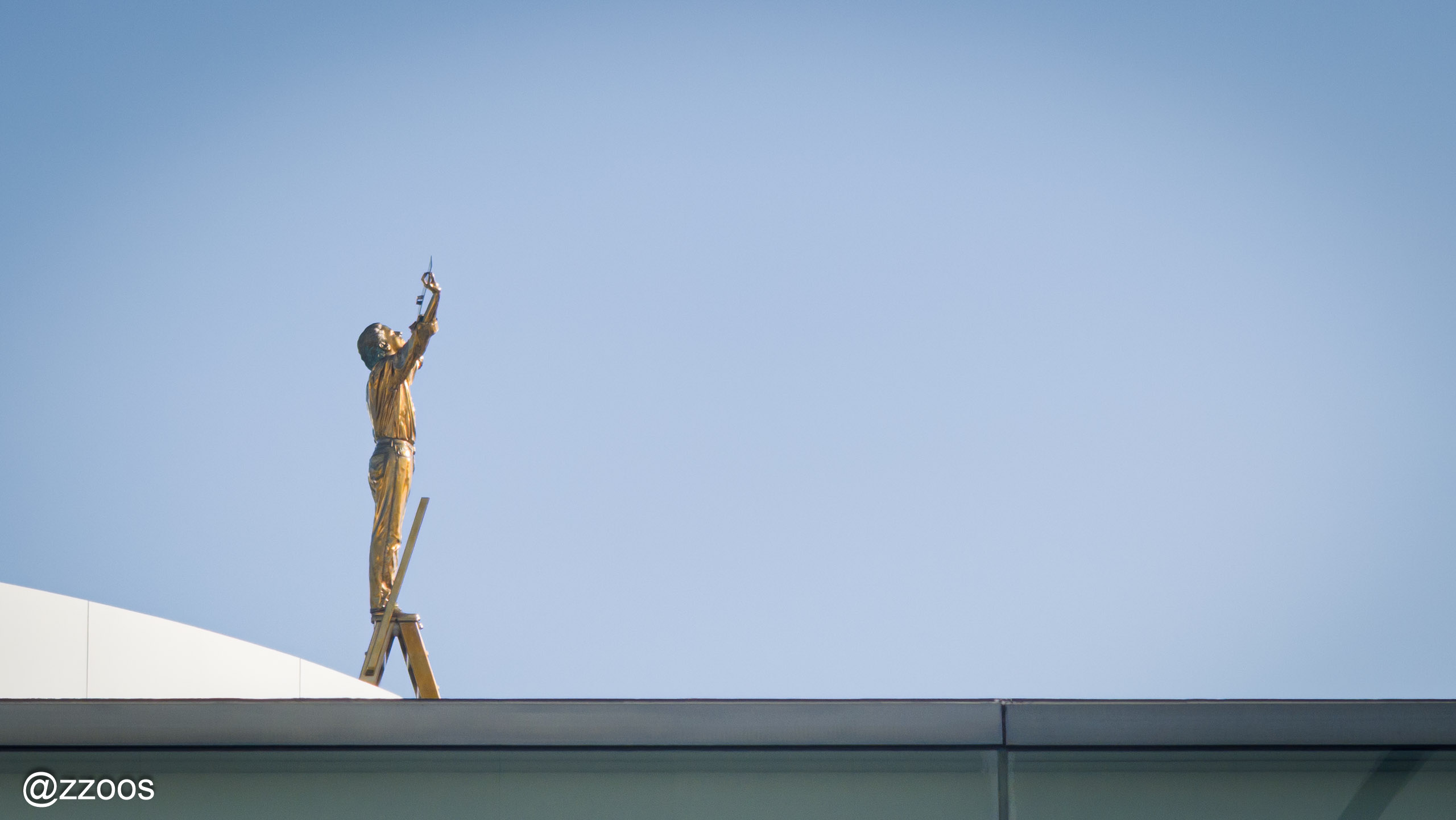
There are also permanent exhibits on display throughout the building.
Honestly, I found the museum a bit hard to engage with as an art space. The exhibition rooms are carved up into small pieces, which makes it difficult to stay focused on any single work. If anything, that fragmentation ends up drawing more attention to the architecture itself.
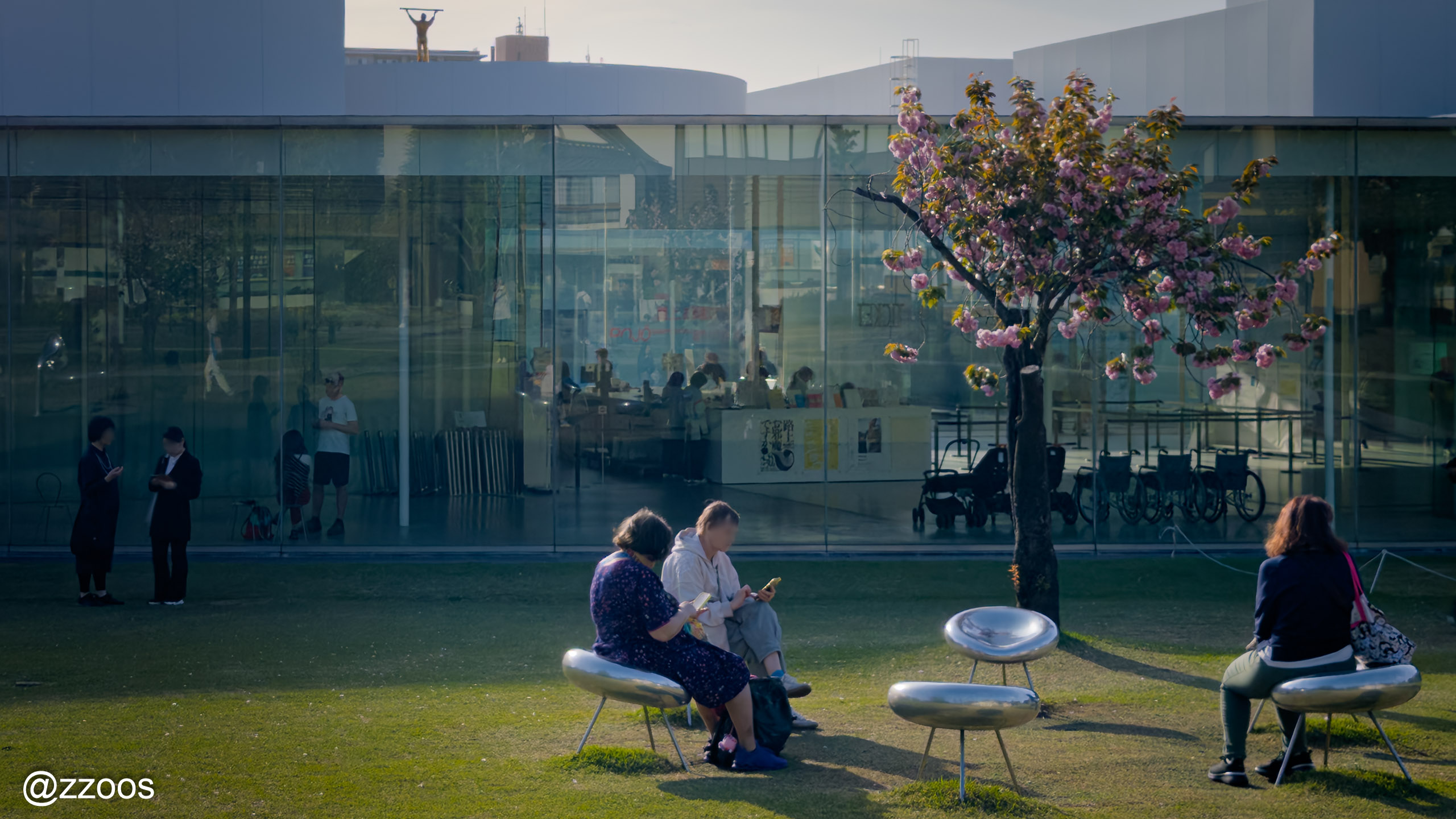
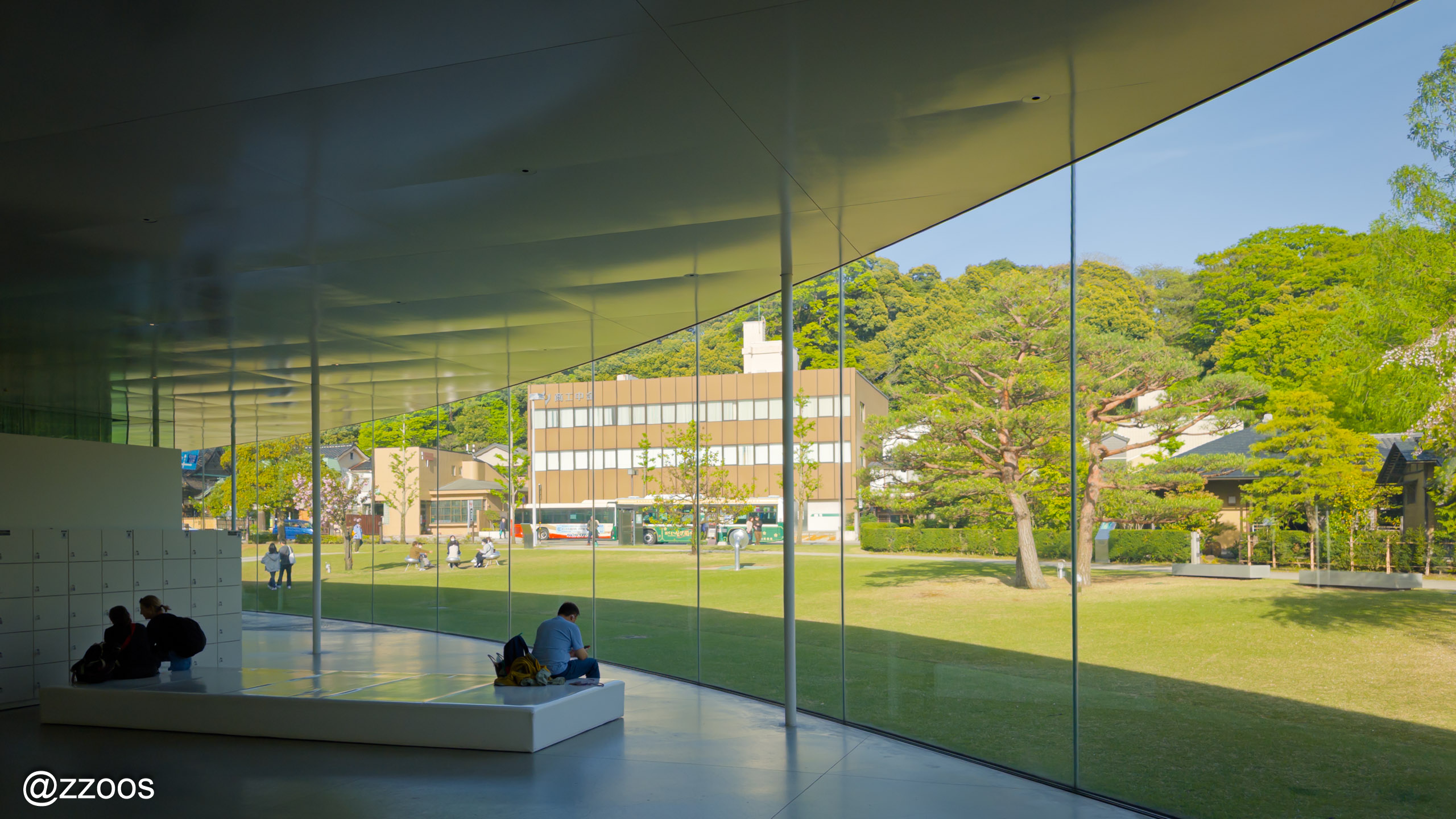
That said, the building — which bills itself as an “open museum” — was genuinely interesting. Every few steps, a new scene opens up. The spaces connect and scatter in ways that made me lose track of where I was.
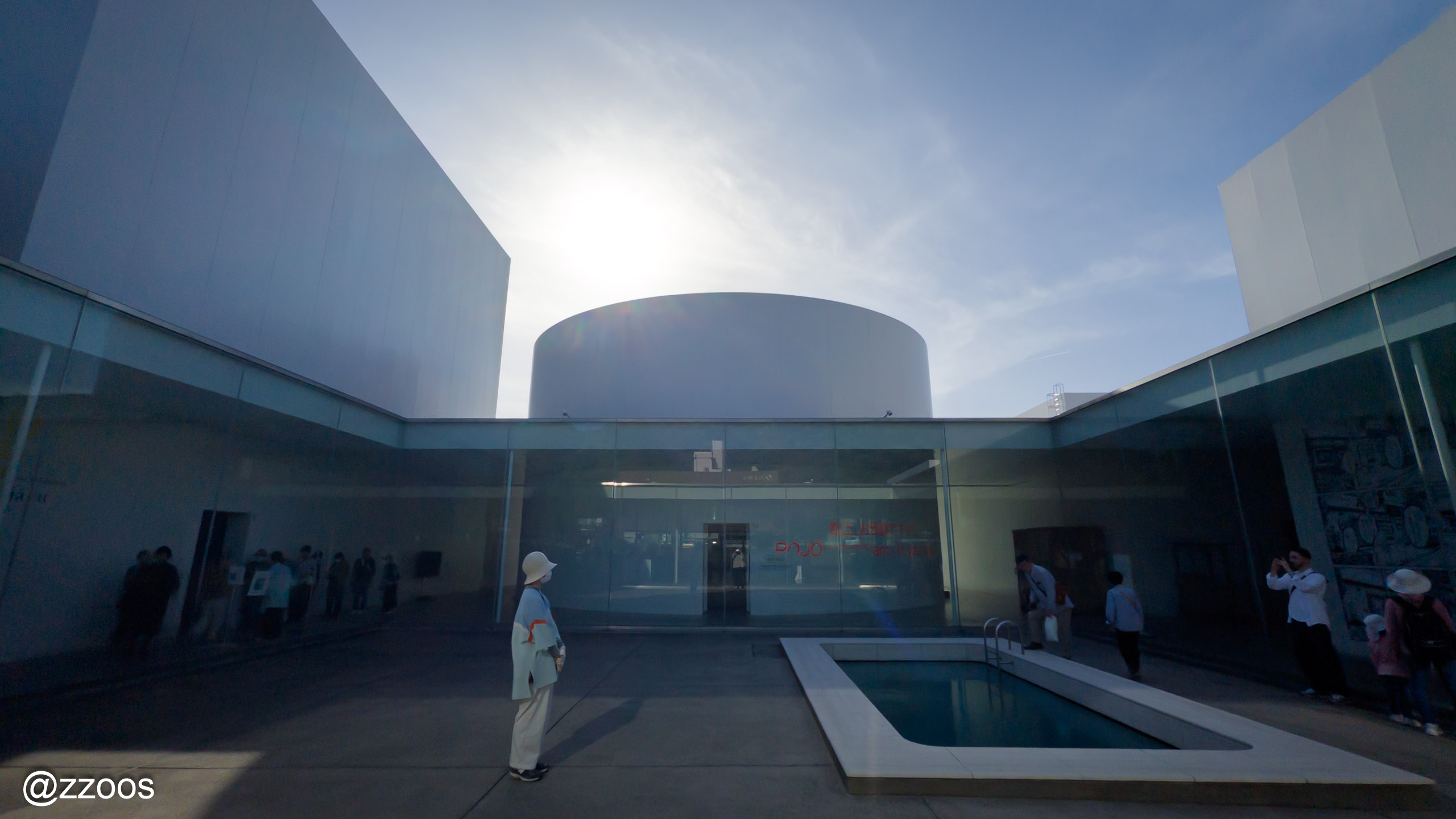
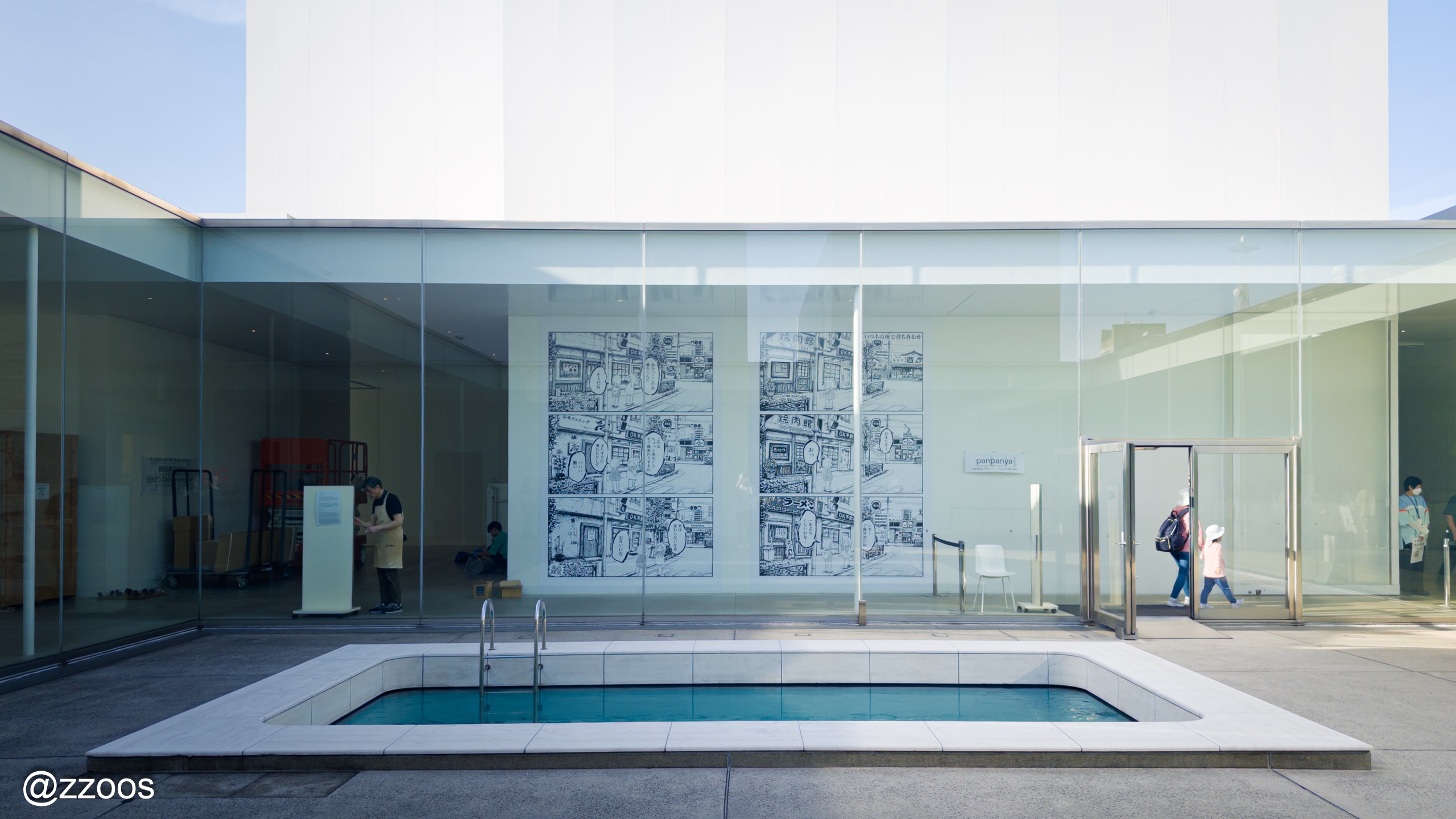
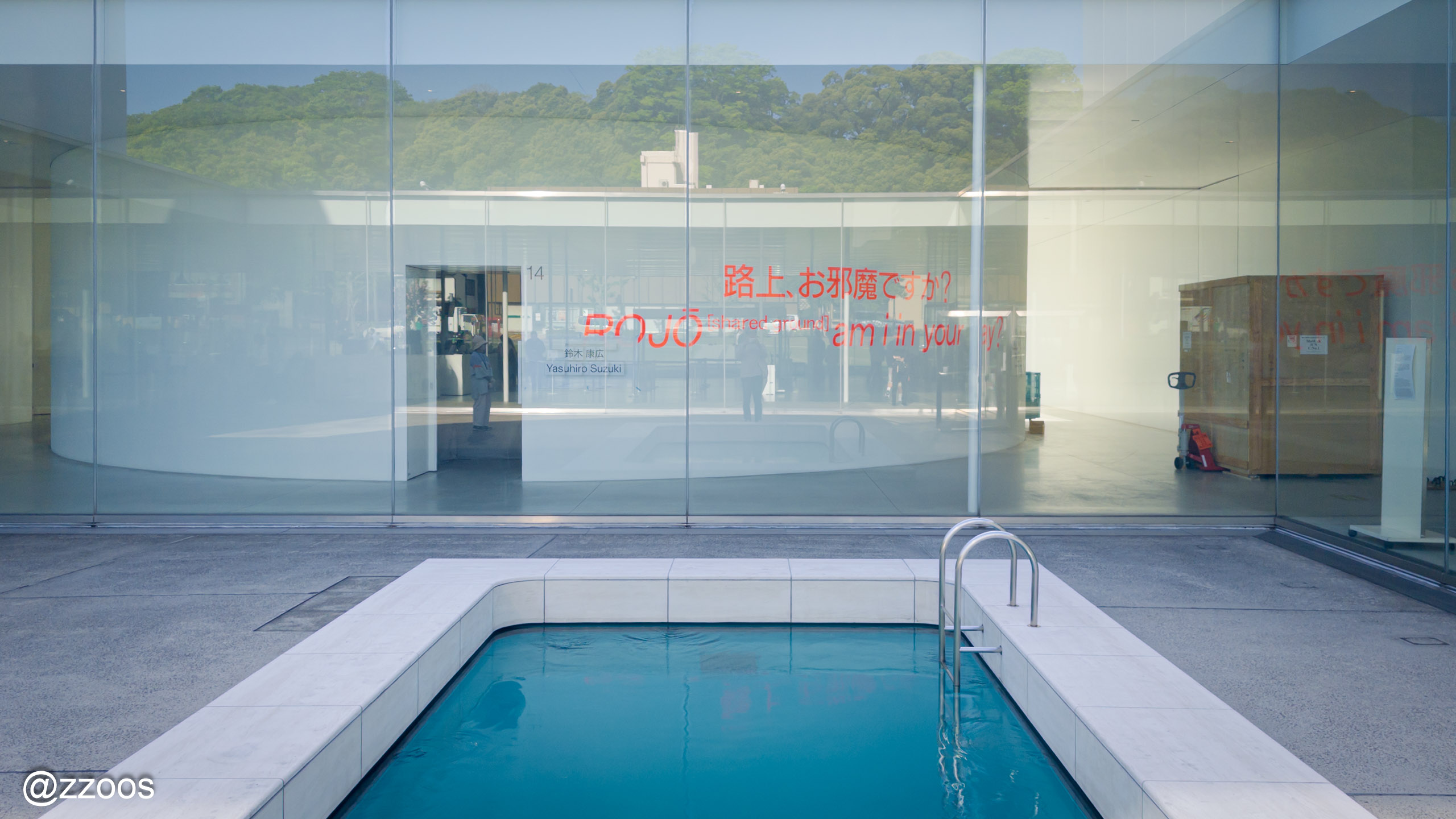
There were signs at the entrance about making an “internet reservation,” but I didn’t pay much attention at first. I just wondered what kind of work would require a reservation.
As I walked around, I figured it out.
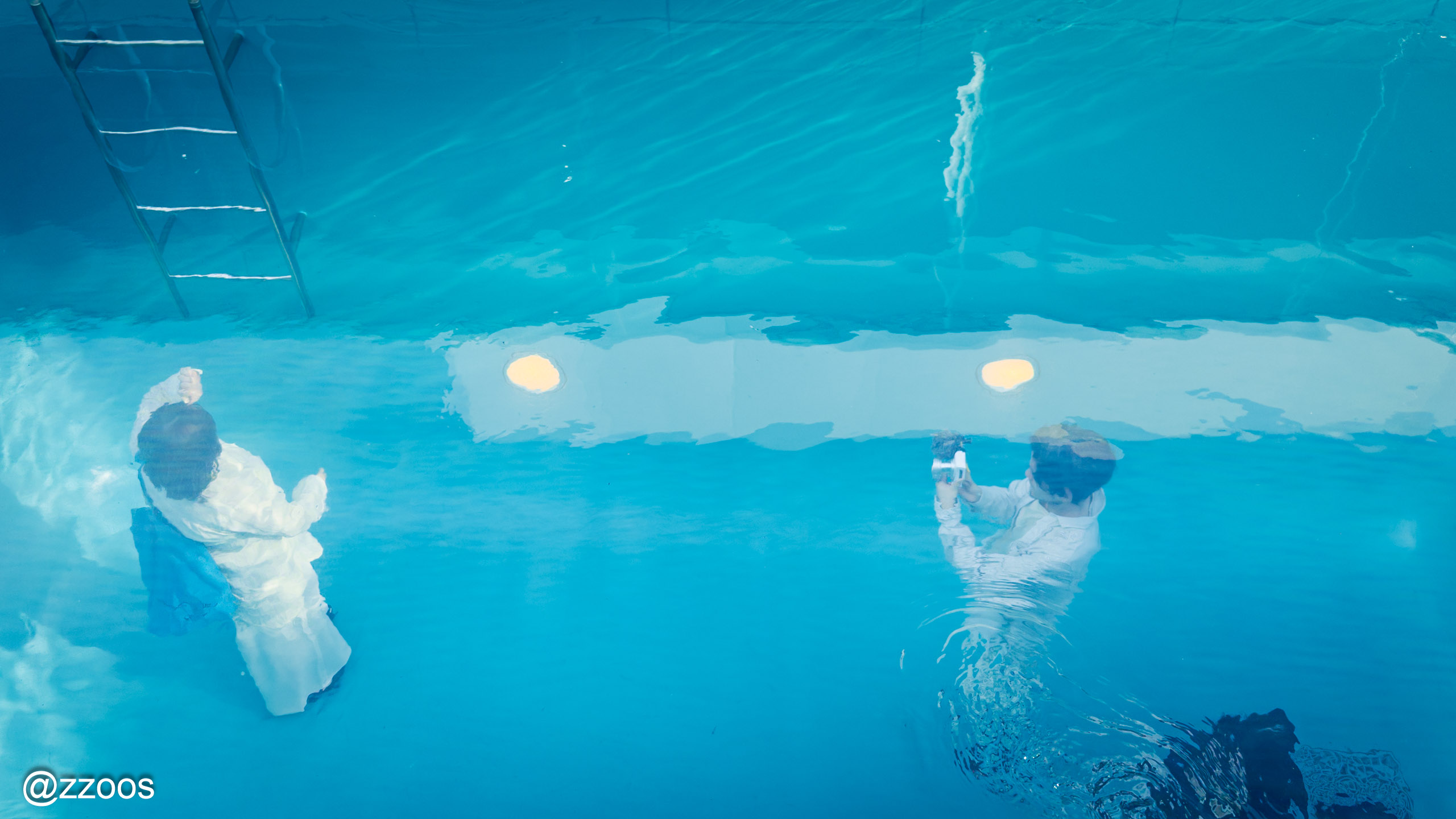
Right at the center of the museum was the piece this place is known for. It’s a work that requires people to enter a small, enclosed space — so they let in only a limited number at a time, in set intervals.
The work is Leandro ERLICH’s ‘The Swimming Pool’. You’ve probably seen it somewhere online — people standing above the pool, and people standing below, waving at each other through the water. That piece is here.
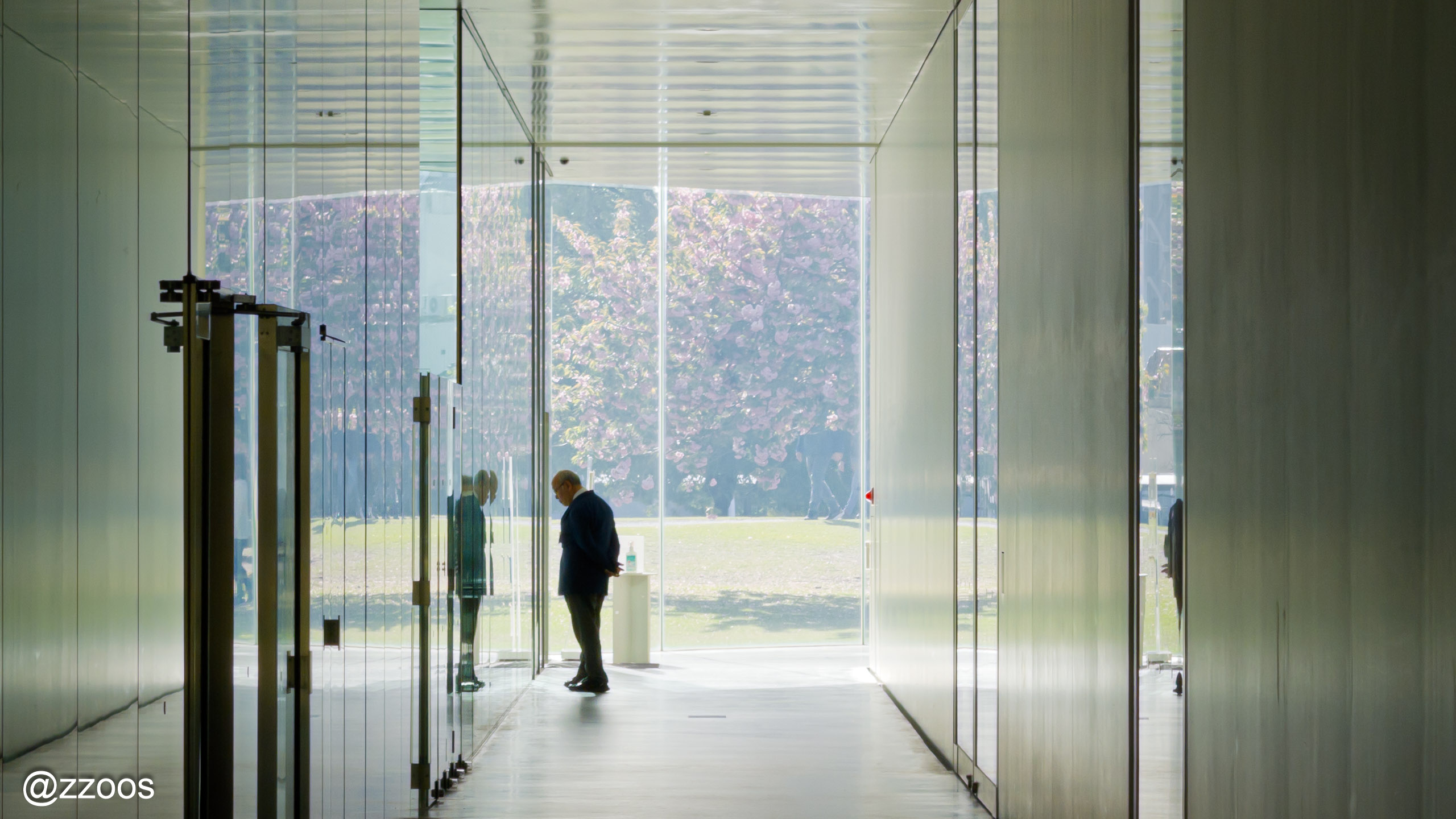
I went back and checked the signage, then tried to make a reservation. About a 40-minute wait. There were 82 people ahead of me.
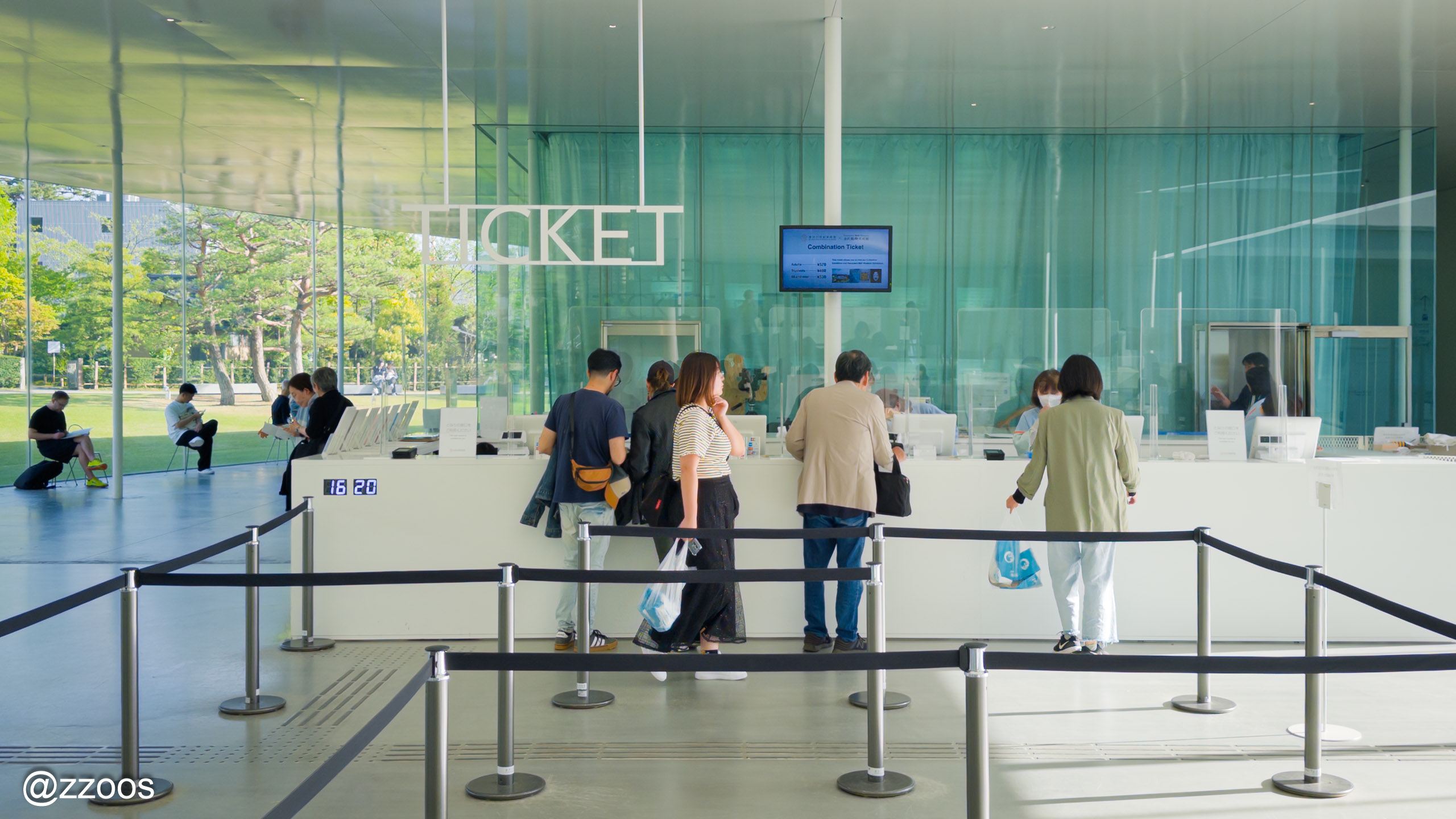
QR codes linking to the reservation site are posted right in front of the ticket counter and near the relevant exhibition room, so I’d recommend making a reservation as soon as you arrive. If it was this busy on a weekday afternoon, weekends or peak seasons must be something else.
I had made my reservation after finishing the other exhibitions. I looked around the museum shop to see if there was anything worth picking up, then found a spot inside the museum and sat for a while.
Staring out through the large windows wasn’t particularly boring. The weather was good, and the architecture probably helped too.
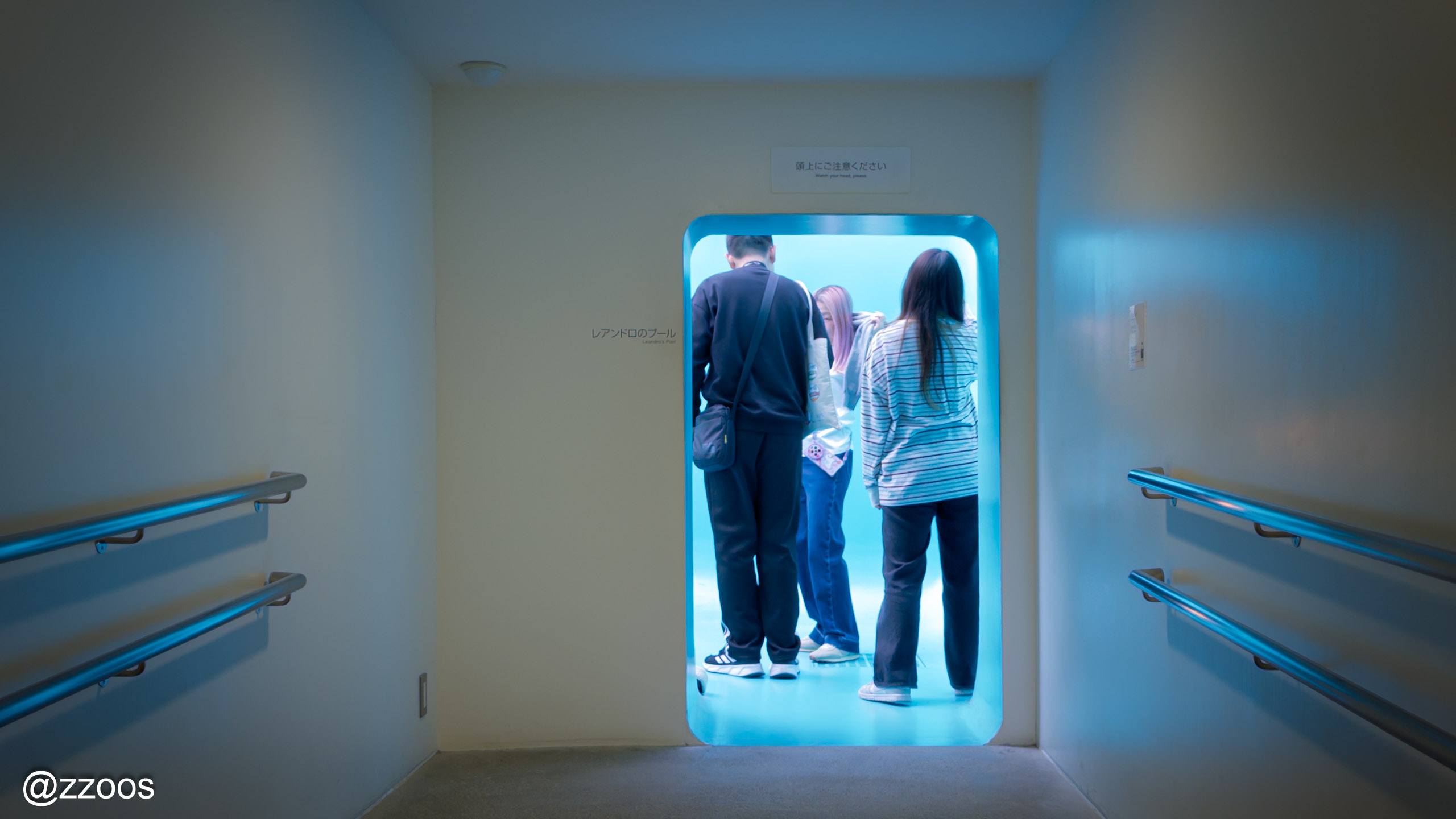
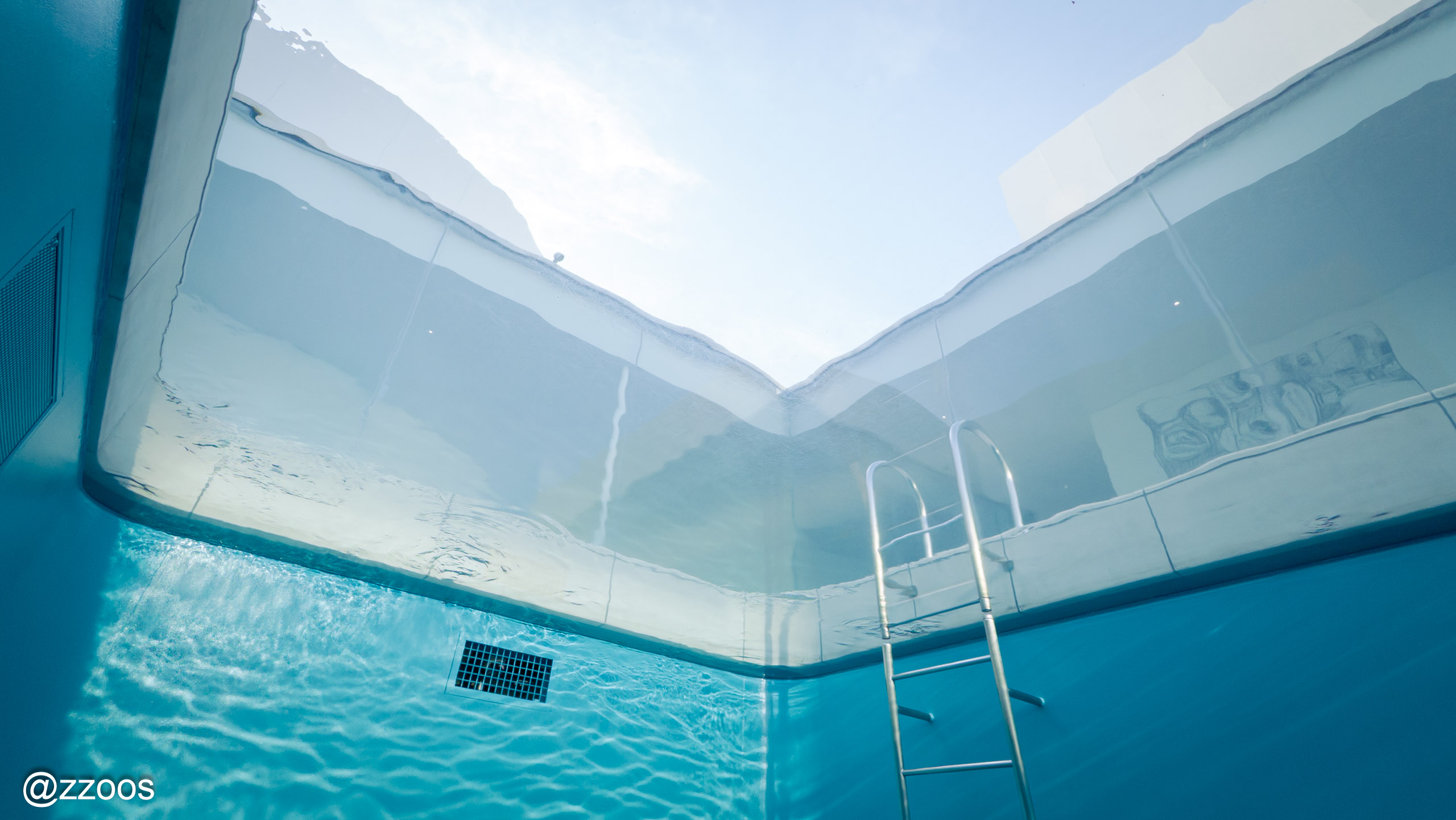
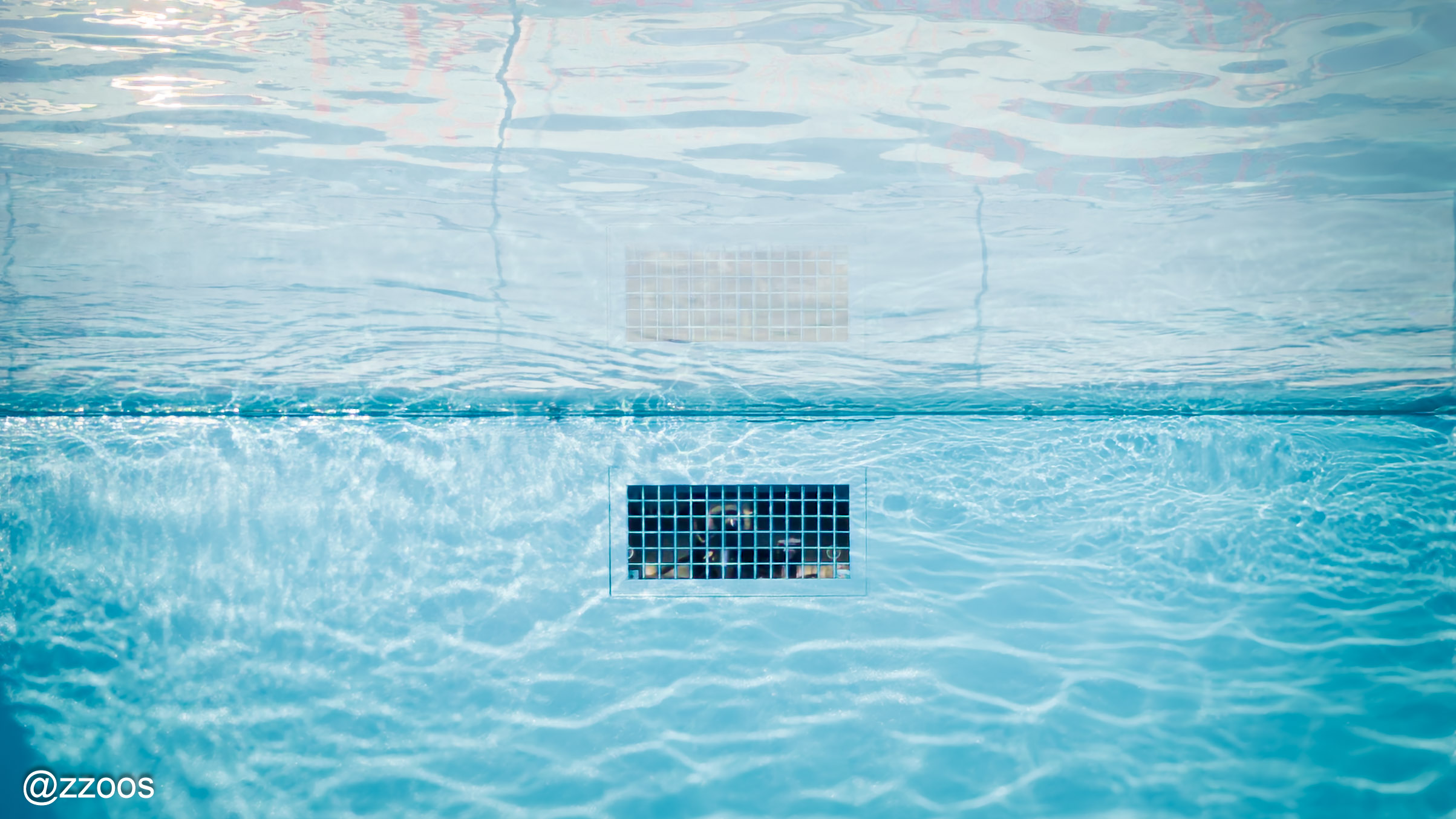
When the estimated wait dropped under ten minutes, I was supposed to receive an email to head to the exhibition room — but I had been sitting there refreshing the page, so I went straight over.
Total viewing time: 15 minutes. I entered alongside a Chinese man who seemed to be traveling alone. Others were already inside when we got there. It seemed like they let in two or three people every five minutes or so.
Before entering, the staff goes over a few rules. The main one, emphasized repeatedly: don’t hang from the structure.
Which, obviously.
But nearly every visitor does, regardless of nationality. Not with their full weight, it seemed — but still.
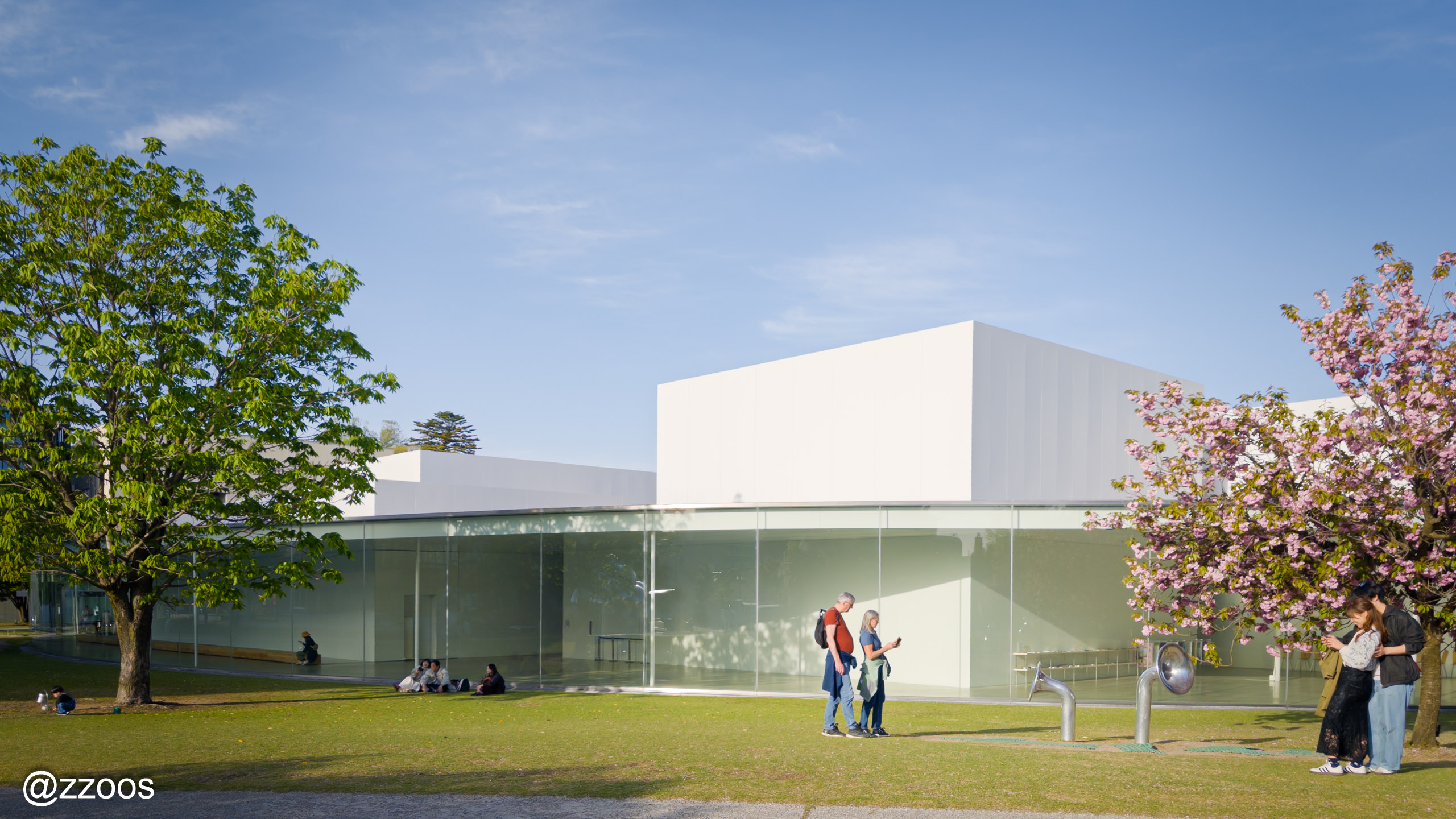
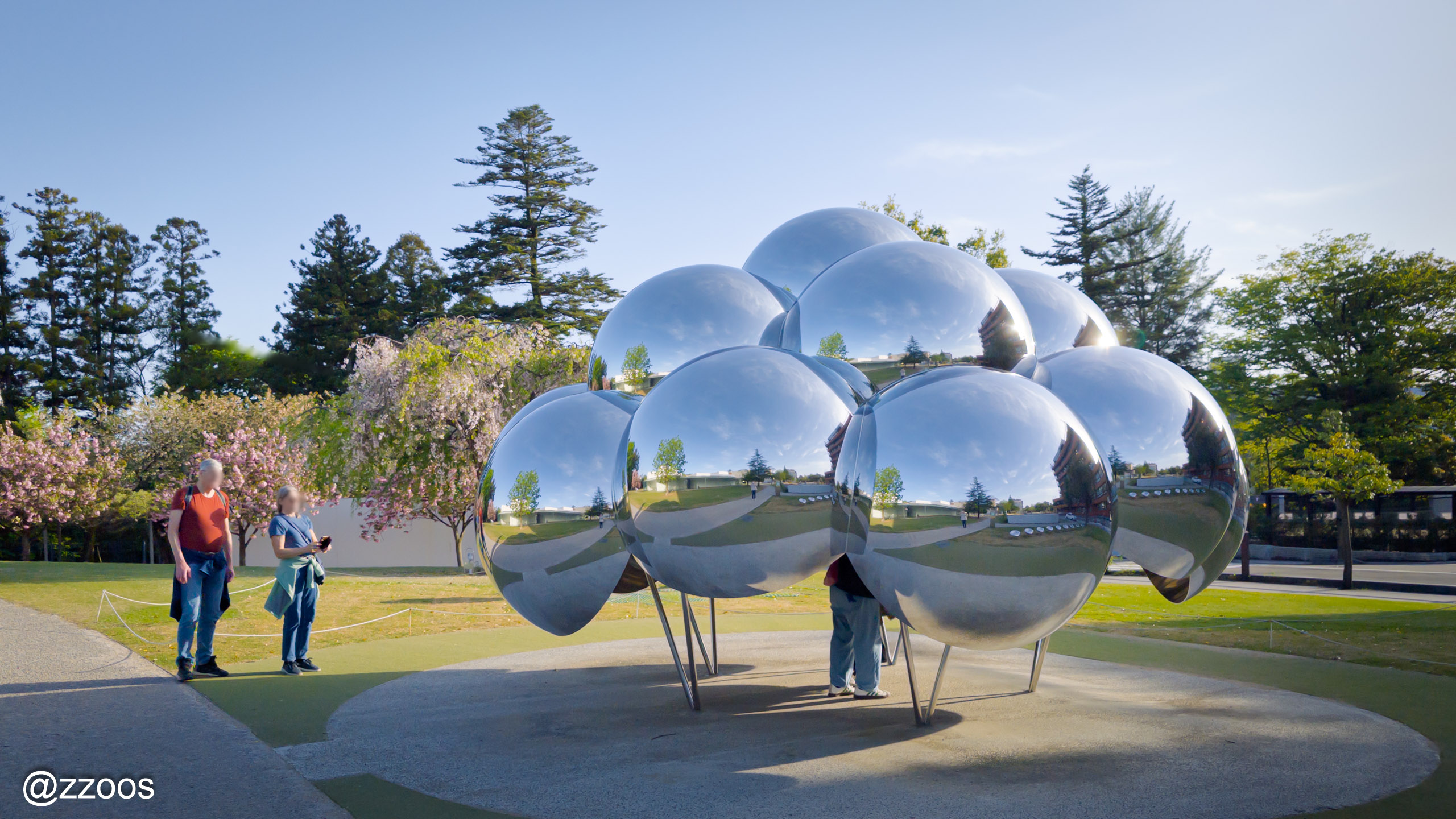
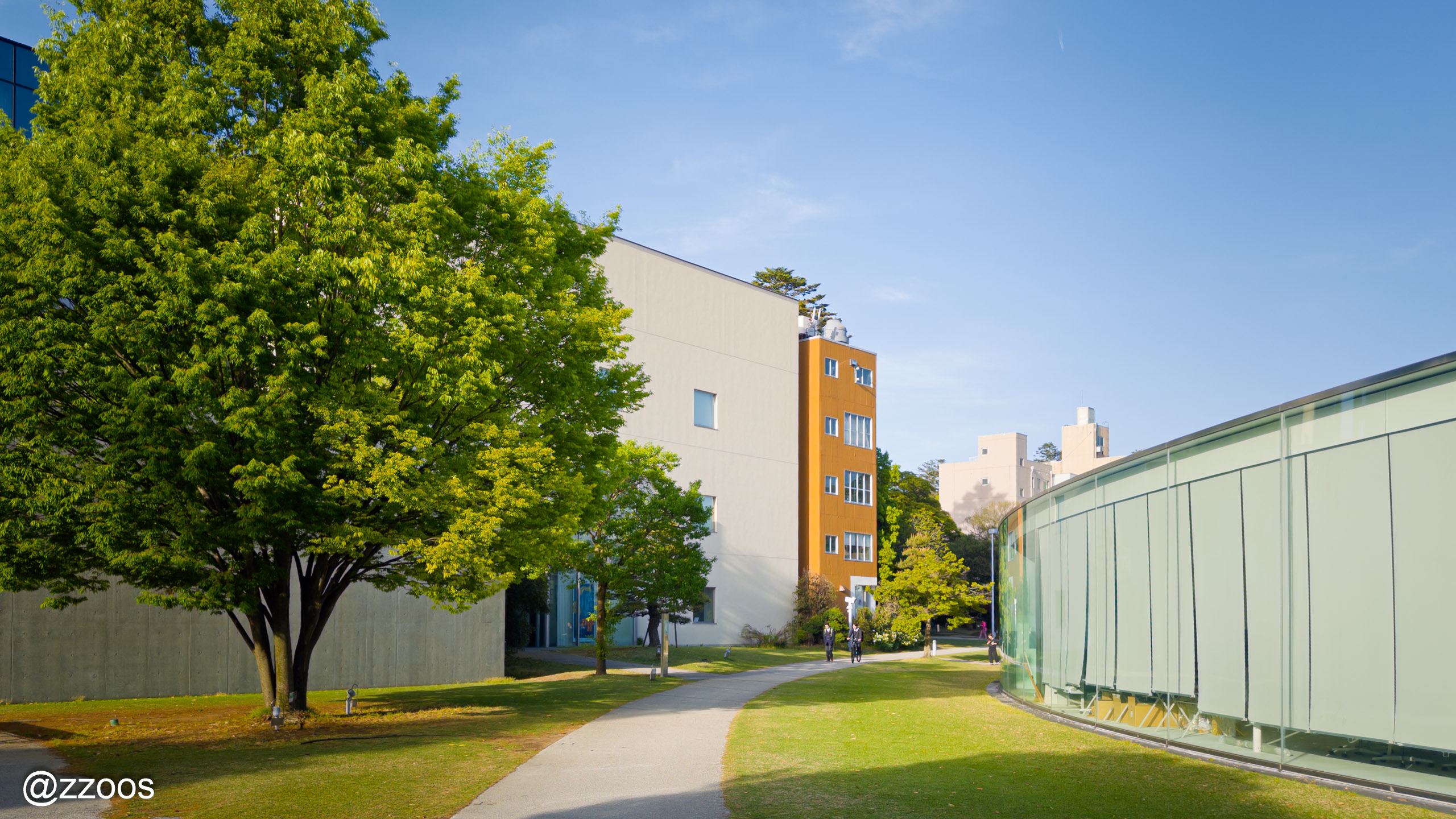
Spending time in Kanazawa, I keep getting the sense that this is a city where tradition and the contemporary exist side by side in a way that actually works. Right next to historic sites like Kanazawa Castle and Kenrokuen, you have a commercial district like Korinbo, and a contemporary destination like the 21st Century Museum. And right beside that, the Prefectural Museum of Art and the Museum of Traditional Arts and Crafts continue the line.
Kanazawa is a city that was spared the devastation of war. Because of that, it’s one of the few cities in Japan that still holds its castle town structure intact. In fact, among cities that have preserved their castle town layout, it may be the largest. (Kyoto is a different case — it was an imperial capital, not a castle town, so it doesn’t quite compare.)
From the Edo period onward, Kanazawa held the position of second only to the shogunate for a long time. To prove its loyalty to the shogunate, the domain cultivated culture rather than military power — and that cultural legacy runs deep in the city today.
Even so, Kanazawa doesn’t lead with “tradition.” Look at the Tsuzumi-mon Gate and the Motenashi Dome at Kanazawa Station — packed with traditional meaning, but expressed in a thoroughly contemporary way.
To me, the 21st Century Museum, sitting right across from Kanazawa Castle and Kenrokuen, reads in the same way.
Right in front of one of the most Japanese of traditional sites, they placed a museum with an irregular, contemporary design that couldn’t be further from traditional aesthetics.
That’s why, the more time I spend in Kanazawa, the more I find to like about it.