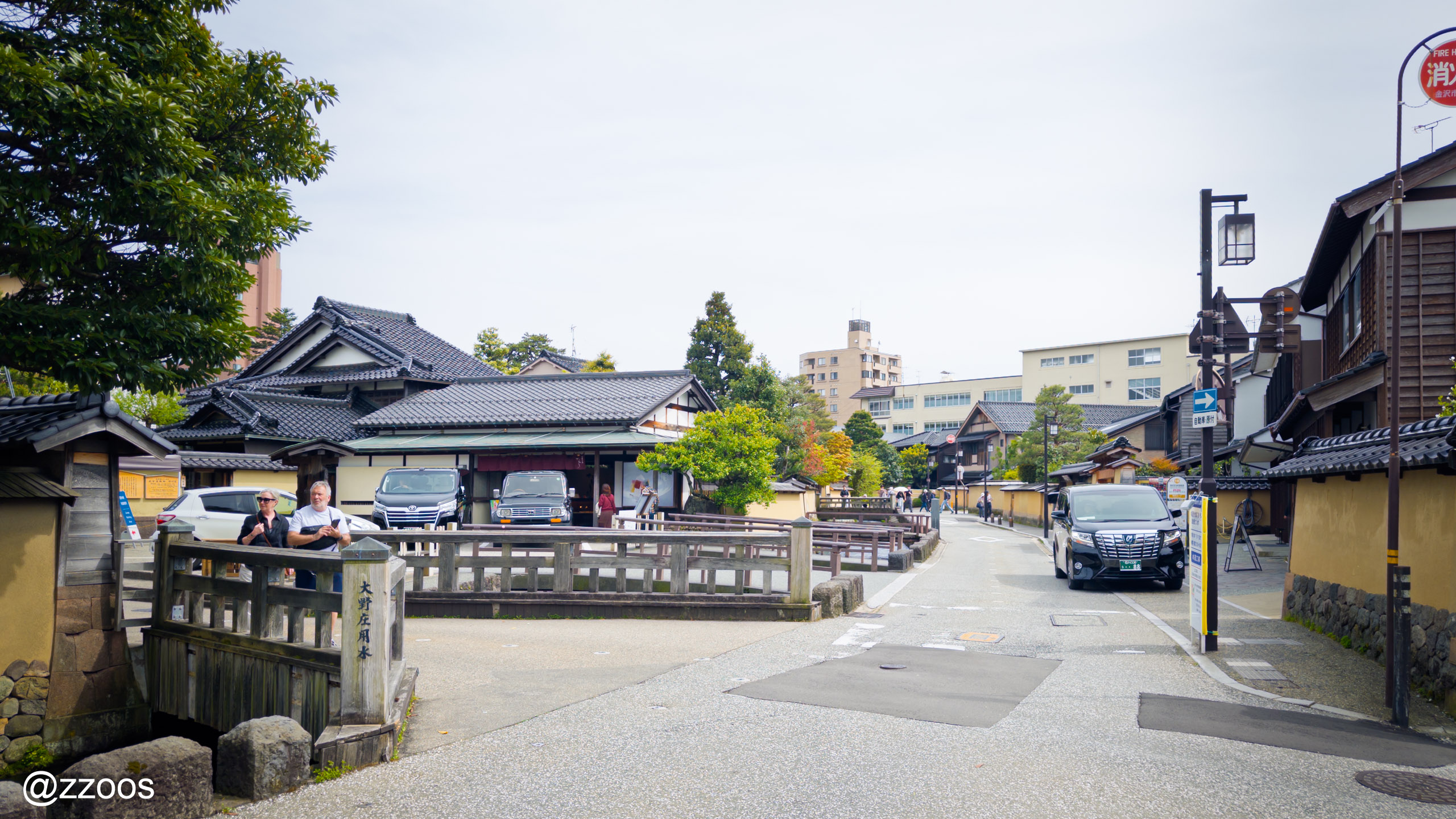
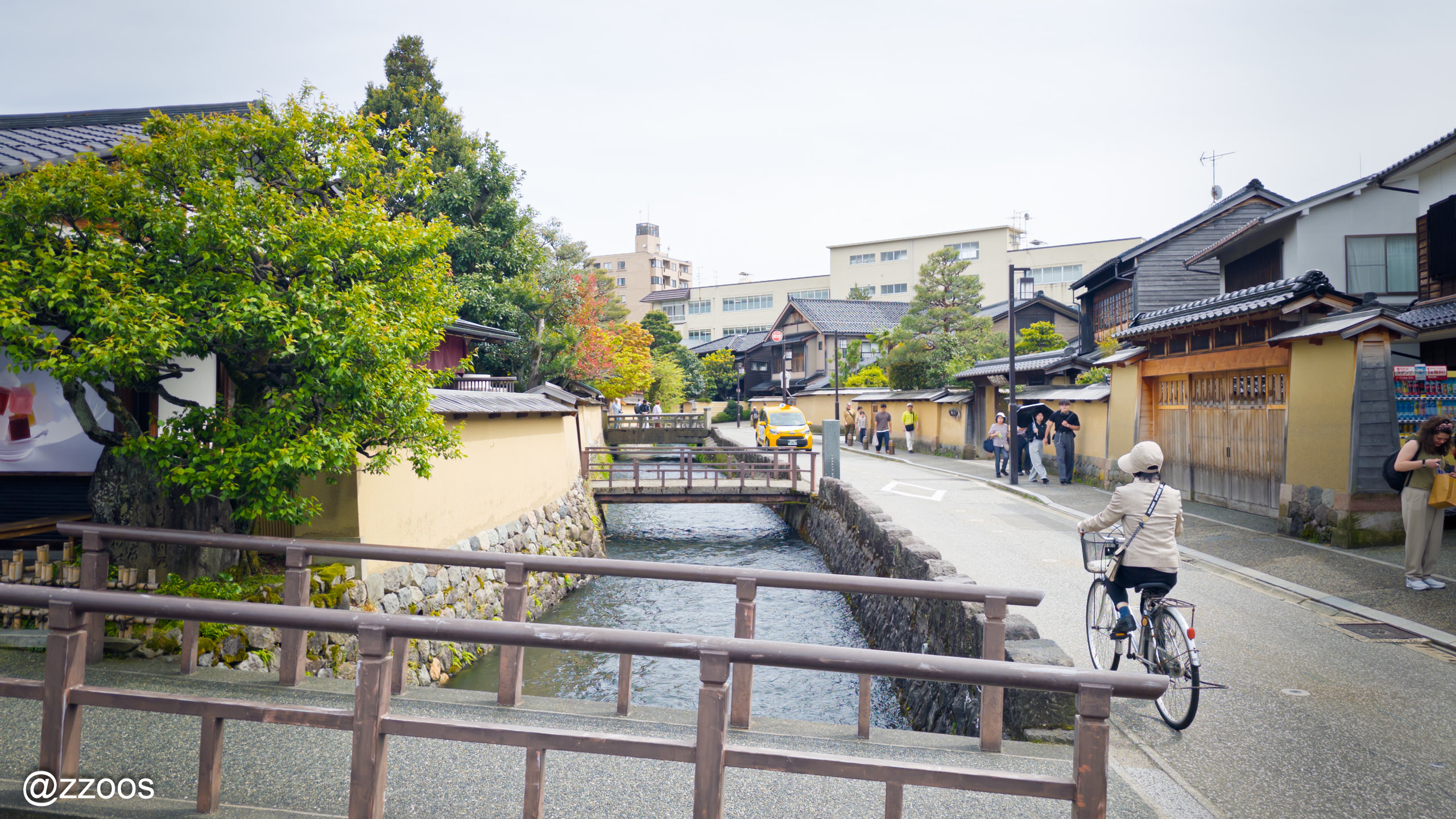
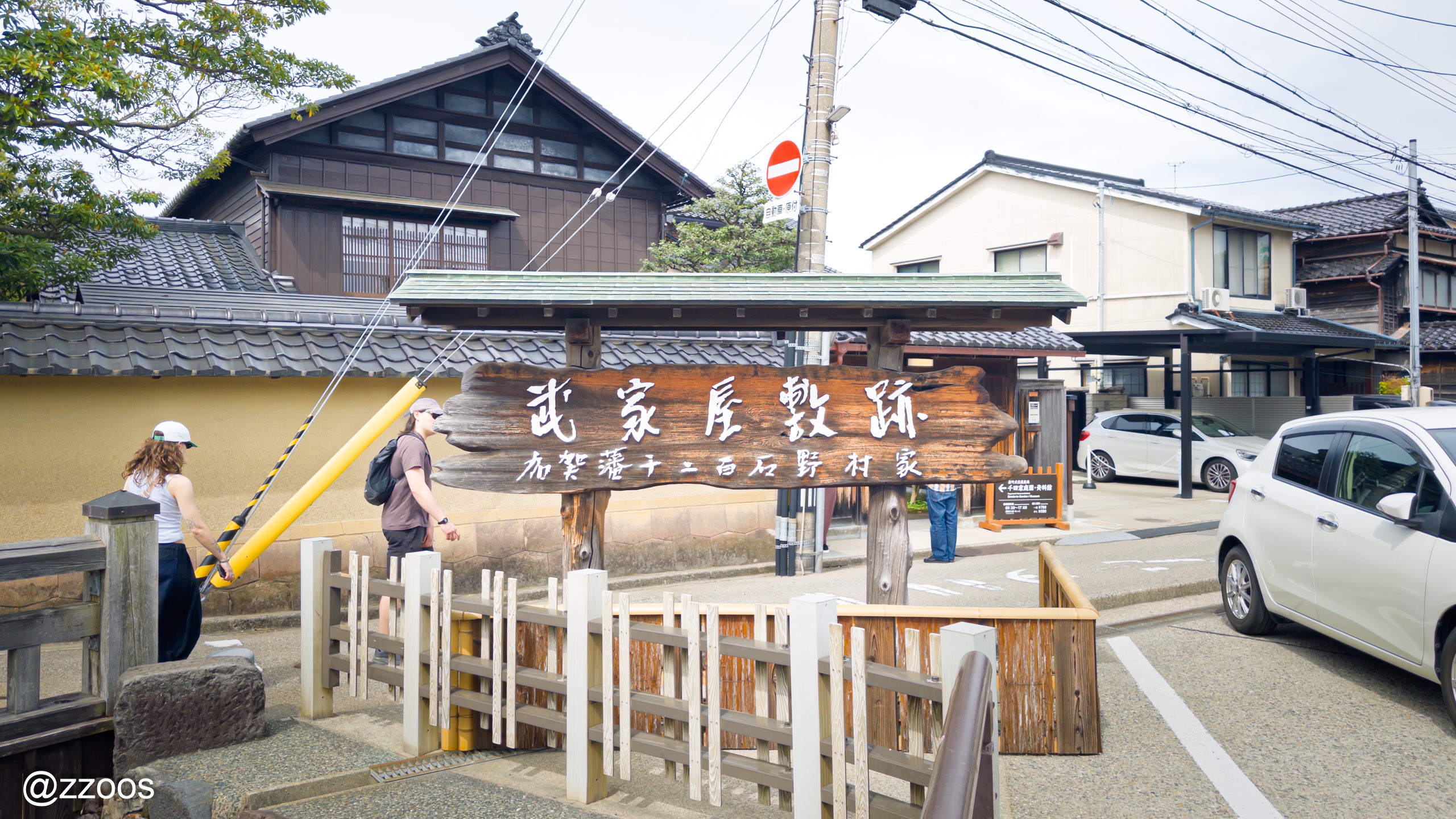
Still had time to kill before hotel check-in, even after lunch. Starting the day early made the first day of the trip stretch on and on. On a normal trip, you’d check in, rest a bit, then head out for dinner.
Instead, I chose Nagamachi Samurai District (長町武家屋敷跡) — after passing on a walk along the Saigawa River. Bukeyashiki means a place where samurai residences once clustered together, so I just call it the samurai district.
Nagamachi wasn’t far from the café where I had lunch. Enough energy left after eating to make it worth the walk.
Just be ready for the crowds, though.
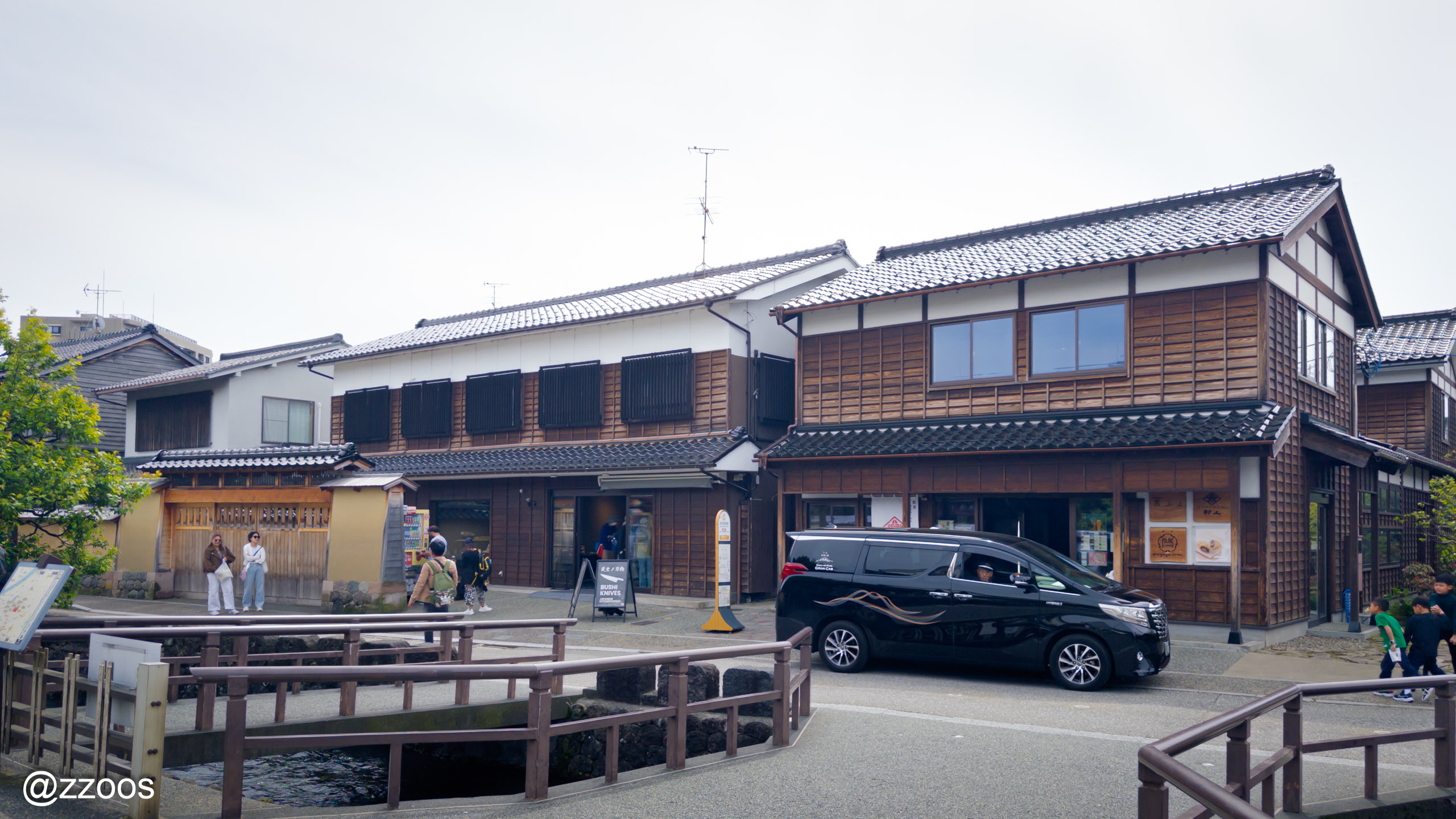
Kanazawa gets compared to Kyoto a lot. Both cities escaped the destruction of war, leaving their old buildings intact. At one point, Kanazawa was even called “Little Kyoto.”
But people from Kanazawa apparently hate that. And understandably so — it implies they’re a smaller, lesser version of Kyoto.
So how similar are they, really? I walked through Nagamachi with that question in the back of my head. And I came to a conclusion.
Kanazawa is a different city from Kyoto.
Sure, both have well-preserved traditional buildings and plenty of tourists. But Kanazawa has its own distinct character.
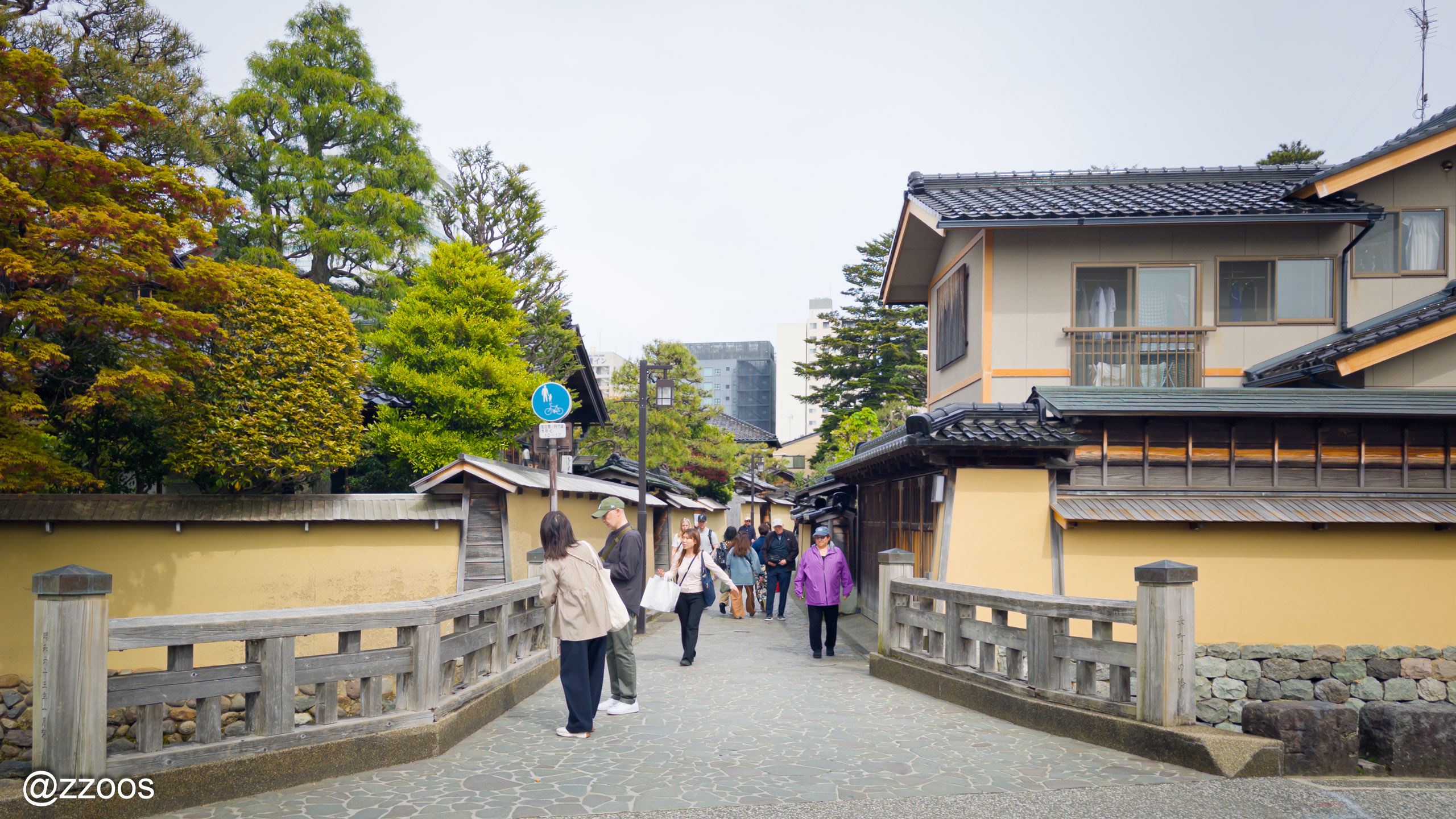
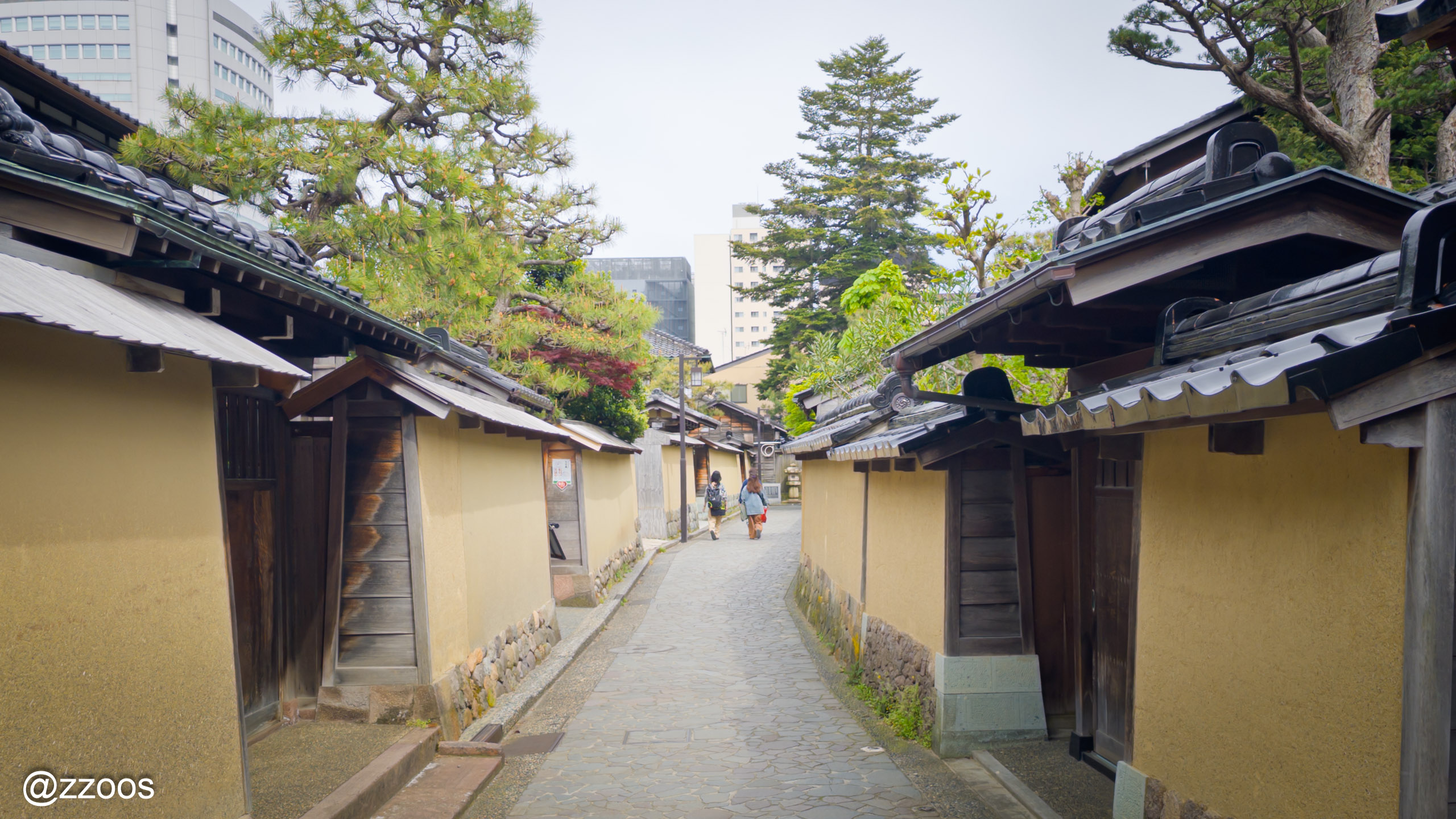
Kanazawa is a jokamacho — a castle town, built up around a castle. The city was organized into distinct zones: the castle, samurai residences below it, merchant quarters, and temple districts. The daimyo lived in the castle, his samurai retainers nearby. Roads were deliberately made to twist and turn, to slow down any invaders.
Kyoto was different. It wasn’t a daimyo’s city — it was the emperor’s.
A city of the imperial court, drawing enormous populations, built on a grid of planned roads. And it was a city of merchants and craftsmen, not samurai.
Those differences shaped the streets of each city in very different ways.
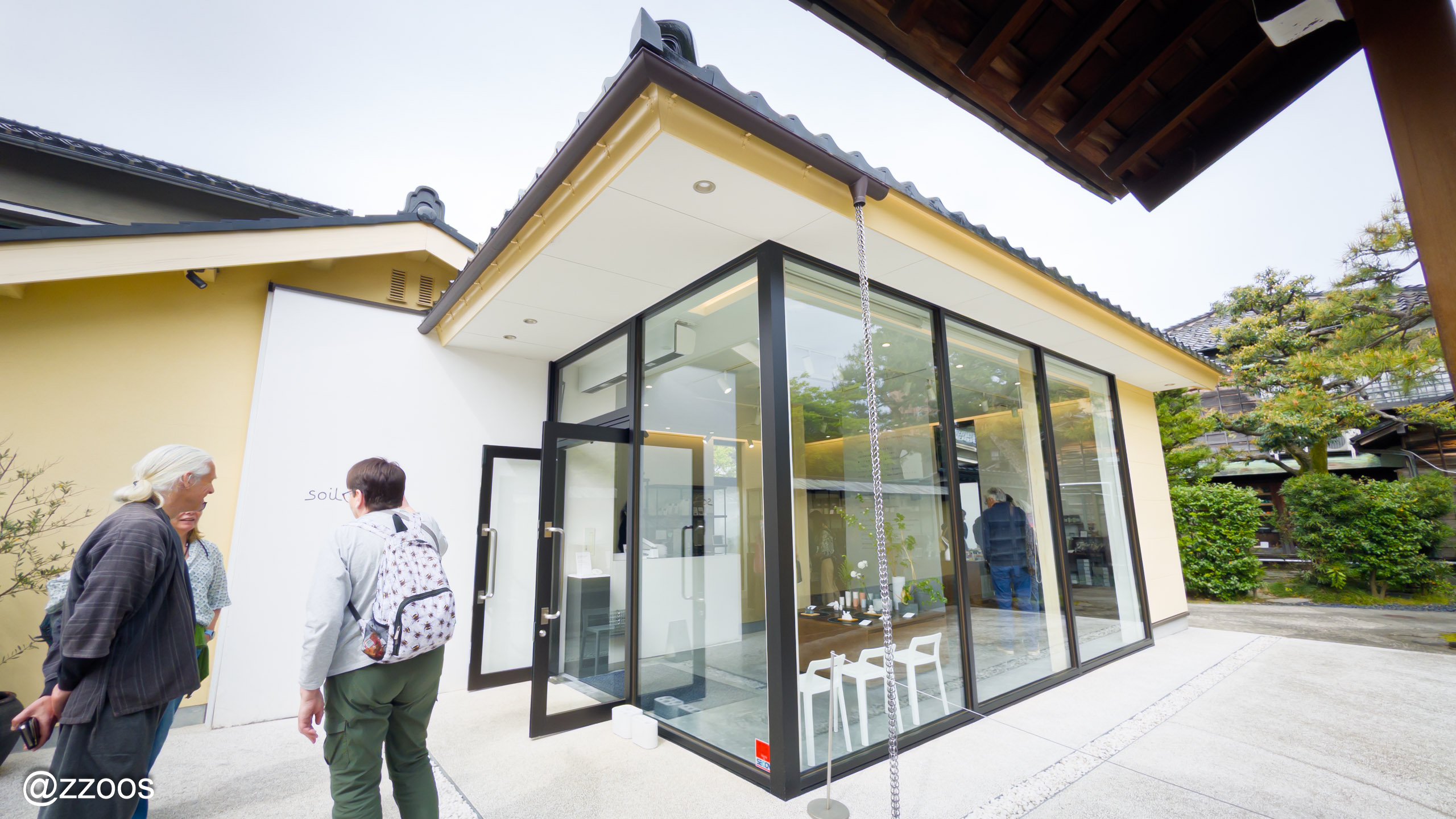
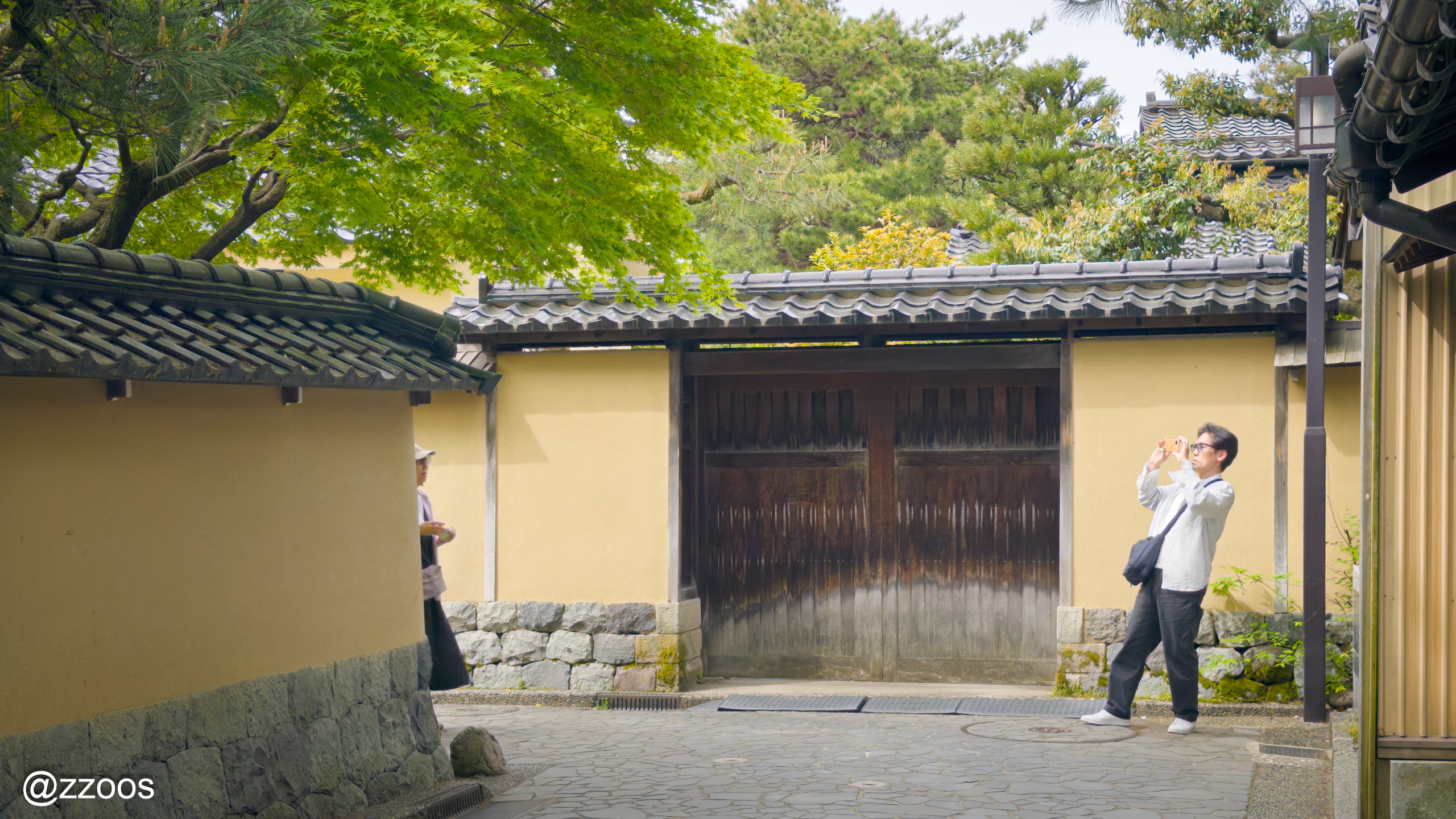
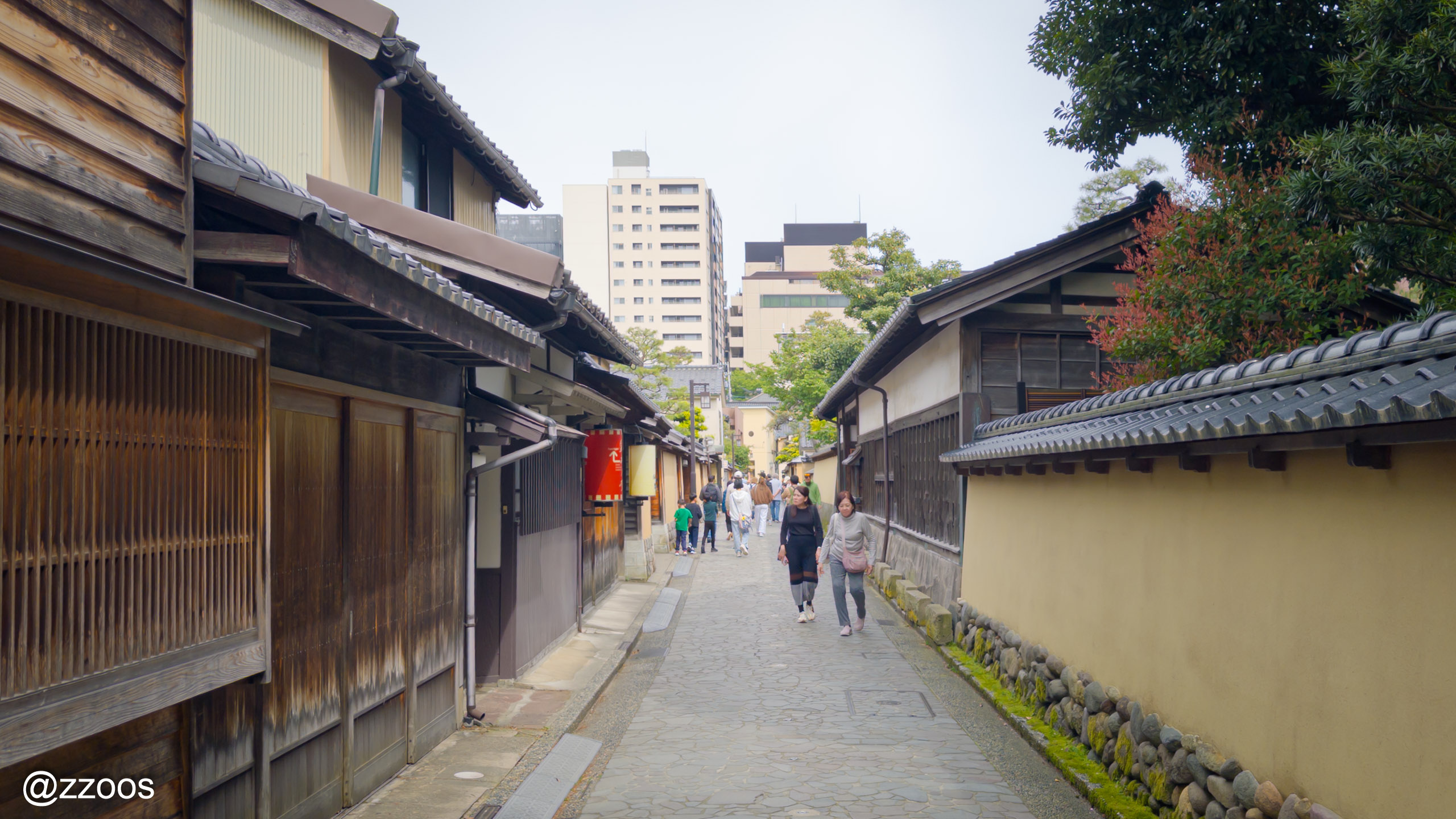
The first time I walked through Nagamachi, something felt off.
I’d spent a lot of time in Kyoto once, wandering Gion and Pontocho. This felt completely different. Why?
Walls.
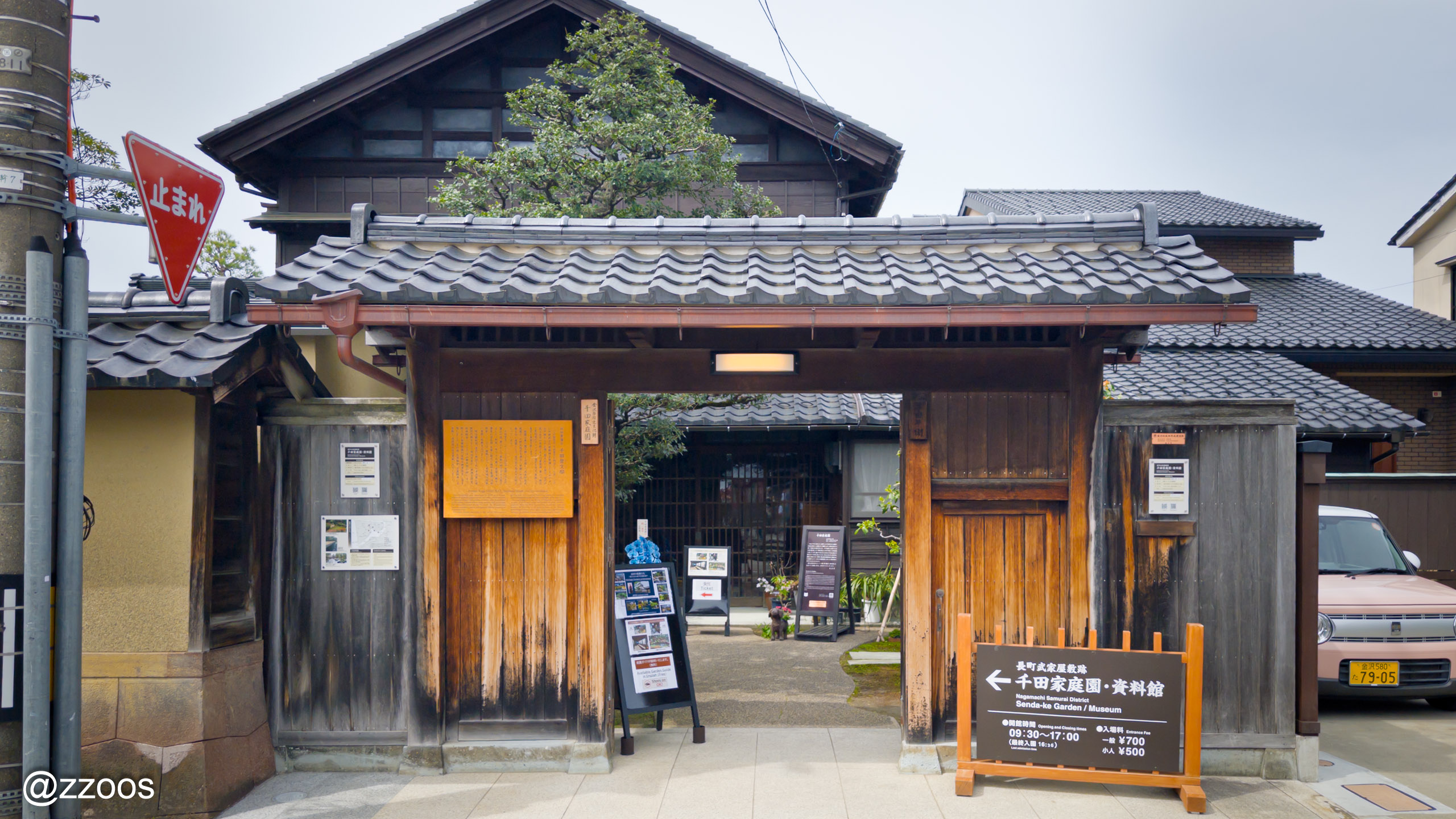
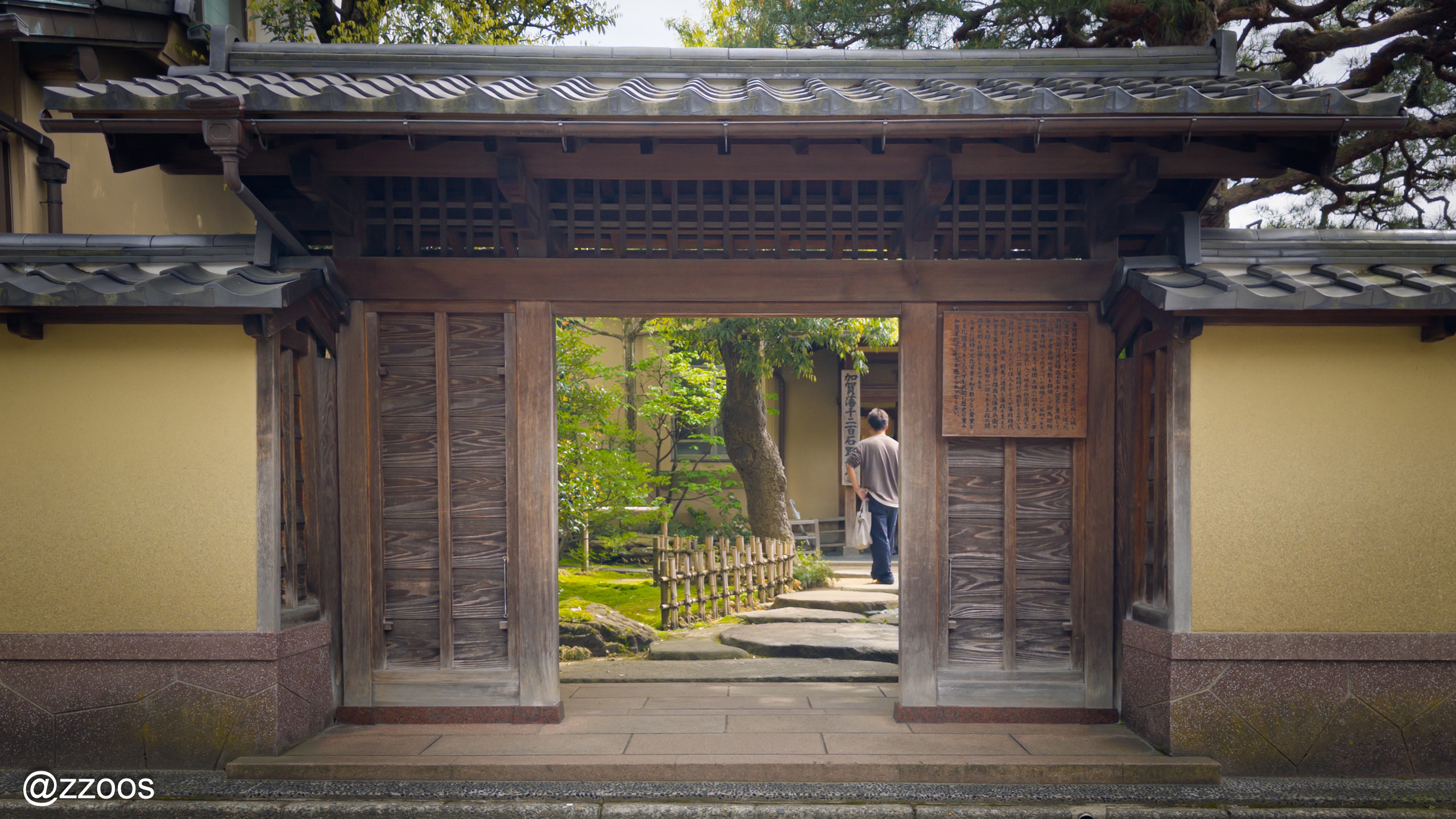
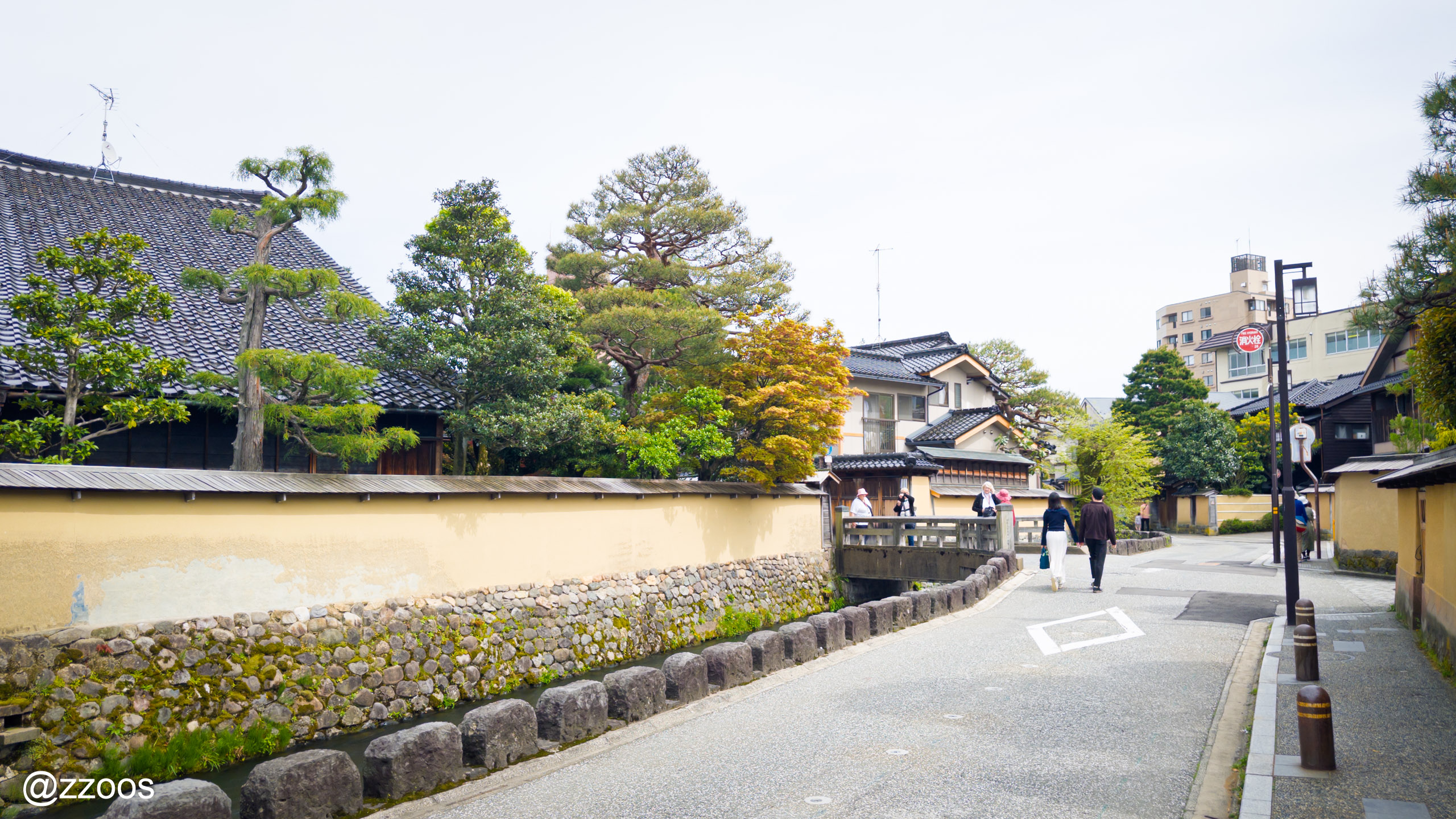
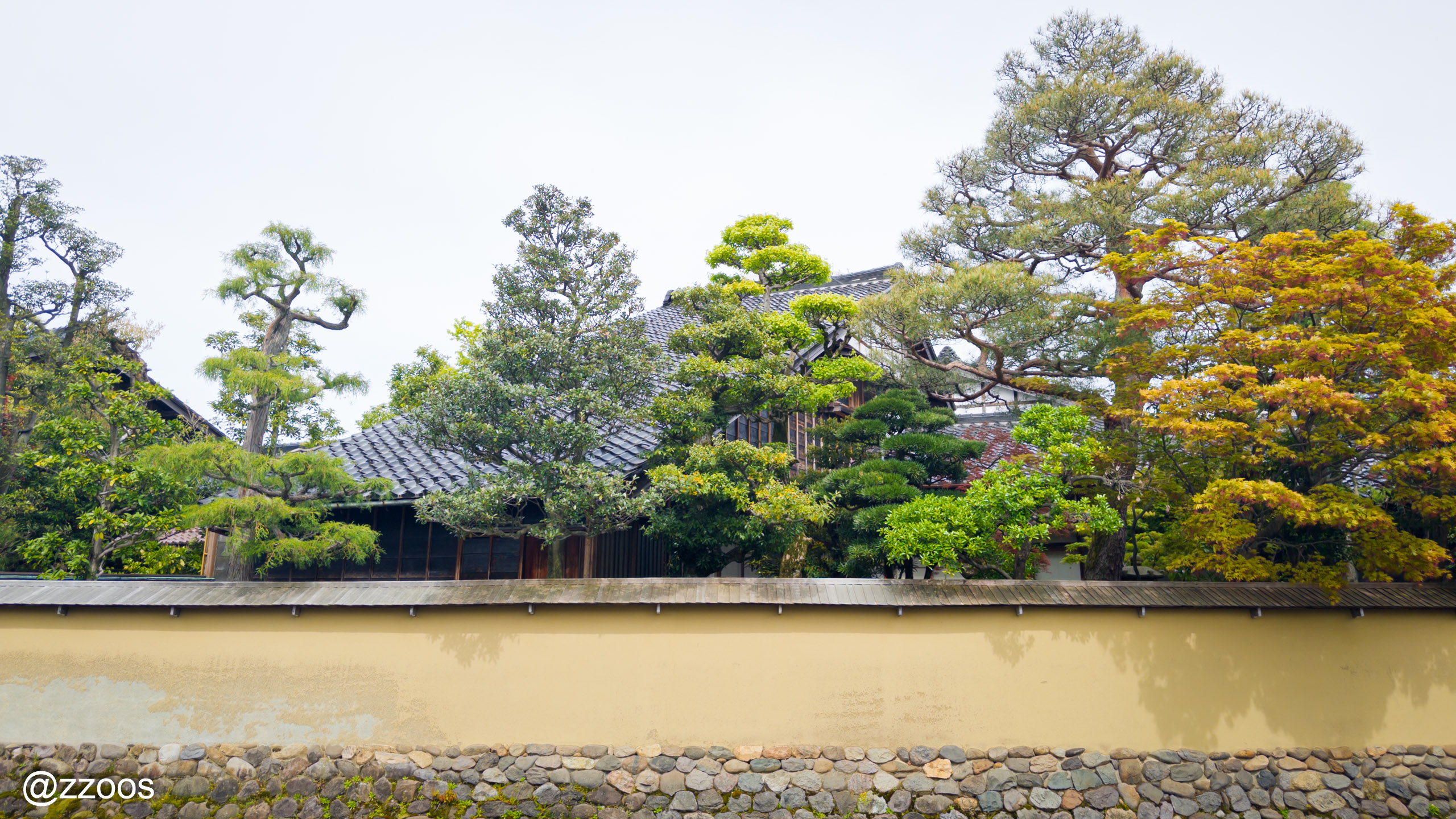
Nagamachi has tall, bright ochre walls running all the way around. You have to pass through a massive gate just to enter a residence.
These walls don’t exist in Kyoto.
As I mentioned, Kyoto was a city of merchants and craftsmen. Merchants need to welcome customers — you can’t block them out with high walls. So Gion has no walls. Lattice screens were about as far as they went to separate inside from outside.
That strangeness I felt walking through Nagamachi — it came from the walls.
And that’s exactly what tells you Kanazawa was something Kyoto was not: a samurai city. Walls are how you protect yourself and your family from enemies.
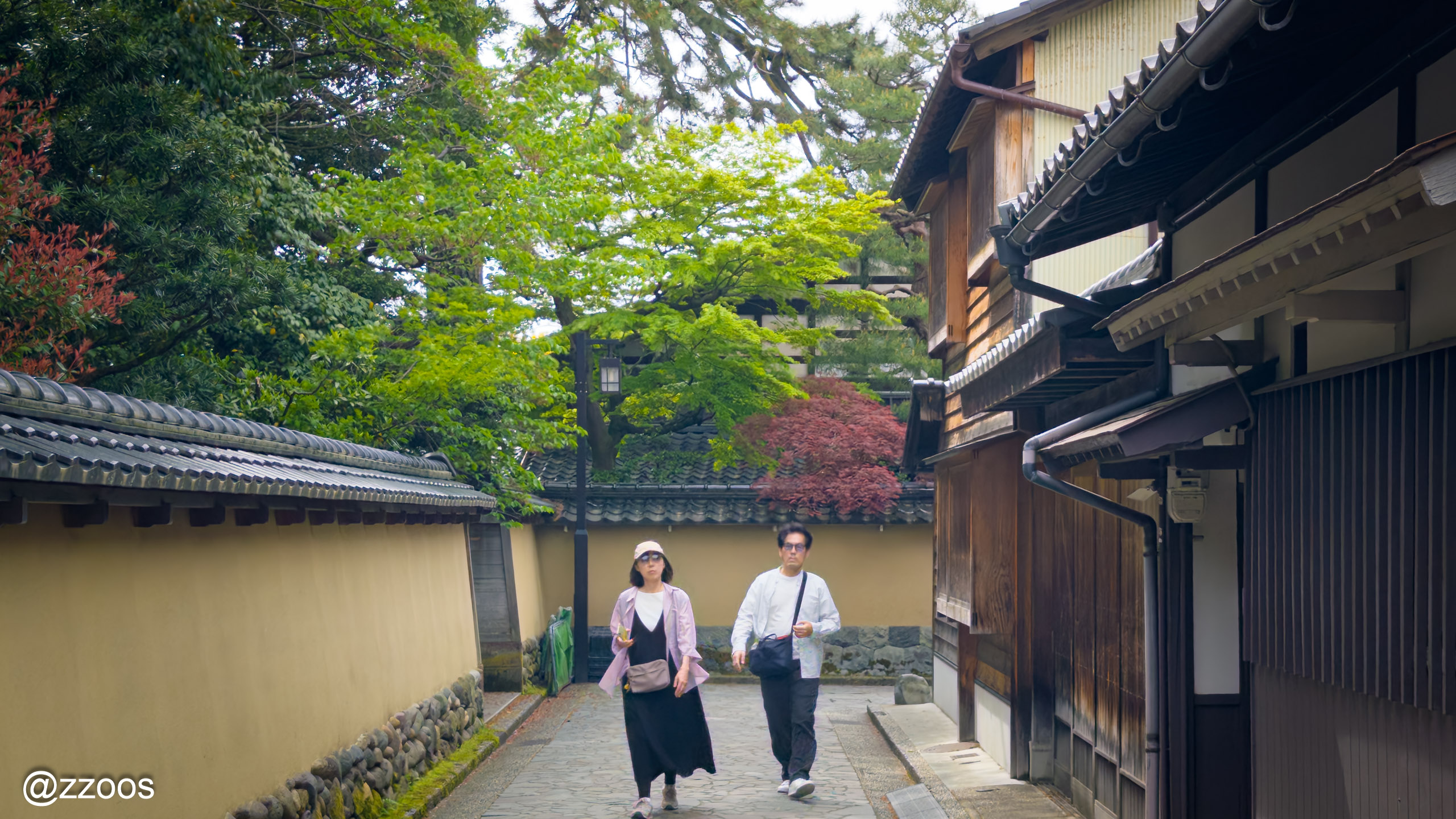
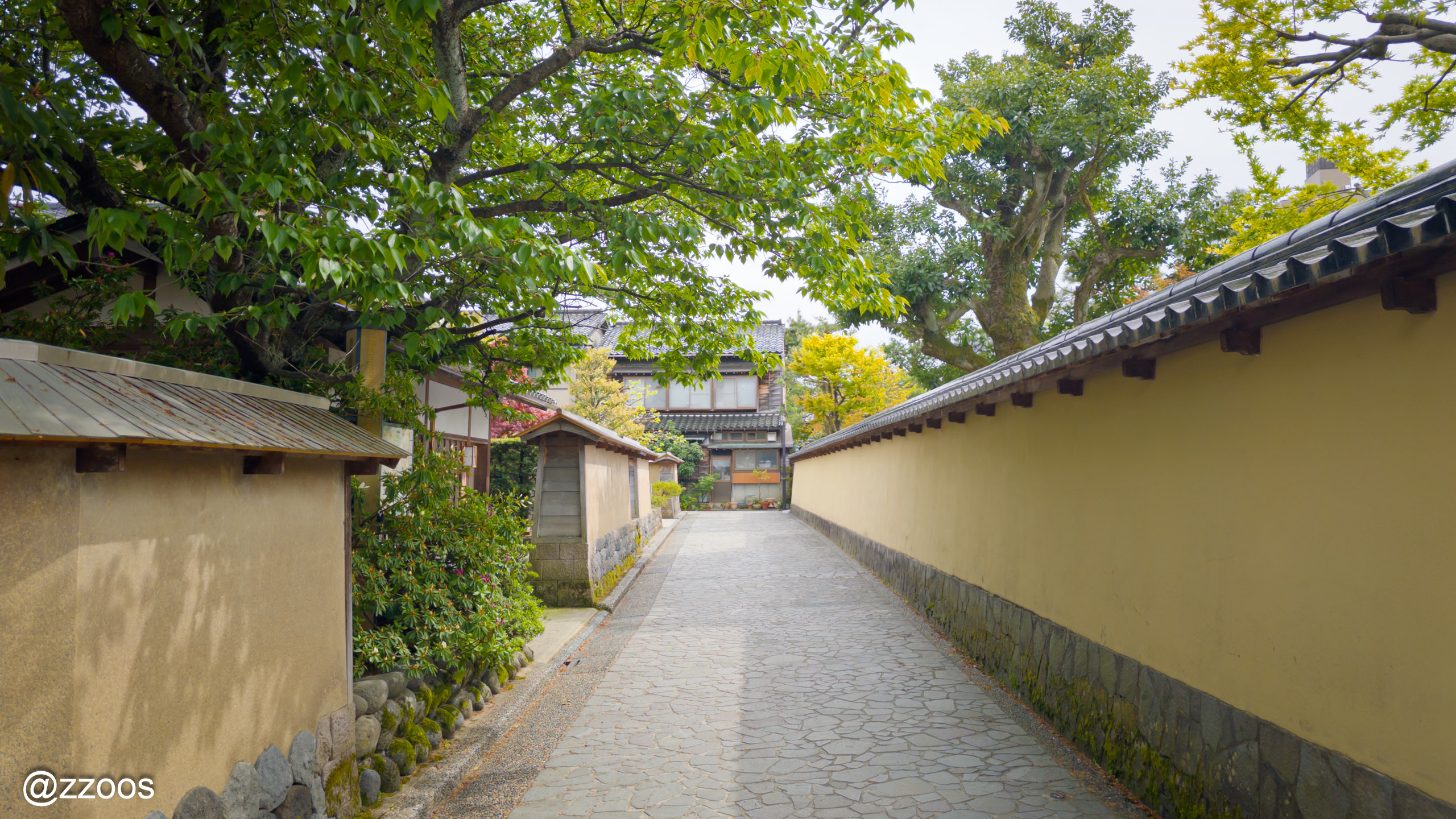
Of course, Kanazawa has its commercial streets too — Higashi Chaya District, for one, feels closer to Gion or Pontocho. Same reason: commercial spaces don’t need walls.
Which is exactly why I think Nagamachi Samurai District shows the real essence of Kanazawa better than anywhere else.