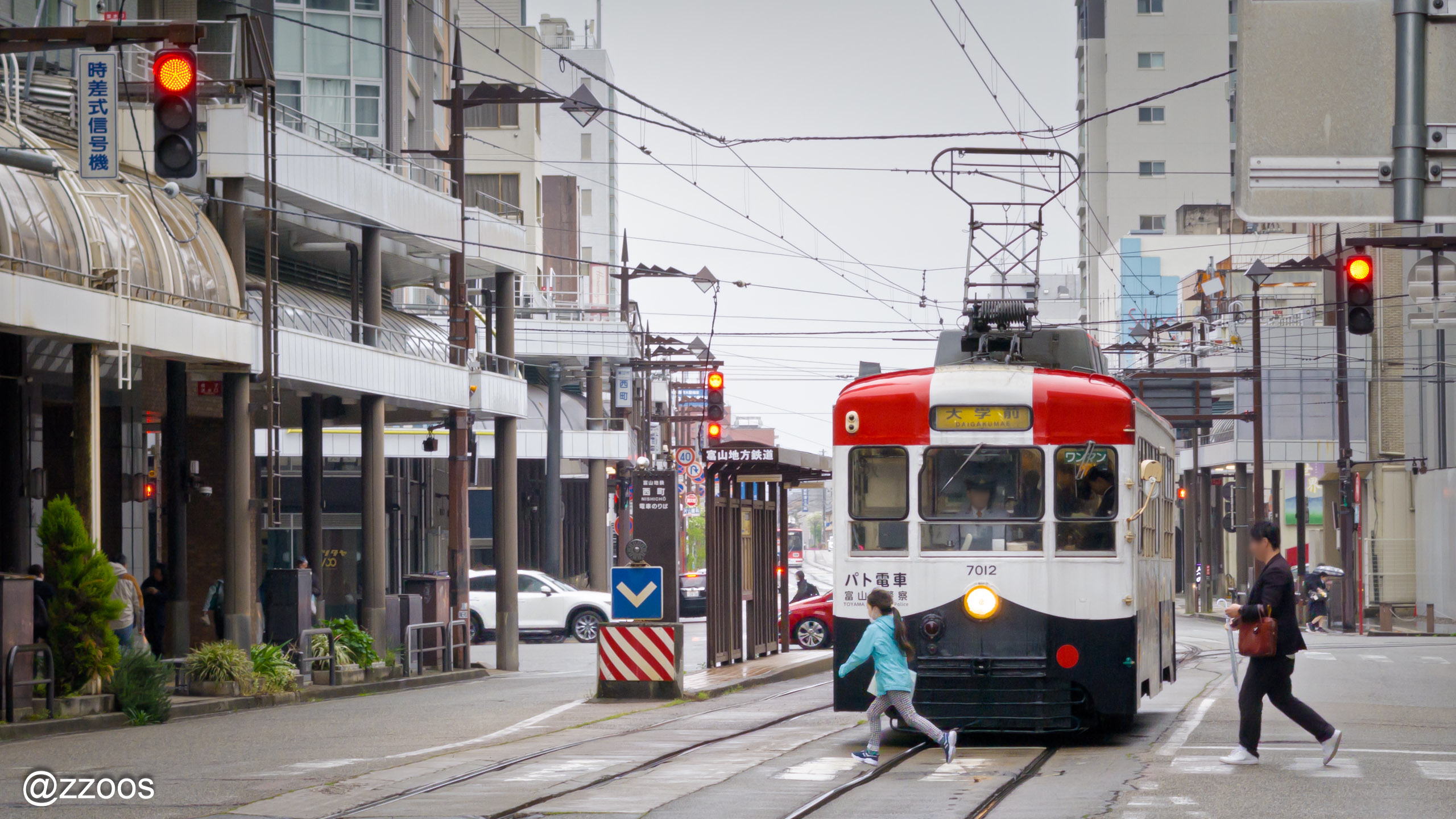
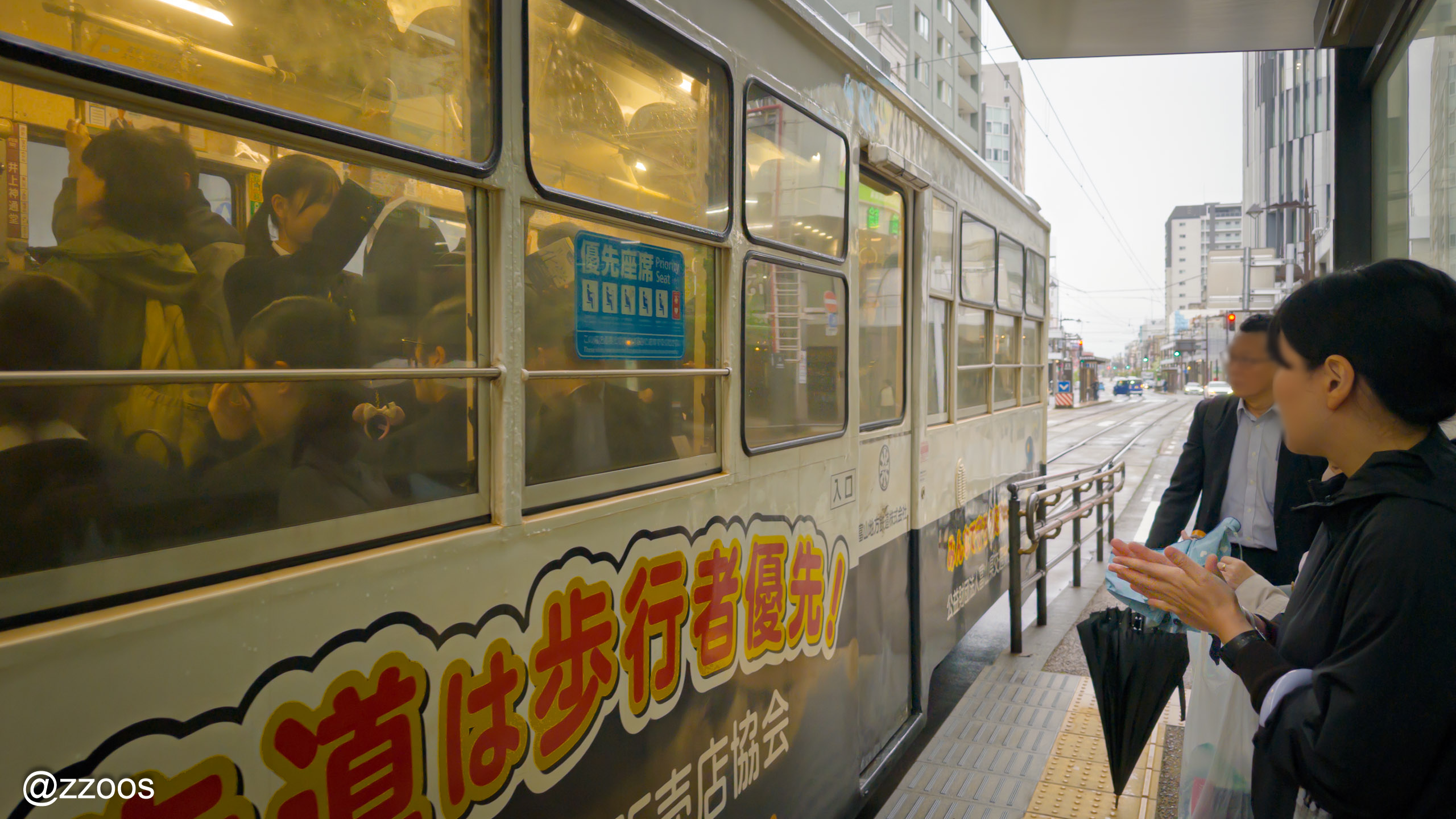
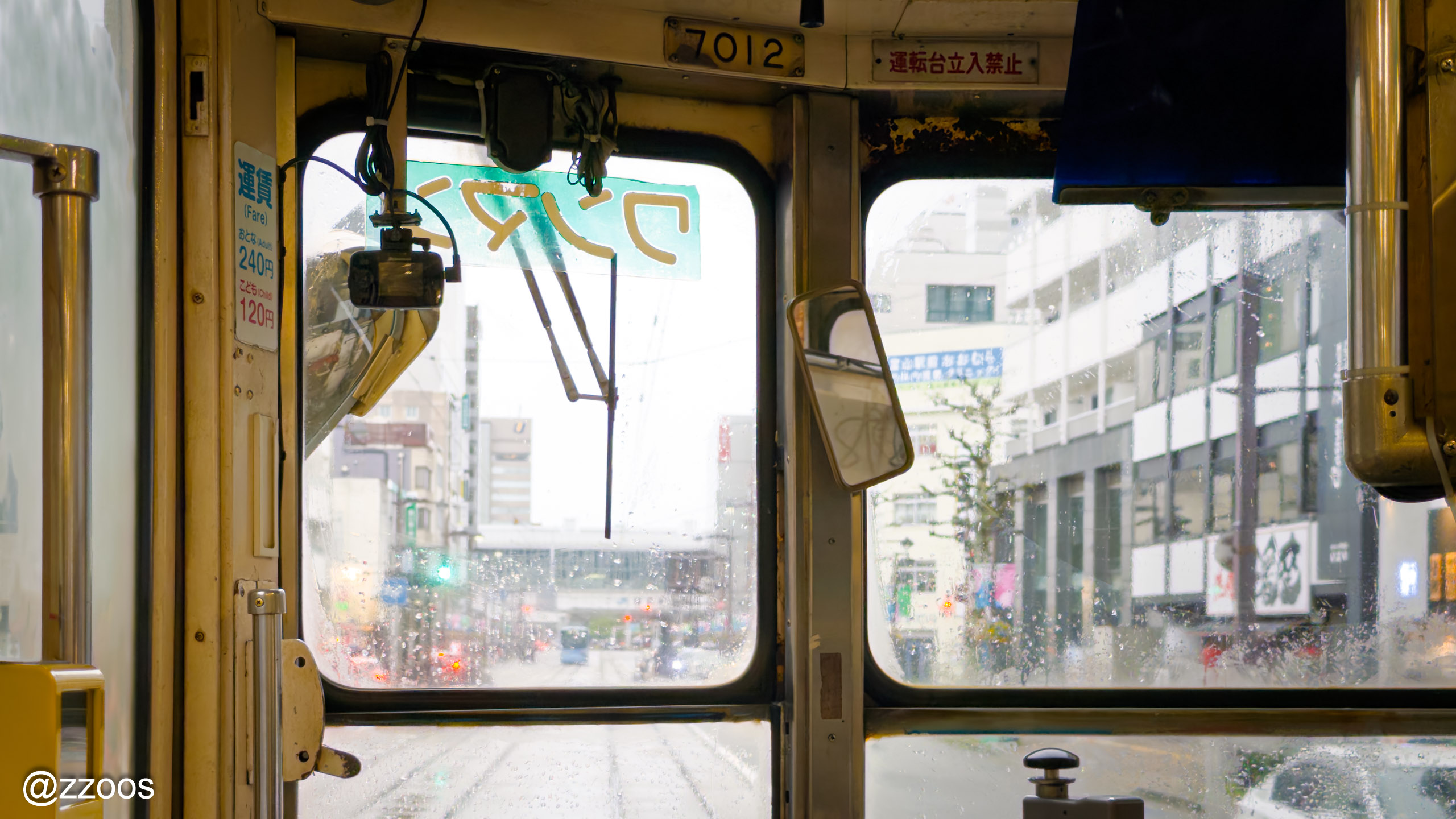
This Toyama trip was a short side-story, half a day at most. A little taster made from the time I had left over during the Kanazawa trip, I suppose.
I’m not sure it even counts as “travel.” It was more like a short walk.
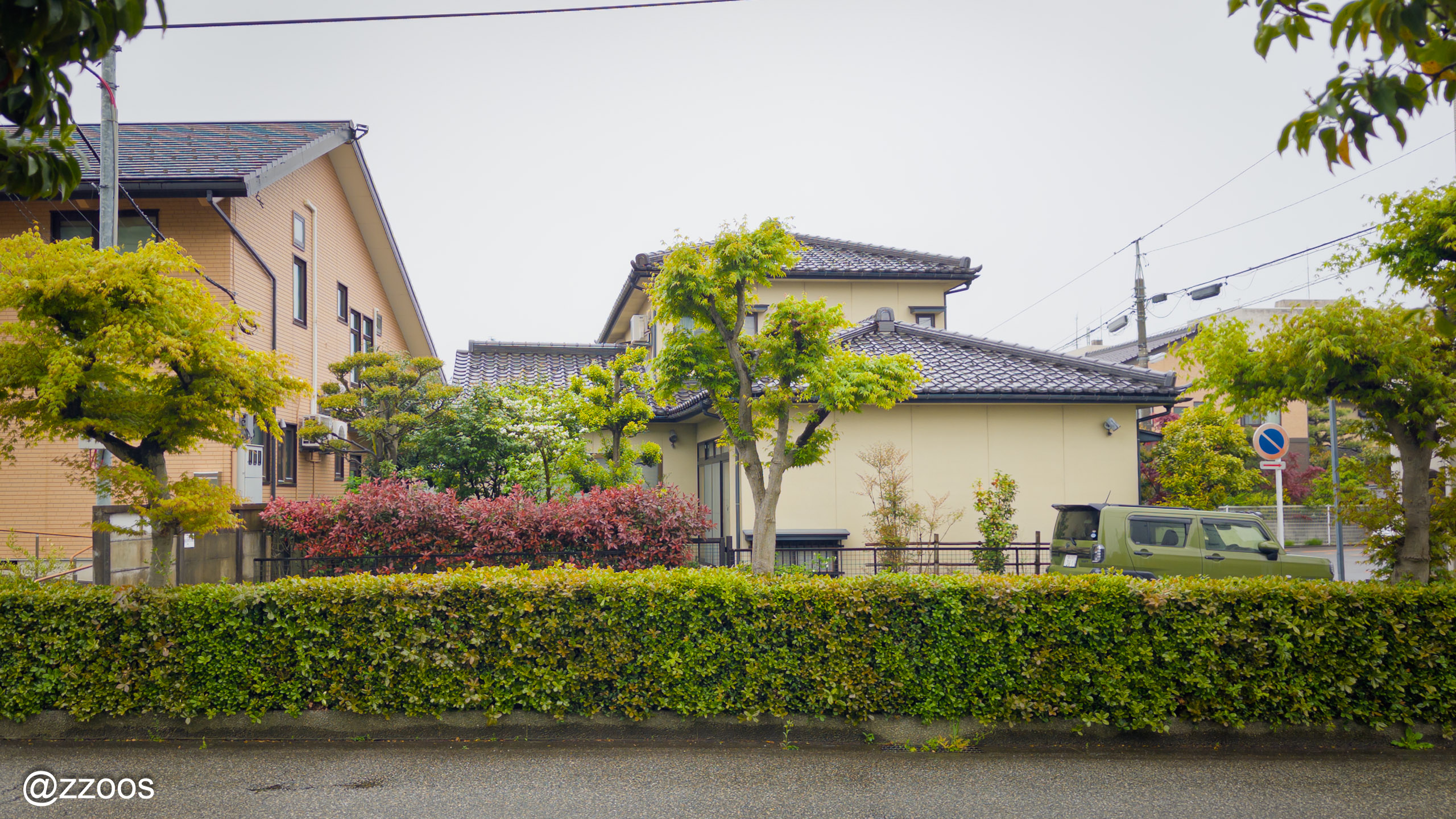
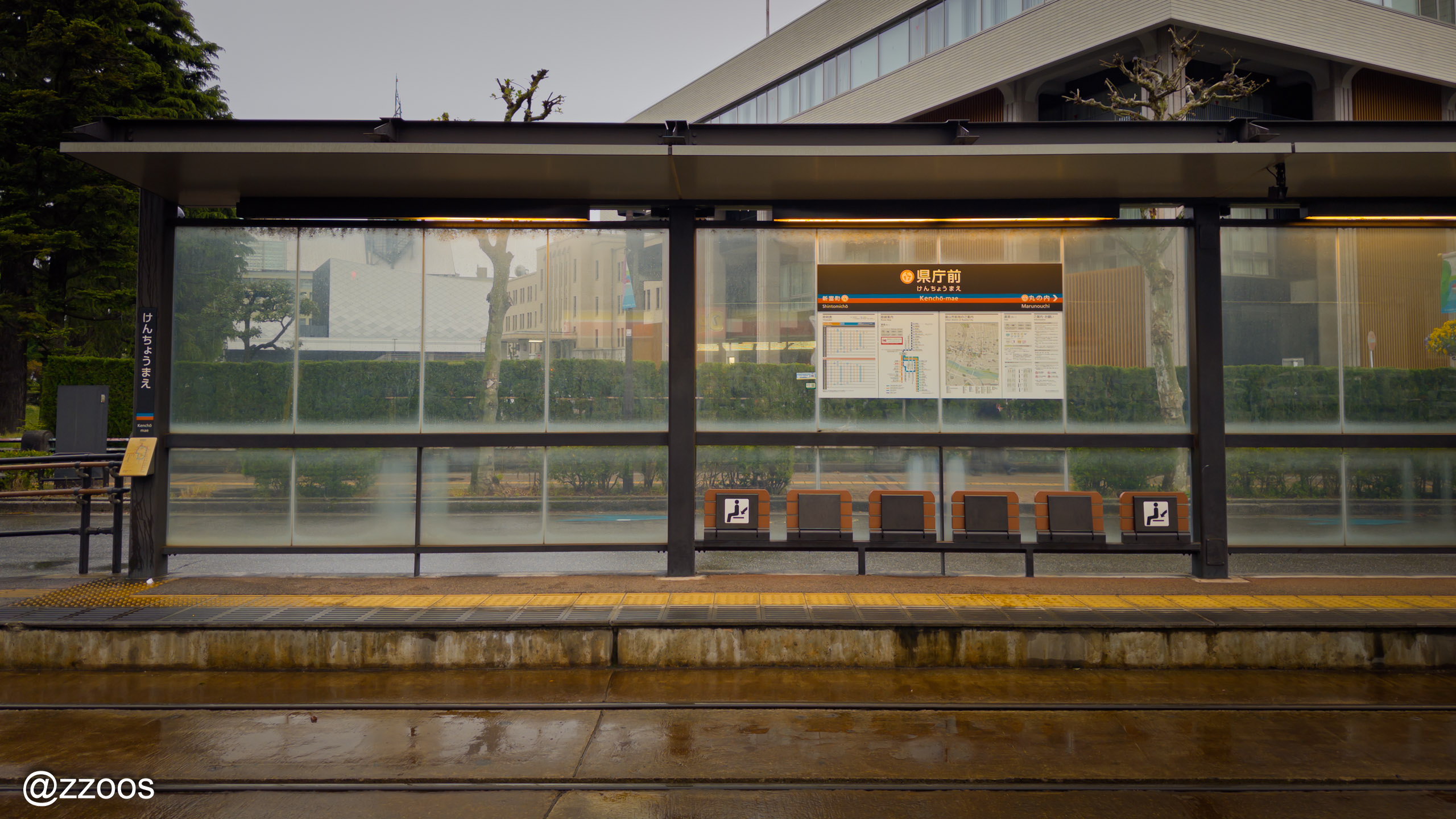
It was a trip — no, a walk — I came up with on the spur of the moment, watching the rain fall outside my hotel window.
Of course, I already had some information in hand, like the Starbucks said to be the most beautiful in the world. And Kengo Kuma’s glass museum too.
The moment I saw the rain, I thought, I should go photograph the rainy night view at Kansui Park! It was the result of combining information I already had with the situation right in front of me, on the spot.
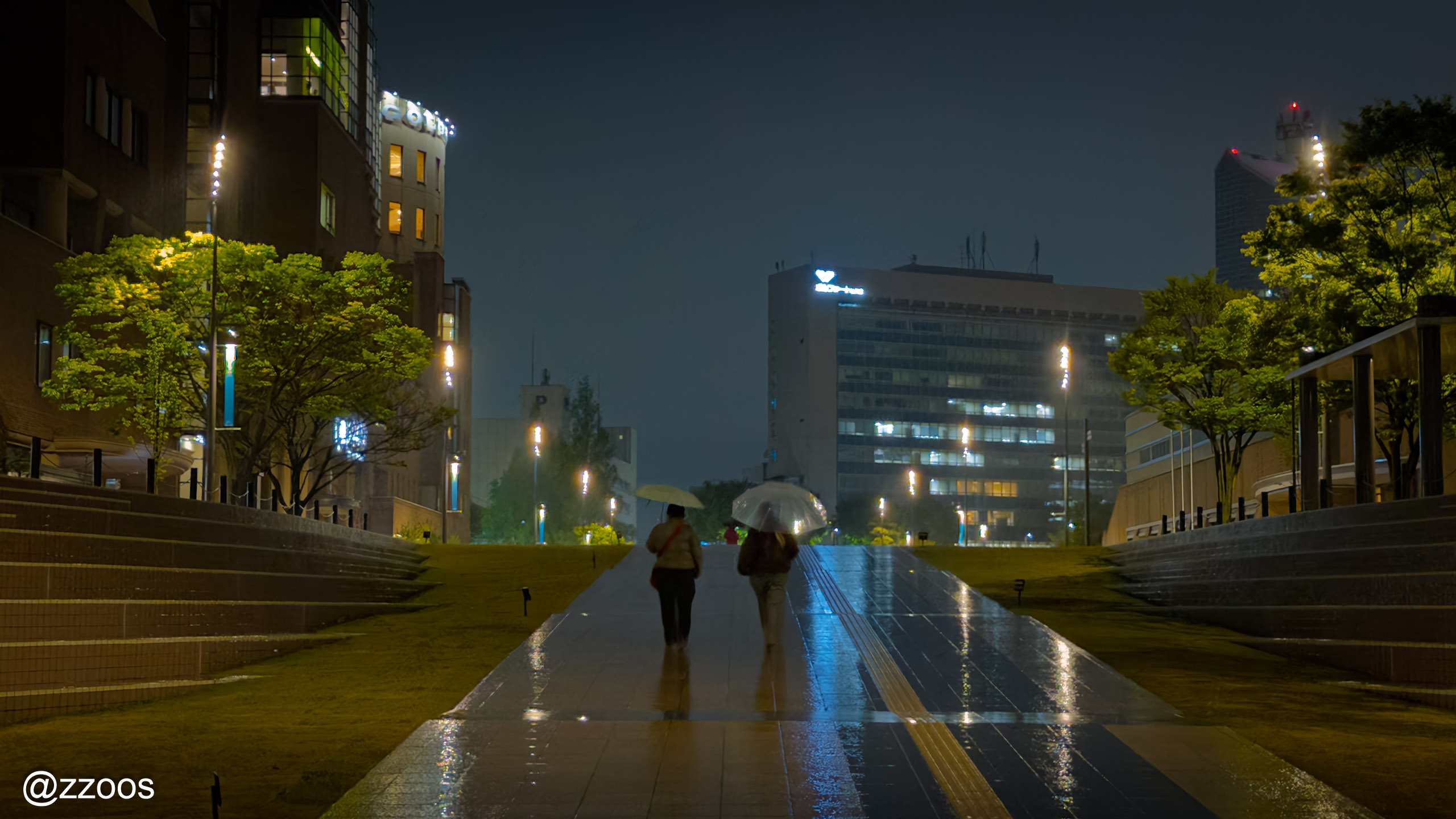
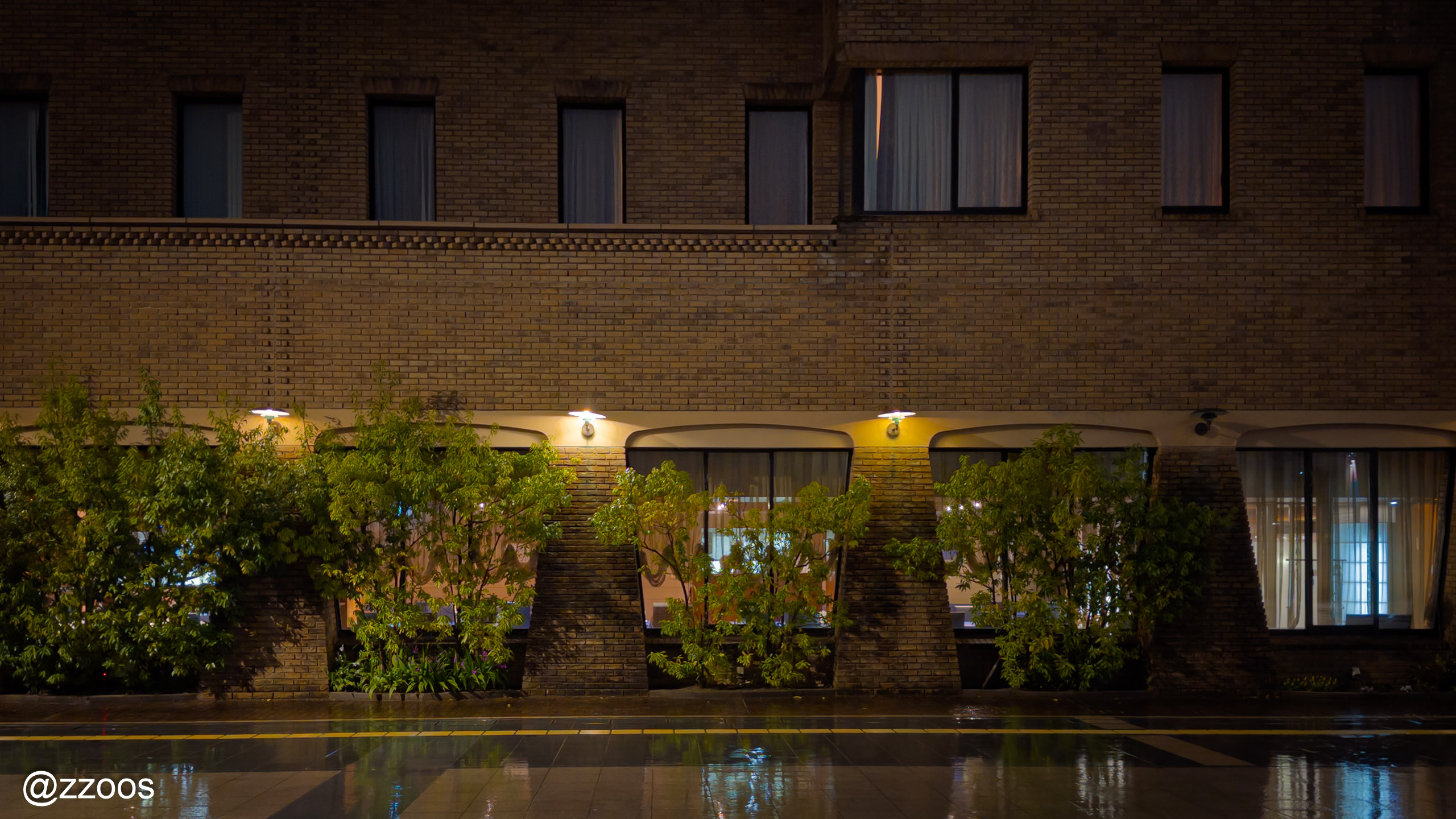
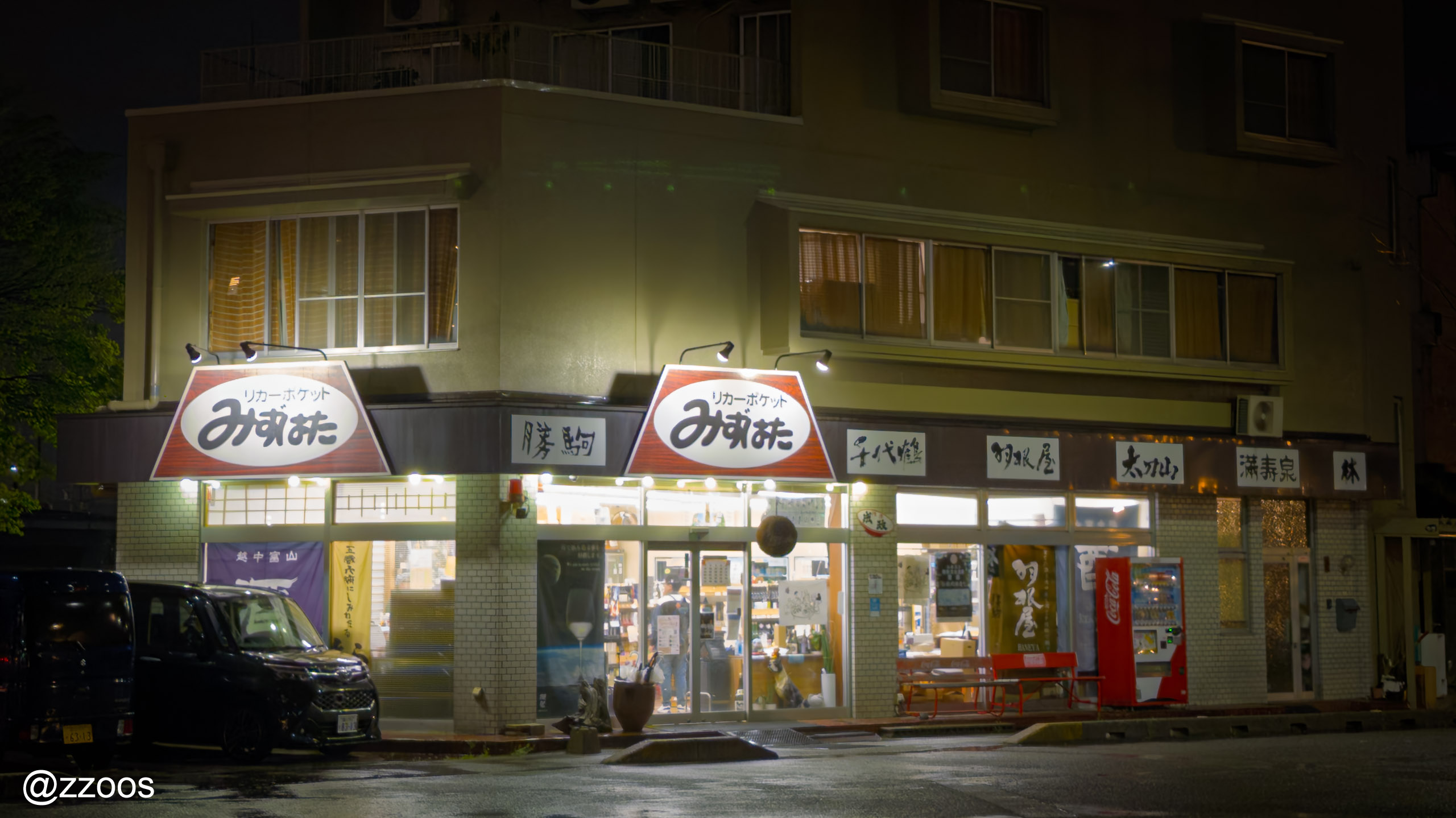
So I got to see a little of Toyama’s rainy scenery.
It was a short walk of maybe six or seven hours, so I can’t say I saw all that many places, but my impression of Toyama was good.
It had the look of a clean, mid-sized city. More than a tourist spot, I liked its simple feel as a city people actually live in. Cities packed with tourists get a bit hectic, don’t they.
And it wasn’t so quiet and empty that you can barely spot another person, the way small provincial towns can be — I liked that too. With a population of 400,000 and being the central city of Toyama Prefecture, I suppose that’s only natural.
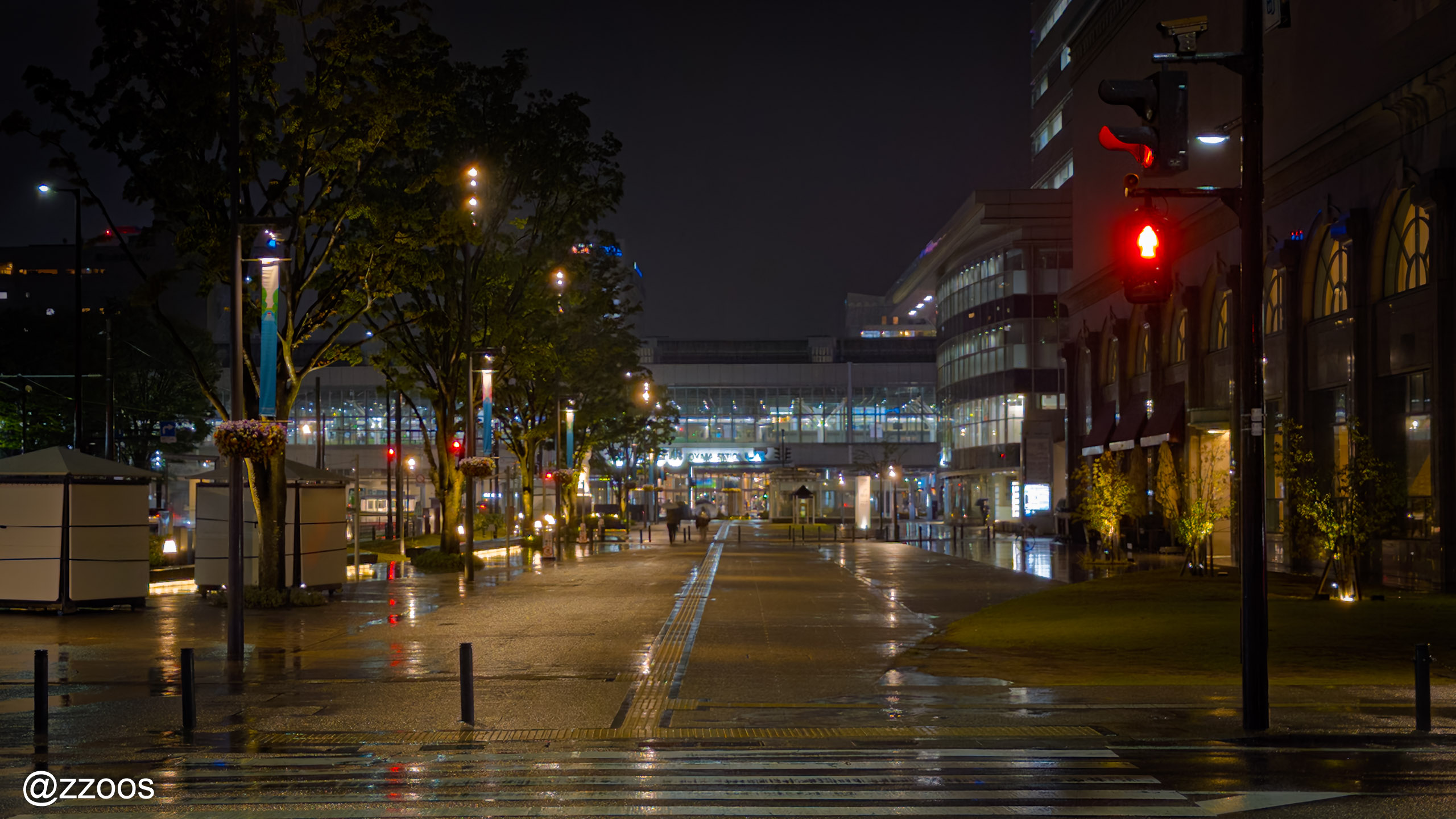
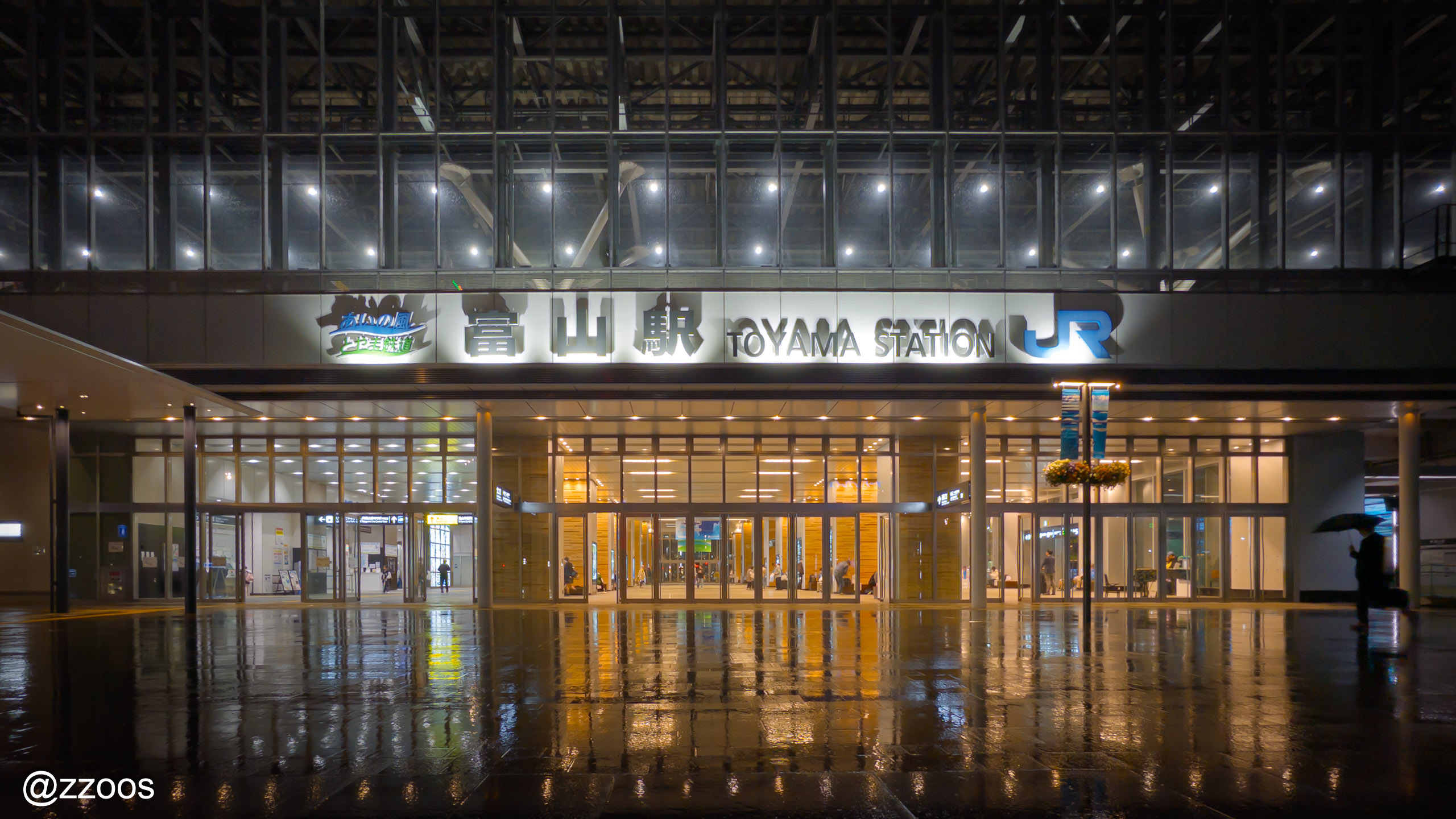
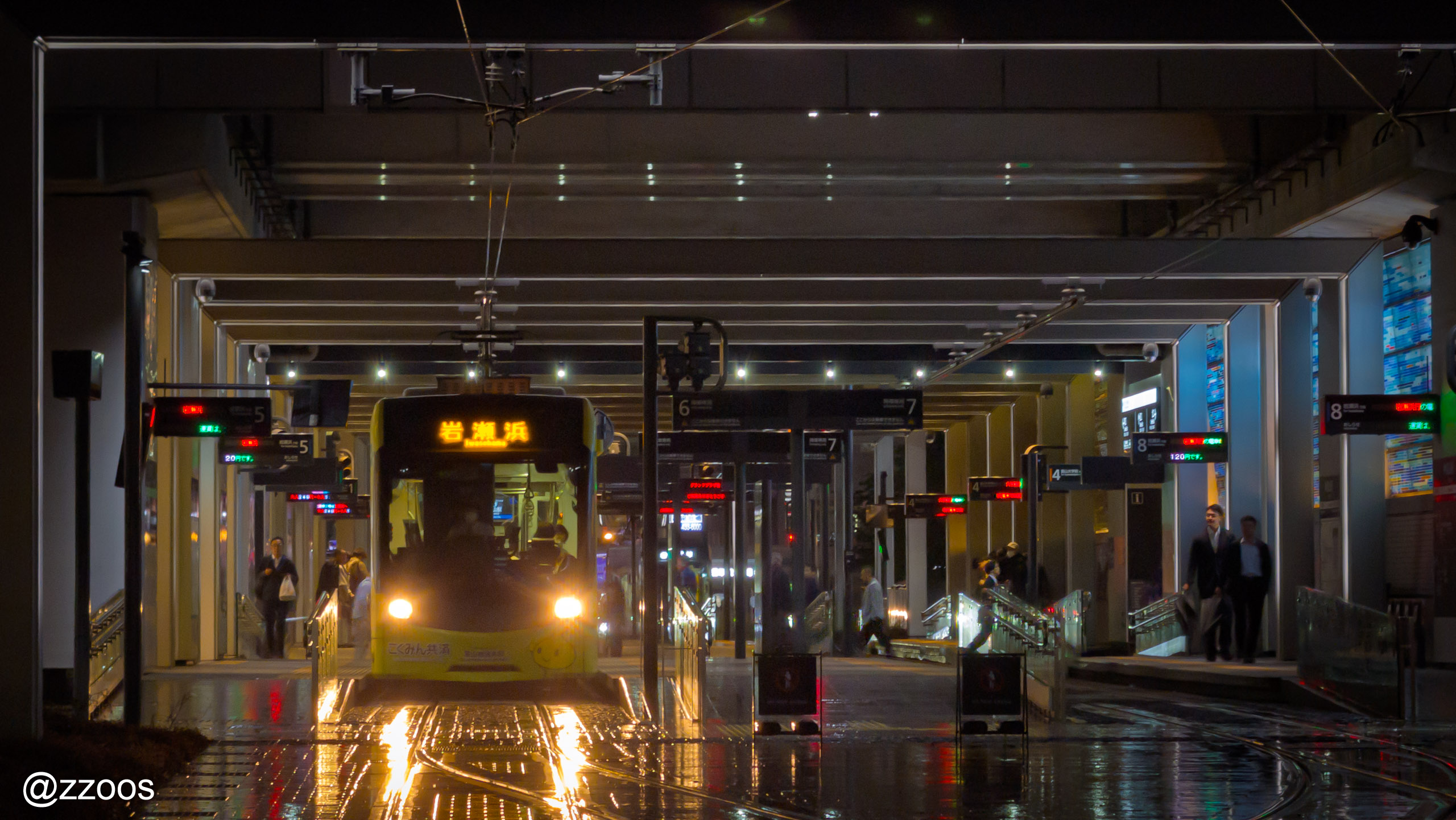
Toyama, they say, was developed into a modern planned city — with a grid road layout and all — after the city was completely destroyed in the war. It walked the exact opposite path from Kanazawa, where the traditional streets all survive because it took no war damage at all.
Thanks to that, Toyama’s streets are wide, straight, and clean. And on those roads, the tram can run all through the city center.
Things like this make the atmosphere of Kanazawa and Toyama completely different. Long ago they were both land of the Kaga Domain, and even now they’re neighboring cities just 20 minutes apart by Shinkansen.
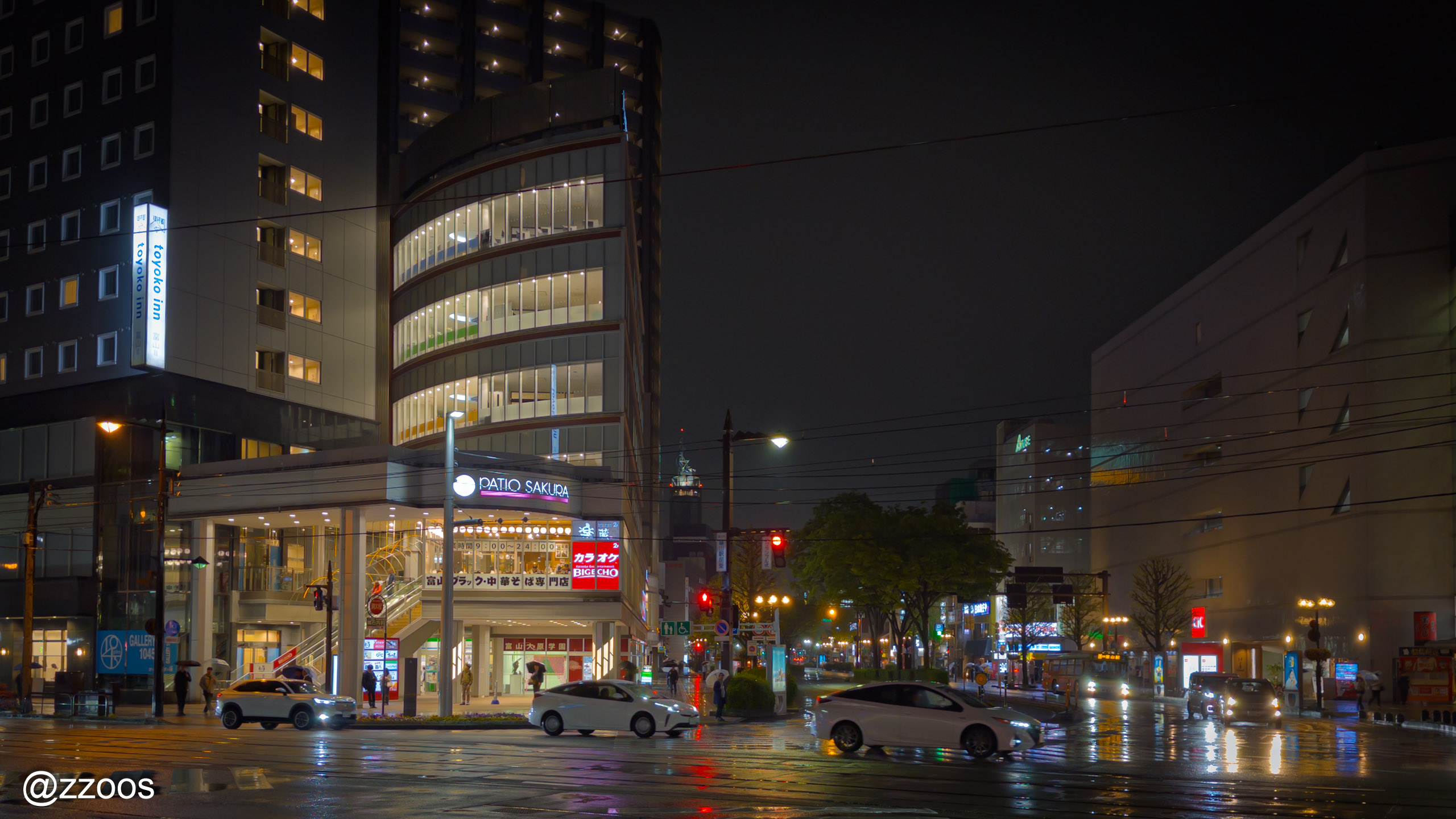
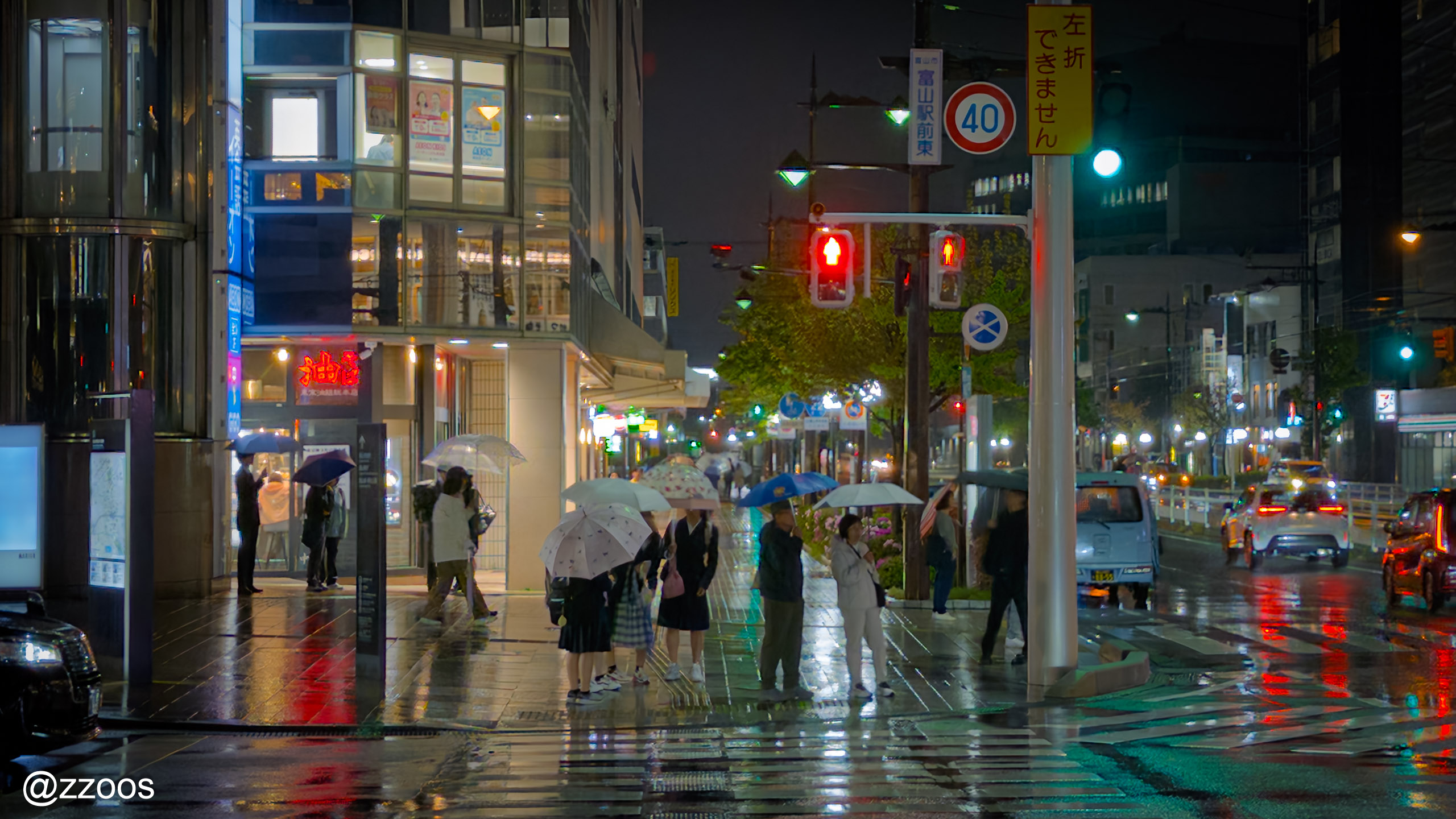
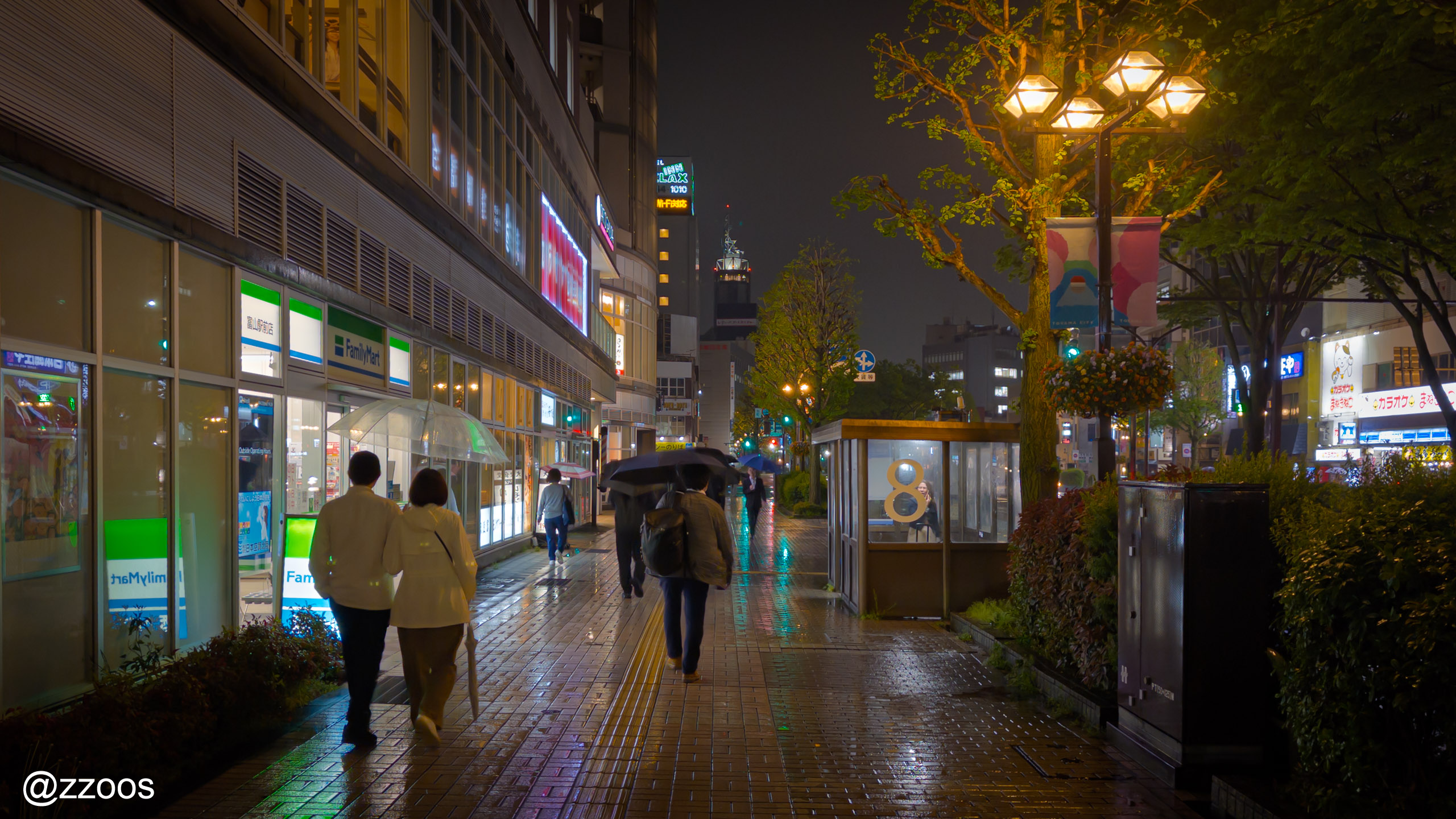
Developing a modern planned city out of the ruins is a story similar to Nagoya. Nagoya, too, is a planned city with wide grid roads.
So does that make Toyama a dull city like Nagoya? That’s a bit different.
The scale of the cities is just different, after all. Nagoya is one of Japan’s three largest cities, home to 2.3 million people. The width of the roads is different, and the sheer scale of the economy is different. Toyama, planned city or not, is a mid-sized provincial city. The population is far smaller, and the economic scale differs sharply too.
So the mood of the city is clearly different from that of a big city. It’s clean and orderly, but not hectic the way a big city is. There’s a comfort that comes from that.
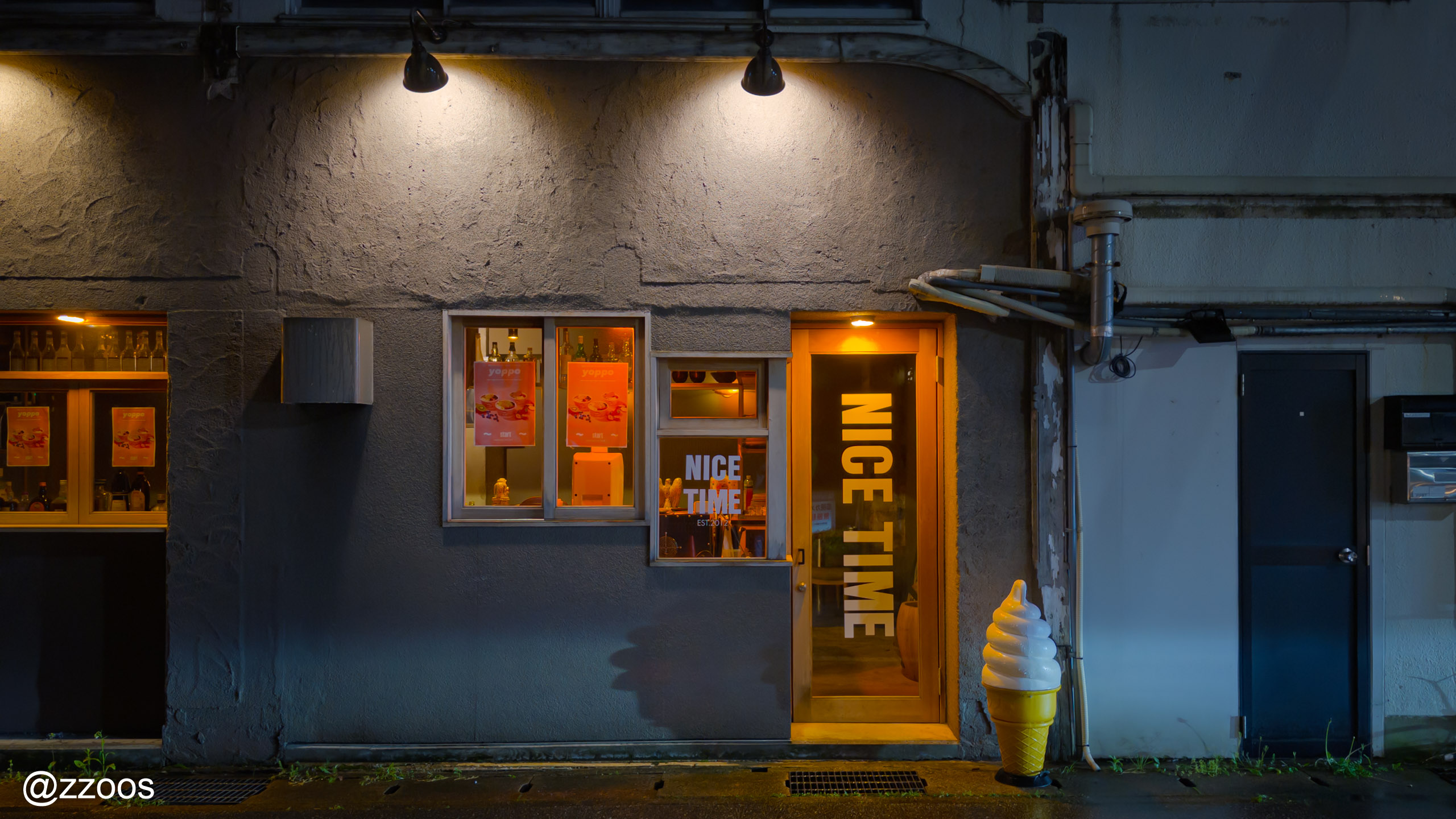
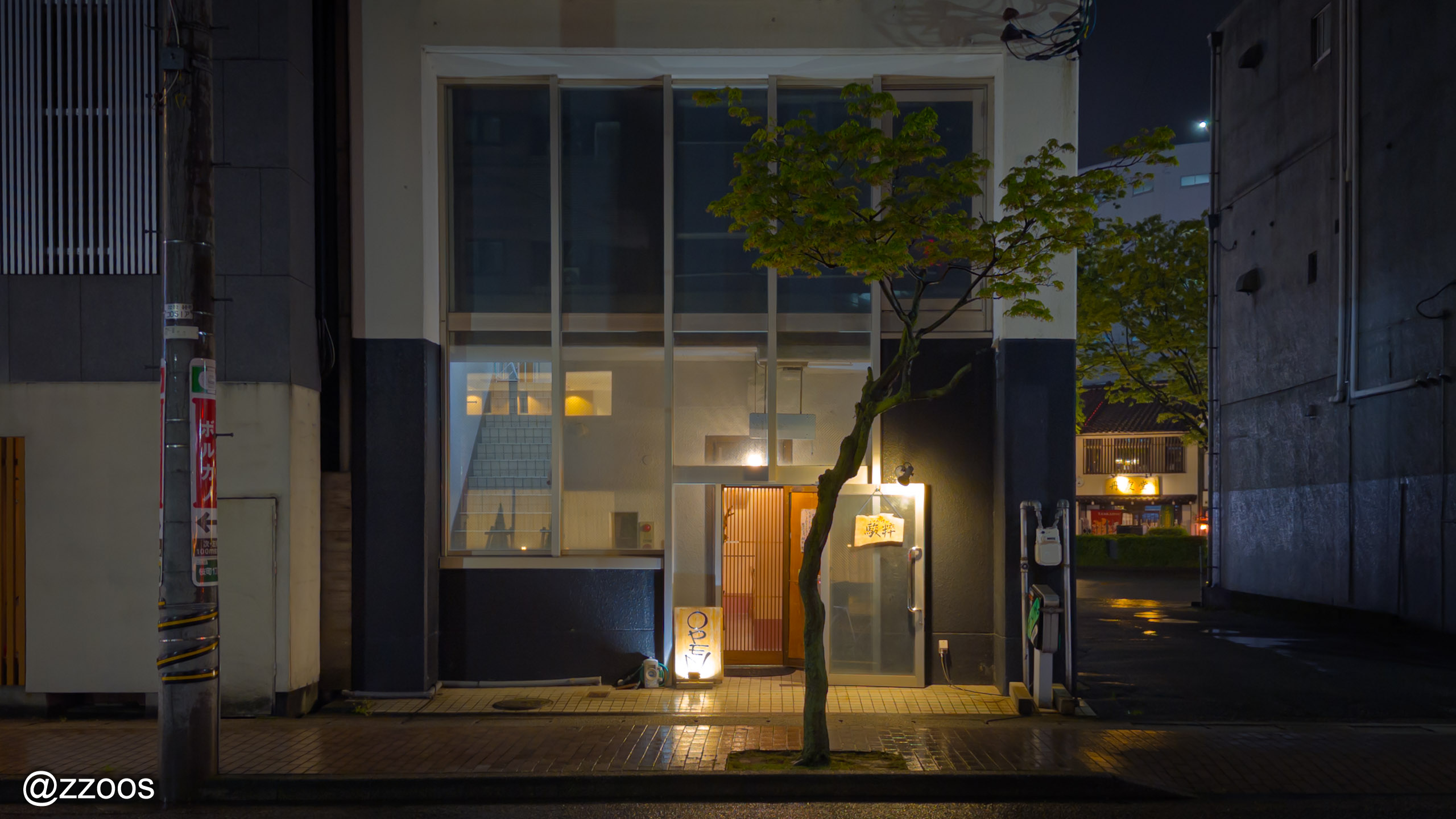
I’ve said an awful lot for just half a day of wandering. That’s because it was such an appealing place — one I really want to visit properly next time.
I should plan a trip soon where I clink glasses with the local guys in the back alleys of Toyama’s downtown.
And the food to go with the drinks would have to be fresh seafood caught in Toyama Bay, of course. That’s Toyama’s greatest strength, after all.