After the Meiji Restoration,
Japan began to move seriously toward industrialization.
Under this massive, state-led wave of industrial growth,
energy was needed to run steelworks.
At the time,
the main energy source was coal.
In Kyushu,
there were many places
that produced high-quality coal,
including the Chikuho (筑豊) region.
With a bit of exaggeration,
it is said that almost all ports in Kyushu
were used for coal transportation at that time.
That’s how active coal mining development was in the region.
During this period,
there were people in Japan
who built enormous wealth through coal mining.
One of them,
Takatori Koreyoshi (高取伊好),
was from Karatsu and became a great wealthy figure through the coal business.
As if to show off his immense wealth,
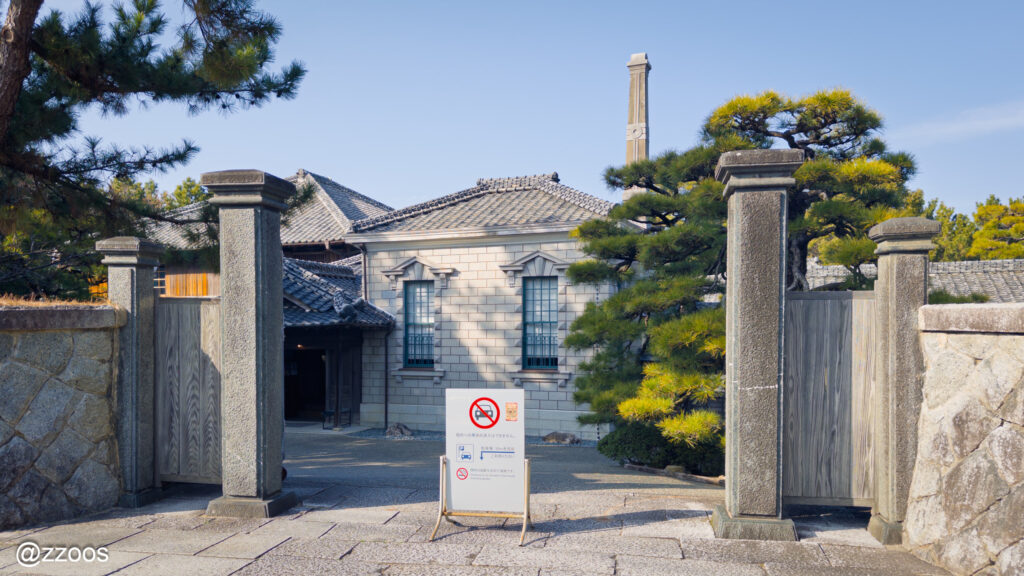
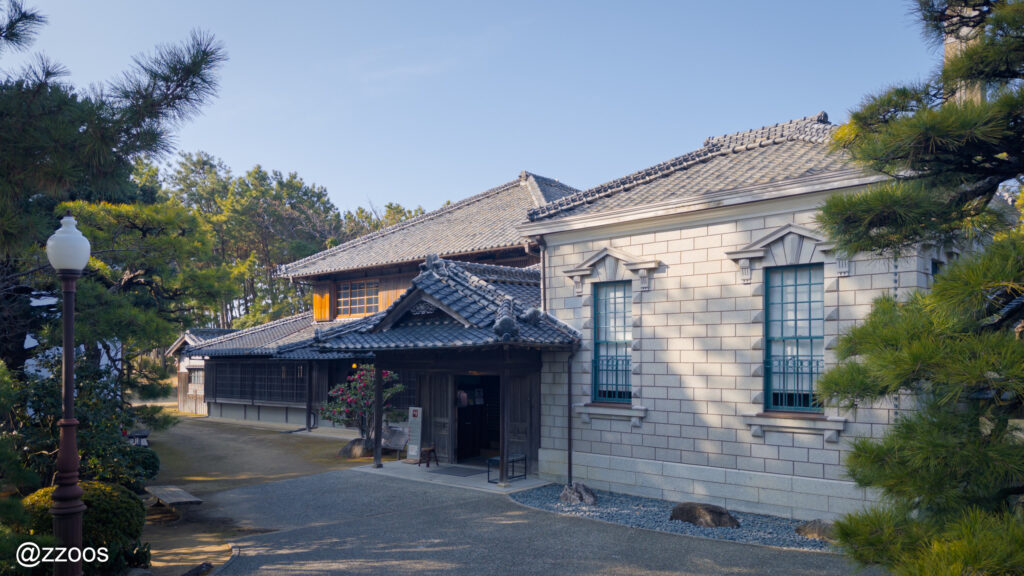
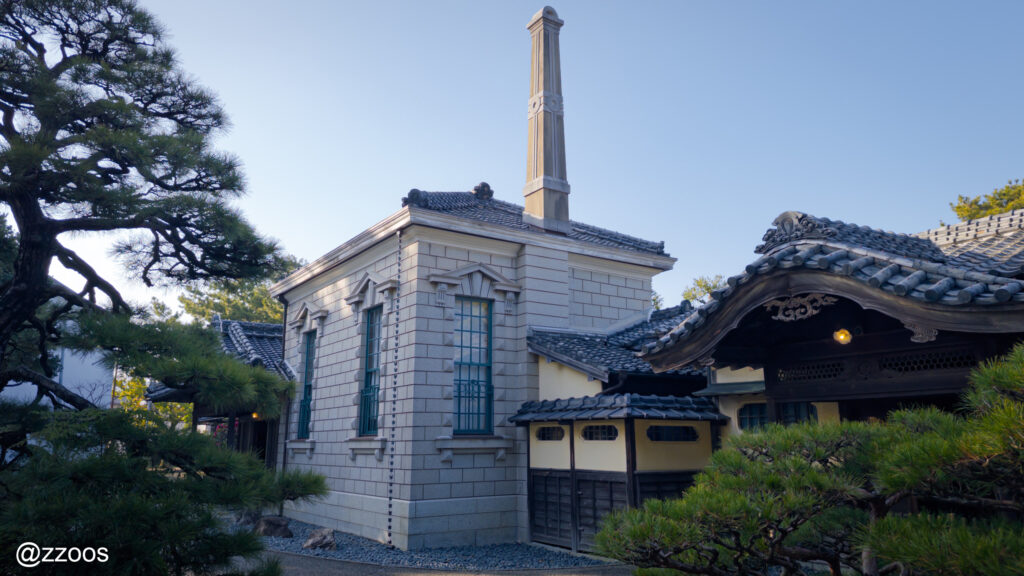
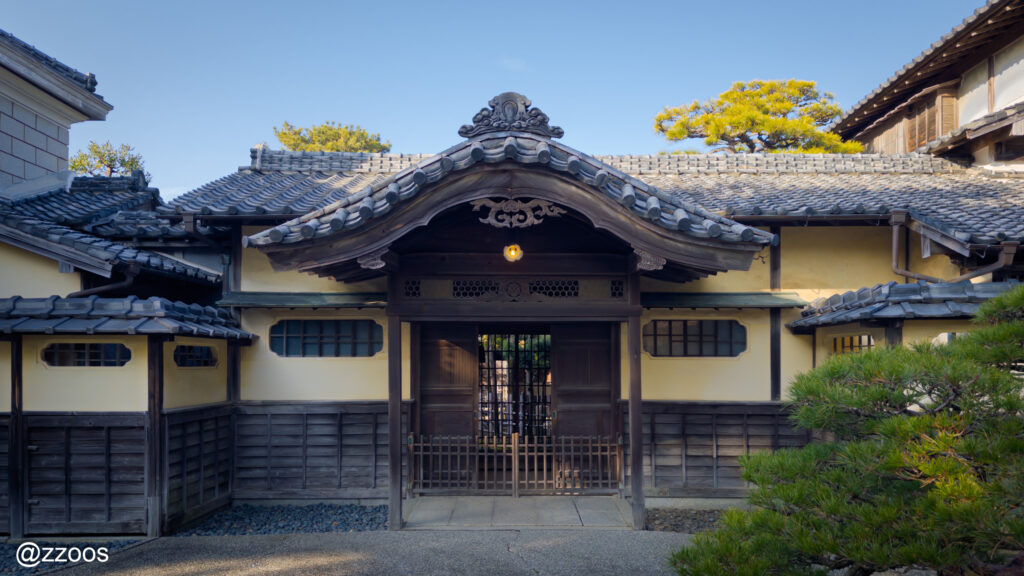
Takatori Koreyoshi built a huge residence in Karatsu.
The site covers about 2,300 pyeong(about 7,600㎡)
along the southwestern coast near Karatsu Castle.
It was literally a grand mansion,
combining traditional Japanese architecture
with a Western-style reception room.
To give an idea of its scale,
it was large enough to include a stage
where Noh (能), a traditional Japanese theater, could be performed.
For reference,
Noh is much older than Kabuki (歌舞伎)
and is known for its strong sense of formality and aesthetics.
It is said that having such a stage inside a private residence is extremely rare.
That alone tells you just how grand this mansion was.
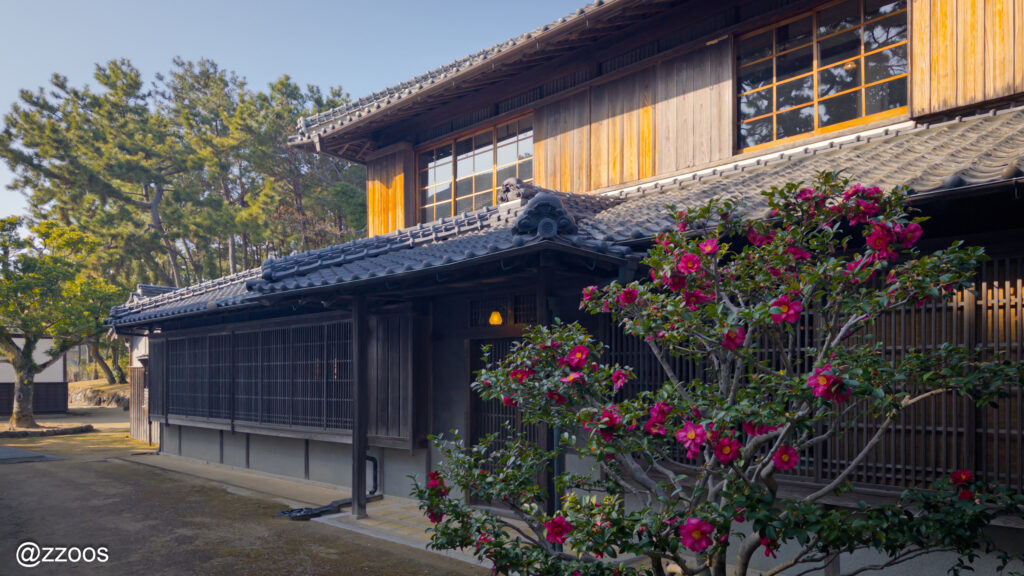
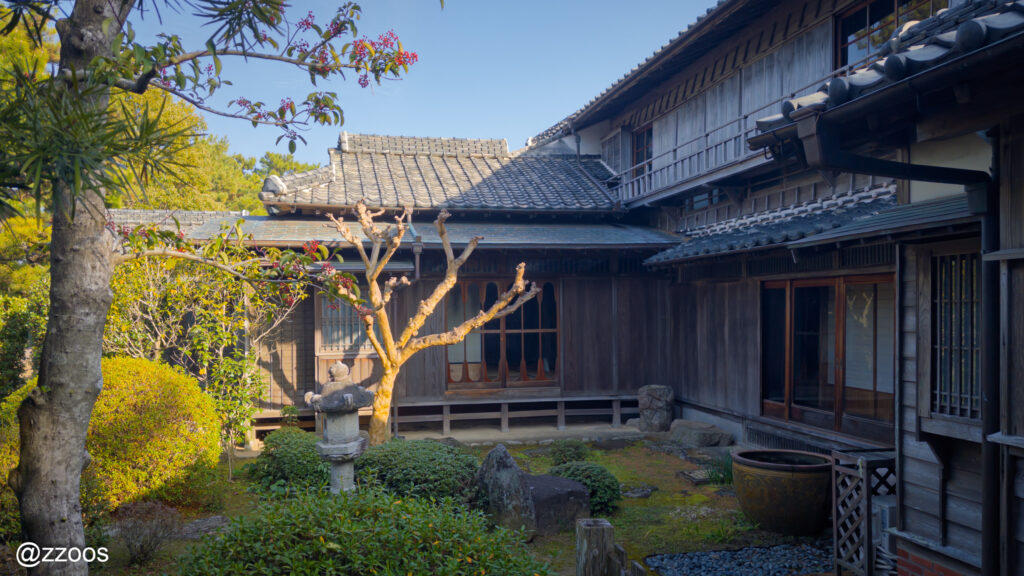
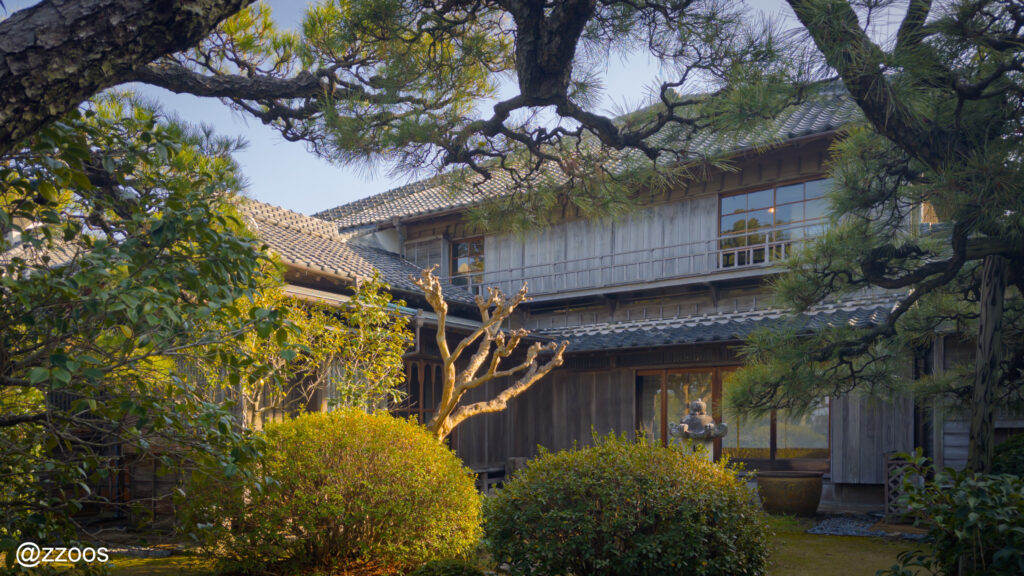
Throughout the residence,
there are countless decorations, artworks, and details to see.
It is a place where the luxurious tastes of the wealthy are revealed in every corner.
Perhaps because of that,
it was designated as an Important Cultural Property of Japan in 1998.
Unfortunately, photography is not allowed inside the building.
So in this post,
I can only show photos of the exterior.
Even from the outside,
I think you can easily imagine the scale of this place.
If you visit and understand even a little Japanese,
I strongly recommend going with a guide.
If I had walked around alone,
I wouldn’t have known many of the details.
The explanations were very thorough,
which made the visit much more enjoyable and informative.
They were incredibly passionate and kind.
※ Links where you can at least see interior photos
Karatsu Cultural Foundation
Former Takatori Residence brochure
Karatsu City official site
Kyushu Educational Travel Network
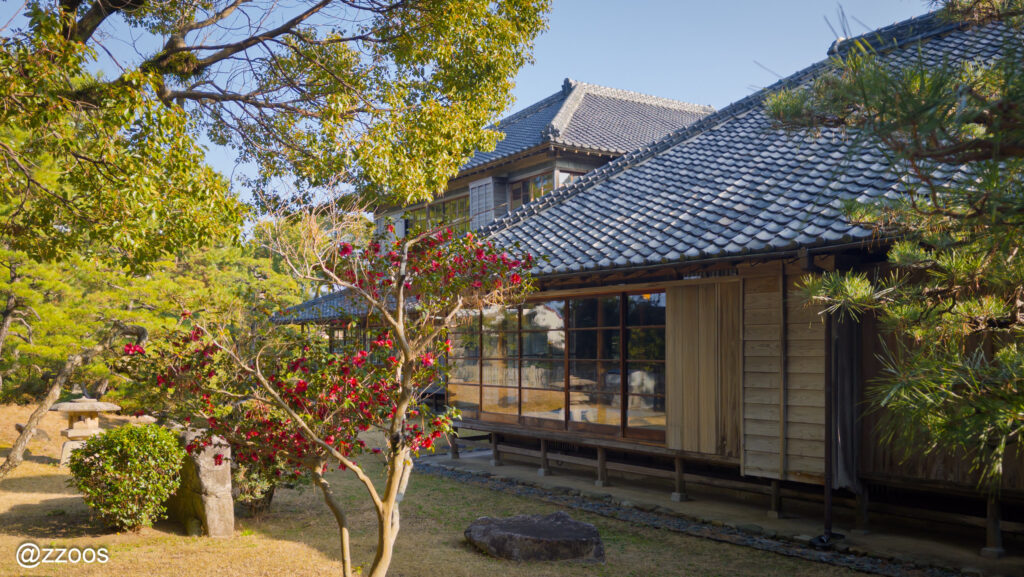
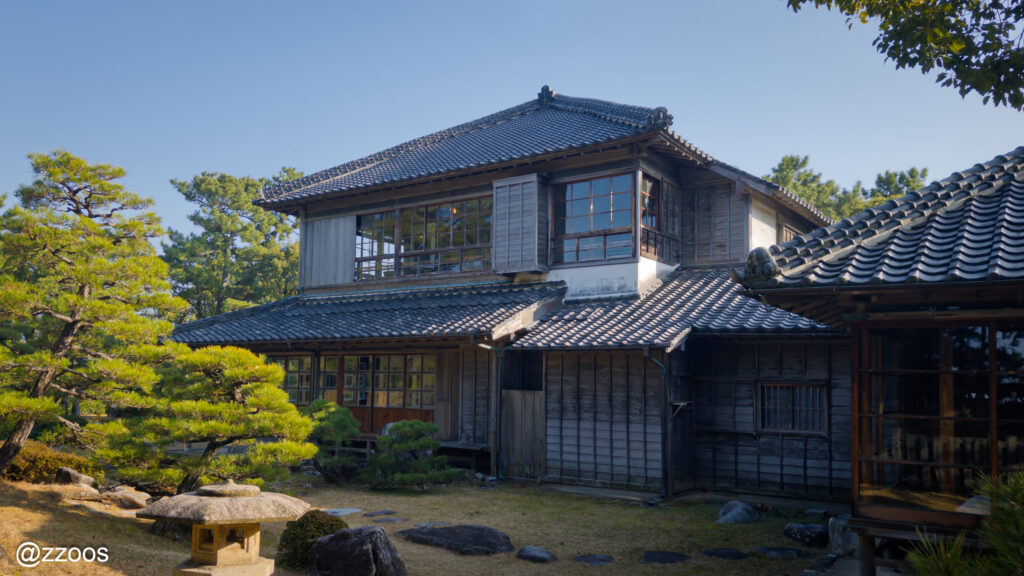
After finishing the interior tour,
you can freely walk around the outside of the residence.
If you open the small gate in the backyard,
you are immediately by the sea.
From the second floor,
you can also enjoy a view of the ocean.
There was even something like a sofa placed in a perfect spot,
so I sat there for quite a while, just looking at the scenery.
Walking around the outside took longer than I expected.
It really is, in every sense, a grand mansion.
Recently,
while traveling in Japan,
I visited a few residences like this.
Although they reflect the lives of the wealthy,
I felt that I gained a deeper understanding of traditional Japanese residential culture.
Still,
it was such a pity
that photography inside was not allowed.
There were so many spots
where great photos could have been taken…