“Whenever I travel, I always make a point of visiting the local traditional market. It’s fun to browse ingredients that are similar to what I eat at home, yet somehow different. A place full of people working hard and haggling with their shopping bags — just watching gives you a kind of energy, doesn’t it?”
That’s not something I said, but it sounds familiar, doesn’t it?
People have been saying this for a long time. So many people, in fact, that it’s become something like an unspoken rule of travel. Tourists love visiting local markets. It’s practically a must on every itinerary.
I’m not particularly fond of markets myself, but if there’s a famous one nearby, I’ll stop by out of a sense of obligation.
You can find the same thing happening in Seoul.
The most obvious example is Gwangjang Market.
I’m not sure exactly when it started, but these days it’s nearly impossible to spot a Korean — or at least a Seoul local — at Gwangjang. It’s drifted far from everyday life there. Foreign tourists have taken over.
The same situation is easy to find in Japan — Nishiki Market(錦市場) in Kyoto being the prime example.
It’s even more extreme there.
The crowds are so thick you can barely set foot inside. You can hardly walk through the market streets at all.
Locals aren’t about to push through all that just to go grocery shopping. They’d rather head to a department store or supermarket.
But would you skip Nishiki Market on a trip to Kyoto?
Probably not.
It would be nice to catch a glimpse of local daily life too, but even without that, a traditional market is interesting enough on its own.
When I visit Kyoto, I always buy some tsukemono at Nishiki Market, leave it at the hotel, and snack on it throughout the trip.
The crowds are annoying, but that same energy is also kind of invigorating.
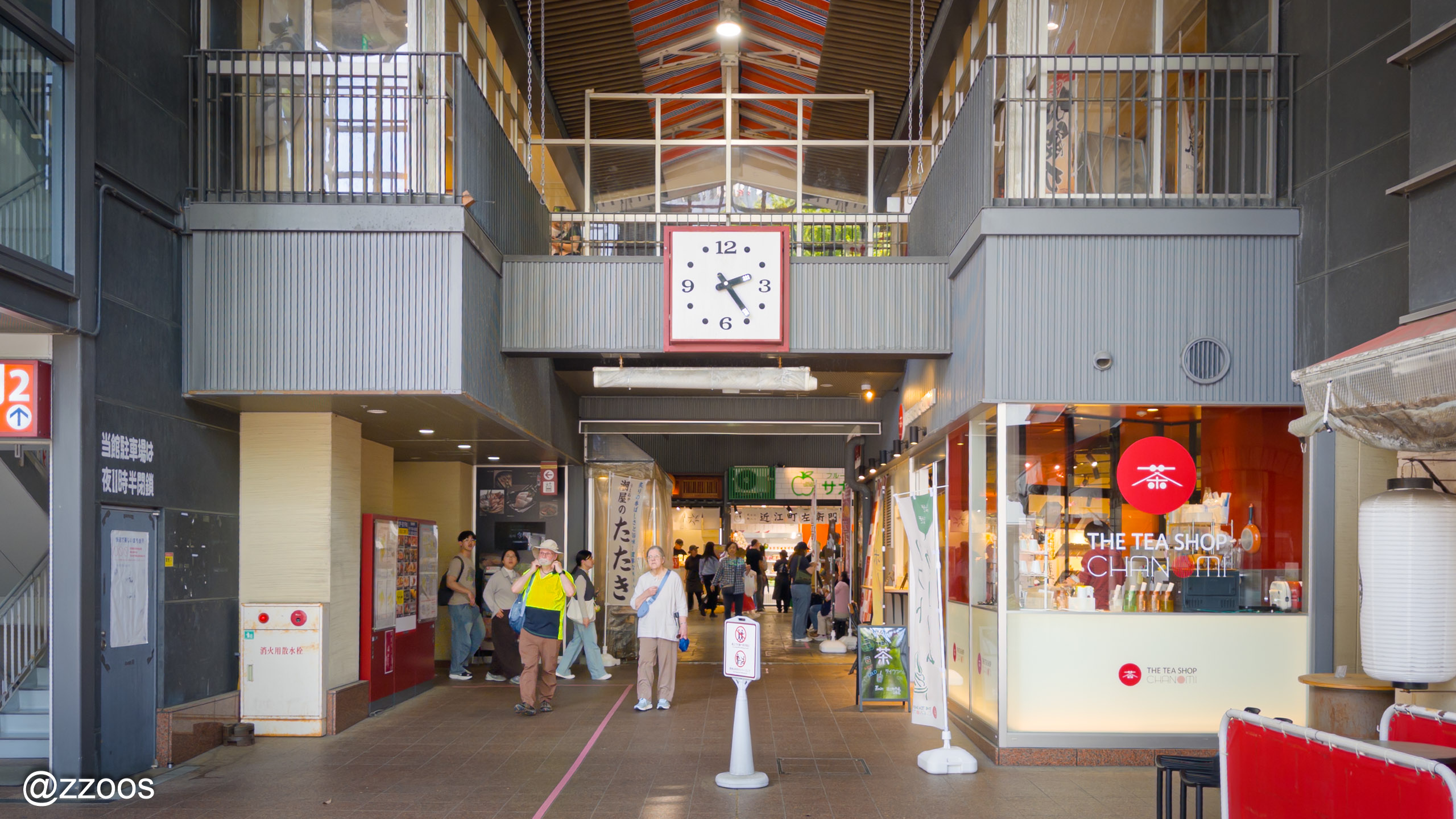
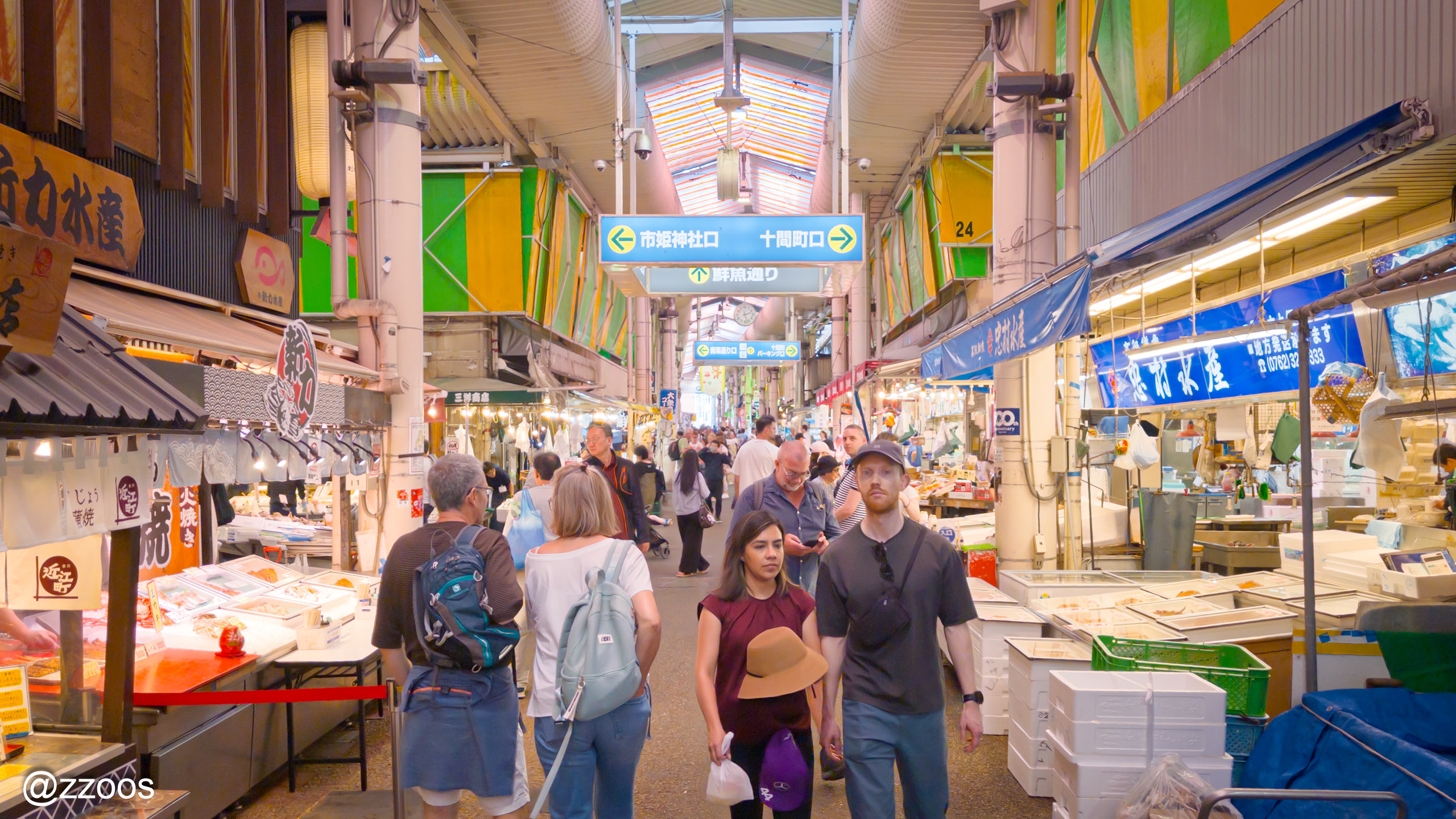
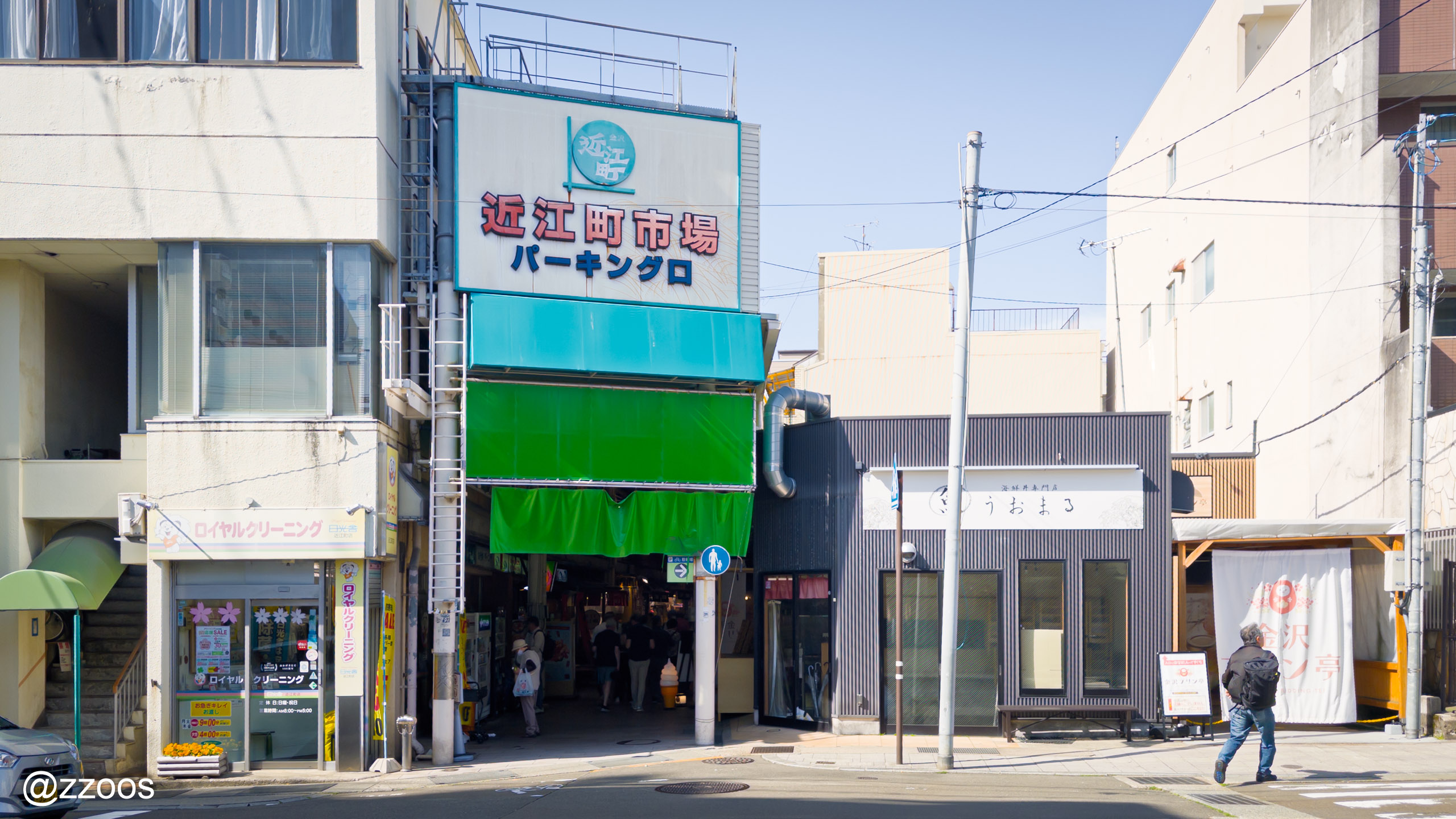
So what about Omicho Market (近江町市場), the place they call Kanazawa’s kitchen?
My first impression: already taken over by tourists.
That’s not to say there were zero locals actually doing their shopping, but the majority of people wandering around were tourists.
How could I tell? Go and see for yourself. You’ll know it when you see it.
Locals I talked to said the same thing.
Too many people, too uncomfortable — they’d rather go to the neighborhood supermarket or 100ban Mart on the second floor of Kanazawa Station.
That said, locals still head to Omicho Market when they need something important — expensive seafood for entertaining guests, or ingredients for osechi(お節), the traditional New Year’s food.
Things like that.
So even if Omicho Market has drifted from the everyday lives of Kanazawa residents, it hasn’t been completely abandoned. It’s still a market that helps put food on their tables.
One thing I can say for certain: when you visit, it’ll be packed with tourists.
So is Omicho Market not worth visiting?
Not at all.
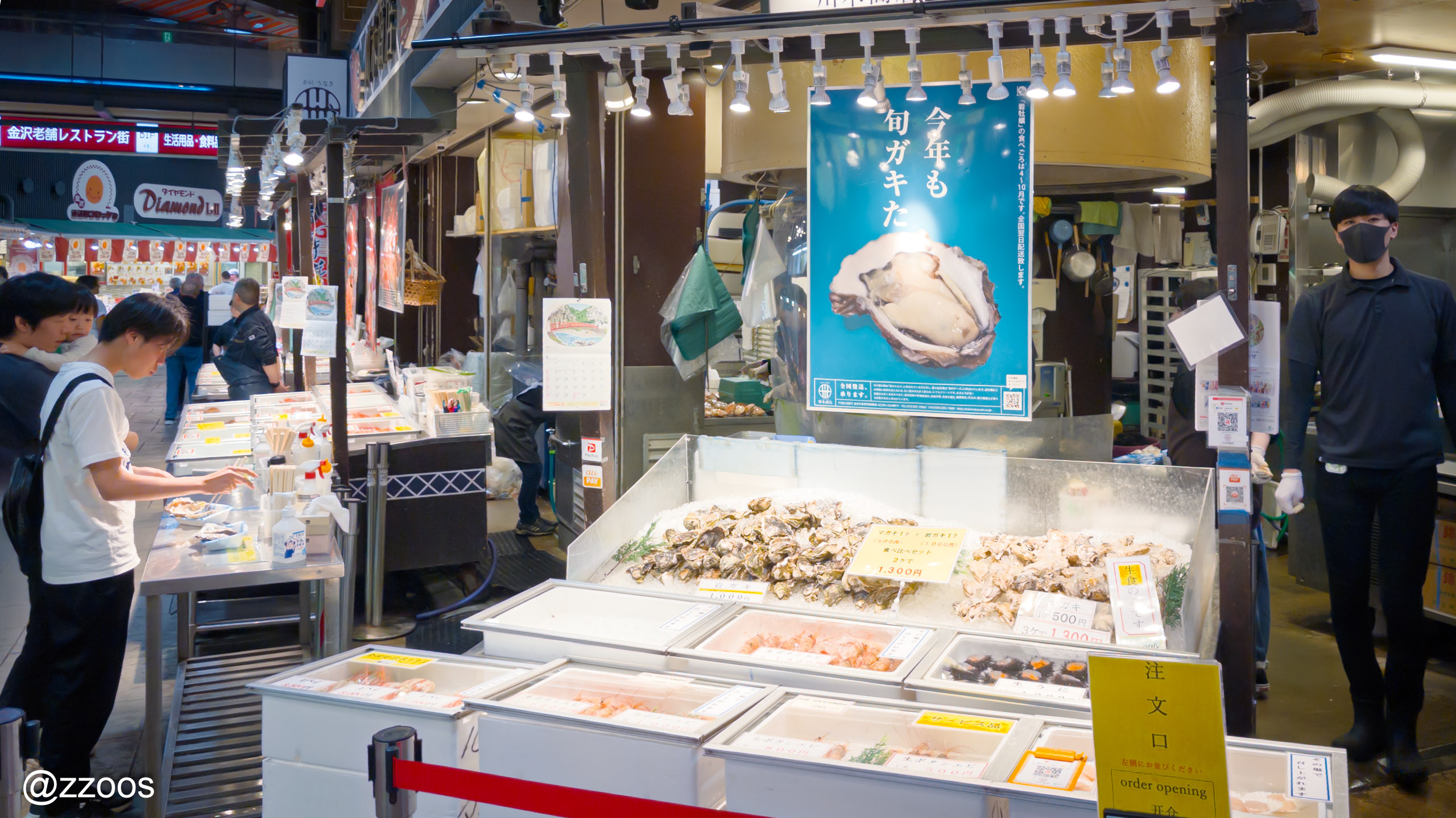
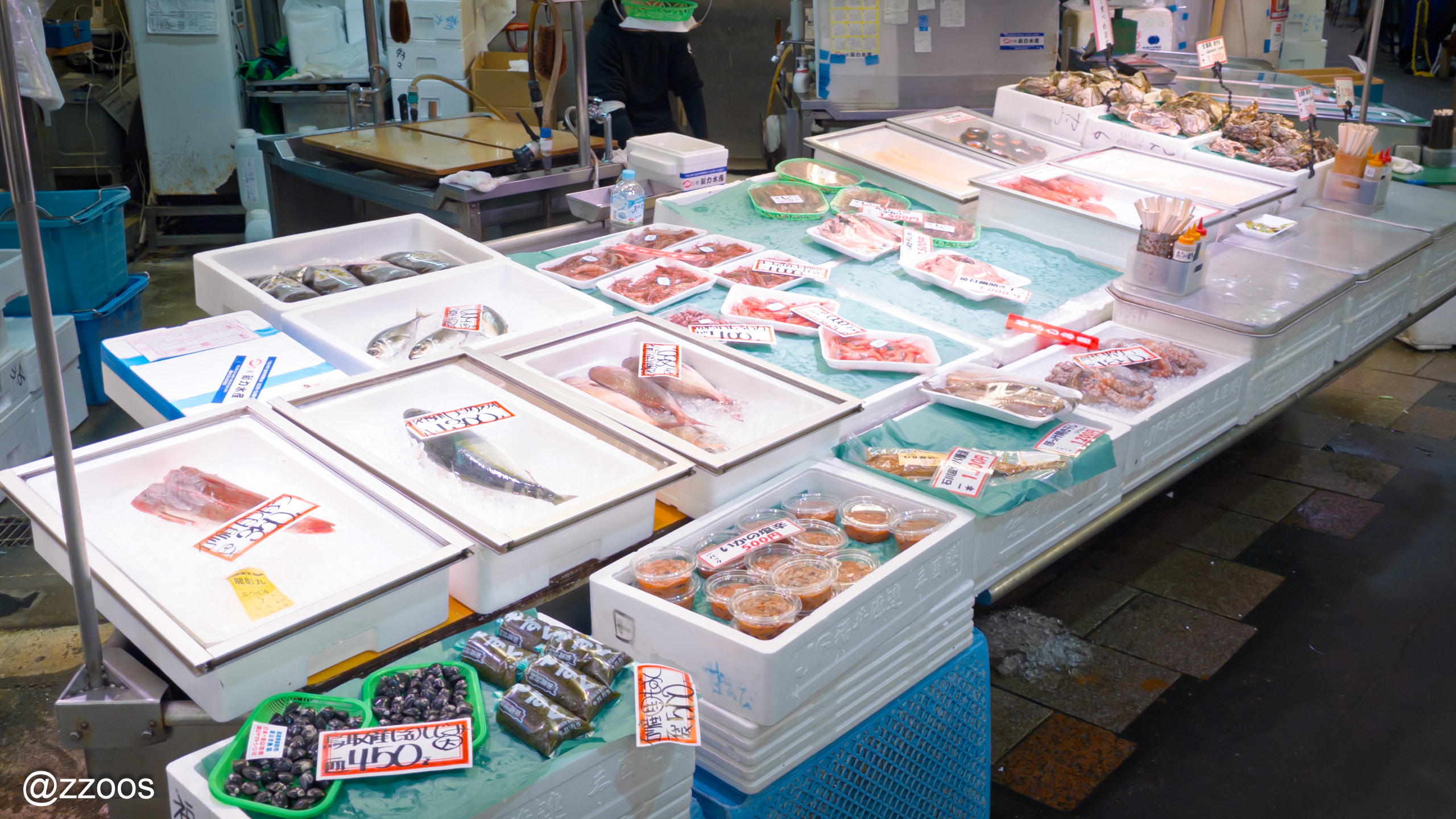
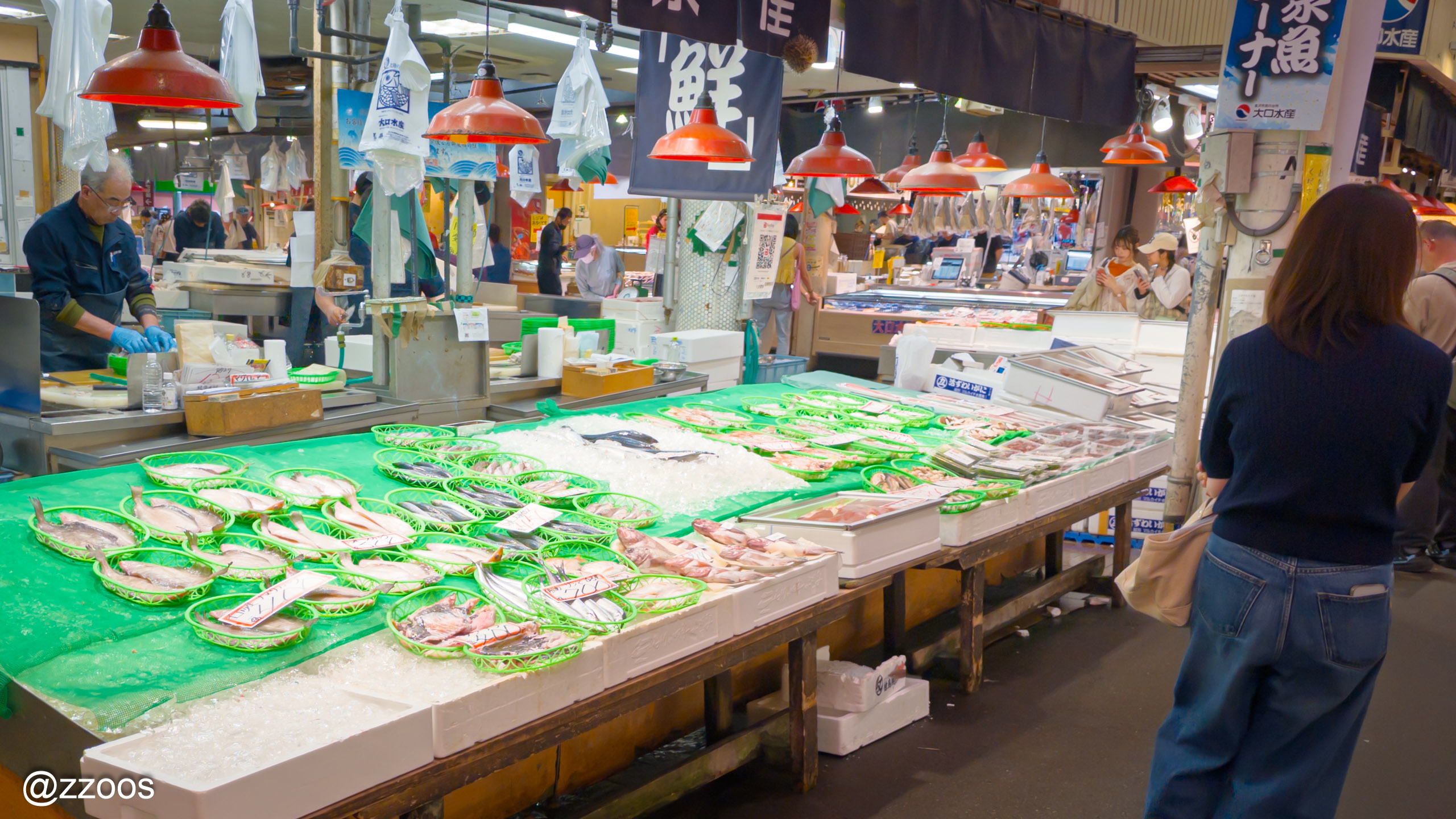
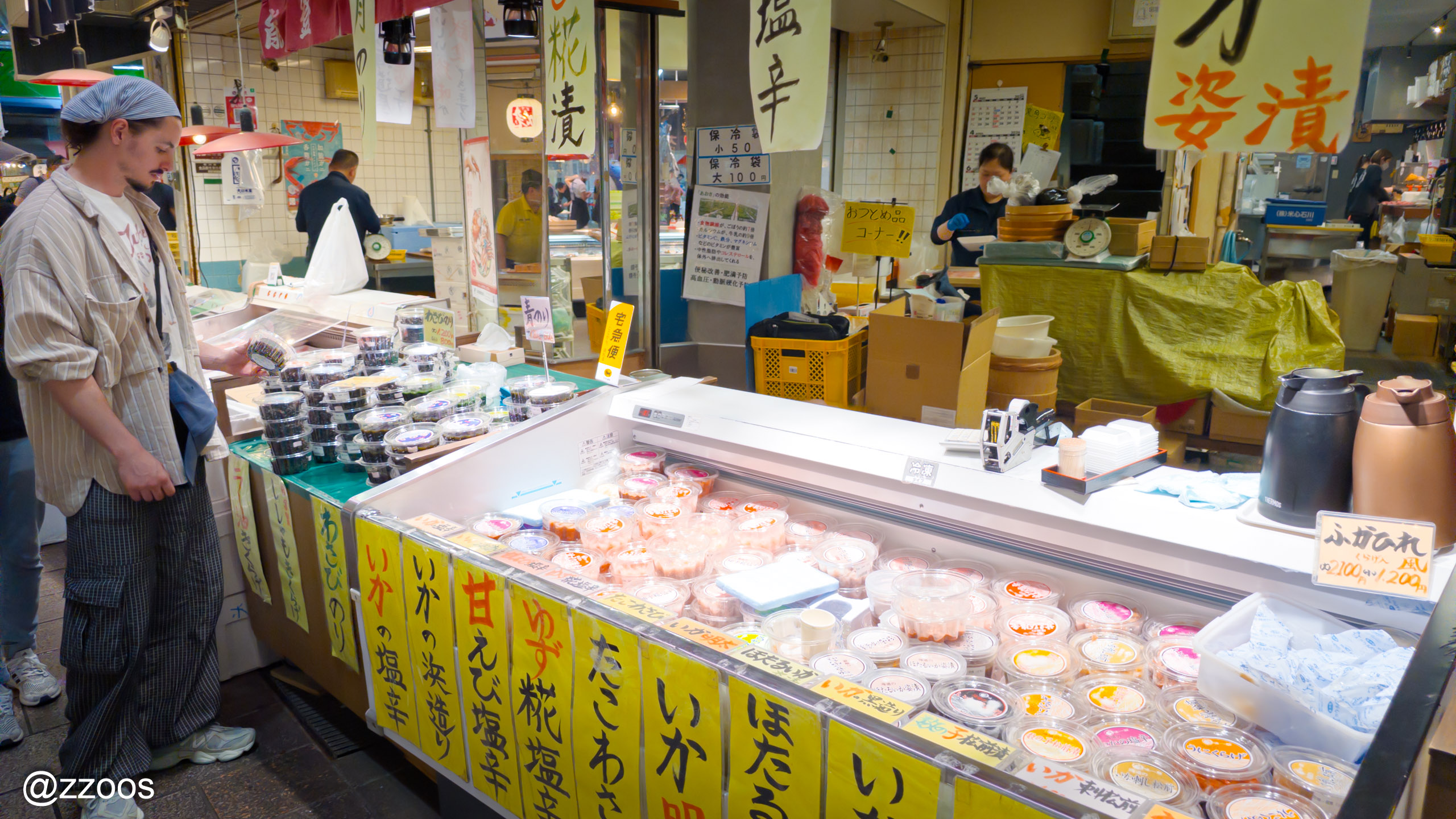
This is Kanazawa, famous for its seafood. You’ll find a wide variety of fresh fish, shrimp, and oysters.
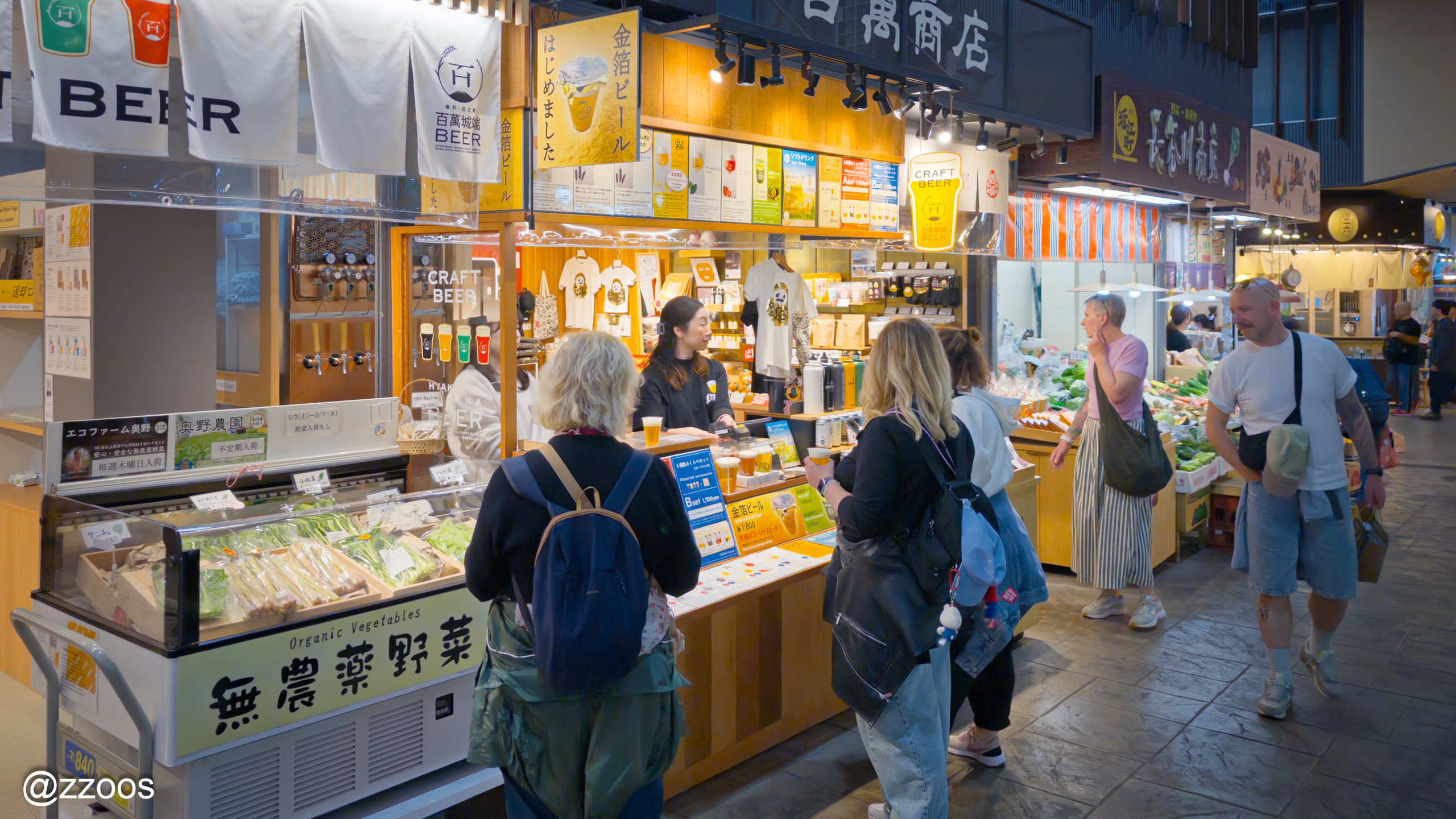
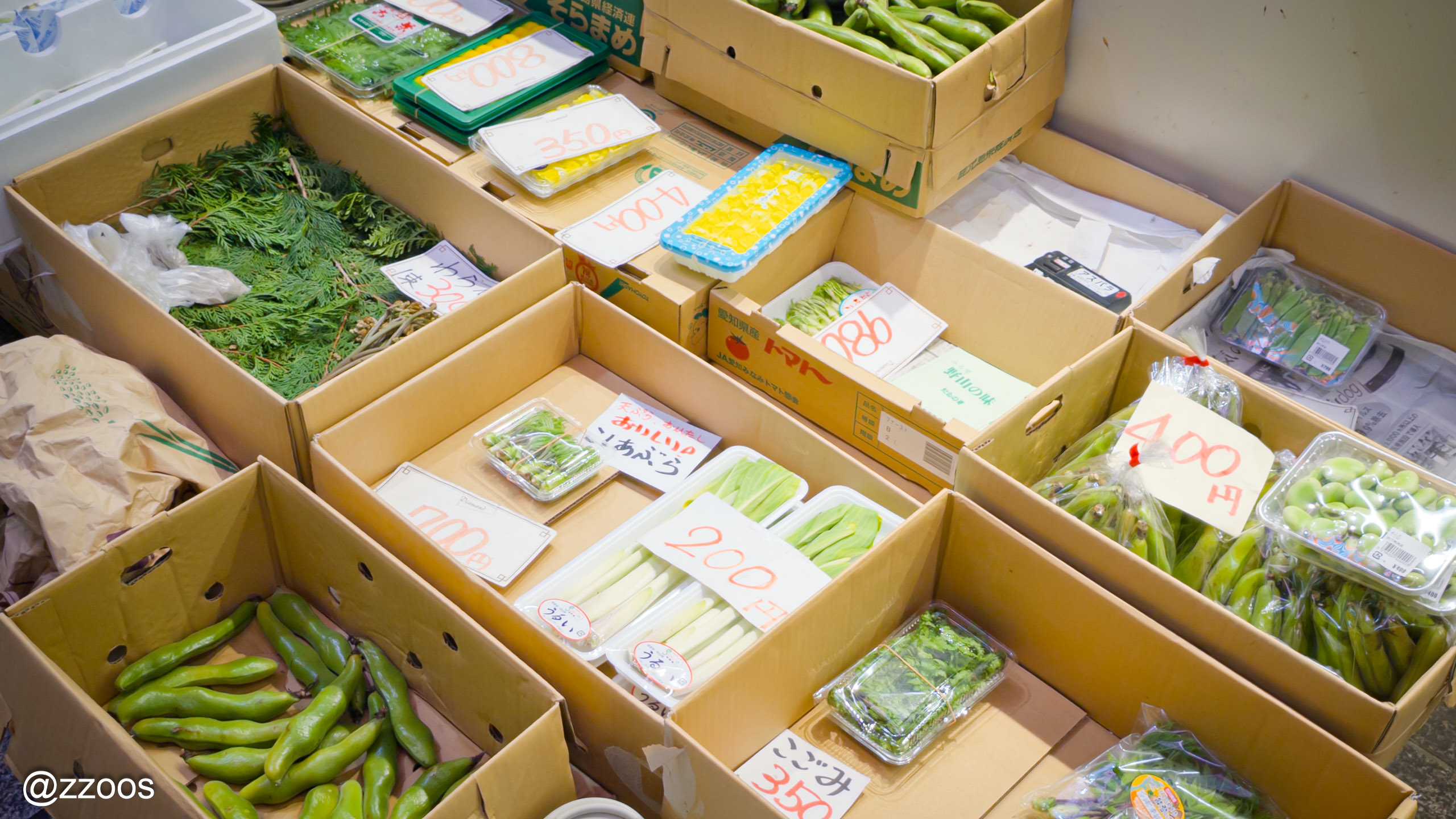
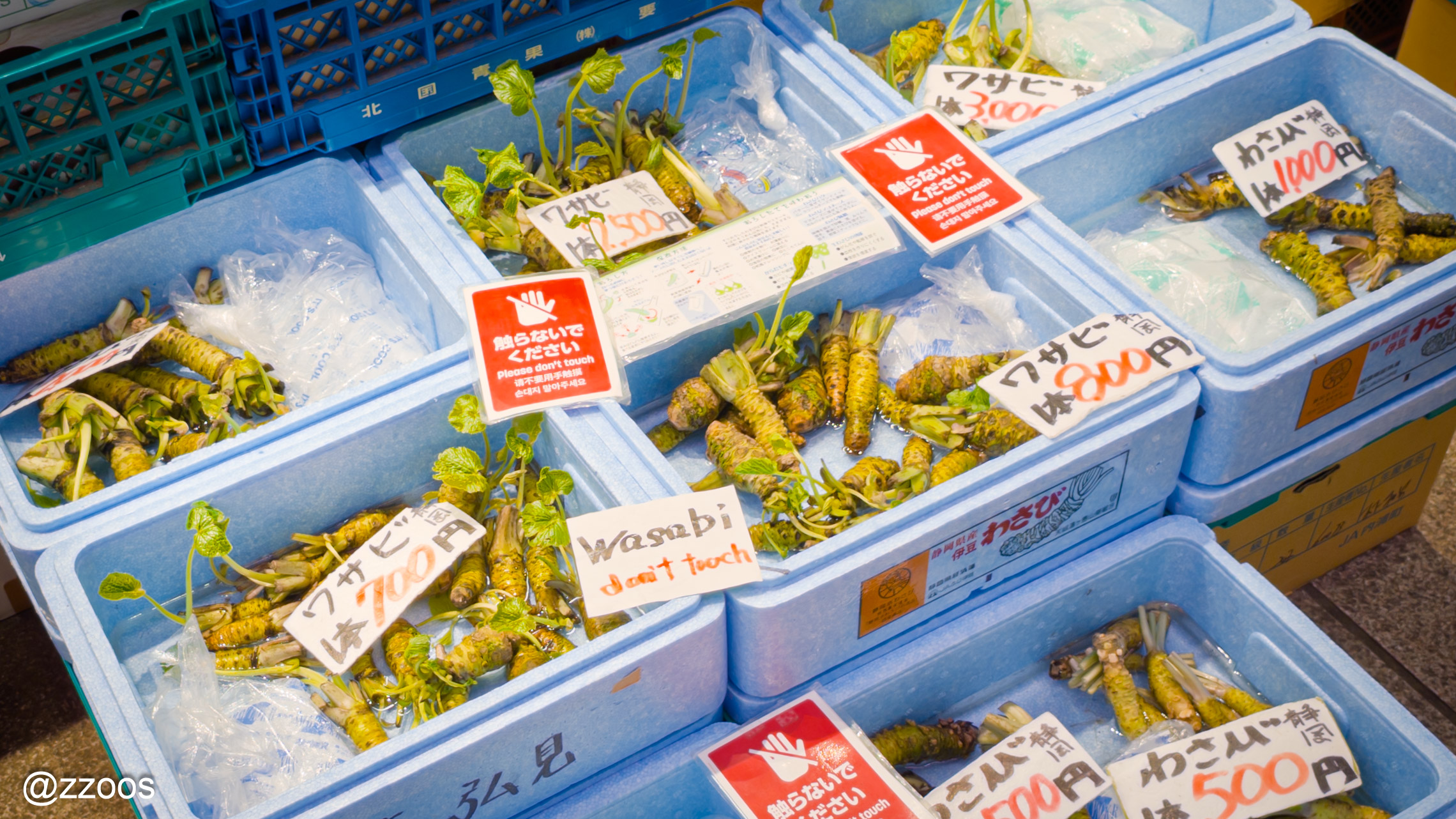
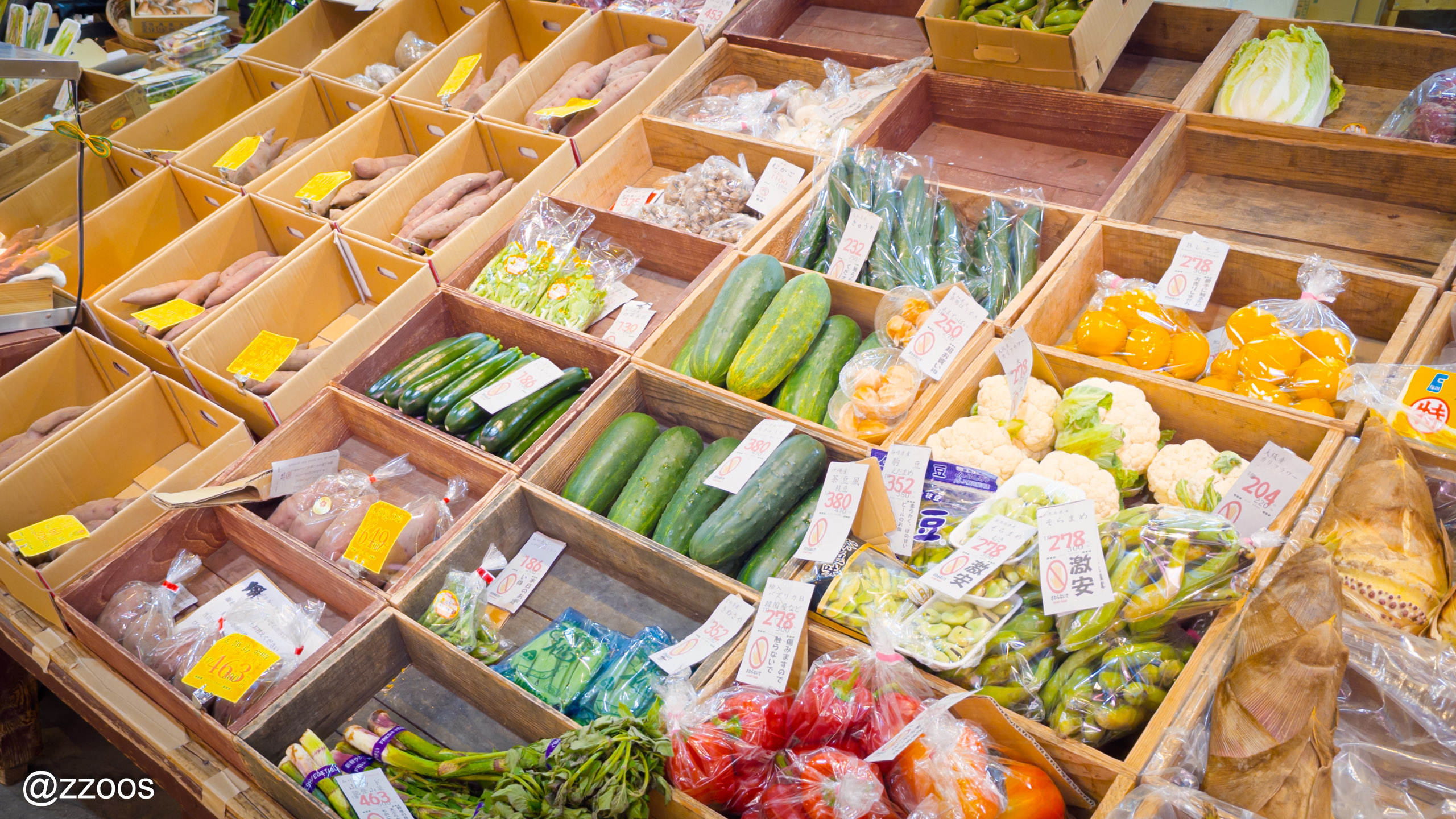
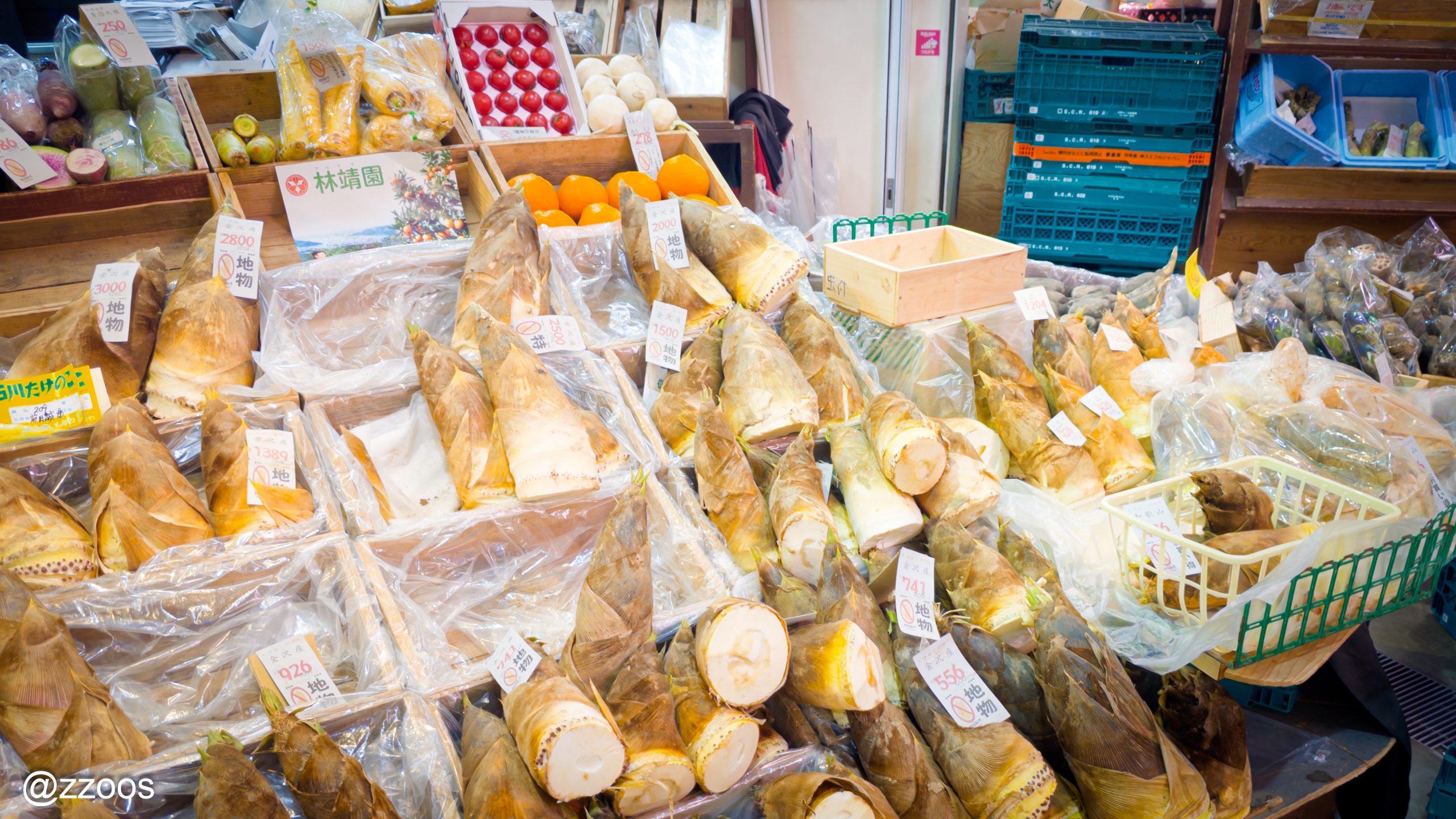
And while there may be fewer vegetable stalls than seafood shops, they’re loaded with seasonal produce. This time I got to look at plenty of bamboo shoots and wasabi.
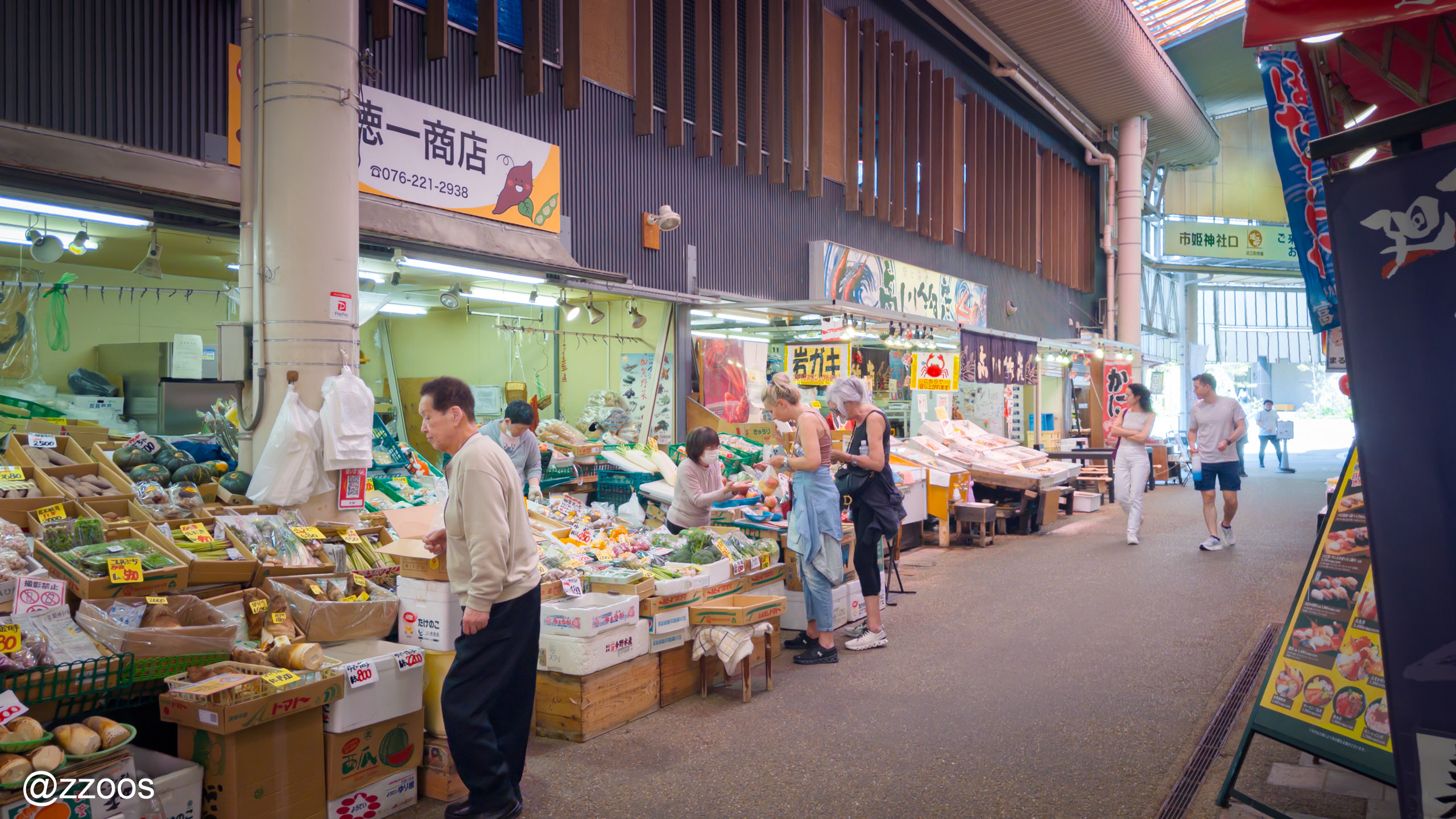
There’s also a good range of street food aimed at tourists, so it more than delivers on the reasons tourists go to markets in the first place. The aisles aren’t particularly narrow, and it doesn’t get so packed that it’s unbearable — you can browse pretty comfortably.
One thing to keep in mind: don’t assume it’ll be cheap just because it’s a traditional market. You might actually be paying a tourist premium.