I planned an itinerary to stay one night in Yobuko (呼子).
The reason was, of course, food and alcohol. The reason people stop by Yobuko is to eat Yobuko ika, right? Naturally, you should have a drink with it. And when it comes to drinking, once you start, it often becomes first round, second round… and you end up drinking more and more.
So if you visit somewhere in order to eat something delicious, I think it is better to book accommodation as well and drink comfortably.
Besides, when you stay one night, you can see scenery that you would not see otherwise. The scenery of the night, the dawn, and the early morning, for example.
Of course, it is fully possible to stay in Karatsu and use the bus to look around Yobuko and Hado Misaki (波戸岬). These are places you can reach by bus.
If you leave Karatsu in the morning, look around Yobuko Morning Market, have grilled turban shell for lunch at Hado Misaki, return to Yobuko for an early dinner of Yobuko ika, and then take the bus back to Karatsu, that would make a full-day course.
Anyway, I wanted to stay one night in Yobuko. I also wanted to visit a ryokan again after a long time.
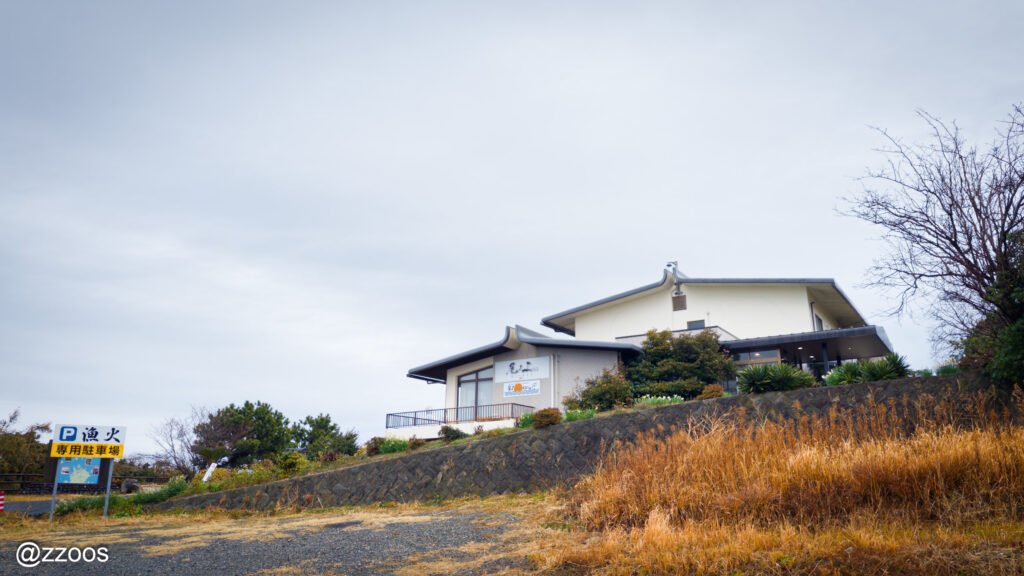
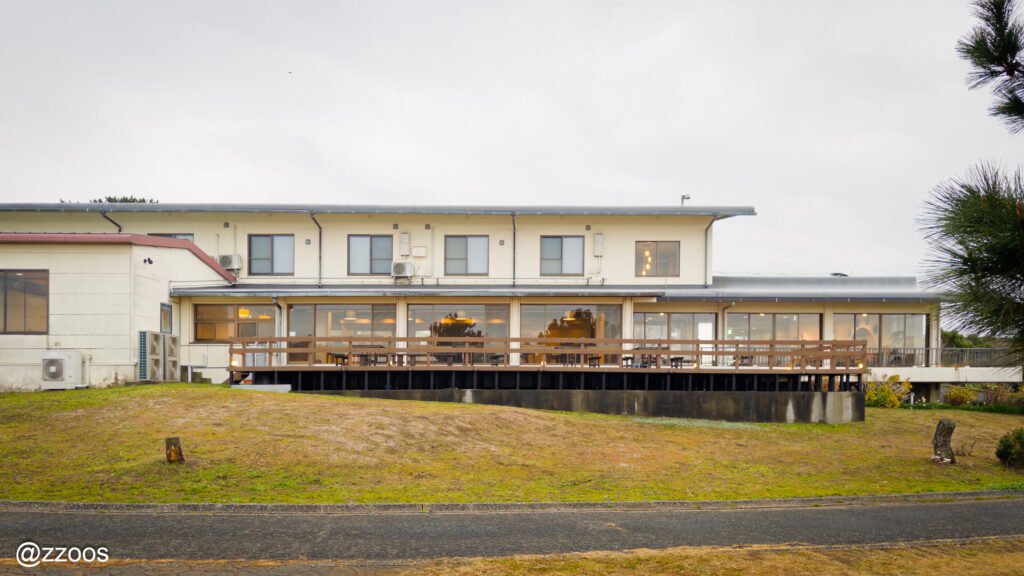
Yobuko is a rather small port town.
Because of that, finding accommodation is not easy. You can assume there are no hotels. Most accommodations are ryokan or minshuku (民宿).
As a result, the number of places that foreigners can book online is very limited. They are hardly searchable on famous global hotel booking sites.
It is better to search on Japanese accommodation platforms such as Rakuten Travel or Jalan.net. Still, the number of accommodations is small anyway.
If you add the disadvantage of being a solo traveler here, it becomes even harder to find accommodation. Many ryokan dinner plans are for two people or more.
The only accommodation that matched my conditions was Onoue (尾ノ上) Ryokan.
It was a plan including breakfast and dinner. I did not include Saga beef. From my experience, good meat is more satisfying at restaurants in town than at a ryokan.
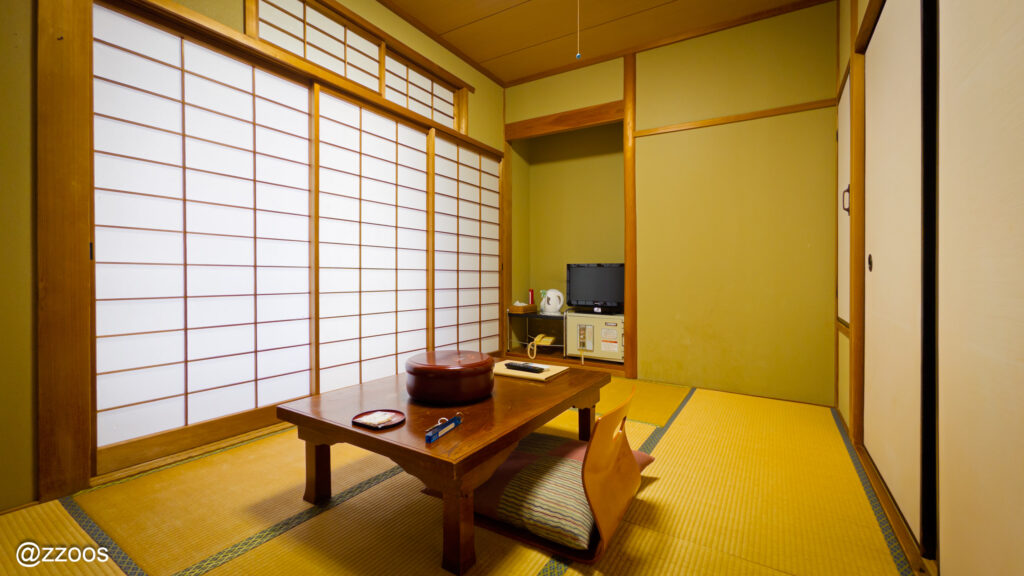
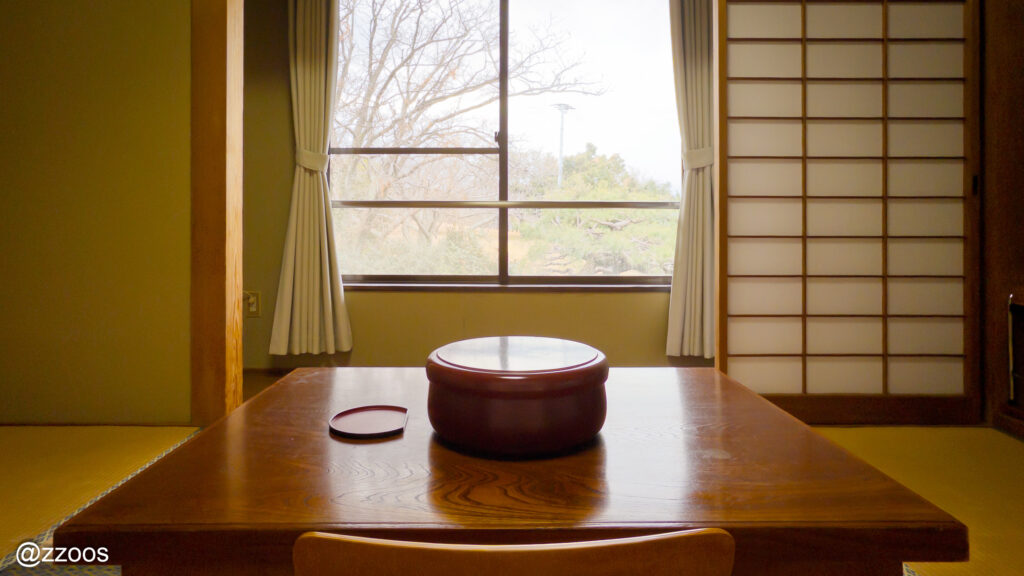
There were two types of guest rooms at the ryokan.
The room with beds included a private toilet and bathroom and was more expensive. The tatami room was an old-style room that required sharing the toilet and bathroom.
Since I would wash at the large public bath anyway, the real issue with the tatami room was that it did not have a toilet inside.
But since I would stay only one night, I thought it would be nicer in terms of atmosphere to stay in a Japanese-style tatami room. The price difference was also not small.
By the way, if you want to properly check the ryokan plans (room types, meal plans, etc.) on Jalan.net, you should search in Japanese, not in Korean or English.
Many places do not list all plans in the foreign-language descriptions. Onoue Ryokan was the same.
These days translation tools are good, so it probably will not be a big problem. For reference, the plan I stayed with was this.
Onoue Ryokan is not an onsen ryokan.
Not all ryokan have hot springs. Usually, when you travel to a town famous for hot springs, you stay at a ryokan, so hot springs come to mind when you think of ryokan.
But Yobuko is not a town famous for hot springs.
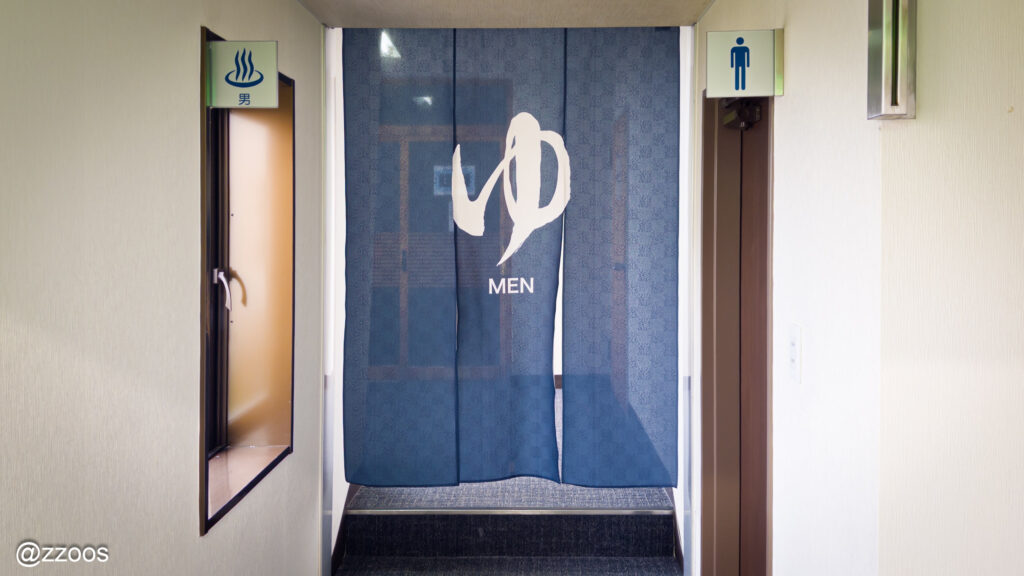
However, since there is a large public bath, not having a bathroom in the room is not a problem. When you put on a yukata and walk to the bath, you may briefly feel as if you are at an onsen ryokan. Of course, the bath is not very big and there is no open-air bath.
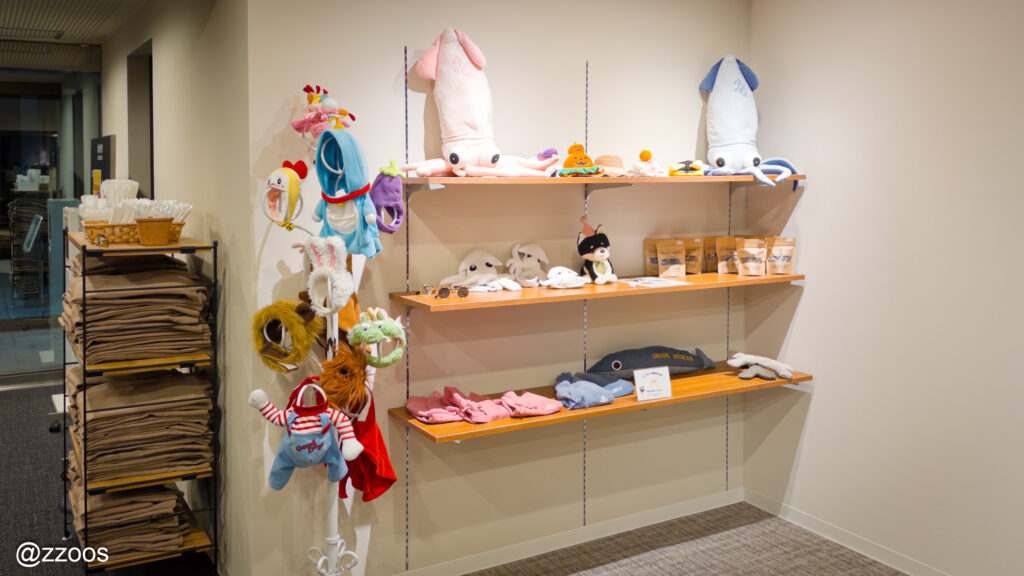
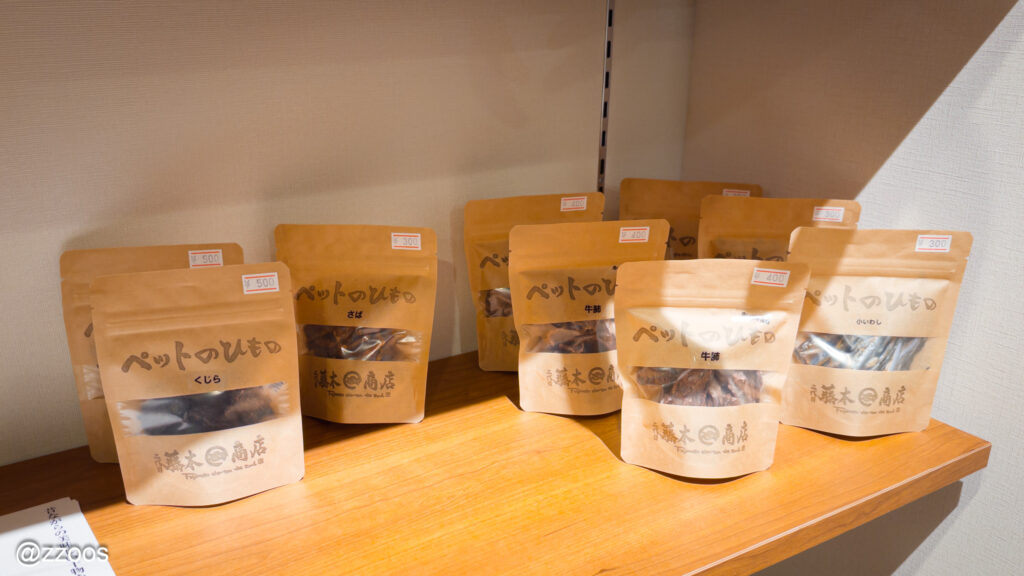
Onoue Ryokan is a pet-friendly accommodation. So you may encounter pets brought by other guests.
In the lobby, they also sell pet-related goods. The snacks in the photo are “for pets.” They are absolutely not drinking snacks.
To be honest, when you hear that pets are allowed, you may worry about fur or smells. But there were no smells or flying fur in the dining room, lobby, or room.
So unless you are bothered by other guests’ pets themselves, the fact that pets are allowed should not be a big problem.
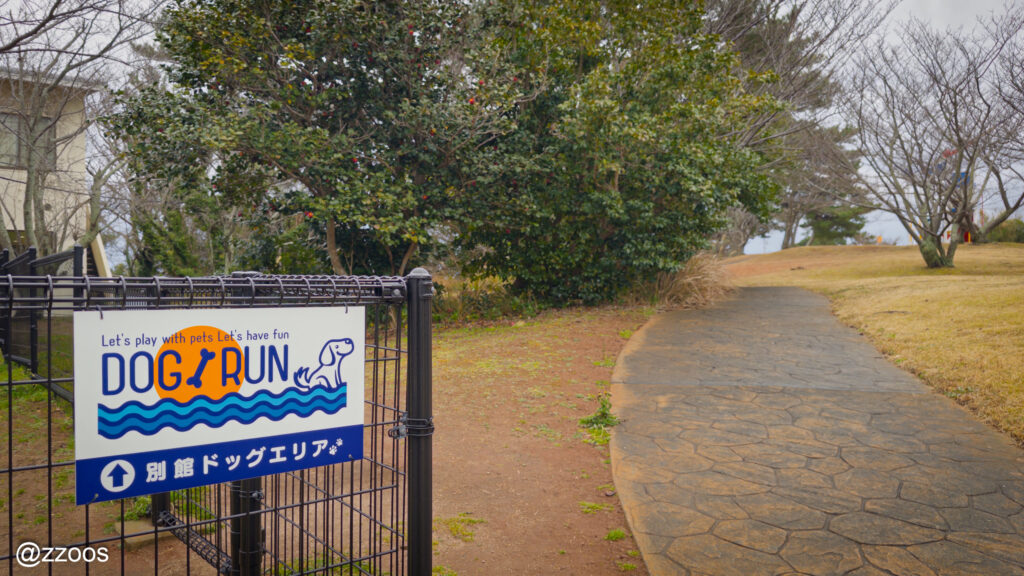
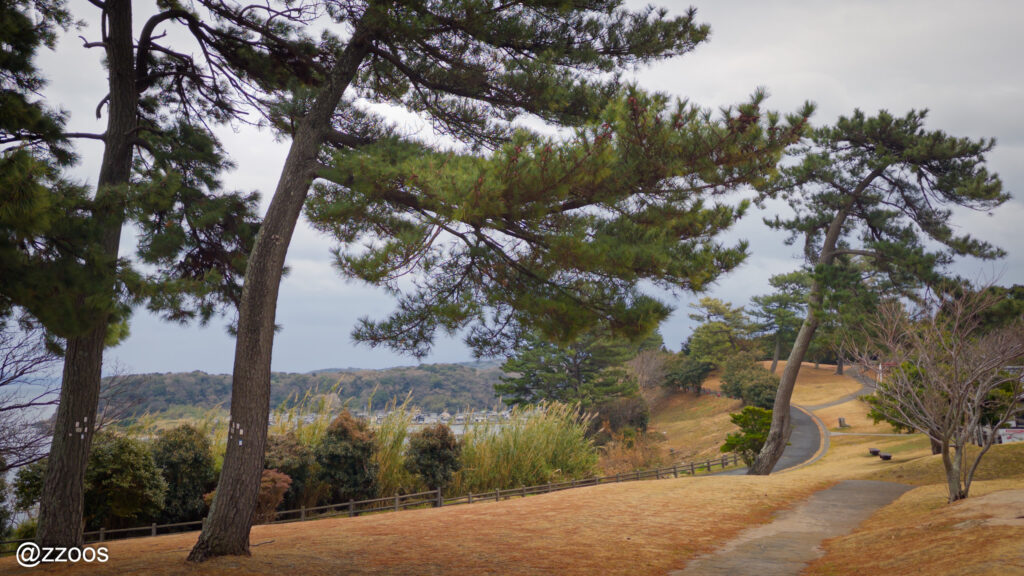
The location of the ryokan is not very convenient.
It is in a remote seaside area about a 30-minute walk from Yobuko Market.
There is a bus stop right in front of the ryokan, but the interval between buses is quite long. And it is not exactly a bus, but a noriai taxi (乗合タクシー), a shared-ride van that runs on a fixed route.
The name is taxi, but the operation method is like a bus. The fare was 200 yen. Cash only.
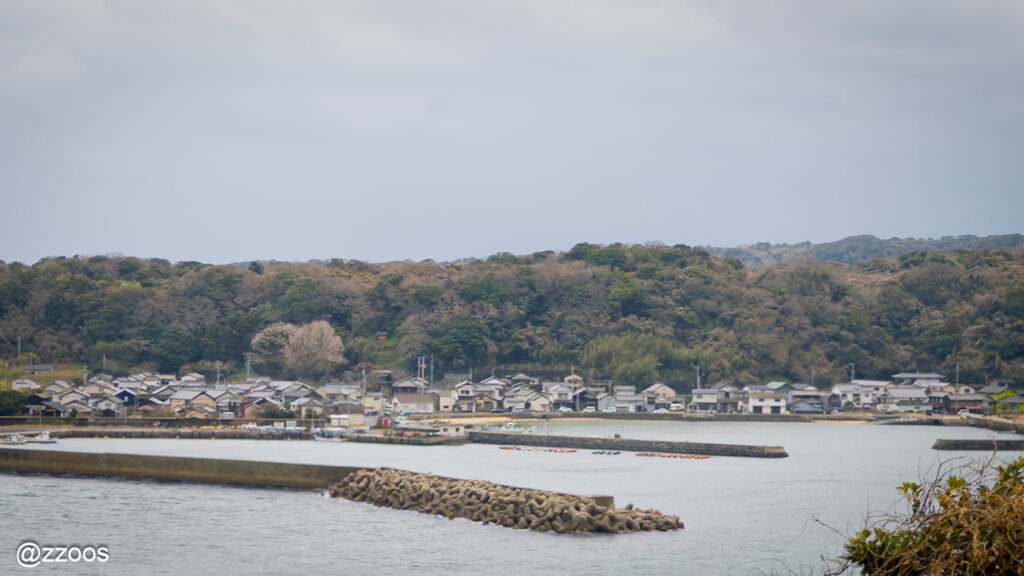
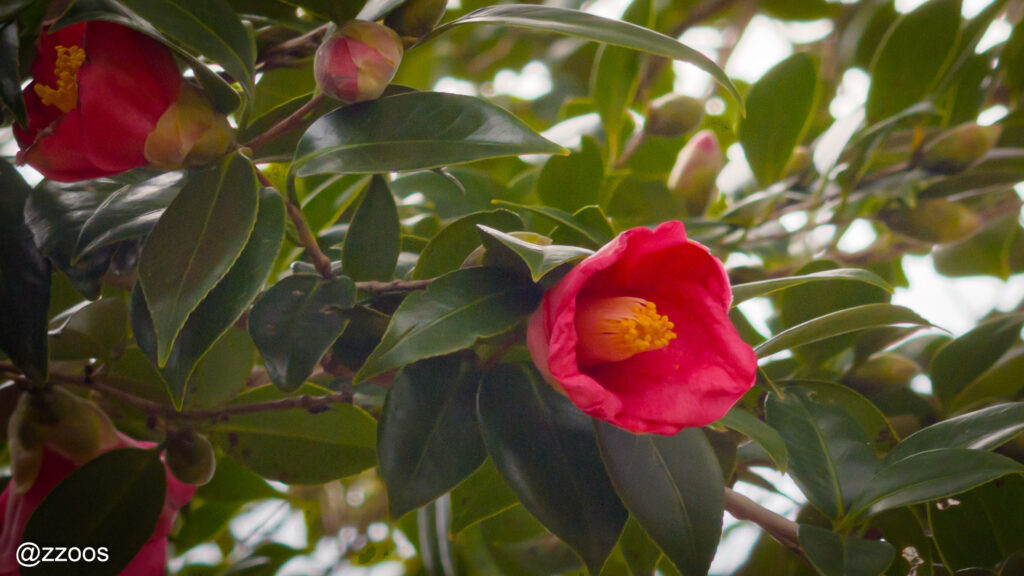
Because it is in a remote place, the poor accessibility is a disadvantage, but in another sense it can also be an advantage.
Most people who travel to Yobuko only look around near the Morning Market. If you stay at Onoue Ryokan, you can also look around the area surrounding the ryokan.
Why can this be an advantage? Because the scenery around here is quite good.
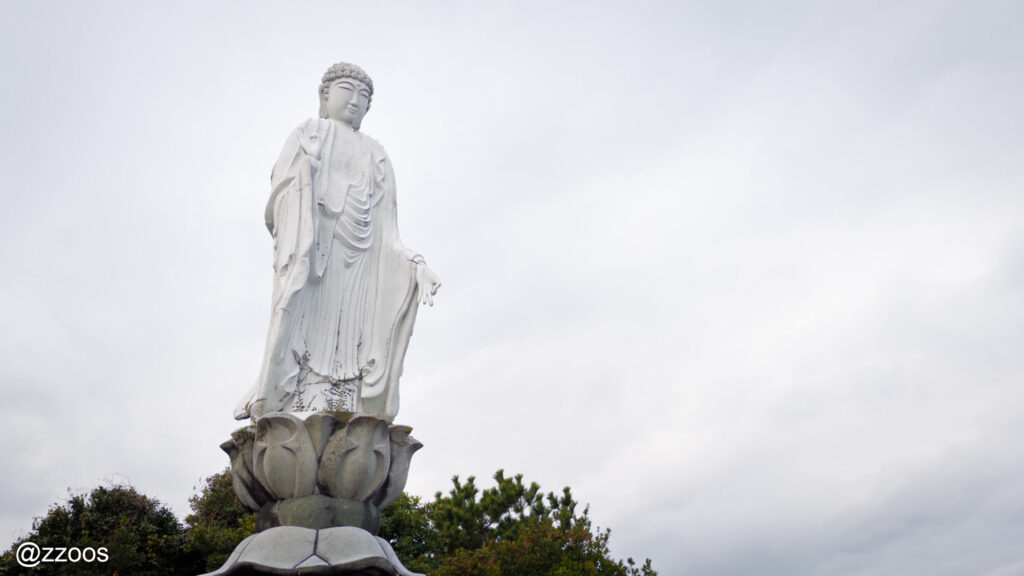
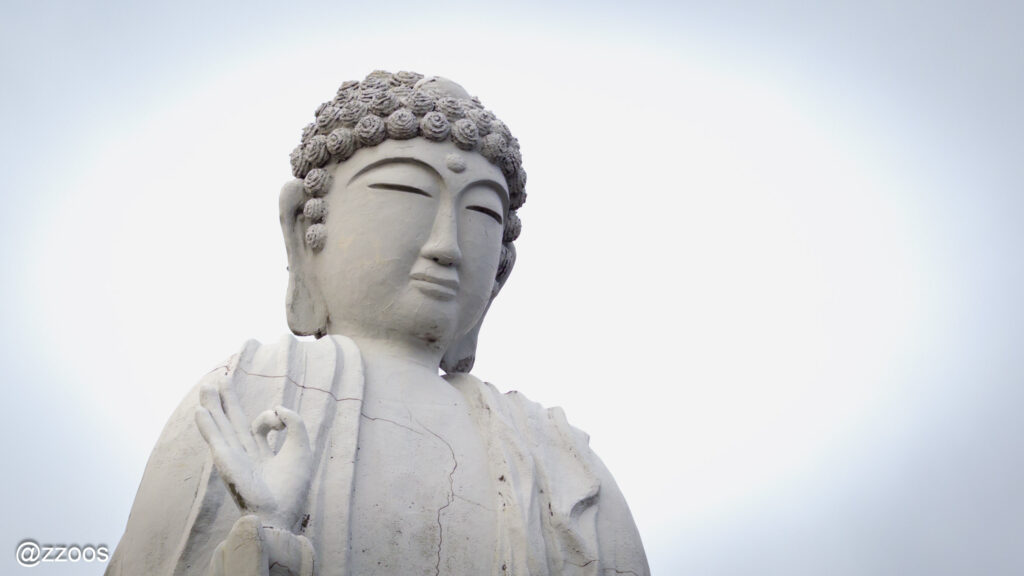
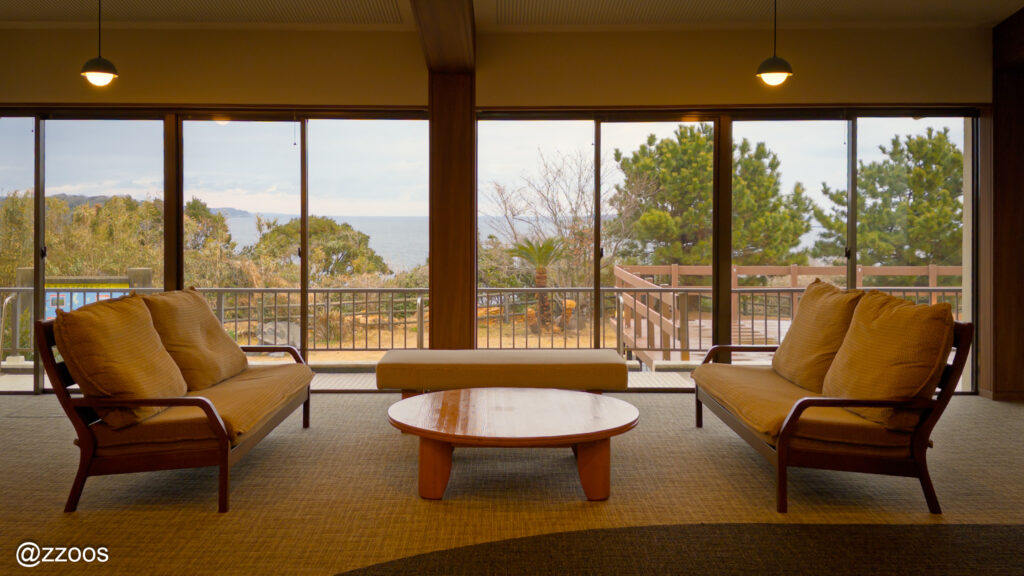
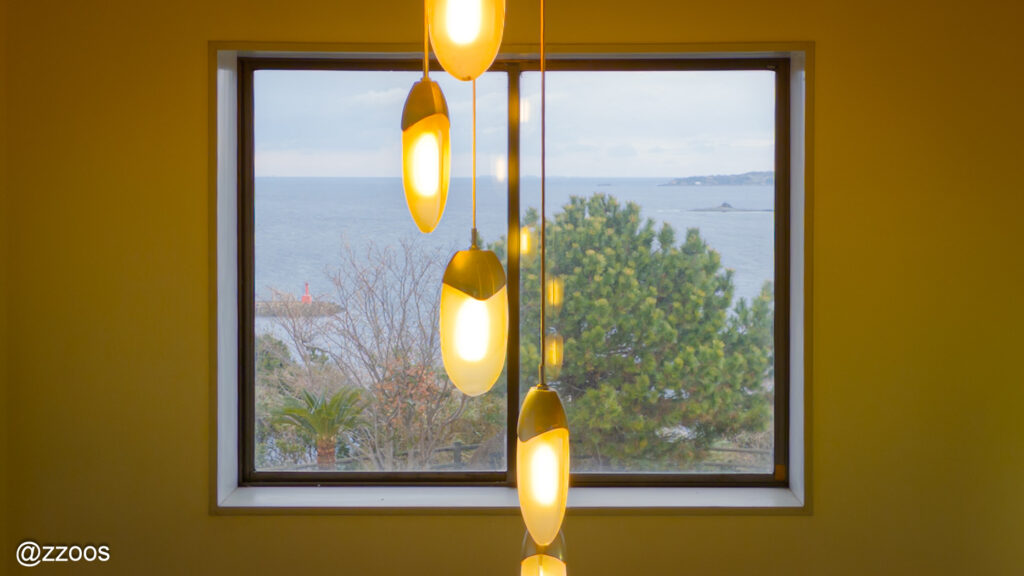
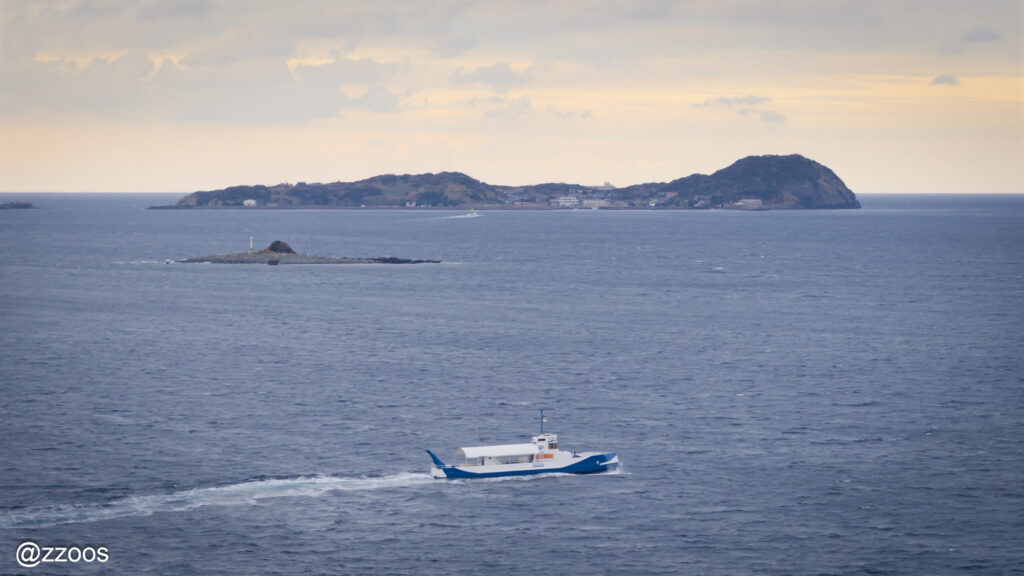
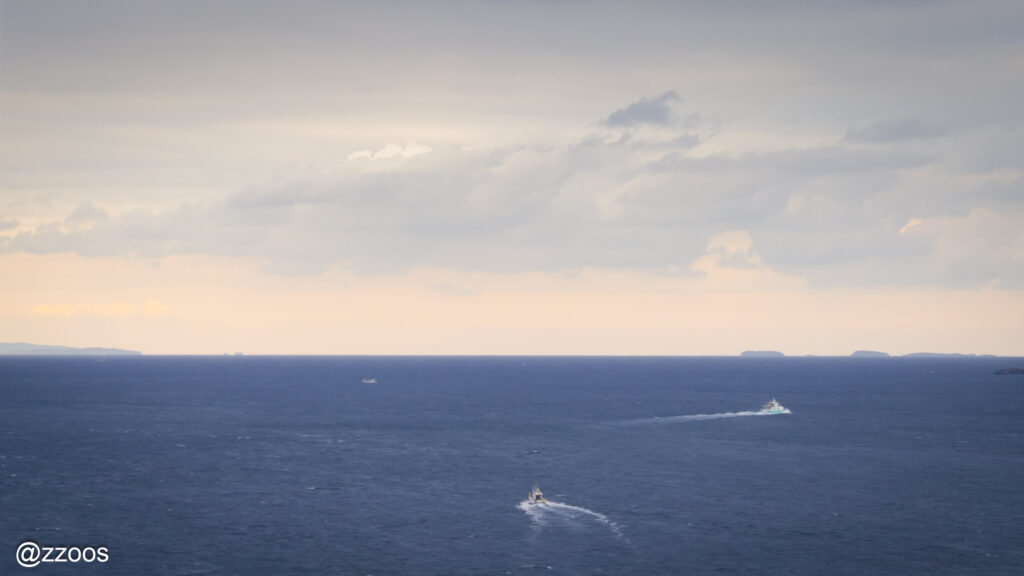
There is a short but pleasant walking path, and the sea view from there is quite beautiful.
I woke up early in the morning and took a walk around the ryokan before breakfast. It was not a long time, but walking while looking at the sea was a pleasant experience.
And I could also see Yobuko Daibutsu (呼子大仏), a huge Buddha statue with a mysterious expression. It may not be clear in the photos, but it is much larger than you might expect.
To be honest, Onoue Ryokan in Yobuko was a place I chose because I had no other option.
Ryokan that accept solo travelers are rarer than you might think. And it also has the disadvantage of not being very accessible. For travelers without a car, getting from the bus stop to the ryokan could be quite a rough journey.
However, it also has quite good points.
The first is that the scenery around the ryokan is good.
The second is that the Japanese-style tatami room, although old, is sufficiently clean and spacious. A six-tatami room can be considered the standard size for a ryokan.
Above all, the meals are quite good.
Of course, you cannot compare them with a high-end restaurant, but for this price, the quality is satisfying. And you can eat Yobuko ika.
I think the good value for money is one of the biggest strengths of this ryokan.
Finally, there was one thing completely different from my expectation. That was… there was absolutely nowhere to go for a second round of drinks.
You could not even get light snacks at the ryokan. So the happoshu and shochu I bought from the vending machine had to be drunk without any snacks.
I should have checked in prepared with drinks and snacks for a second round in advance.
Around the ryokan, there are not only no shops open late, but the area itself is almost deserted.
Even if you go out to Yobuko’s so-called downtown area, it is uncertain whether there are places open late, but the problem is that it is a 30-minute walk. And on the night I stayed, there was pouring rain.
So I had no choice but to give up everything and go to bed early in the room.