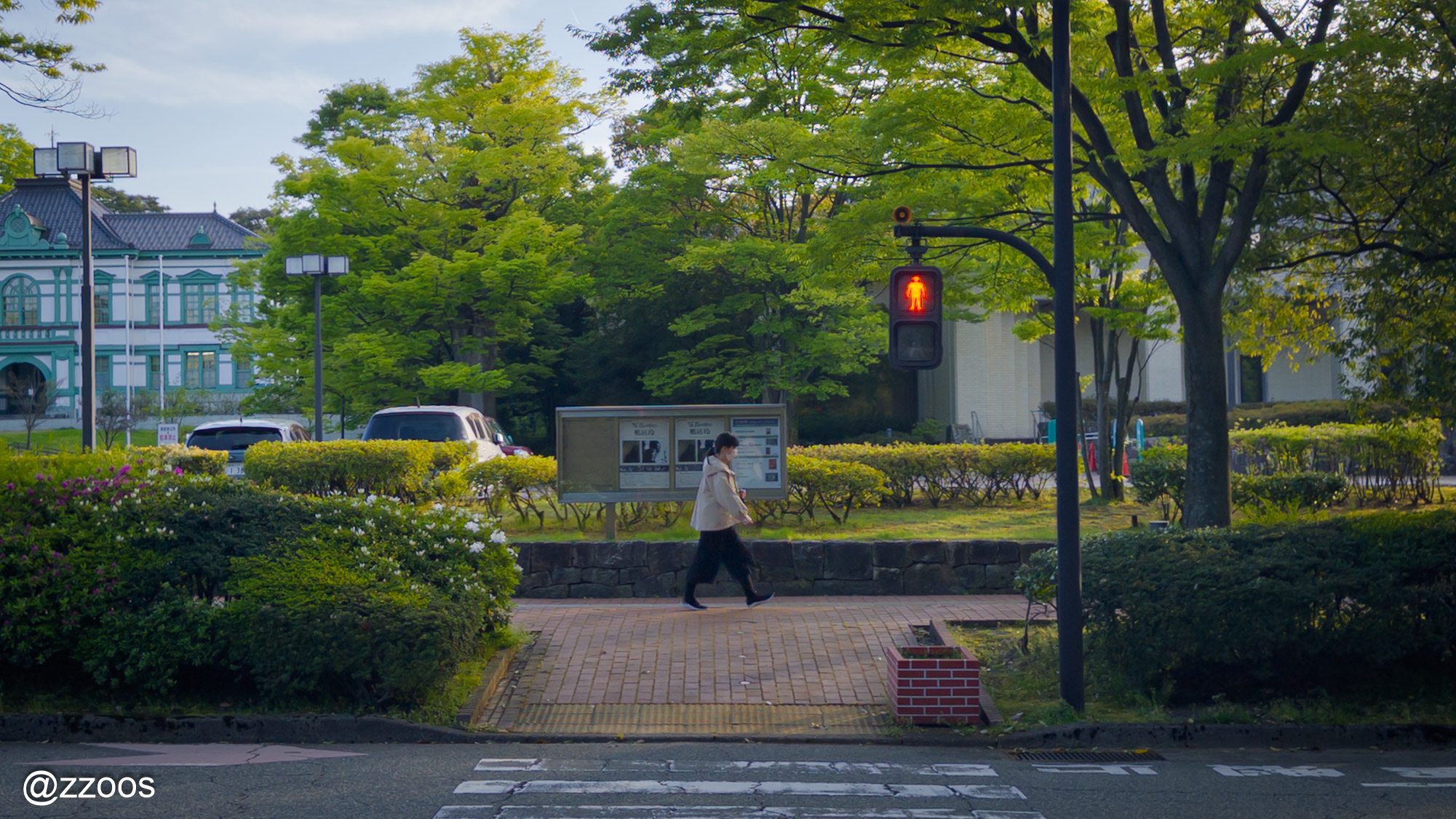
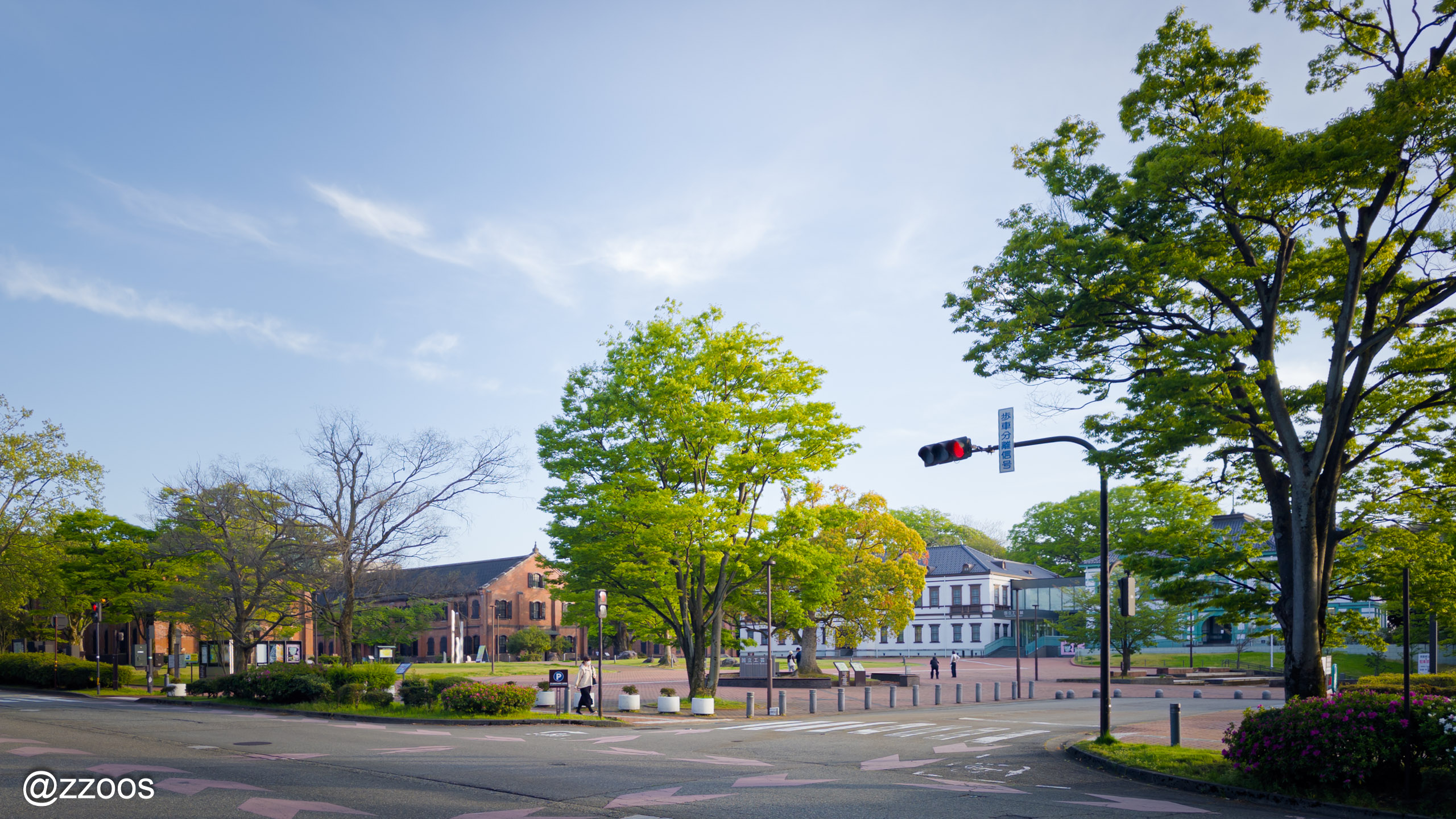
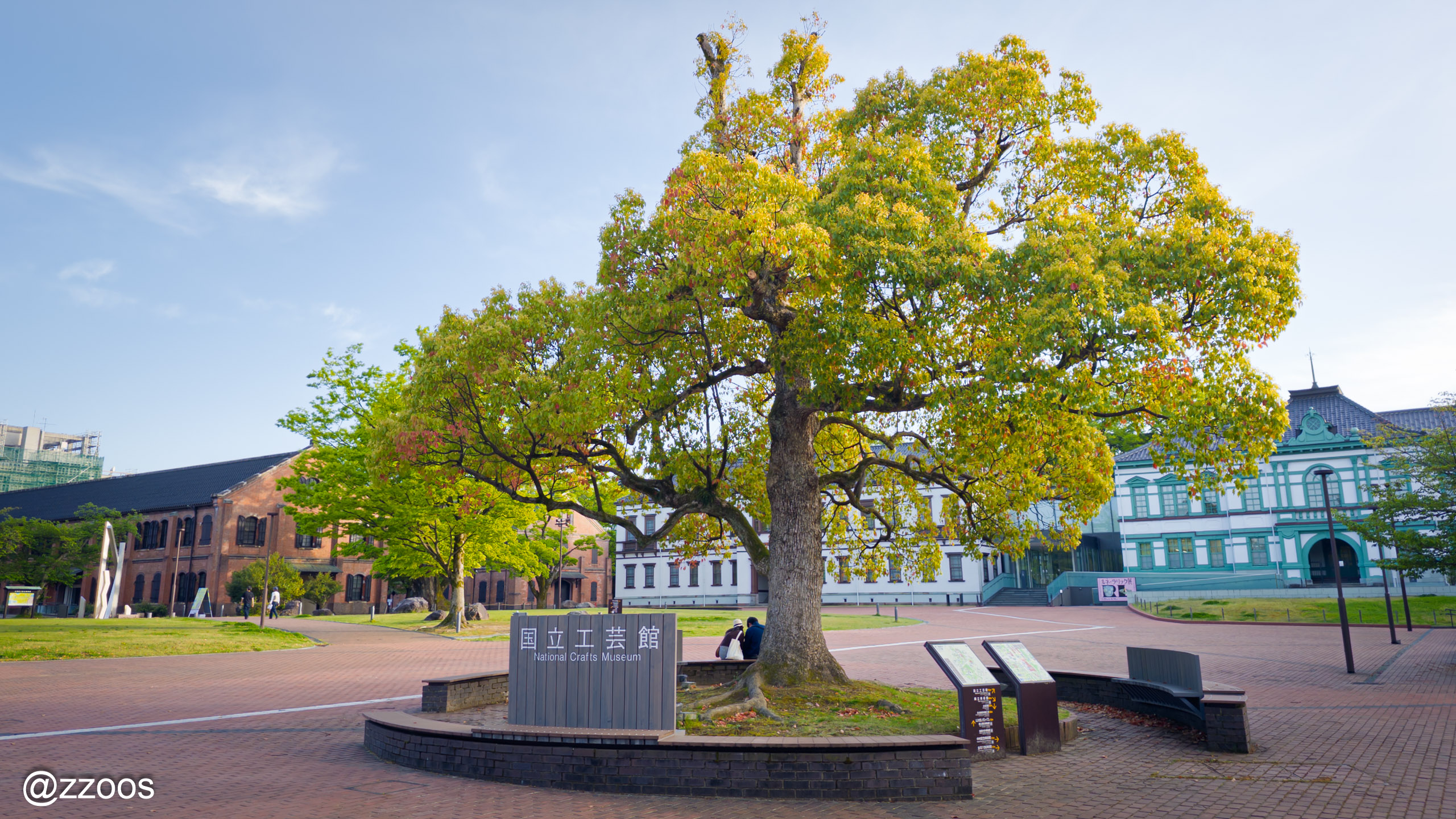
Coming out of Kanazawa Jinja Shrine and crossing the road, you find yourself in front of a very spacious park. This is Honda-no-Mori (本多の森) Park — Honda’s Forest, in literal terms. The “Honda (本多)” here refers to a clan name. This land was once the site of the Honda family’s estate.
The Honda clan was said to be the most powerful family in the Kaga Domain. They were the top retainer family serving the Maeda clan, the lords of Kaga. Their stipend was 50,000 koku of rice — roughly the economic output of a small domain on its own. That’s how they came to occupy such a prime piece of land right below Kanazawa Castle.
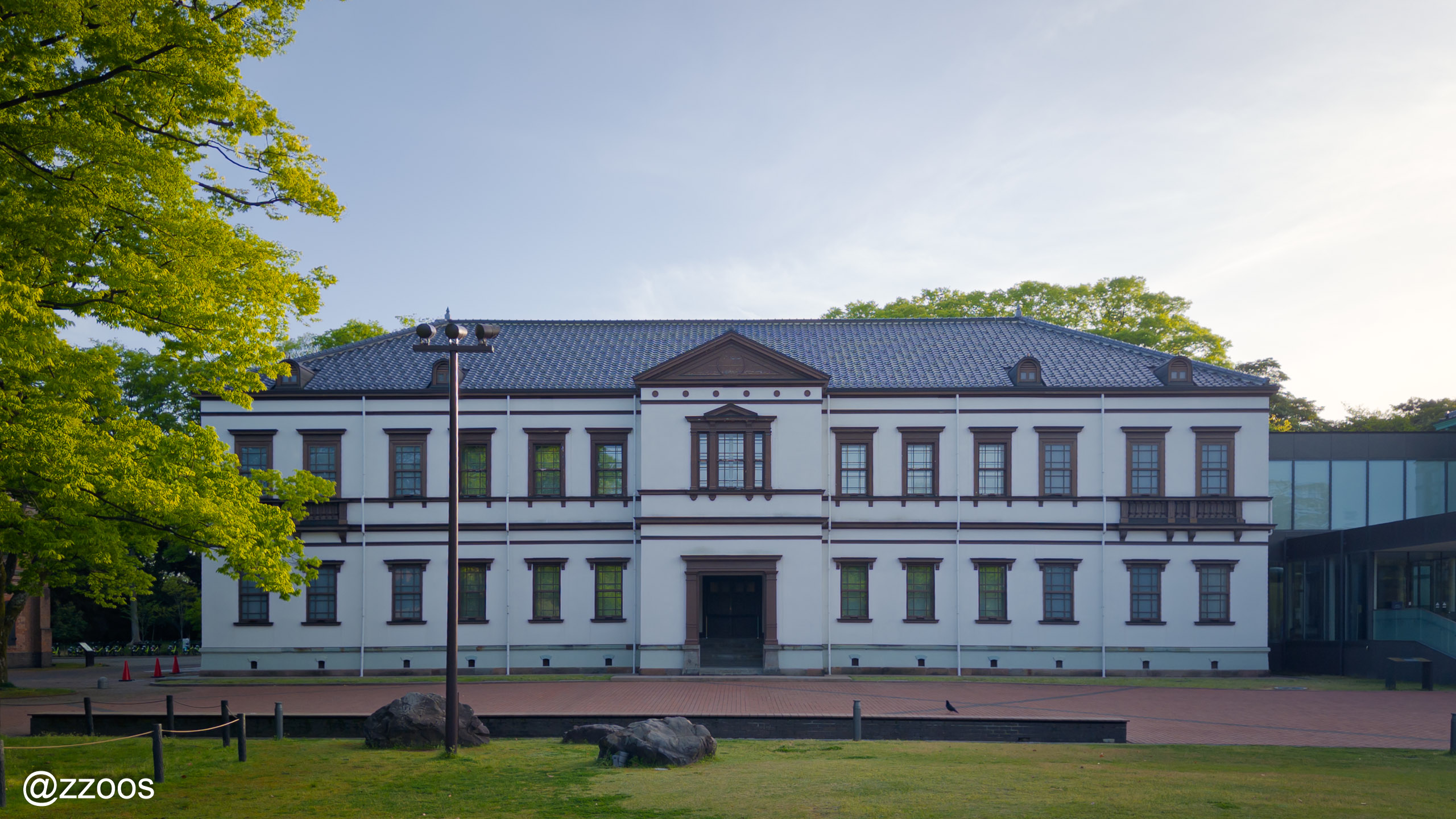
This park is packed with art museums and history museums. So many that you’d wonder if someone planned it that way. Perhaps that’s why it’s also known as Bunka no Mori (文化の森) — the Forest of Culture.
The grounds are wide, lined with buildings from the modern era, trees, and stretches of greenery. A genuinely appealing park. Walking along Hyakumangoku-dori, you come across places like this.
That’s why I say it’s a street that puts you in a good mood.
The buildings encircling the wide lawn are, without exception, art museums or history museums. To see every exhibition here, you’d need a lot of time. For the record — I didn’t see a single one. It was too late in the day.
Anyway, going through the buildings in this park one by one.
First, there’s the Ishikawa Prefectural Museum of Art. It’s a considerably large building, but honestly it doesn’t do much to catch the eye in this park.
It was newly built in the 1980s as a modern structure. Perhaps that’s why it feels oddly understated here. The collection inside, however, is said to be anything but — with a rich selection of artifacts from the Maeda clan that speak to the prosperity of the Kaga Domain.
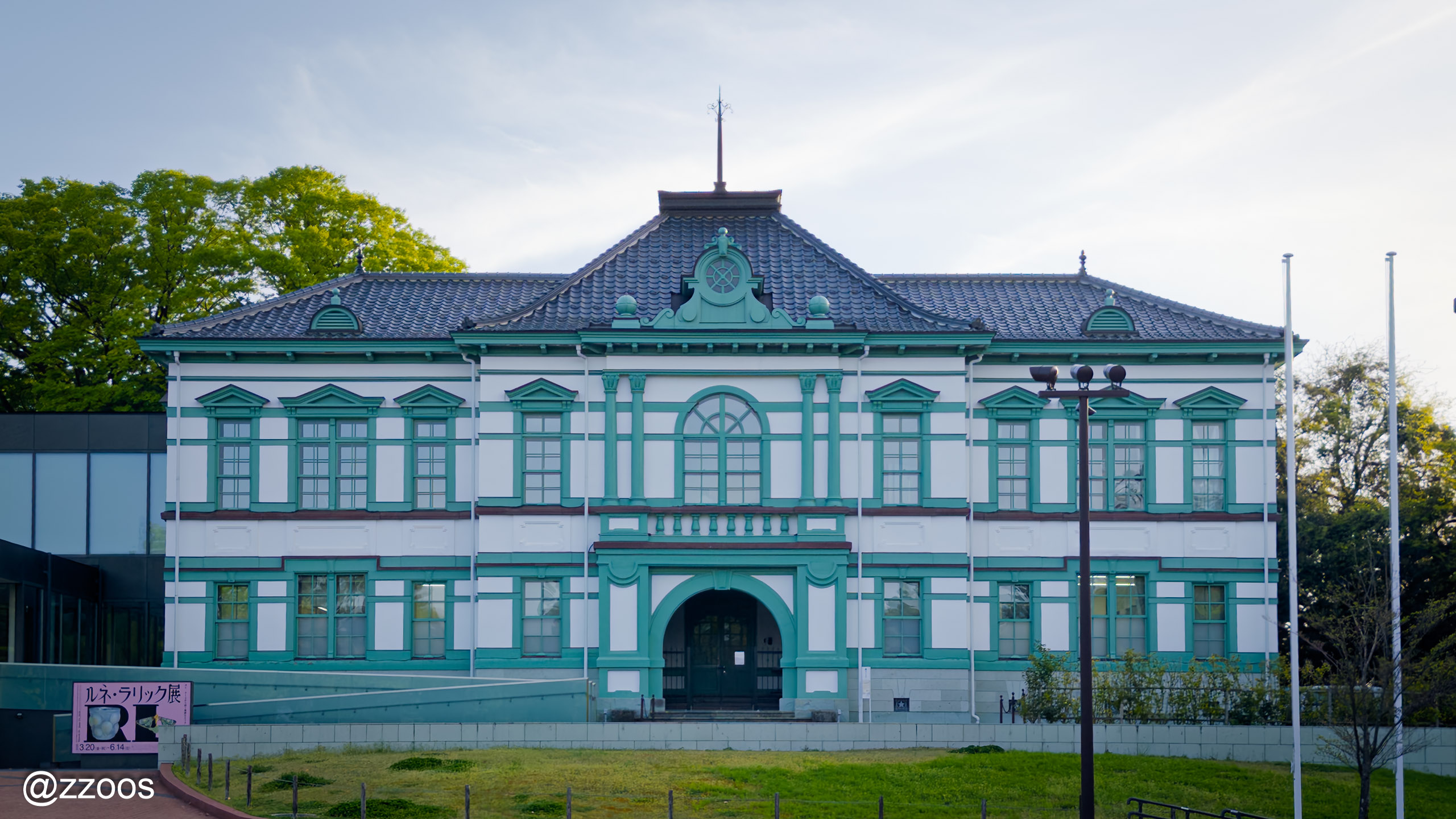
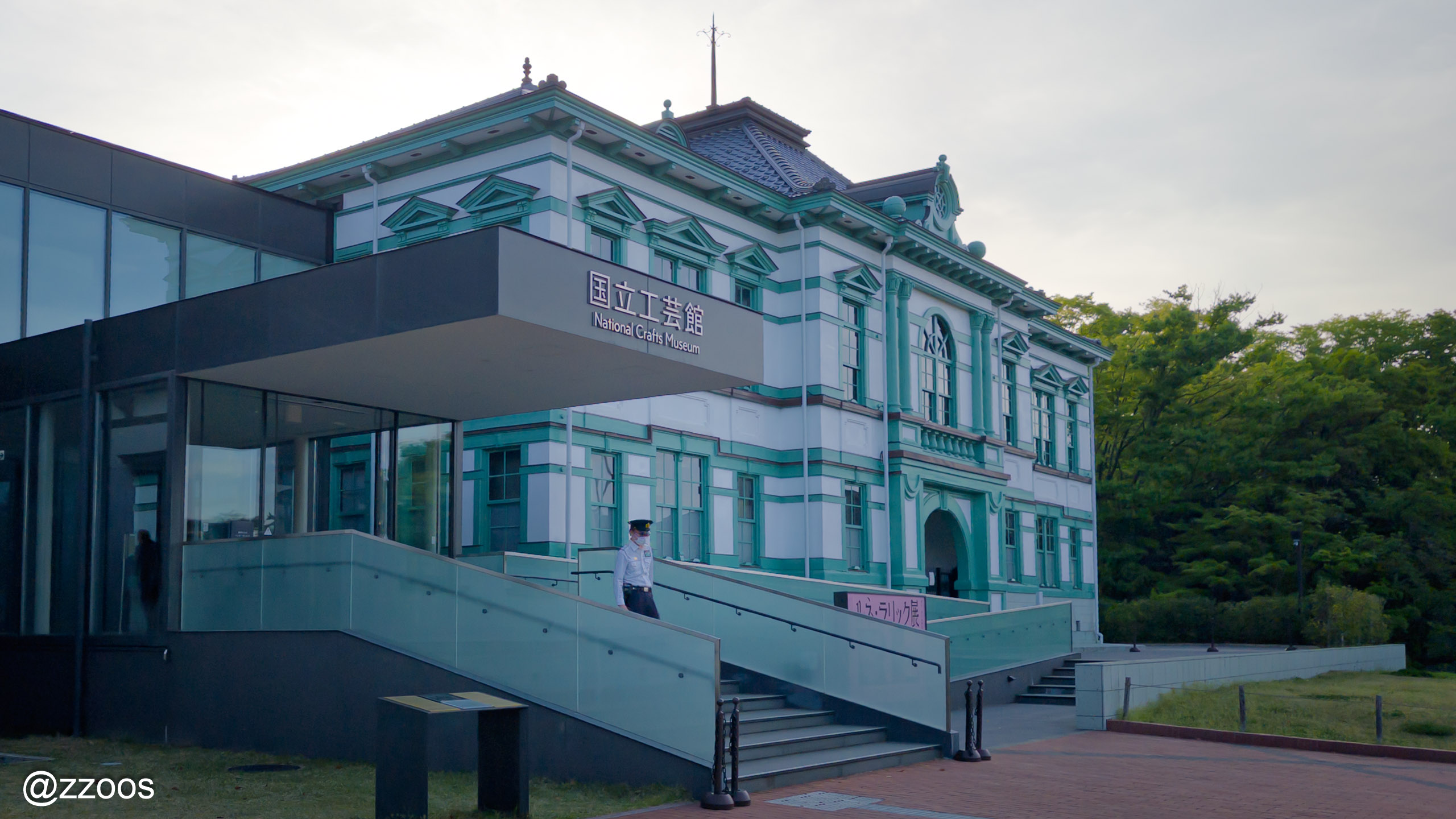
Next to the Prefectural Museum of Art, what actually draws the eye is the National Crafts Museum.
It has a distinctive look — two old buildings joined together. These structures were relocated from their original sites: they’re former Meiji-era military headquarters buildings. Western-style architecture from the period when Western influences were flooding in. The pastel tones are striking.
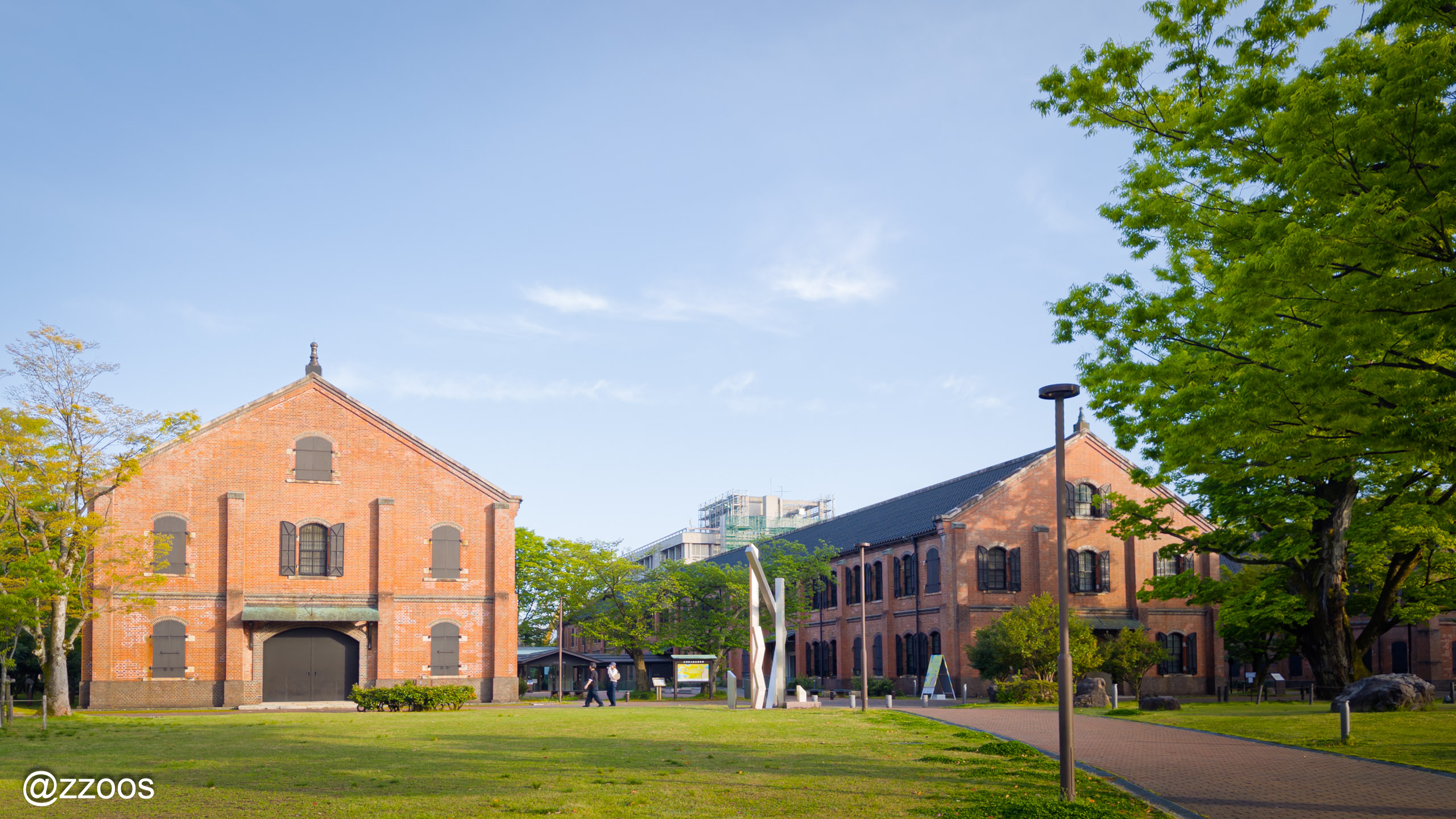
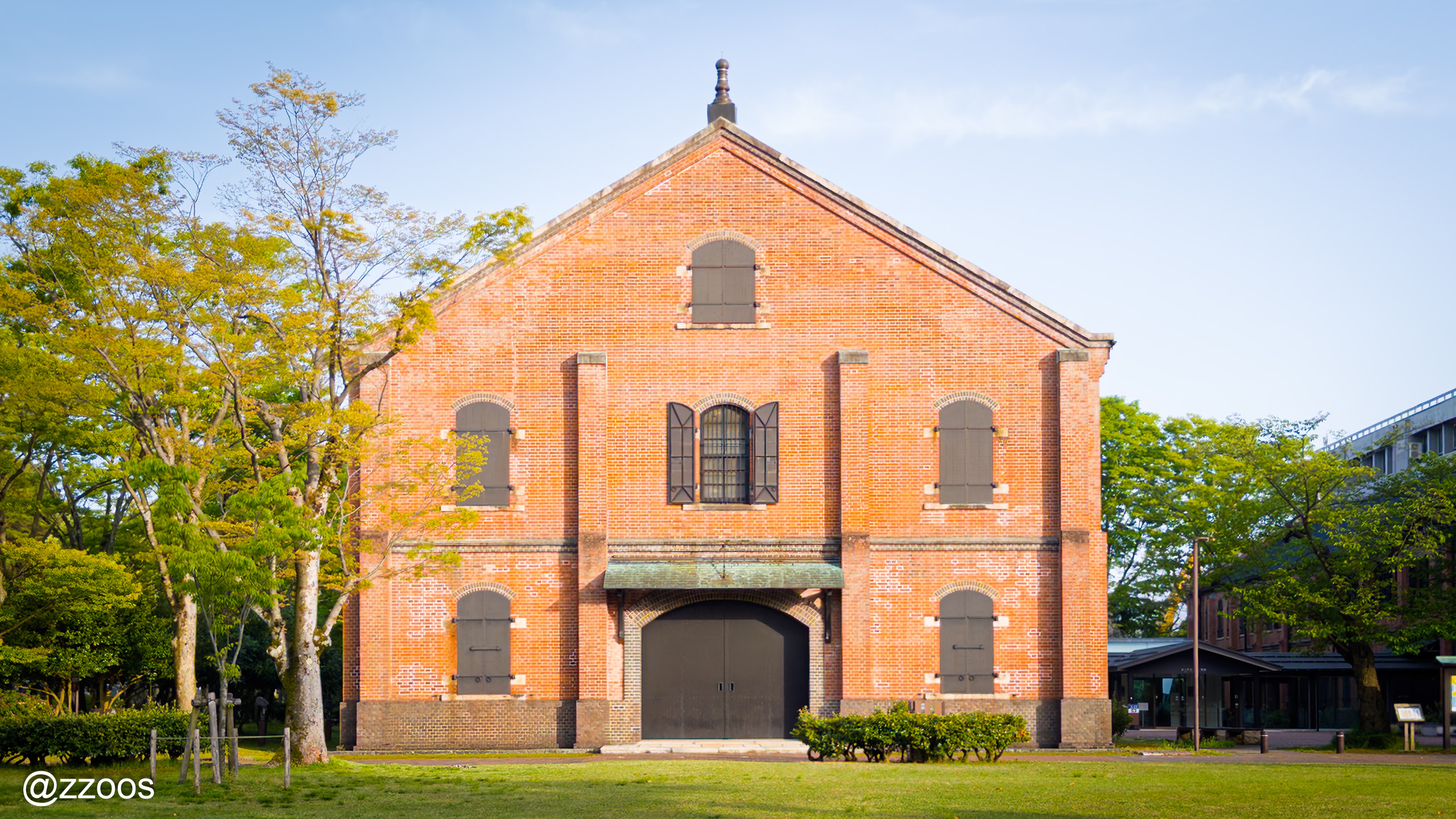
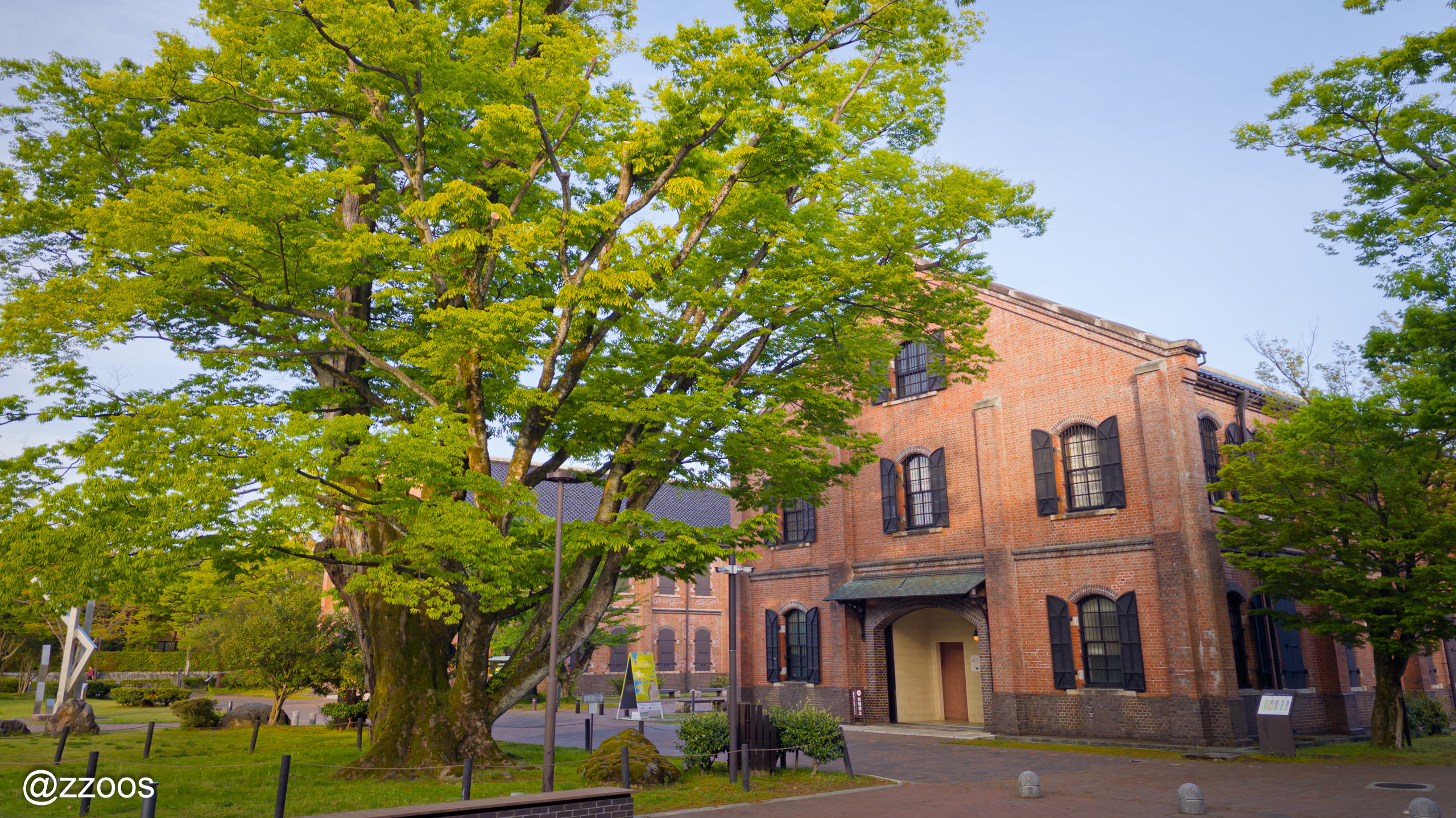
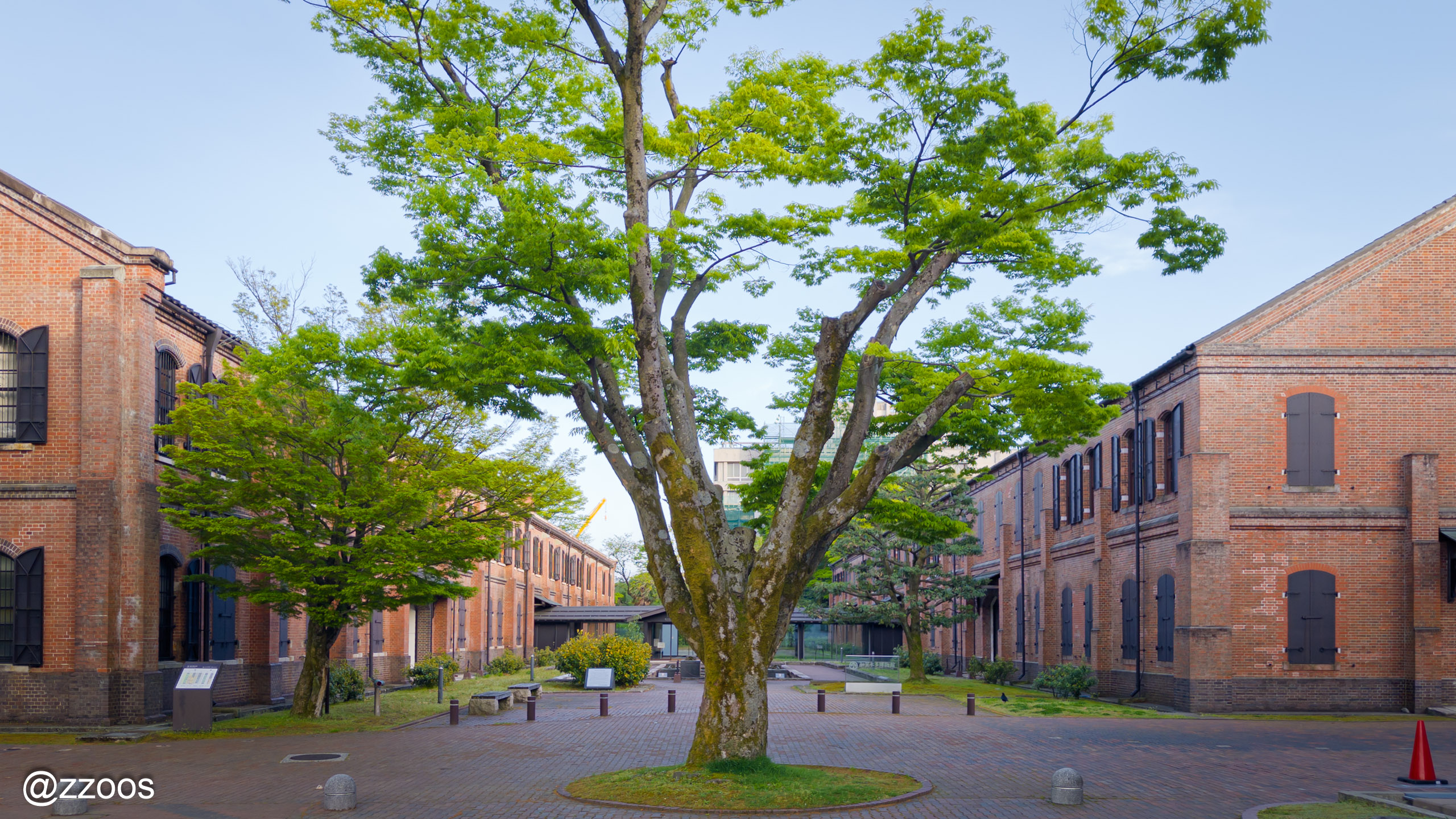
Next to the National Crafts Museum, a row of buildings that once served as military warehouses lines up one after another. These are now used as the Ishikawa Prefectural Museum of History and the Kaga-Honda Museum (加賀本多博物館).
Kaga-Honda — that would mean the Honda clan of the Kaga Domain. The original owners of this very land. So it makes sense that this museum holds the artifacts of the Honda family.
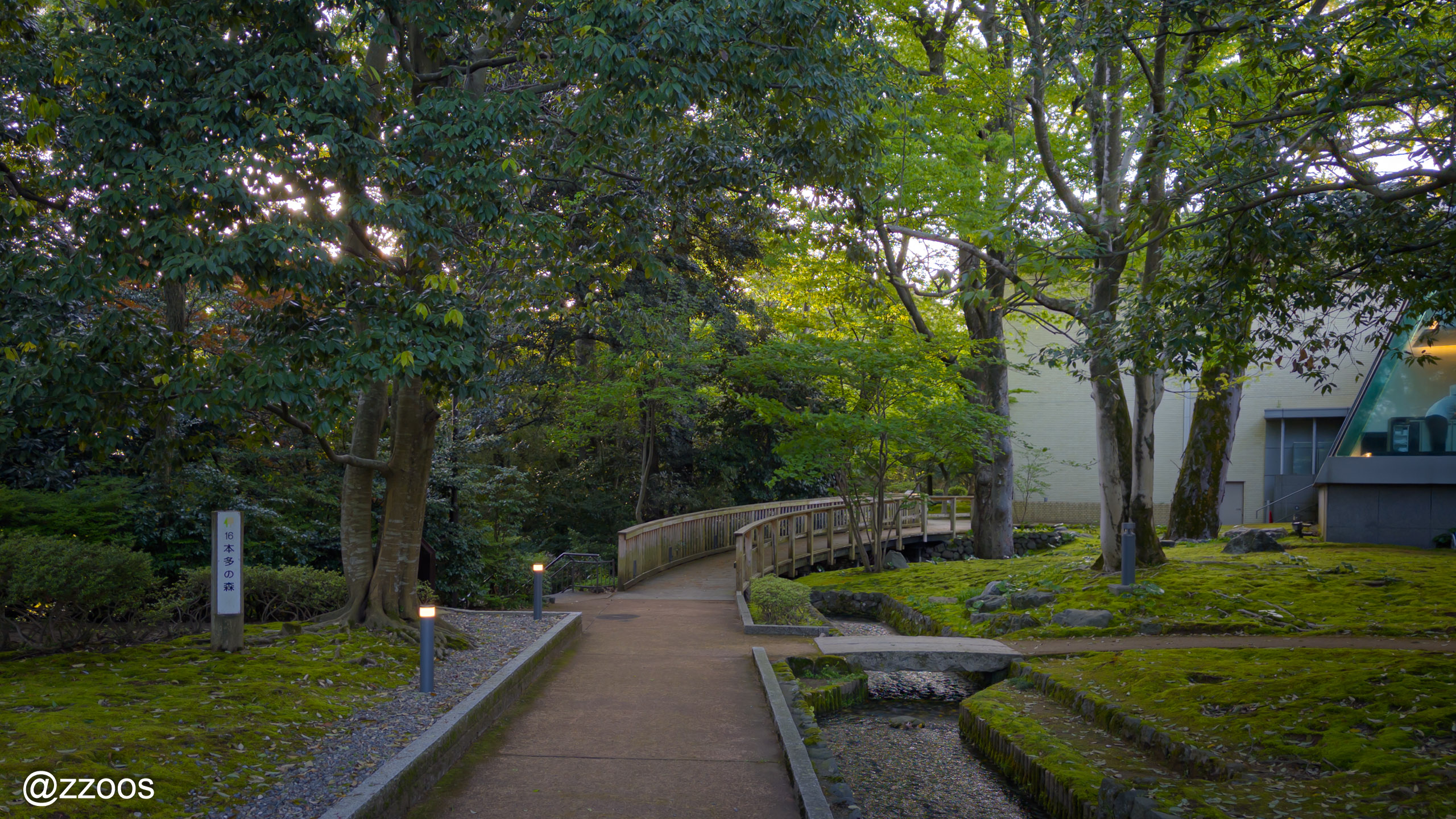
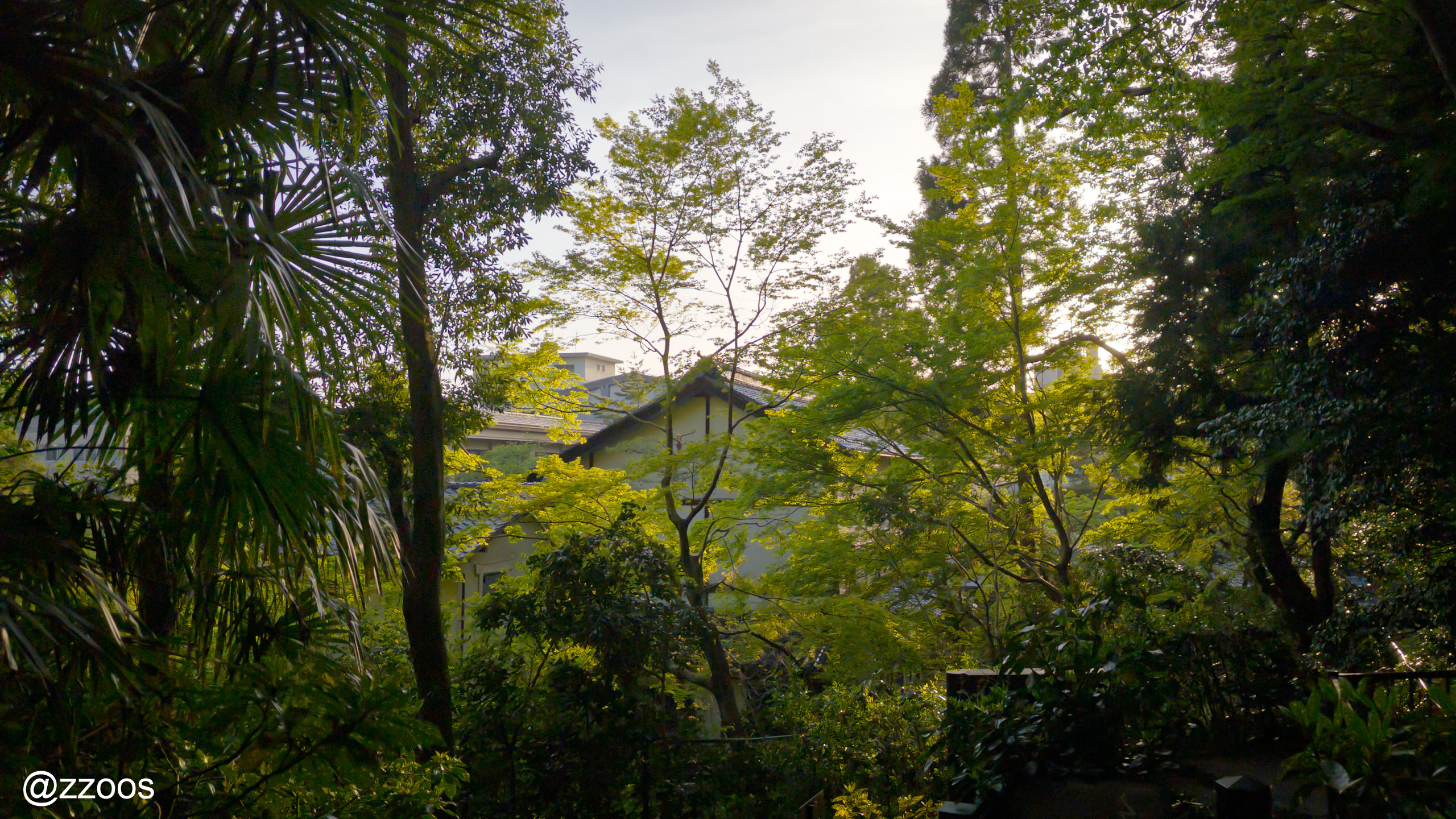
Once you’ve taken in the main park, it’s time to look between the National Crafts Museum and the Prefectural Museum of Art. There’s a small walking path tucked in there. Follow it and you’ll start to hear the sound of water — a small but surprisingly strong waterfall, with stone steps leading down alongside it.
This is Bijutsu no Komichi (美術の小径) — the Path of Art. Maybe because it sits among all these museums? The name is wonderful. The Path of Art.
Following the path down the hill, you arrive at the back garden of the Kanazawa Nakamura Memorial Museum (中村記念美術館). It’s said to display the private collection of a businessman who was in the brewing industry — mostly traditional crafts, and particularly fine tea ceremony ware.
But there’s something else I want to see today, so the Nakamura Memorial Museum gets a pass.
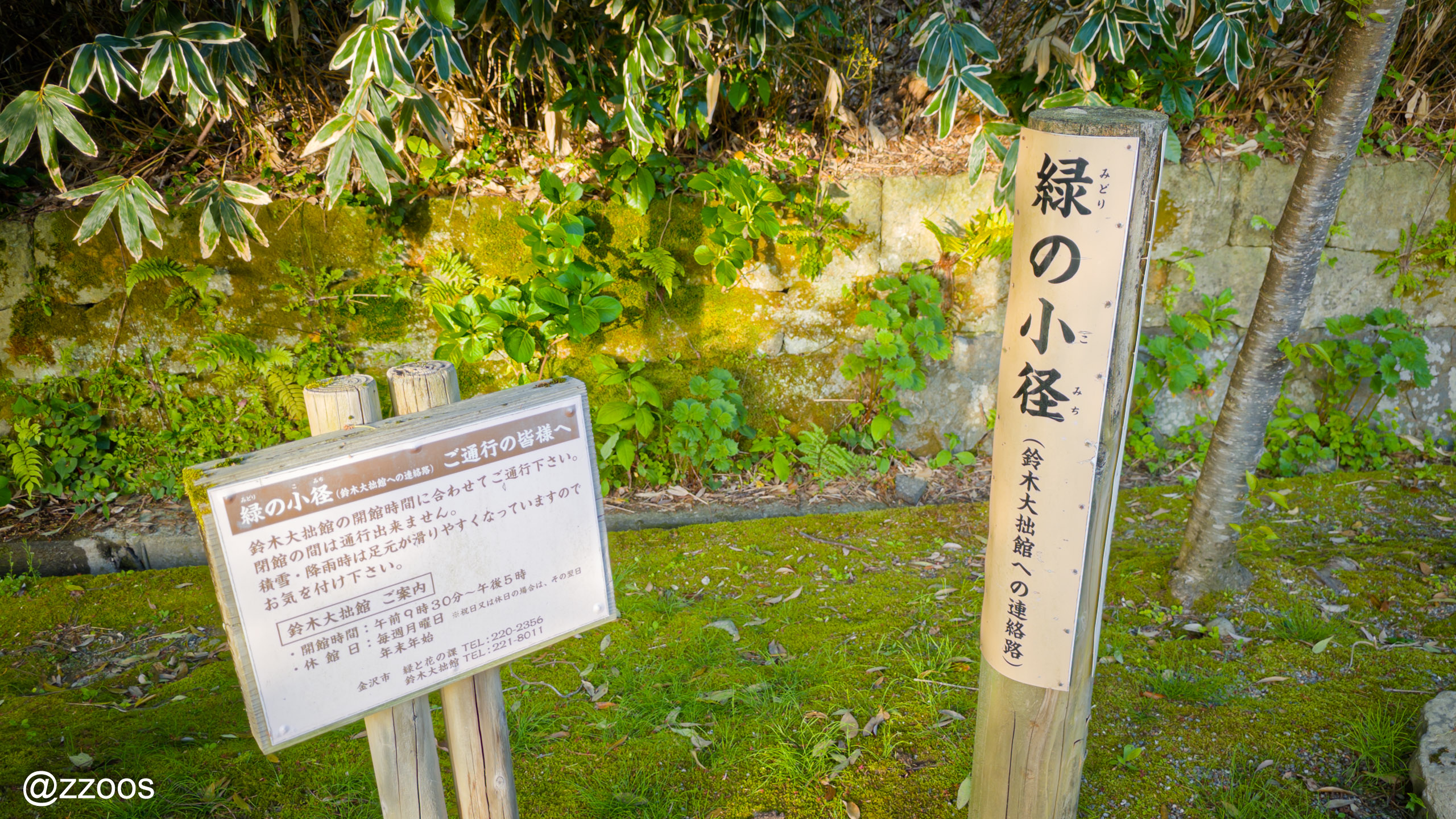
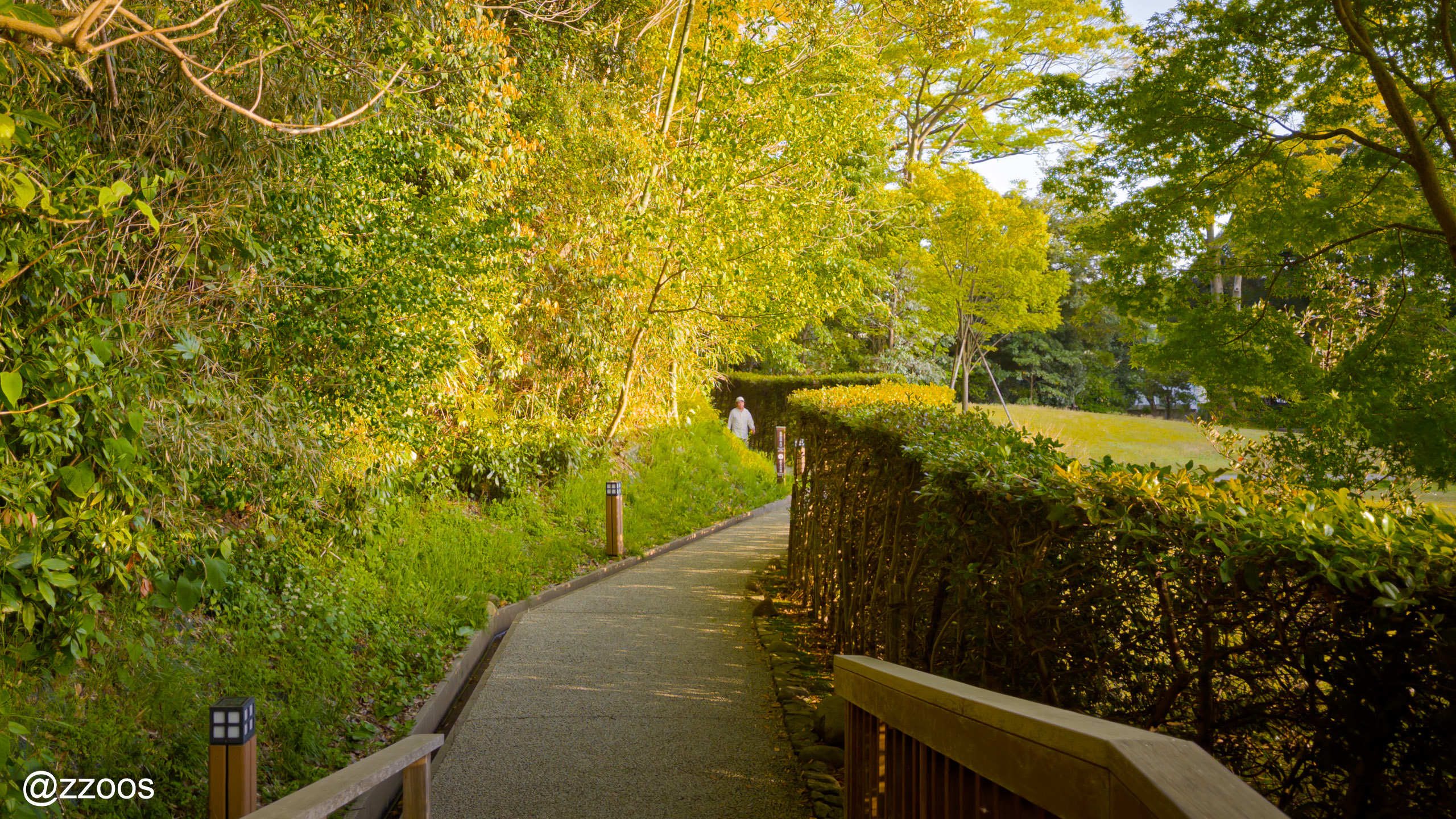
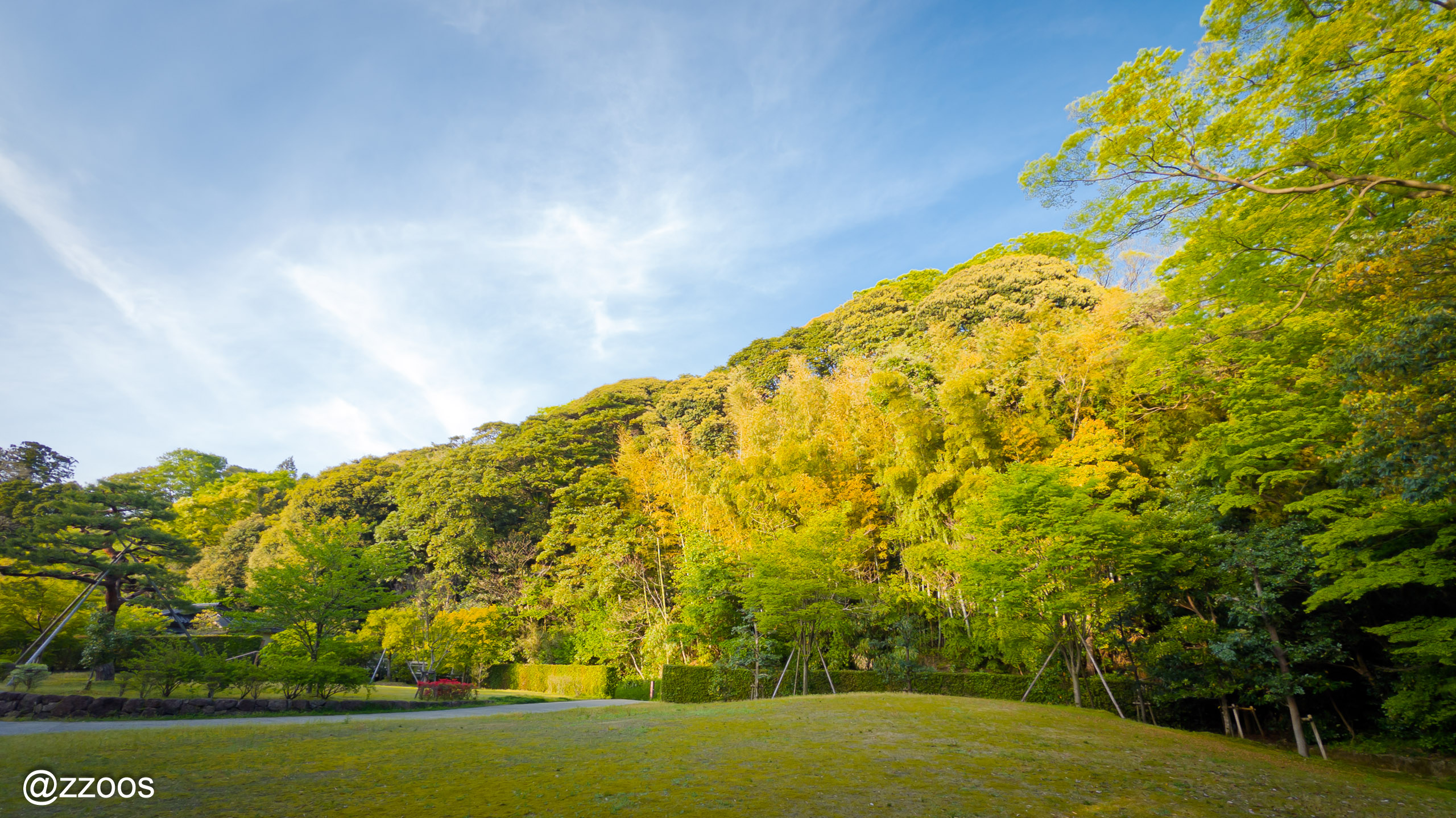
Walking along Bijutsu no Komichi, you come across another small sign. From there, the path becomes Midori no Komichi (緑の小径) — the Path of Green. True to its name, a small lane completely surrounded by green.
Honestly, when I first saw the name, I had high expectations. Something about it sounded so beautiful. Walking it in person — it’s a charming little path, but not quite as beautiful as the name suggests. Just a short, pleasant forest trail.
Still, there’s something that lingers about the name and the way it sounds. Midori no Komichi. Maybe it’s just that the word midori — green — feels nice on its own.
This small forest path connects from the Nakamura Memorial Museum all the way to the D.T. Suzuki Museum (鈴木大拙館). The final stop of today’s walk.
It’s one of the reasons I put this walking route together in the first place. Why that is — I’ll show you in the next post.