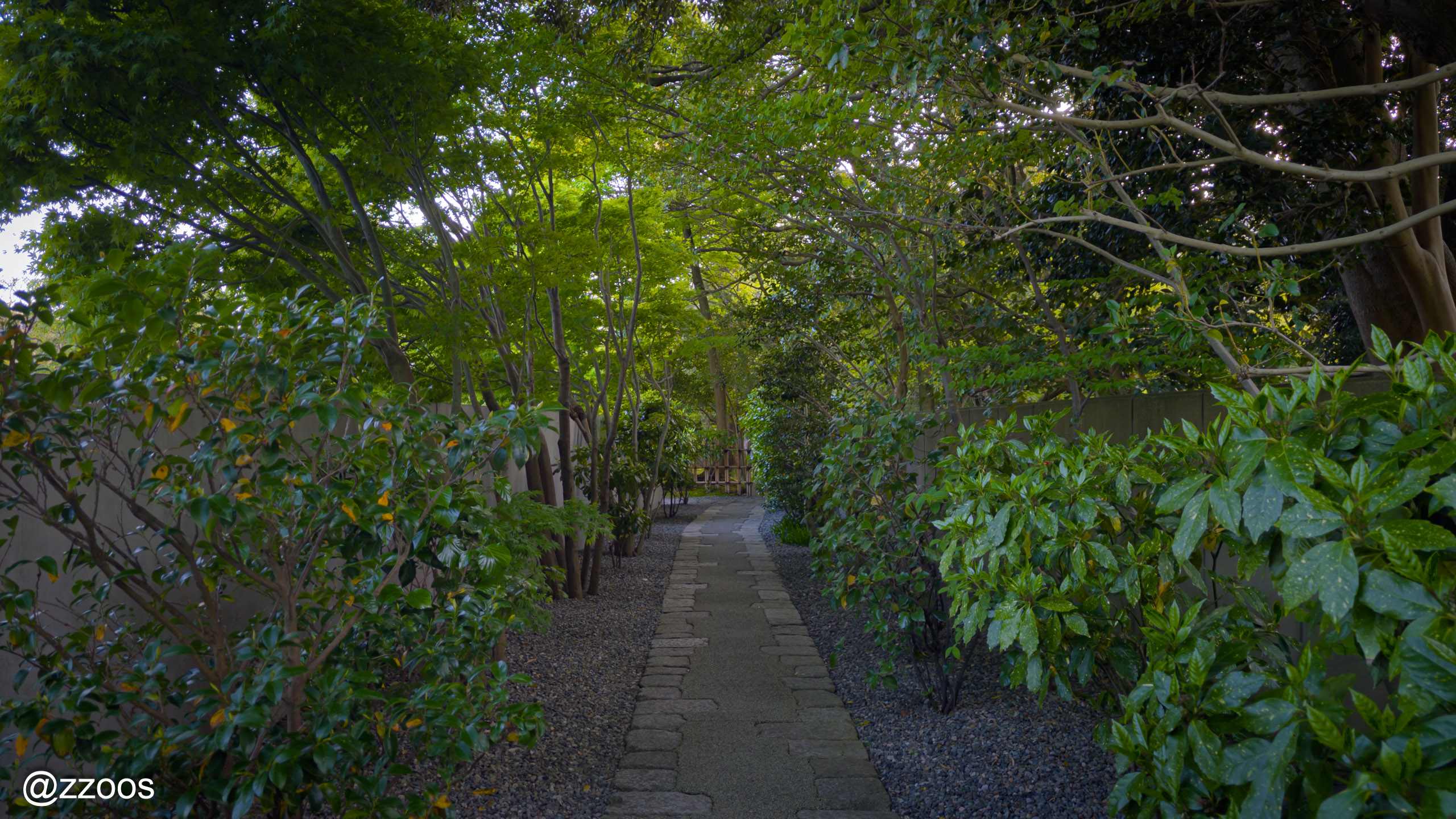
Walking along the Midori no Komichi (Path of Green), the soft dirt trail gradually gives way to a neat stone path. It’s still a quiet little walkway, but the atmosphere shifts just slightly. This is the final destination for today.
Even before the trip, I had been curious about this place after seeing photos of it.
The D.T. Suzuki Museum (鈴木大拙館).
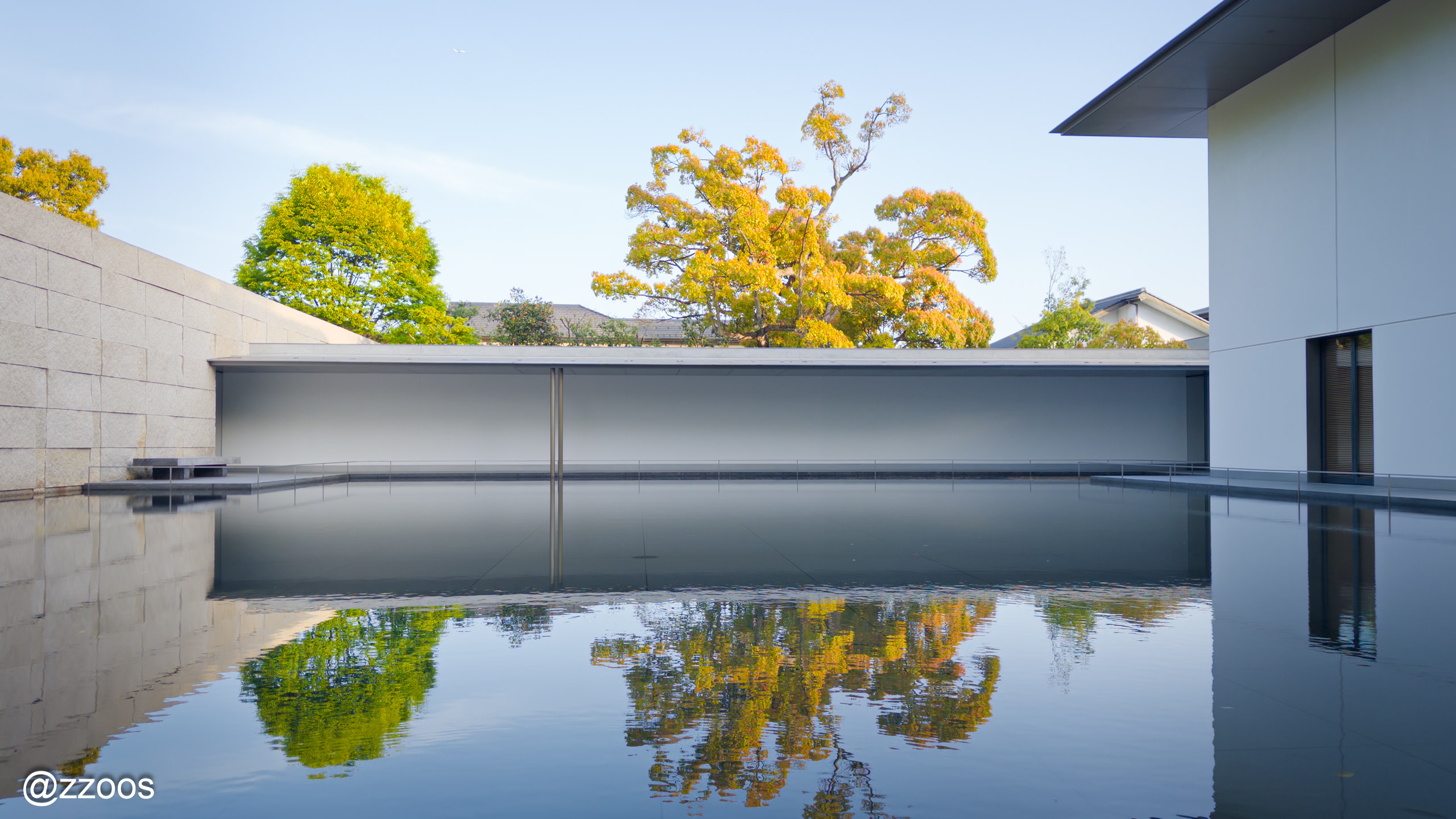
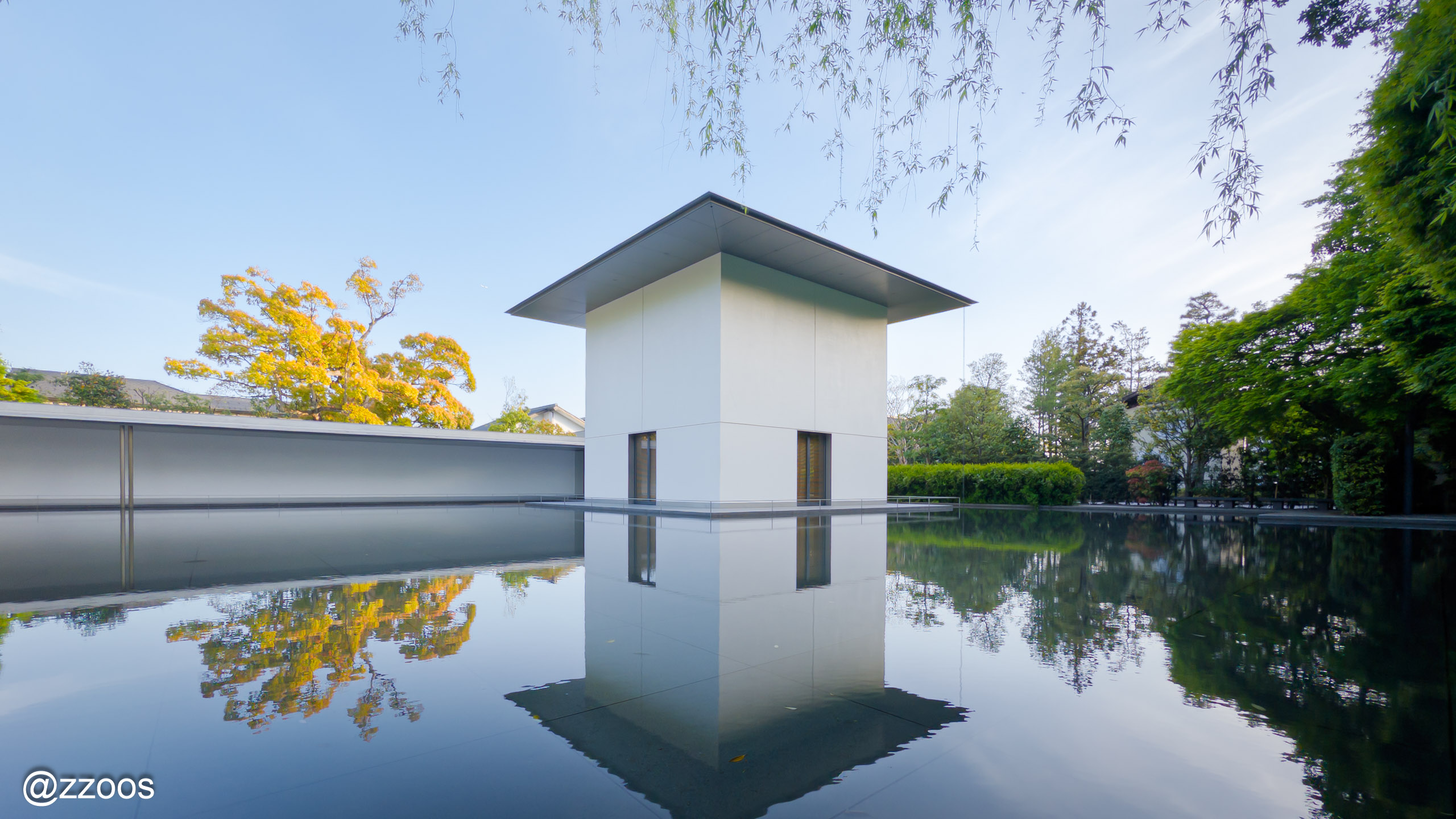
The day I visited happened to be a closing day, so I couldn’t see the interior. But fortunately, the Mizukagami no Niwa (水鏡の庭, the Water Mirror Garden) was accessible. And honestly, this was what I had really wanted to see — so missing the interior didn’t bother me much.
Ah.
These scenes were so much better in person than in photos. The gently rippling surface of the water. A light breeze. The fresh April greenery swaying in that breeze, and the inexplicable tinge of yellow among the leaves.
When the wind touches the mirror-clear surface, ripples spread and the reflected landscape trembles slightly.
Maybe it was lucky that the museum was closed. There was no one else around, and I had this whole scene quietly to myself.
The D.T. Suzuki Museum is dedicated to D.T. Suzuki (鈴木大拙), a Buddhist scholar who was active in Japan and the United States in the early 20th century. The building was designed by Yoshio Taniguchi (谷口吉生), who translated Suzuki’s philosophy of Zen directly into architectural form.
The concept of ‘ZEN style’ that was hugely popular for a time — that ‘ZEN’ comes from Zen Buddhism. It spread widely after D.T. Suzuki introduced Zen philosophy to the West. Today, it’s used as a name for a specific aesthetic style.
And Yoshio Taniguchi, who designed this building, is the architect famous for MoMA in New York. He was known for combining traditional Japanese thought with modern architecture. His father, Yoshiro Taniguchi (谷口吉郎), was also a well-known architect who devoted himself to the question of how to bring traditional Japanese sensibility into contemporary buildings.
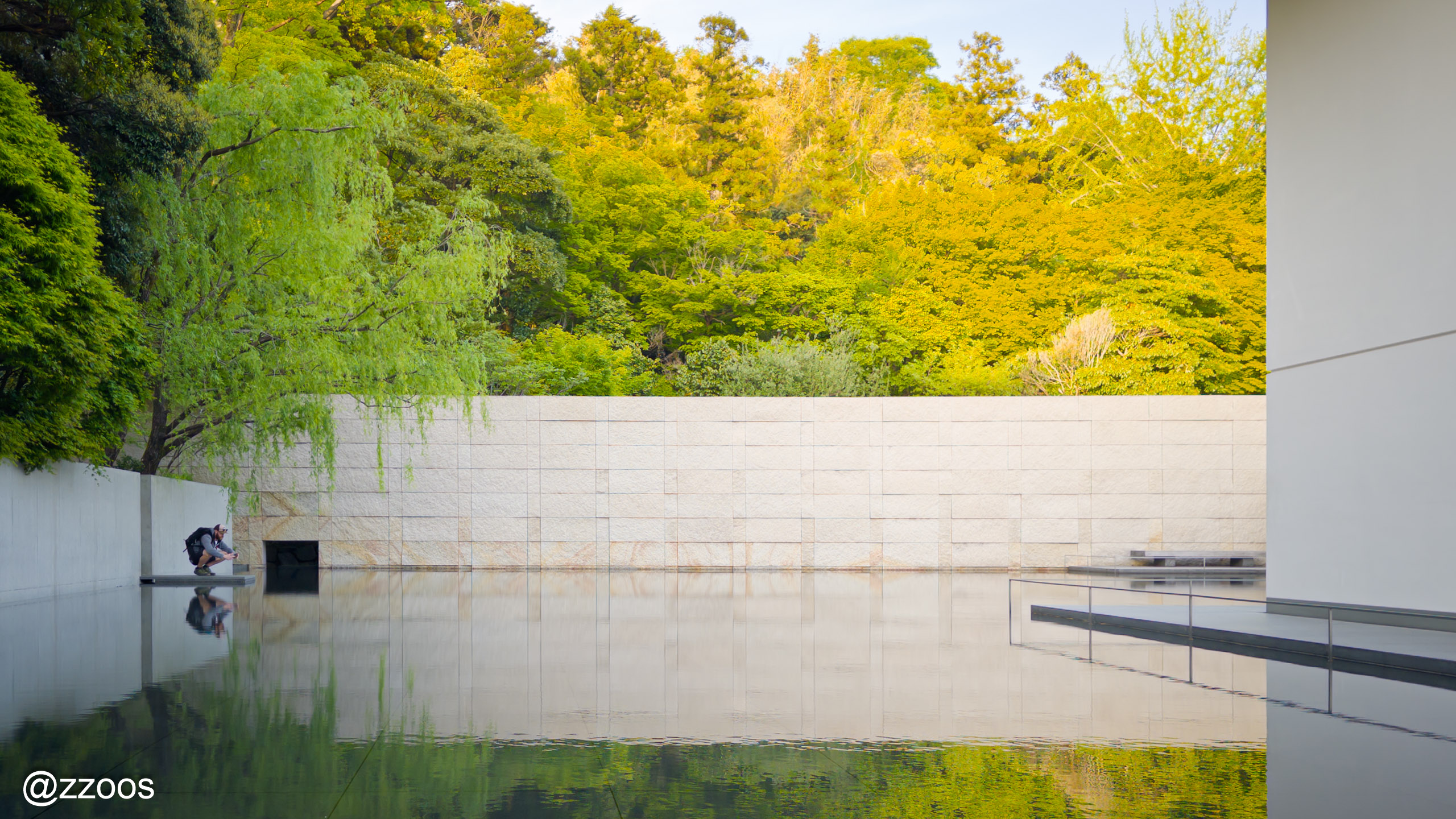
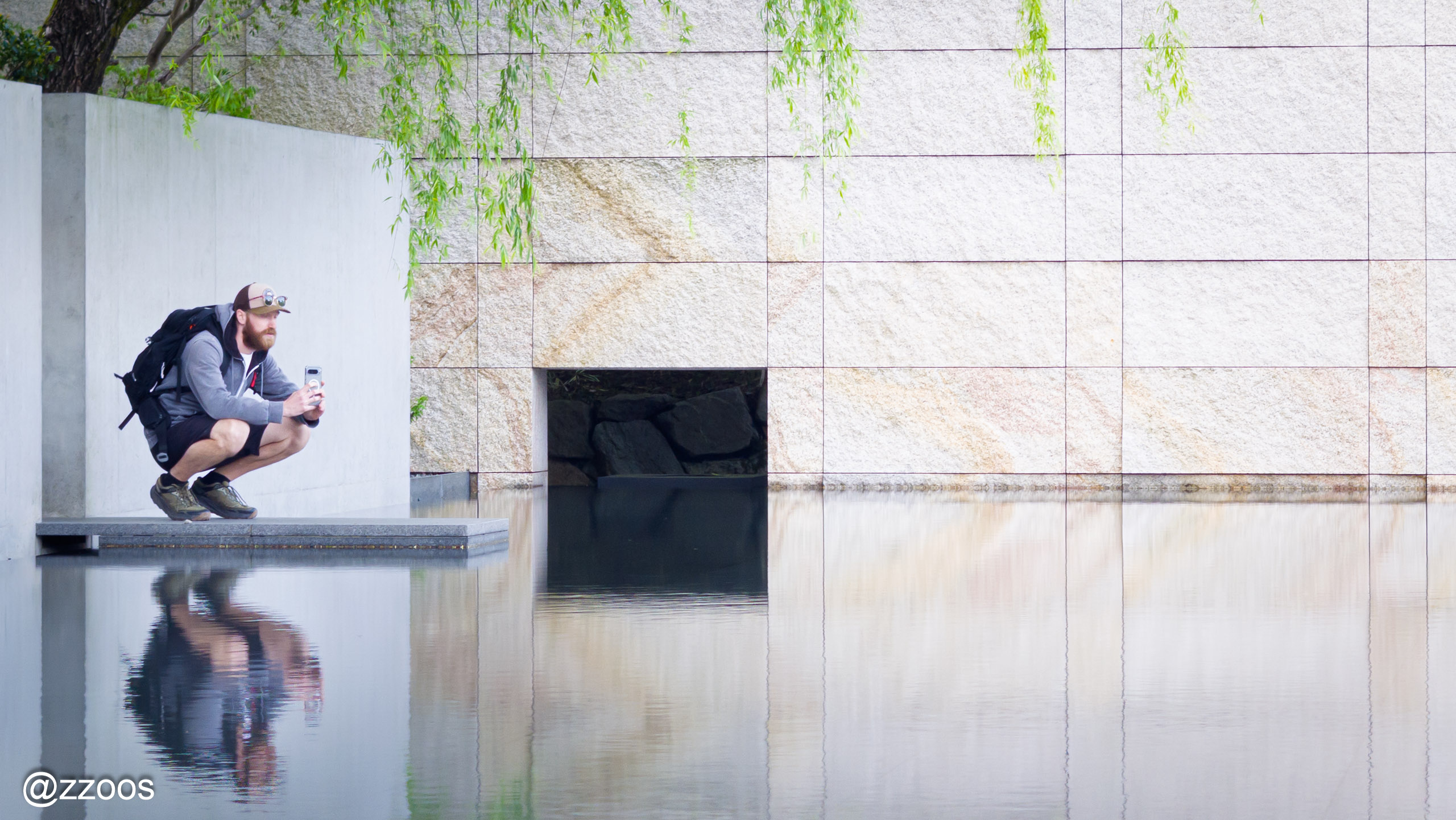
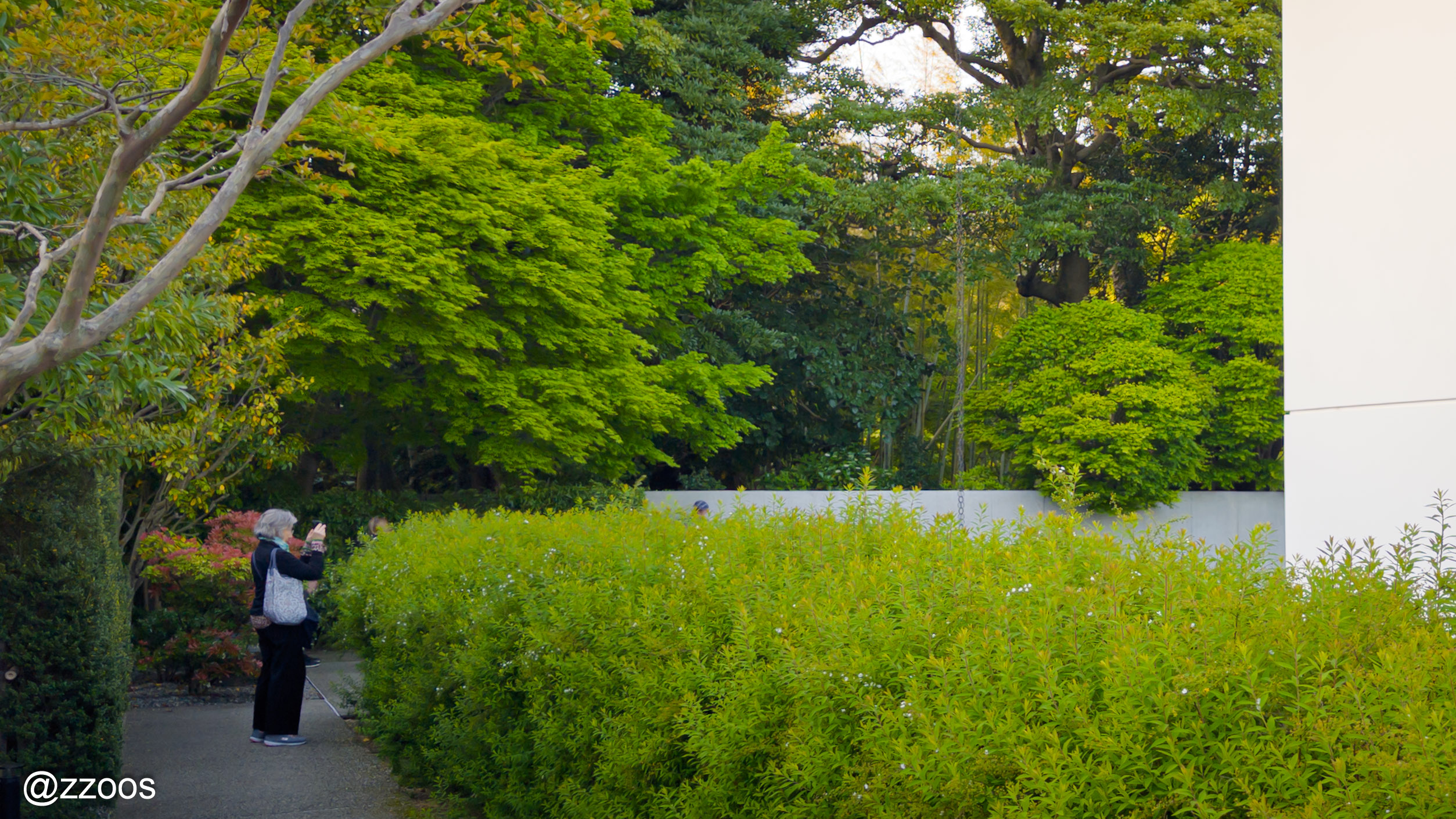
This building is full of restrained beauty.
The water on the ground is not a garden in itself, but it draws in the surrounding landscape and makes it entirely its own — naturally reflecting the changes of season and weather.
I couldn’t enter the Sisaku Kuukan (思索空間, the Contemplative Space) at the center of the garden, but I have no doubt that the interior is designed with no decoration at all — purely absorbing the outside world, inviting a search within oneself and contemplation of the boundary between self and surroundings.
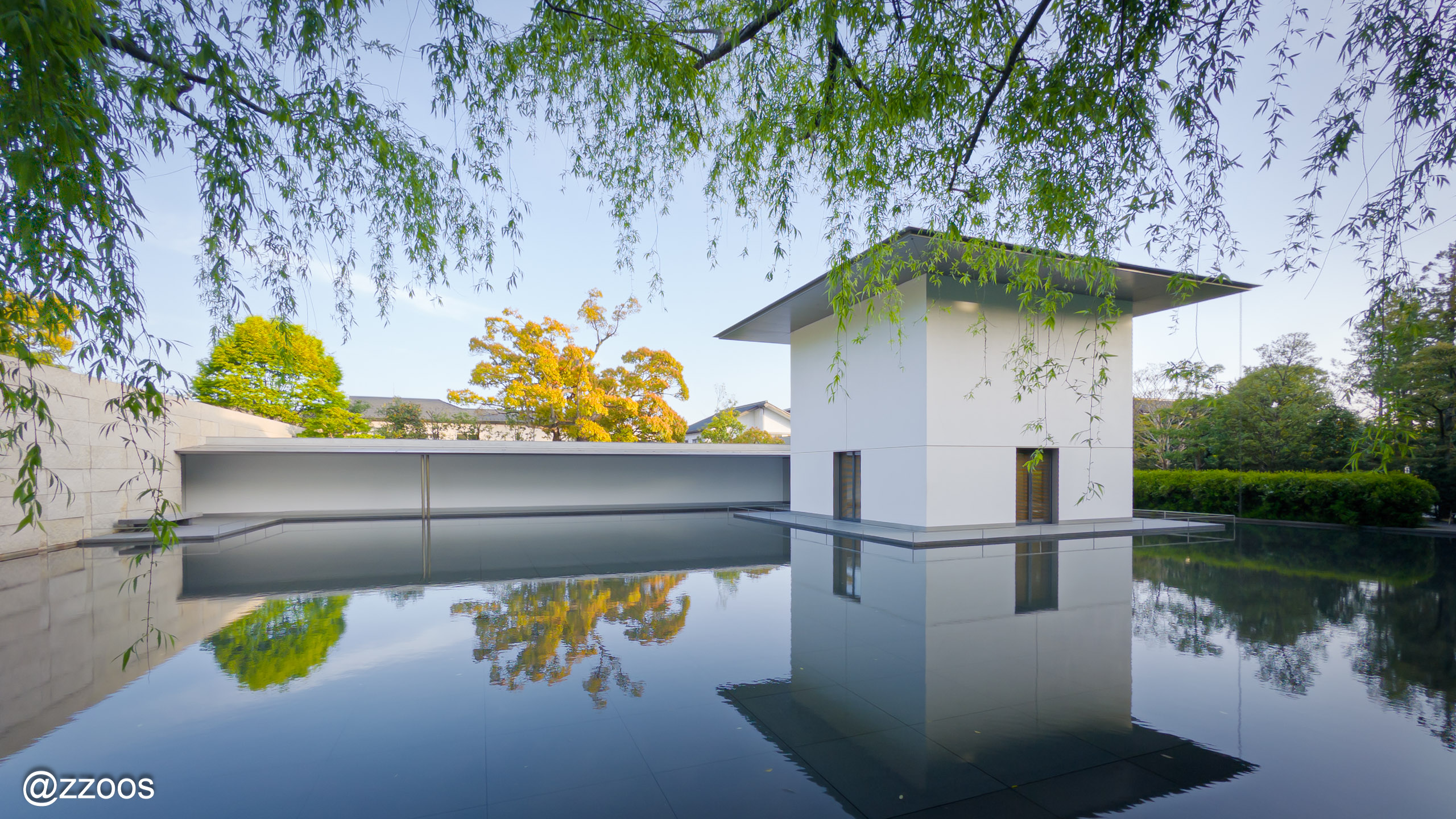
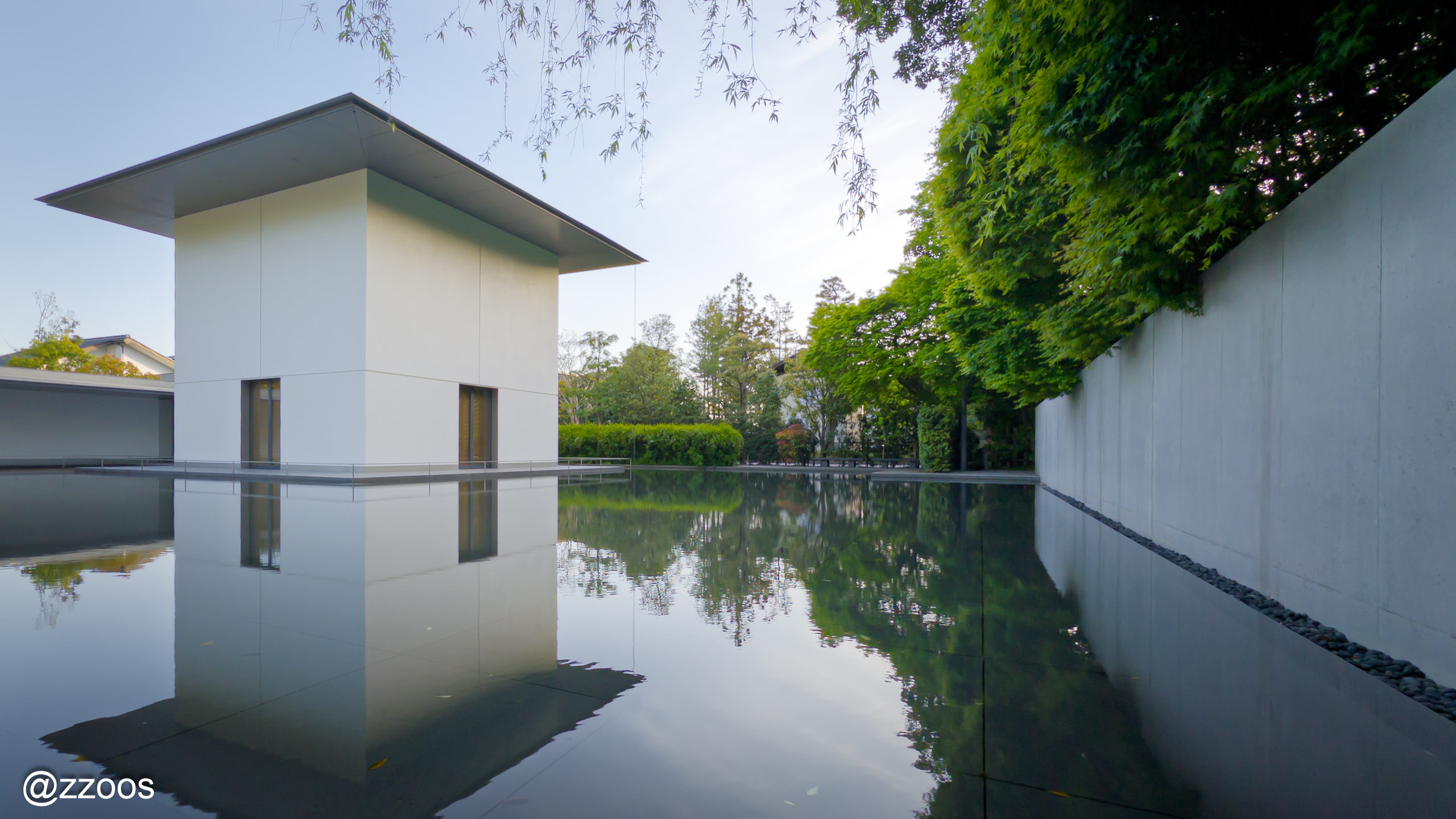
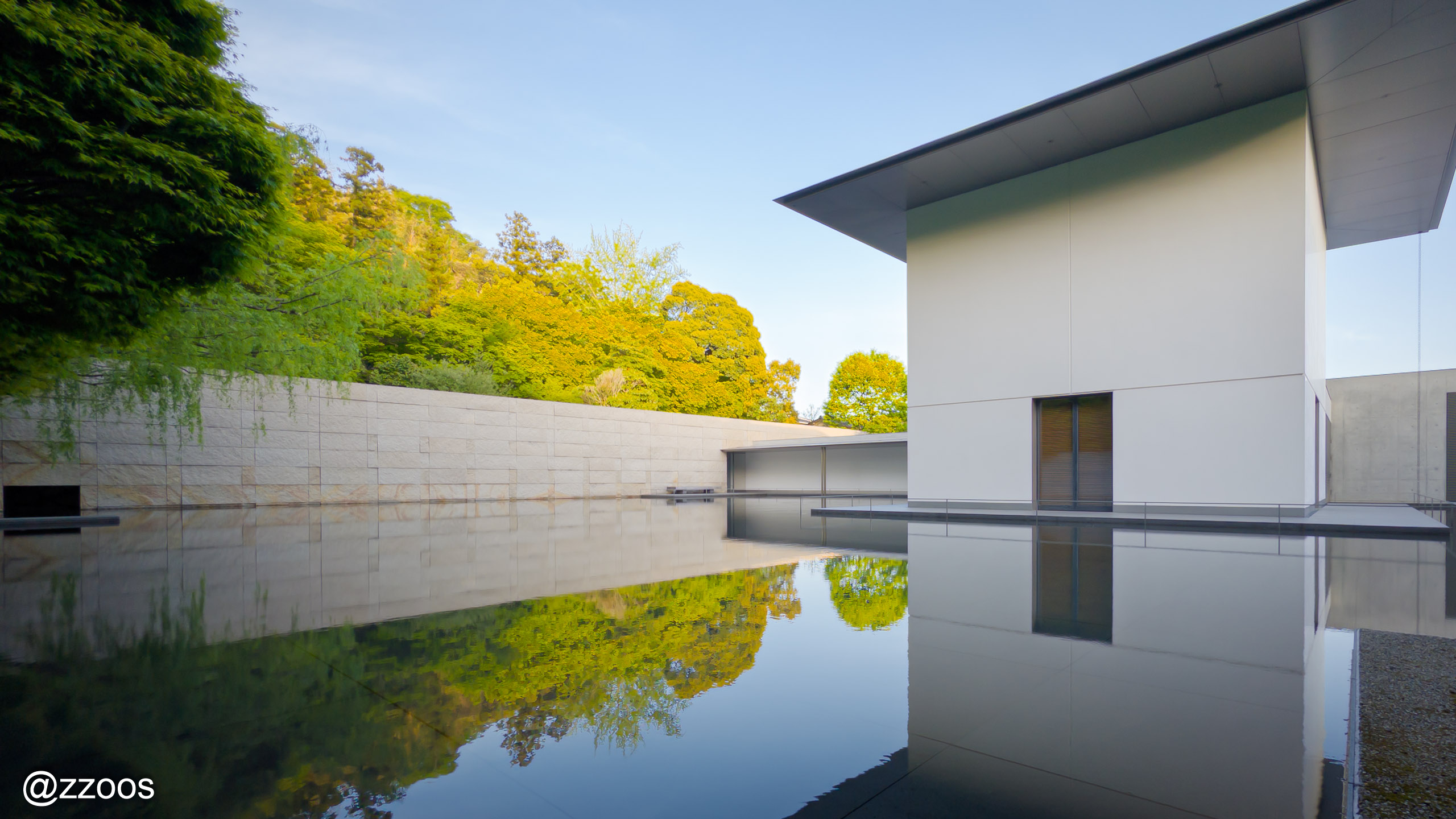
This extreme degree of refinement and restraint shows up throughout the building.
The detail at the joints where materials meet, the grout lines of the tiled walls, even the handrail along the floor — none of it announces itself. Each element conceals itself as much as possible, performing its function with the minimum necessary presence.
Though maybe it’s better not to focus too much on the design details and technical execution.
Just looking at it is enough to understand what ‘restrained beauty’ means.
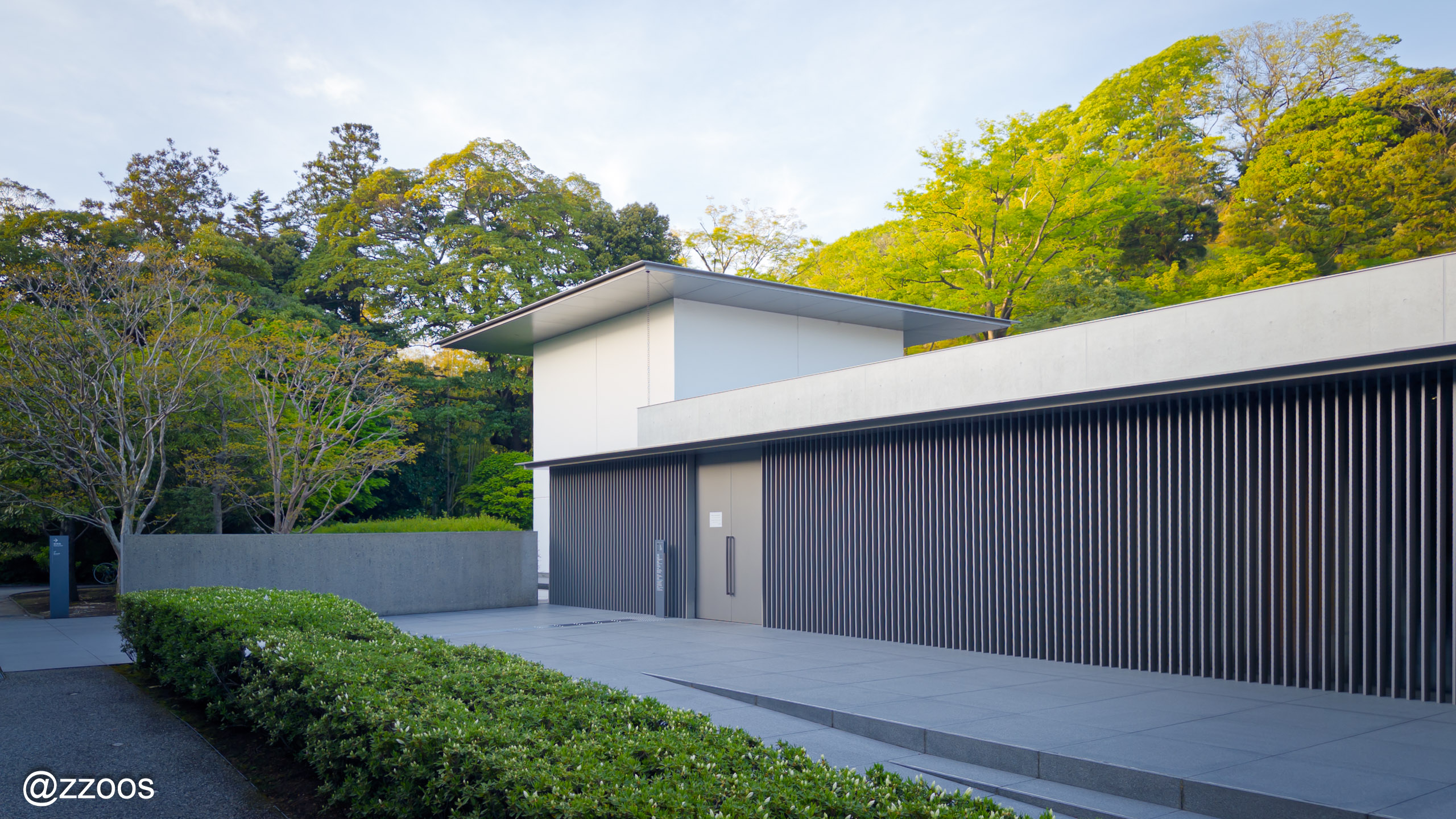
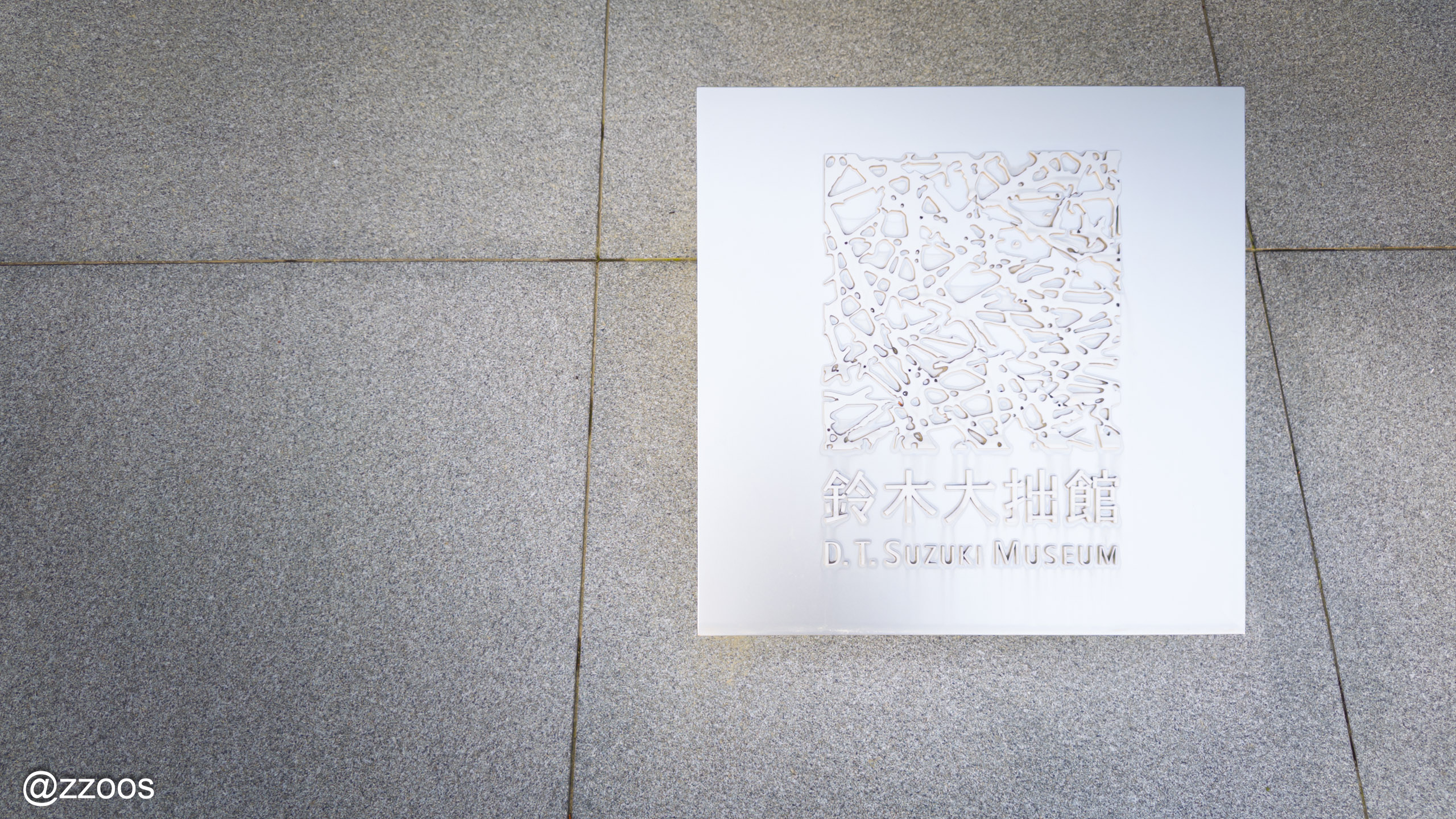
A museum where the philosophy spread by a Kanazawa-born Buddhist scholar has been reinterpreted in space by a Kanazawa-born architect.
Or even without knowing any of that — a place more than worth visiting just to get one great shot.
That’s what the D.T. Suzuki Museum is.
Today’s route started at Ishikawa Shiko Memorial Park. I stopped at the 21st Century Museum of Contemporary Art to see the exhibitions, then walked along Hyakumangoku-dori to visit Ishiura Shrine and Kanazawa Shrine.
From there I crossed the street, took in the Prefectural Museum of Art, the Museum of Traditional Crafts, and the Prefectural History Museum at Honda-no-Mori Park, and then walked along the Bijutsu no Komichi and Midori no Komichi to reach the D.T. Suzuki Museum.
This route, I’d say without hesitation, is the most essential walk in Kanazawa.
Of course, the walk around Kanazawa Castle and Kenrokuen wasn’t bad either. But personally, today’s route was far better. Quiet, unhurried, urban yet full of tradition. Kanazawa, for me, will be remembered through this route.
Ah — daytime Kanazawa, that is. At night, it’s all about Katamachi.
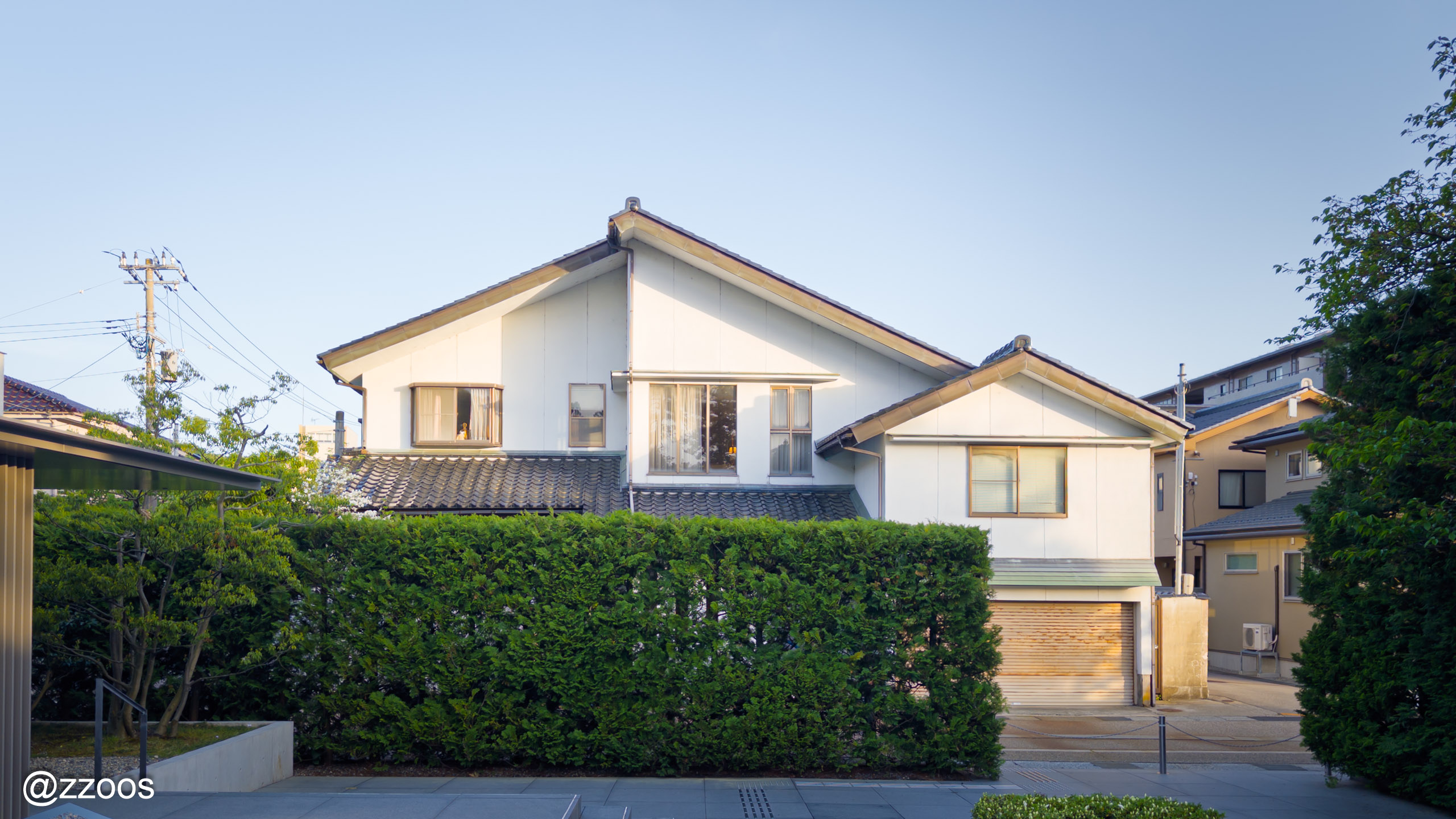
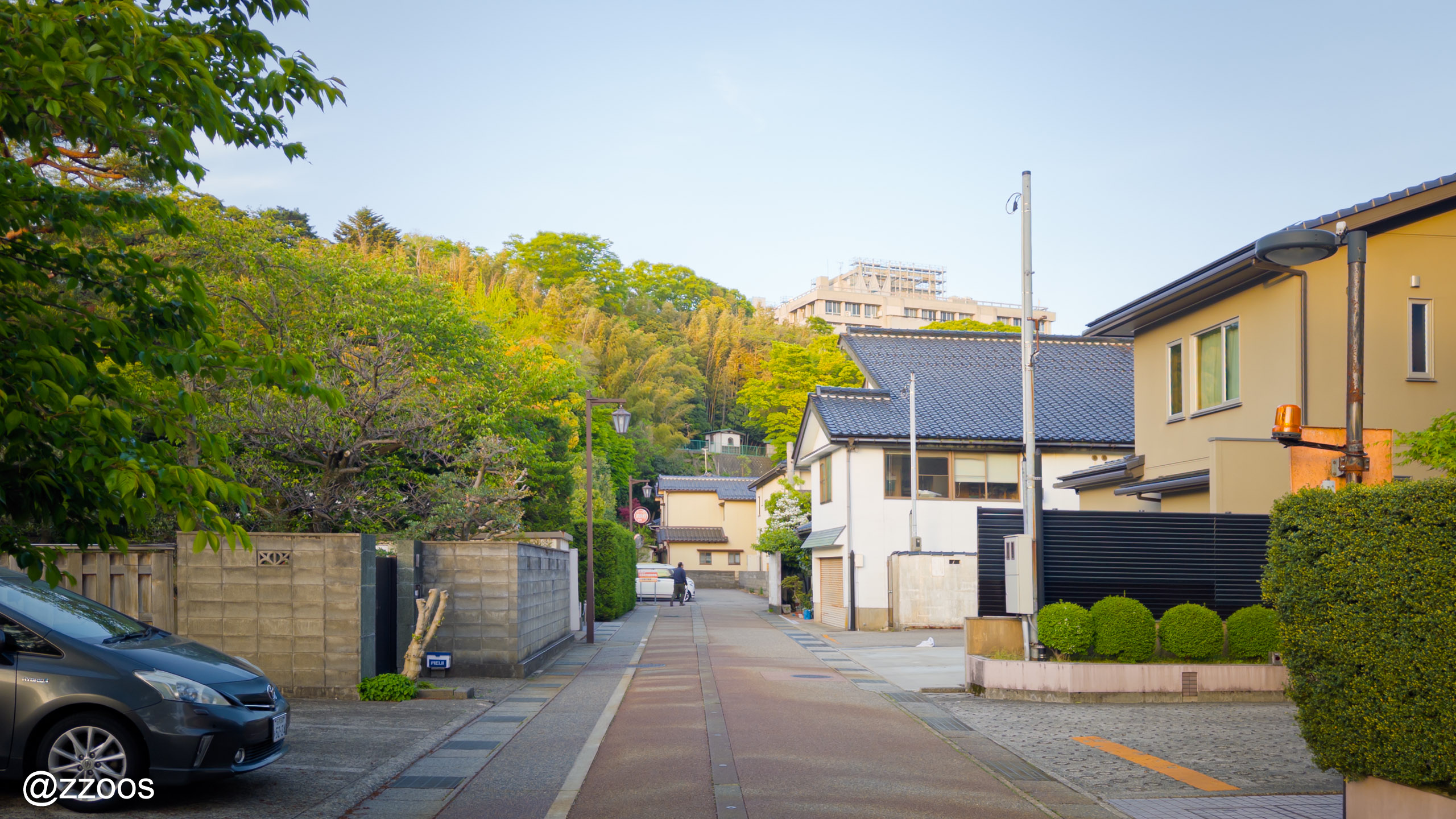
The sun is starting to set. My feet are heading back to the ‘nighttime Kanazawa’ — Katamachi.
What kind of night is waiting tonight… well, I shouldn’t expect too much. The plan is just a simple dinner and back to the hotel. Because tomorrow is the most important day of this trip. I need to save my energy.
Alright then — off to the main street, for dinner.