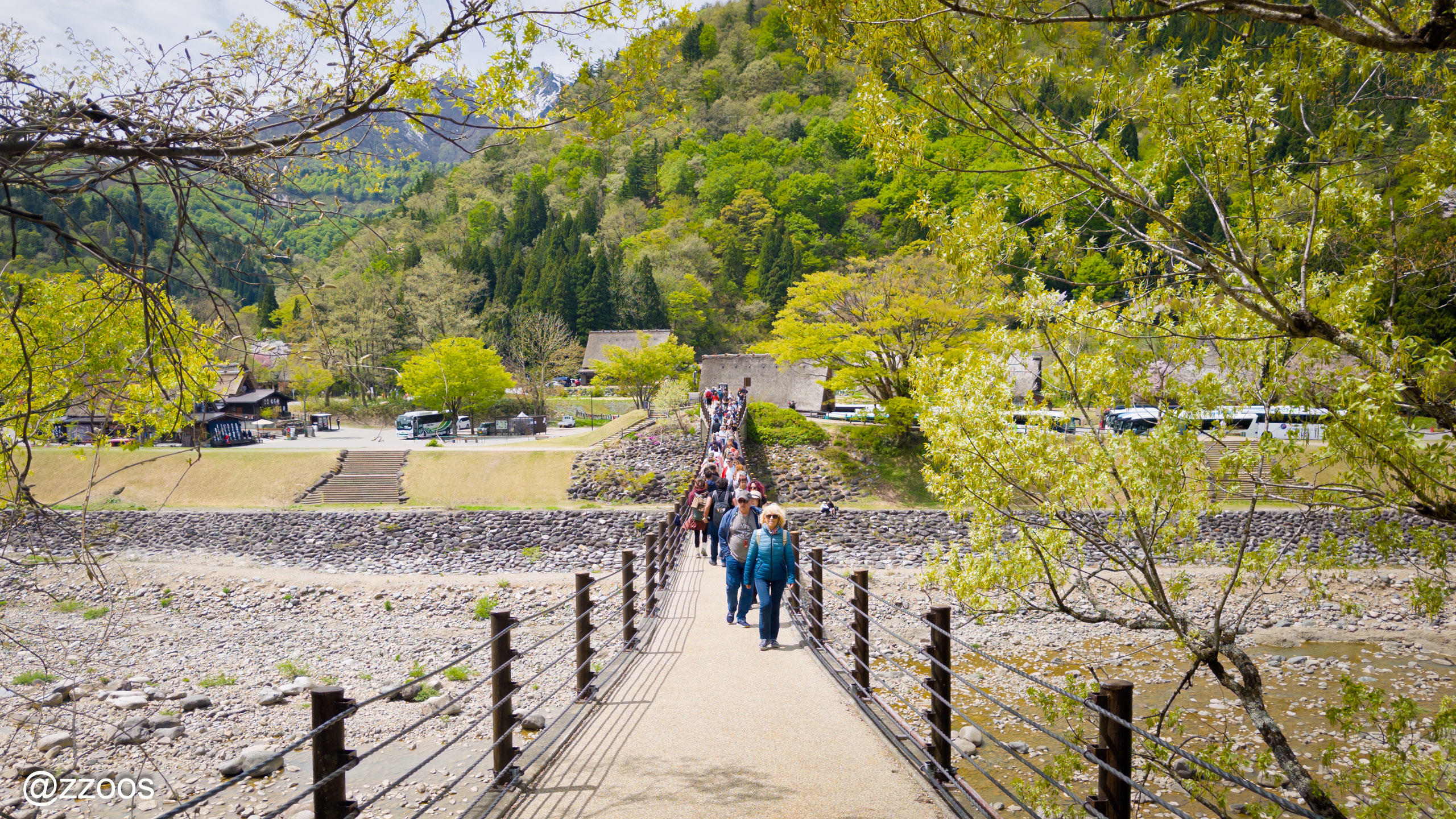
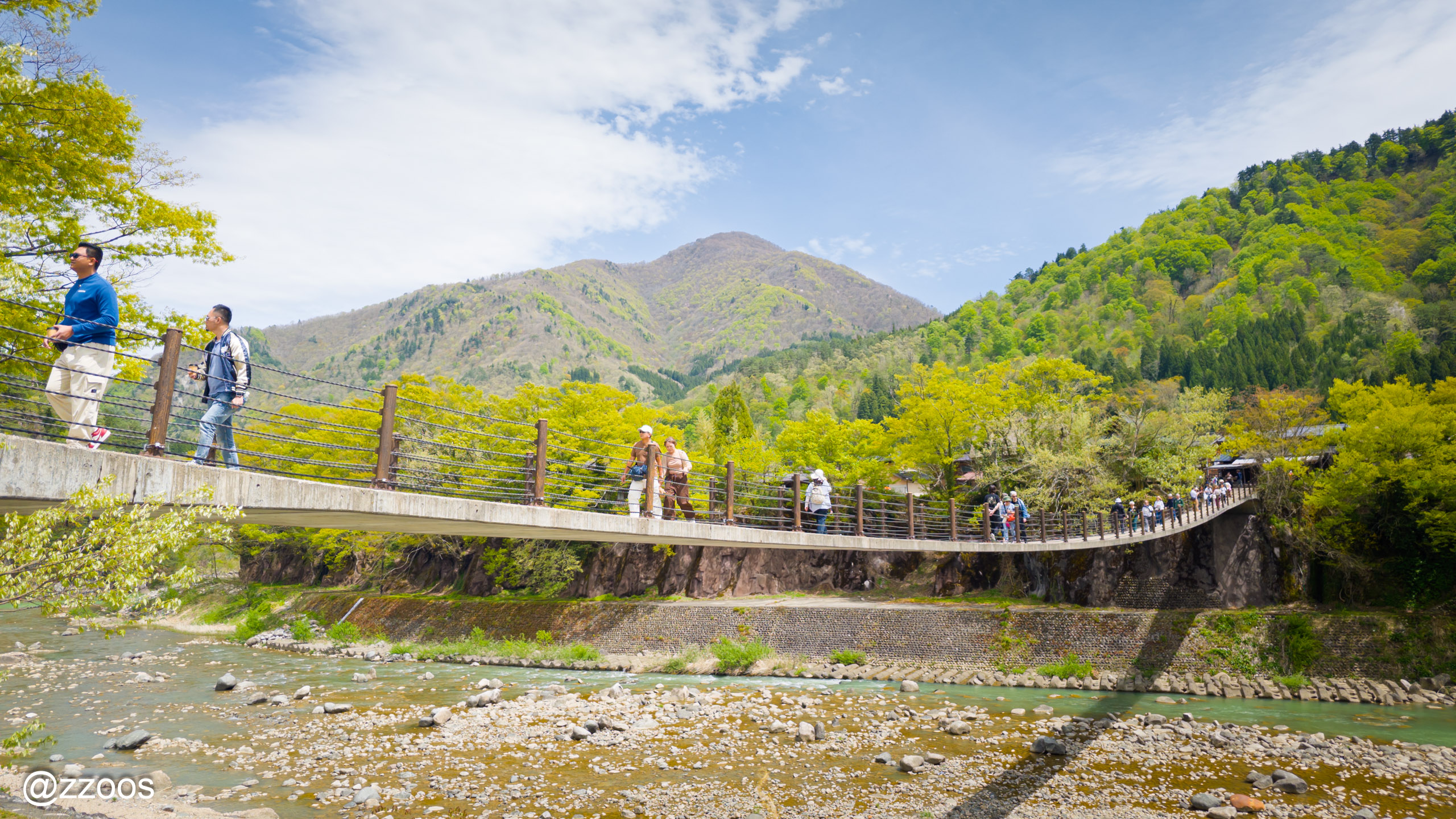
If you head south from the Shirakawa-go bus terminal, following the main road all the way down, you’ll see Deai Bridge (であい橋) next to Ogimachi Akiba Shrine (荻町秋葉神社).
If you came with a tour group on a sightseeing bus, the parking lot is on the far side of the bridge, so you’d have crossed this bridge first.
The Sho River (庄川) that runs through Shirakawa-go is fairly wide, so the bridge is pretty long too. And it’s a suspension bridge, so you have to be careful crossing it. With so many tourists around, some people stop in the middle to take photos, and it gets a little hectic.
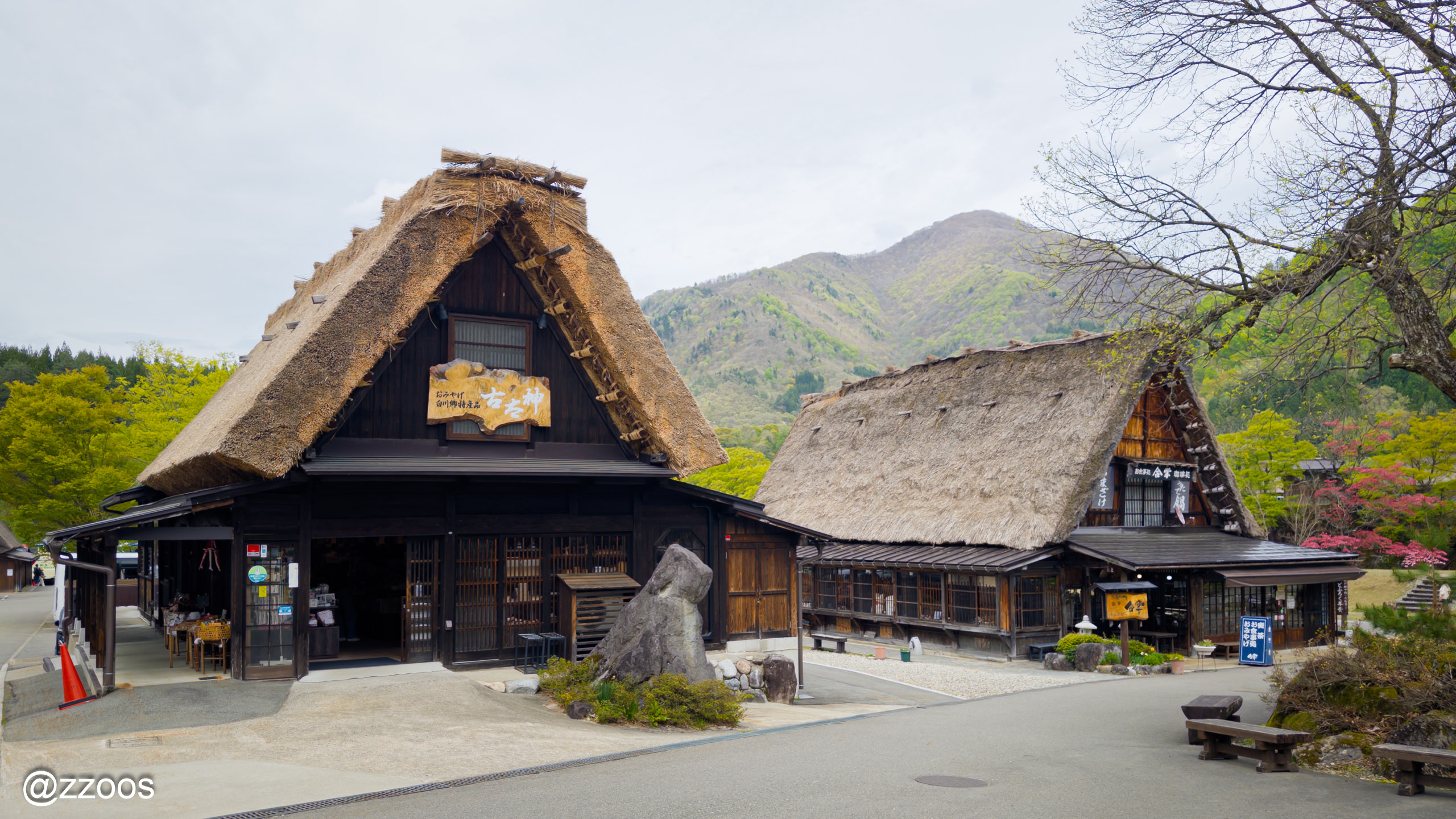
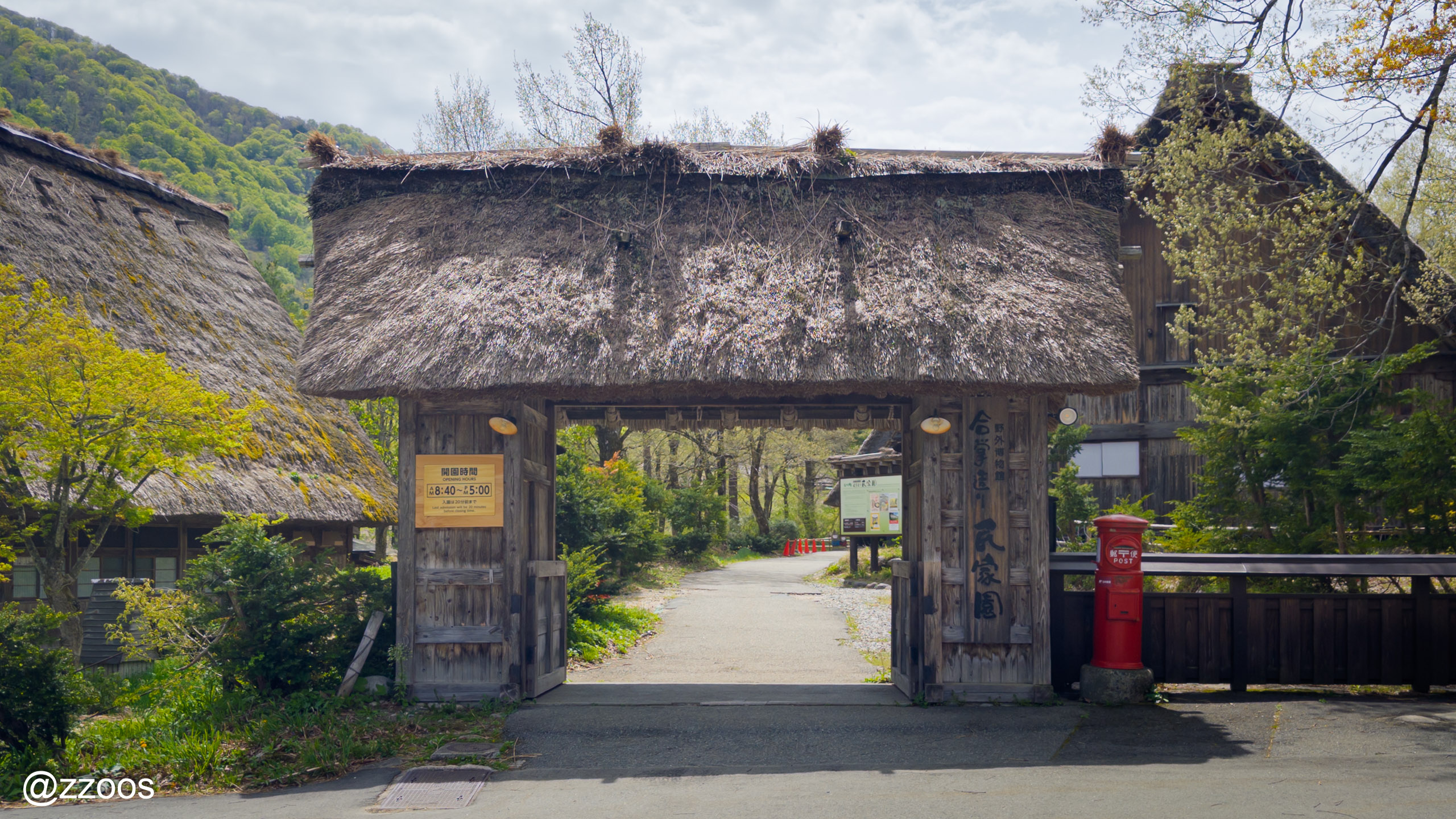
Once you cross the bridge from Shirakawa-go, you come to the bus parking lot and the souvenir shops. Go a bit further down from there and you’ll see the entrance to the Gassho-zukuri Minka-en (白川郷合掌造り民家園).
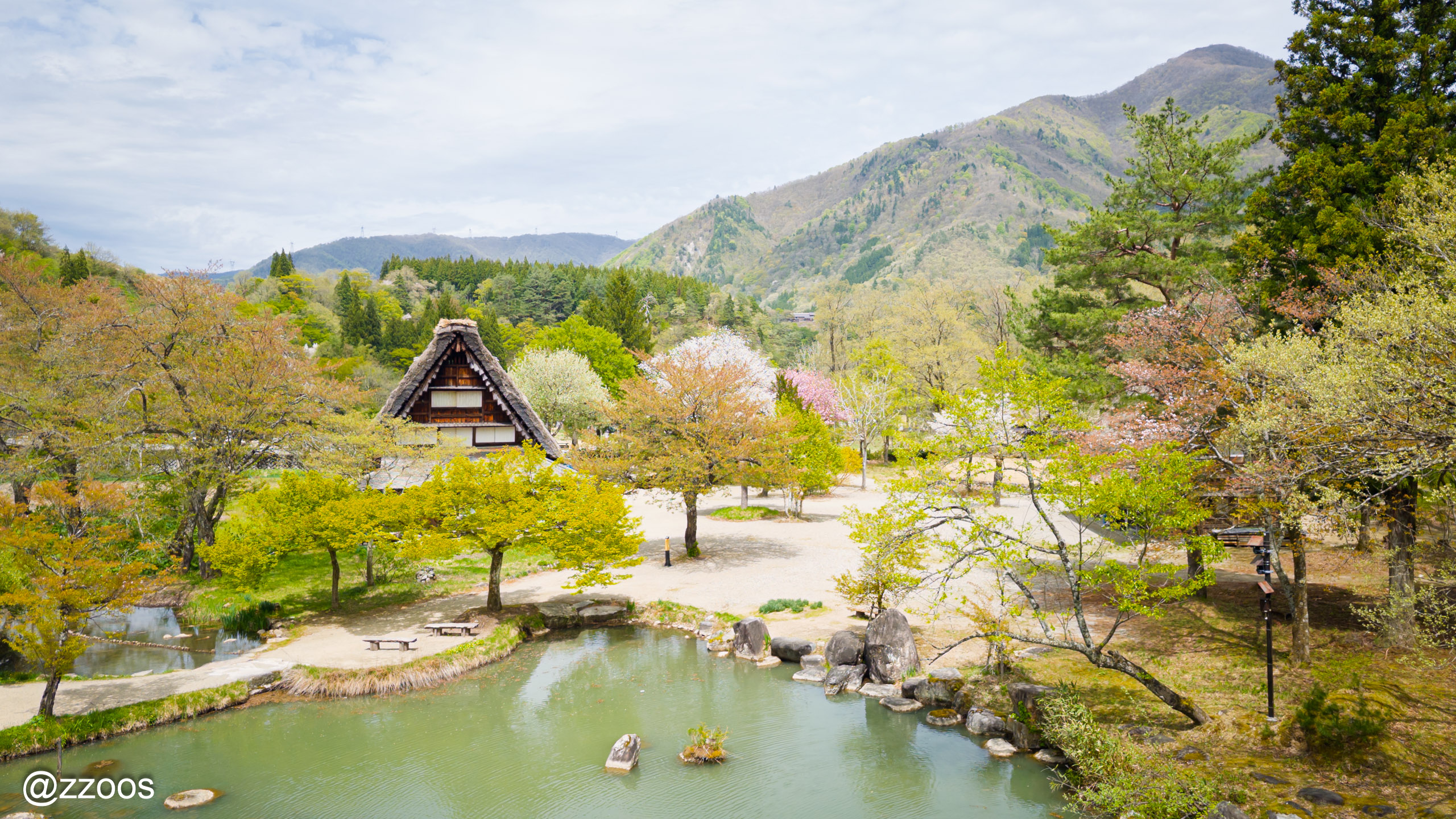
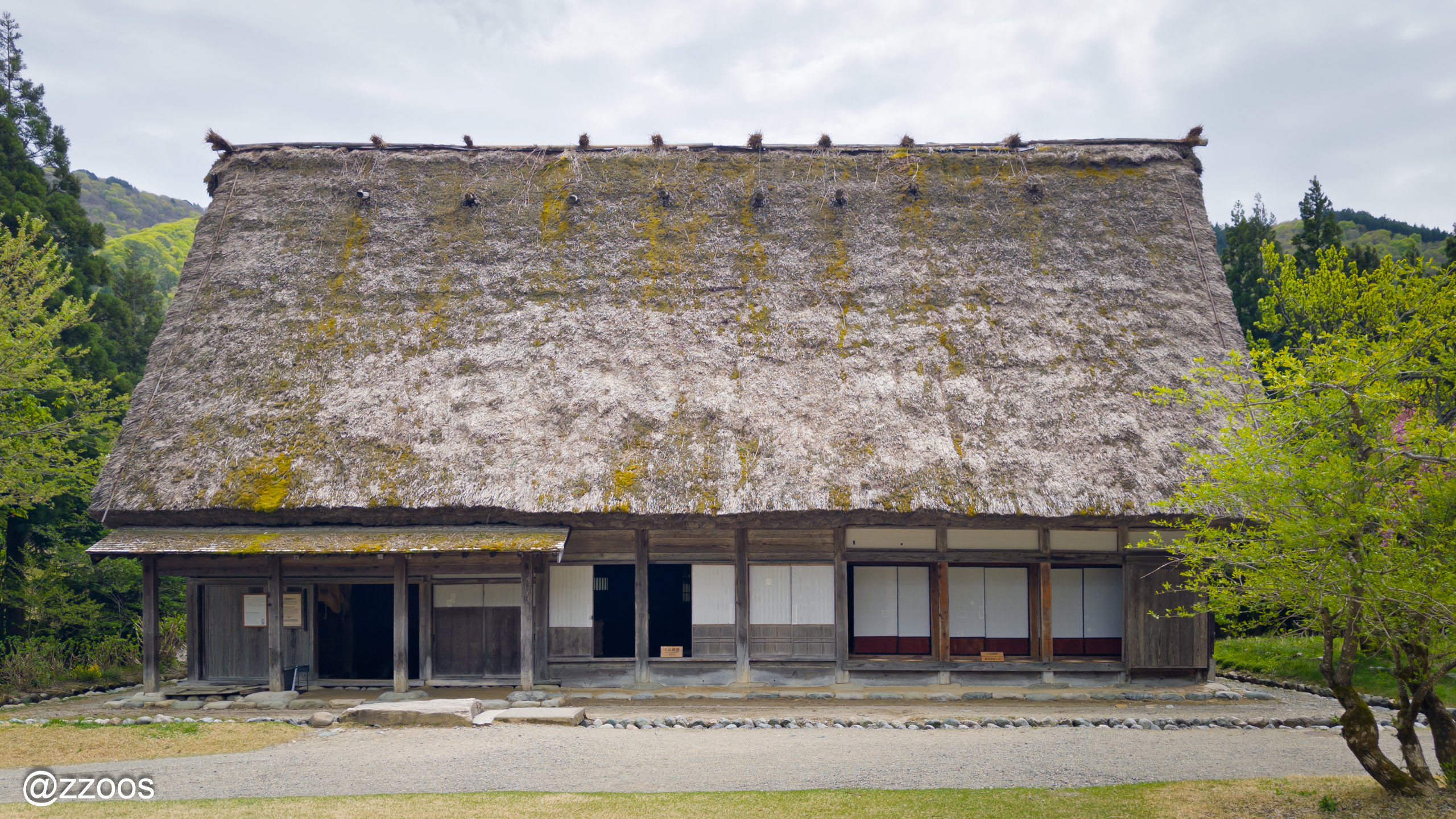
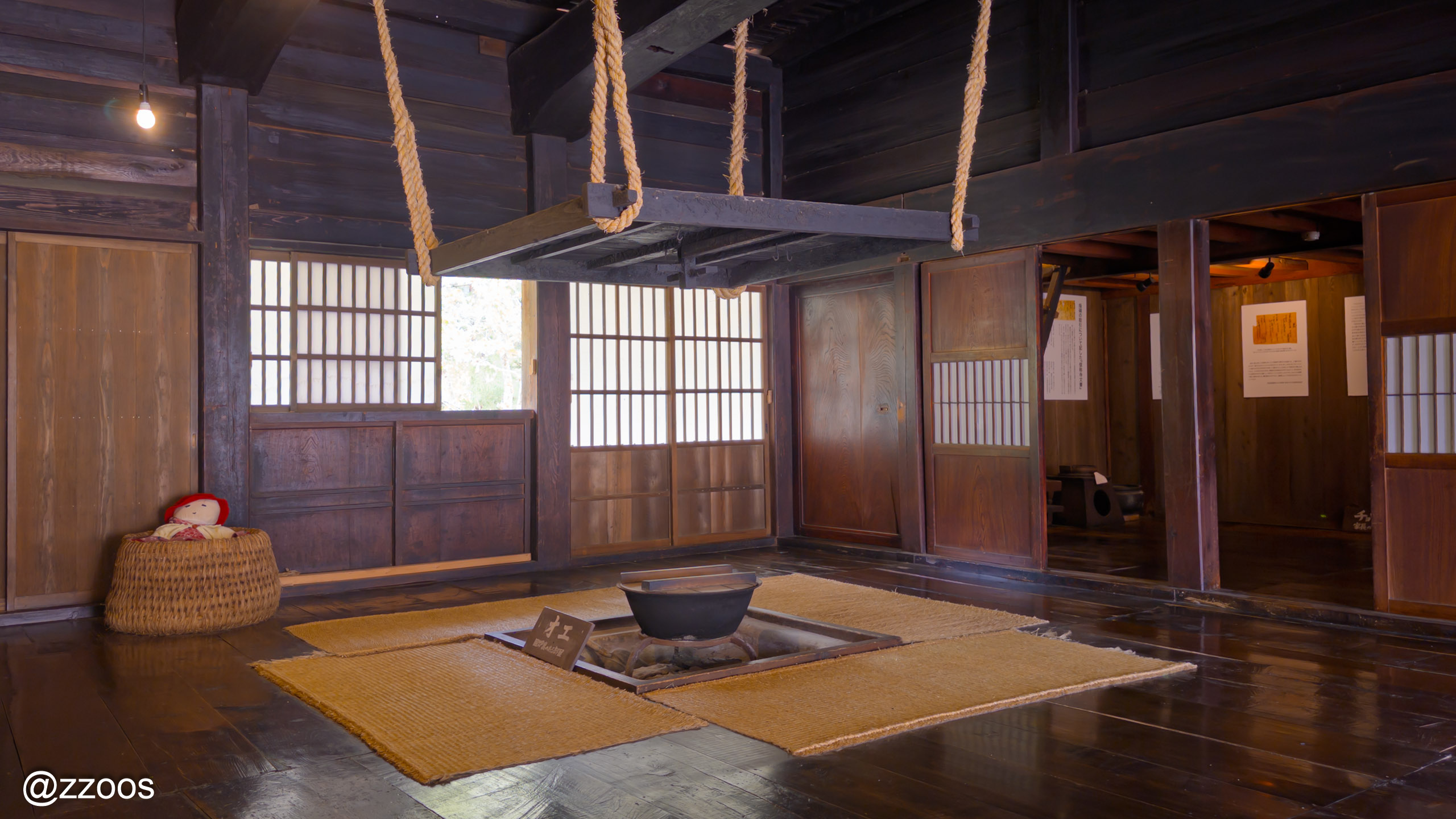
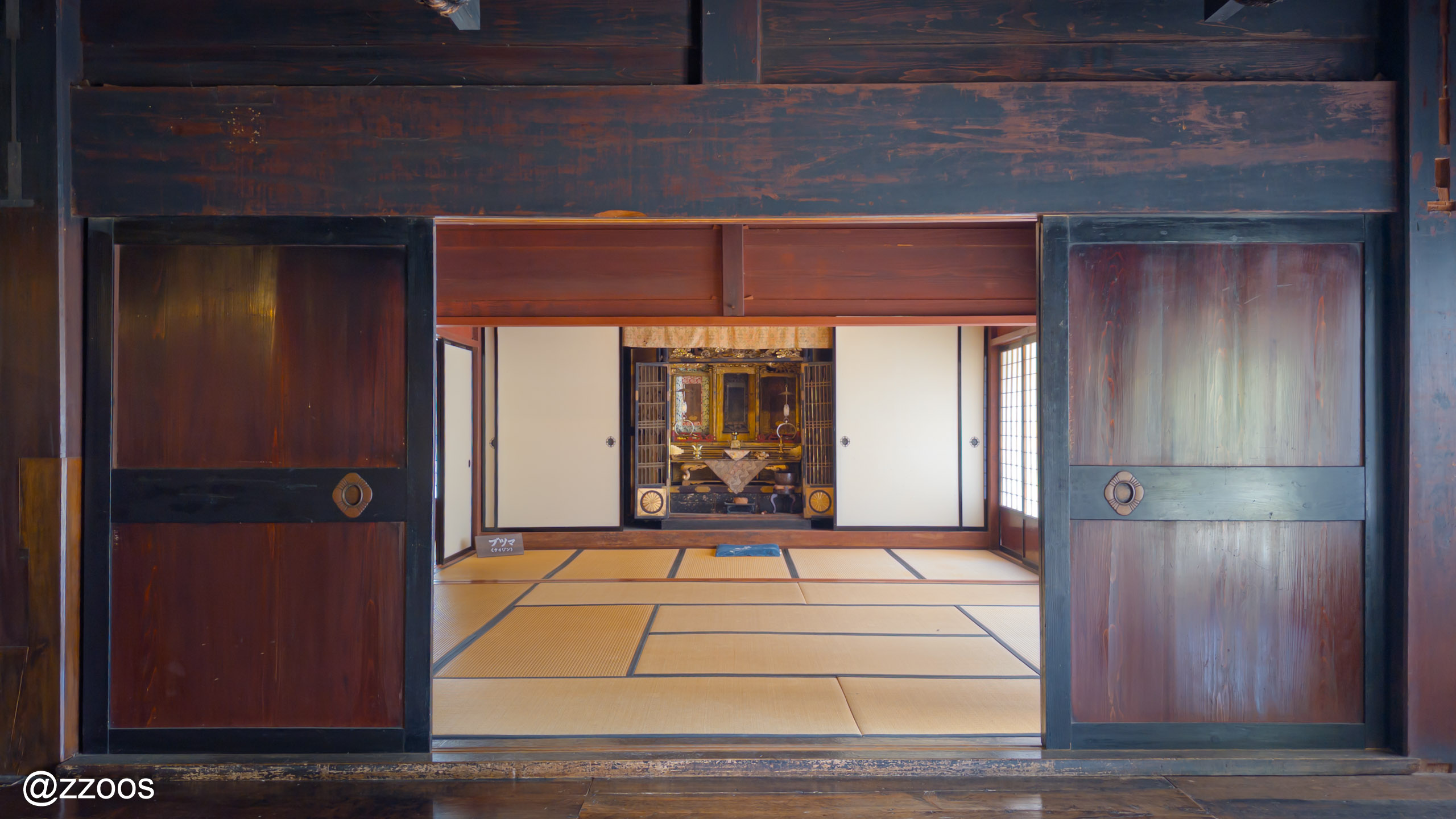
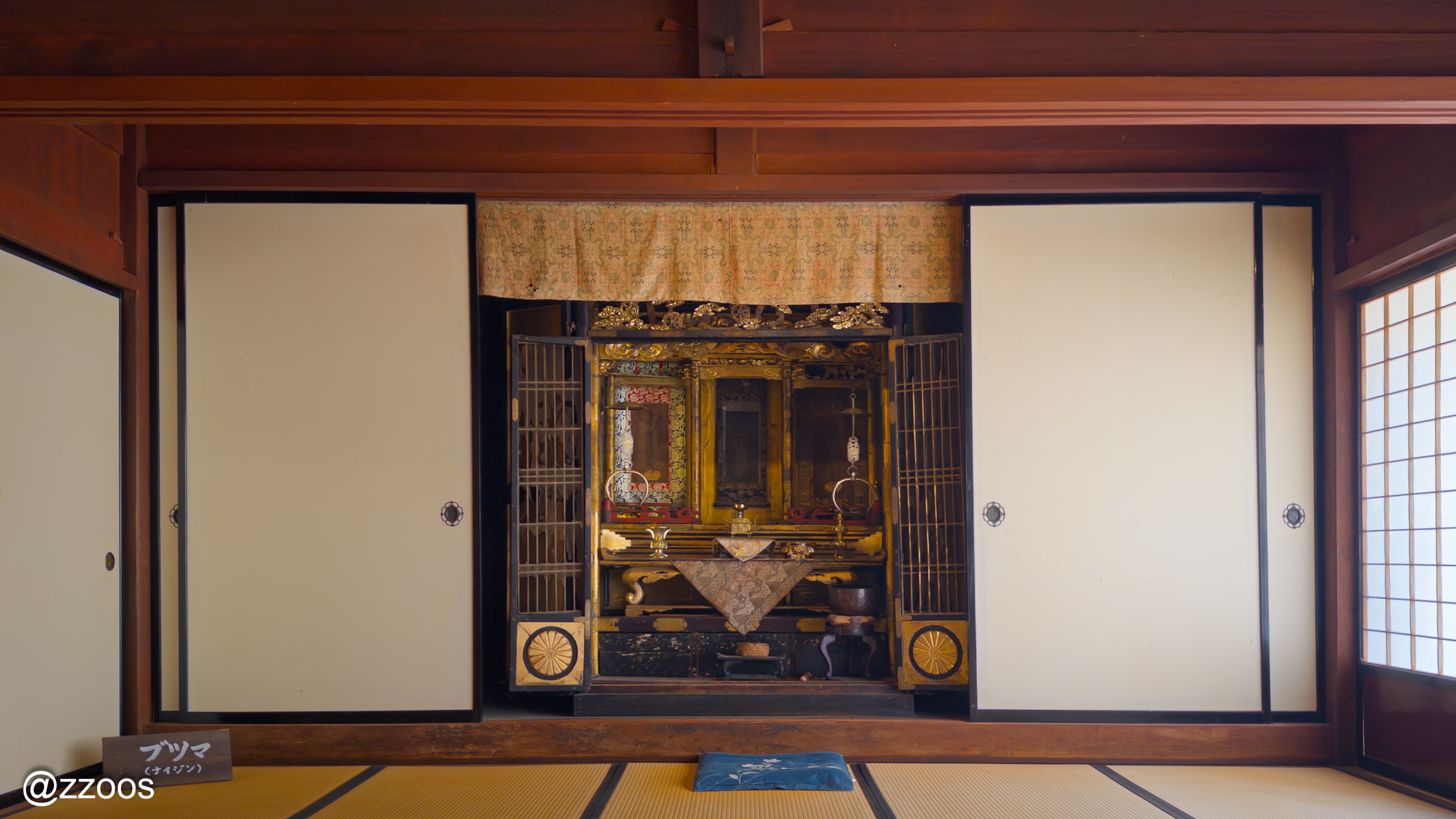
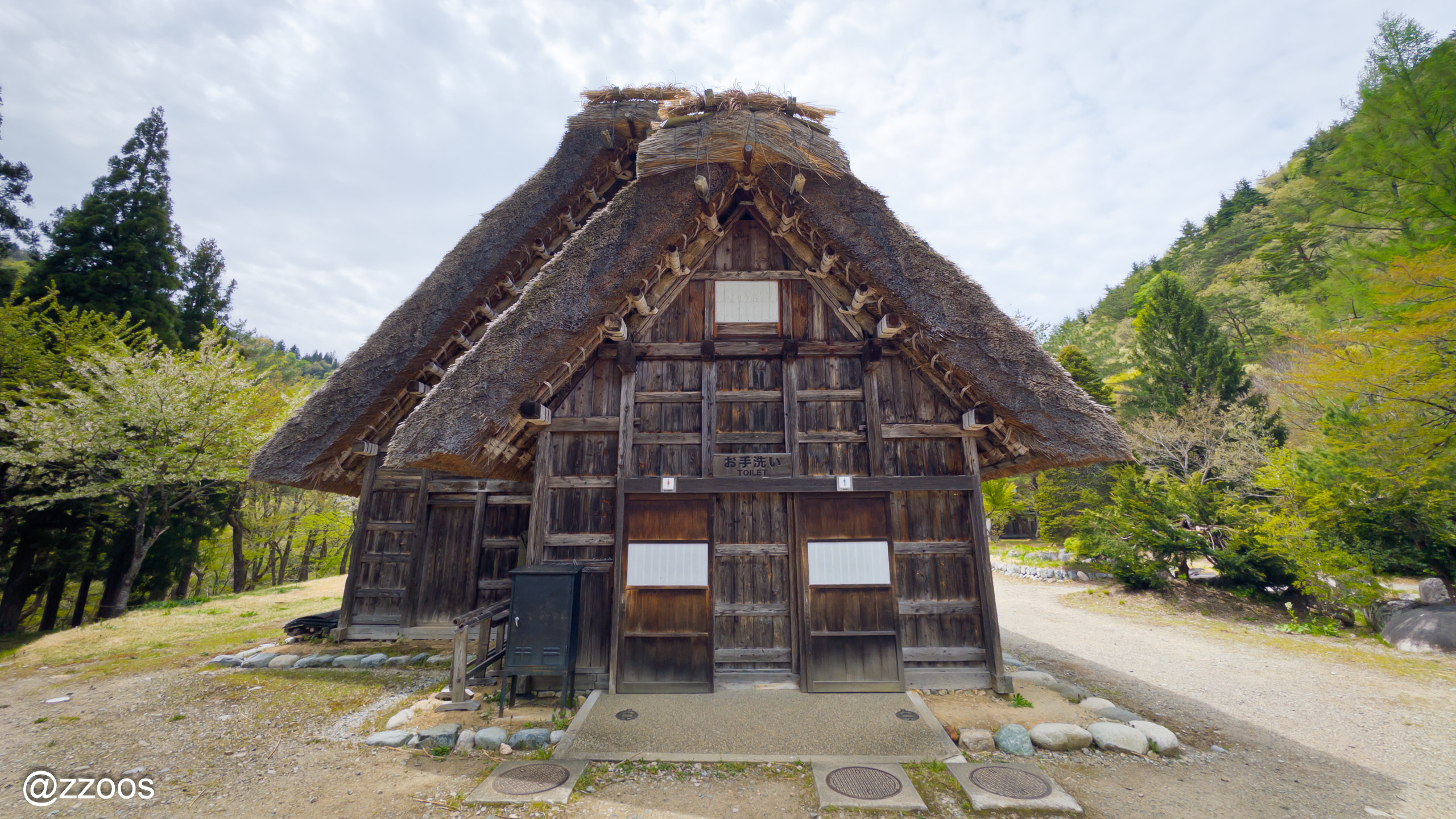
To put it simply, this place is an open-air museum.
When gassho-zukuri houses become too difficult to maintain, or can no longer be kept where they originally stood because of construction work and the like, they’re brought here to be preserved and shown to visitors, so that the houses and the culture survive.
So none of the houses inside were originally here. On the Minka-en’s website, you can even see the original addresses of the buildings they look after here.
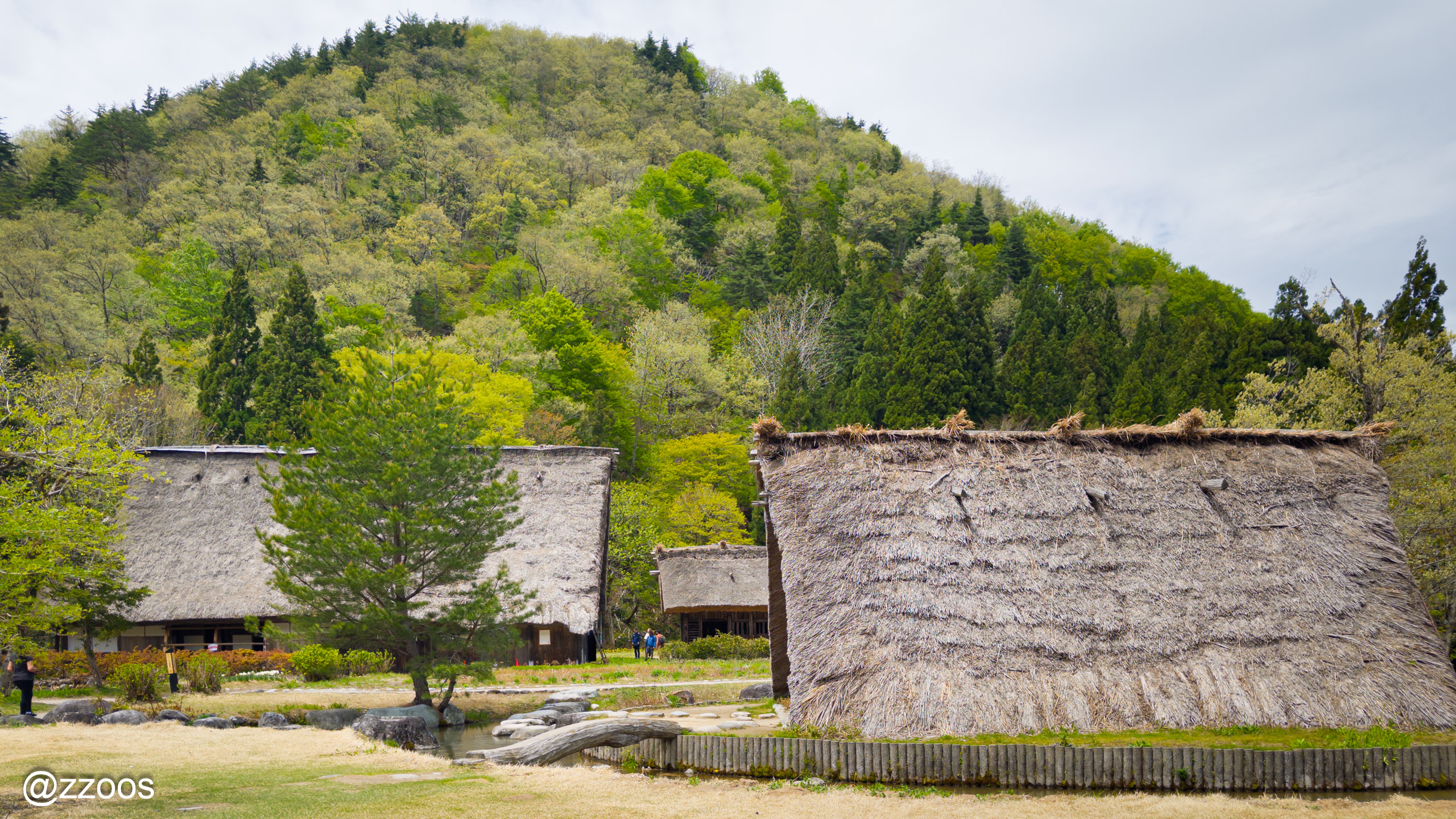
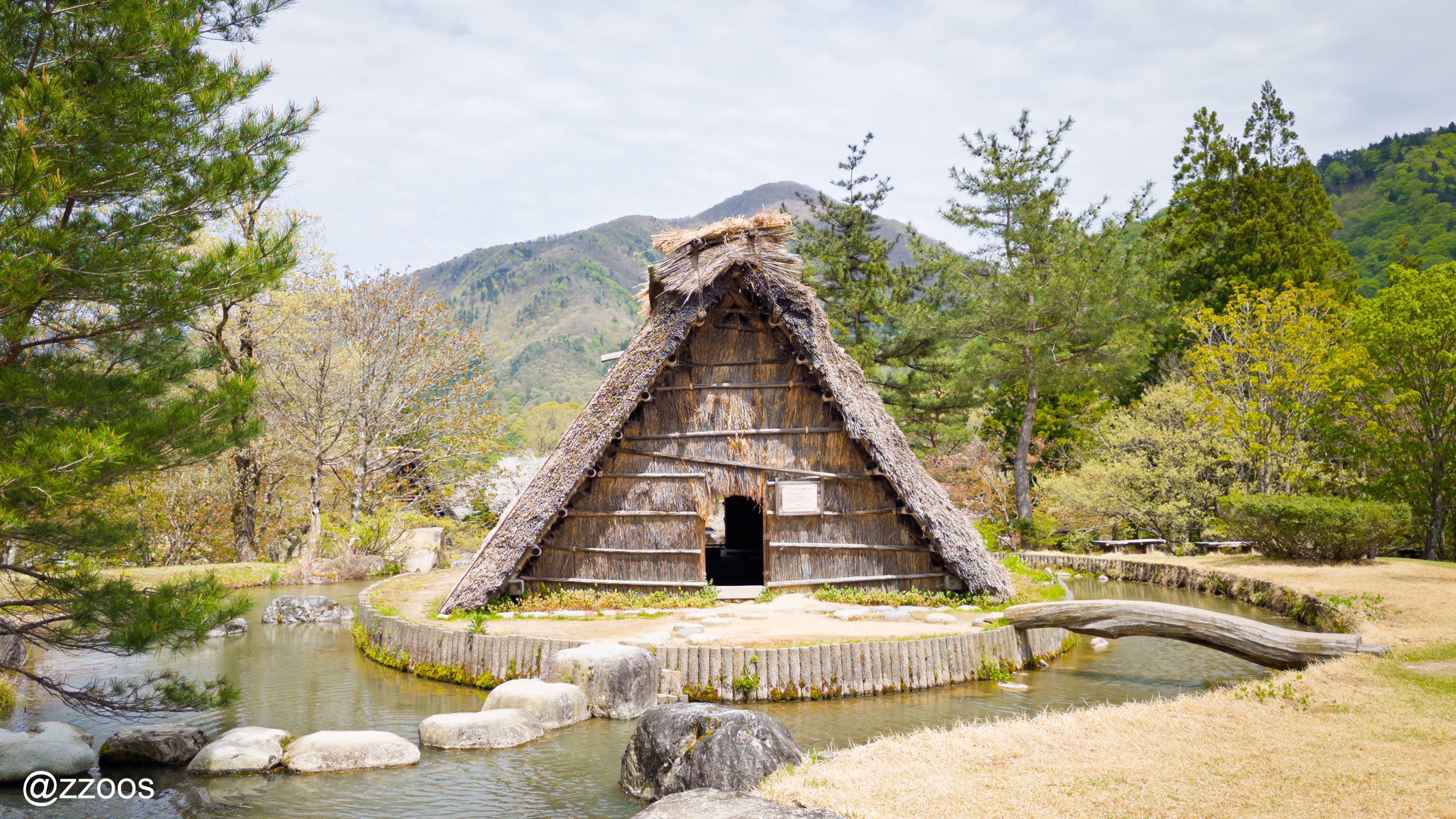
Honestly, I had so much time left before my bus back that I was able to look around even here. If you keep your schedule a little tight, you might head home without getting to see this place.
But I think you really should make the time to see it if you can.
For one thing, there are very few visitors. So it’s a place you can look around quietly and at your own pace.
I mentioned Shirakawa-go is a popular tourist spot, right? So the streets of Shirakawa-go are crowded wherever you go. That kind of atmosphere is part of the fun of traveling too, of course, but—
here at the Minka-en, you can look around the gassho-zukuri houses and the scenery quietly, without the noise and crush of tourists.
I suppose that’s because it’s a place with an admission fee.
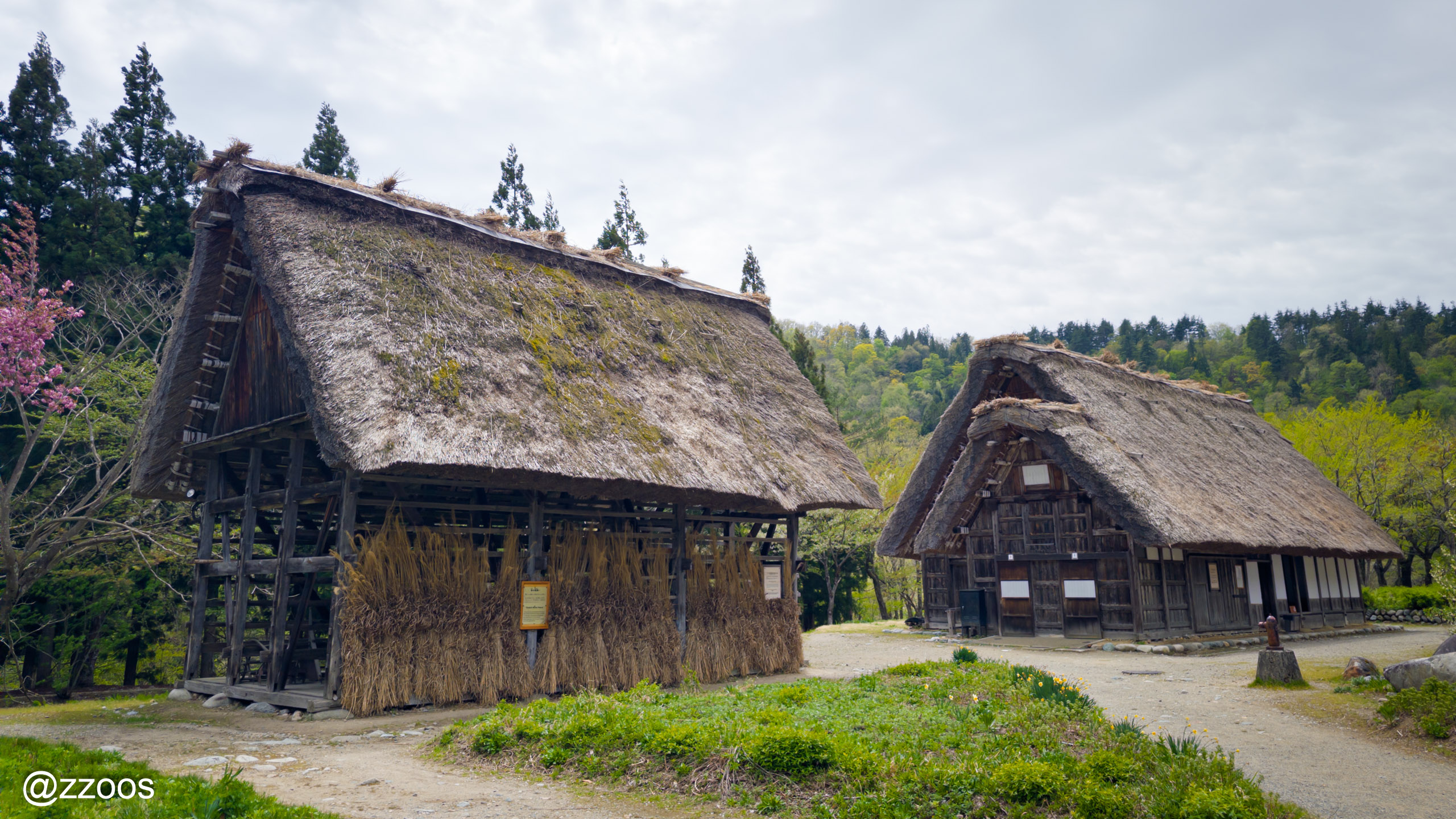
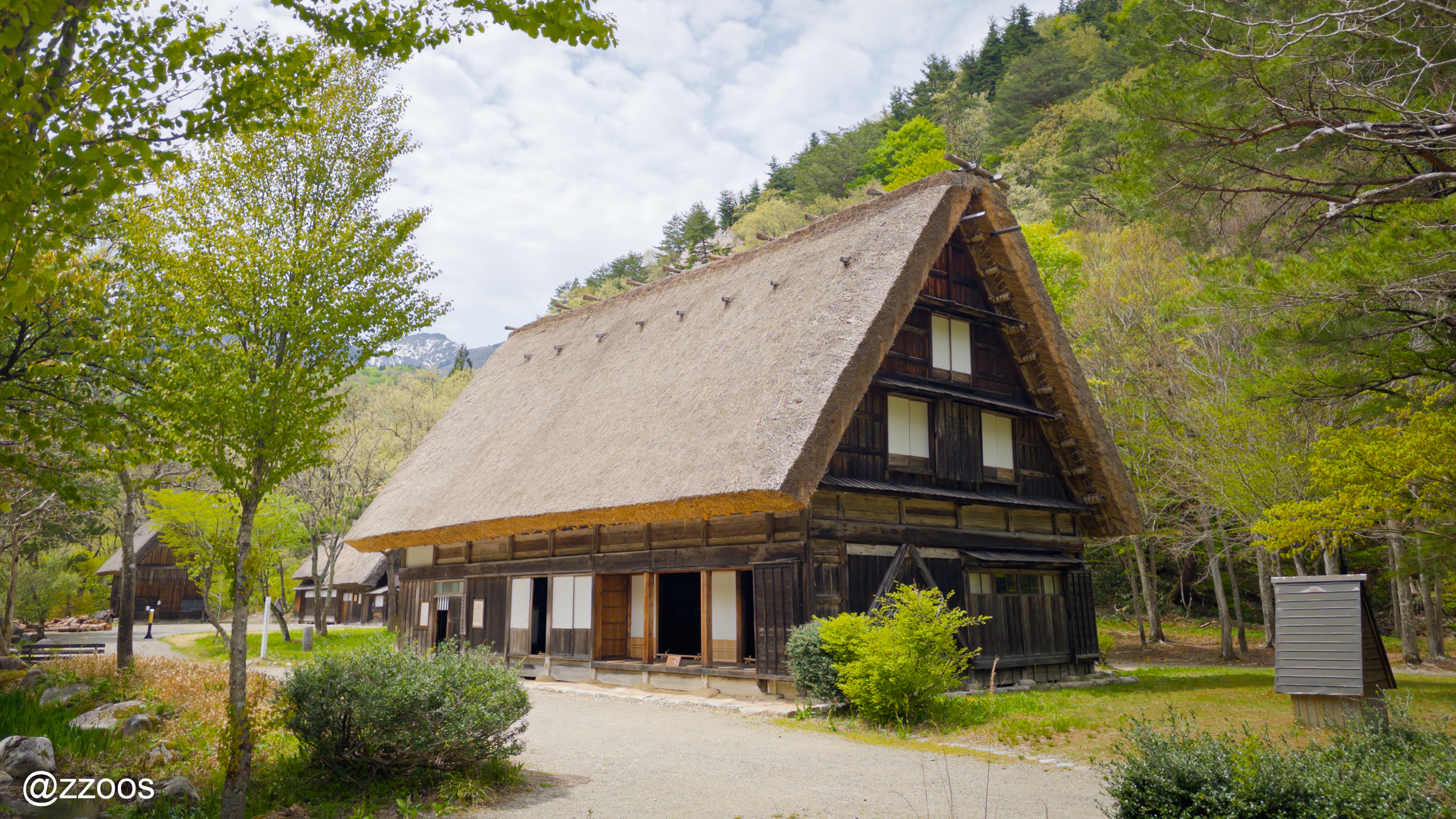
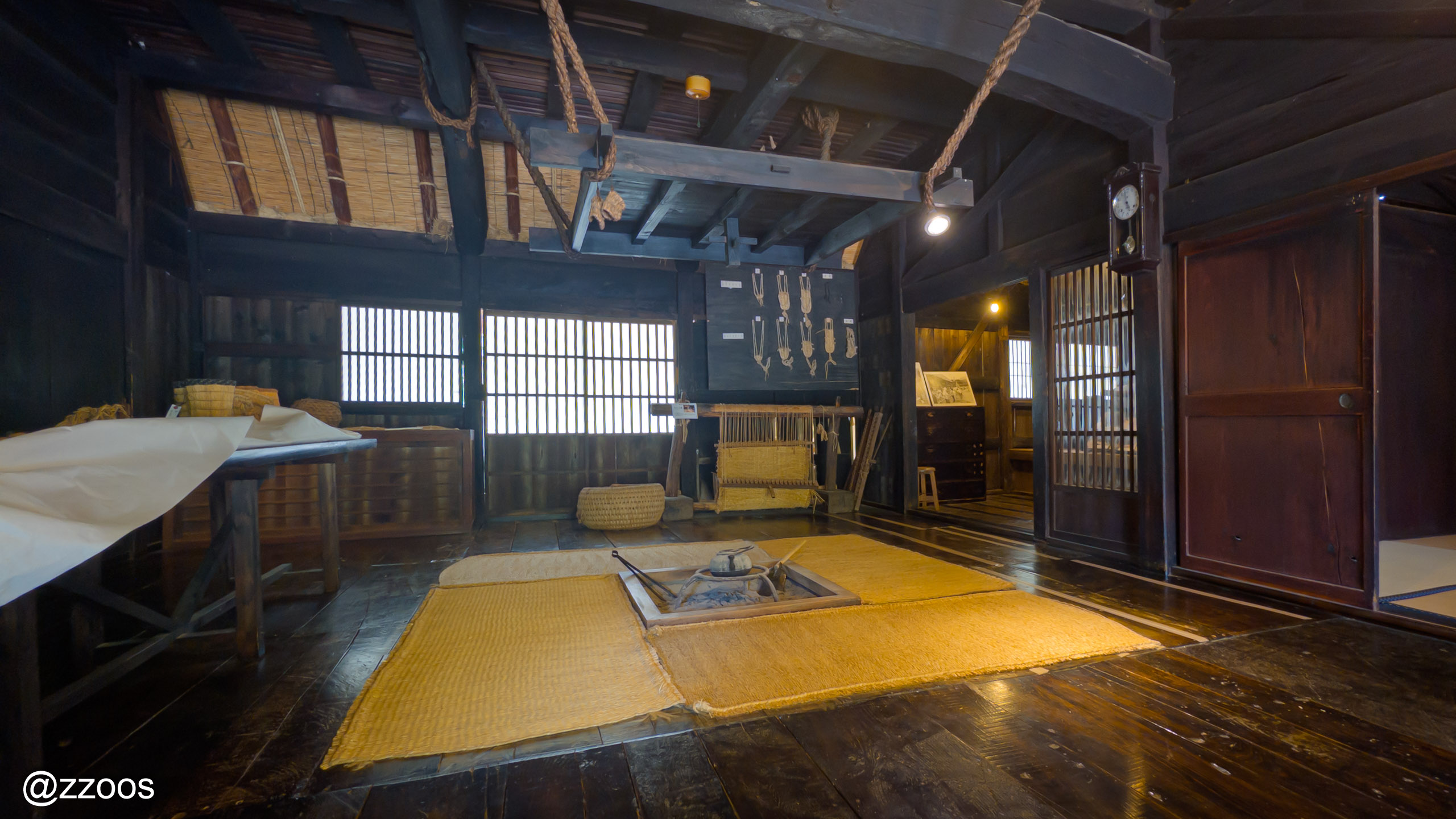
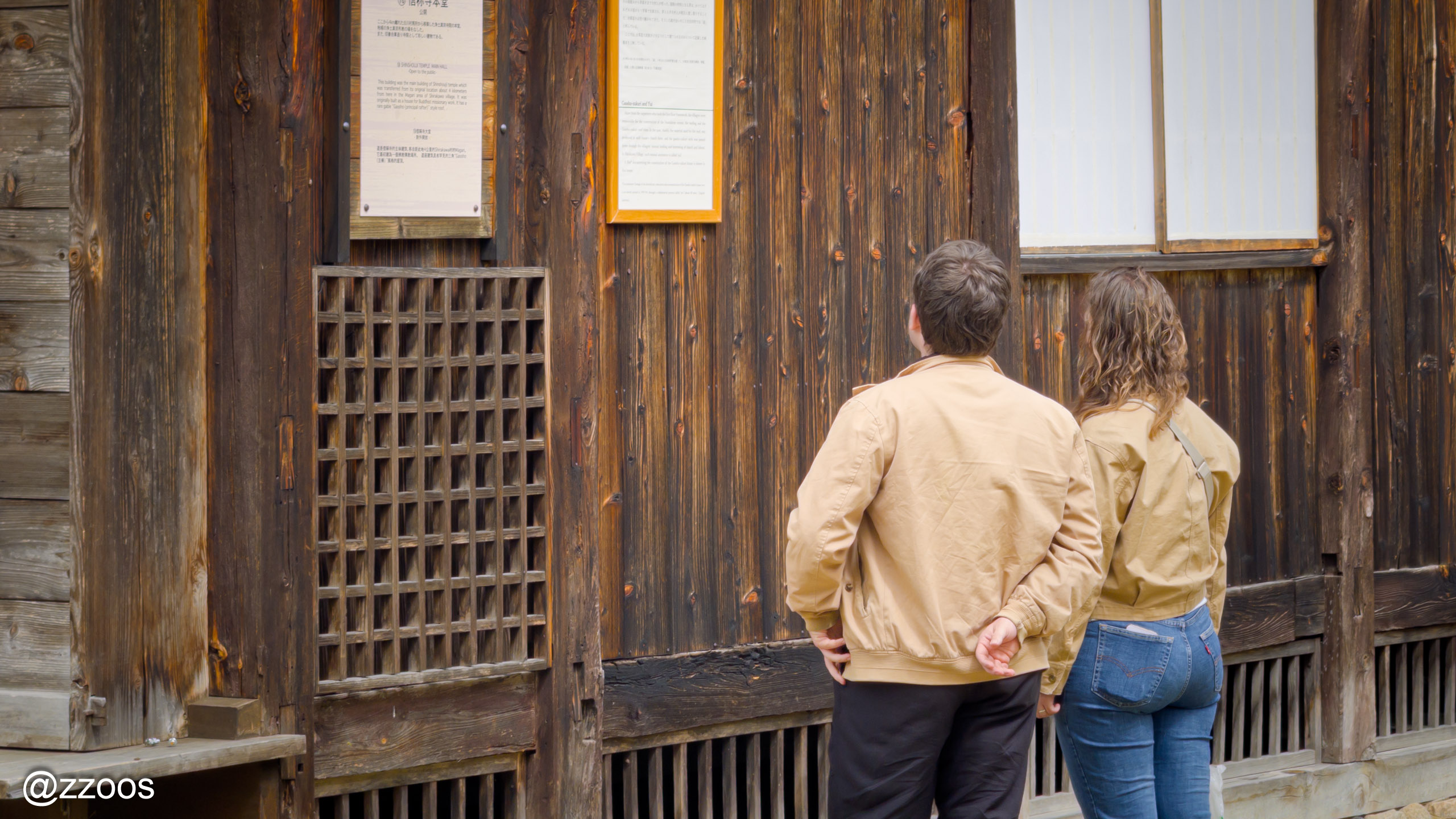
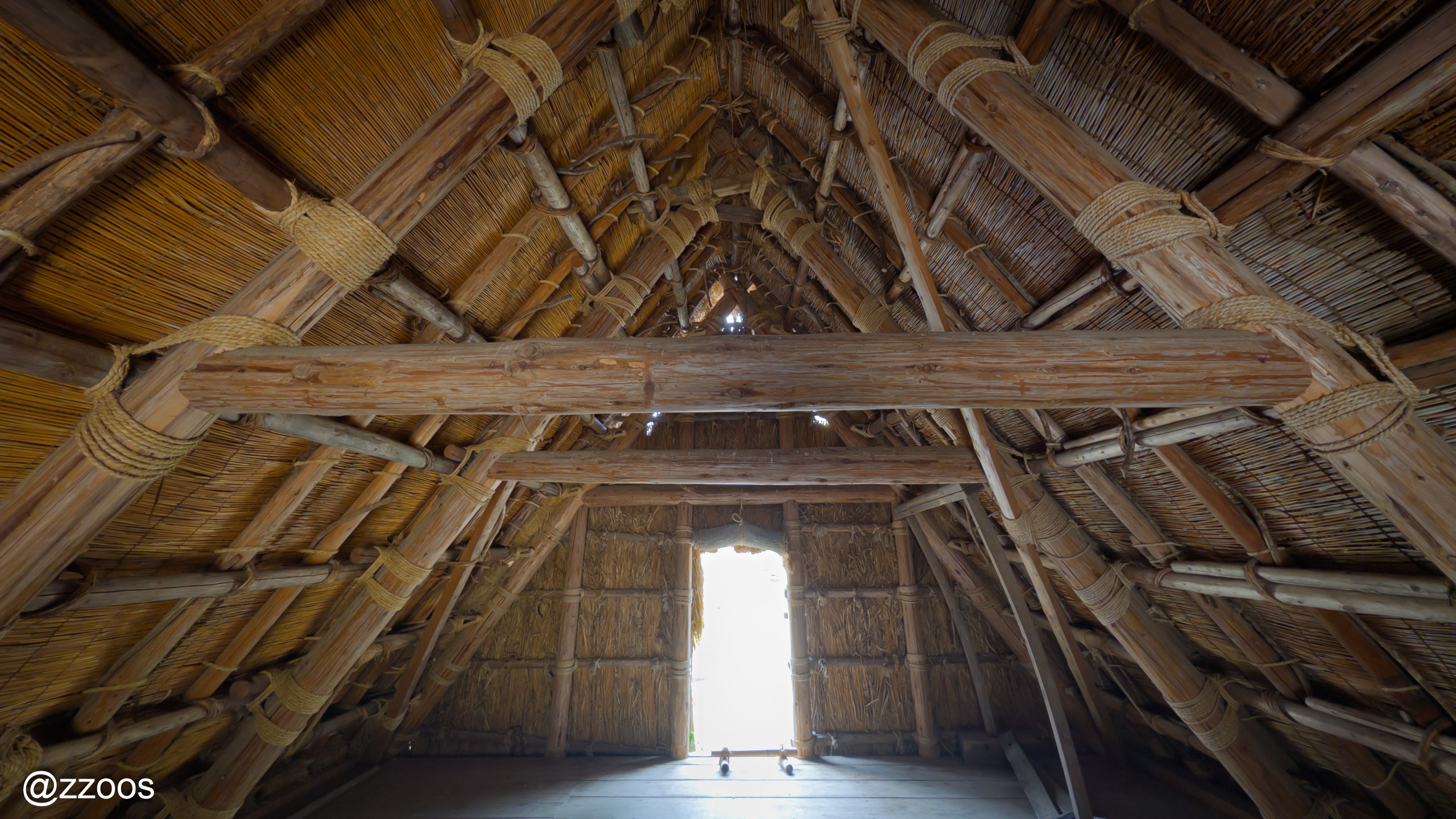
And the good thing about this Minka-en is that you can go inside most of the buildings and look around.
A few of the houses were closed off inside for maintenance reasons, but with most of them you could look around the interior and actually go in.
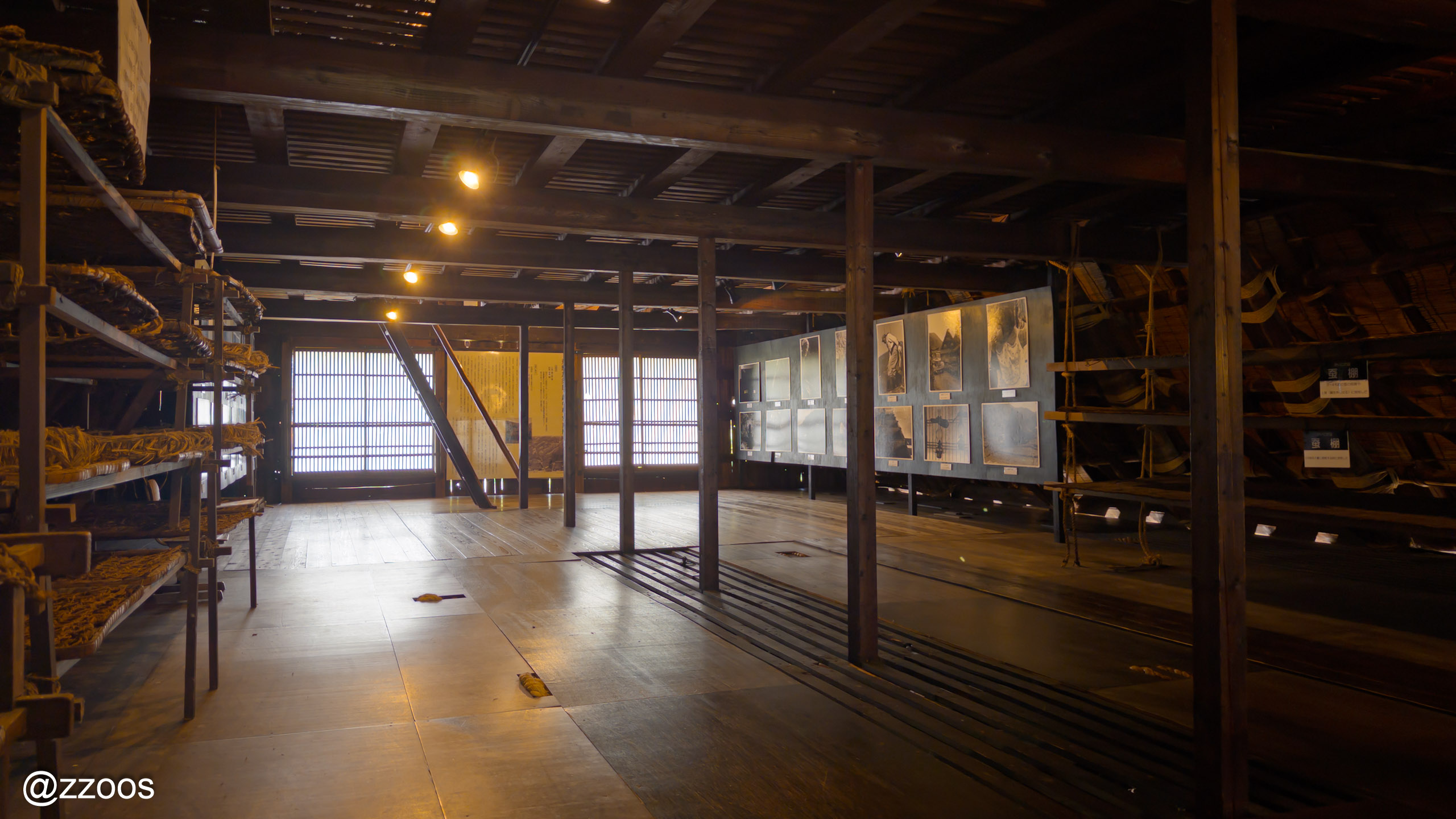
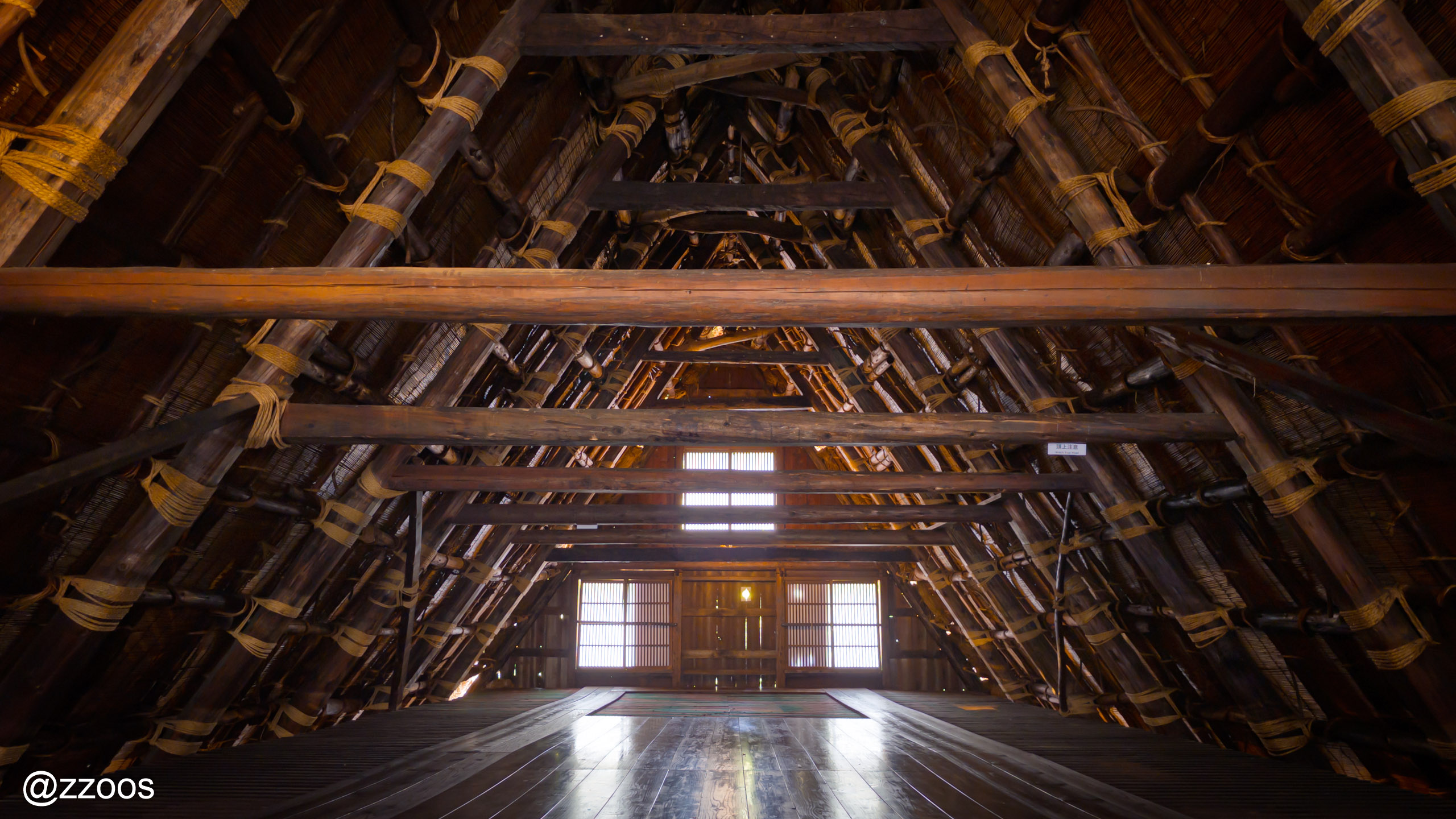
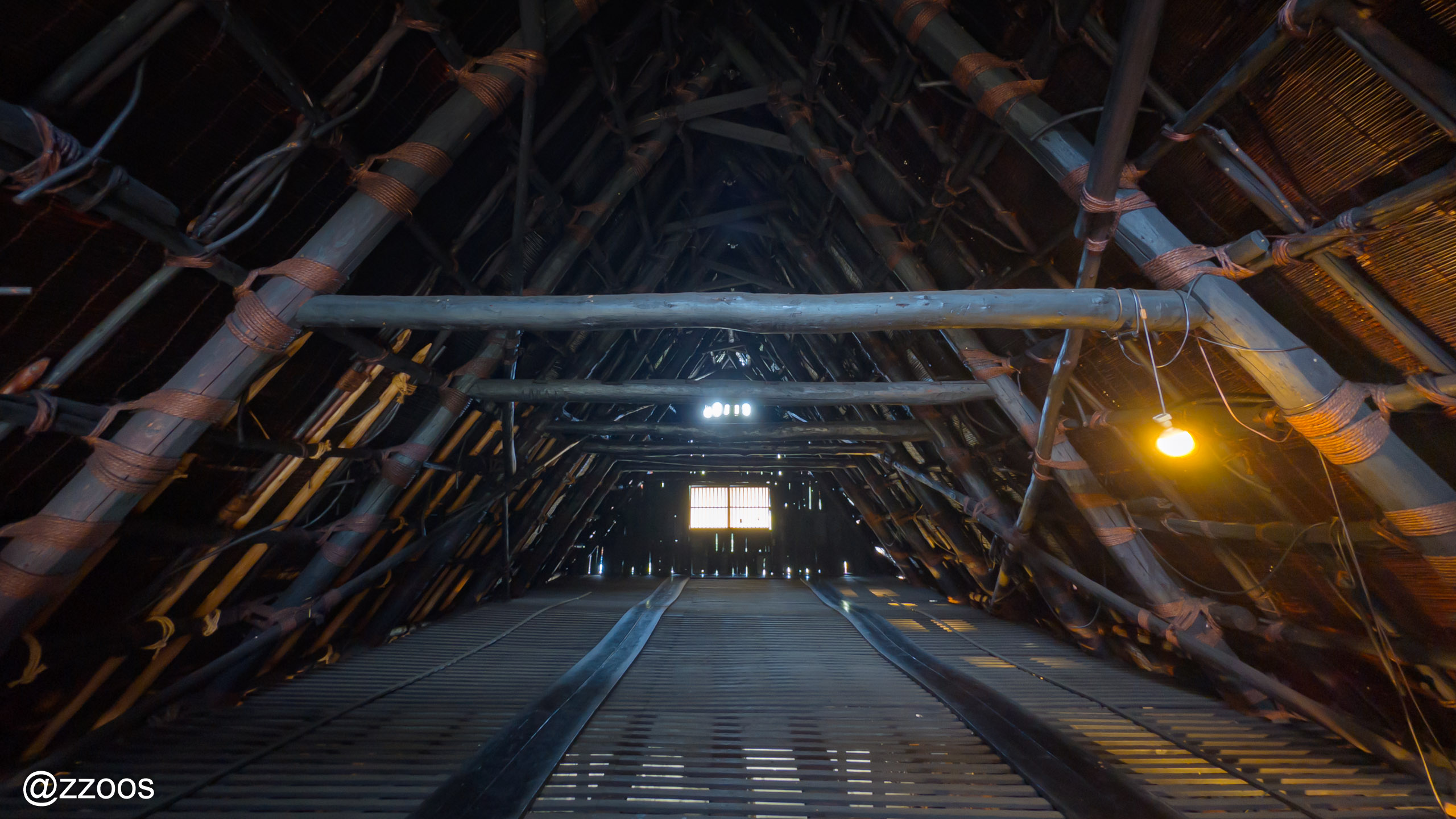
Going up underneath that huge gassho-zukuri roof — the living space on the first floor, the workspace on the second, and all the way up to the third floor at the very top — was quite a special experience.
The smoke from the irori burning on the first floor had to warm the second and third floors too, so the floors up there have lots of gaps cut into them. You can see the floor below through them, and since the boards creak underfoot, it does feel a little scary, but I’d recommend looking around the living and work spaces of these gassho-zukuri houses at least once.
These huge roofs weren’t just a change to the outside shape of the house. They raised silkworms in the spaces above the first floor, you see. When the snow piled up deep in the mountains, they had to earn a living indoors. The fire they kept while living on the first floor warmed the second and third floors too, so it seems they could raise silkworms even in winter.
The huge roof was a way of overcoming the snow, and the space created beneath it shaped their whole way of life. So I think gassho-zukuri isn’t something to look at only from the outside — you really have to look inside too.
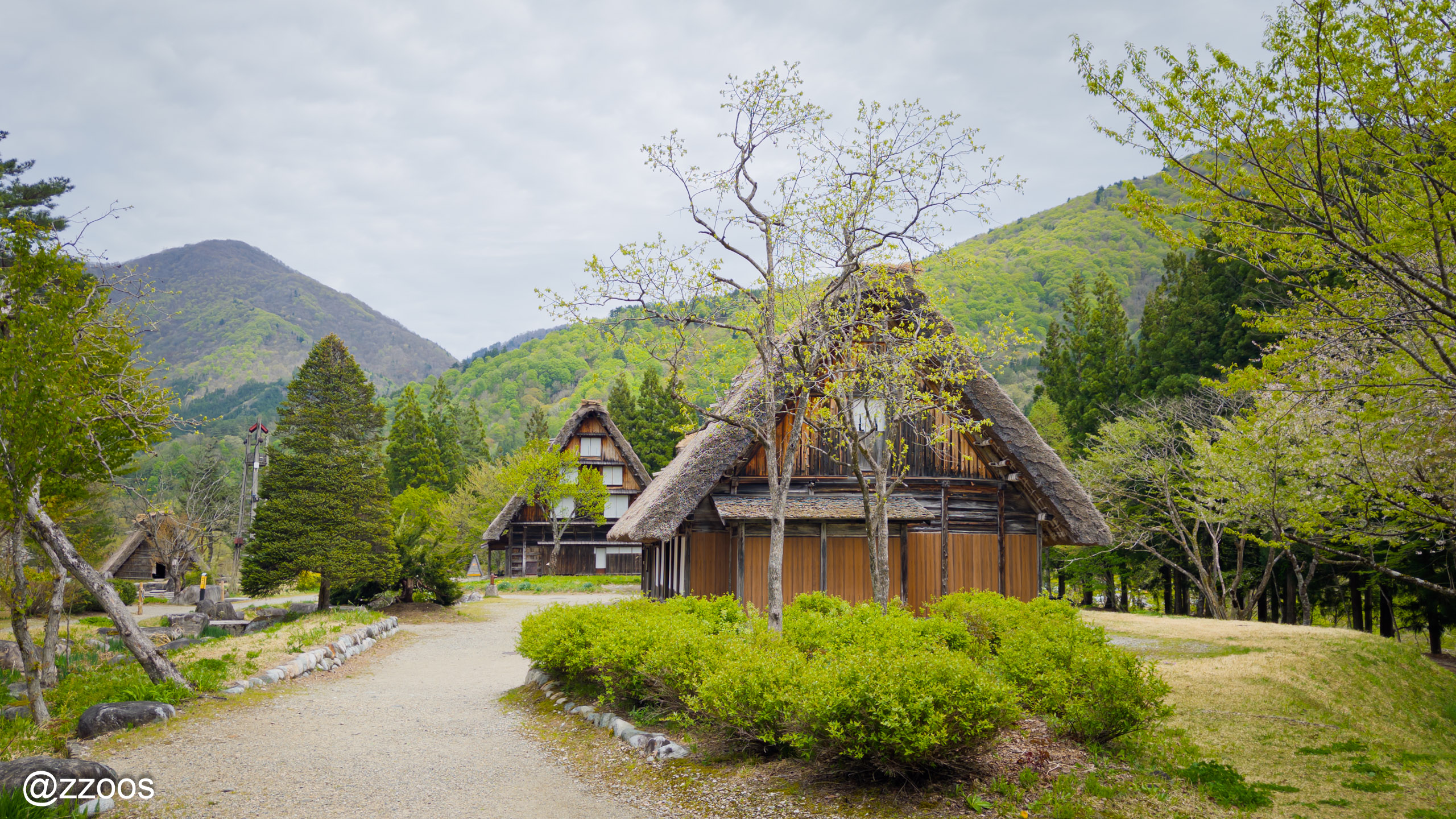
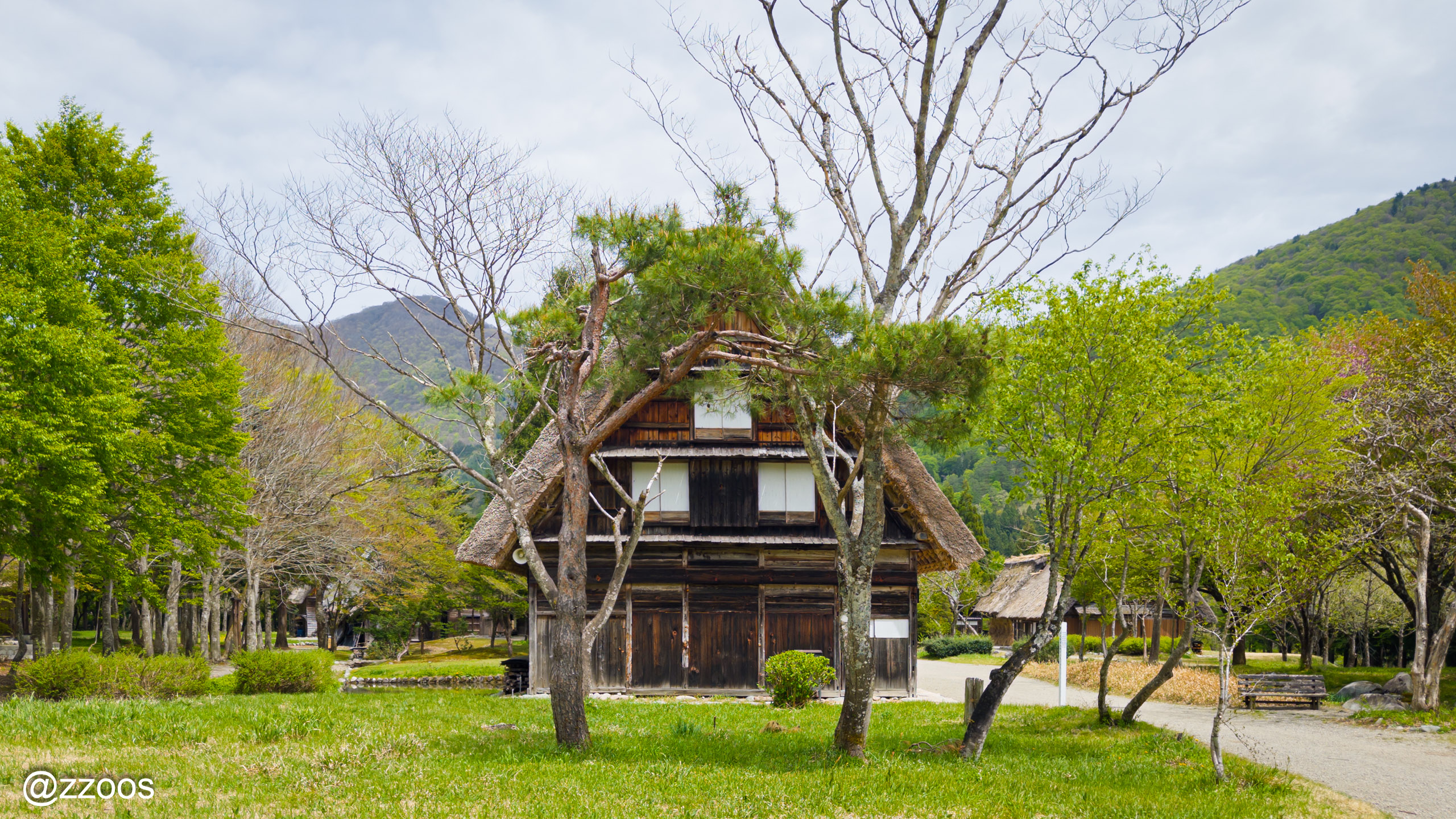
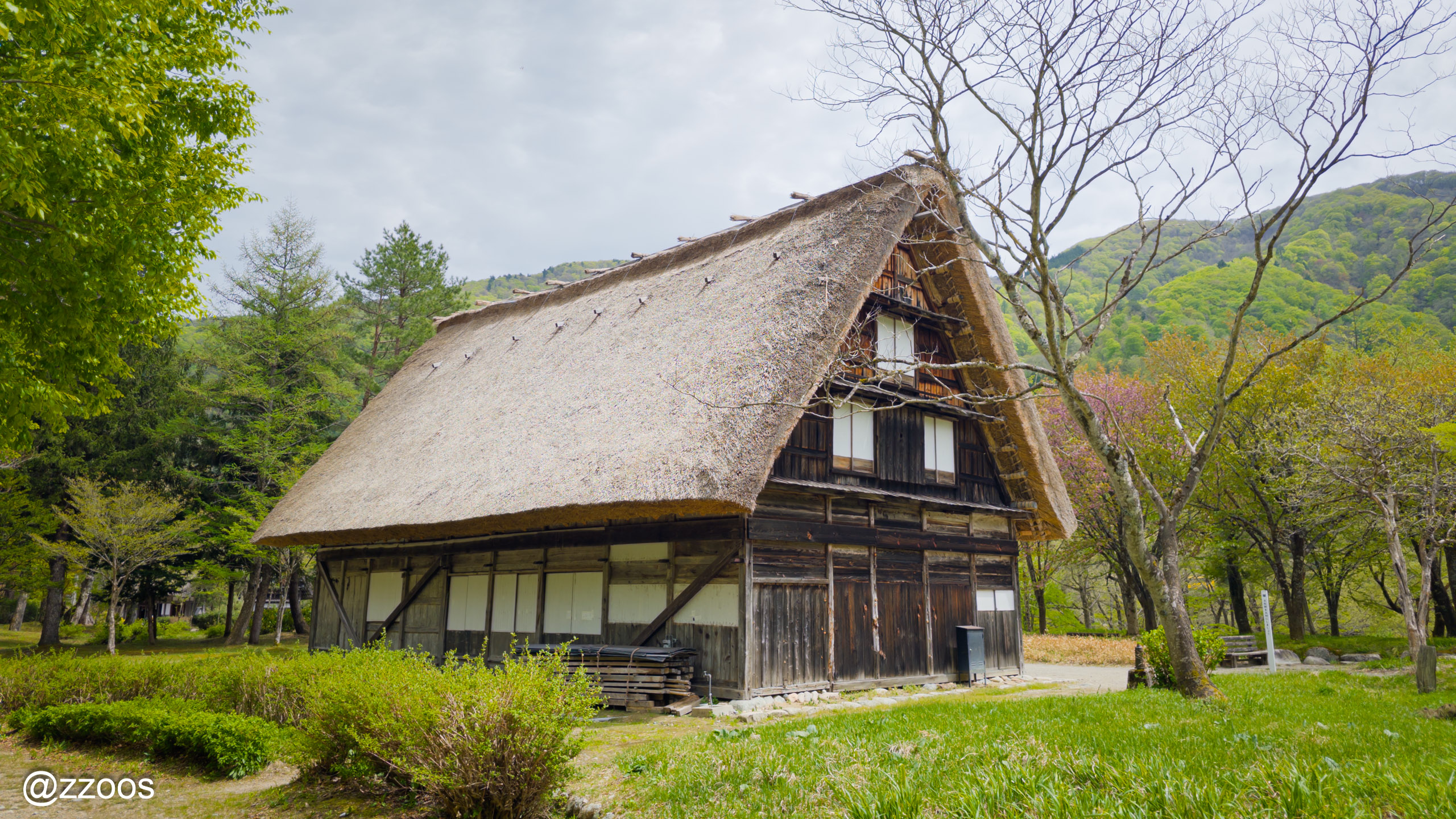
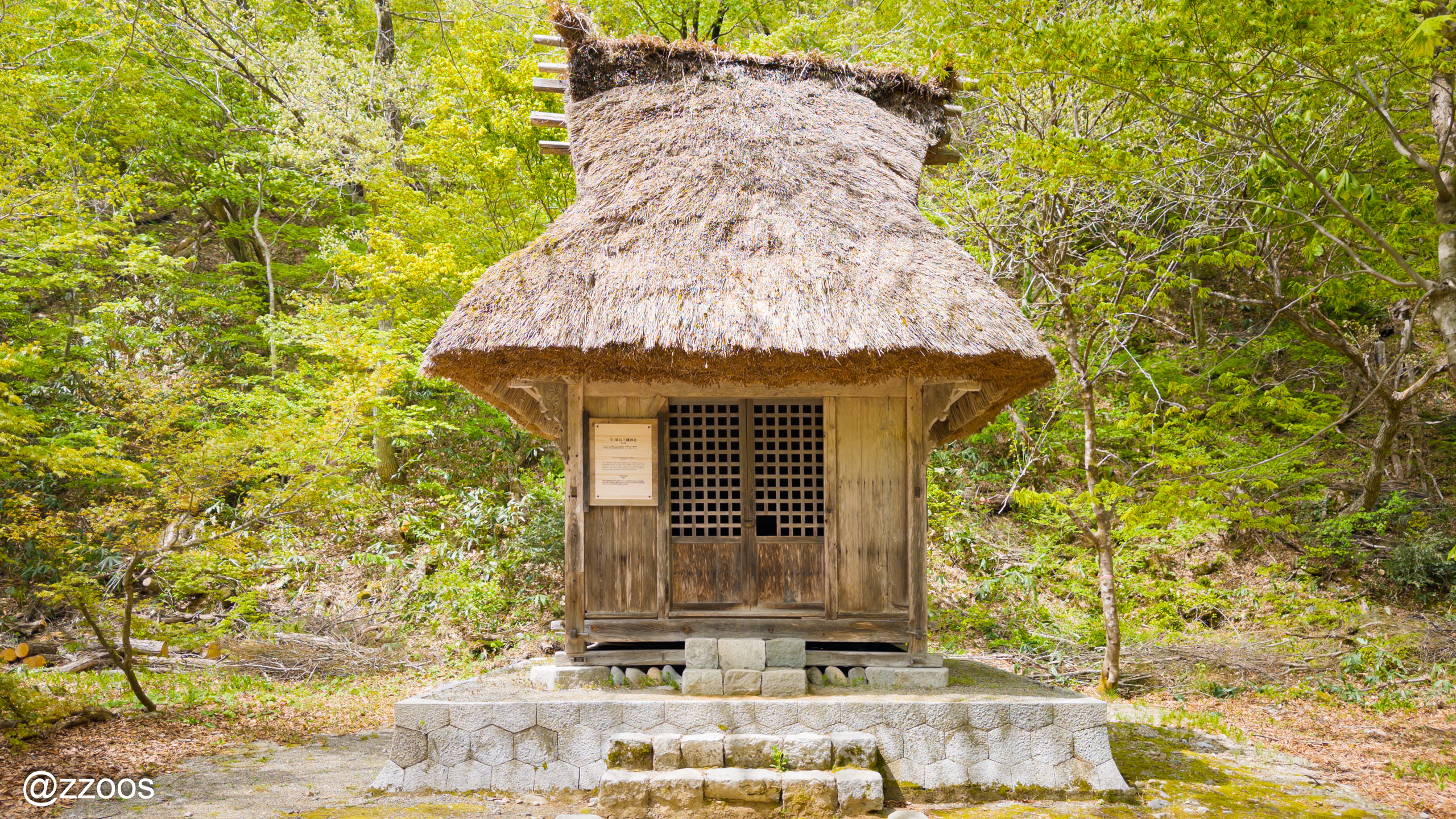
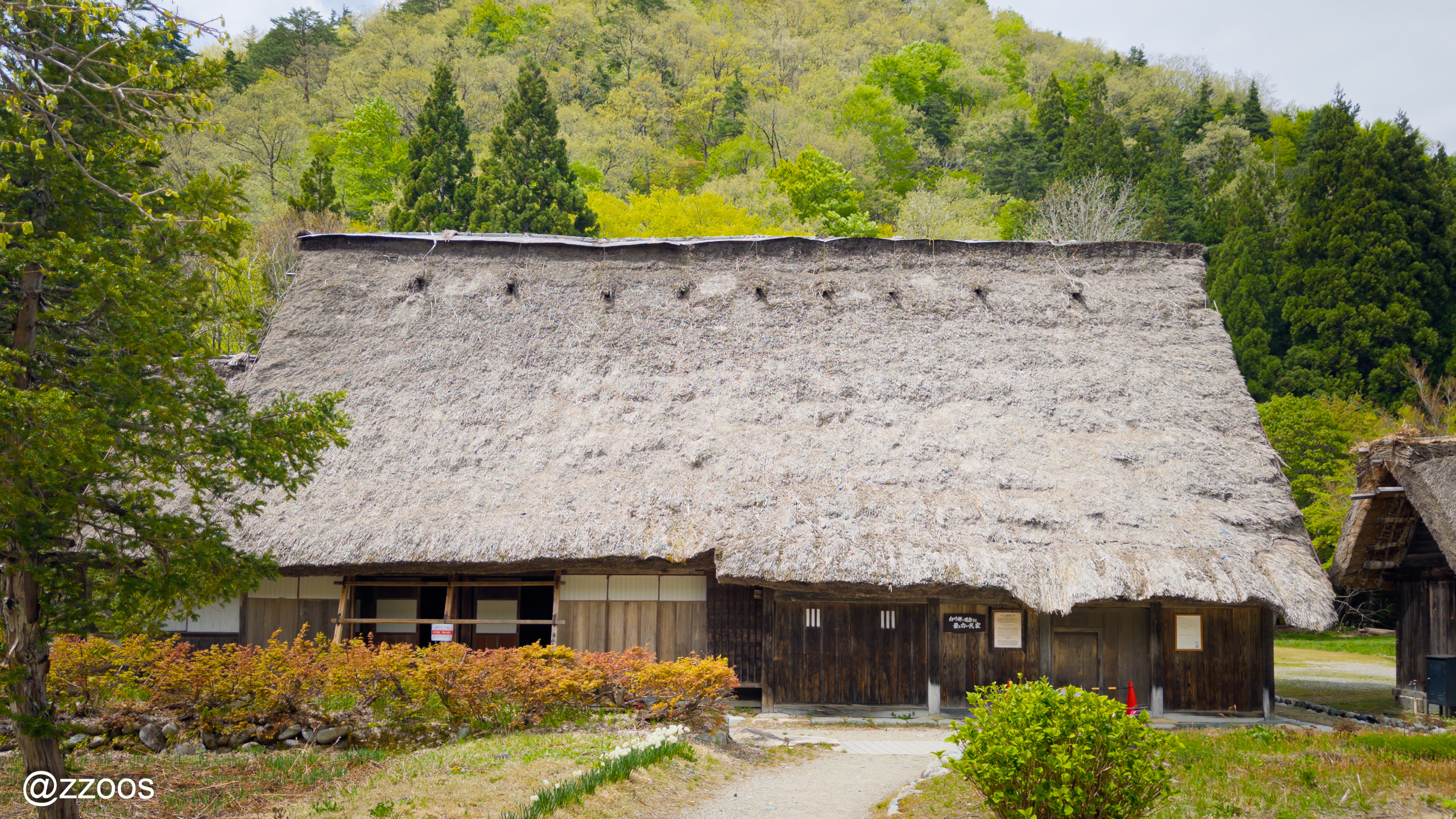
Across a wide area, the Minka-en stores, maintains, and exhibits around twenty buildings of various sizes and uses.
There’s a water mill, storehouses, and a shrine. I seem to remember the oldest gassho-zukuri house in the Shirakawa-go area was here too.
There are ponds here and there, and a stream running through, so it’s a place where there’s a real pleasure in quietly strolling and looking at the old buildings.
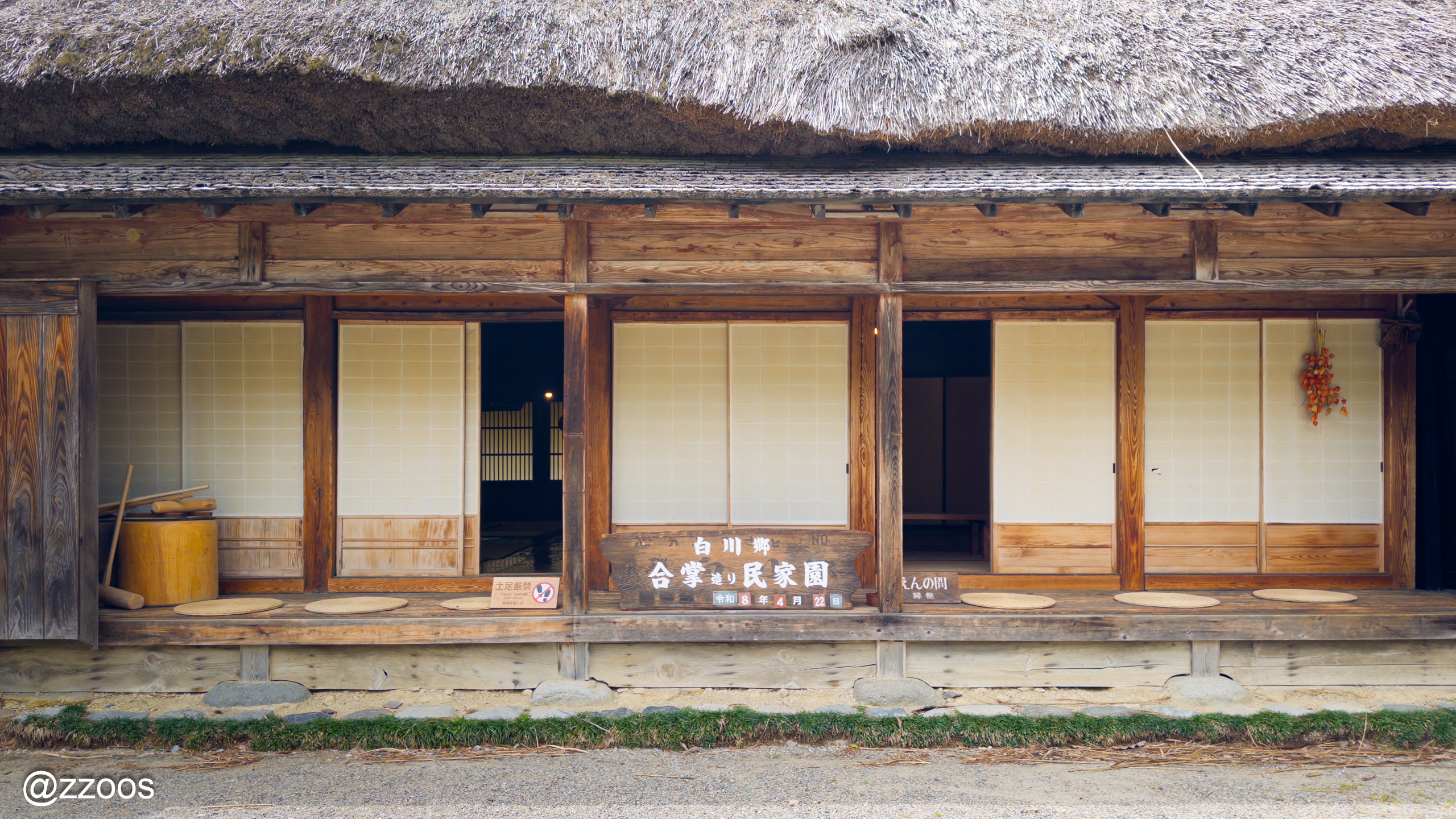
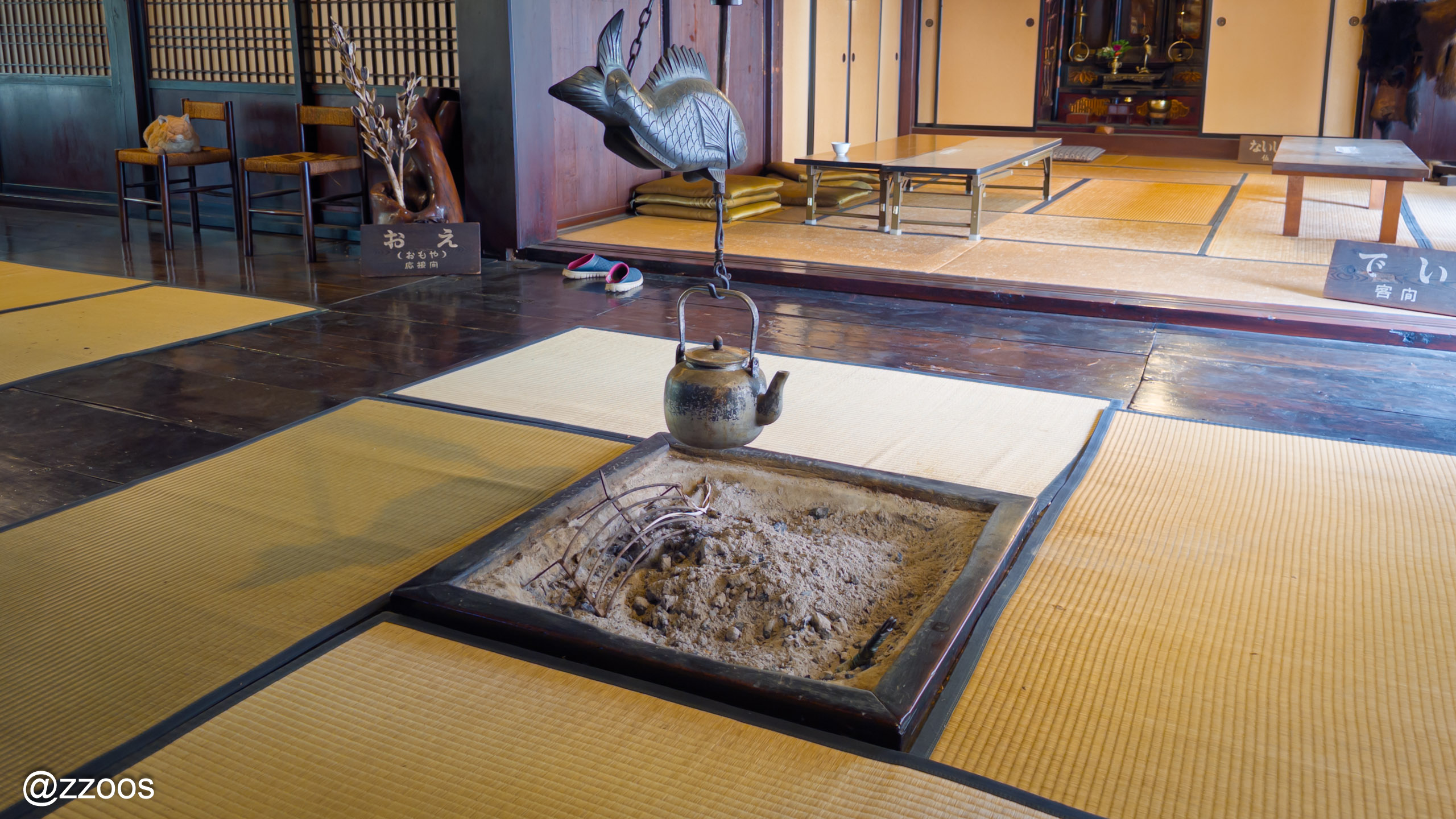
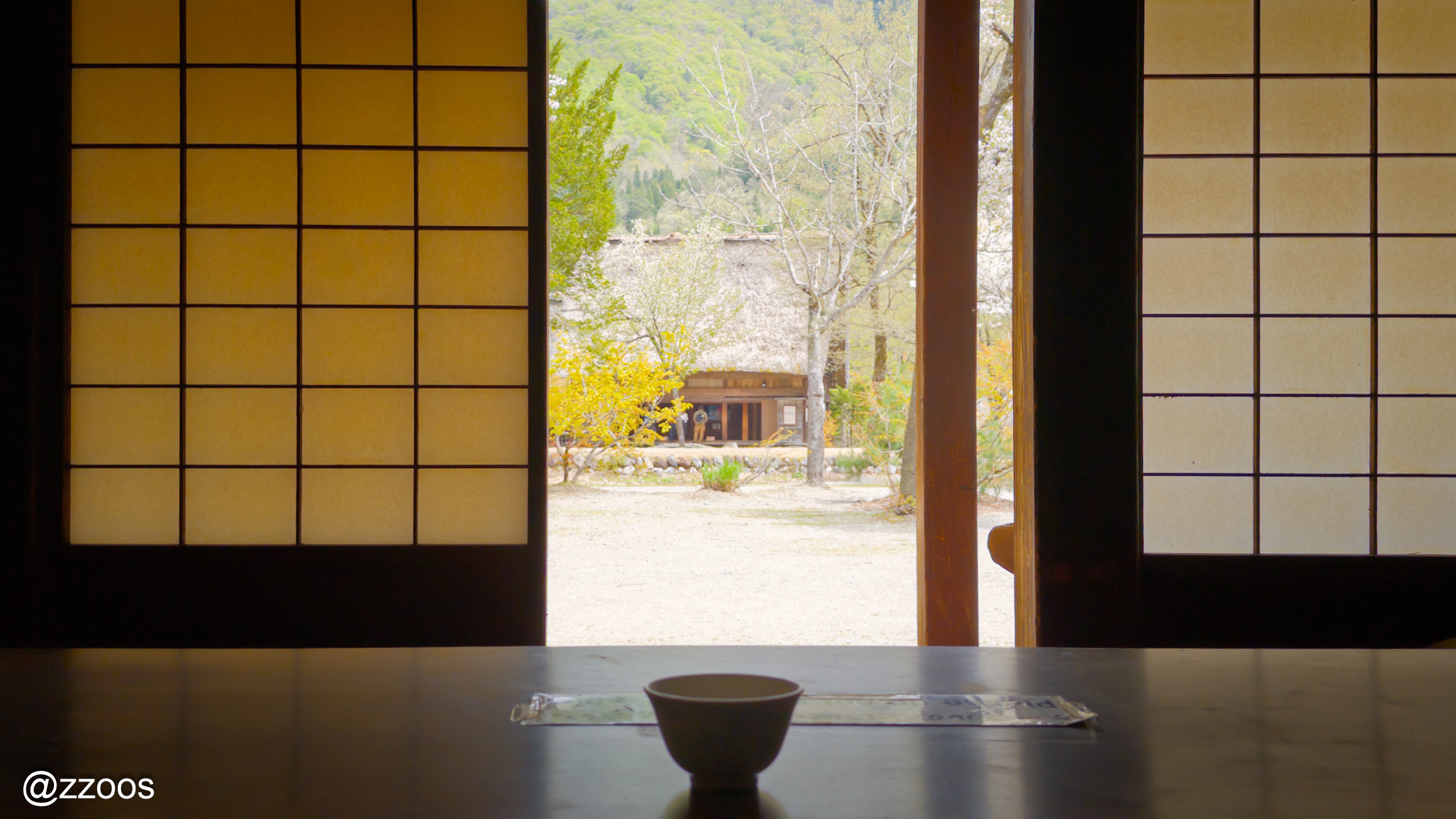
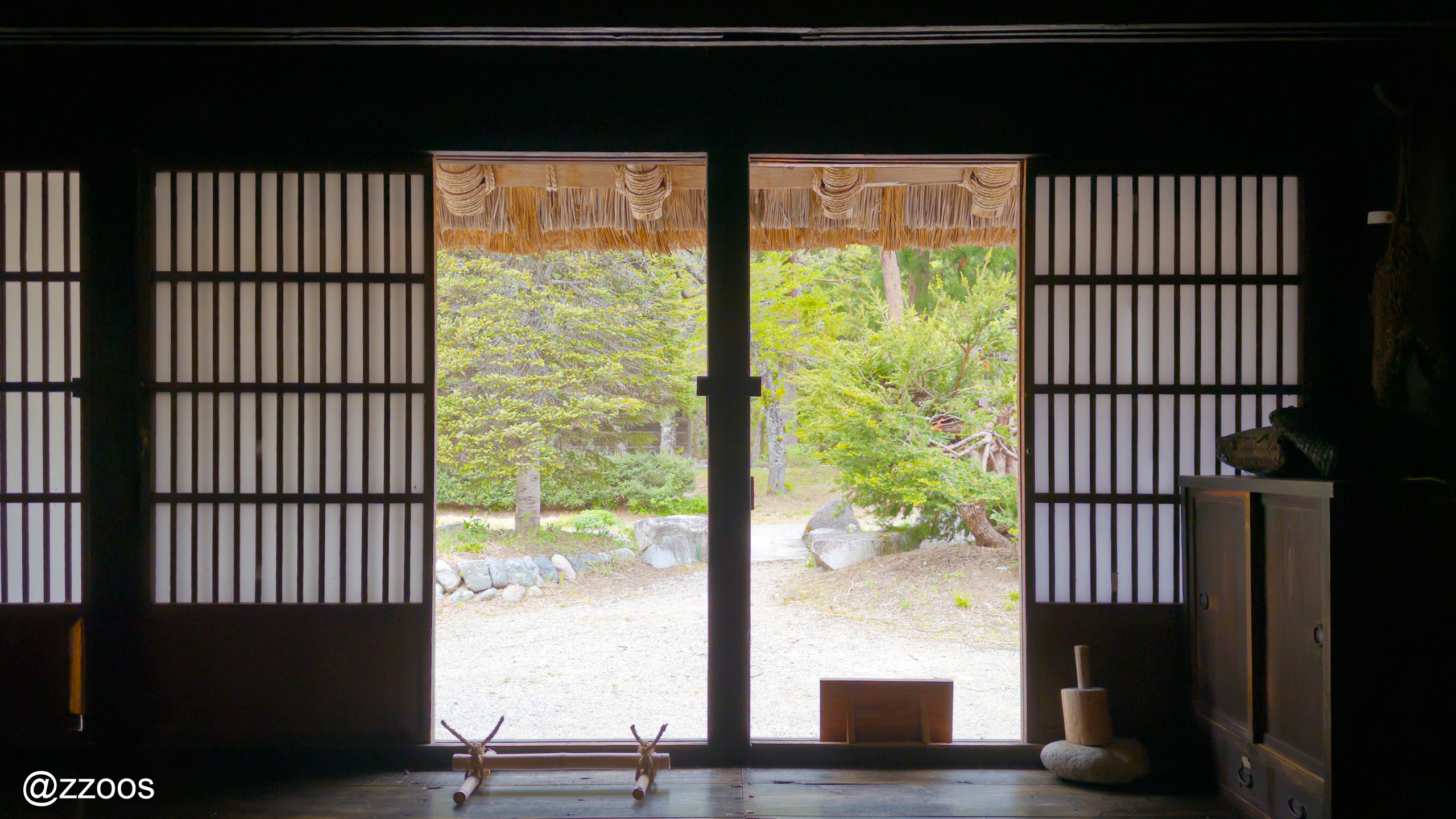
This is one of the buildings near the end of the viewing course.
You can look around inside here too, of course. Inside, there’s warm green tea you can drink for free. I set my bag down for a bit, sat on the floor, and drank a cup of green tea while taking in the view out the door.
A couple who’d arrived ahead of me let me know with a glance that I could have some tea. And I, in turn, gave up my spot to a couple who came in after me, and showed them where the cushions were.
Maybe it was because the space was so quiet, but I found myself growing polite and calm without even realizing it.
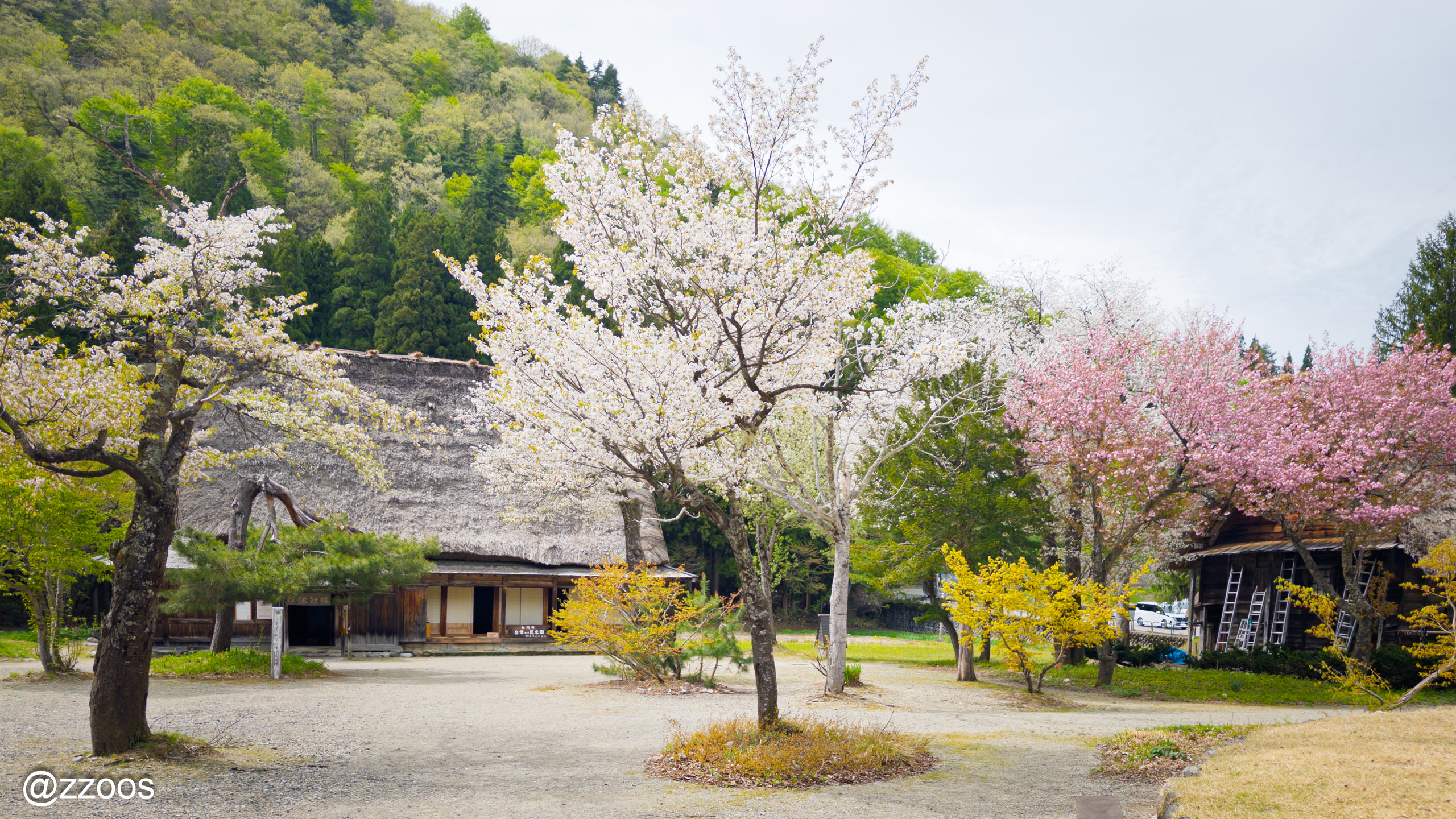
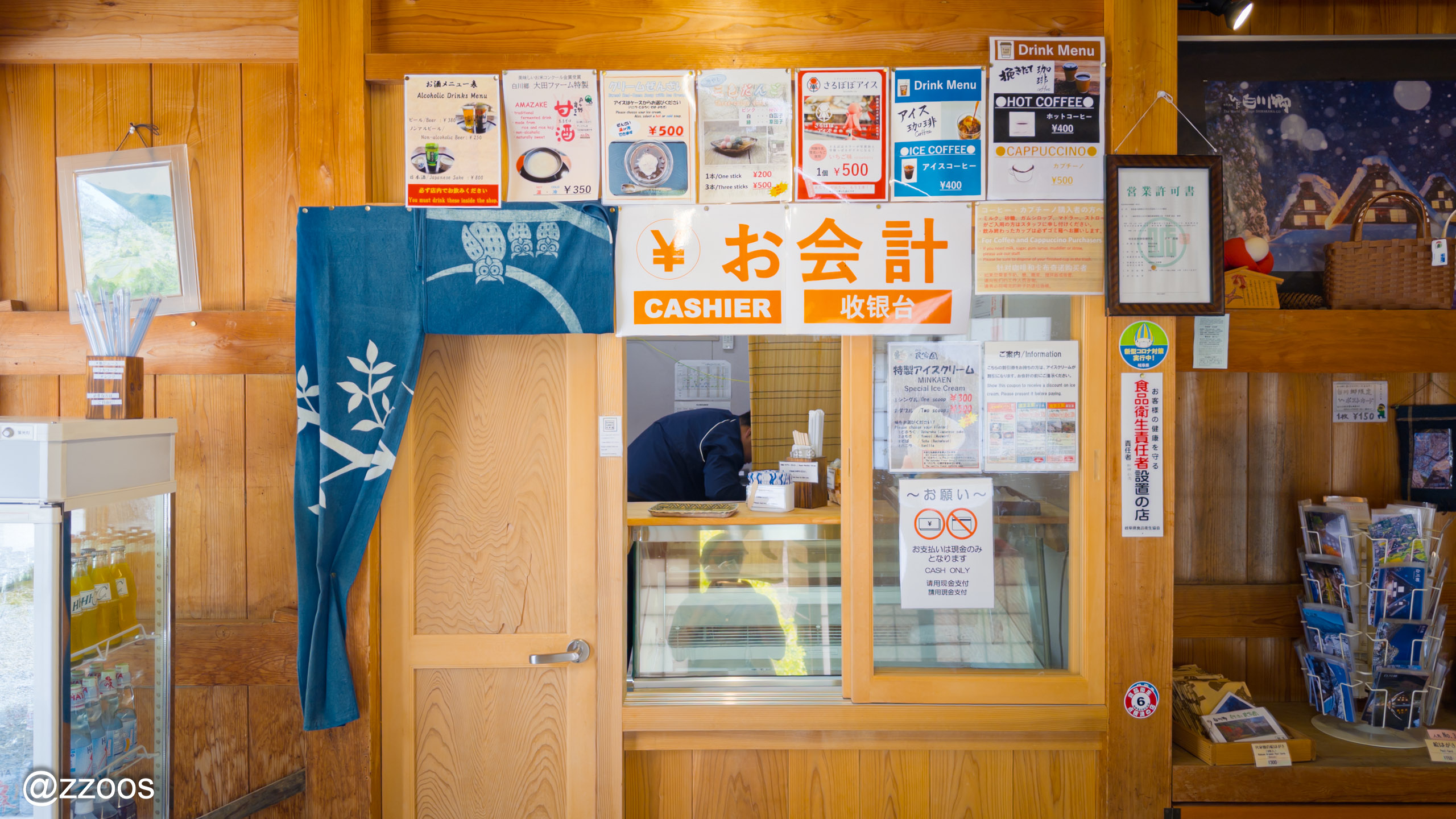
Just as I was about to wrap up my visit, a souvenir shop appeared.
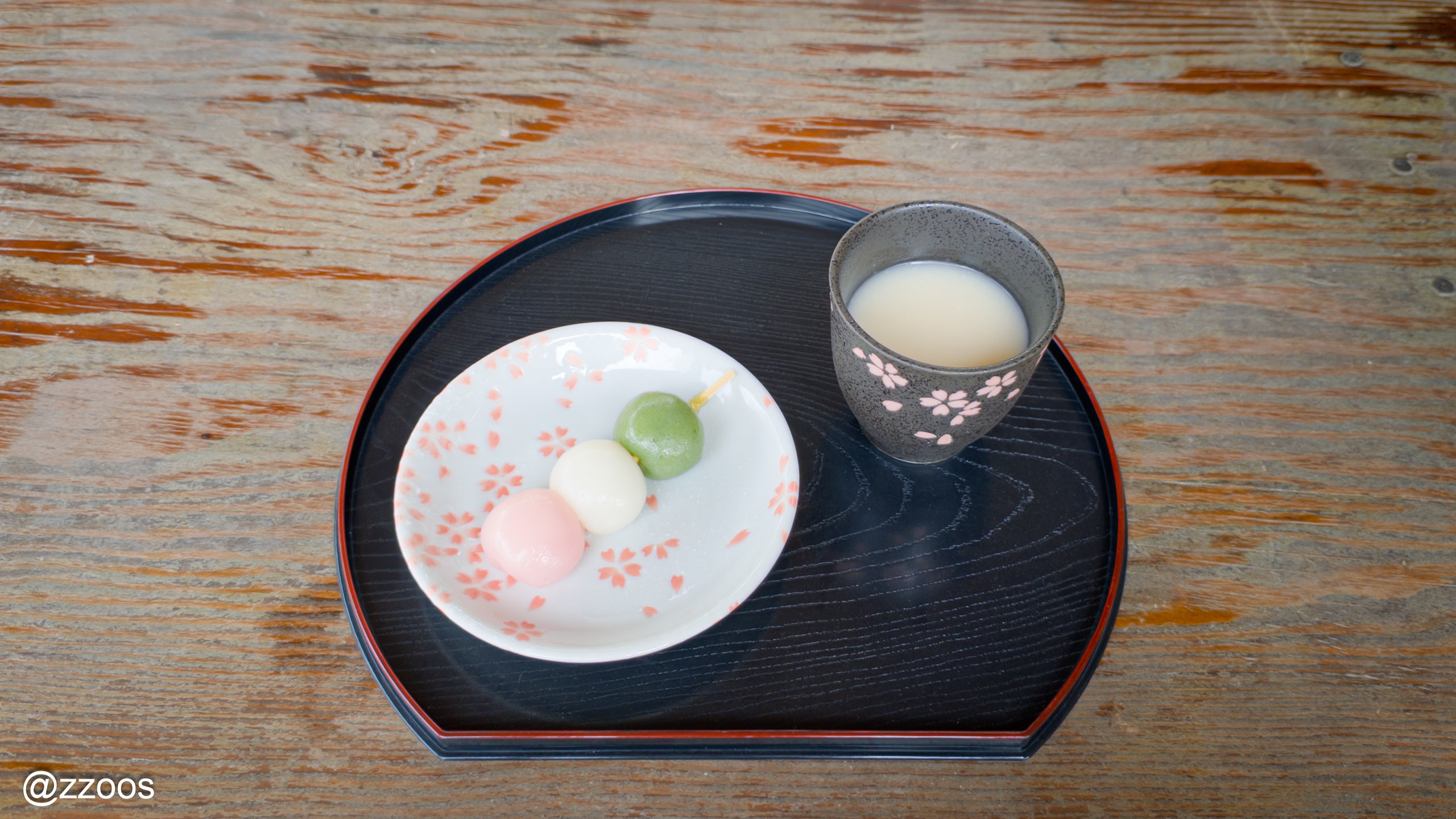
I’d just had green tea, but I felt like eating something sweet. So I ordered a skewer of dango and a cup of amazake (甘酒).
Then I sat at an outdoor table and slowly ate the not-especially-distinctive dango along with the sweet, slightly bitter amazake.
After that I crossed Deai Bridge again and kept looking around Shirakawa-go.
I really got my fill of the gassho-zukuri houses and the scenery of the mountain village — walking, taking photos. I actually already told all those stories in an earlier post.
And so, with that, my trip to Shirakawa-go comes to an end. I got on the bus again and went back to Kanazawa.
I’ll carry on with what happened after that in the next post.