Spending six nights and seven days on a Kanazawa trip alone is honestly too long a schedule.
Two days is plenty for sightseeing in downtown Kanazawa, and since I did Shirakawa-go as a day trip, three nights and four days packed tight would cover it. Even with a relaxed pace, four nights and five days should be enough.
But I move however I feel like, so I tend to waste a lot of time, and I often change or make up my schedule on the spot. That’s exactly why I came on a six-night, seven-day trip.
So today ended up being a completely empty day with no plans at all. I woke up late, looked out the hotel window, and it was raining. So I picked a destination on the spur of the moment.
Kanazawa is the prefectural capital of Ishikawa. Right next to Ishikawa sits Toyama Prefecture. And the prefectural capital of Toyama is Toyama City.
Compared to how famous Kanazawa is as a tourist destination, Toyama apparently isn’t known much for tourism. But it holds its own as a regional hub city, so I’ve heard the infrastructure there is well built.
Poking around the city on Google Maps, I found a few places I wanted to visit. In particular, I wanted to go to Kansui Park (環水公園), home to what’s said to be the most beautiful Starbucks in the world. And it just happened to be raining today. That meant I could get photos of the lake at night in the rain, right?
So on day five of the trip — the day with no plans at all — I decided to make a trip to Toyama.
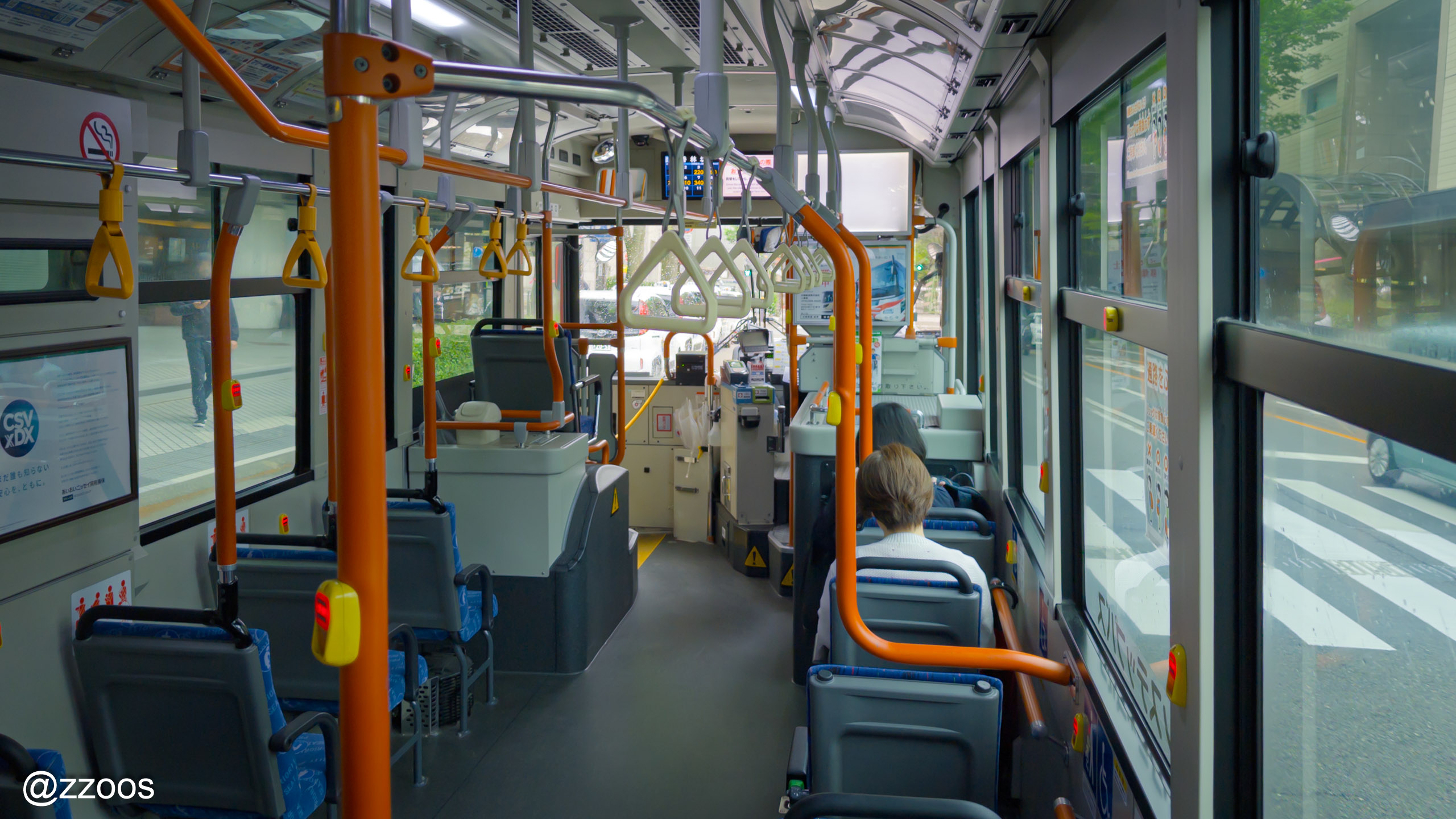
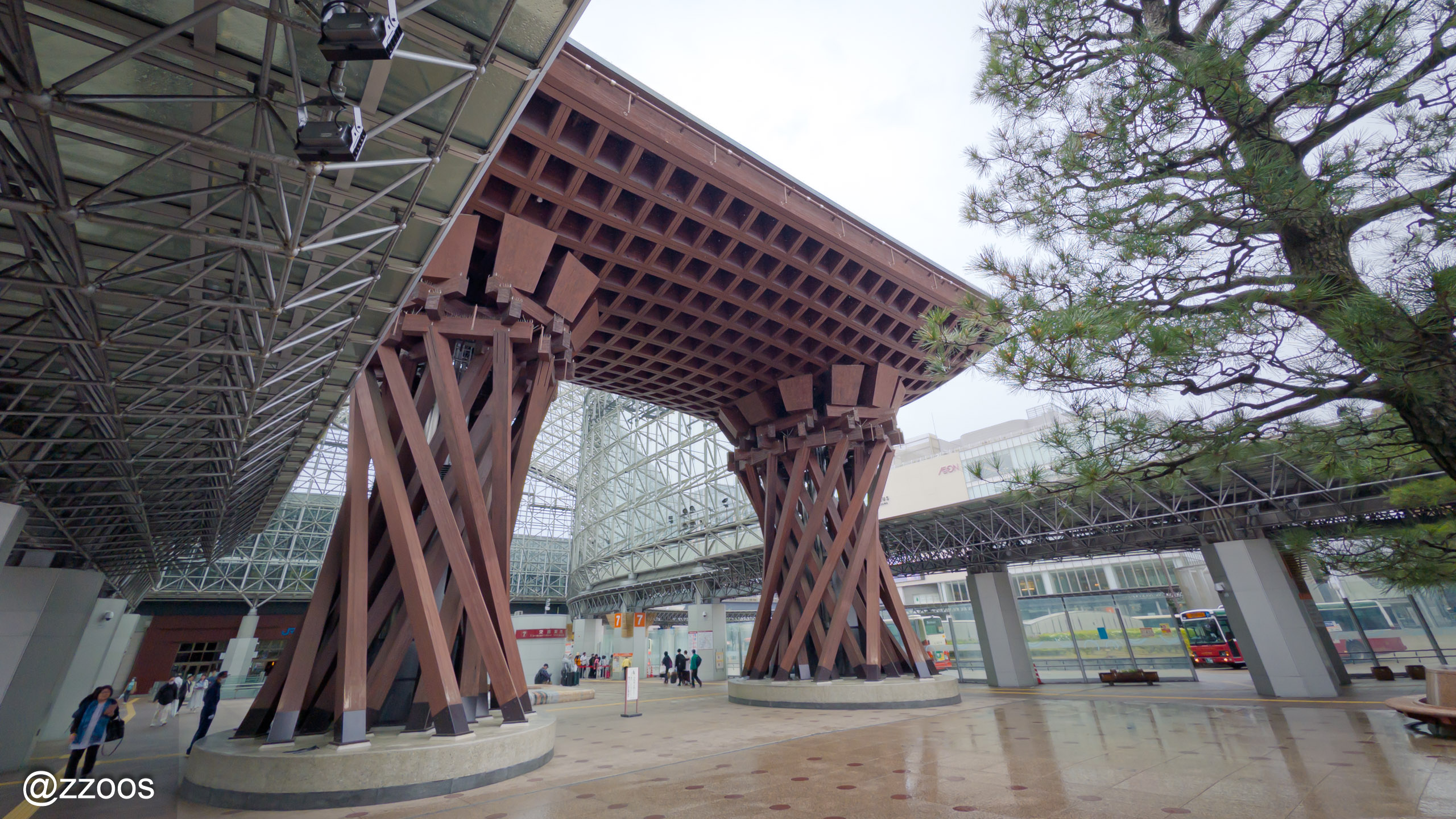
Thanks to overdrinking the night before, I only managed to leave the hotel late. I caught a bus in front of the hotel and arrived at Kanazawa Station.
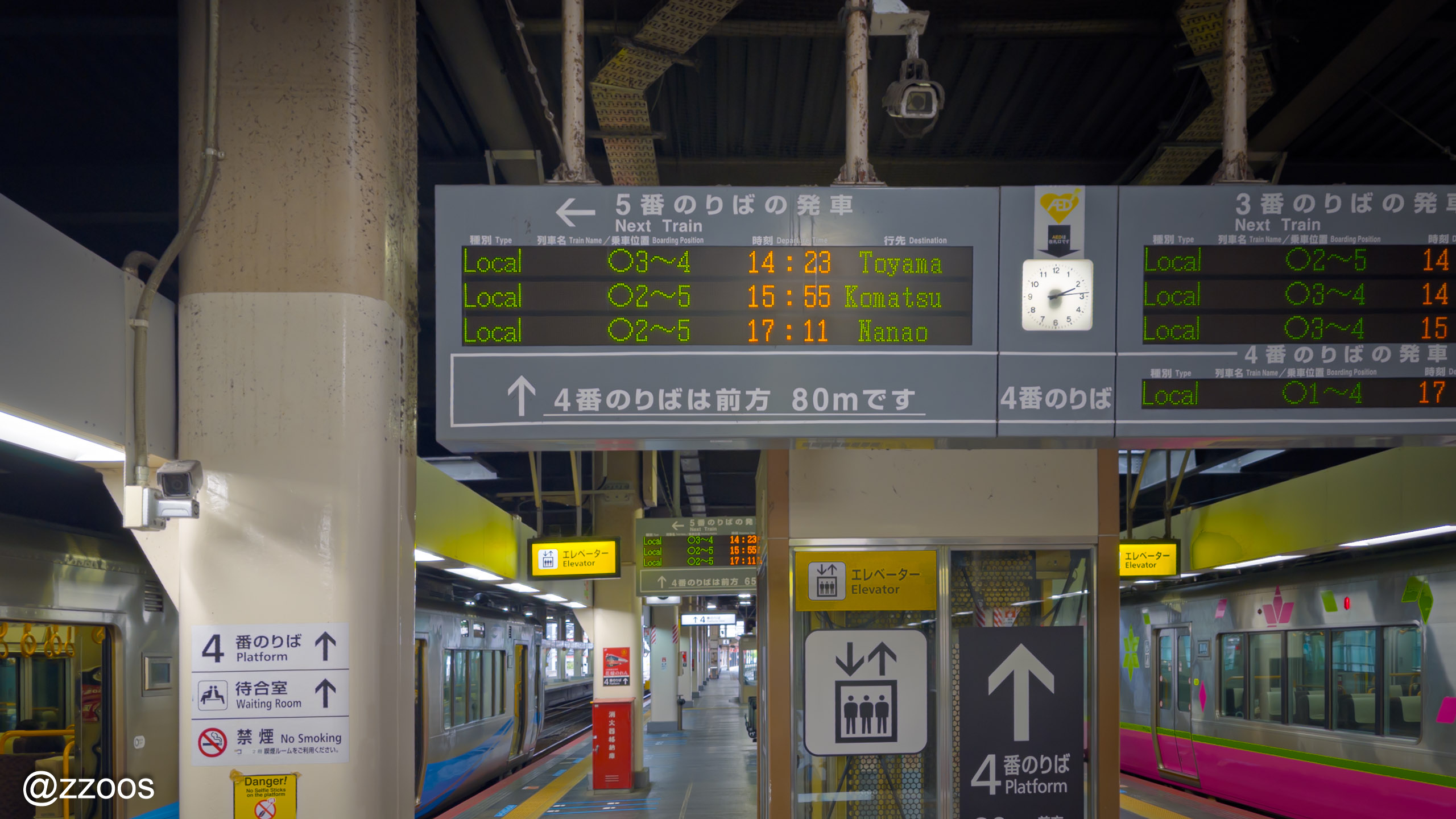
From Kanazawa Station, you can reach Toyama Station by train. And there are two options here.
One is taking the Hokuriku Shinkansen. It only takes about 20 minutes. A really short distance. But the fare is a bit steep — over 3,000 yen.
The other option is the IR Ishikawa Railway. You don’t need to buy a ticket like with the shinkansen. It’s a local private line, but you can ride it with a nationwide IC card like ICOCA, and it takes about an hour to reach Toyama Station. The fare is around 1,300 yen.
I took the IR Ishikawa Railway. An hour or so of travel time is what gives a trip its flavor, isn’t it?
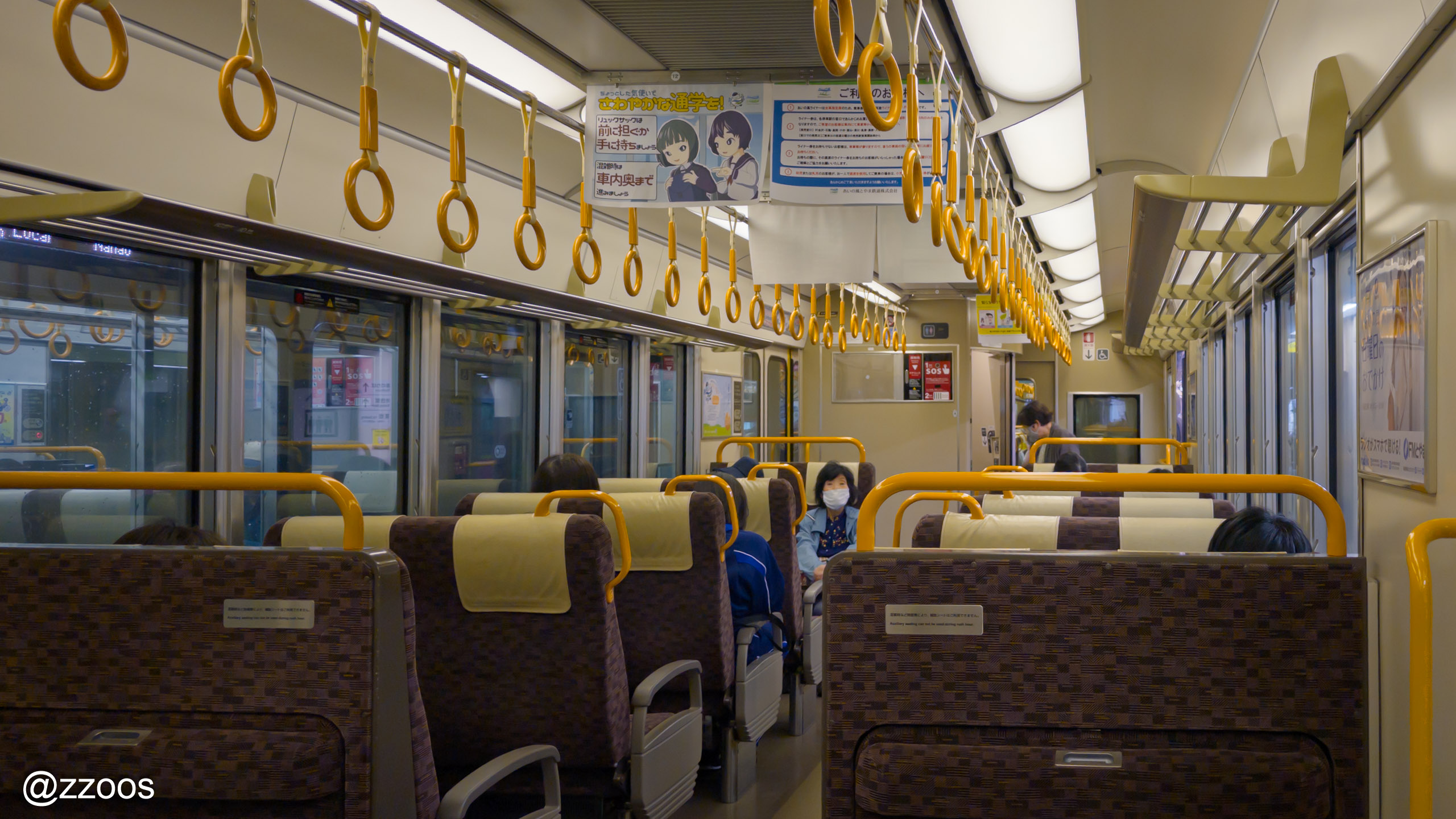
There’s an odd little standoff when you ride a train like this in Japan, one with two-seaters.
At first, everyone sits alone in the two-seaters — obviously. When there’s room to spare, nobody sits next to a stranger. That much might be similar anywhere in the world, actually.
But then, once every seat has one person in it, and even after the train starts getting somewhat crowded, people still won’t sit down together in the same row. So you end up with a strange situation — someone standing even though there’s clearly an empty seat. It seems there’s a mindset that standing is better than sitting next to a stranger.
Ah, well, so I was reading the room too… and nearly ended up standing for the whole hour. Luckily, I managed to sit down after about 30 minutes.
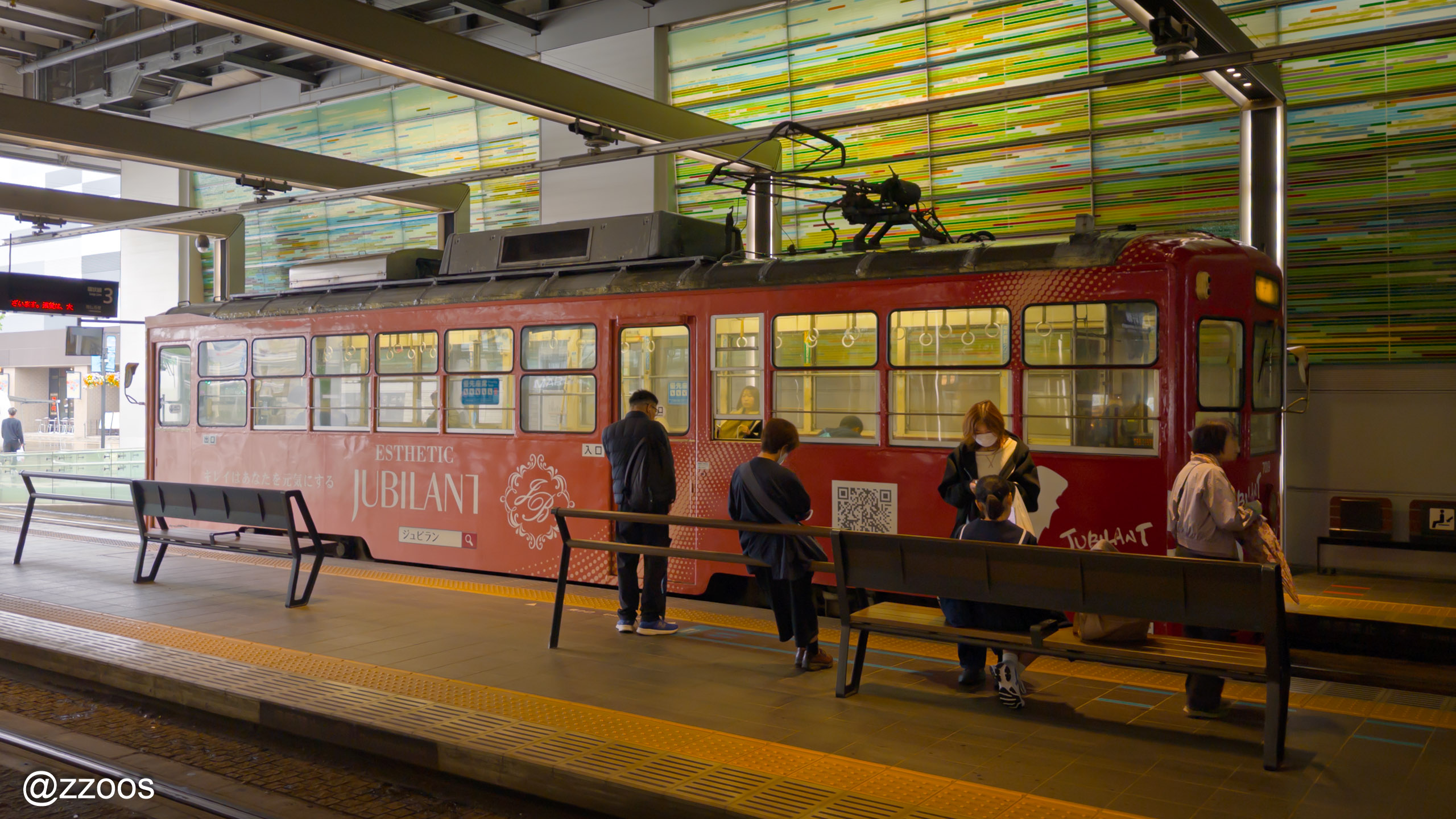
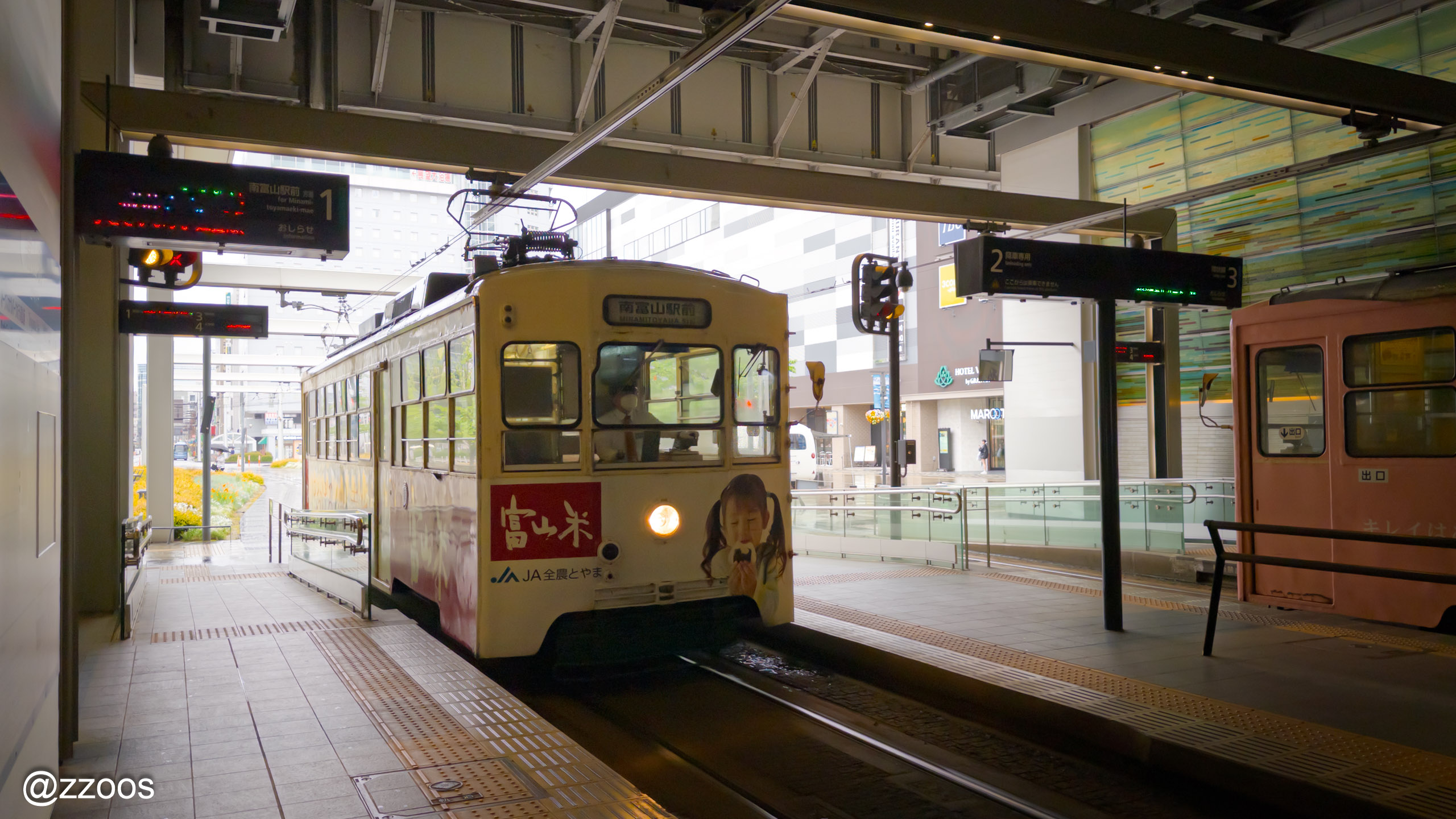
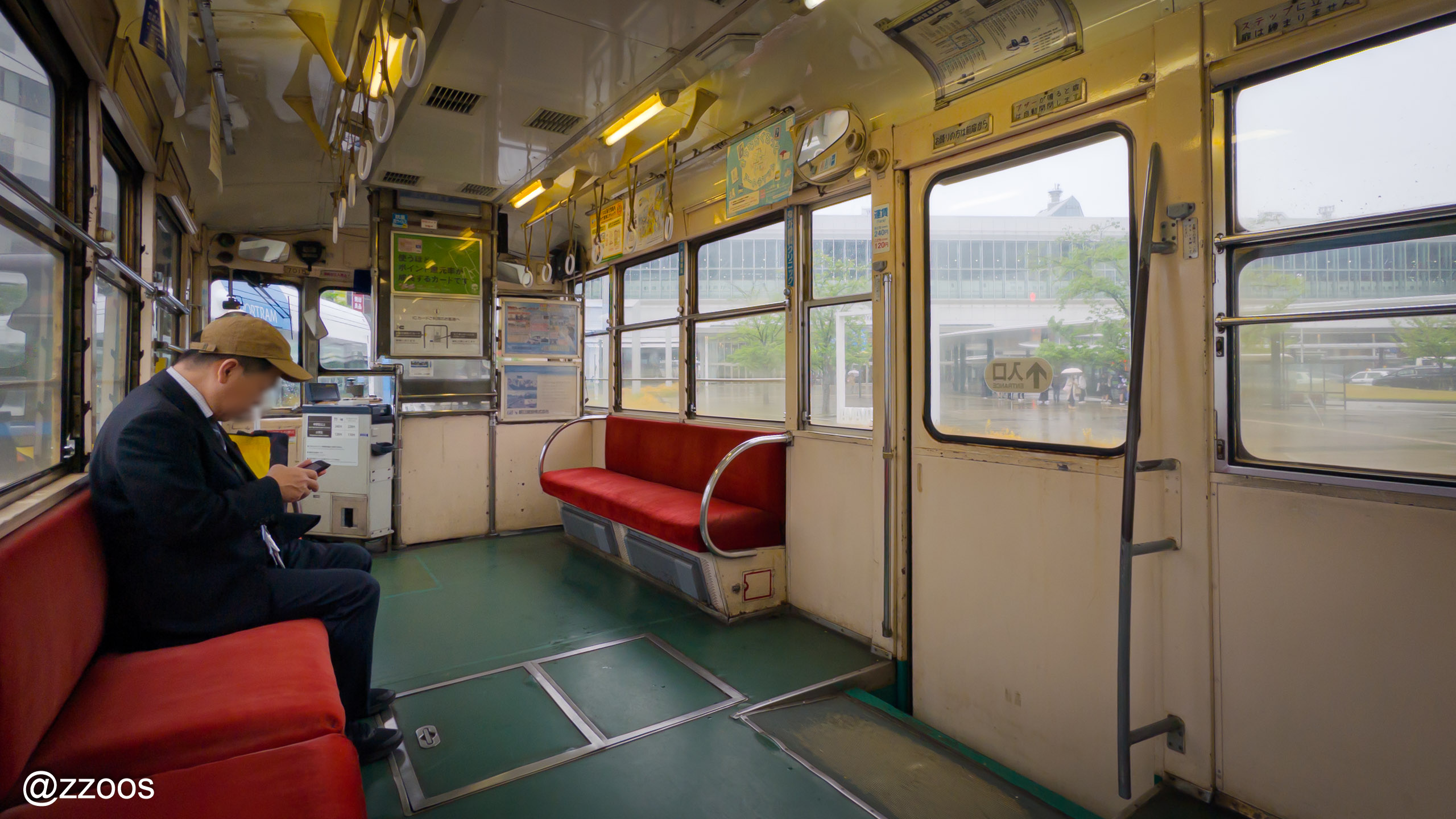
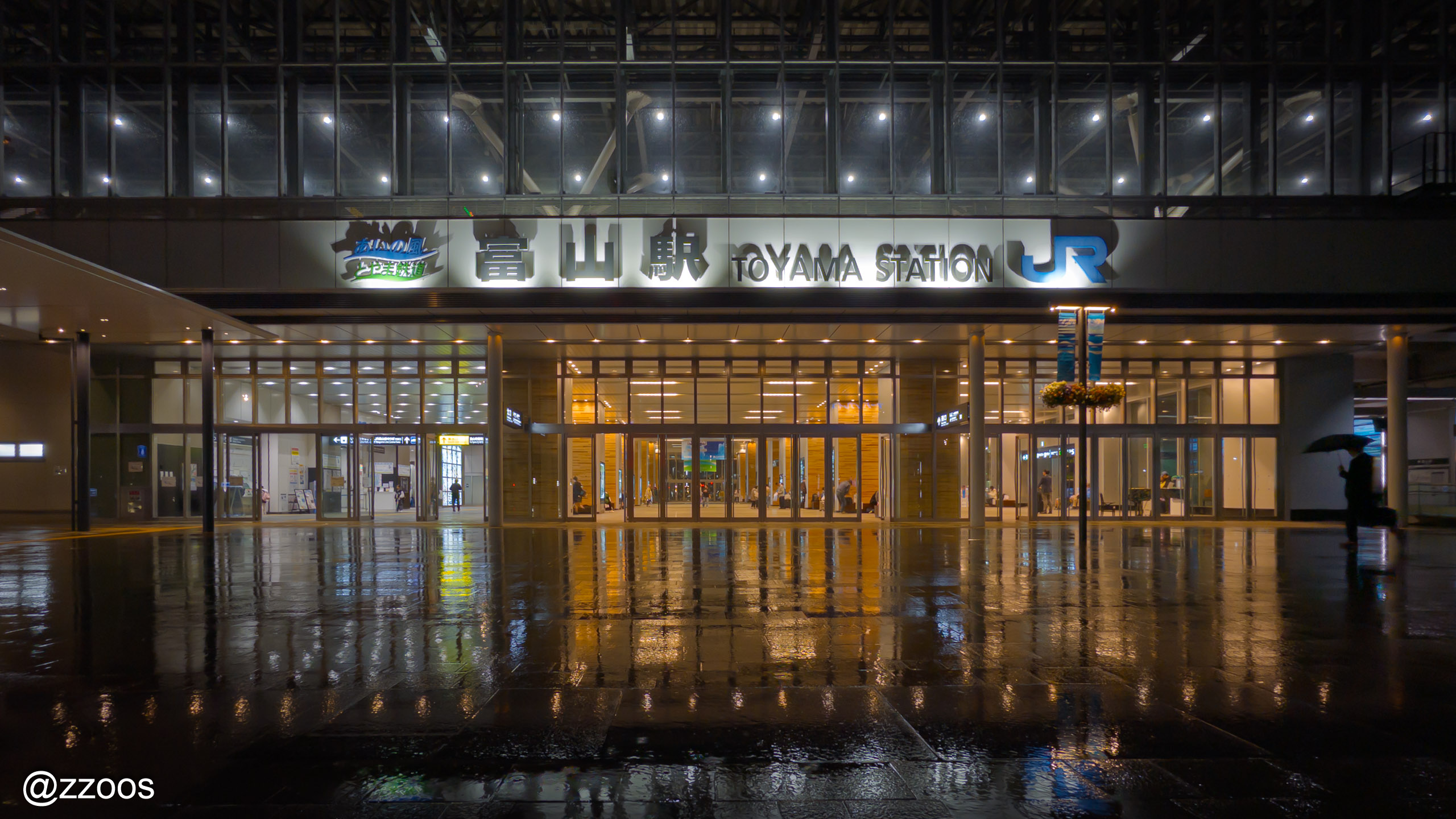
Toyama Station is also a very large station. As the station for a prefectural capital, it’s a shinkansen stop with plenty of passengers. On top of that, Toyama Station is also the terminus for several important trains.
And one of the big features of Toyama Station is that it even includes a tram stop. The tram platform takes up a large space right inside the station building.
That makes it very easy to transfer to a tram once you arrive at the station. That said, Toyama’s trams have six different lines, so you need to make sure you board the right one depending on your destination. The fare is a flat 240 yen regardless of distance.
An impromptu trip to Toyama. It was pouring rain and a bit chilly, and there was also the effect of overdrinking the night before, so I needed something warm and restorative.
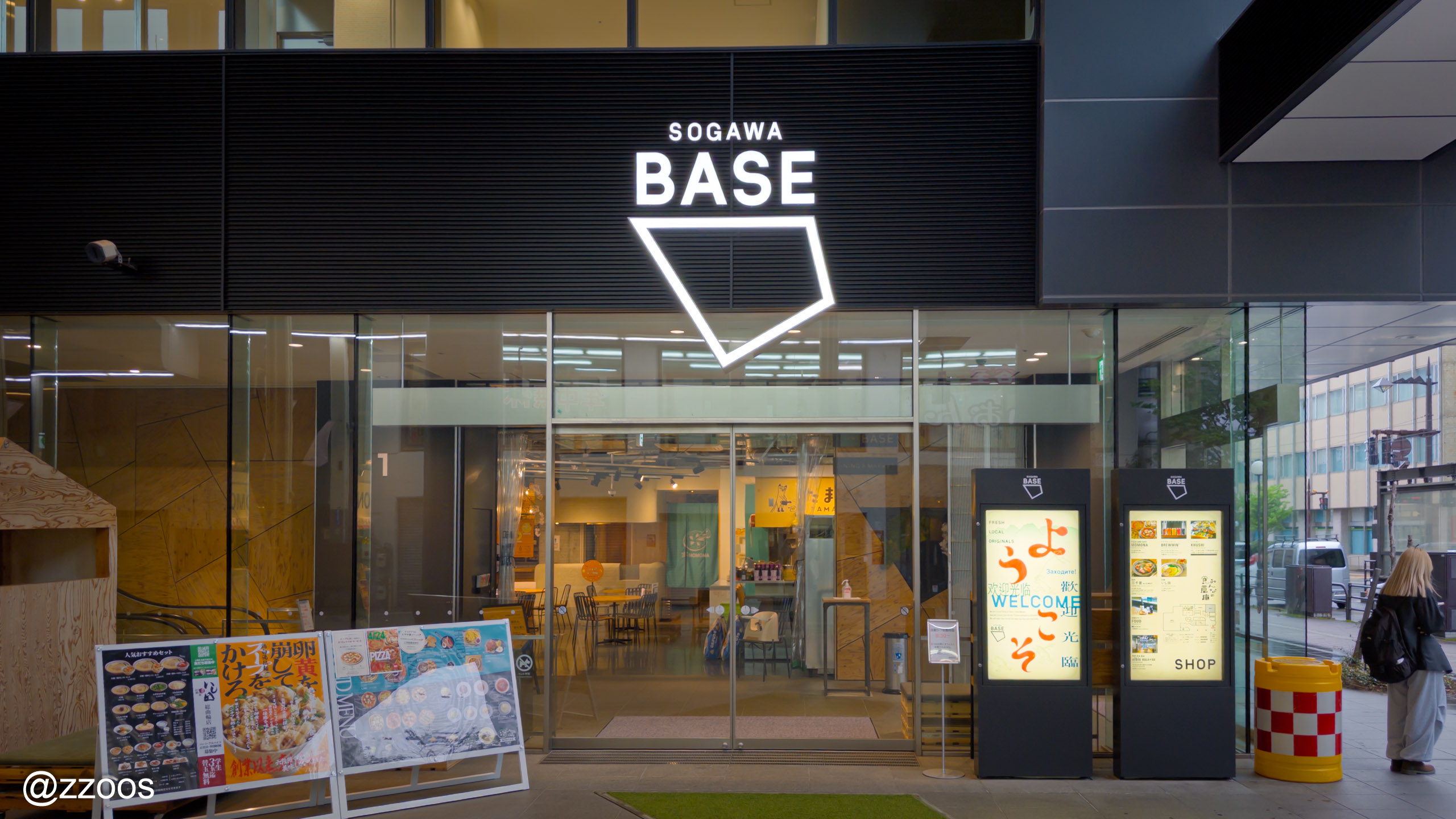
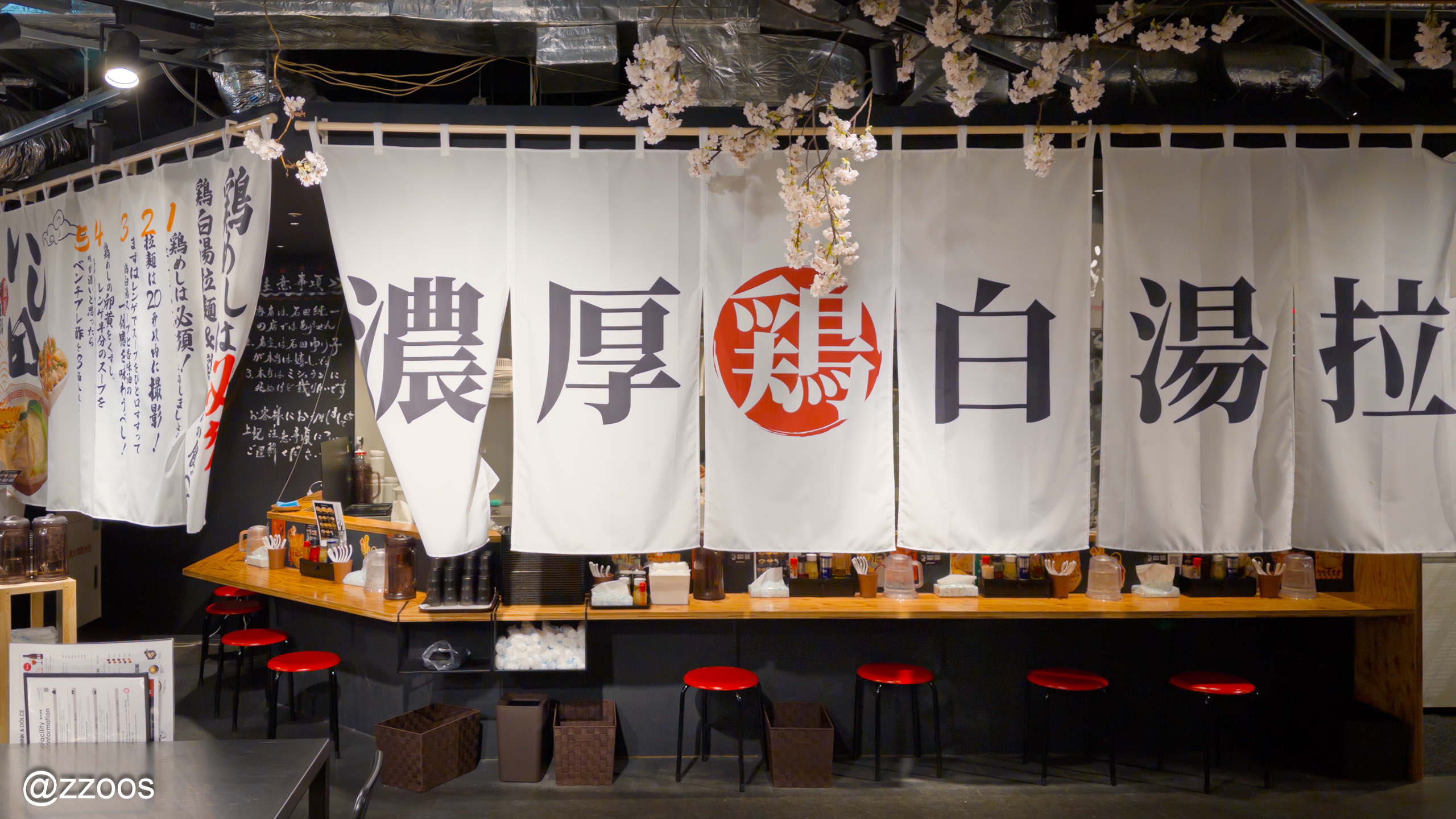
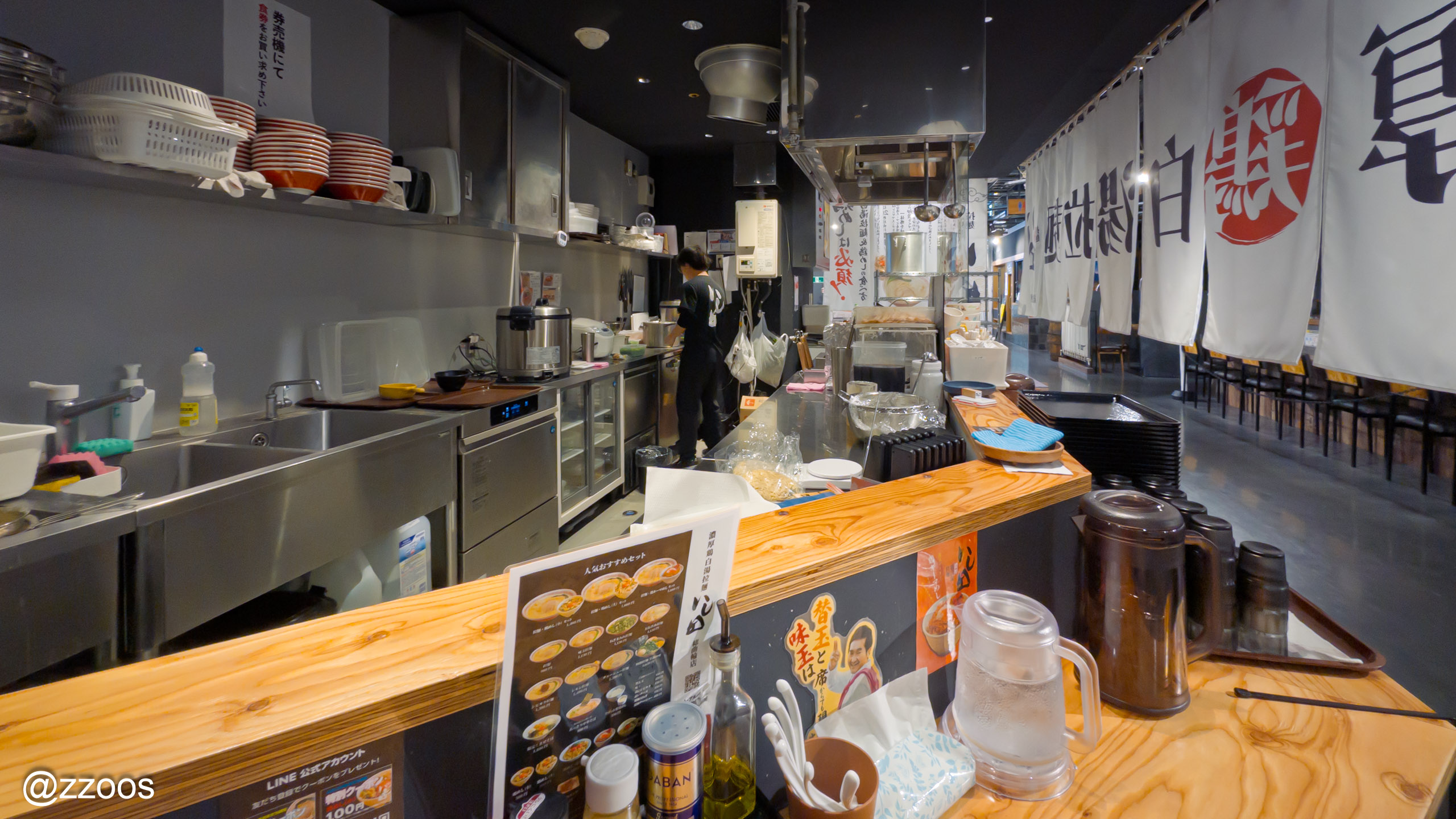
The place I found for a late lunch was a shopping mall called SOGAWA BASE, in front of the Nakamachi (中町) tram stop. There was a small food court on the first floor, and in it, a chicken paitan ramen shop called Ishida (いし田).
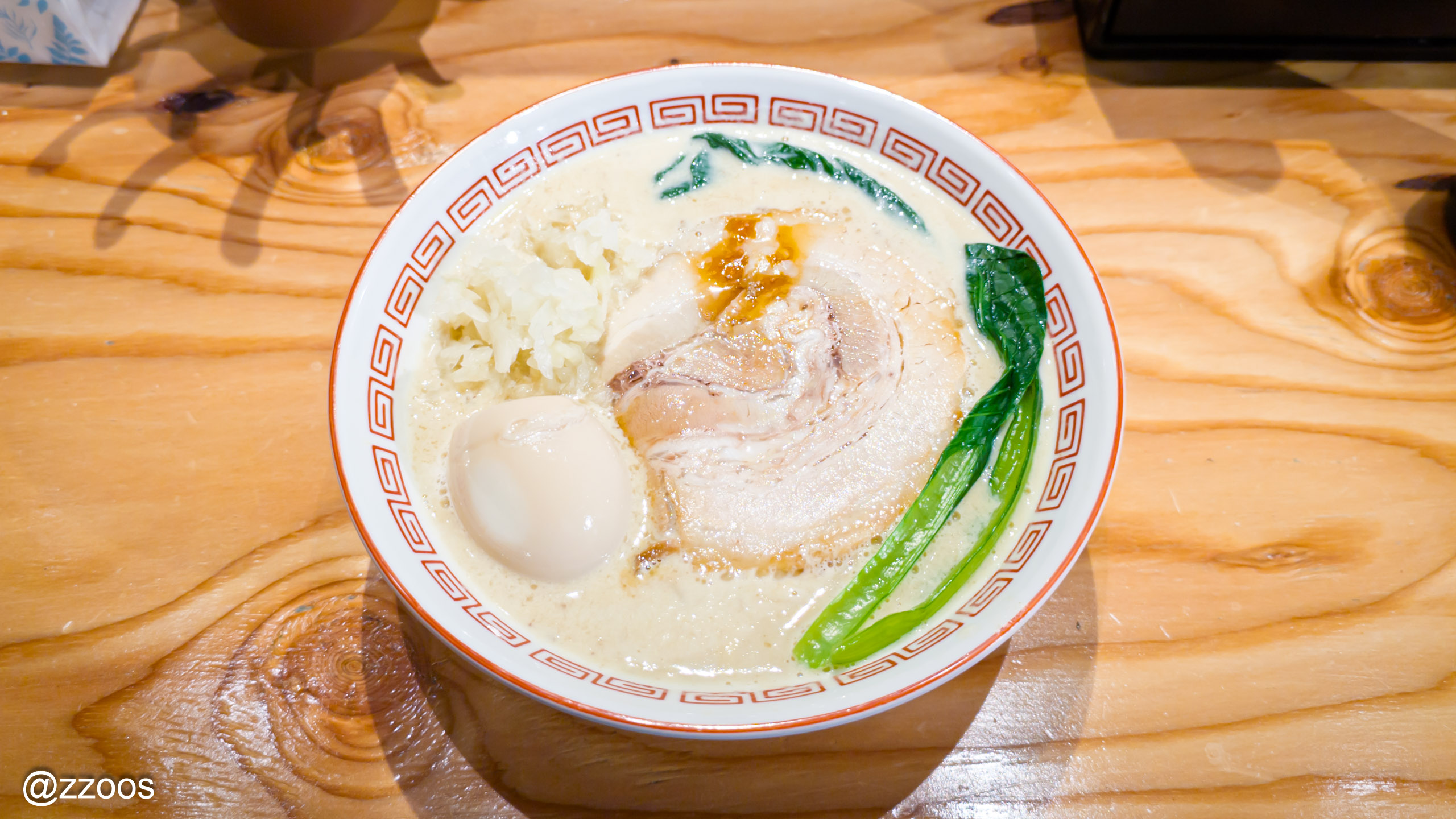
The name posted in front of the shop read Noko Tori-Paitan (濃厚鶏白湯) — noko (濃厚) meaning “rich.” How rich does it have to be for them to put that word right in front of the ramen’s name? That’s what made me pick this place. Its Tabelog rating was around 3.11, not especially high.
But the broth was definitely hot and rich. The noodles held up well, and the chashu wasn’t bad either. After finishing the piping hot chicken broth, I could feel some energy coming back into my body.
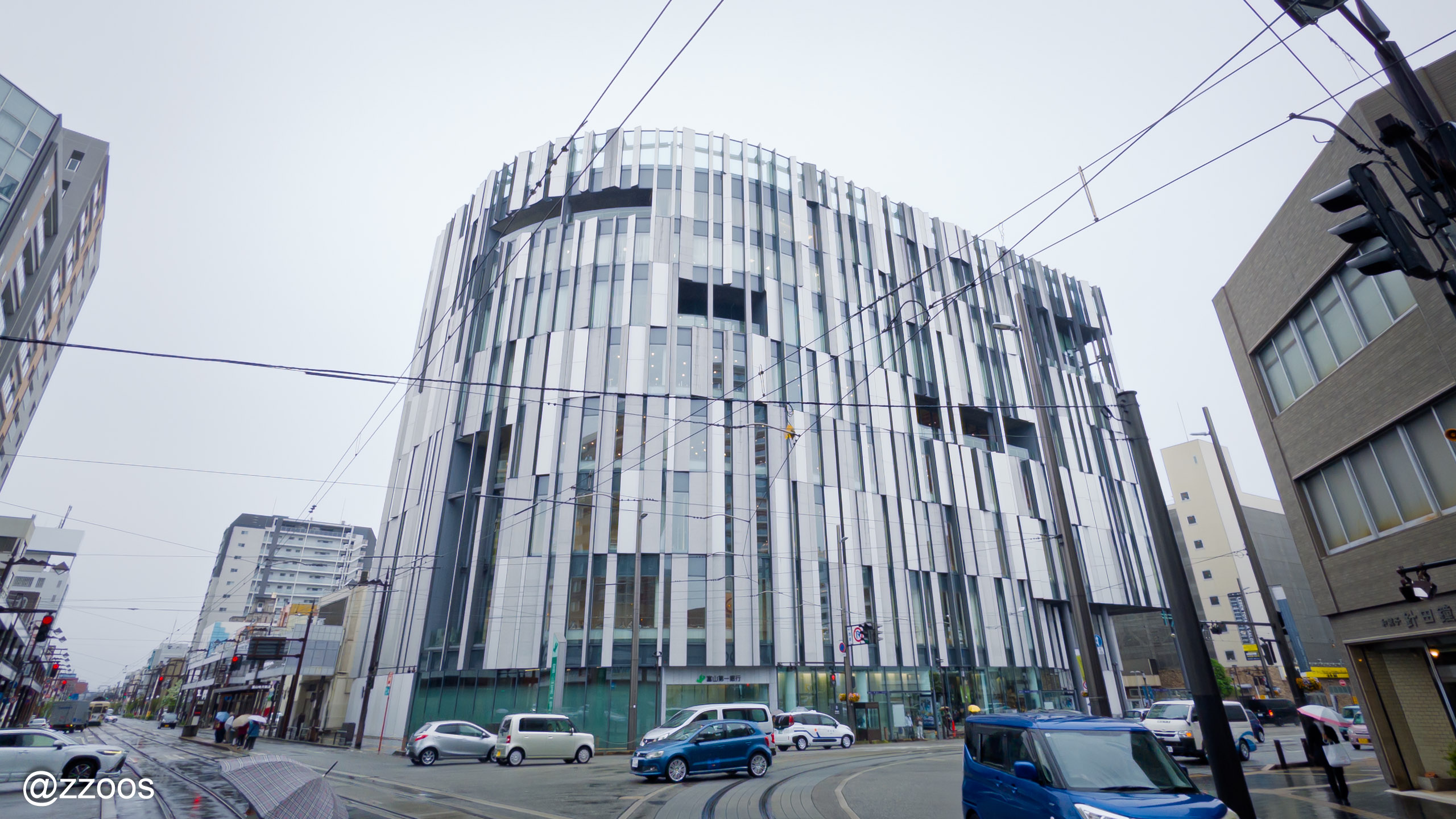
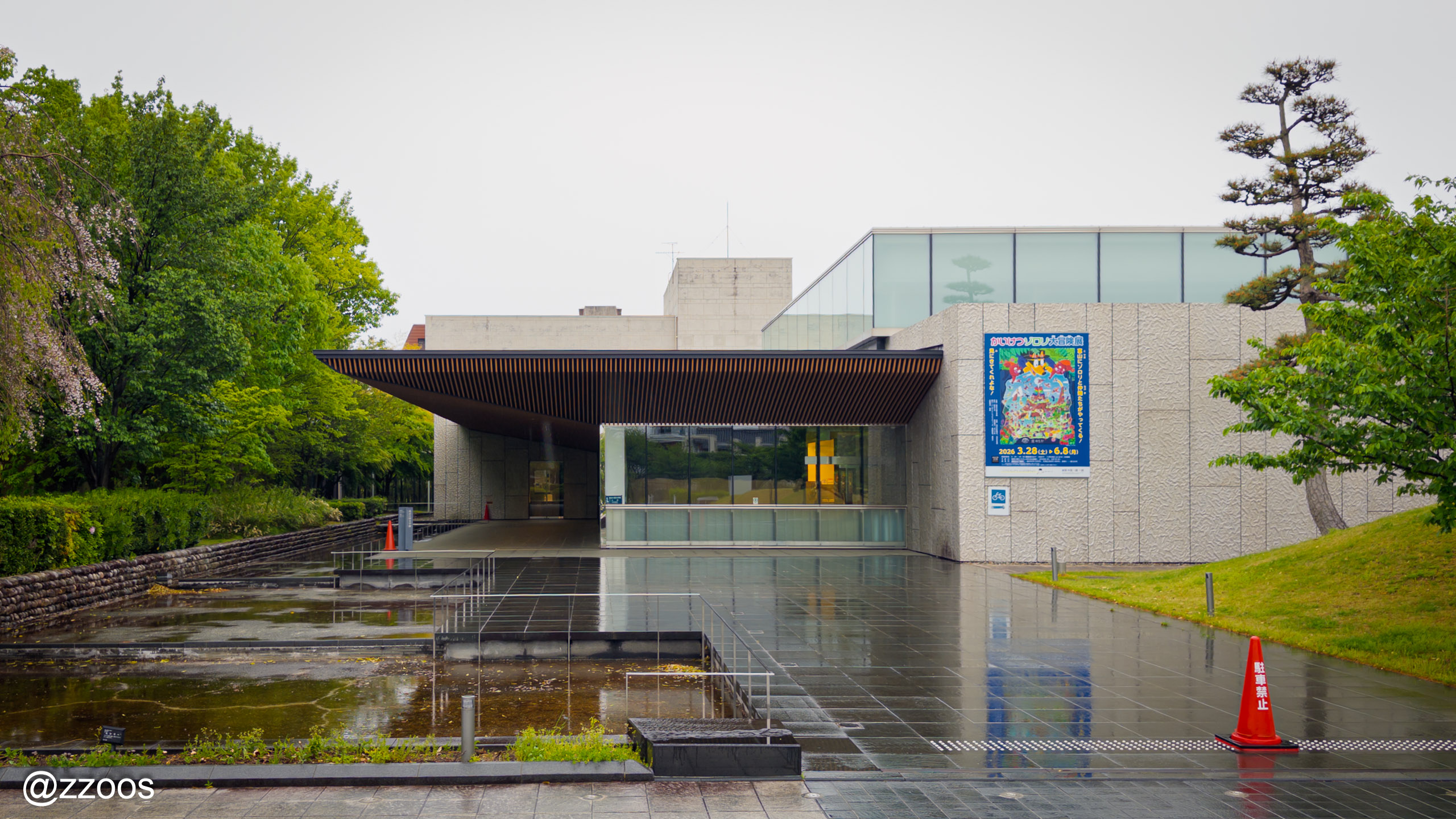
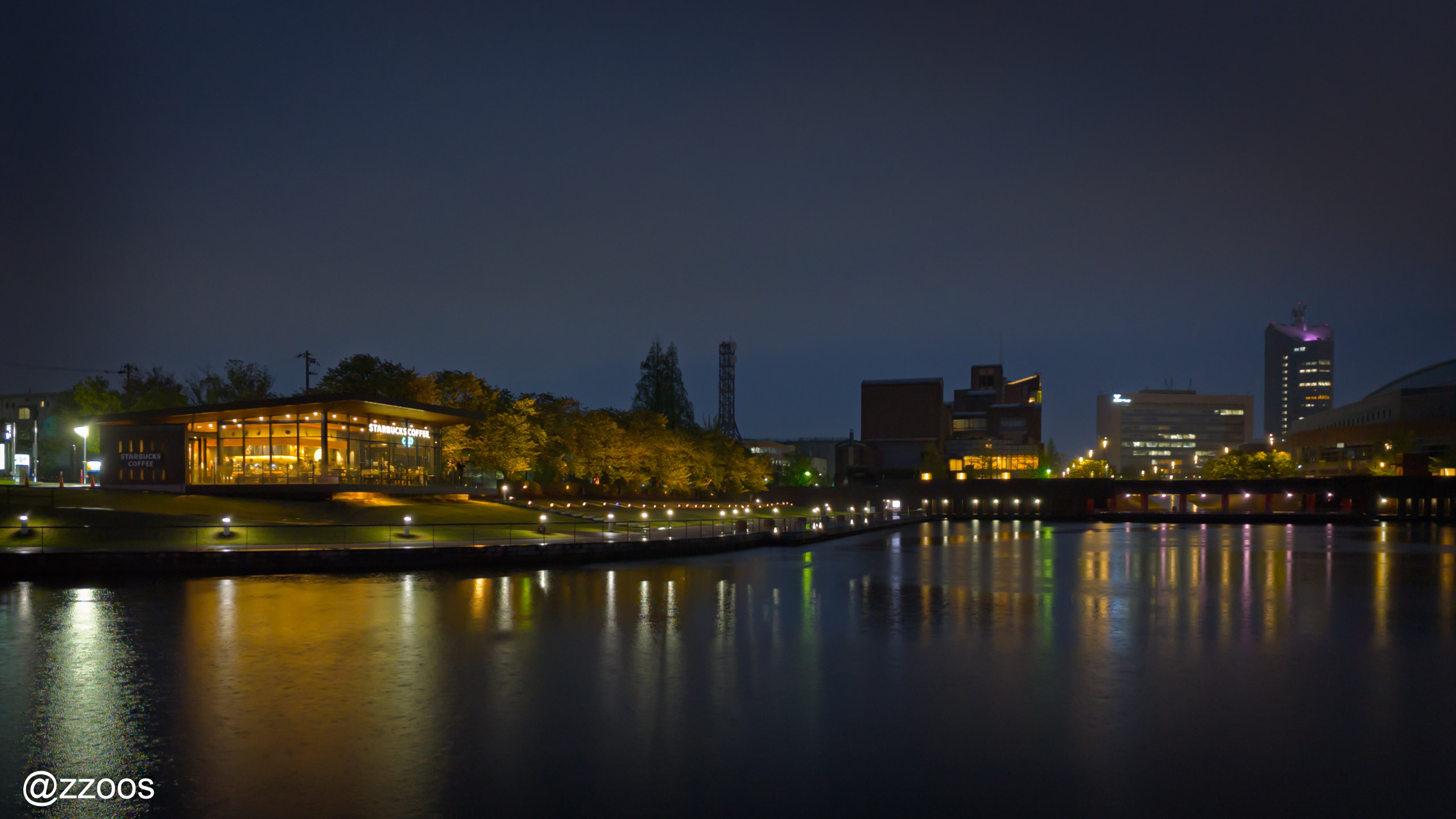
After that, I wandered around Toyama with an umbrella.
I visited the Toyama Glass Art Museum (富山市ガラス美術館) and looked around the Koshinokuni Museum of Literature (高志の国文学館). I walked through the streets a bit with my umbrella too. I also spent a good amount of time at Kansui Park, the whole reason for this impromptu trip to Toyama in the first place.
It’s not an exaggeration to say that this whole spontaneous outing began just so I could capture the night view of Kansui Park in the rain. So I walked around the park in the rain, taking photos here and there.
I’ll show you all of this, bit by bit, in future posts.
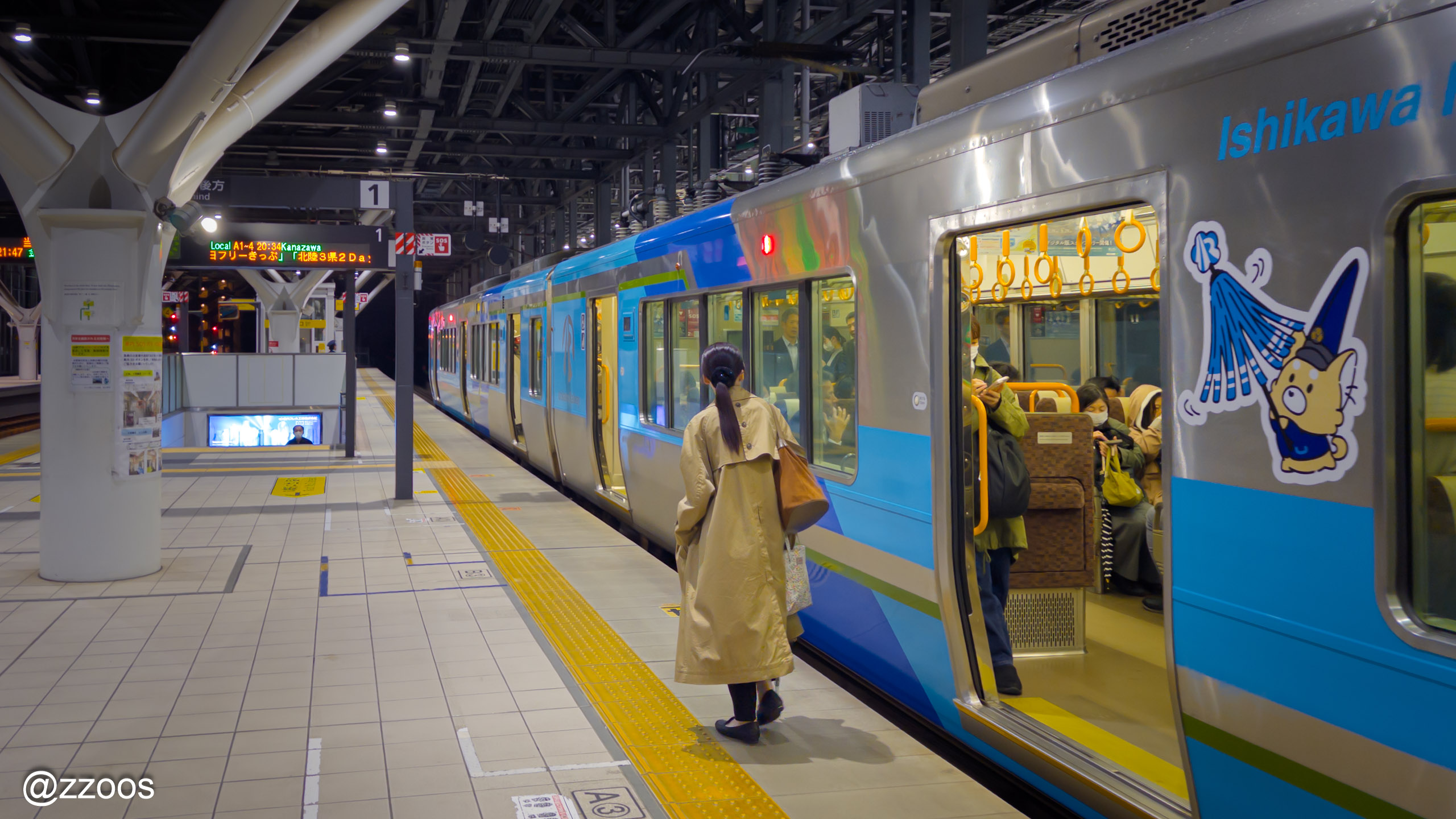
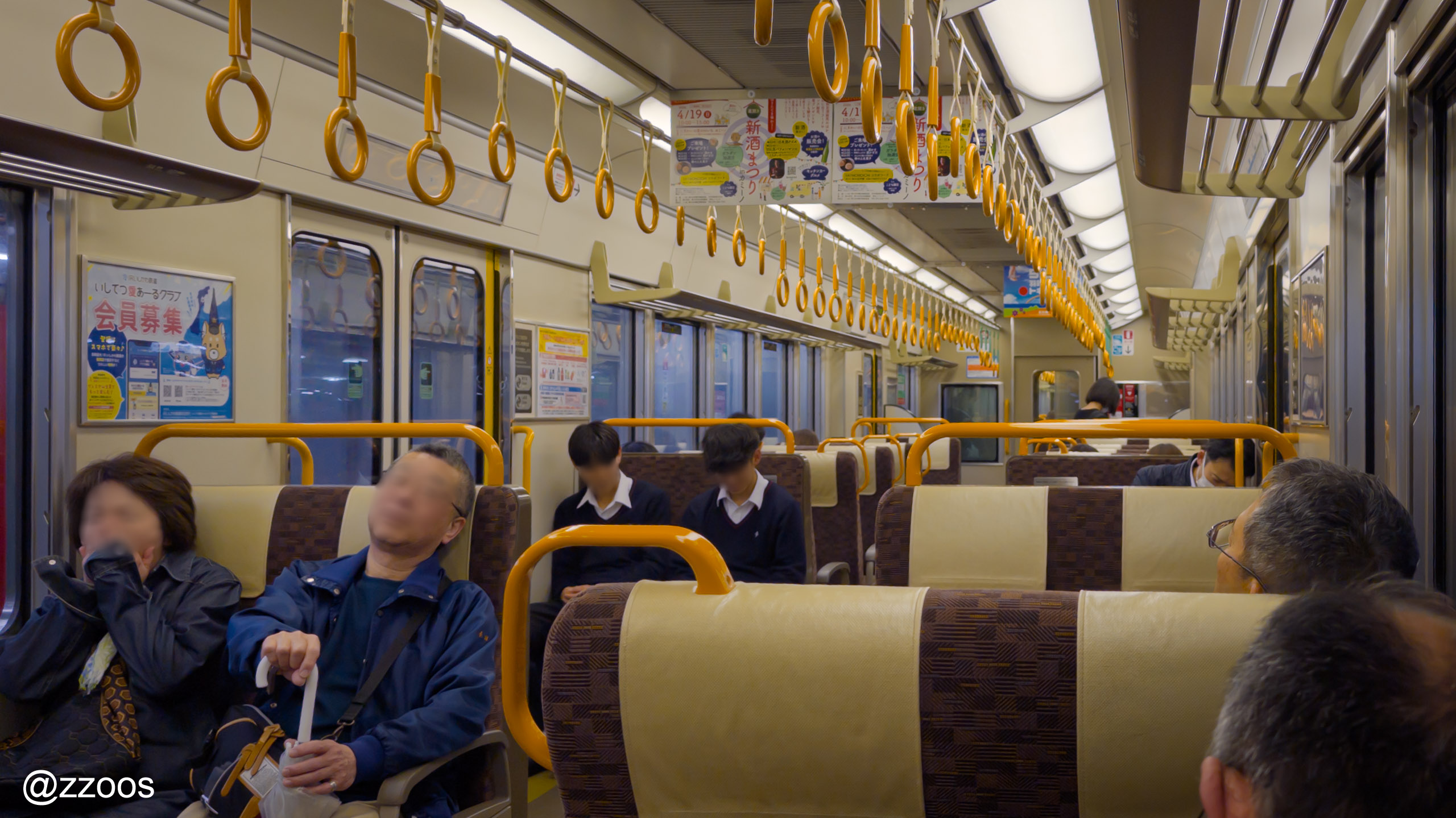
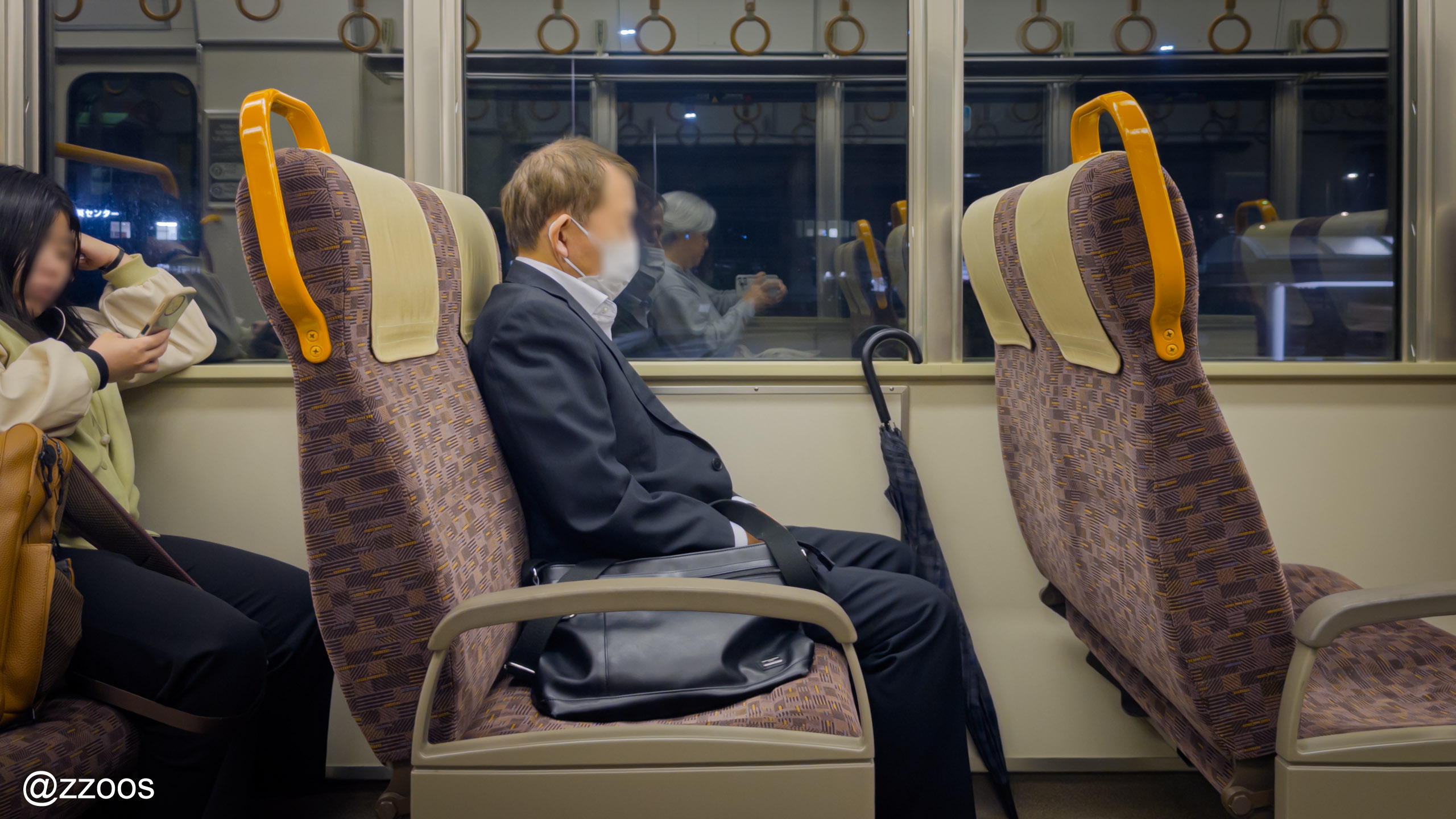
I wandered around downtown Toyama in the rain even after dark, and boarded the train back to Kanazawa around 8:30 in the evening. It would take about an hour to reach Kanazawa Station.
You could say a train around this time is essentially the last possible option for a day trip. The IR Ishikawa Railway trains from Toyama Station to Kanazawa Station run fairly late, but the buses in Kanazawa all stop running around 10 p.m.
I haven’t shown you much of Toyama yet, but let me say this in advance: Toyama turned out to be a pretty interesting place. It has noticeably fewer tourists compared to Kanazawa. That also means you get a much closer look at what local life is actually like.
And even though I only had two meals there, I got the sense that prices were quite low. That’s probably also because it isn’t a tourist destination.
Remember how I mentioned that Kanazawa’s seafood is delicious because of the abundant catch from Toyama Bay? If that’s true, then the freshest seafood probably isn’t found in Kanazawa at all, but right here in Toyama City, on Toyama Bay itself. And on top of that, prices are even lower?
So yes, I’m thinking of planning a trip centered on Toyama at some point. Places like Takaoka (高岡) or Himi (氷見) seem like they’d be fun to explore. I think it could make for a pretty solid route.
A half-day outing wasn’t nearly enough to experience everything Toyama has to offer.