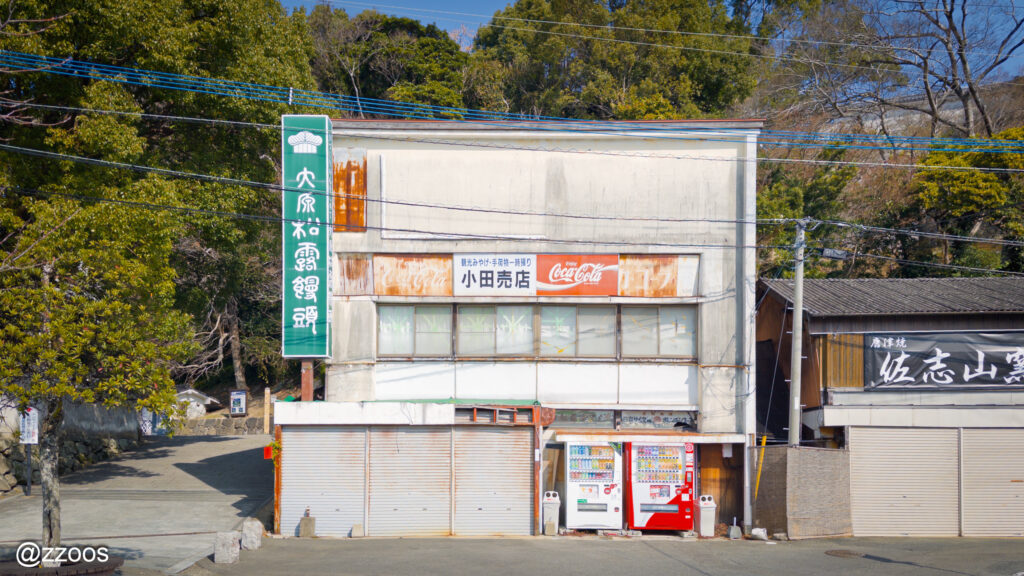
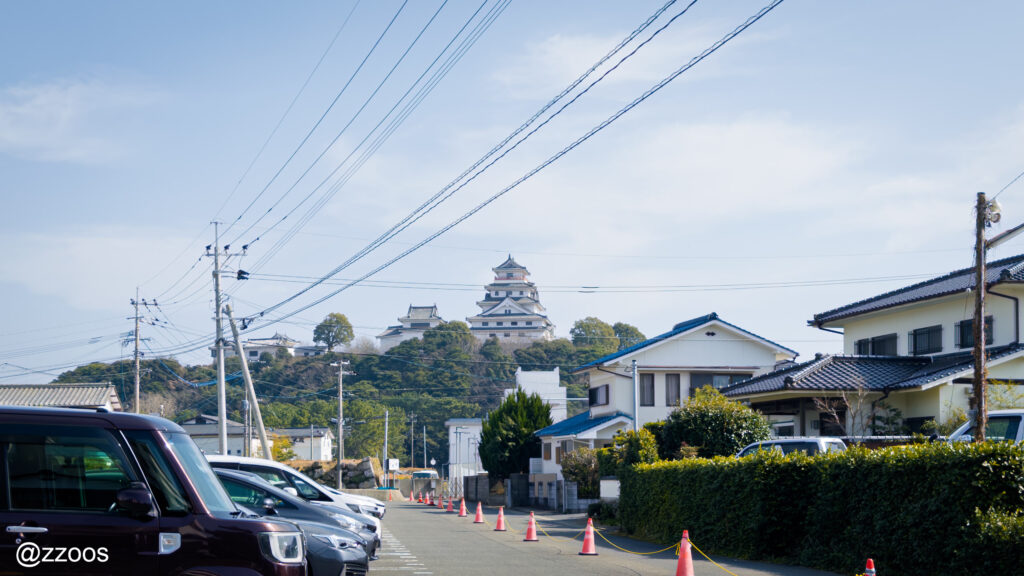
After exploring Karatsu Castle,
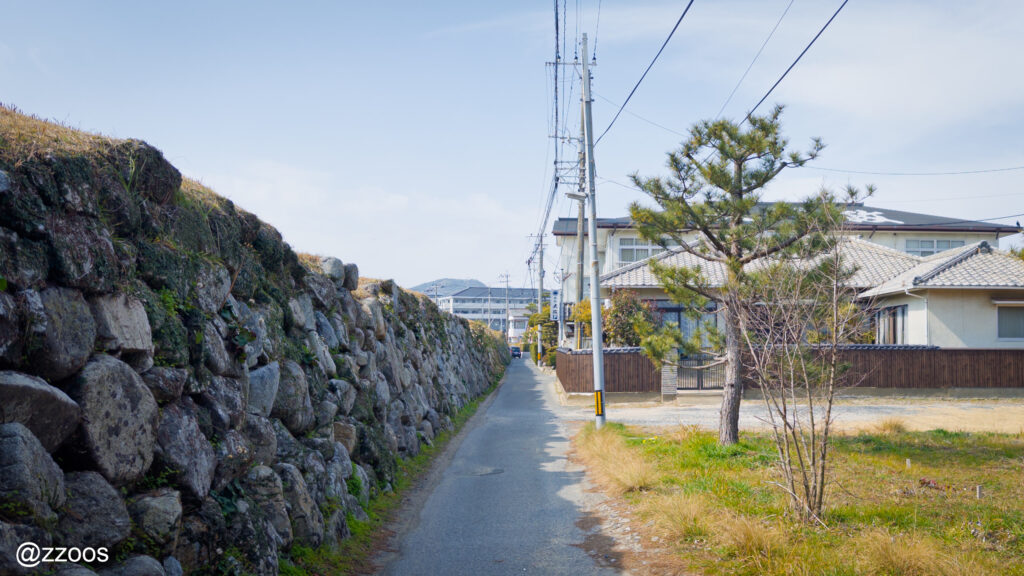
I walked along the stone wall path.
If you keep walking along this path,
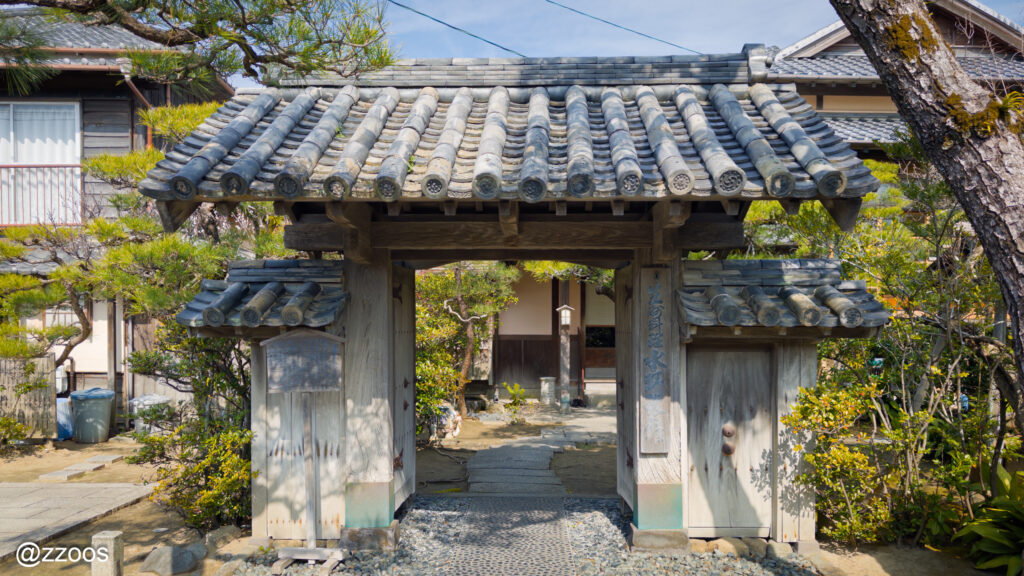
it seems you can reach the former Takatori residence.
The atmosphere feels a bit different from the stone walls in Jeju, Korea.
If Jeju’s stone walls were built to block the wind,
the ones here feel more like traces of fortress walls built below the castle.
Walking along this not-so-long path,
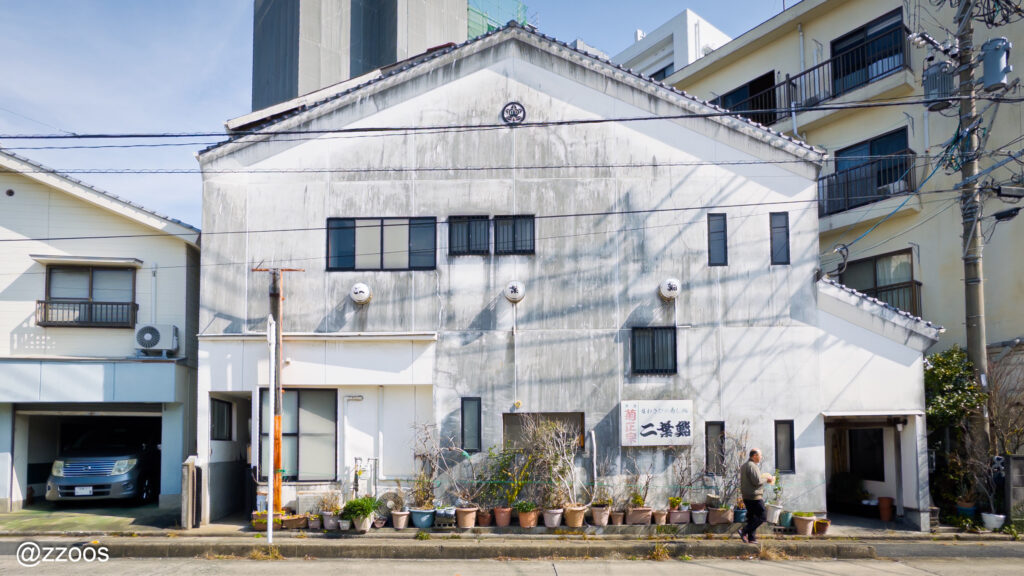
you can also spot a few ryokans that seem to have been in business for a long time.
I can’t be sure,
but perhaps they have been operating since the time when Karatsu was commercially prosperous.
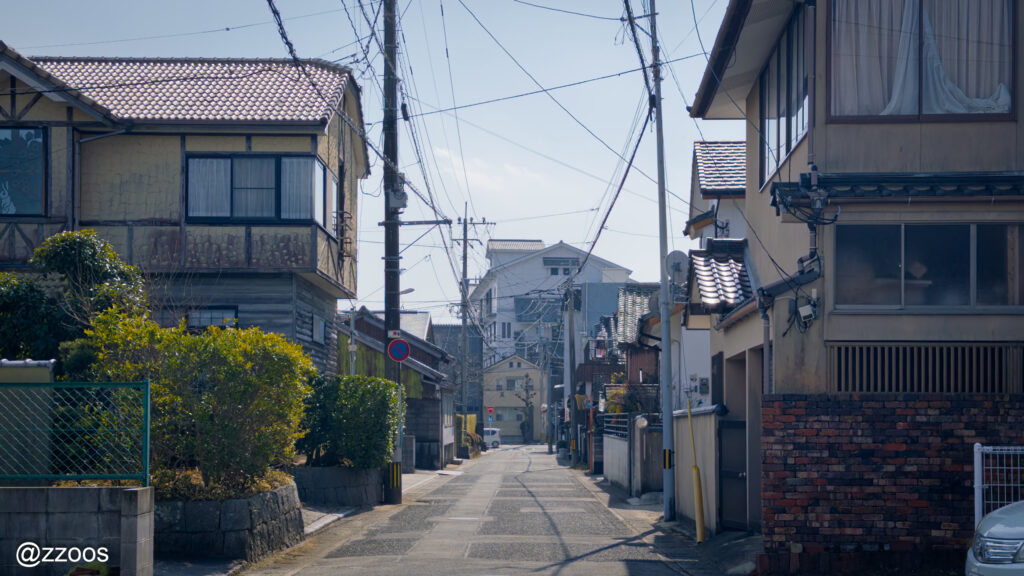
On the way to the Takatori residence,
it became time for lunch.
But no matter how much I looked around,
even after checking Google Maps,
there were no restaurants nearby.
So I decided to step off the route for a while.
I changed direction toward the downtown area,
and ended up crossing through the residential area of Higashi Jonai (東城内).
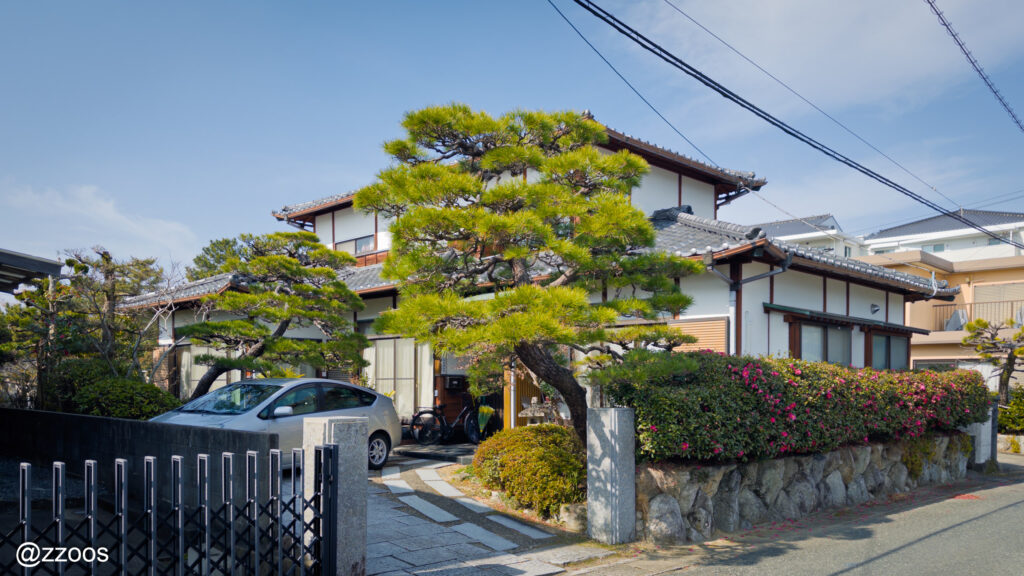
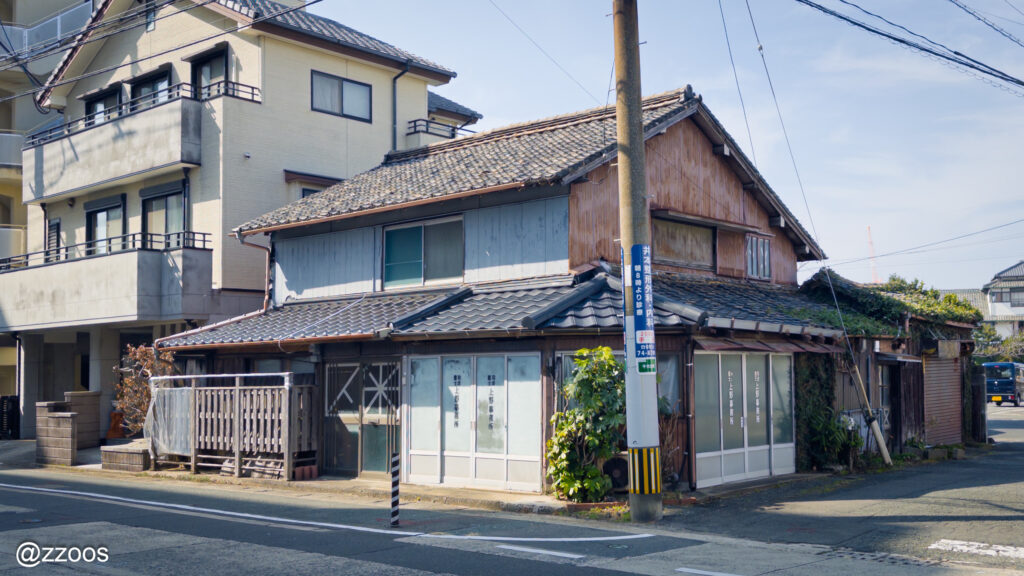
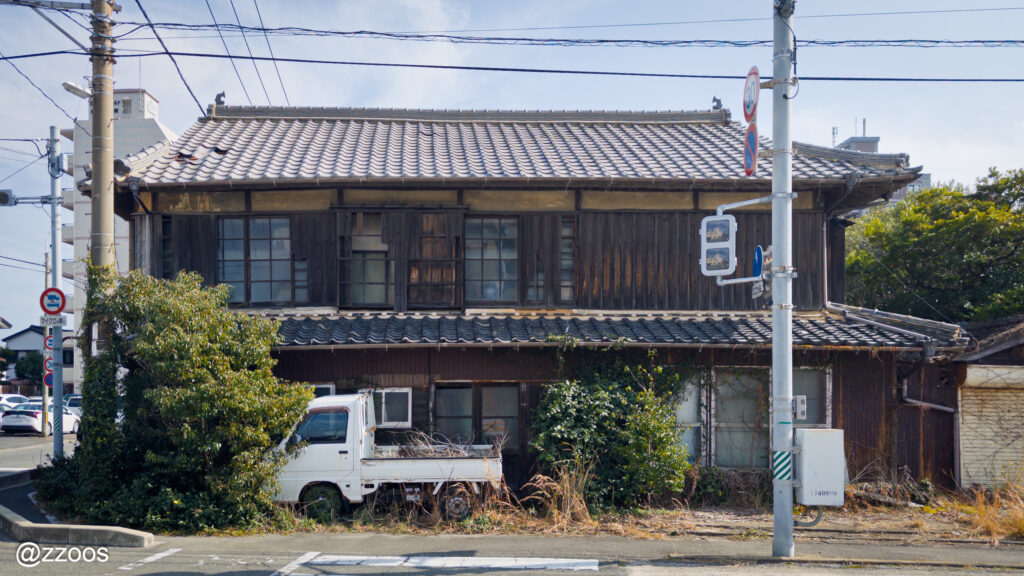
There are traditional houses,
modern ones,
old houses,
and well-maintained homes.
Different forms of living coexist neatly together.
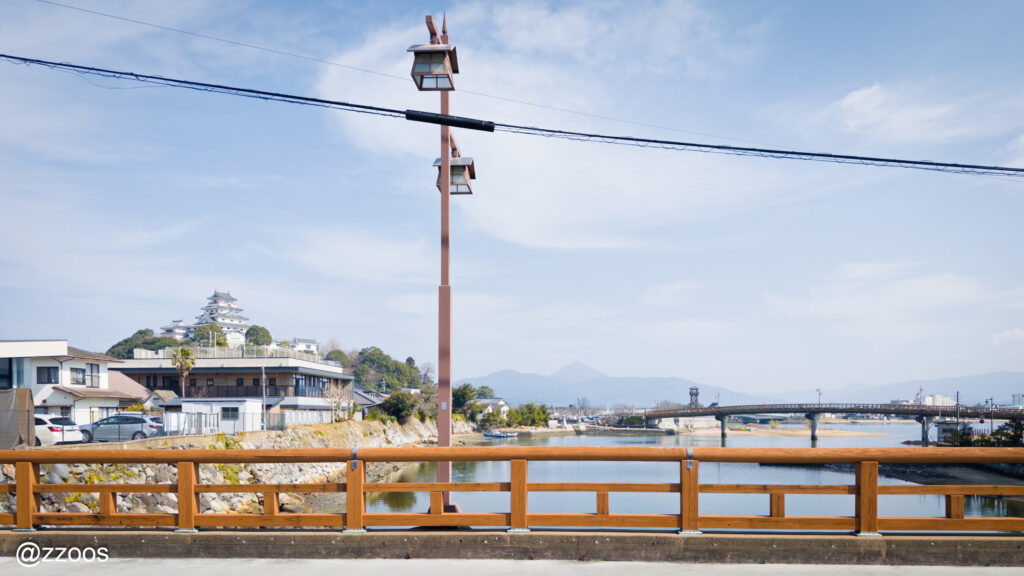
Looking at the place names around Karatsu Castle,
it seems that quite a wide area was once called Jonai (城内),
the central area of the castle town.
The area where Karatsu Castle stands is Higashi Jonai (東城内),
the area with Karatsu City Hall is Nishi Jonai (西城内),
the area with Karatsu Shrine and Oteguchi is Minami Jonai (南城内),
and the area with the former Takatori residence is Kita Jonai (北城内).
Although divided into east, west, south, and north,
they are all called Jonai.
This suggests that this entire area
was once the political and military center.
The lord lived inside the castle,
and high-ranking samurai lived in the Jonai areas nearby.
Now it makes sense
why the commercial district of Karatsu is located just below Minami Jonai.
That area must have been commercially active even in the past.
Travel routes are usually made by connecting destinations.
To create an efficient route,
we decide the order of destinations
and sometimes even the means of transportation.
But when you unintentionally step off the planned route,
that is when the charm of travel appears.
You encounter unexpected new scenes.
That’s why
I don’t make my plans too rigid.
I prefer flexible plans
that can be replaced at any time.
I believe that makes my travel richer.
After finishing lunch,
I head back toward the former Takatori residence.
Along the way,
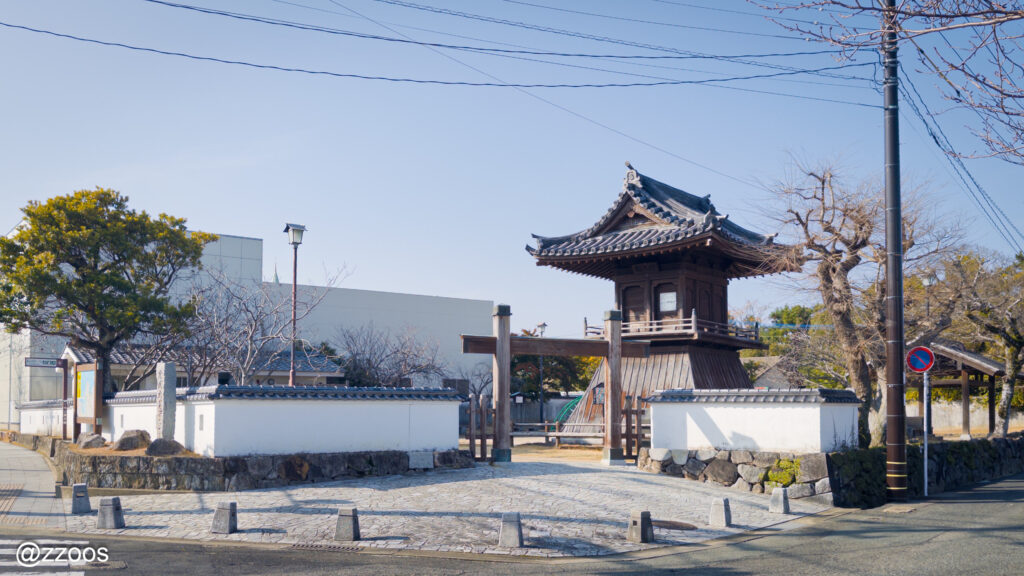
there is a strangely shaped clock tower in a small park.
Checking Google Maps,
it is called Toki no Taiko (時の太鼓).
It is a reconstruction of a watchtower
that once stood in front of the second gate of Karatsu Castle.
On the second floor,
there is a clock.
Every hour on the hour,
a samurai doll and a drum appear to announce the time.
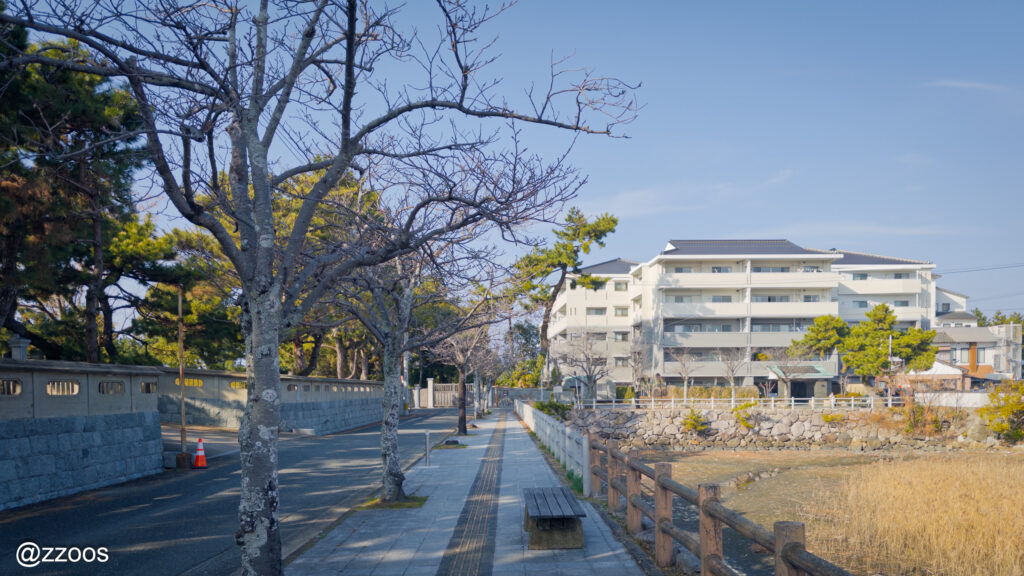
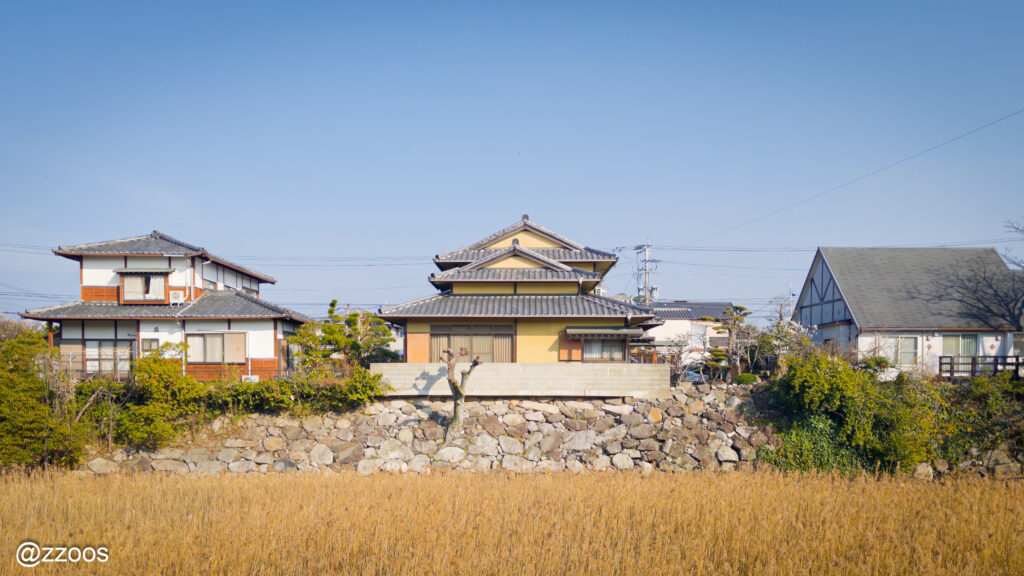
I walk along the remaining moat of Karatsu Castle
on the right side of the park.
It is a quiet and peaceful neighborhood.
For some reason,
it gives off the feeling of a wealthy area.
Once again,
I take in the street scenes of Karatsu
with my eyes and my heart.
And of course,
I also take out my phone
and leave them as photographs.